Greater Middle East
Lebanon

Lebanon ceasefire —real or fiction?

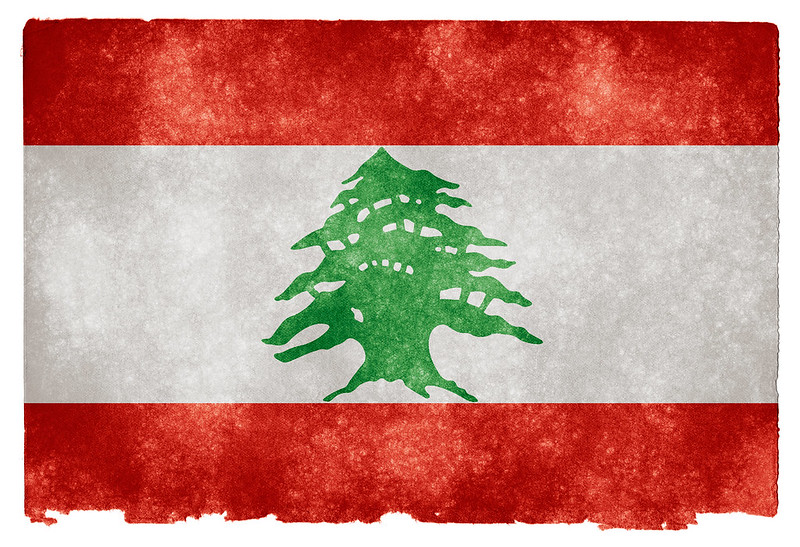
The ceasefire between Israel and the Lebanese political and militant group Hezbollah is on shaky ground following an Israeli air-strike on Beirut’s southern suburbs. It was the first strike on Lebanon’s capital since a pause in hostilities came into effect in November last year. Israel—which has bombed southern Lebanon almost daily despite the ceasefire—said it was retaliating for a rocket attack into northern Israel. Hezbollah chief Naim Qassem warned that if Israel continues to carry out strikes in Lebanon, and the Lebanese government does not act to stop it, then his organization will take matters into its own hands. (Image via Flickr)

Planet Watch
Toad

Podcast: yet further thoughts on the common toad

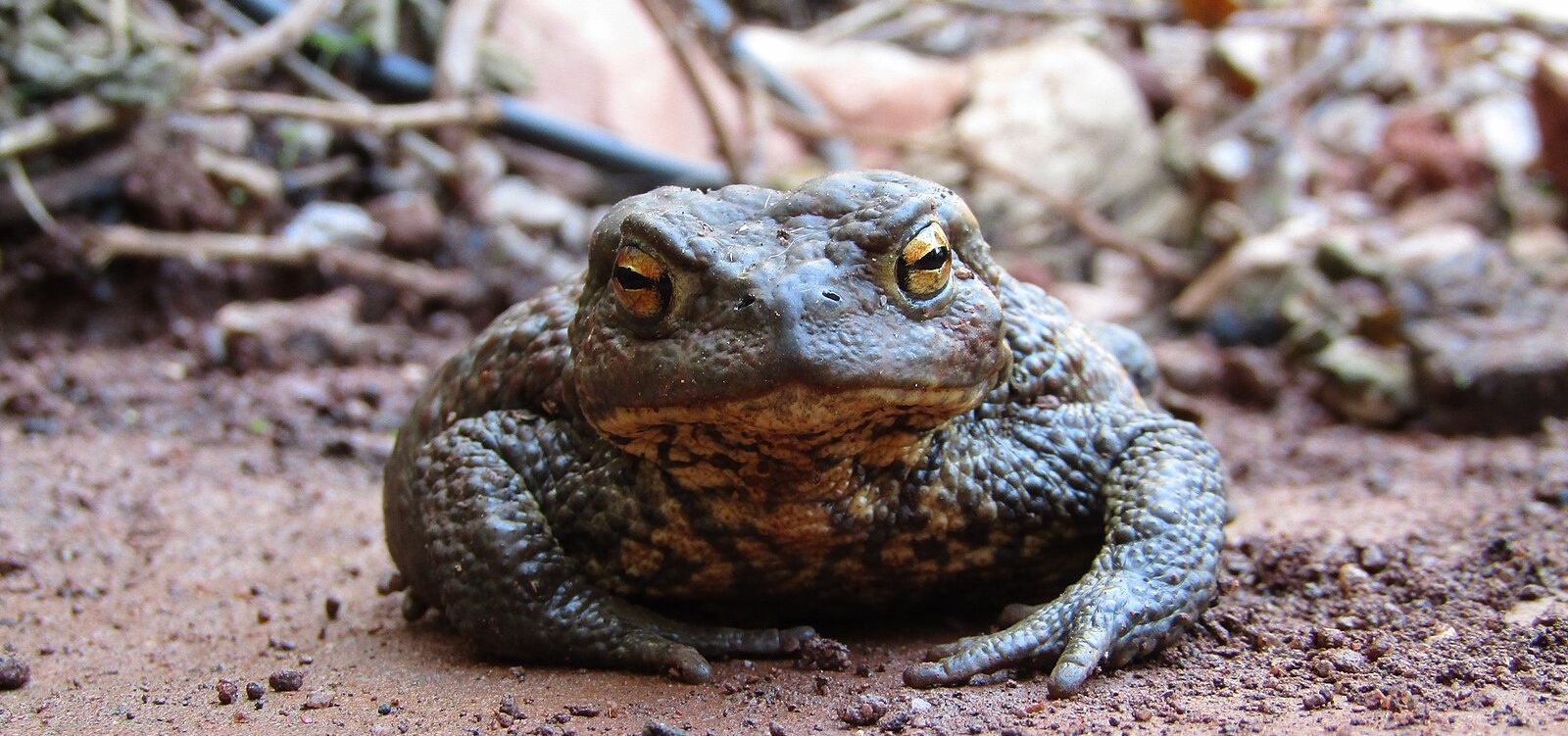
The digitization and literal disembodiment of every sphere of human reality advances with terrifying rapidity—from the Social Security system to the New York subway system. Rather than dropping swipe-cards and bringing back tokens, returning to what was a manifestly superior and more rational system, New York’s Metropolitan Transportation Authority moves to a still more dystopian “contactless” credit system. Similarly, rather than phasing out automobiles, our corporate overlords are now imposing driverless cars, a further step toward making the human race redundant altogether and portending the ultimate abolition of humanity. In Episode 270 of the CounterVortex podcast, Bill Weinberg continues his Spring ritual of reading the George Orwell essay “Some Thoughts on the Common Toad“—which brilliantly critiqued technological hypertrophy and articulated an imperative for humanistic revolution and scaleback of the mega-machine way back in April 1946. (Photo: Partonez via Wikimedia Commons)

Greater Middle East
warplanes

Trump launches air-strikes on Yemen, Iraq

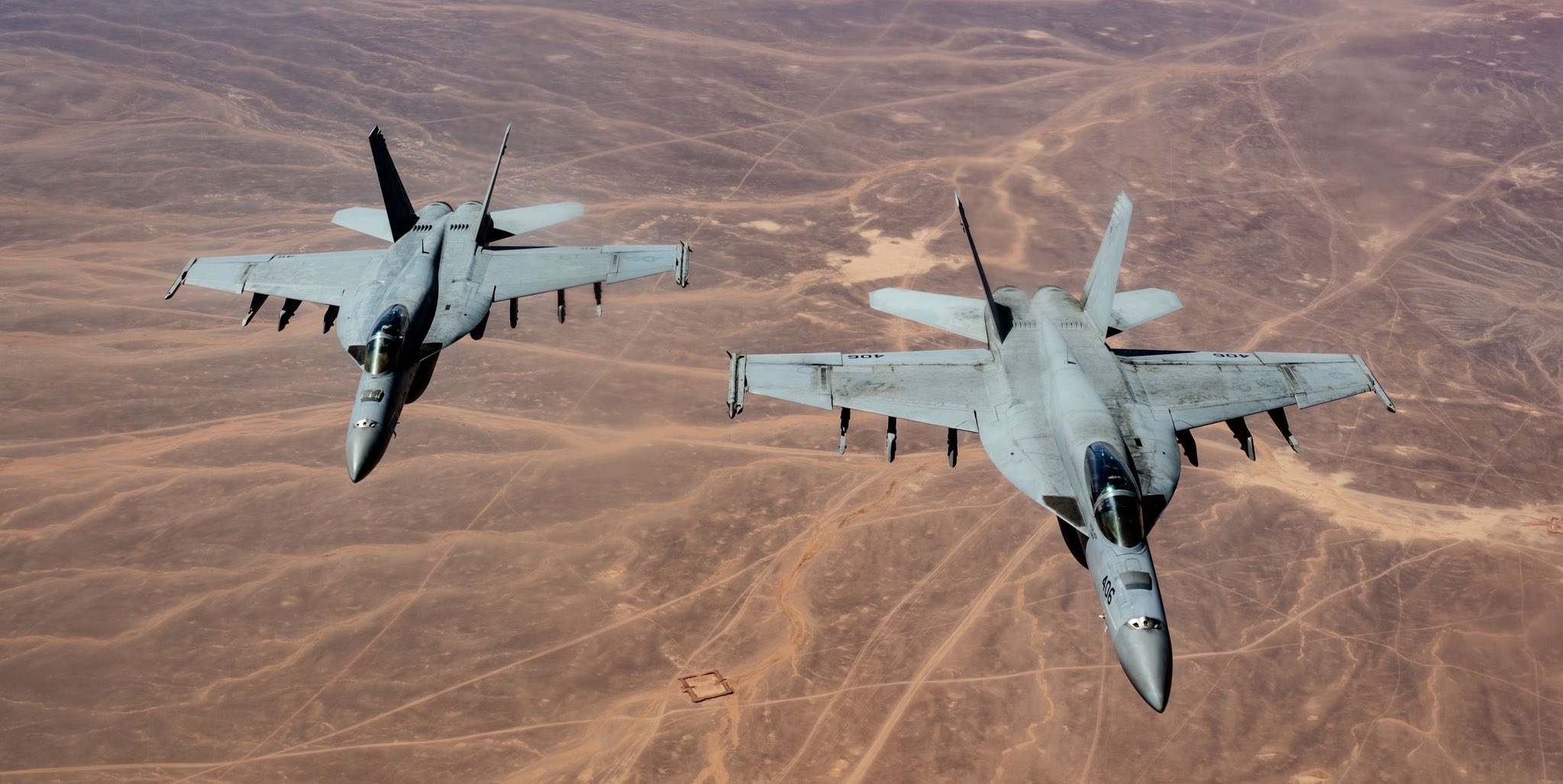
President Donald Trump ordered a series of air-strikes on Yemen’s capital, Sanaa, promising to use “overwhelming lethal force” until the Houthi rebels cease their attacks on shipping along a vital maritime corridor. Houthi authorities said 13 civilians were killed in the strikes. Yemen’s Houthi rebels, who control the capital, have said they will resume attacks on ships in the Red Sea in response to Israel’s renewed blockade on aid to Gaza. Following the January Hamas-Israel ceasefire, the Houthis had paused their campaign of attacks on shipping, which they depict as a gesture of solidarity with the Palestinians (although many targets are not linked to Israel). Days before the strikes on Sanaa, a US air-raid in Iraq’s Anbar province reportedly killed Abdallah Makki Muslih al-Rifai, the second-highest ranking ISIS leader. (Photo: CENTCOM)

Syria
SDF

Syria: interim government, SDF sign integration pact

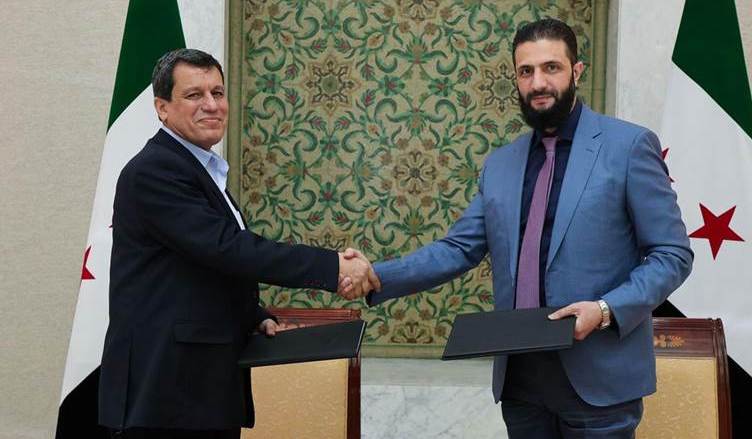
Syria’s interim president Ahmed al-Sharaa and Syrian Democratic Forces (SDF) chief Mazloum Abdi signed an agreement to integrate the Kurdish-led SDF into Syria’s state institutions. A statement by the Syrian Presidency said a pact was reached to “integrate all civil and military institutions in northeast Syria [Rojava] under the administration of the Syrian state, including border crossings, the [Qamishli] Airport, and oil and gas fields.” The statement emphasized that “the Kurdish community is indigenous to the Syrian state, which ensures this community’s right to citizenship and all of its constitutional rights.” (Image: Rudaw)

Syria
SDF

Podcast: Free Syria and the Kurdish question II

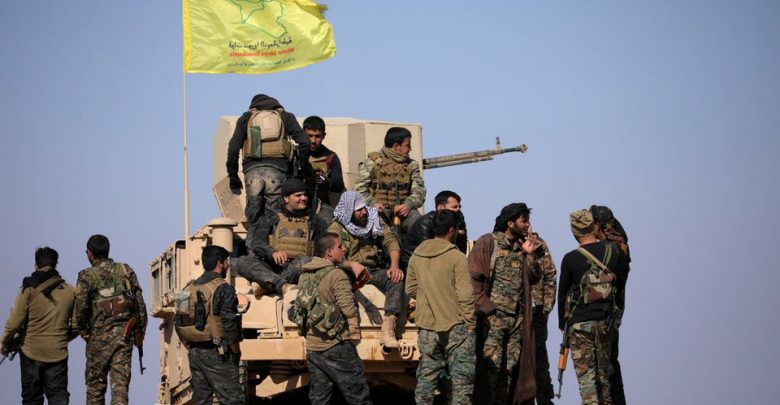
In Episode 268 of the CounterVortex podcast, Bill Weinberg examines the continued fighting in Syria since the fall of the Bashar Assad dictatorship in December. The recent outburst of violence in the Alawite heartland on the Mediterranean coast made headlines, but this week also saw anti-regime protests by Druze in Syria’s south. And fighting has never stopped between forces aligned with the new transition government and those of the Kurdish autonomous zone in the northeast. The situation is complicated by continuing military adventures on Syrian territory by foreign powers—Israel, Turkey, Russia and the US. Will Syrians be able to overcome these challenges and forge a democratic and multicultural order, in repudiation of sectarianism, ethno-nationalism and Great Power intrigues? (Photo: SOHR)

Syria
Syria

External, internal challenges for Syrian Revolution

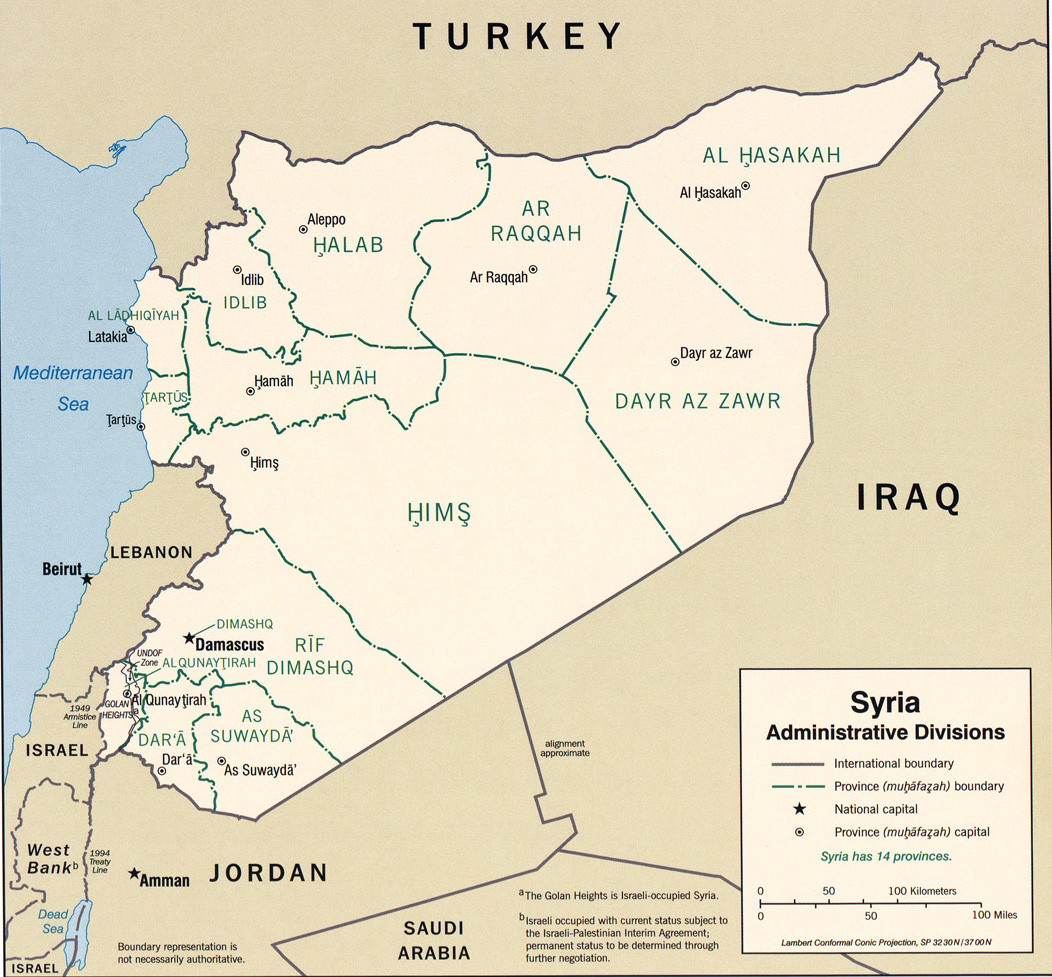
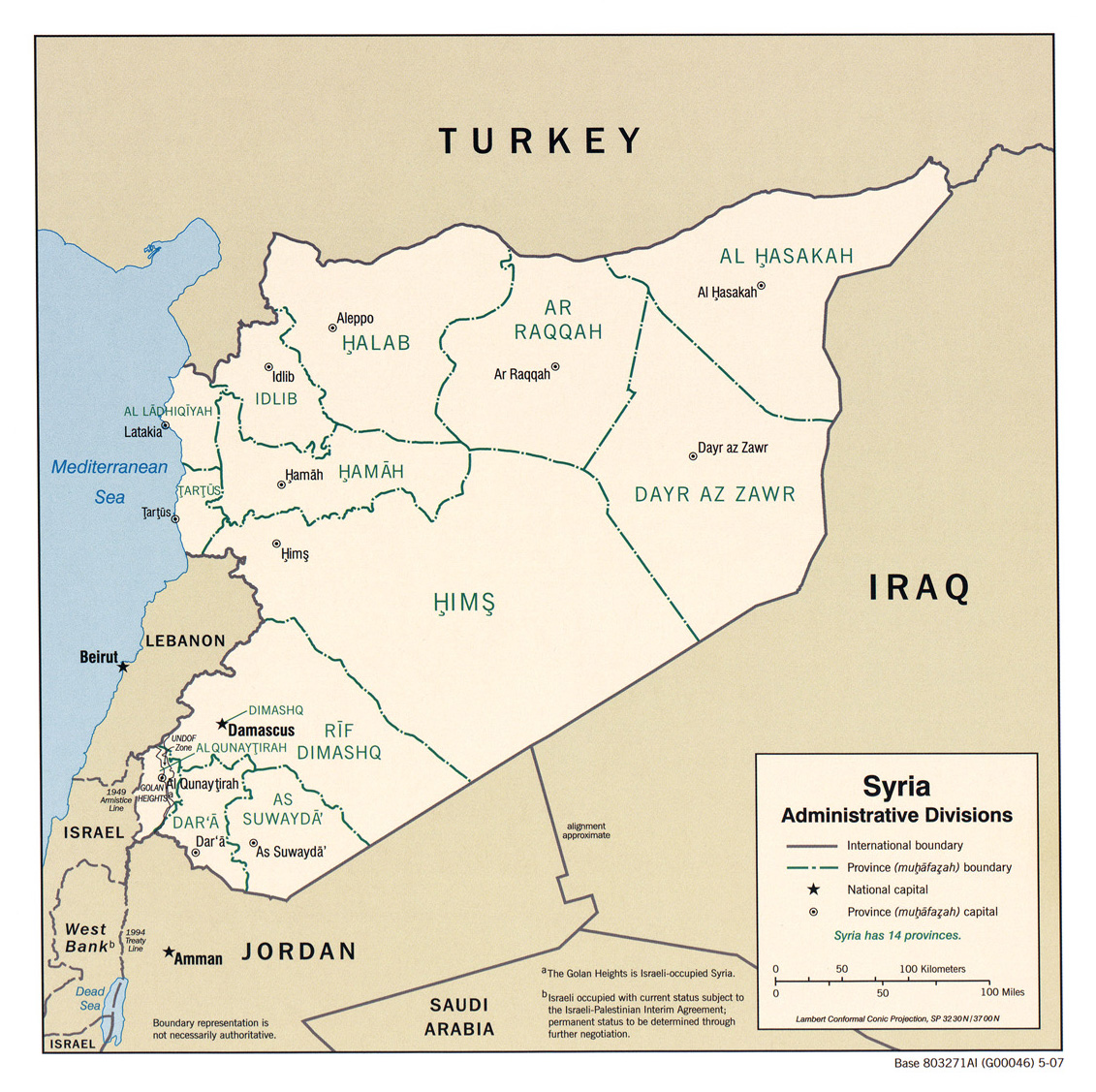
Apparent Assad loyalists have taken up arms against Syria’s transitional government in the Alawite heartland of Latakia on the Mediterranean coast. Fighting meanwhile continues between the Turkish-backed Syrian National Army (SNA) and Kurdish-led Syrian Democratic Forces (SDF) in the northeast, while Israel grabs a “security zone” in the south and continues intermittent air-strikes. Elsewhere in the south, the Druze of Suweida protest their perceived exclusion from the transition process. All this as Russia opens talks with the new authorities in a bid to keep its military bases in Syrian territory. (Map: PCL)

The Andes
PDVSA

Venezuela: Trump restores sanctions on Chevron operations

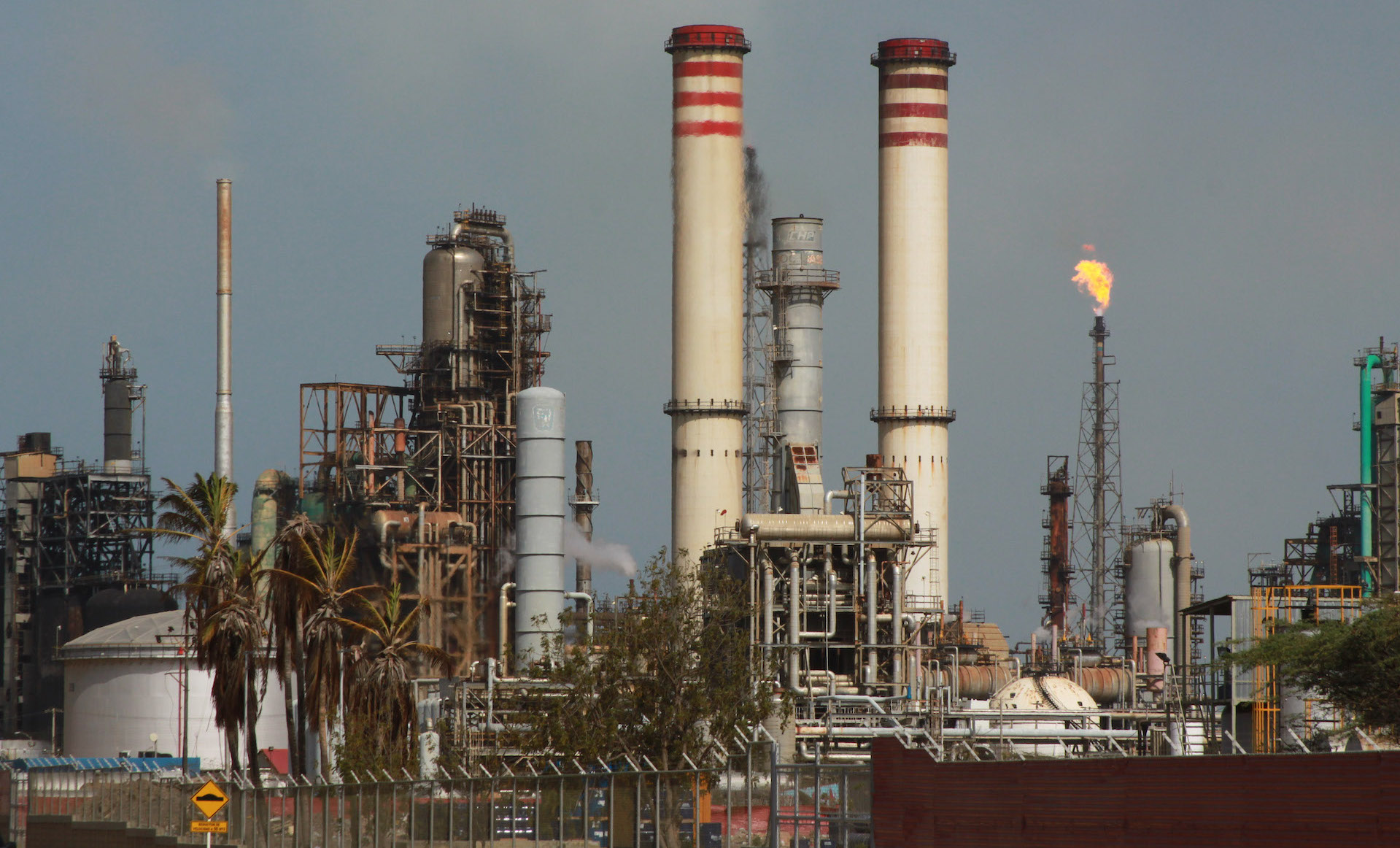
President Donald Trump announced that the US government is revoking a special permit granted to energy giant Chevron to pump and export Venezuelan oil. The move, which reverses a 2022 decision by Biden to allow the company to bring Venezuelan oil to US markets by exempting it from economic sanctions, removes one of the South American country’s few economic lifelines at a time of deepening crisis. In his post on TruthSocial, Trump claimed that the Venezuelan government had failed to keep up its side of the original bargain to meet “electoral conditions.” He also charged that the “regime has not been transporting the violent criminals they sent into our Country…back to Venezuela at the rapid pace that they had agreed to.” (Photo: Luis Ovalles via Dialogo Americas)

Central America
Darién

Panama feels pain of Trump migration crackdown

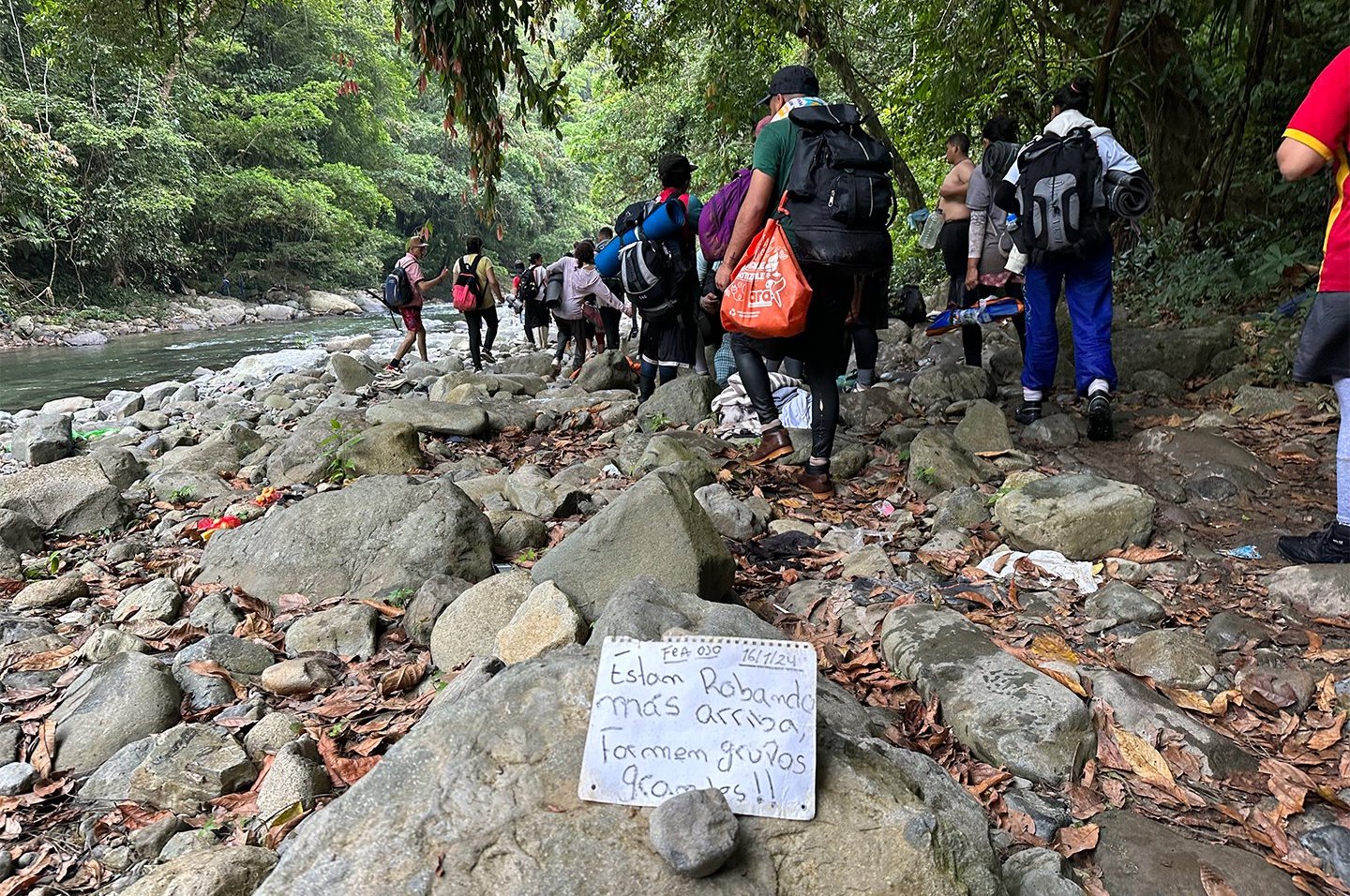
An eight-year-old Venezuelan girl died and 20 survivors were rescued by Panamanian authorities from a shipwreck during a journey from Panama’s northern port of Llano Carti to the Colombian border. Trump’s crackdown on migrants has triggered a “reverse flow” that is leading a growing number of asylum seekers to take a sea route back to South America to avoid crossing the Darién Gap—the perilous jungle trek connecting Panama to Colombia. (Photo: Note left on Darién Gap trail reads: “They’re robbing further up, form big groups!!” Credit: Peter Yeung/TNH)

Europe
Rendezvous

Podcast: MAGA-fascism and the future of Europe

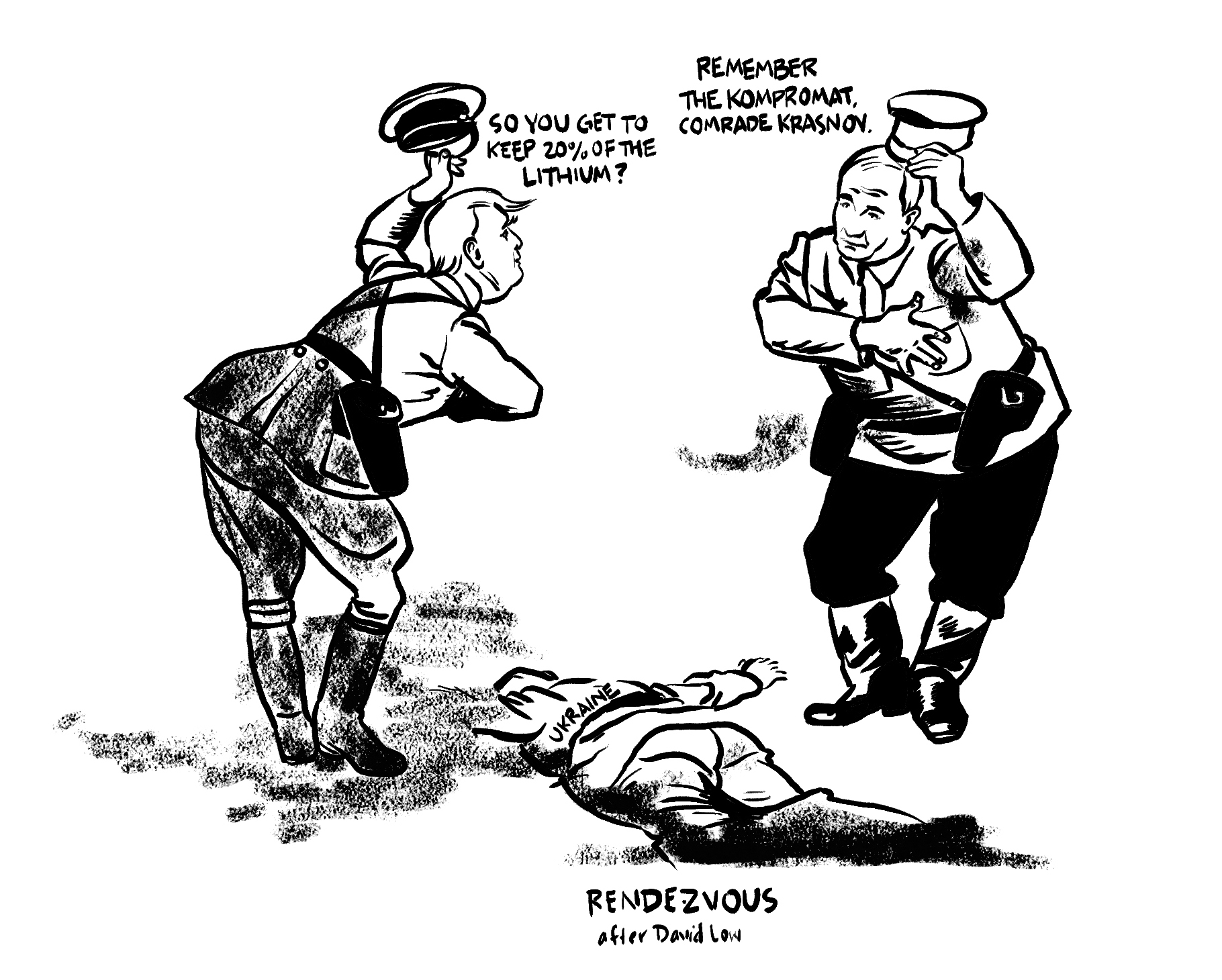
The revised deal for US access to Ukraine’s mineral wealth (with no security guarantees for Kyiv) collapsed in the unseemly Oval Office donnybrook, and European leaders now convene their own summit—faced with the prospect of supporting Ukraine without the US. But Hungary and Slovakia represent an authoritarian bloc that supports Ukraine’s betrayal—and Romania could be next to defect to this Russia-aligned bloc. In Europe and America alike, elements of the “tankie” pseudo-left no longer even bother to hide their convergence with MAGA. In Episode 267 of the CounterVortex podcast, Bill Weinberg calls for a clean break at both the international and grassroots levels. Europe must realize that the Atlantic alliance is effectively dead, and there are no prospects of reviving it while Trump is in the White House; whether or not the rumors are true that he was recruited as a KGB agent in the ’80s, he is now on Putin’s side. And progressives must repudiate pseudo-left misleaders who shill for Trump and and spread lies for Putin, and seek a new leadership that mobilizes to oppose them. (Image: Chris Rywalt/CounterVortex, after “Rendezvous” by British cartoonist David Low, 1939)

Planet Watch
anthropocene

2023: ‘bonkers year’ for global climate

Records were once again broken last year for greenhouse gas levels, surface temperatures, ocean heat and acidification, sea level rise, and retreat of glaciers, according to a new global report issued by the World Meteorological Organization (WMO). The WMO State of the Global Climate 2023 report finds that on an average day in 2023, nearly one third of the ocean surface was gripped by a marine heatwave, harming vital ecosystems and food systems—far beyond the already inflated levels seen in recent years. Antarctic sea ice reached its lowest extent on record—at one million square kilometers below the previous record year of 2022, an area equivalent to the size of France and Germany combined. One leading oceanographer wryly stated: “The scientific term is bonkers year.” (Photo: CounterVortex)