Iraq
kurdish march

Protest ongoing Turkish military intervention in Iraq, Syria

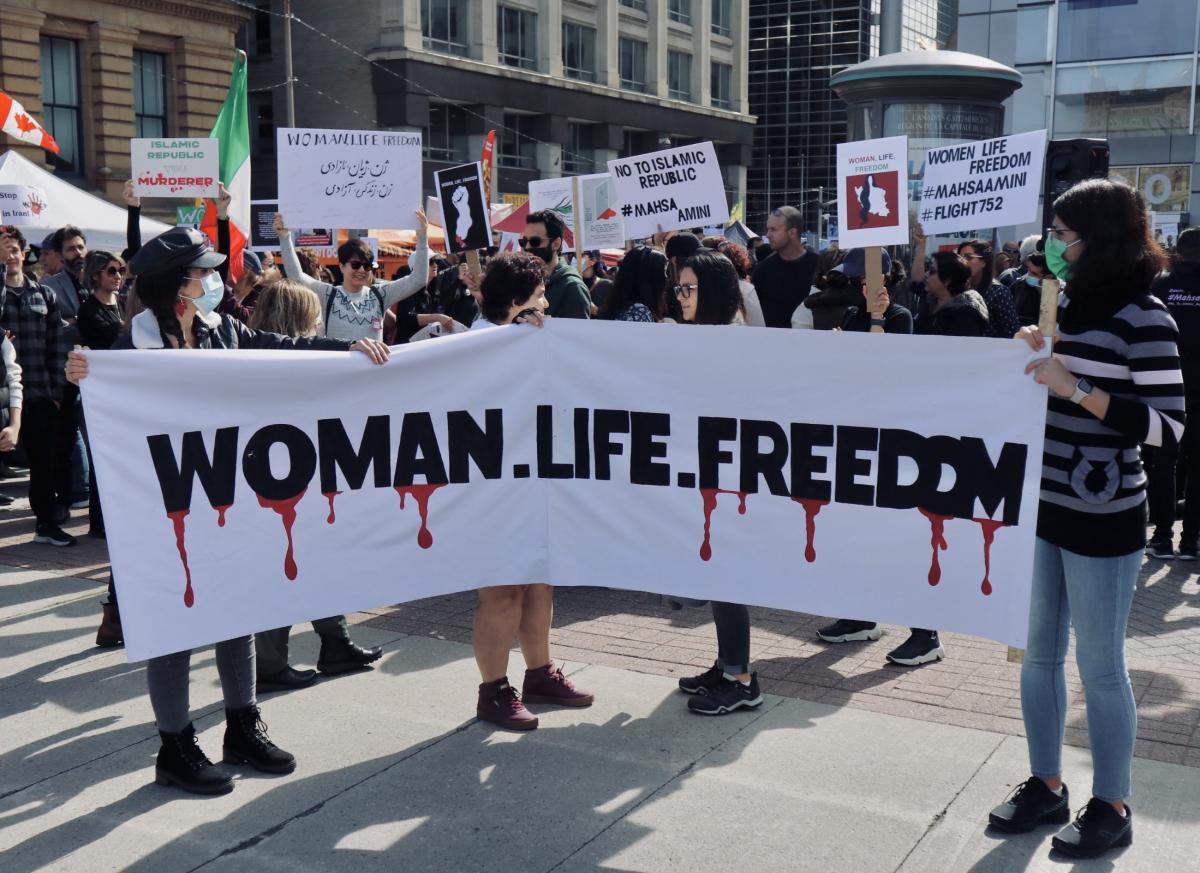
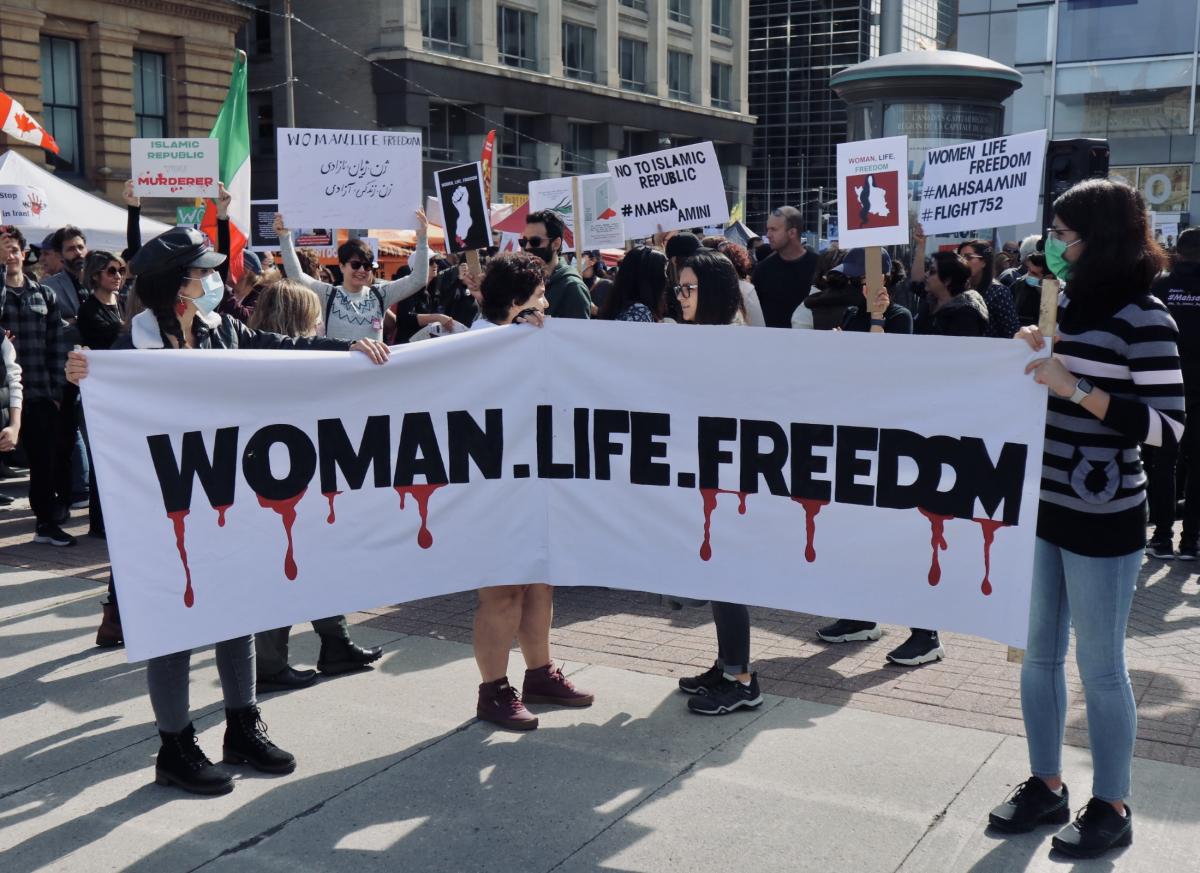
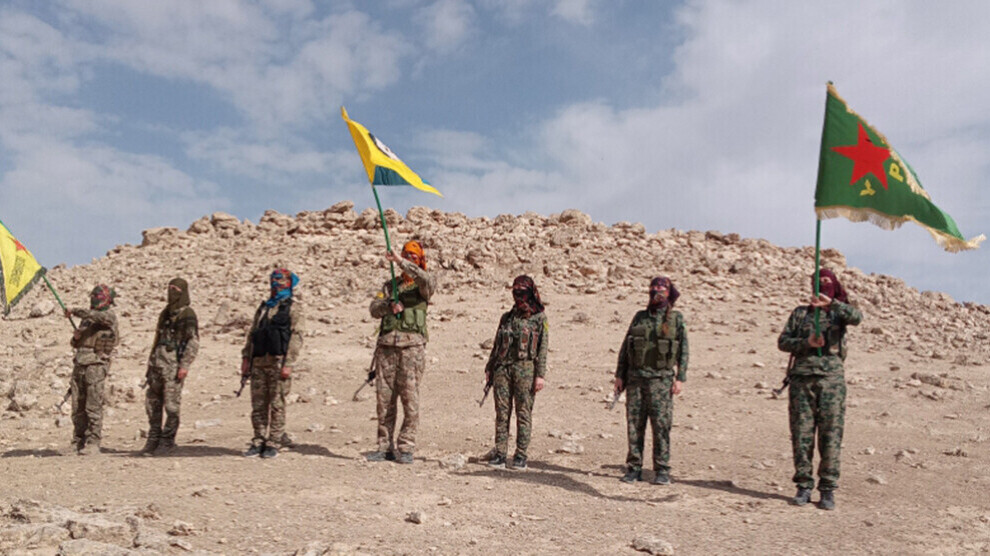
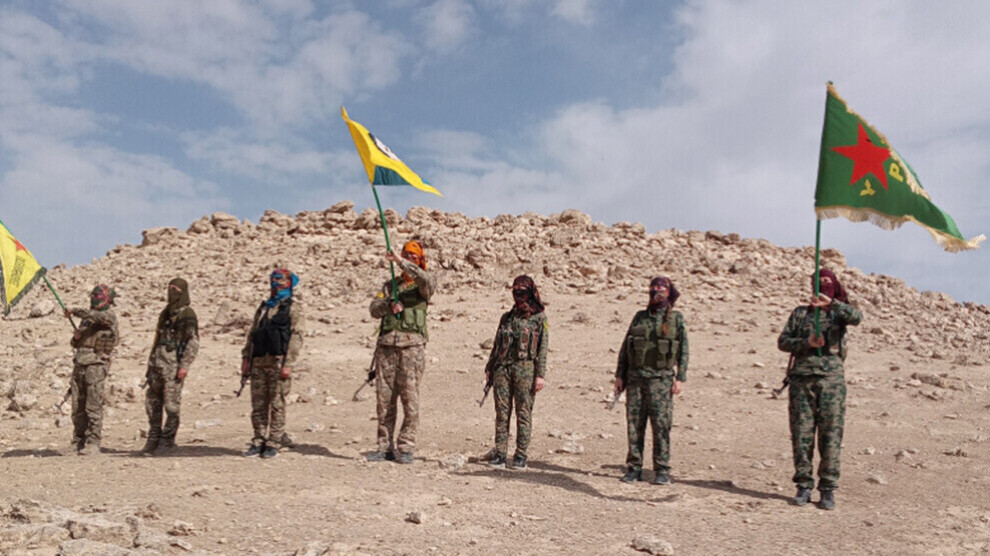
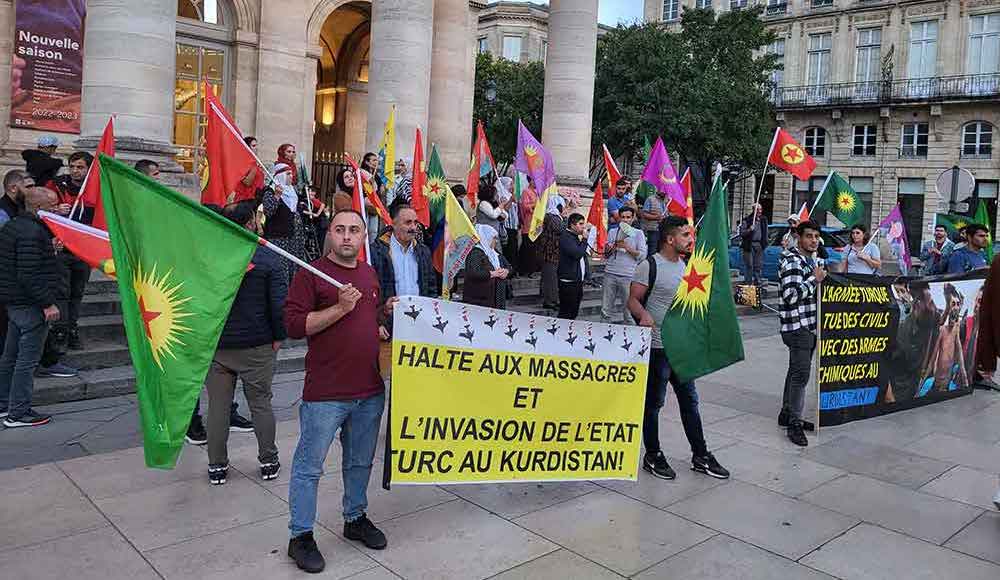
Kurdish rebels launched a mortar attack on a Turkish military position in northern Iraq, killing one soldier. The troops were stationed at the outpost as part of Ankara’s “Operation Claw-Lightning” to hunt down fighters of the Kurdistan Workers’ Party (PKK). Turkey’s Defense Ministry said its forces immediately retaliated, and three PKK fighters were “neutralized” (killed). The following day, thousands of Kurds marched in Dusseldorf, Germany, to protest ongoing Turkish military operations in Turkey’s eastern Kurdish region, in northern Iraq, and in Syria’s Rojava region. The demonstration was timed for the 37th anniversary of the start of the PKK’s armed struggle against the Turkish state. (Photo: Defend Kurdistan via Twitter)

Syria
Atareb

Protest WHO board seat for Syrian regime

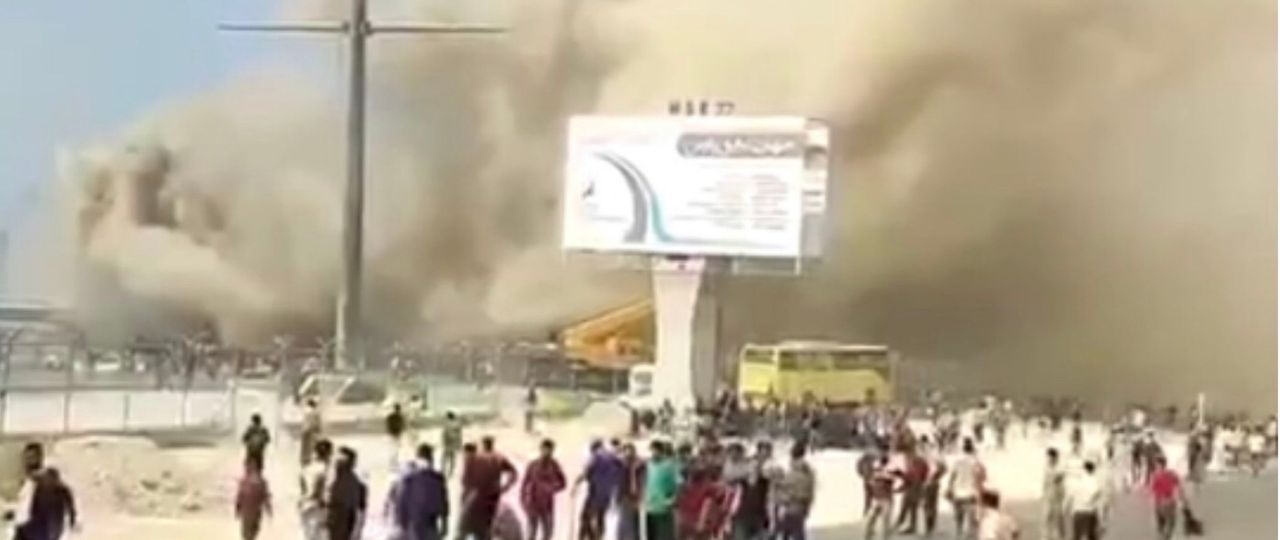
Doctors and healthcare workers held a demonstration outside a hospital in the Syrian city of Idlib, to protest the election of the Bashar Assad regime to the executive board of the World Health Organization (WHO)—the latest coup for normalization of the regime. “How can we trust WHO [when] one of its executive board members is the murderer who is killing my colleagues?” said Dr. Salem Abdan, head of health services for opposition-administered Idlib. Read a banner at the protest: “We reject that he who destroyed our hospitals be represented on the executive board.” Idlib province is part of a remaining rebel-held pocket in the northeast of the country, where Assad regime warplanes have for years been bombing hospitals and clinics. (Photo of bombed hospital in northern Syria via Daily Sabah)

Syria
Manbij

Syria: Kurdish forces fire on protesters —again

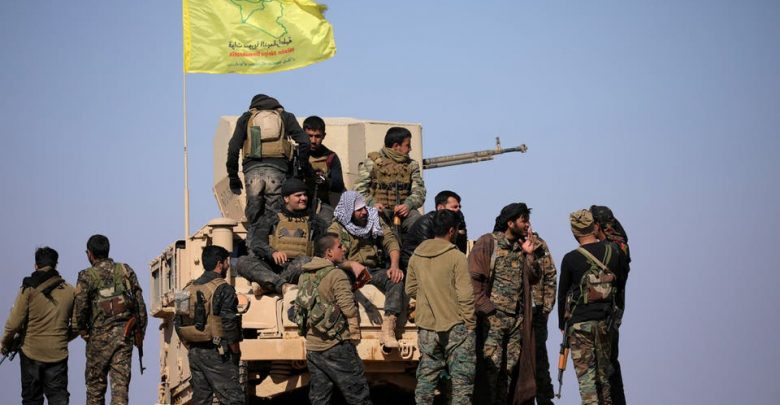
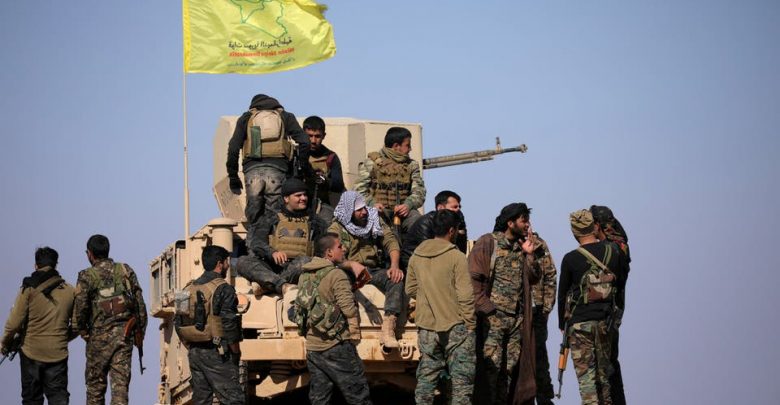
Kurdish forces shot dead at least eight protesters at the town of Manbij in northern Syria. Demonstrations broke out against military conscription by the Kurdish-led autonomous administration, amid growing discontent over economic conditions. A curfew was imposed on the town, as many shops heeded a call for a general strike. Representatives of the Kurdish administration and its Asayish police force held talks with Arab tribal leaders after the violence. A joint statement said military conscription will be halted pending review and dialogue. All detained protesters are also to be released under the agreement. (Photo: Sgt. Nicole Paese/US Army via Kurdistan24)

Syria
qamishli

Syrian Kurdish militia fire on Arab protesters

Five are reported dead after Kurdish militiamen opened fire on local Arab residents protesting against a hike in fuel prices imposed by the Kurdish-led Autonomous Administration in northern Syria. Protests were reported in several towns in al-Hasakah province, including Qamishli, al-Haddaja, al-Rashidiya and al-Haddadiya. The Autonomous Administration overturned the planned price hikes in response to the protests. However, the Syrian Democratic Forces, the military alliance supported by the Autonomous Administration, issued a statement warning that “protesting activities should not be turned into means to strike at peace and security,” and implying that the demonstrations had been stirred up by “outside propaganda.”  (Photo of Qamlishi protest: Ekrem Salih/Kurdistan24)

Syria
qamishlo

Syria: Kurdish forces take Qamishli from regime

The local Kurdish Asayish militia announced that it has taken control of the last contested district of the northeast Syrian town of Qamishli from pro-regime forces. An Asayish statement said that after several days of fighting, al-Tay neighborhood is to be in their hands under terms of a truce with the pro-regime National Defense Forces (NDF), enforced by Russian troops and the Kurdish-led Syrian Democratic Forces (SDF). The Qamishlo District Council, an organ of the Rojava autonomous administration, issued its own statement, charging that NDF attacks on Asayish checkpoints were “evidence of their desire to inflame the discord among the components of the region…in particular the Kurdish and Arab.” (Photo of Qamishlo District Council reading statement: ANHA)

Syria
syria betrayed

Ten years after: the Syrian Revolution betrayed

Ten years after the Syrian Revolution began with peaceful anti-regime protests, the UN Human Rights Commission released a report finding that actions by the Assad regime and its Russian allies over the course of the Syrian war have likely constituted “crimes against humanity, war crimes and other international crimes, including genocide.” The UN and human rights groups have issued such findings repeatedly—to little media coverage. The charge of genocide officially requires the world to act under the Genocide Convention. But the world is no longer even paying attention. (Image: Delawer Omar)

Syria
Afrin

Syria: factional violence in Turkish-occupied Afrin

Internecine fighting among collaborationist militia in the Turkish-occupied northern Syrian town of Afrin left at least two civilians dead in the crossfire. Clashes broke out between Jabha al-Shamiya (Levant Front) and the Jaysh al-Islam (Army of Islam)—two armed groups affiliated with the Turkey-backed Syrian National Army (SNA). Shops and civilian homes were also damaged in the clashes. Witnesses  said the fighting began when Levant Front militants attempted to arrest a member of the Army of Islam who they suspected of smuggling people across border into Turkey. (Photo of Jaysh al-Islam via Syrians for Truth & Justice)

Iran
Mount Gare

Turkey, Iran in synchronous attacks on Iraqi Kurdistan?

Iraqi Kurdistan saw simultaneous air attacks—from Turkish warplanes on a mountain supposedly harboring PKK guerillas, and (in a far more audacious move) from an Iran-backed militia on the regional capital Erbil. In the latter attack, a barrage of rockets targetted a US airbase outside Erbil’s airport. Awliya al-Dam (Guardians of the Blood) claimed responsibility for the attack, saying it was in revenge for the deaths of “the martyred leaders”—an apparent reference to the paramilitary commanders killed in the US drone attack on the Baghdad airport in January 2020. The Turkish strikes targeted Mount Gare, where PKK militants supposedly killed 13 captive Turkish soldiers being held in a cave complex. The PKK, however, said the captives had been killed in earlier Turkish air-strikes on the position. The affair sparked diplomatic tensions between Ankara and the new Biden administration in Washington, which initially refused to accept Turkey’s version of events. (Photo: Kurdistan24)

Iran
Iran-Missiles

Can Iran nuclear deal be salvaged?

President Joe Biden’s pledge to rebuild the Iran nuclear deal is already deteriorating into a deadlock—a testament to the effectiveness of the Trump-era intrigues that sabotaged the agreement, officially known as the Joint Comprehensive Plan of Action (JCPOA). Biden and Iran’s Supreme Leader Ayatollah Khamenei have each traded “You Go First” statements—the White House demanding Tehran return to compliance with the JCPOA and Khamenei insisting the US lift the sanctions that were re-imposed by Trump. There is indeed a case that the US, having abrogated the pact first, should now be the party to “blink” in the stand-off, and lift the sanctions as a good-faith measure. (Image via Wikipedia)

Syria
Derik

US forces sent back in to northern Syria?

Two days after President Biden’s inauguration, a large convoy of US military vehicles reportedly entered northern Syria from across the Iraqi border. The convoy, consisting of some 40 trucks and armored vehicles accompanied by helicopters, was reported by Syrian state media, citing sources on the ground. The putative sighting raises speculation that Biden is reversing the withdrawal of US troops from northern Syria, which had been ordered by Trump in 2019. The report comes as the uneasy peace between Kurdish forces in the region and the Assad dictatorship is breaking down, with new fighting in the town of Qamishli, shattering a de facto power-sharing arrangement. (Photo: North Press Agency)

Iraq
ezidikhan

Yazidis betrayed in Kurdish-Baghdad deal

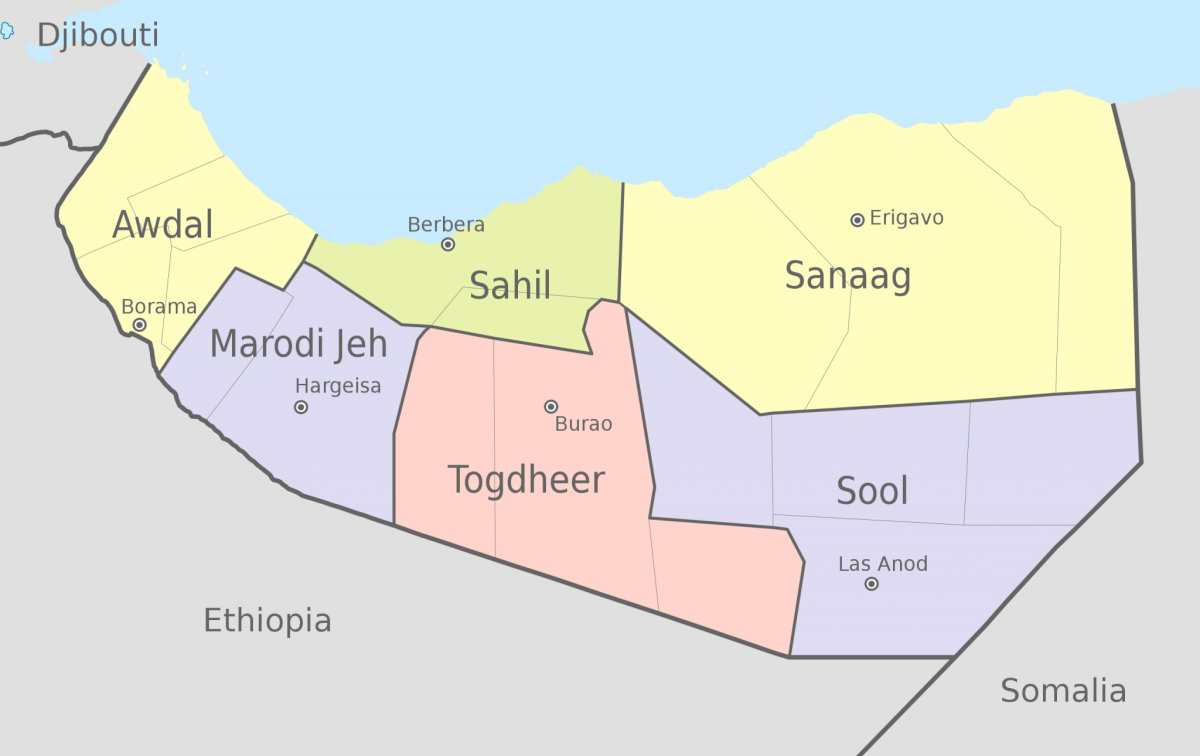
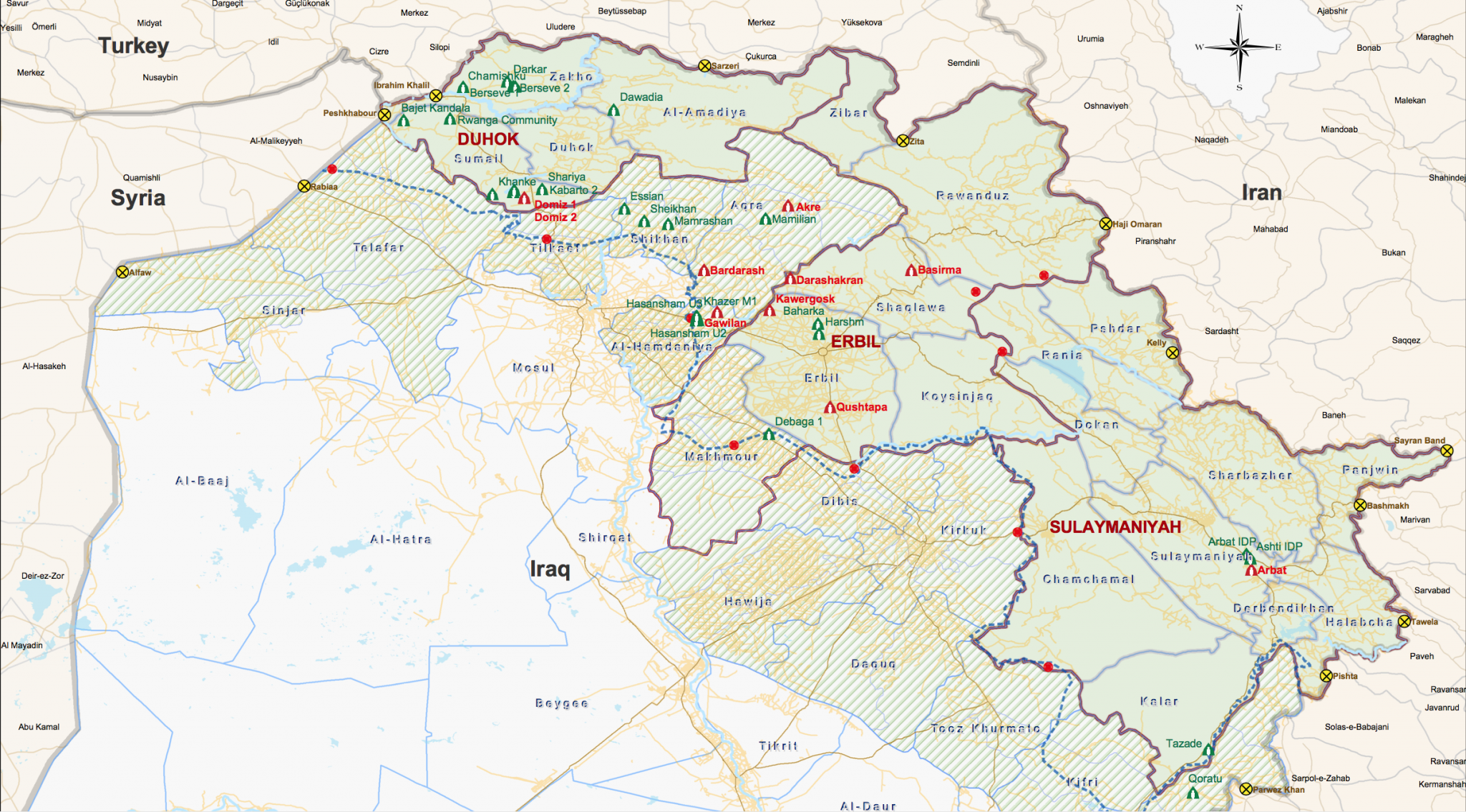
The leadership of Ezidikhan, the Yazidi autonomous territory, are protesting a deal reached between Baghdad and the Kurdistan Regional Government (KRG) on the political future of northern Iraq, saying they were not consulted. Ezidikhan Prime Minister Barjis Soso Khalaf said in a statement: “Without the consent of the Yezidi people of Ezidikhan, the Baghdad-Erbil deal is illegitimate and illegal. It tramples upon the right of Yezidis to govern themselves as they see fit.” The pact between Iraqi Prime Minister Mustafa al–Kadhimi and the KRG administration at Erbil calls for joint exploitation of the region’s oil resources, ending years of conflict over the question. But Ezidikhan authorities see their exclusion from the talks as a threat to their hard-won autonomy. “Yezidis were not even invited to the table to discuss the future of their own homeland!” said the statement. It also criticized the US for acquiescing in the deal: “The United States shares complicity in this colonial-style act that wantonly tramples upon Iraqi Yezidis’ right to self-determination and self-government, once again sacrificing its vaunted democratic principles on the altar of realpolitik.” (Map: Ezidikhan.net)

Watching the Shadows
Xinjiang

China elected to UN rights council: Orwellian irony

In another one to file under #OrwellWouldShit, the UN General Assembly elected China to the Human Rights Council—despite the country holding some one million Uighur Muslims in concentration camps. The General Assembly also elected Russia, Cuba, Uzbekistan and Pakistan—all similarly accused of human rights violations, if not quite such ambitious ones. US Secretary of State Mike Pompeo criticized the election of countries with “abhorrent human rights records.” A week before the General Assembly vote, China’s UN ambassador Zhang Jun read a statement before the body, denouncing the US for “systematic racial discrimination and violence,” which was endorsed by 25 other nations—including Russia, Iran and North Korea. Of course the perverse irony of this is that Pompeo and Zhang are both correct. And therefore neither has any moral credibility to criticize the other. (Photo: Xinjiang Judicial Administration via The Diplomat)