Syria
Hassakeh

Syria faces ‘dire water crisis’

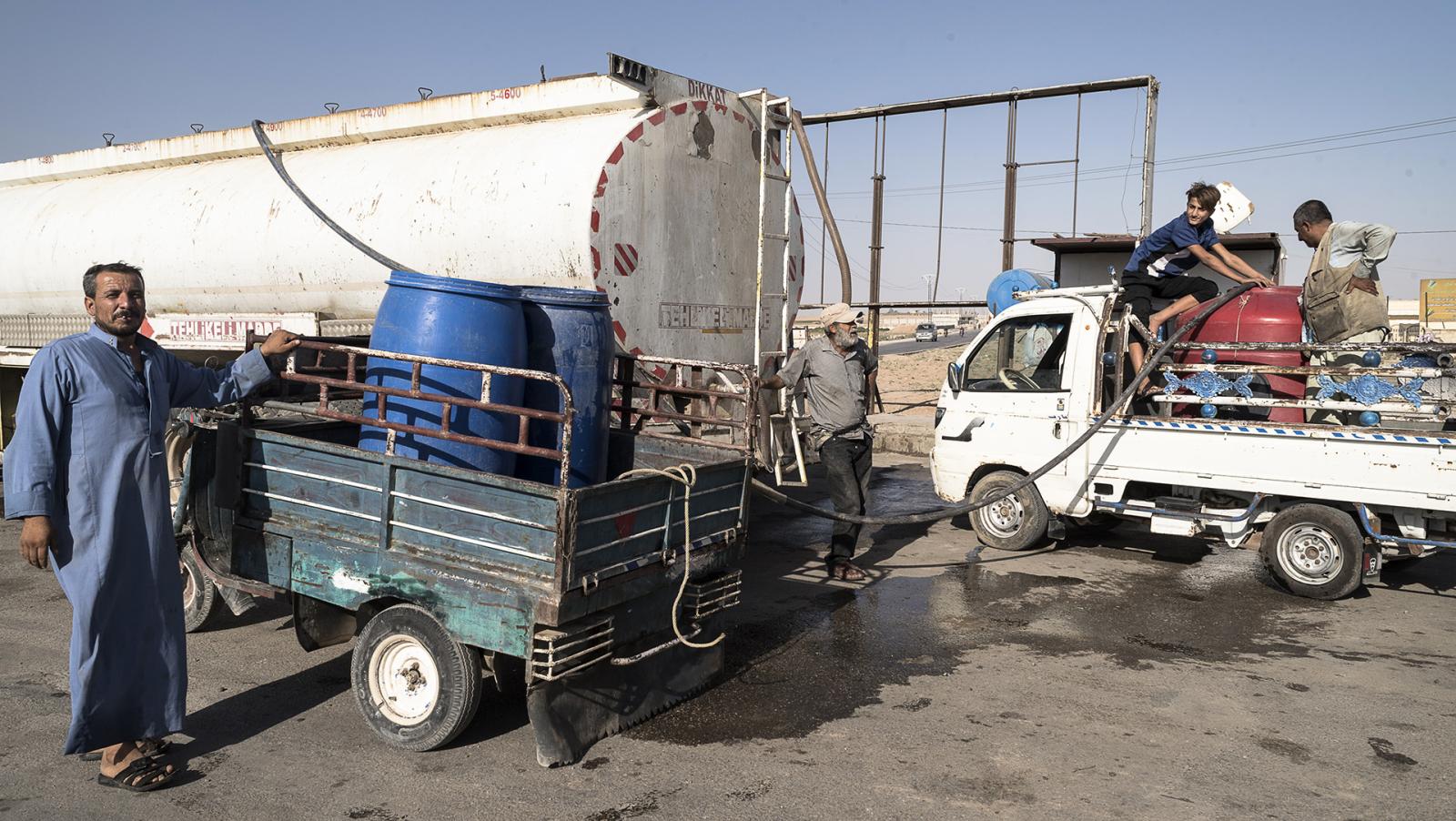
Syria’s cholera outbreak has now spread to every one of the country’s 14 provinces, with 24,000 suspected cases and more than 80 deaths since early September. Severe water shortages—exacerbated by war, politics, and climate change—have forced people to drink unsafe water and allowed cholera bacteria to spread in the extremely low Euphrates River. There are other dangerous impacts from what the UN calls an “already dire water crisis” that is likely to get worse: Pastures dry up, and farmers have to sell their livestock. Crop yields are low, prices go up, and more families are forced to skip meals. This has especially grim implications as winter comes to northern Syria, where some 1.7 million are displaced and living in camps—already facing privation and harsh conditions. (Photo: Daniela Sala/TNH)

East Asia
Bridge Man

Xi Jinping consolidates self-coup —amid repression

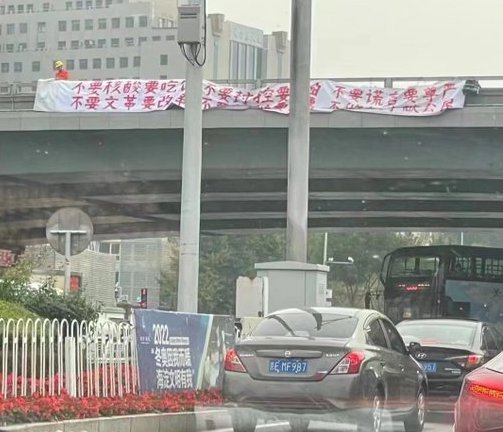
After years of centralizing power in his own person, China’s president and party secretary Xi Jinping secured a third leadership term at the 20th National Congress of the Chinese Communist Party. The new seven-member Politburo Standing Committee is stacked with loyalists, abandoning the practice of balancing rival tendencies within the body. This cements Xi’s place as China’s “paramount leader” in the autocratic tradition of Mao Zedong. On the eve of the Congress, a lone protester draped a banner from a Beijing overpass calling for strikes to bring down “dictator” Xi. He was immediately arrested, but his brief action quickly became a sensation on Chinese social media—before all such content was censored by authorities. Some who expressed support online for “Bridge Man” have been harassed by the police. The lead-up to the National Congress saw another wave of arrests and “pretrial detention” of dissidents and human rights defenders. (Photo via China Change)

Iran
hijab protest

Iran: high-tech crackdown on hijab resistance

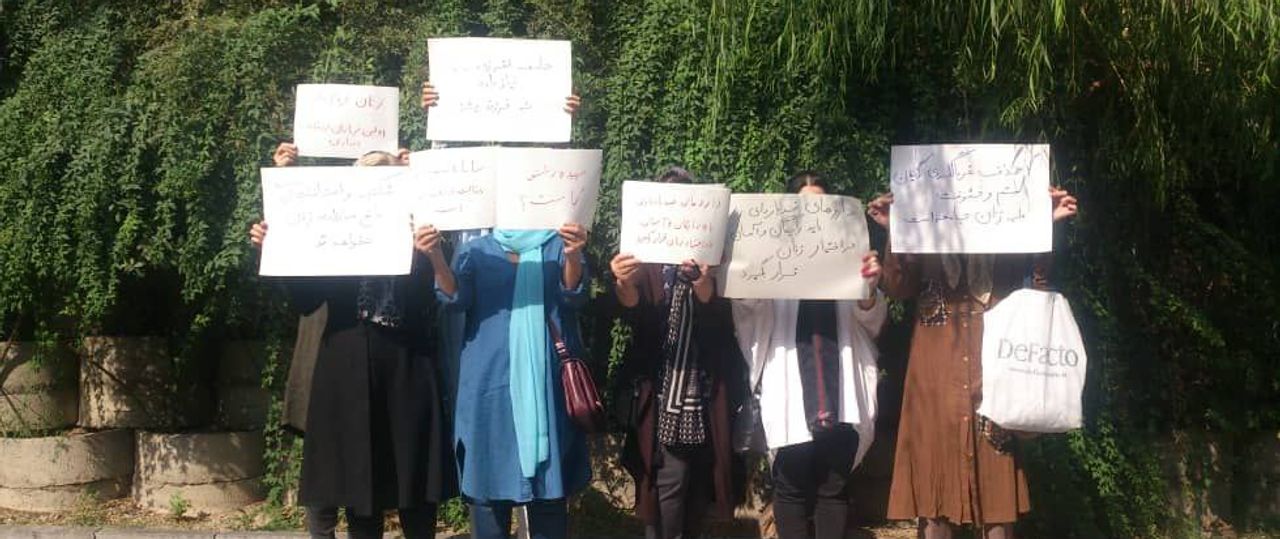
An Iranian government entity enforcing Islamic rules says the Intelligence Ministry has arrested 300 anti-hijab activist “ringleaders” working “for the enemy.” A spokesman of the Enjoining Good & Forbidding Evil Headquarters said that the activists were arrested in accordance with the new Hijab & Chastity Regulations, which officially extend the mandatory hijab to social media posts. This is to be monitored by the government’s facial recognition software that was used during the pandemic to track if people were wearing face masks. (Image: Iran International)

Europe
Crimea

UN documents Russian rights abuses in Ukraine

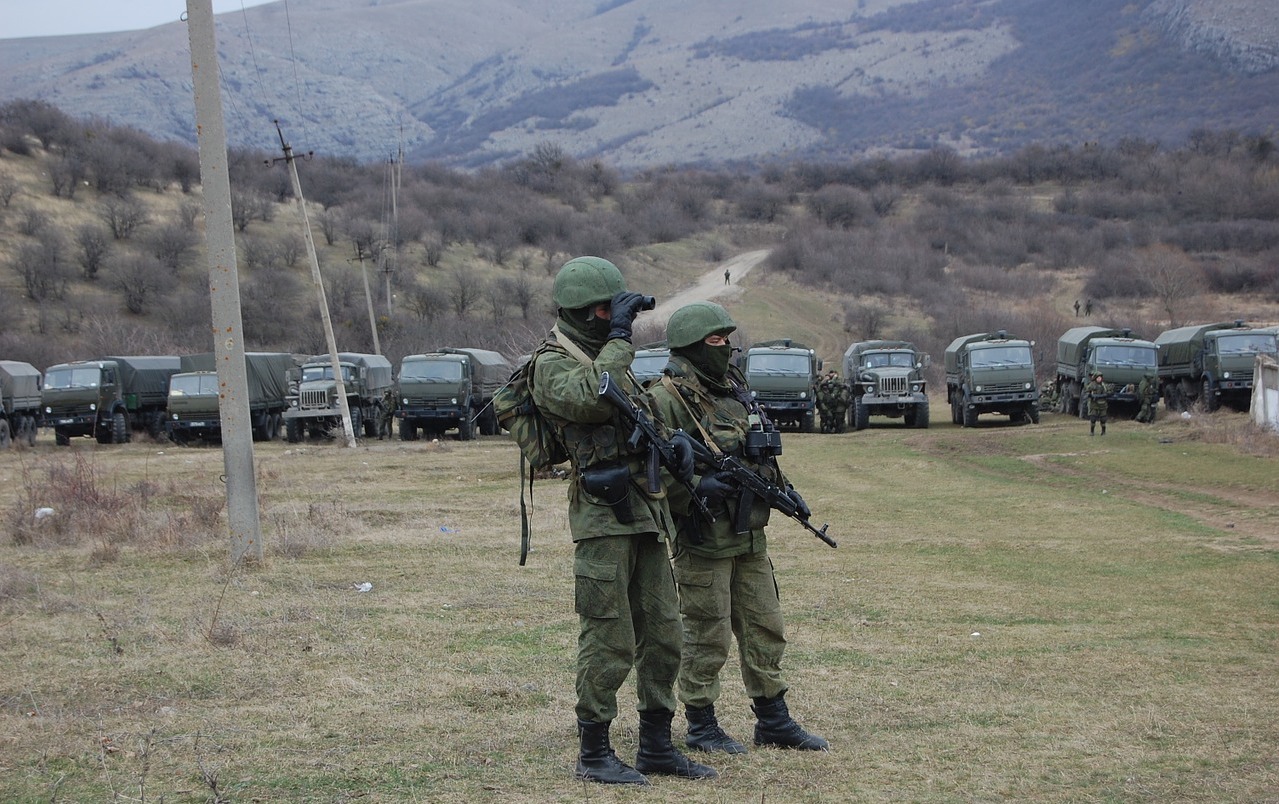
The United Nations Human Rights Monitoring Mission (UNHRMM) accused Russia of hundreds of arbitrary detentions and forced disappearances in Ukrainian territory, and violating the basic human rights of Ukrainian war captives. The UNHRMM documented numerous cases of torture and ill-treatment of prisoners of war, finding that at many detention sites they lack adequate food, water, healthcare and sanitation. The UNHRMM also documented 416 cases of forced disappearance of Ukrainian civilians. (Photo: chief39/Pixabay)

Afghanistan
afghanistan

Afghanistan: a year of worsening crisis

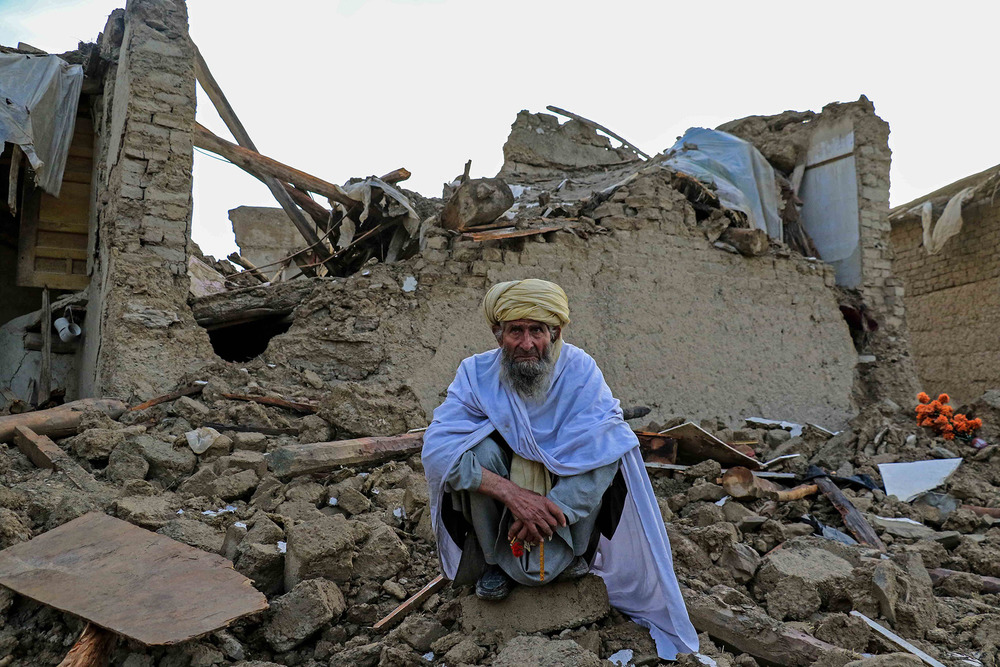
It has been a year since the Taliban took back power—a year since desperate images at Kabul airport went around the world. Over those 12 months, Afghanistan has seen a reduction in conflict, but its economy has collapsed, record numbers are facing hunger, and it’s projected that most of the population will soon be below the poverty line. Aid groups are calling for unprecedented amounts of donor funding, while urging foreign governments to release frozen Afghan assets and look at how to constructively engage with the Taliban government to address the crisis. (Photo: Samiullah Popal/TNH)

Inner Asia
China prison

UN report confirms forced labor in Xinjiang, Tibet

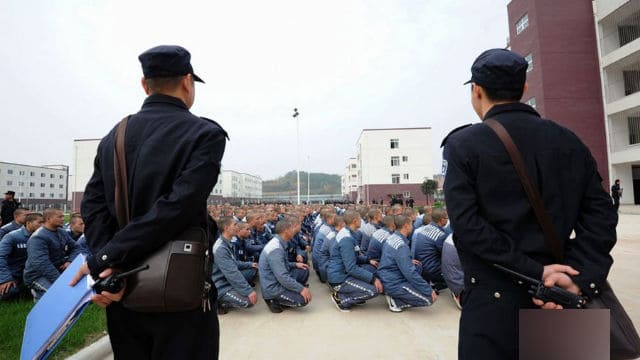
United Nations Special Rapporteur on slavery Tomoya Obokata released a report on contemporary forms of slavery, which found that it is “reasonable to conclude” that forced labor “among Uygur, Kazakh and other ethnic minorities in sectors such as agriculture and manufacturing” is taking place in China’s Xinjiang region. The report added: “Similar arrangements have also been identified in the Tibet Autonomous Region, where an extensive labour transfer programme has shifted mainly farmers, herders and other rural workers into low-skilled and low-paid employment.” (Photo via Bitter Winter)

East Asia
Zhengzhou

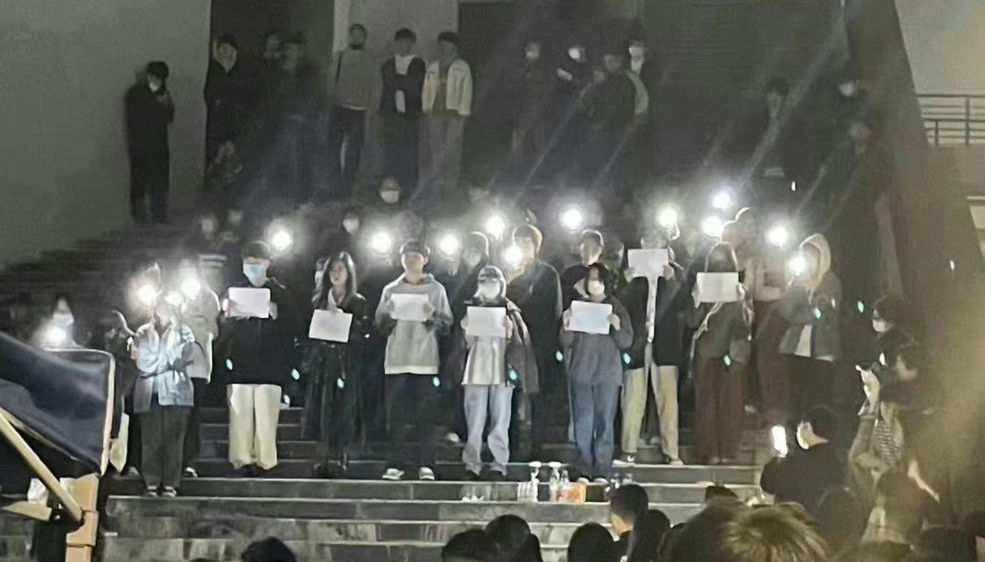
China: can authorities contain unrest after Henan protests?

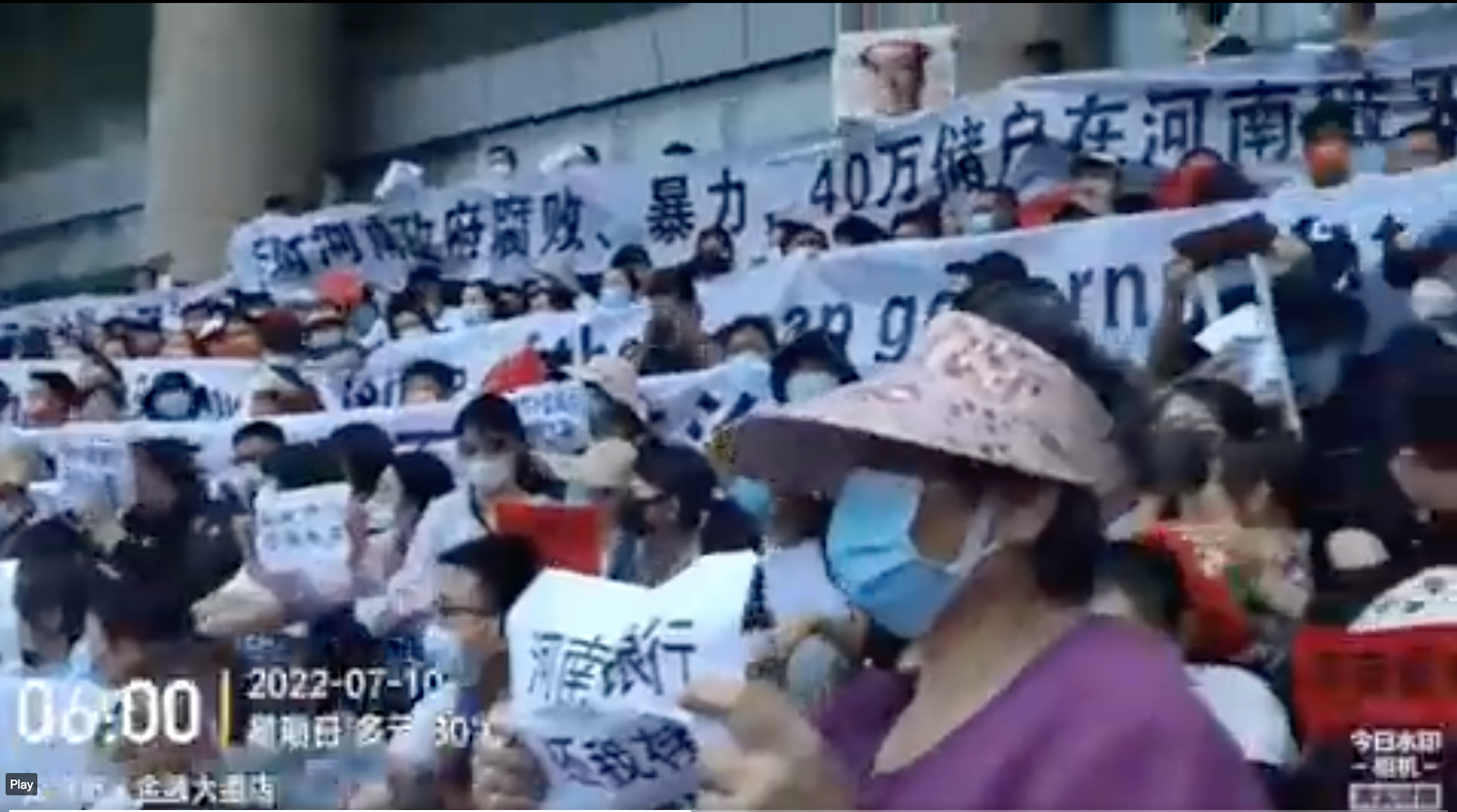
China’s banking regulator announced that it has opened an investigation into officials at its bureau in Henan province, which this month saw protests by depositors unable to withdraw funds. The China Banking & Insurance Regulatory Commission said a local inspector is suspected of “serious disciplinary violations” concerning fraud and embezzlement at five rural lenders. Several members of a “criminal gang” accused of taking control of the banks have been arrested. The situation turned violent after some 1,000 depositors protested in Zhengzhou, demanding access to their savings in frozen accounts. The protesters were assaulted by a group of unidentified men in matching white outfits, as police held back and did not intervene. Video of the incident went viral on social media. In addition to the banking imbroglio, China’s central government faces a growing mortgage payment boycott across the country—and it is all happening in a politically sensitive year. President Xi Jinping is widely expected to secure a third leadership term at the upcoming 20th National Congress of the Communist Party of China. (Photo via Twitter)

Europe
Budapest

Hungary dictatorship consolidates; Putin pleased

Hungarian Prime Minister Viktor Órban declared a state of emergency, citing threats originating from the war in Ukraine. The declaration, allowing him to rule by decree, came days after his Fidesz party used its supermajority to pass a constitutional amendment allowing the government to impose a state of emergency in the event of war in a neighboring country. Órban declared a similar emergency in response to the COVID-19 pandemic in 2020, and those assumed special powers, having been extended by the National Assembly multiple times, were set to expire just days before the new declaration. The declaration also came days after Tucker Carlson and friends from the American far right attended the Conservative Political Action Conference in Budapest. It also comes as Hungarian officials are blocking a European Union plan for an embargo of Russian oil, and calling for removal of the question from the agenda of an imminent EU summit. (Photo: Pixabay)

Southeast Asia
detention

Malaysia: calls to end mass detention of refugees

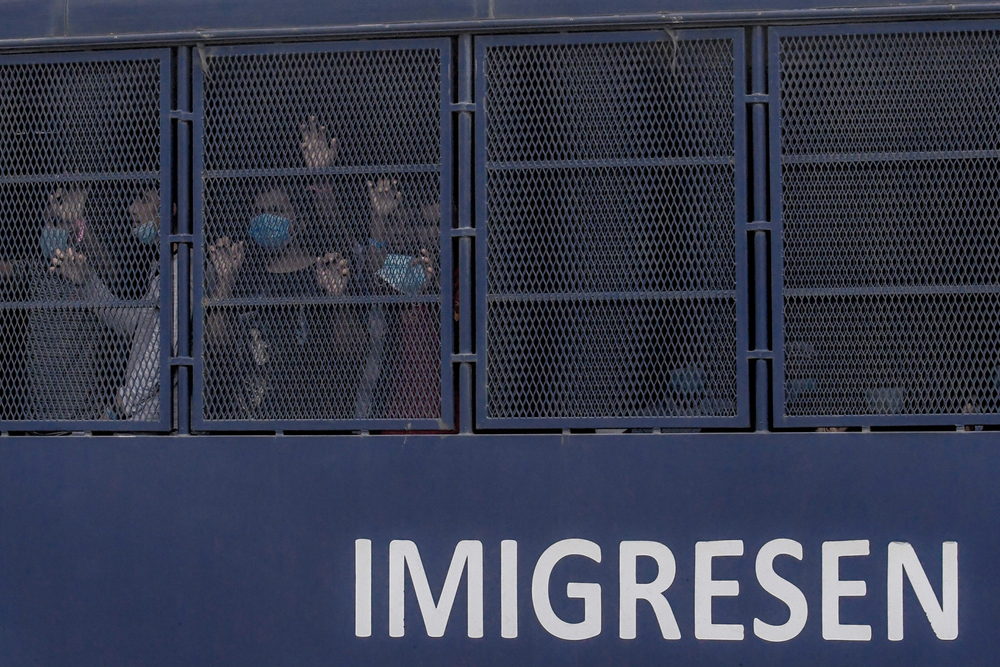
Rights groups in Malaysia are calling for the release of thousands of detained refugees and asylum-seekers, after a deadly incident in the northern state of Penang. Six Rohingya refugees were struck by vehicles and killed when hundreds fled a detention center after breaking through barriers and attempted to escape across an adjacent highway. “There is no discernible reason as to why so many of them were cramped into a makeshift depot in the first place,” stated advocacy group Lawyers for Liberty. Malaysia has long been a destinationfor Rohingya fleeing persecution in Burma, but the government has cracked down on asylum-seekers during the COVID-19 pandemic. (Photo: Hasnoor Hussain/TNH)

Europe
Donbass

Ukraine’s already existing humanitarian crisis

Amid the ongoing Russian military build-up and apparently faltering diplomatic efforts to prevent an invasion of Ukraine, one thing is clear: any incursion will worsen the dire humanitarian situation in the country. The latest overview from the UN’s emergency aid coordination body, OCHA, makes for sobering reading: 2.9 million in need, 13% children. This includes almost 300,000 people still displaced by an eight-year war that has claimed more than 13,000 lives. Particularly affected are the elderly in the separatist-occupied east. Since March 2020, when COVID-19 effectively rendered the so-called “contact line” impassable, they’ve been unable to cross to access their pensions and social services. Last week, eight trucks delivered the latest crossline international aid—COVID-19 prevention equipment, medicines, and construction materials. But how long these humanitarian convoys will be able to continue remains to be seen. (Photo: The New Humanitarian)

North Africa
Tunis

Tunisia: president dissolves Supreme Judicial Council

Tunisian President Kais Saied officially dissolved the Supreme Judicial Council, sending police to seal the chamber where the body meets. The Council’s head, Youssef Bouzakher, called the dissolution “illegal,” and said it is aimed at bringing Tunisia’s jurists under control of the executive. Established in 2016, the Council is a constitutional body entrusted with ensuring the independence of the judiciary, responsible for appointing judges and taking disciplinary action. Bouzakher said the Council intends to continue working in defiance of the president’s announcement. The move is a further consolidation of Saied’s power following his “self-coup” last year, in which Tunisia’s parliament was suspended. (Photo: XLR Media via Twitter)

Planet Watch
Verizon

Podcast: against ‘normalcy’ III

In Episode 107 of the CounterVortex podcast, Bill Weinberg continues his rant against the ubiquitous propaganda that normalizes the oppressive and dystopian pre-pandemic normality—or, as it is now incorrectly rendered, “normalcy” (sic). The opportunity for a crash conversion from fossil fuels that was posed by 2020’s pandemic-induced economic paralysis is now being squandered. The fashionable COVID denialism of the anti-vaxxers is ironically complicit in the actual crimes of the pharmaceutical industry, such as the instating of a “vaccine apartheid“—failing to make the vaccine available to Africa and the much of the Global South. Just at the moment that socialist ideas are being legitimized in mainstream discourse again, the drum-beat for “normalcy” (sic) means less pressure for an urgently mandated public expropriation of corporate cyber-overlords such as Verizon, as well as Big Pharma and Big Oil. Meanwhile, consumerist and technocratic pseudo-solutions, such as the bogus notion of reducing one’s personal “carbon footprint,” obscure the systemic nature of the problem. Listen on SoundCloud or via Patreon. (Photo: IBEW)