Peru: UN protests military ‘impunity’ bill
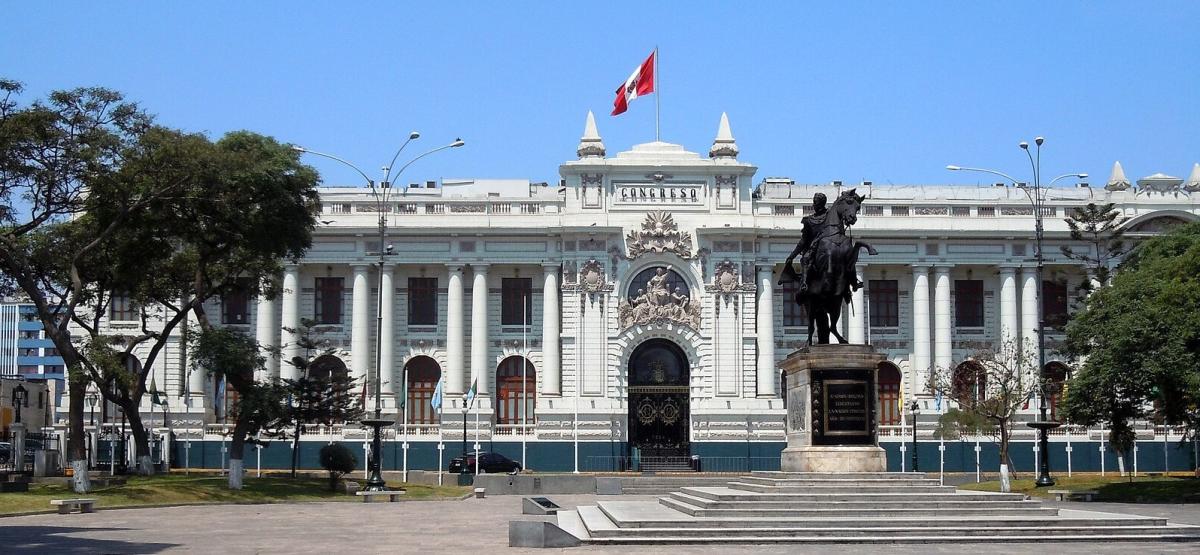
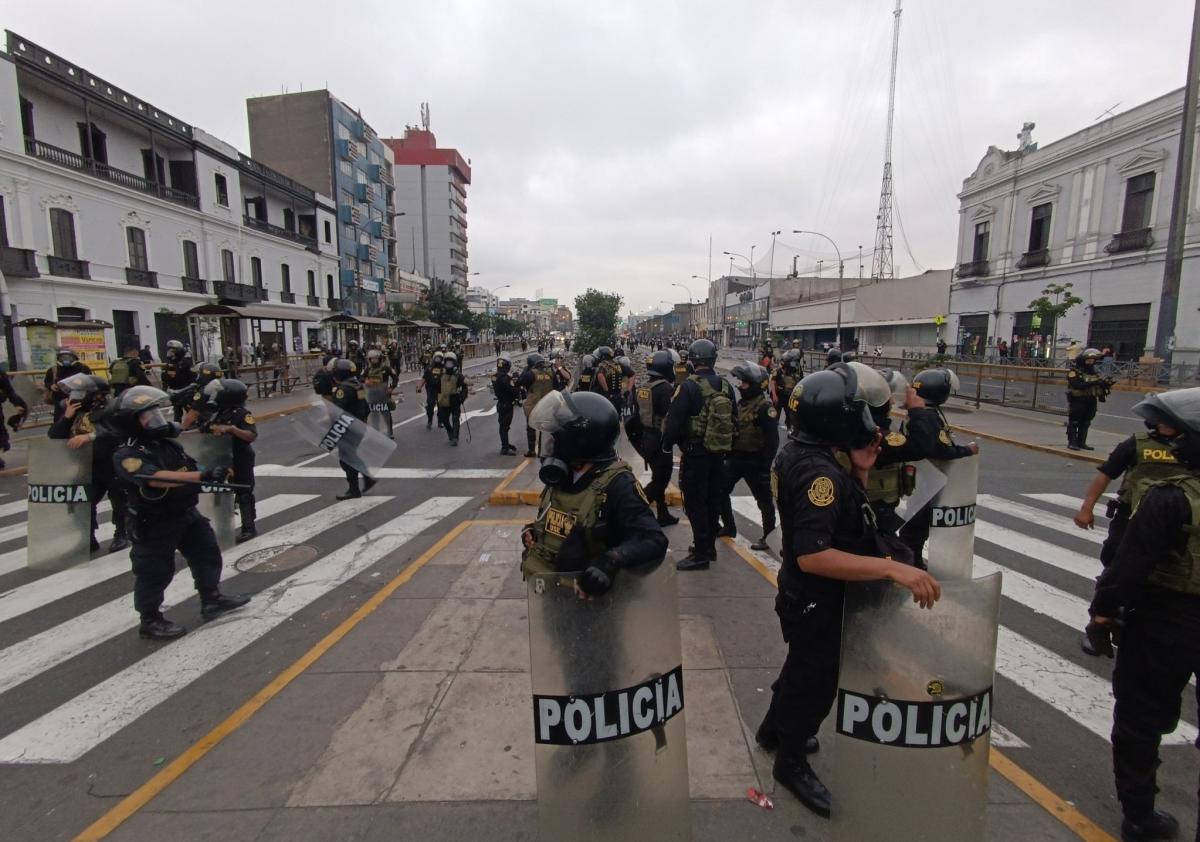
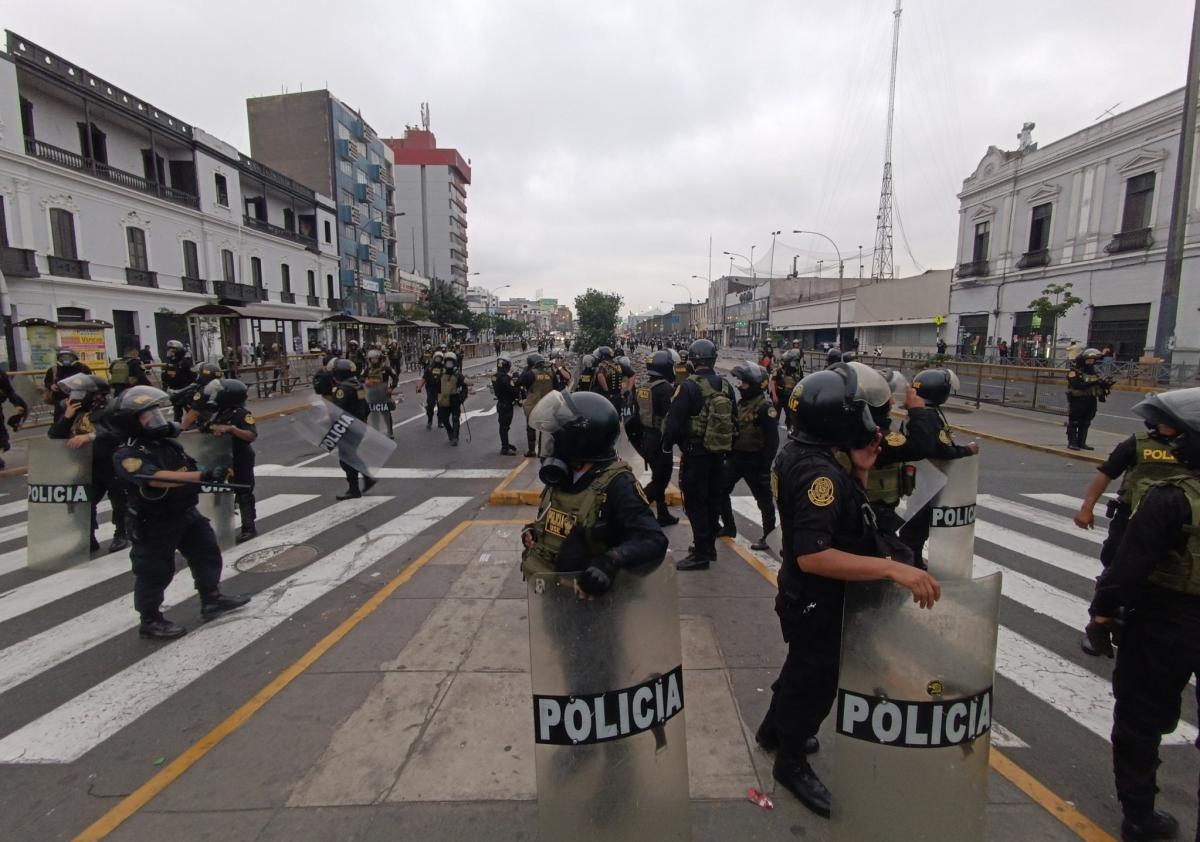
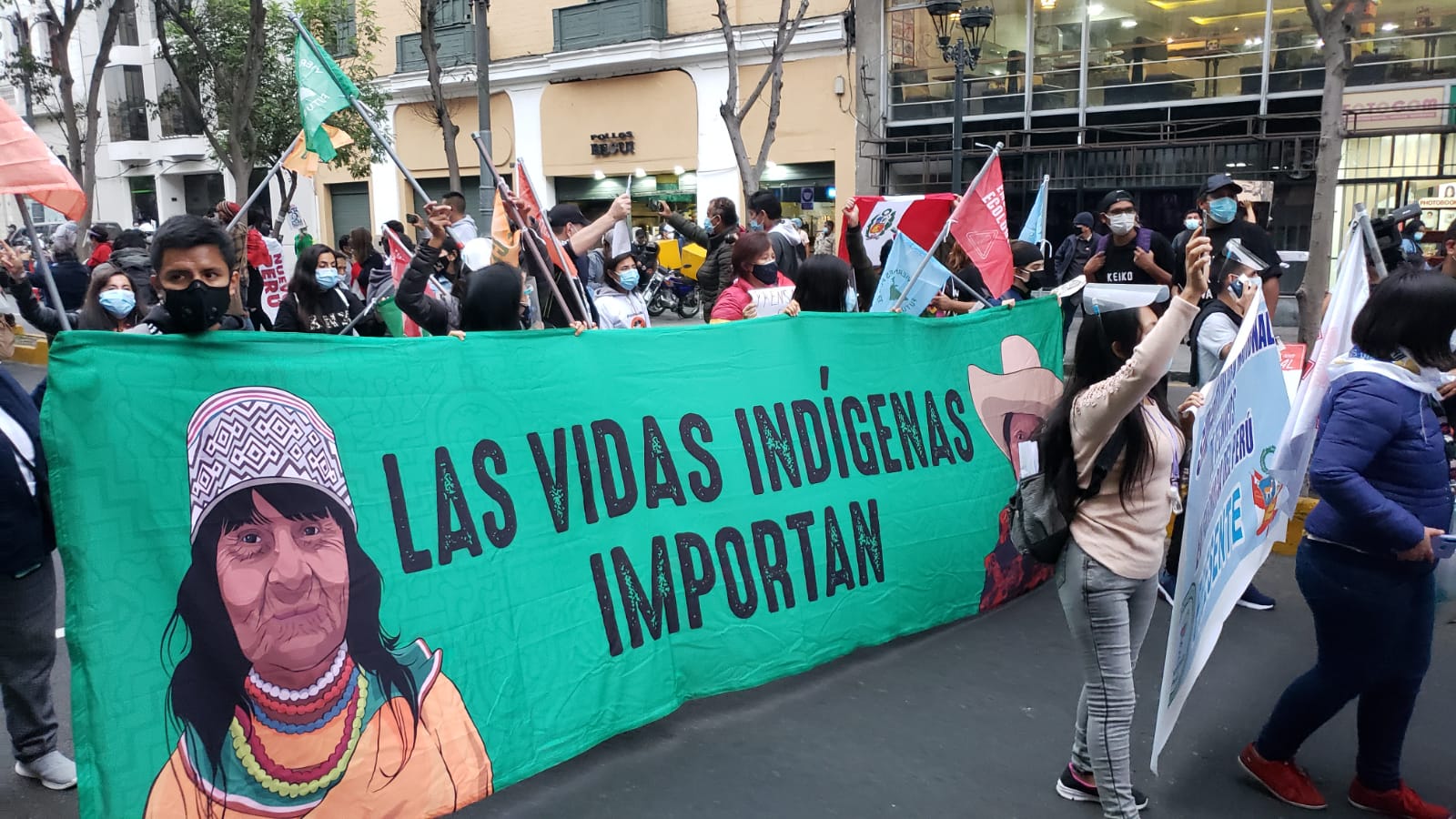
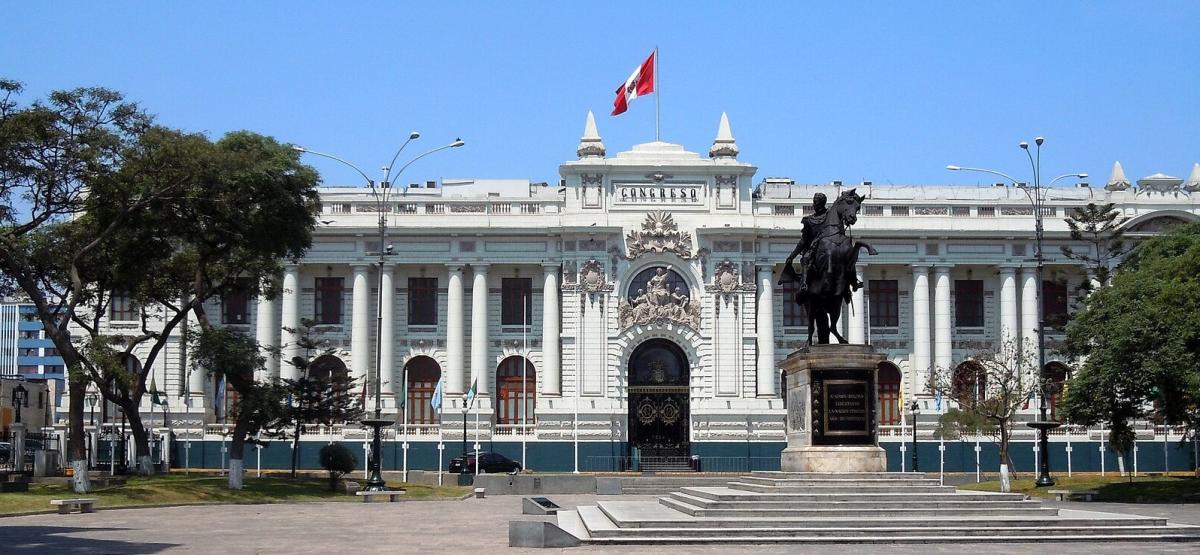
CongressoUN human rights chief Volker Türk urged the government of Peru to refrain from adopting a draft law that grants military jurisdictions the authority to investigate and prosecute possible human rights violations. Türk stressed that human rights violations should be handled by independent and impartial courts, as required by international law and UN standards. Türk warned of potential for impunity and violations of internationally protected rights, such as the right to an effective remedy and the right to a fair trial. (Photo: Protontorniyo via Wikimedia Commons)
Podcast: Hungary, Peru and the electoral struggle

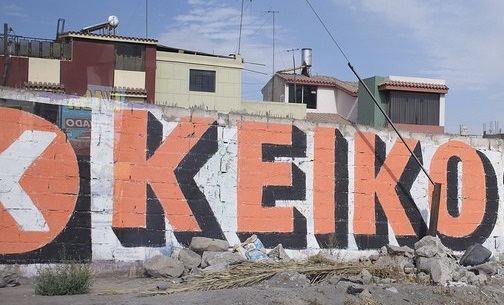
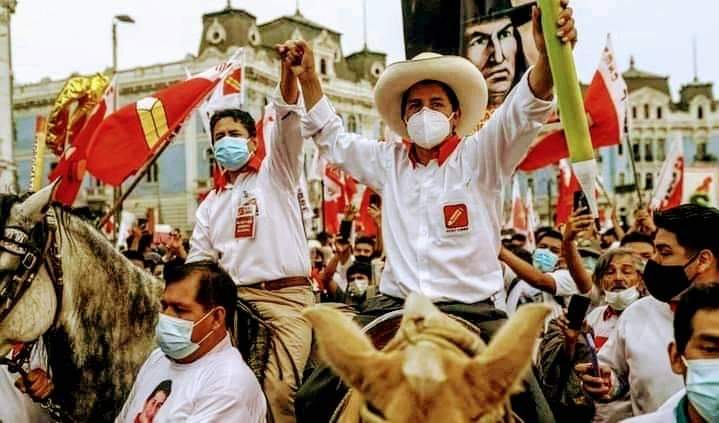
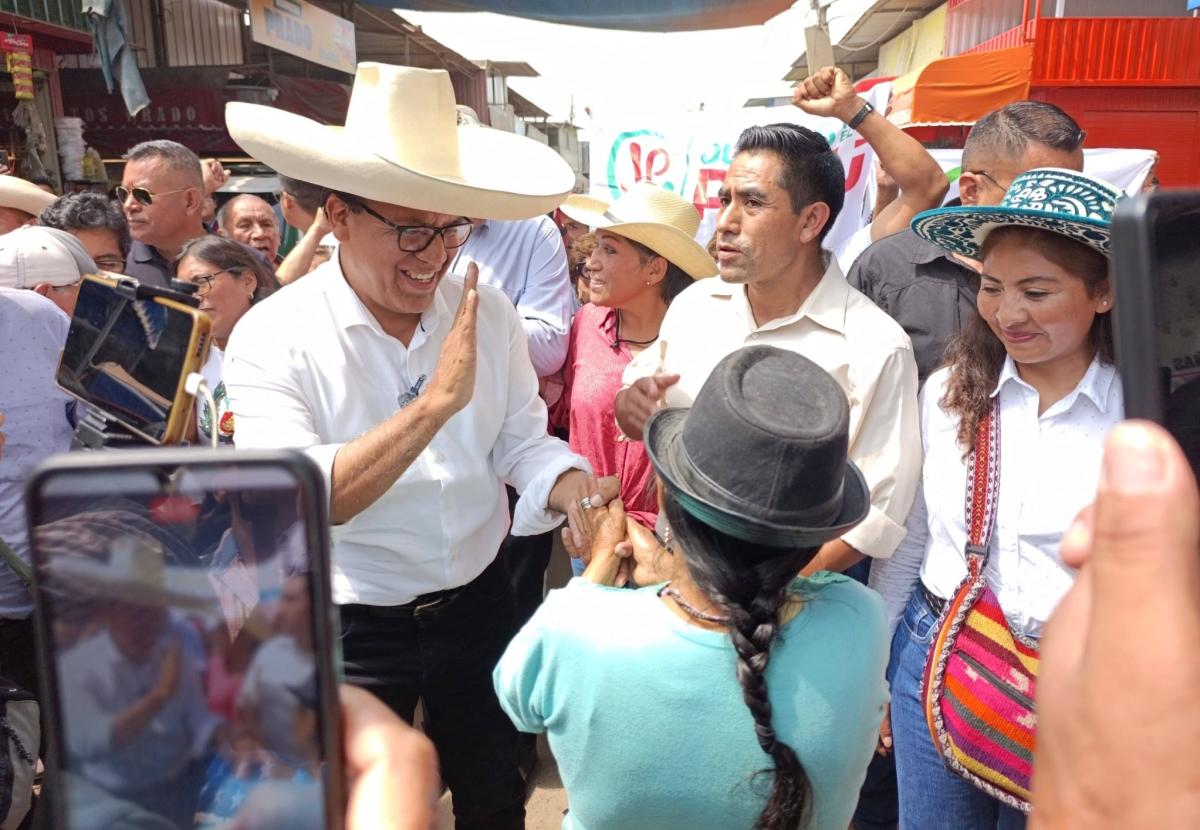
Roberto SanchezIn Episode 323 of the CounterVortex podcast, Bill Weinberg offers a comparison of the simultaneous elections in Hungary and Peru—in which questions of democratic norms versus authoritarian rule both stood in the balance. The defeat of long-ruling quasi-dictator Viktor Orbán is being hailed as a blow to the emerging authoritarian bloc in Europe. But the incoming center-right prime minister Péter Magyar may not mean a complete de-Orbánification. In Peru, the outcome is still pending, as the perennial candidate of the hard right, Keiko Fujimori, faces a run-off with a contender from the populist left, Roberto Sánchez. Keiko is the unapologetic daughter of the late ex-dictator Alberto Fujimori; her victory could mean a re-Fujimorification of the country, and a fatal blow to Peru's deeply troubled democracy. A Sánchez victory, meanwhile, would heighten the social contradictions in Peru—with both opportunities for a more meaningful democracy, and dangers of a backlash from the conservative establishment. (Photo: Anali Marquez Huanca via Facebook)

Reversal for hard right in Hungary; Peru in the balance

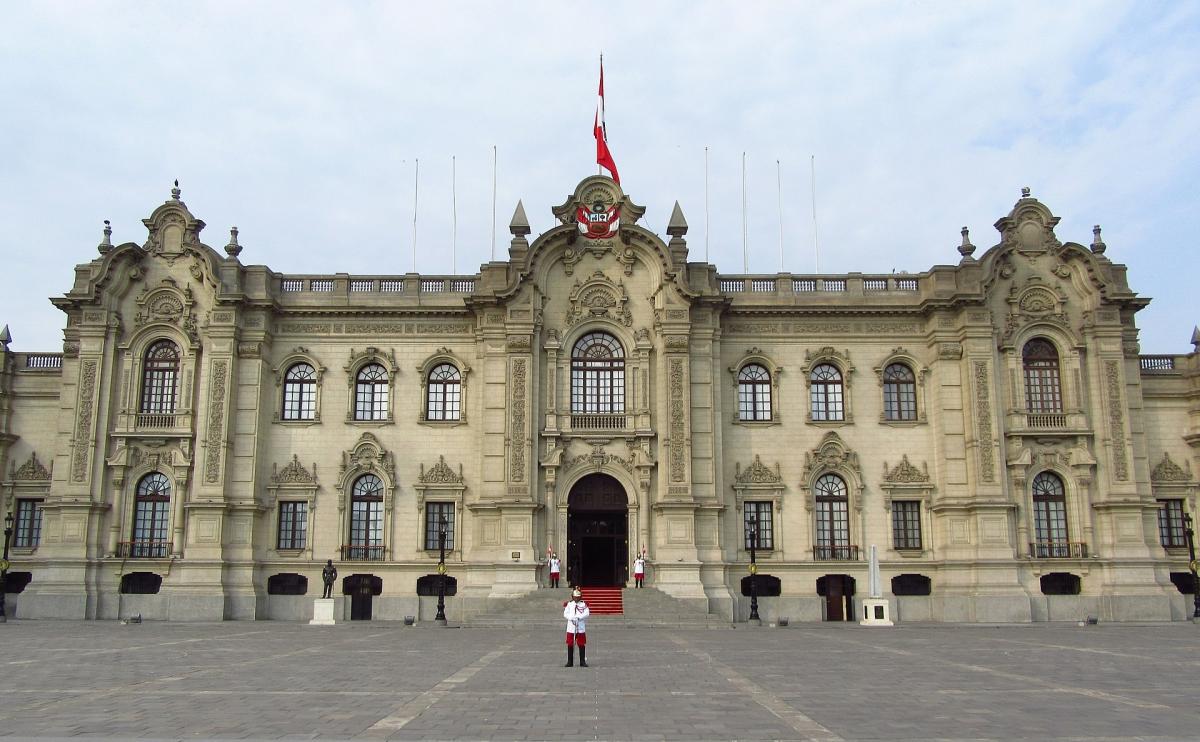
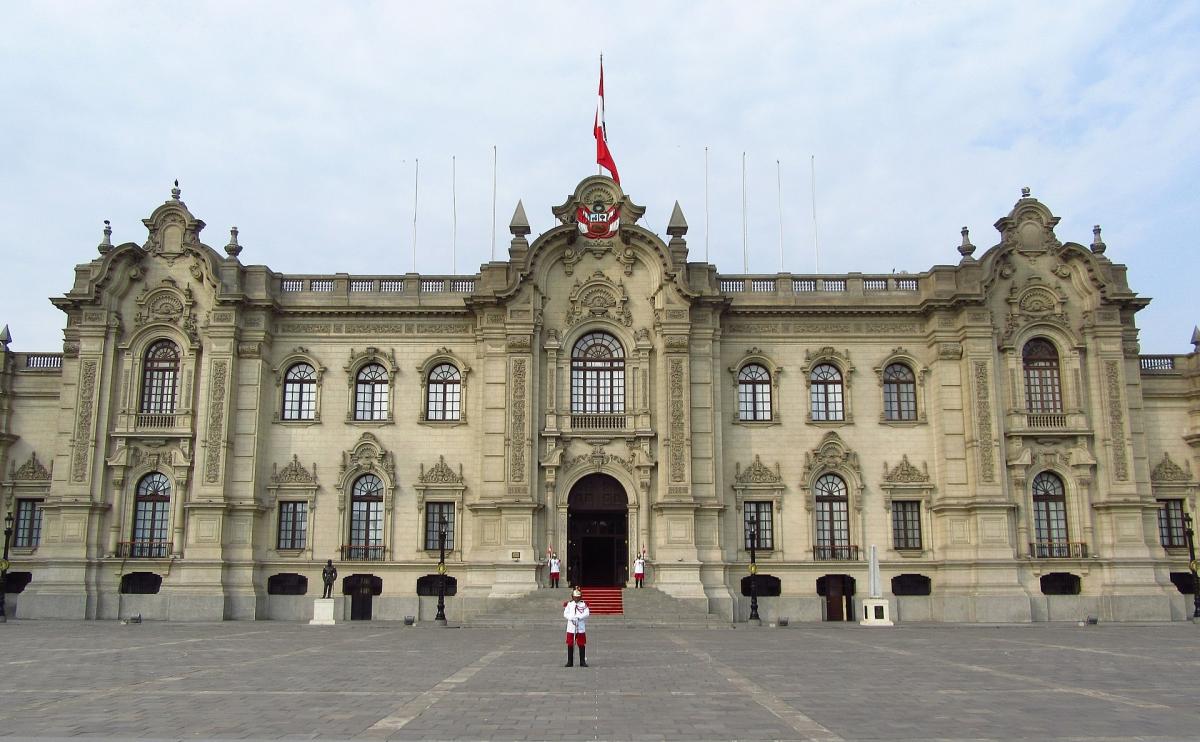
PresidenciaThe defeat of Hungary's quasi-dictator Viktor Orbán in the recent elections has heartened progressive forces around the world—despite the fact that the victorious Péter Magyar is a creature of the center-right. A more stark contest is emerging in Peru, where the right-wing authoritarian presidential candidate Keiko Fujimori faces a run-off with a contender from the populist left, Roberto Sánchez, who has broad support from the traditionally excluded campesinos of the country's Andean interior. (Photo: Wikipedia)

Peru protests: one year later

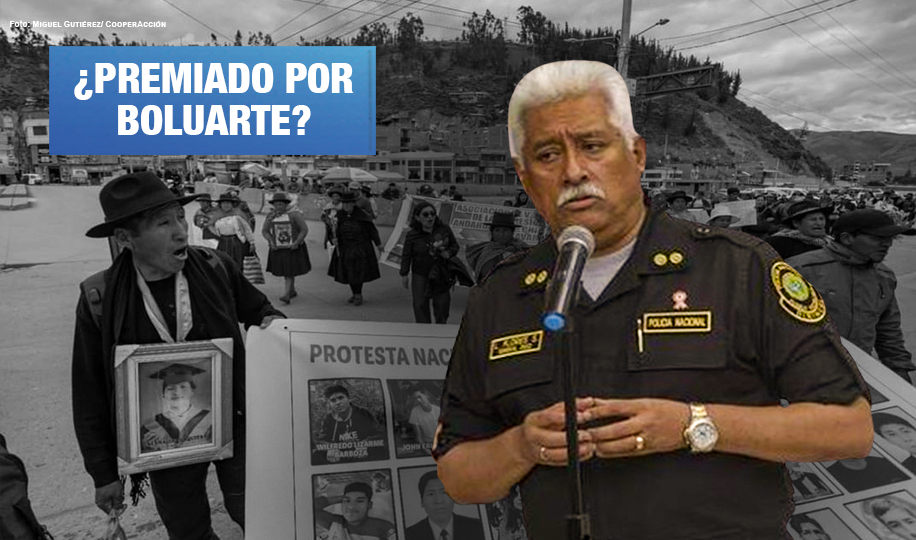
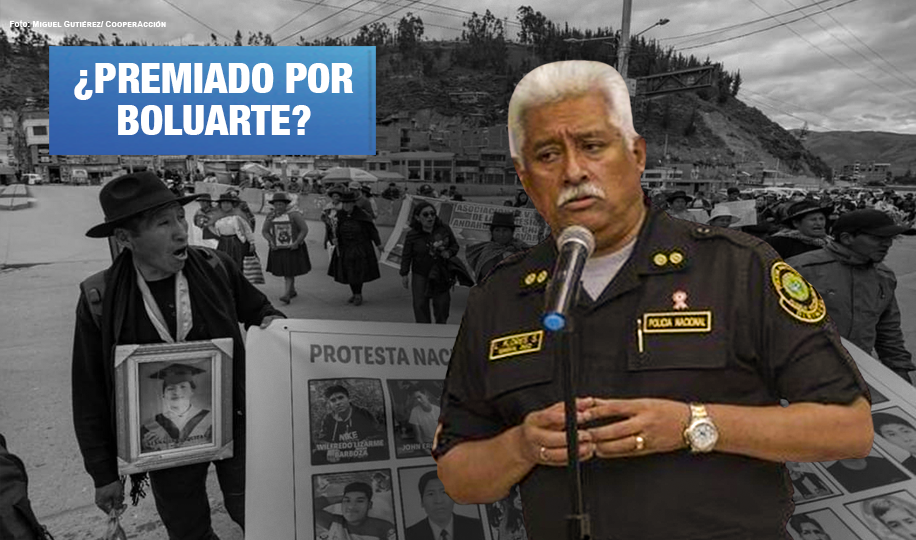
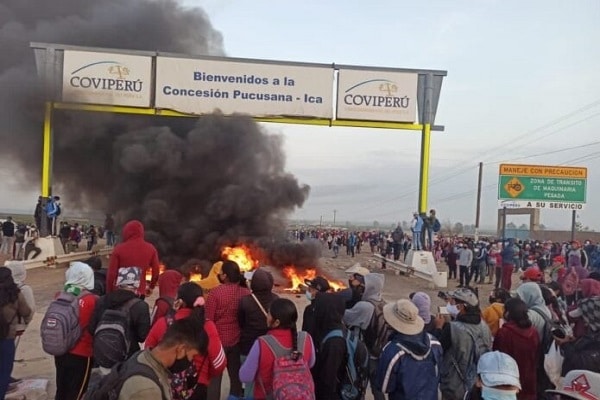
Flores SolisA year after the height of a protest wave that swept Peru, demanding the resignation of President Dina Boluarte, we finally see an initial step toward justice for the some 50 slain by security forces in the repression unleashed by her regime. Judicial Power, Peru's justice department, ordered the "preventative detention" of an officer of the National Police, as he is investigated in the slaying of a Cuzco youth last January.  On the other hand, there is outrage that Luis Flores Solís, a National Police general and a former agent of the elite Special Intelligence Group, has been named as the new chief of the Counter-Terrorist Directorate (DIRCOTE)—despite the fact that he is under internal investigation by the police force in the killing of protesters in Andahuaylas. Meanwhile, Pedro Castillo, the president whose removal from power and replacement by Boluarte in December 2022 sparked the protest wave, remains imprisoned on pre-trial detention orders. But ex-dictator Alberto Fujimori, who was serving a 25-year term for corruption and human rights abuses, was released last month on order of the Constitutional Tribunal, Peru's highest court. (Photo: Wayka)

Peru: thwarted auto-golpe or successful coup?

auto-golpeFacing a third round of impeachment (or "vacancy") proceedings, Peru's president Pedro Castillo ordered the dissolution of Congress and announced a "government of exception" that would rule by decree. But his government immediately collapsed as protesters, many armed with clubs, filled the streets of Lima. Most of his cabinet resigned, with foreign minister César Landa tweeting: "I strongly condemn this coup d'état and call on the international community to assist in the re-establishment of democracy in Peru." Defying the dissolution order, Congress quickly approved a "vacancy" measure, calling for Castillo's immediate ouster. The Public Ministry, the government's prosecutorial body, confirmed that Castillo has been arrested, charged with "breaching constitutional order." His vice president Dina Boluarte, who also condemned Castillo's action, was sworn in as Peru's new mandatary. National Police troops have flooded the streets of Lima, which remains under curfew. (Photo via Twitter)

The Andes
Lima protest

Constitutional crisis in Peru

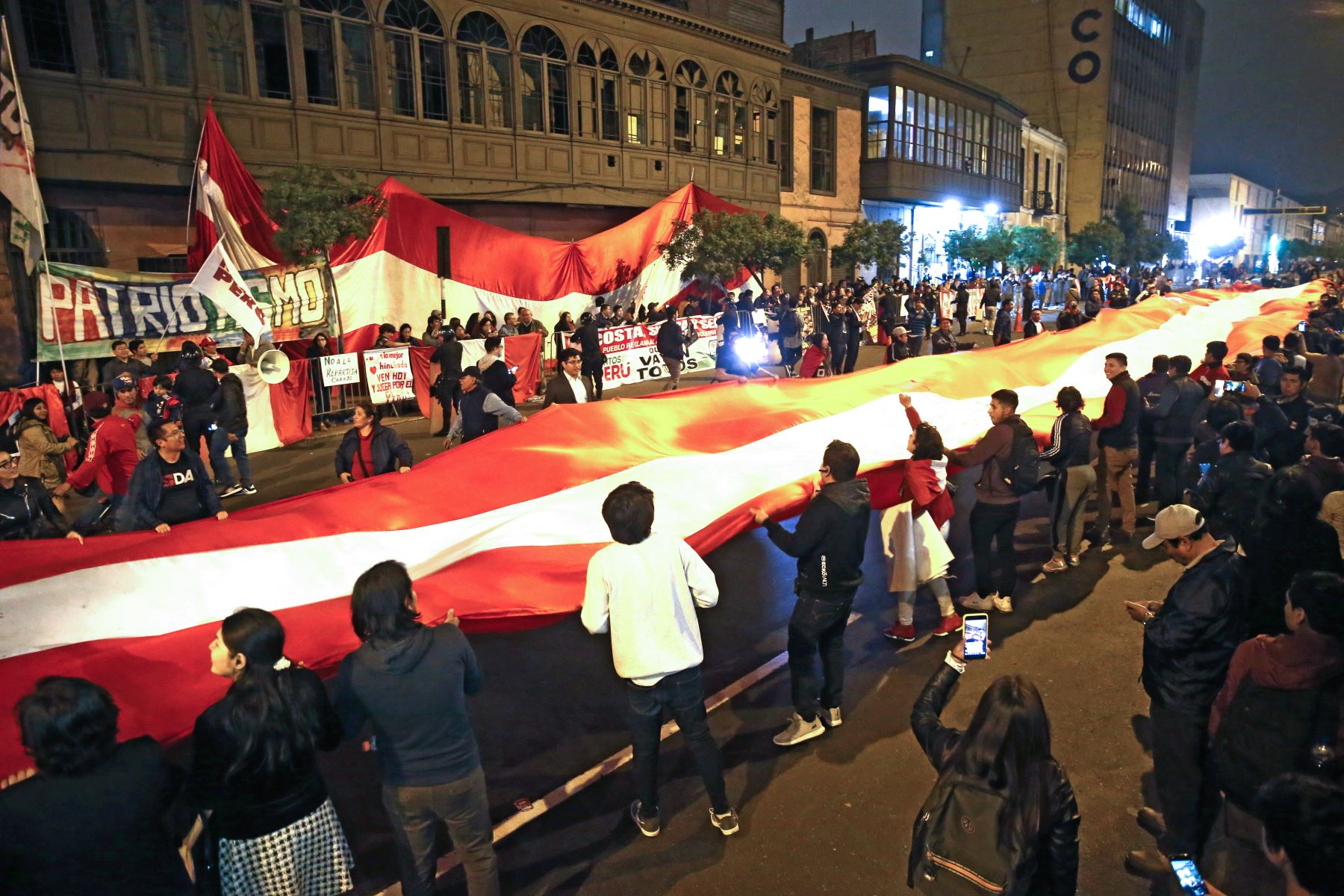
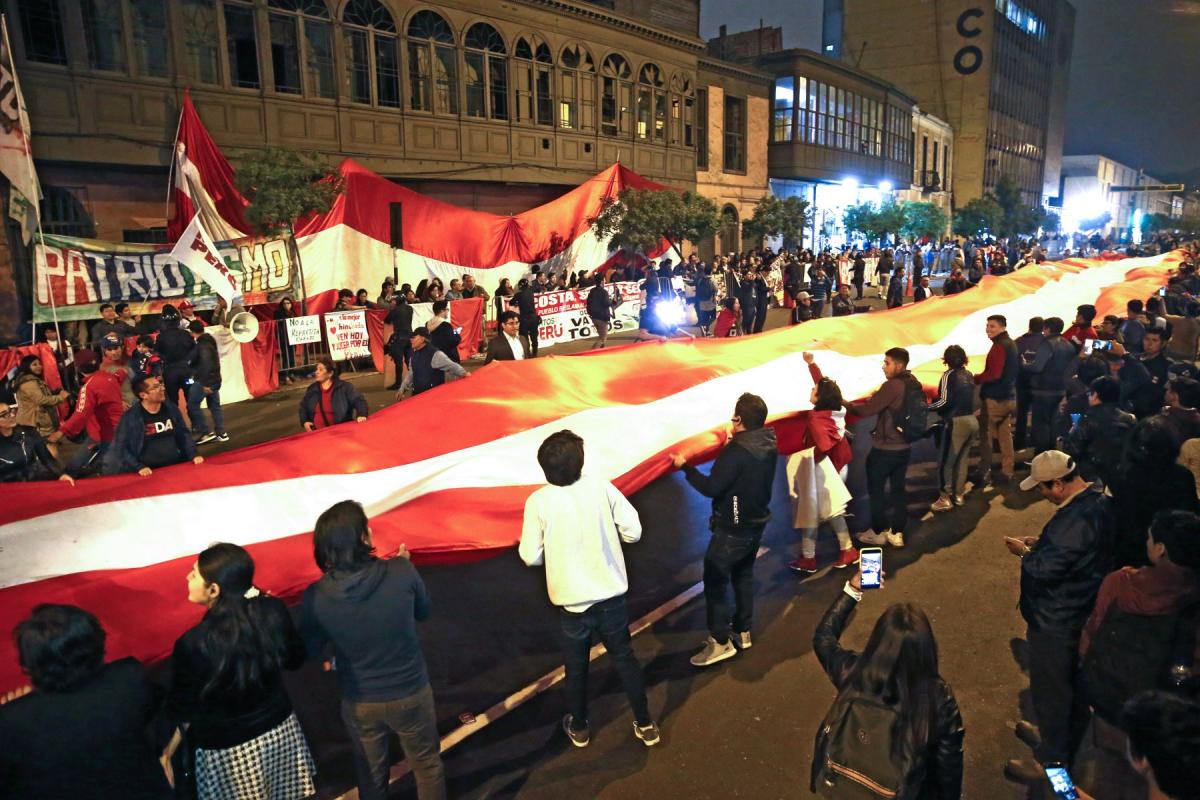
Lima protestPresident Martín Vizcarra of Peru ordered Congress to dissolve, prompting opposition lawmakers to vote to suspend him and plunging the nation into crisis. Vizcarra maintains the vote has no legitimacy because it came after Congress itself had been dissolved. Vizcarra and the right-opposition bloc in control of Congress have long been divided over the ongoing political scandal in Peru. The Congress building has been sealed off by troops, but some 20 lawmakers remain inside and are refusing to leave. The chamber of commerce, CONFIEP, rejects Vizcarra's move as a "violation of the constitution." But thousands of joyous demonstrators have filled the streets of Lima in support of the dissolution, shouting the ubiquitous slogan, "¡Que se vayan todos!" (Throw them all out!). (Photo: Andina via La Mula)

The Andes

Peru: Fujimori pardon revoked; struggle continues

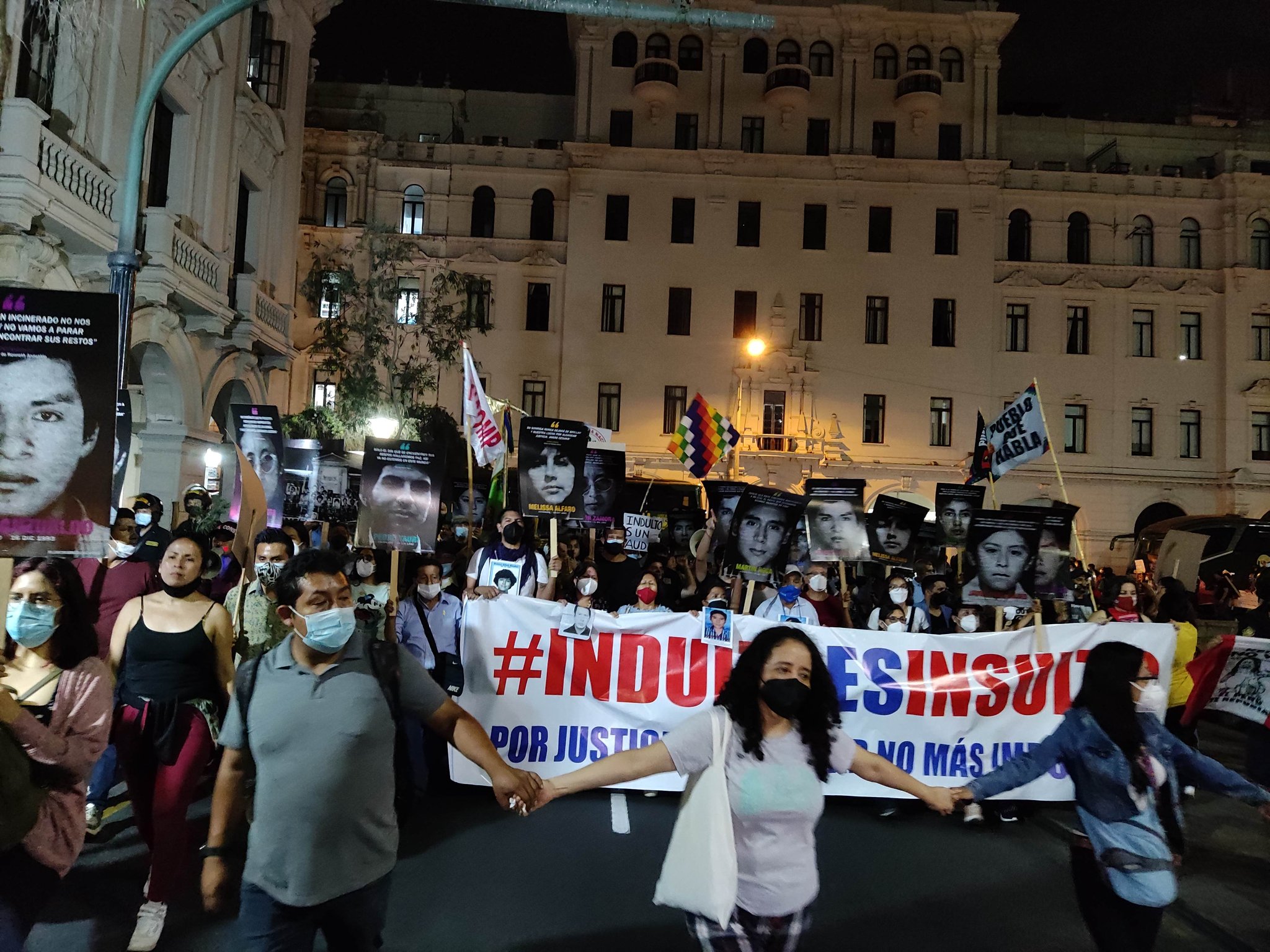
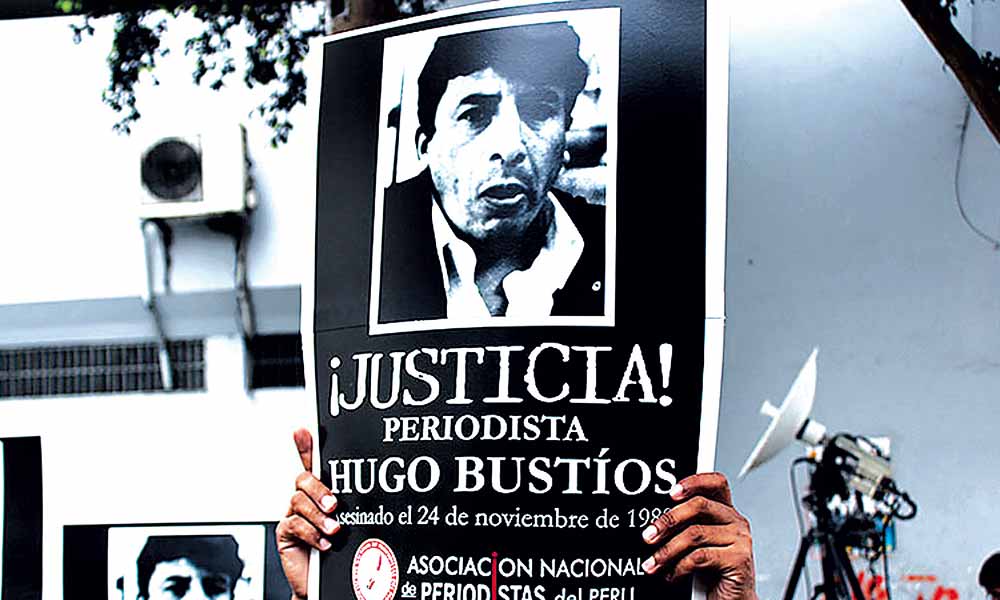
Hugo BustíosPeru's Supreme Court revoked the pardon of ex-dictator Alberto Fujimori, ordering him back to prison. His supporters in Congress are drafting a law to make the pardon permanent, but this is on dubious constitutional grounds and violates international human rights treaties. Meanwhile, survivors of the Fujimori-era "dirty war" continue to seek justice for the crimes of that period. One campaign is to block right-wing candidate Daniel Urresti, accused in the assassination of journalist Hugo Bustíos, from running for mayor of Lima. (Photo: Diario Uno)