Inner Asia
Kazakhstan

Kazakhstan president asks Russia to help quash uprising

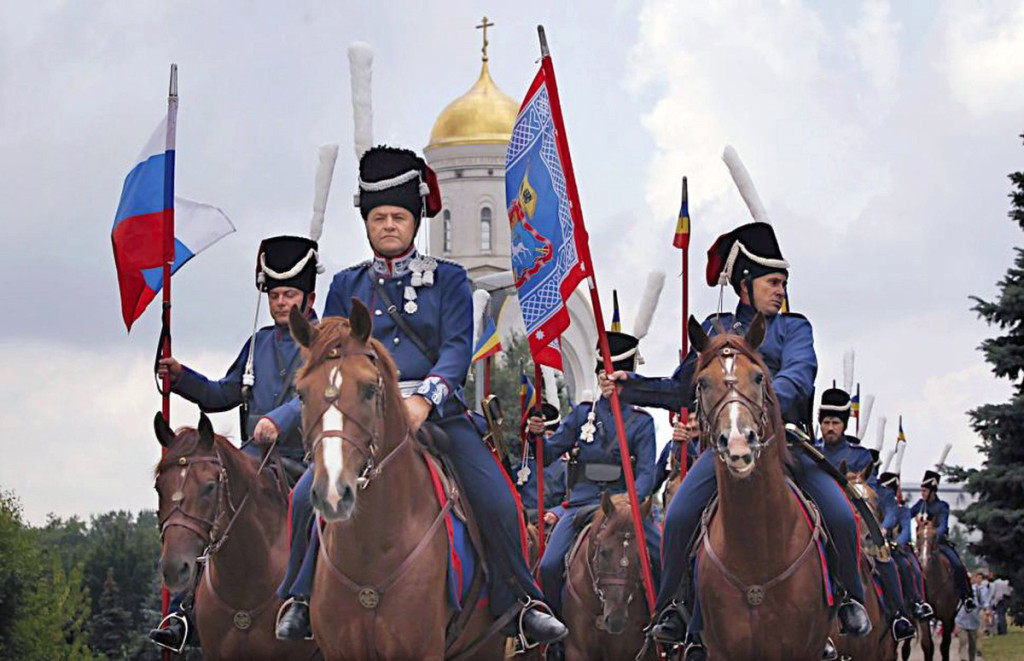
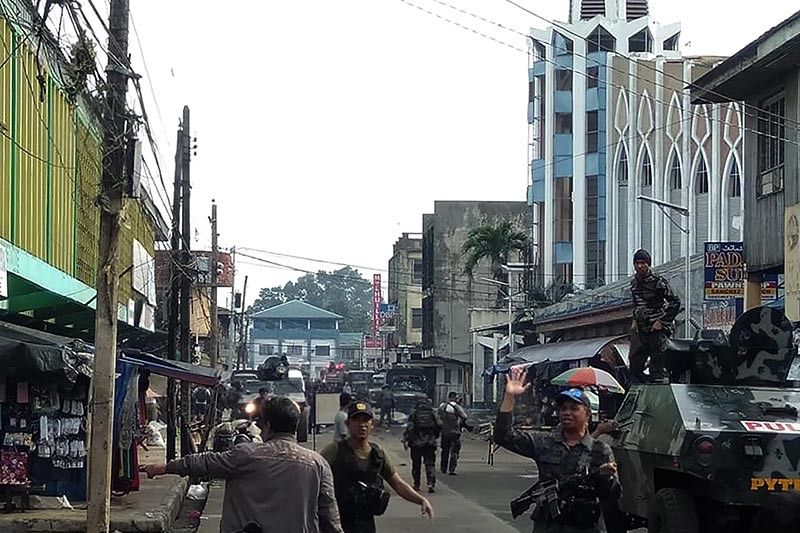
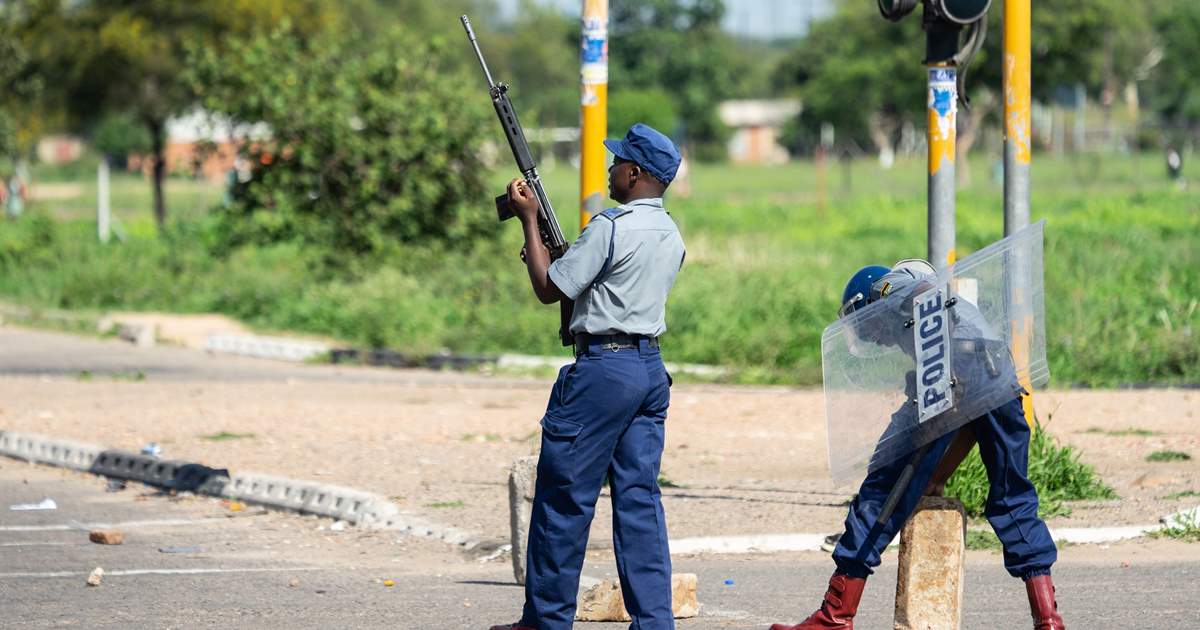
Kazakhstan’s President Kasym-Jomart Tokayev called participants in the protests that have swept the Central Asian nation “terrorists,” accusing them of attempting to undermine his government at the behest of foreign powers. After concessions such as a cabinet purge and instating fuel-price controls failed to quell the uprising, Tokayev quickly unleashed harsh repression. Declaring a state of emergency, he flooded the streets with riot police and pledged to “conduct counter-terrorist operations.” He also called on Russia and the other members of the Collective Security Treaty Organization (CSTO) to come to the defense of his regime. The CSTO has agreed to send “peacekeepers” to Kazakhstan. (Photo via Wikipedia)

Syria
idlib

Russian warplanes bomb Idlib water station

Russian warplanes are reported to have carried out an air-raid on the main water pumping station for the city Idlib, capital of the besieged province of that name in Syria’s north. Witnesses on the ground said Russian Sukhoi jets dropped bombs on the water plant as well as several towns outside the provincial capital. A UN humanitarian official acknowledged the air-raid without naming the perpetrators, tweeting: “The country is already facing a water crisis & continued destruction of civilian infrastructure will only cause more suffering of civilians.” An official in the opposition administration of the city said the plant is now out of operation, charging: “The Russians are focusing on infrastructure and economic assets. This is to add to the suffering of people.” (Image via Twitter)

Iraq
Iraq

China scores major energy deal in Iraq

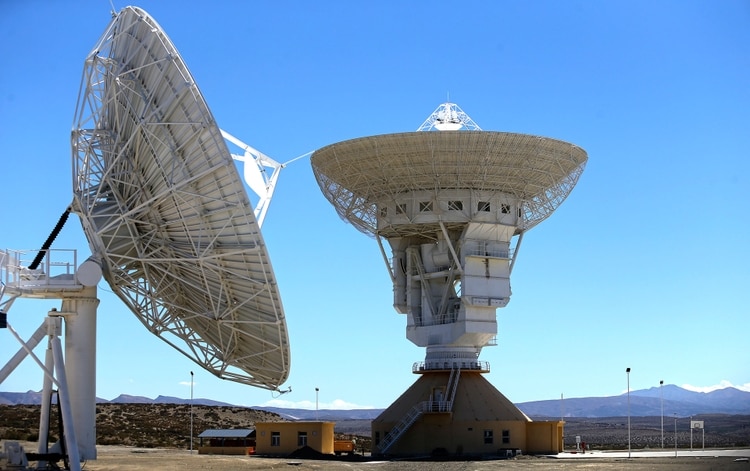
Iraq’s Ministry of Oil signed an $8 billion agreement with China’s state-owned Hualu Engineering & Technology to oversee expansion of al-Faw Petrochemical Complex, allowing its refinery to process 300,000 barrels per day of crude. The expansion of al-Faw complex, along the strategic Shatt al-Arab waterway in Basra governorate, is the largest yet undertaken in the Iraqi energy sector, and is seen as facilitating a new thrust of output by the country’s oil industry. The deal is a “build-own-operate transfer” (BOOT), which means Hualu could gain effective control of the facility.  Hualu is majority-controlled by the giant China National Chemical Engineering Company (CNCEC). (Map: University of Texas Libraries)

Planet Watch
countervortex

Keep CounterVortex alive with a New Year donation!

In our holiday fund drive, we are only $100 toward our very modest goal of $500. We also gained a few new Patreon followers, so those funds (which we count toward the total) will be trickling in over the coming weeks. But we’d like to get a little closer to being over the hump before we get any deeper into 2022. We understand that our ultra-dissident perspective as well as the fact the we cover “obscure” wars, conflicts and social struggles outside the media spotlight, means that we will never have a mass readership that can raise thousands of dollars (as do our frankly rival websites that successfully play to the crowd). But if you want the latest news on revolution around the world from a radical dissident-left perspective with 0% unvetted provocation or state propaganda, you know where to turn: CounterVortex. If you appreciate our rigorous reportage and ultra-dissident analysis, please give what you can.

Europe
Pussy_Riot

Russia designates Pussy Riot members ‘foreign agents’

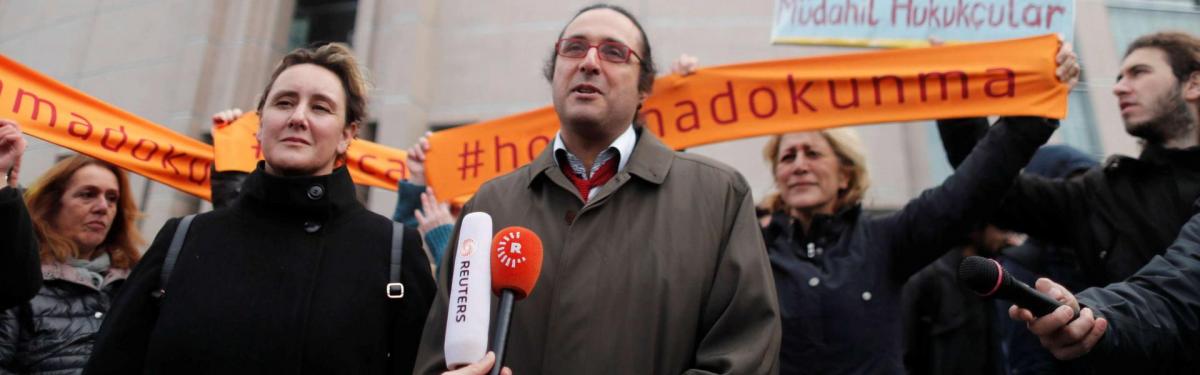
In the latest escalation of its crackdown on opposition, Russia designated a disparate group of activists, satirists, and others as “foreign agents.” A statement released by the Ministry of Justice listed the high-profile figures as designated “foreign agents,” a controversial term with Cold War-era implications of espionage that carries burdensome reporting responsibilities and exposes designees to hefty fines. Among those named were Nadezhda Tolokonnikova and Veronika Nikulshina of the activist group Pussy Riot. (Photo: Wikipedia)

Europe
Memorial

European rights court intervenes against Russia

Exercising a form of injunction reserved for exceptionally serious cases, the European Court of Human Rights (ECHR) instructed Russia to halt judicial orders to shutter Memorial International and its subsidiary organization, the Memorial Human Rights Center. The move follows two high-profile decisions by the Russian courts to dissolve the respected non-governmental organizations that were created to shed light on the victims of historical and contemporary political repression in the country. (Photo via Critical Mass)

Watching the Shadows
antivax

Podcast: antivax is fascist II

In Episode 103 of the CounterVortex podcast, Bill Weinberg, still suffering from possible COVID-19 symptoms, again notes how the radical right, including neo-Nazi elements, is in the vanguard of anti-vax protests, from Germany to Romania to England to Brooklyn. A virtual industry churns out relentless online disinformation that is easily refuted by anyone who makes the effort to break out of the confirmation-bias bubble. Contrary to the conspiranoid propaganda, COVID-19 deaths are actually being underestimated. The juvenile Nazi-baiting of the anti-vax machine is another example of the propaganda device of fascist pseudo-anti-fascism. Meanwhile, Tuskegee experiment survivors are encouraging vaccinations, and the Peoples Vaccine Alliance protests the actual crimes of Big Pharma—failing to make the vaccine available to Africa and the much of the Global South, in what has been decried as “vaccine apartheid.” Listen on SoundCloud or via Patreon. (Photo via Twitter)

South Asia
jesus in india

War on Christmas (yes, really) in Modi strongholds

Hindu militant groups disrupted Christmas celebrations and vandalized decorations in parts of India this season. The most serious incident was in Silchar, Assam state, where apparent followers of the Bajrang Dal “manhandled” Hindu youth who attempted to join observances at a Presbyterian Church on Christmas Day. Bajrang Dal is the youth arm of the Vishva Hindu Parishad (VHP), a right-wing organization allied with the ruling Bharatiya Janata Party (BJP). The VHP has been named as one of the groups involved in the 2002 Gujarat genocide. So it turns out that in one country on Earth where there really is a “War on Christmas,” it is being waged by followers of Donald Trump’s good friend and ally Narendra Modi. Life’s little ironies. (Photo via Article 14)

Central America

Honduras transition in the New Cold War

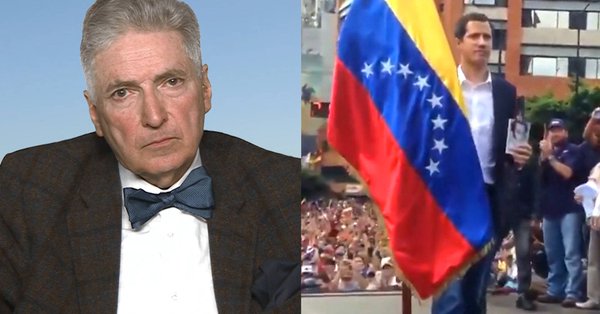
Hondurans elected self-proclaimed “democratic socialist” Xiomara Castro to be the country’s first woman president. The wife of Manuel Zelaya, the populist president who was removed in a coup in 2009, Castro pledges to revive his program—and take it much further, instating far-reaching reforms. Castro also announced that she will “open diplomatic and commercial relations with continental China,” which was widely taken as meaning a switch of diplomatic recognition. Honduras is currently one of only 14 countries that recognize Taipei rather than Beijing.  It is tragic to see the Central American republics, in their struggle to break free of Washington’s orbit, acquiesce in Beijing’s design to incorporate Taiwan into its own orbit—or, more ambitiously, its national territory.  (Map: Perry-Castañeda Library)

Southern Cone
mapuche

Chile: Boric faces Mapuche challenge

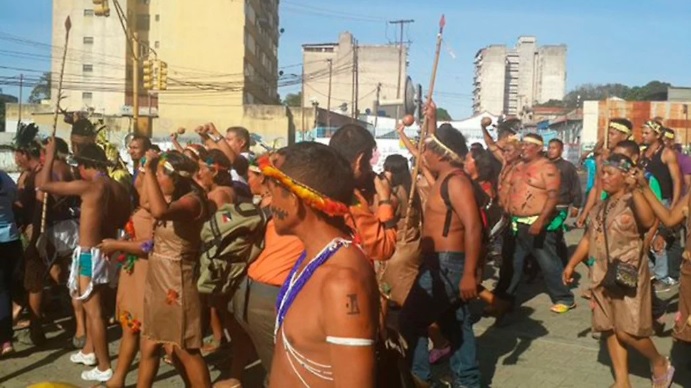
Gabriel Boric, a young leftist lawmaker and former student protest leader from Punta Arenas, is celebrating his victory in Chile’s presidential run-off election. He was the candidate of a new coalition that came together to press for progressive reforms under Chile’s new constitution. The constitutional redrafting process was set in motion by incumbent President Sebastian Piñera in response to a wave of popular protest two years ago. But Boric will face an immediate challenge from the mounting armed resistance movement of the Mapuche indigenous people in Chile’s south. Following his victory, the group Lavkenche Mapuche Resistance issued a statement claiming responsibility for arson attacks on trucks and equipment of timber and mining operations on traditional indigenous lands. The statement said: “The struggle will not cease. Neither with Piñera nor with Boric.” (Photo via Twitter)

North Africa
Tunisia

Tunisia: political crisis deepens

Tunisia’s former president Moncef Marzouki was sentenced in absentia to four years in prison, convicted of “undermining the external security of the State.” The charge is evidently a reference to his calls on social media for protest against current President Kaïs Saied, and for an end to French support of Saied’s regime. Marzouki calls Saied a “dictator,” and accuses him of having conducted a coup when he suspended parliament and fired the prime minister amid a wave of national unrest in July. (Image: Pixabay)

North Africa
libya

Libya: unrest as elections postponed

Several Libyan parliamentary candidates are calling for nationwide protests over the cancellation of the country’s long-awaited presidential election. The electoral commission has proposed putting off the polls for a month, citing lack of preparedness amid bureaucratic chaos. But the postponement threatens the country’s fragile peace deal. Clashes broke out last week in the southern city of Sabha between local security forces and fighters loyal to eastern warlord Khalifa Haftar, who has announced his candidacy for president. Another presidential hopeful is Saif al-Islam Qaddafi—who is wanted by the International Criminal Court for alleged war crimes committed during the revolution that overthrew his father 10 years ago. Also running is current interim prime minister Abdul Hamid Dbeibah. All three have faced challenges to their right to run, and Human Rights Watch has expressed concern over whether the elections can be free and fair given the atmosphere of insecurity and repression. (Map: Perry-Castañeda Library)