Africa
North Mara

Tanzania villagers sue Barrick Gold over rights abuses

A group of Tanzanian villagers filed legal action with the Ontario Superior Court of Justice against Canadian mining company Barrick Gold over human rights violations at its North Mara Gold Mine. It marks the first time that the mining company has faced legal action in Canada for rights violations abroad. The plaintiffs, members of the indigenous Kurya community in northern Tanzania, allege that special “mine police” assigned by the security forces to protect the facility use extreme violence against local residents. The mine has been the site of repeated protests over environmental degradation and forced displacement of villagers. The legal action includes claims for five deaths, five incidents of torture and five injuries from shootings. (Map via Semantic Scholar)

Planet Watch
Tuvalu

Imperiled Tuvalu to become first ‘digital nation’

Tuvalu, the Pacific island nation beset both by rising sea levels and extreme drought, used the COP27 climate summit to announce that it will move to the so-called metaverse. “As our land submerges, we have no choice but to become the world’s first digital nation,” Simon Kofe, Tuvalu’s foreign affairs minister, said in a pre-recorded address from TeAfualiku islet—likely one of the first places in Tuvalu to sink beneath the waves in the coming years. “Piece by piece, we’ll preserve our country, provide solace to our people, and remind our children and our grandchildren what our home once was,” Kofe said. Tuvalu has indeed taken early steps to explore its digital survival under worst-case scenarios. But the overarching message is clear as world leaders emerge from another summit with still-gaping questions on climate action: “Only concerted global effort can ensure that Tuvalu does not move permanently online, and disappear from the physical plane,” Kofe said. (Image via Pixabay)

Planet Watch
COP27

COP27: progress on ‘loss and damage,’ not mitigation

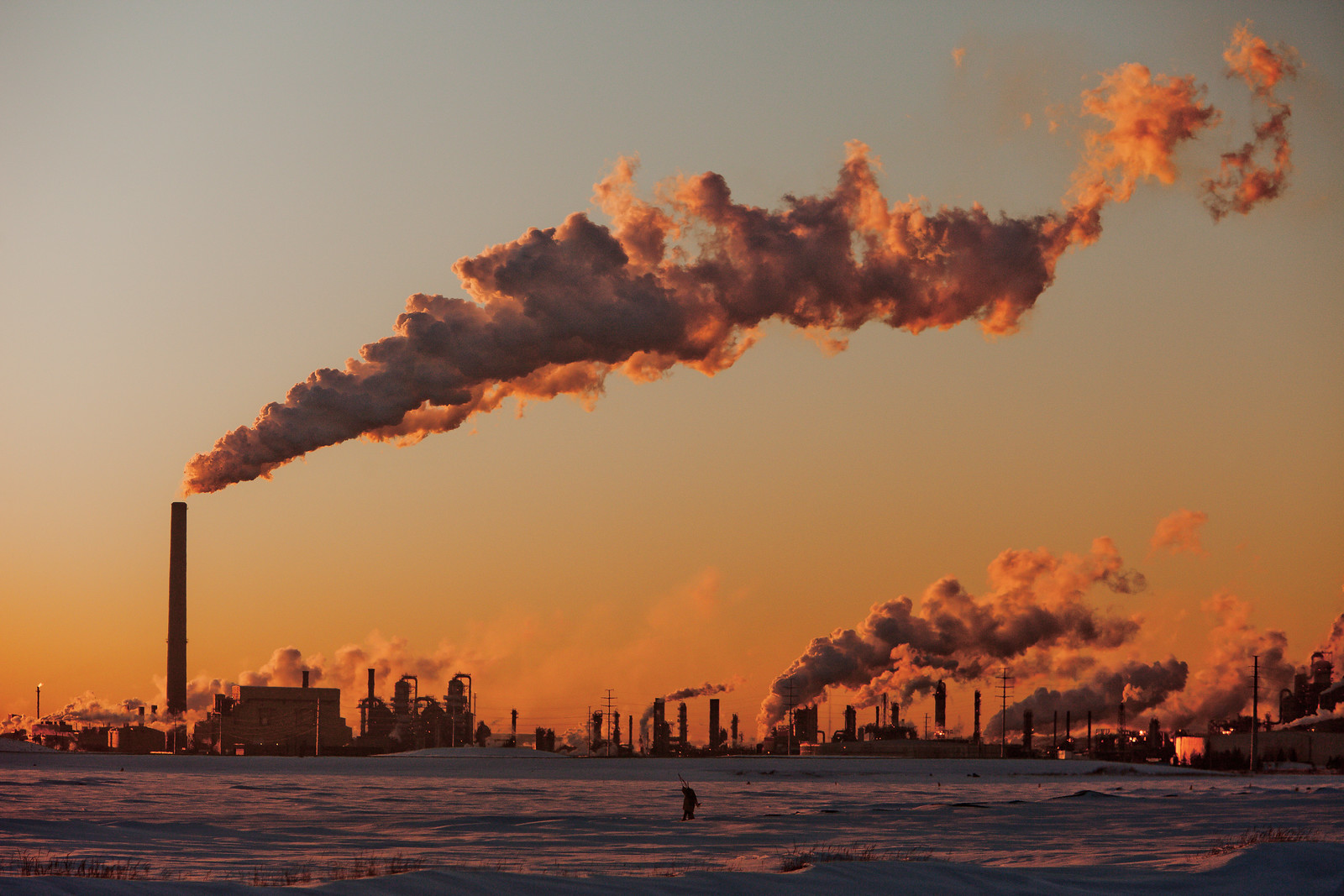
The 27th UN Climate Change Conference (COP27) closed with what was hailed as a breakthrough agreement to establish a “loss and damage” fund for vulnerable countries on the frontlines of climate disasters. Yet no action was taken to stop oil and gas expansion from fueling further disasters. India had pushed a proposal to extend to all fossil fuels the agreement to “phase down” coal reached last year at COP26 in Glasgow. A broad coalition of more than 80 countries took up the call, but host country Egypt, holding the presidency of the conference, was able to block the measure, acceding to powerful opponents prominently including Saudi Arabia and Russia. It should be noted that while Saudi Arabia and Russia are key oil and gas producers, India is a major coal producer—and fought for weaker language on the coal “phase down” at Glasgow. So the battle lines seem to reflect competition between different sectors of the hydrocarbons industry. (Photo: Tribal Army)

Iran
Iran Protests

Iran: oppose death penalty for detained protesters

Sixteen UN-appointed human rights experts called on Iranian authorities not to indict people on charges punishable by death for participating in peaceful demonstrations. “We urge Iranian authorities to stop using the death penalty as a tool to squash protests and reiterate our call to immediately release all protesters who have been arbitrarily deprived of their liberty for the sole reason of exercising their legitimate rights to freedom of opinion and expression,” the experts said in a statement. Since then at least five people have been sentenced to death on the charge of moharebeh (“enmity against God”) in connection with the anti-government protests that have been raging for two months. A popular Kurdish rap artist, Saman Yasin, is among those facing execution. Days before the UN statement, 227 members of Iran’s 290-member parliament approved a resolution demanding that the judiciary “deal decisively” with “rioters”—taken to mean imposing the death penalty. (Photo: Ottawa protest in support of Iranian uprising, via Wikimedia Commons)

Syria
rojava

Turkey bombs Rojava, pressures Sweden

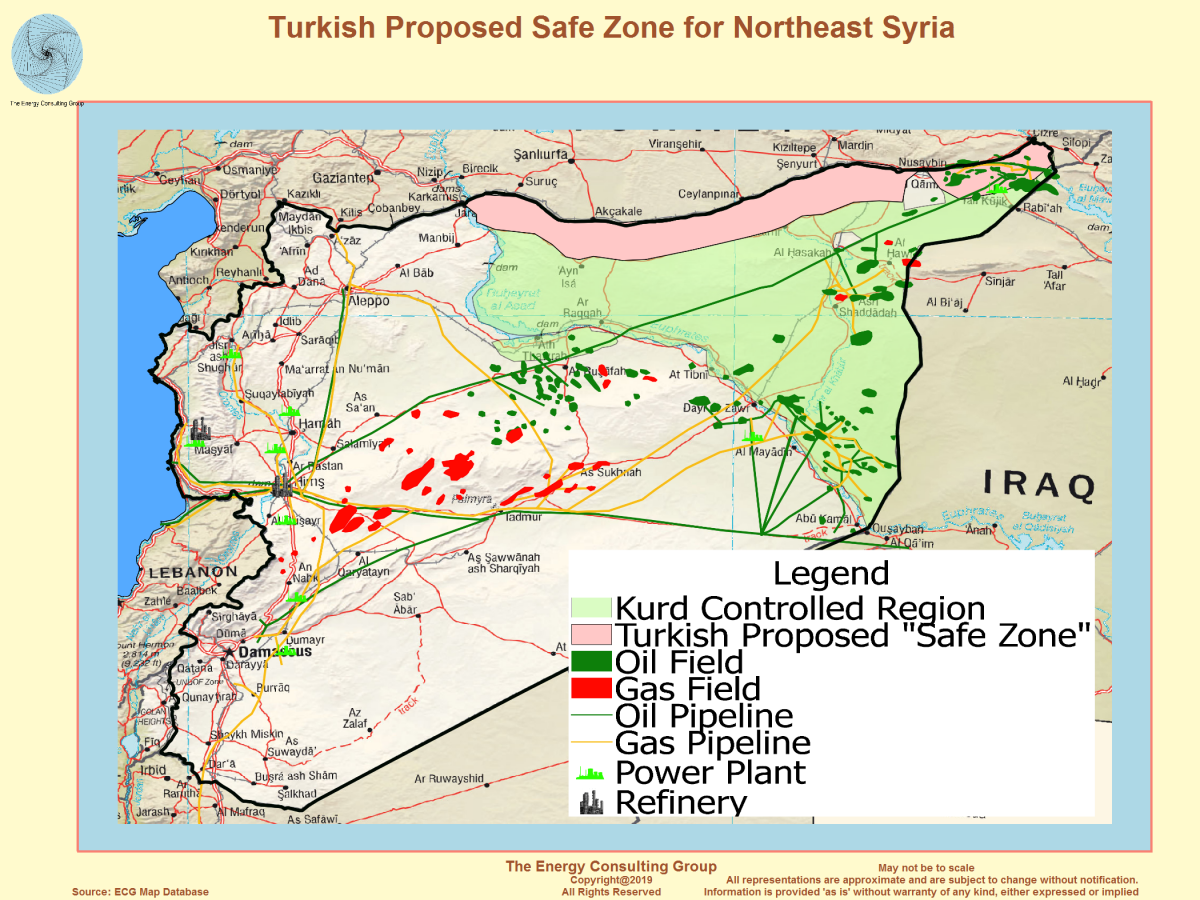
Turkish warplanes carried out air-strikes on several towns within the Kurdish autonomous zone in northern Syria, known as Rojava. Among the towns hit was Kobane, from where Ankara says the order was given for the suicide attack in Istanbul that left six dead. ”Kobane, the city that defeated ISIS, is subjected to bombardment by the aircraft of the Turkish occupation,” tweeted a spokesperson for the Kurdish-led Syrian Democratic Forces (SDF). Both the SDF and affiliated Kurdistan Workers Party (PKK), named by Turkish authorities as behind the Istanbul attack, deny any involvement. Three days after the blast, Sweden acceded to Turkish demands that it stiffen “anti-terrorist” measures as a precondition for joining NATO. The Swedish Riksdag adopted a constitutional amendment facilitating passage of laws to limit freedom of association for those who engage in or support “terrorism.” Turkey has long accused Sweden of giving harbor to exiled PKK sympathizers. (Photo via ANF)

Europe
kherson

Podcast: against pseudo-left disinformation on Ukraine II

In Episode 150 of the CounterVortex podcast, Bill Weinberg calls out the panelists at The People’s Forum event on “The Real Path to Peace in Ukraine“—including the inevitable Noam Chomsky and Medea Benjamin—for actually spreading Russian war propaganda, in Orwellian manner. As Ukraine advances on the ground, liberating the city of Kherson (which Moscow had declared “annexed”), Russia retaliates with massive missile strikes targeting civilian infrastructure such as heating plants as the bitter Ukrainian winter approaches—clearly war crimes, aimed at breaking the will of the populace. But rather than protesting the Russian bombardment, these pseudo-anti-war voices join with the Trumpian right in calling for an end to military aid to Ukraine. And rather than Russian mass atrocities and illegal annexation of Ukrainian territory, they point to imaginary pressure on Kyiv from the US not to negotiate as the obstacle to peace. This war propaganda is all the more sickening for being disguised as peace propaganda. Listen on SoundCloud or via Patreon. (Photo via Razom for Ukraine)

Palestine
Apartheid wall

Robo-Zionist policing of West Bank

The Israeli military has installed robotic weapons that can fire tear-gas, stun-grenades and “non-lethal” bullets in two volatile locations on the West Bank. One is atop a turret at al-Aroub refugee camp; the other in the nearby city of Hebron, where soldiers often clash with Palestinian residents. When young protesters pour into the streets hurling rocks and improvised firebombs at Israeli soldiers, the robotic weapons unleash gas and projectiles on them, according to witness accounts. The robo-weapons, produced by Israeli firm Smart Shooter, use artificial intelligence to track targets. Israel says the technology saves lives—both Israeli and Palestinian. But, as YNet states in its report on the installation, “critics see another step toward a dystopian reality in which Israel fine-tunes its open-ended occupation of the Palestinians while keeping its soldiers out of harm’s way.” (Photo: Filippo Minelli)

Africa
Lundin

Swiss oil CEO faces trial for Sudan war crimes

The Supreme Court of Sweden ruled that the trial of Alex Schneiter, a Swiss citizen and former CEO of Lundin Oil charged in connection with war crimes in Sudan between 1999 and 2003, may proceed in the Swedish courts. While Lundin Oil is a Swedish-based company, Schneiter claims that he cannot be tried in Sweden because he is neither a citizen nor a resident. The high court held that Schneiter’s alleged crimes are subject to “universal jurisdiction,” which allows anyone to be prosecuted anywhere in the world for serious international crimes. The case concerns an area called Block 5A in southern Sudan, which was then wracked by a pro-independence insurgency. The indictment holds that Lundin demanded that government forces and allied militias provide security for its operations, knowing that this would entail deadly force and enflame the conflict. (Map via Rixstep)

East Asia
Hong Kong

Hong Kong: first conviction under Anthem Ordinance

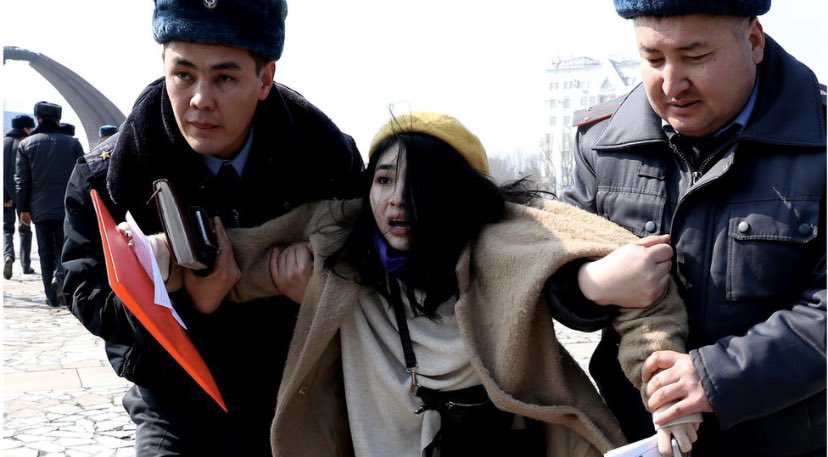
A Hong Kong court sentenced citizen journalist Paula Leung to three months in prison—the first conviction under the territory’s National Anthem Ordinance. The law was enacted in Hong Kong on June 12, 2020, pursuant to an act passed by the People’s Republic of China in September 2017, which mandated that the semi-autonomous city bring its legal code into conformity. According to regional news outlets, Leung attended a mall screening of Olympic fencer Edgar Cheung Ka-long receiving his gold medal on July 30, 2021. During the playing of the Chinese national anthem, attendees waved the colonial-era Hong Kong flag. This was found to be in violation of Article 7 of the law, which makes it a criminal offense to “insult the national anthem,” punishable by up to three years imprisonment. (Photo: VOA via Jurist)

Greater Middle East
Iran

Multiple interventions continue in Syria

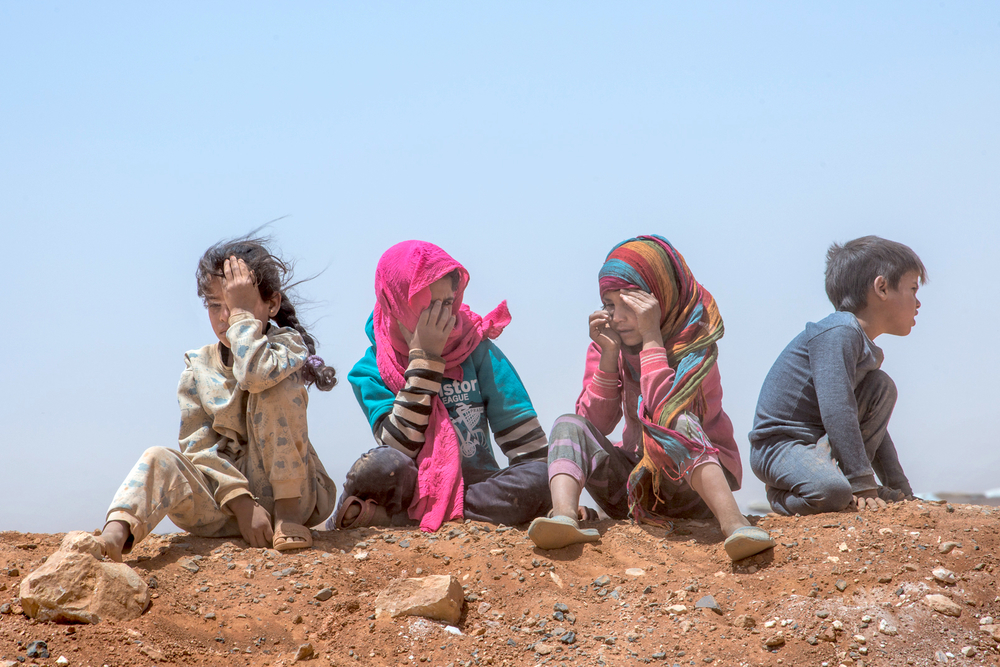
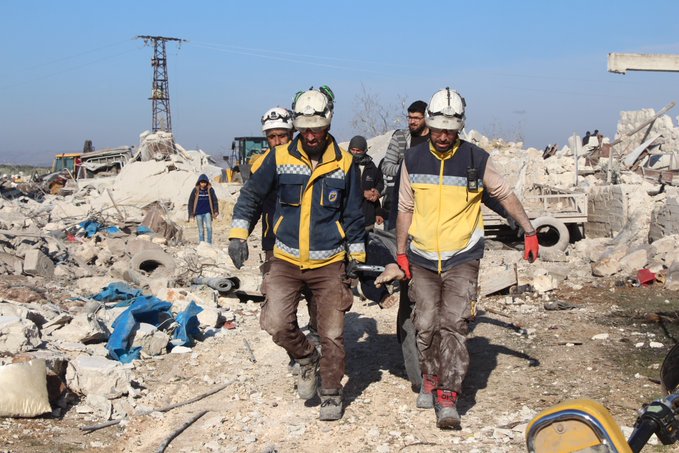
An air raid on the convoy of an Iran-backed militia in eastern Syria’s Deir az-Zor province left 14 presumed fighters dead and made brief headlines. There was immediate speculation that the raid was the latest in the small but growing handful of times over the course of the 10-year Syrian war that the US has bombed forces allied with the Assad regime. The strikes did immediately follow the slaying of a US aid worker in Iraq. However, Israel has for years also carried out sporadic air-strikes on similar targets in Syria, and has likewise come under suspicion in this attack. Getting far less media attention are ongoing air-strikes by Russia and the Assad regime on the remaining pocket of rebel control in Syria’s northwest. Just three days before the Deir az-Zor attack, Russian or regime strikes in Idlib province targeted a displaced persons camp, leaving at least seven noncombatants dead—and winning few international headlines. (Image: Pixabay)

Watching the Shadows
Kremlin

Wagner Group revelations expose Kremlin lies

Russia’s heretofore secretive private mercenary force, the Wagner Group, has opened its first official headquarters, in an office building in the city of Saint Petersburg—with a stylized W logo and the words “Wagner Center” in Russian emblazoned on the glass door facing the street. Putin-allied oligarch Yevgeny Prigozhin last month also publicly confirmed for the first time that he is the founder of the mercenary outfit. These are amusing developments after years of claims that the Wagner Group—which is accused in a string of horrific human rights abuses both in Ukraine and across Africa—doesn’t actually exist. (Photo: Wikipedia)

Europe
Ukraine

Ukraine: Russia accused of forced transfer of civilians

Russian forces have committed war crimes and likely crimes against humanity by unlawfully transferring or deporting civilians from occupied parts of in Ukraine to Russia or Russian-controlled territory, according to an Amnesty International report. Russian and Russian-backed authorities have also forced civilians through an abusive screening process known as “filtration,” during which some were arbitrarily detained, subject to torture or other ill-treatment, and separated from their children. (Map: PCL)