
Iran
Tehran

Protest wave spreads across Iran

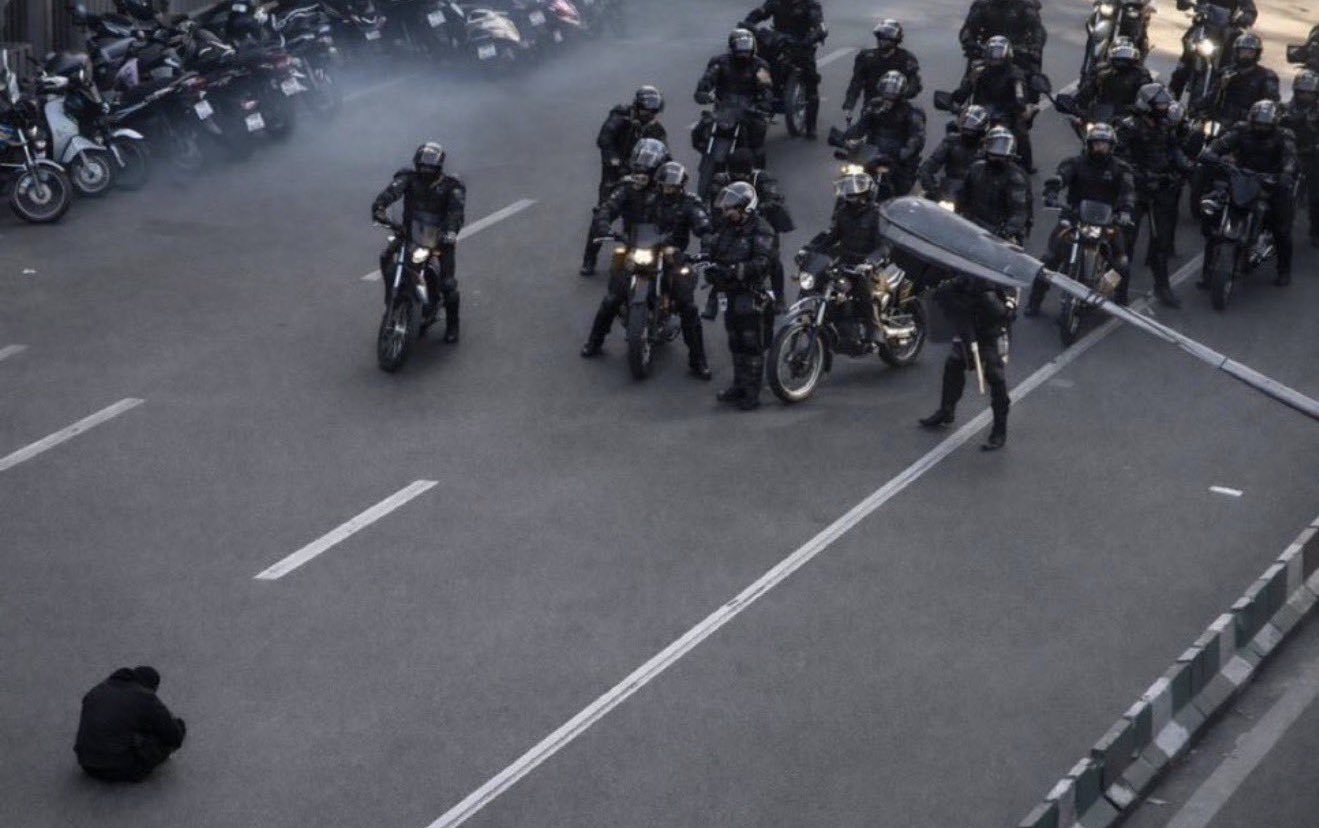
On the third day of protests by Tehran bazaar merchants in response to the dire economic situation in Iran, the strike started to spread across the country. Shopkeepers in Isfahan, Ahvaz, Shiraz, Kermanshah and Najafabad closed their stalls and held protest gatherings, where they were joined by students who walked off university campuses. Security forces responded with multiple arrests and the use of live fire and tear-gas, with one student reported severely injured in Tehran. Protest slogans escalated beyond economic grievances, openly targeting clerical rule and Supreme Leader Ayatollah Ali Khamenei. A photo of a lone protester blocking a column of police motorcycles on a Tehran freeway has gone viral, drawing comparisons to the iconic “tank man” photo from Tiananmen Square in June 1989. (Photo via Twitter)
Africa
Tomahawk

Podcast: MAGA-fascism and the struggle in Nigeria

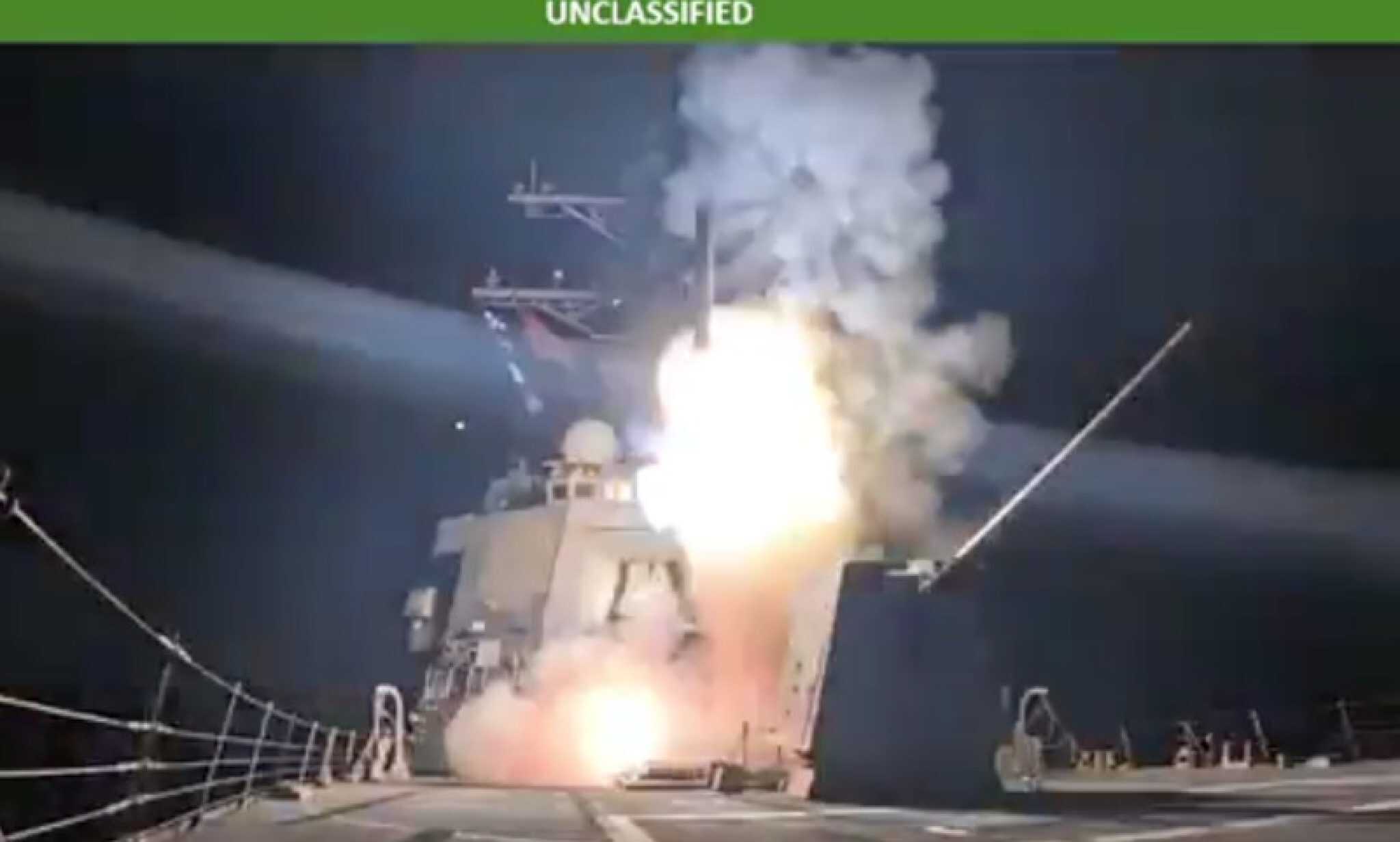
With his Christmas air-strikes on Nigeria, Trump is blundering into a conflict fundamentally driven by desertification related to the very climate change that he denies, and which now threatens democratic rule throughout the West African region. And while the Muslim-Christian sectarian strife that Trump hypes is a large element of the situation, the violence has gone both ways. Furthermore, making Christians the perceived beneficiaries of imperialist intervention is only likely to exacerbate the tensions and make Christians more of a target. In Episode 310 of the CounterVortex podcast, Bill Weinberg takes an in-depth and unsparing look. (Photo: AFRICOM via Long War Journal)

Africa
Sokoto

US strikes supposed ISIS targets in Nigeria

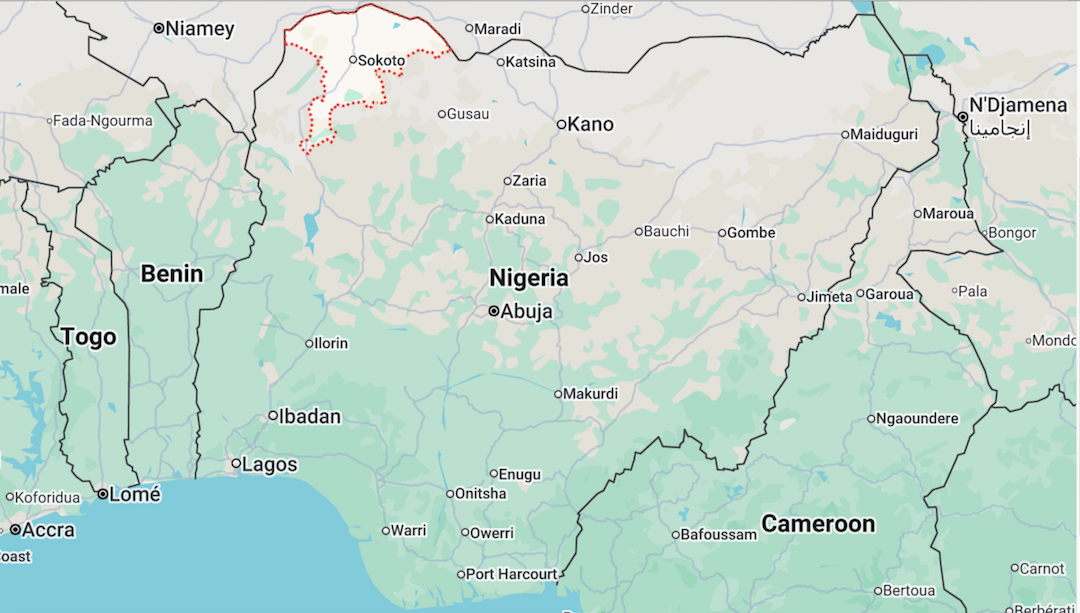
Following through on threats made last month, President Donald Trump announced on social media Christmas Day that he had ordered air-strikes against Islamic State targets in Nigeria, ostensibly in retaliation for the group’s targeting of Christian communities. Trump’s post did not specify where the military action took place, though the Pentagon’s Africa Command later stated that the strikes were in “Soboto State” —an obvious misspelling of Sokoto state, in Nigeria’s northwest. The Nigerian government confirmed the bombings, stating that they were conducted in a “joint operation” —but added that the strikes had “nothing to do with a particular religion.” (Map: Google)

Burma

ELECTORAL ‘SHAM’ IN BURMA

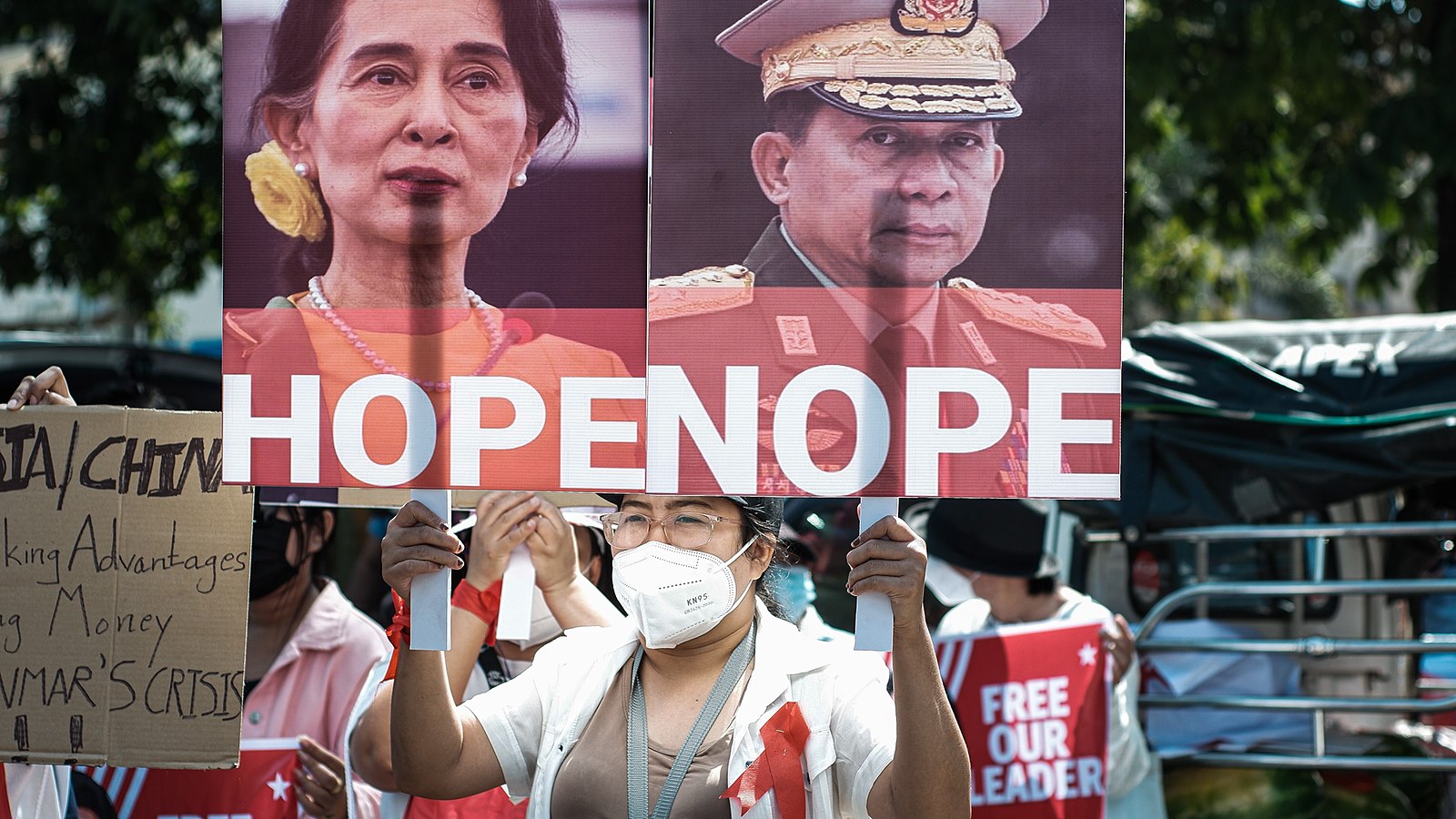
Trouble-torn Burma is heading for the first general elections since the military coup of February 2021 that ousted a democratically elected government. The seating of a new parliament will mark the re-opening of the bicameral body which was suspended when the military junta seized power. However, several prominent political parties will be barred from the three-phase polling to start on December 28—including Aung San Suu Kyi’s National League for Democracy, which won the last general elections held in November 2020. The new elections, with only parties approved by the military junta participating, are rejected by the opposition as a “sham.” And there will be no voting in the nearly half of the country now under the control of the armed resistance loyal to the rebel parallel government, CounterVortex correspondent Nava Thakuria speaks to opposition activists in clandestinity, who demand that the world reject the junta’s controlled elections.

Continue ReadingELECTORAL ‘SHAM’ IN BURMA 
Southern Cone
Chile

Chile’s turn to the hard right

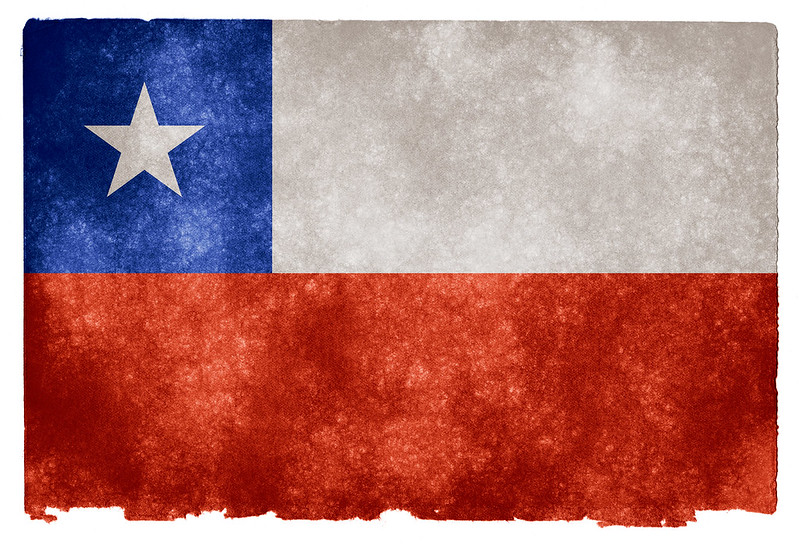
The rising wave of far-right populism has arrived in Chile with the victory in the presidential race of José Antonio Kast, an ultra-conservative who campaigned on fighting crime and carrying out mass deportations. Emulating Donald Trump, Kast exploited a backlash against migrants—especially Venezuelans—and pledged to build a separation wall on the border with Peru. His victory marks the country’s sharpest shift to the right since the restoration of democracy after the brutal dictatorship of Augusto Pinochet 30 years ago—an era and figure that Kast has openly admired. (Image: Nicolas Raymond via Flickr)

New York City
Mamdani

NYC: did socialism really beat fascism?

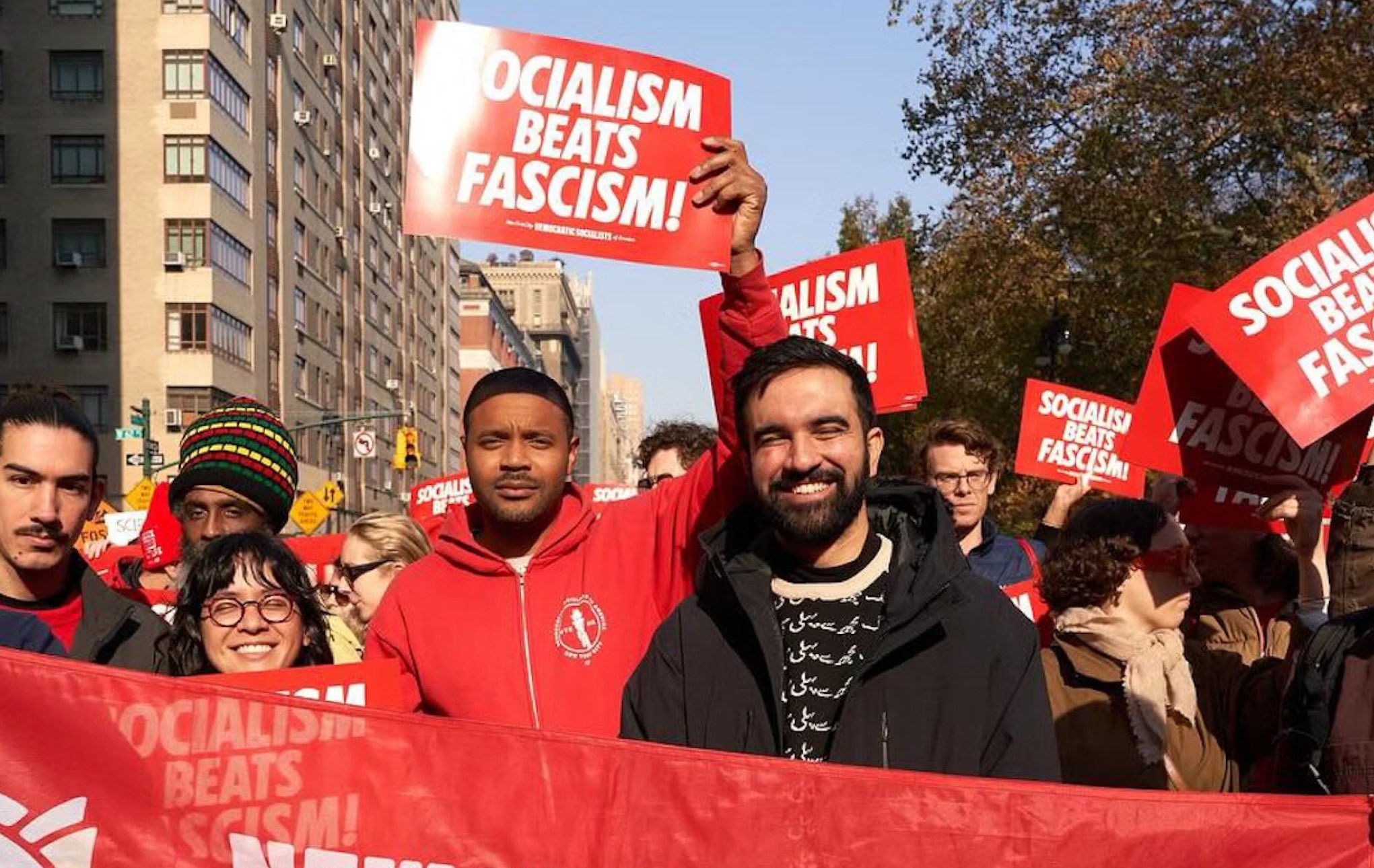
Zohran Mamdani‘s Oval Office lovefest with Donald Trump was a dangerous legitimization of fascism, and has won New York no respite—as the city was targeted for ICE raids mere days later. These were happily met with a strong street response by progressive New Yorkers, and Zohran has reiterated his stance of non-cooperation with the federal police state. Meanwhile, the massacre of Jews one week ago in Sydney increases the pressure on Mamdani to walk the fine line between remaining true to his anti-Zionist principles on one hand, and acquiescing in anti-Semitism on the other. And his support for bulldozing the Elizabeth Street Garden (even after a deal to save it has been accepted by the incumbent administration), while failing to protest displacement of tenants from public housing projects slated for privatization, points to an accommodation with the pro-“development” consensus of the city’s permanent government. On the final countdown to Mamdani’s inauguration, the contradictions he faces are sharpening. In Episode 309 of the CounterVortex podcast, Bill Weinberg breaks it down. (Photo: DSA)

Greater Middle East
Yemen

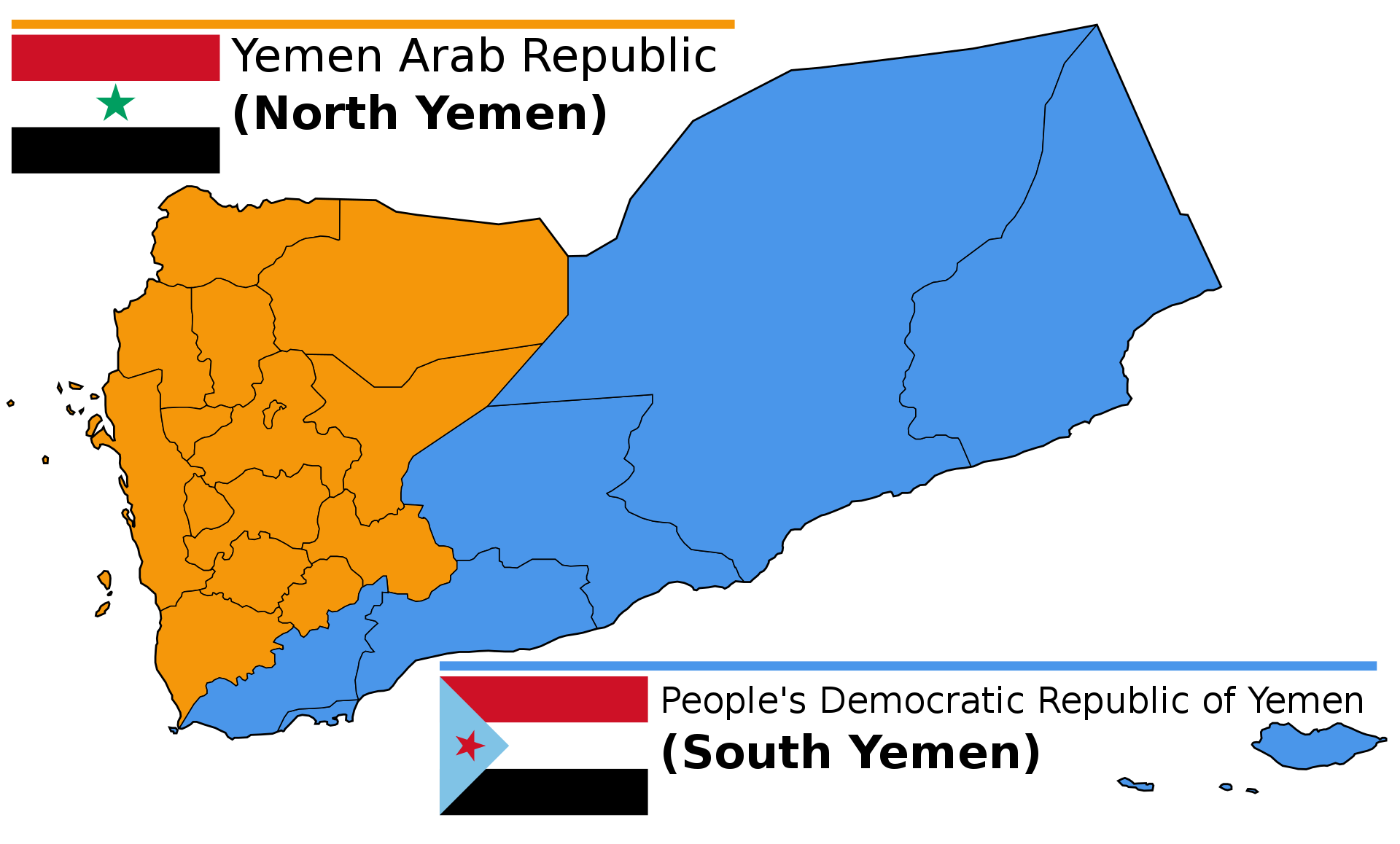
Yemen: UAE-backed southern separatist forces advance

Yemen’s separatist Southern Transitional Council, which is said to be backed by the United Arab Emirates, has been rapidly advancing through large parts of the country’s south and east, in Hadramawt, al-Mahra and Shabwa provinces. They are taking over control from groups backed by Saudi Arabia, including the Hadramawt Tribal Alliance. While all forces involved are supposed to be on the same side in a broader anti-Houthi alliance, the move is yet another reminder that Yemen’s war is not over, and that it involves a variety of actors and local grievances. (Map of Yemen before 1990 unification via Wikipedia)

Watching the Shadows
NSS

Trump Corollary: spheres of influence, white supremacy

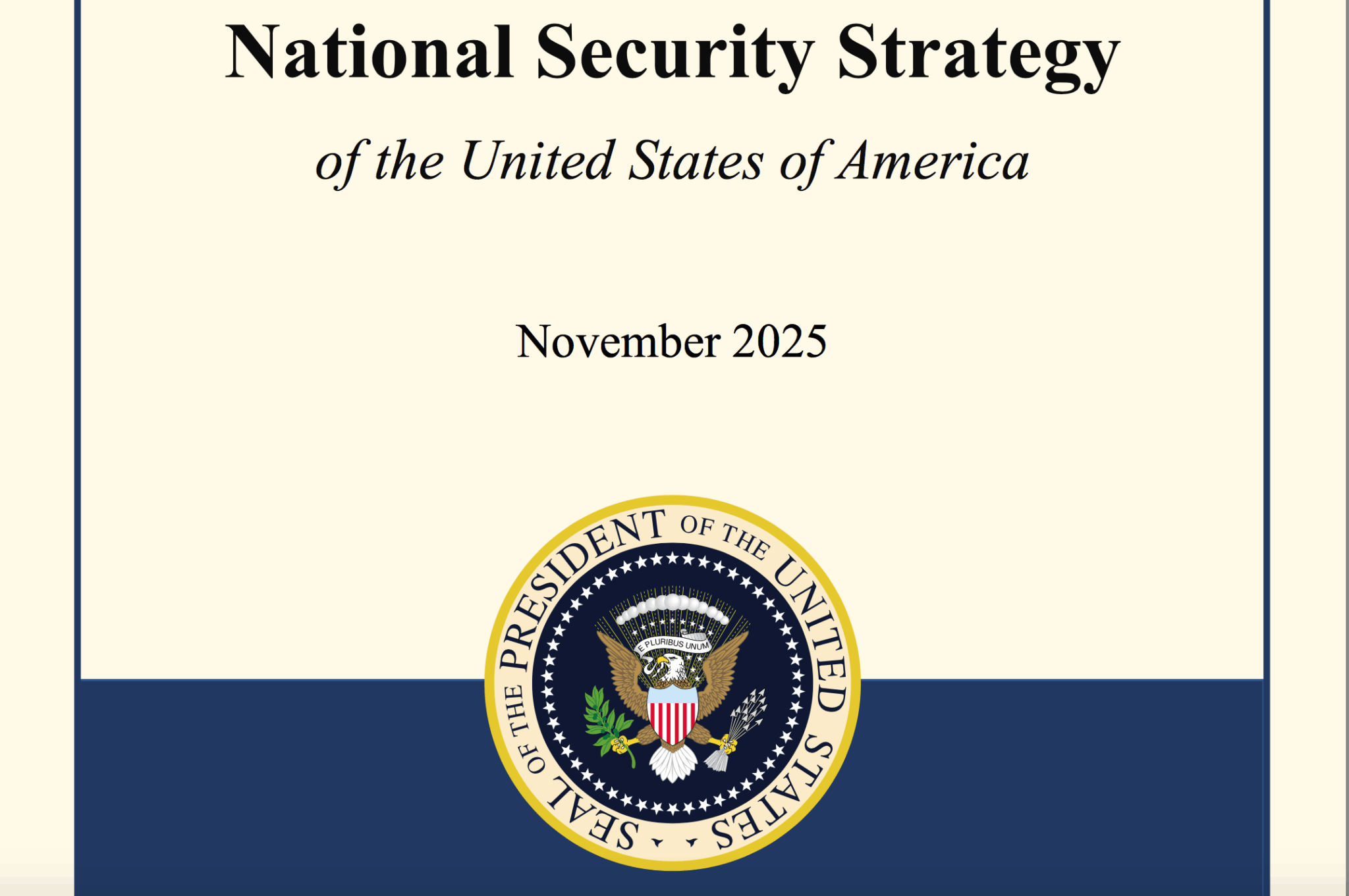
Donald Trump’s new National Security Strategy instates a “Trump Corollary” to the Monroe Doctrine. Like the Roosevelt Corollary of 1904, which was used to justify the “gunboat diplomacy” of that era, this new corollary openly calls for dividing the world into spheres of influence—with the Western Hemisphere assigned to the US. Russia is obviously pleased as punch over this, as it implicitly gives Moscow a free hand in Ukraine—and Putin will likely consider this an acceptable pay-off for his betrayal of Venezuela. However, China is less likely to surrender its massive investments and mega-projects in Latin America in exchange for a free hand to take over Taiwan. The document’s text on Europe is even more sinister, revealing a white supremacist agenda that looks not to Washington’s traditional allies to counter Russia, but to the continent’s Russian-backed far-right movements to counter Washington’s traditional allies. In Episode 308 of the CounterVortex podcast, Bill Weinberg exposes the NSS as a further step toward consolidation of a Fascist World Order. (Image: White House)

Fourteenth Amendment

WHEN CITIZENSHIP BECOMES CASTE

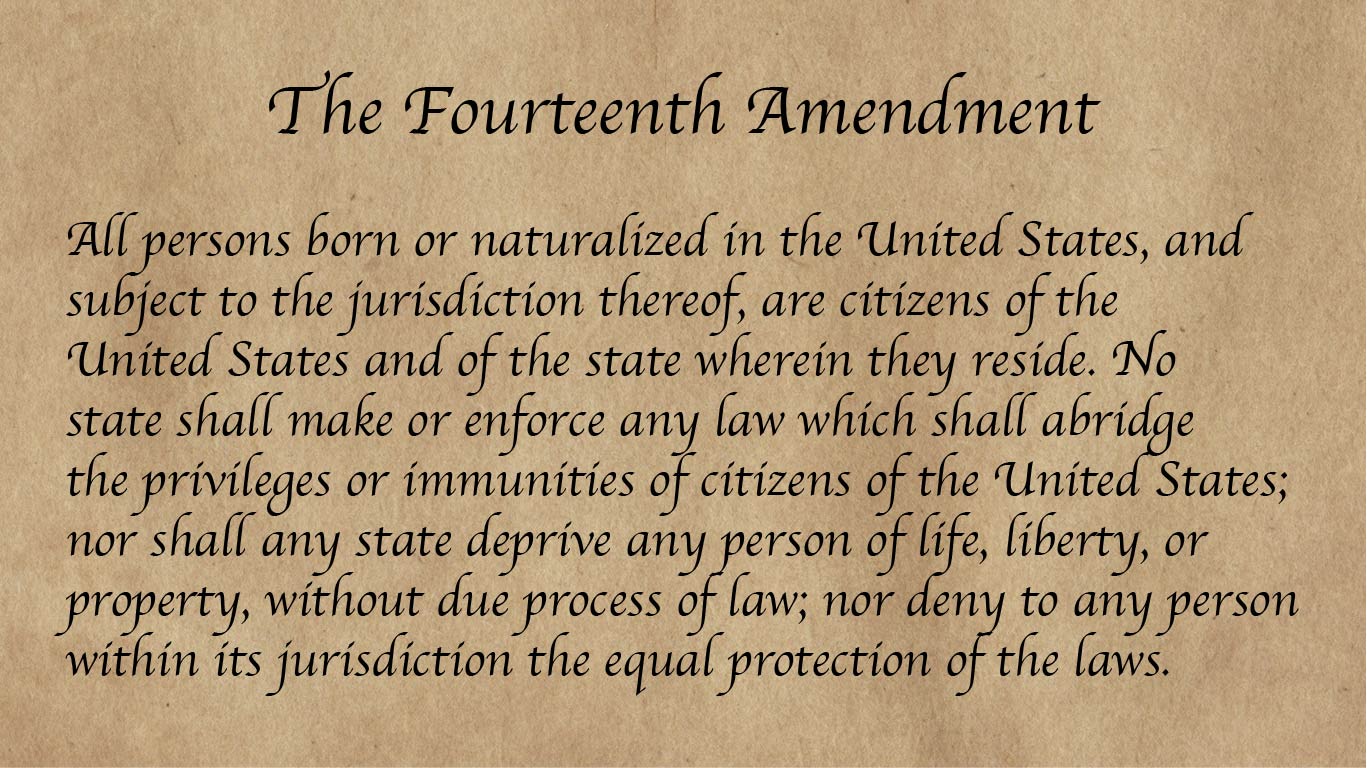
Birthright citizenship in the United States was never a bureaucratic detail or an immigration loophole. It was a direct assault on white supremacy’s original theory of the nation—that Black presence was permissible only as labor, never as belonging. The framers of the Fourteenth Amendment sought to end that theory for good. That amendment did not just welcome formerly enslaved Black people into the civic body; it attempted to inoculate the Constitution itself against the return of caste. Yet white supremacy, in every generation, finds new ways to renegotiate the boundaries of who counts as fully American. The Supreme Court has agreed to hear the consolidated case challenging lower-court rulings that struck down Trump’s attempt to repeal birthright citizenship. This signals that the highest court in the land is willing to consider whether whiteness may once again serve as the gatekeeper of America’s future. Timothy Benston of The Black Eye Substack writes that if this administration and this Court seek to restore whiteness as the measure of full belonging, they must face resistance equal to the enormity of that threat.

Continue ReadingWHEN CITIZENSHIP BECOMES CASTE 
Central America
Honduras

Post-electoral tension in Honduras

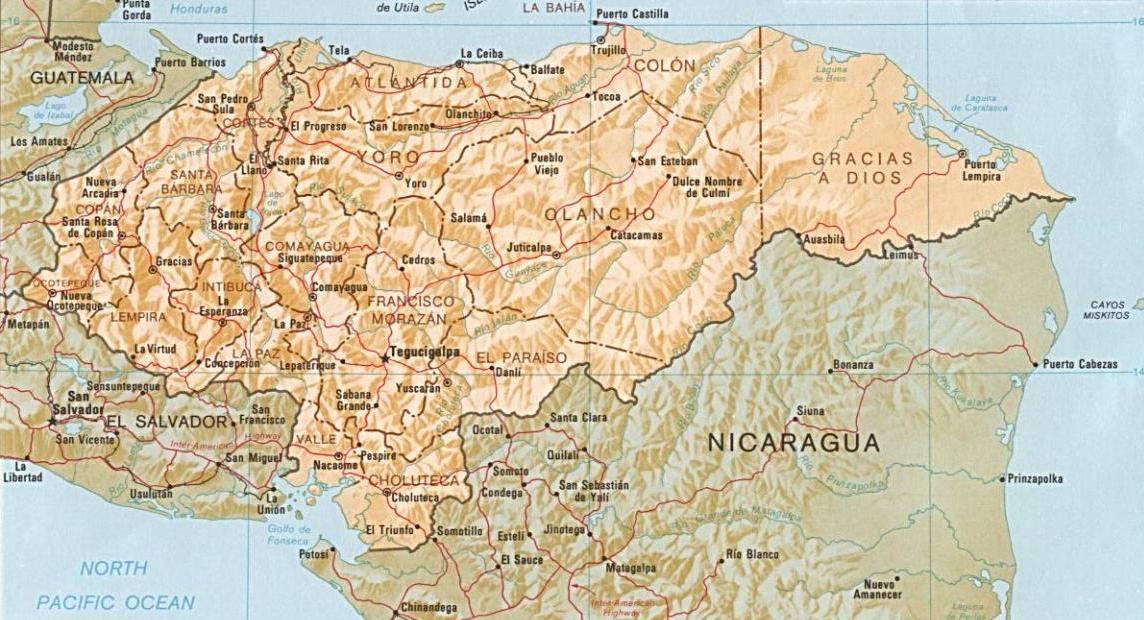
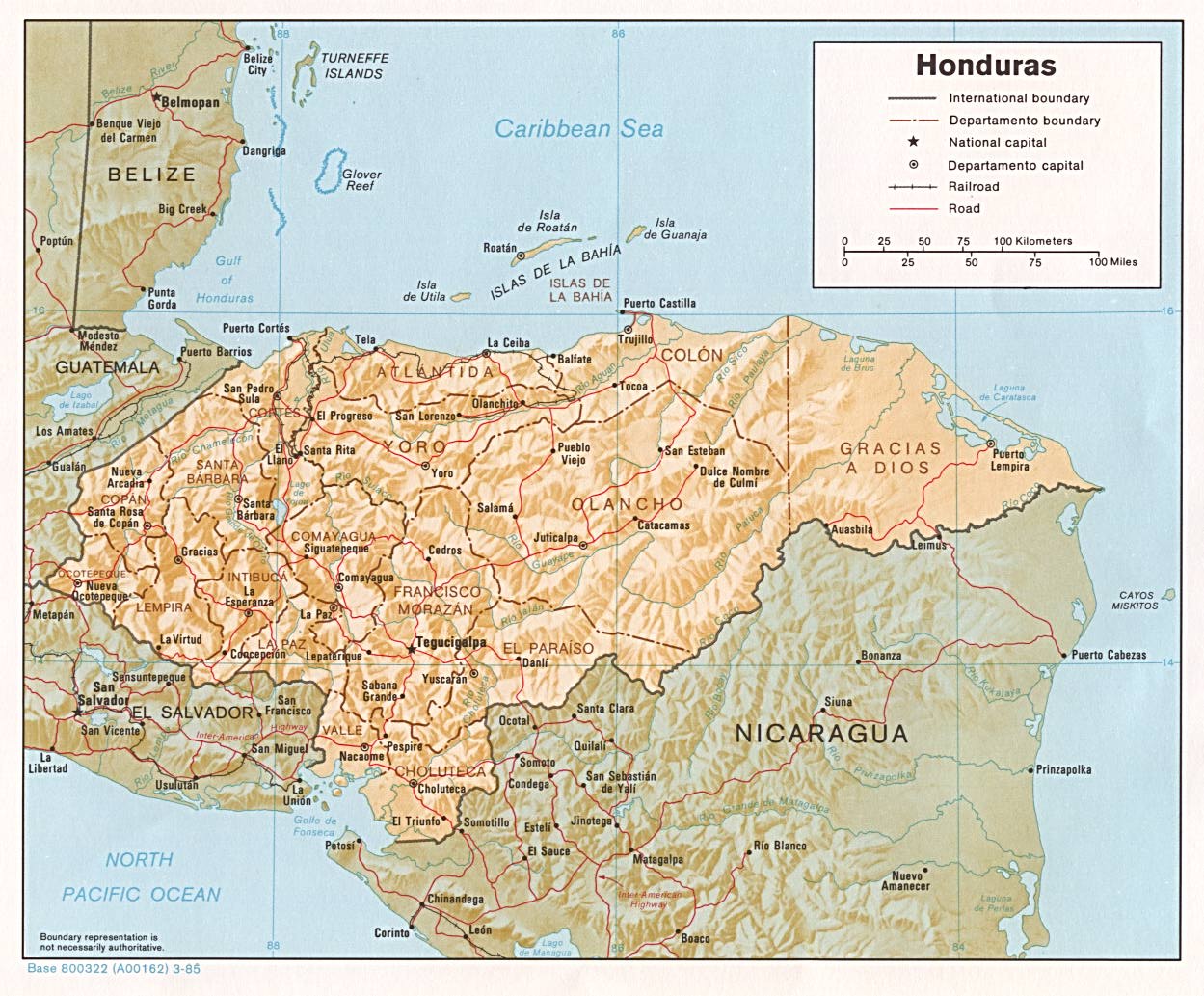
Honduras is on tenterhooks as the results of its presidential election have not yet been finalized, and Trump has threatened reprisals if his favored candidate fails to win. Since the voting, ex-president Juan Orlando Hernández—convicted in the US last year of drug trafficking and bribery—was pardoned by Trump and released from prison. Adding to the unease is the country’s deeply flawed vote-transmission system, which has crashed twice during the count. This has enabled politicians from across the spectrum—as well as Trump—to fuel the tension by raising allegations of fraud. (Map: Perry-Castañeda Library)

Watching the Shadows
Orwell

Podcast: Trump for War-is-Peace Prize III

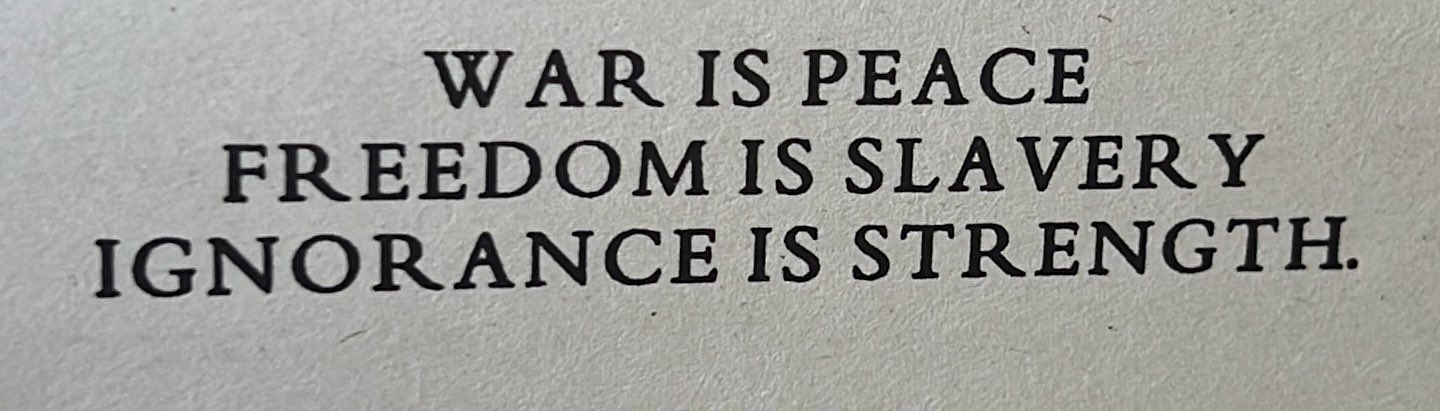
Trump’s perverse ambition to win the Nobel Peace Prize was given a boost by his “winning” of the first “FIFA Peace Prize“—just as he is carrying out illegal deadly air-strikes in the Caribbean, and threatening Venezuela with war. “Secretary of War” Pete Hegseth is denying claims that he gave orders to “kill them all” in the strikes, but Congress is preparing an investigation. Regardless of whether this order was given, the strikes are clearly illegal under the international laws of war. Nonetheless, the Pentagon has opened an investigation into Sen. Mark Kelly for his video calling for troops to refuse illegal orders. Trump—who pardoned soldiers convicted of war crimes in his first term—has called for Kelly to be hanged for sedition. In Episode 307 of the CounterVortex podcast, Bill Weinberg continues to be flabbergasted by the Orwellian war-is-peace propaganda. (Image via Twitter)

Operation Southern Spear

THE PARADOX OF TRUMP’S DRUG WAR

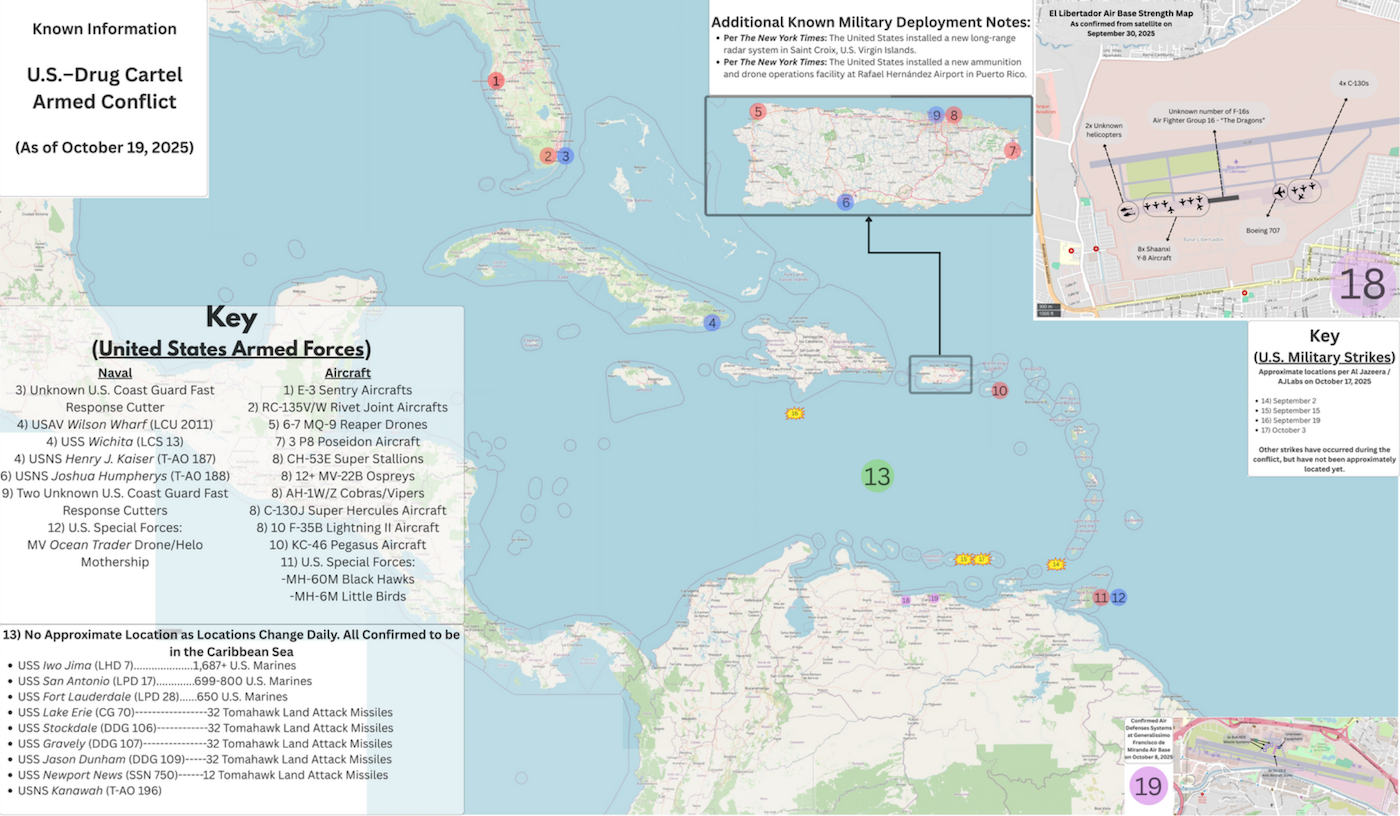
This week, President Donald Trump pardoned a man federal prosecutors described as the architect of a “narco-state” who moved 400 tons of cocaine to United States shores. In September, the US military began killing people on Caribbean vessels based on unproven suspicions they were doing the same thing on a far smaller scale. The strikes have drawn allegations of war crimes; the contradiction has drawn bipartisan scrutiny. In an explainer for JURIST, Ingrid Burke Friedman examines the White House legal justifications for the air-strikes, and the response from international law experts. She also dissects the politics behind the divergent approaches to the pardoned Honduran ex-president Juan Orlando Hernández and the incumbent Venezuelan leader Nicolás Maduro—who faces trafficking charges in the US, and a destabilization campaign.

Continue ReadingTHE PARADOX OF TRUMP’S DRUG WAR