

Iran
ICC

Podcast: Trump to The Hague! III

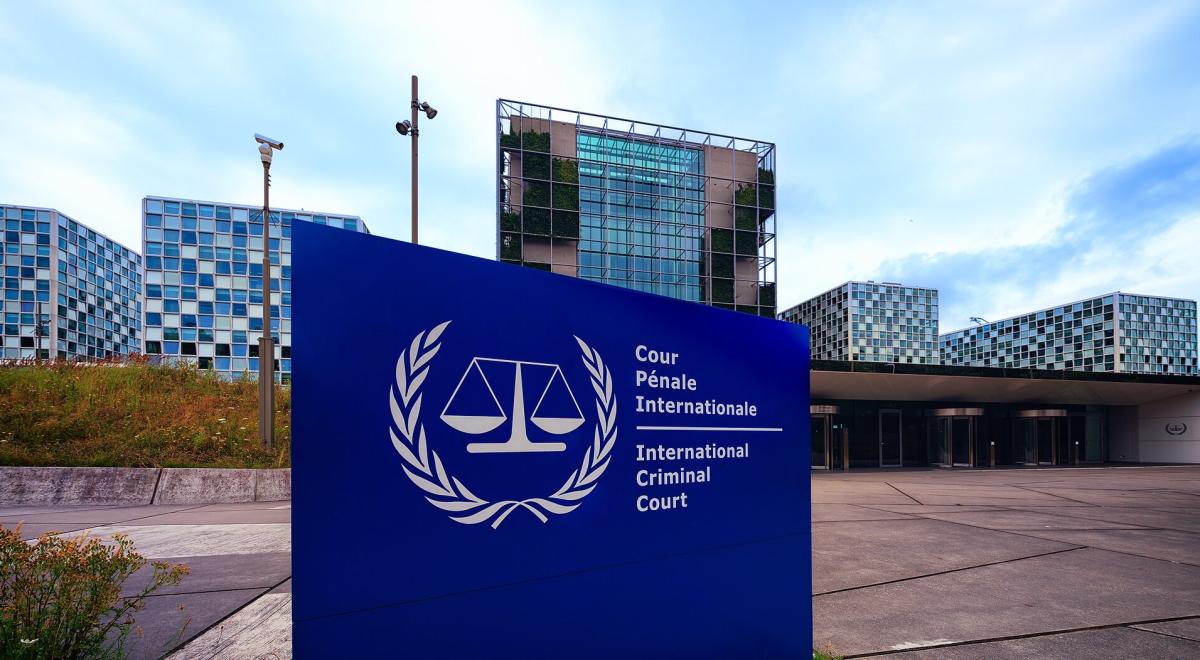
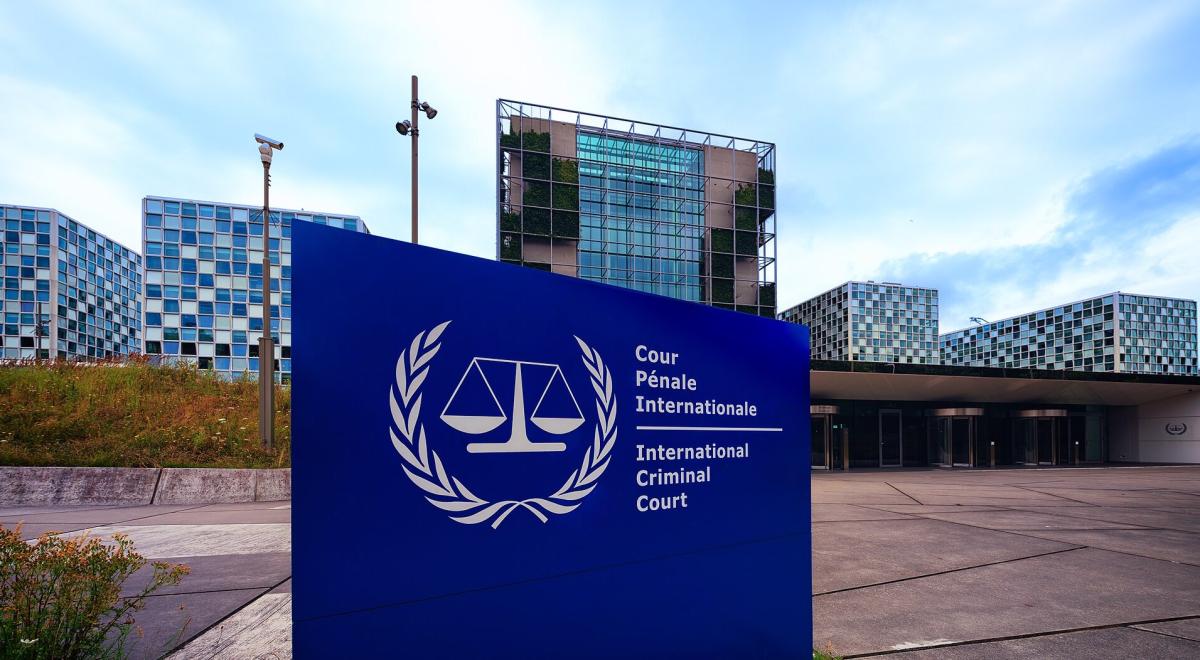
In Episode 325 of the CounterVortex podcast, Bill Weinberg continues to make the case—political, legal and practical—for sending Trump to a jail cell at The Hague to face war crimes charges before the International Criminal Court (ICC). Actual precedent refutes the conventional wisdom that this demand is “unrealistic.” Serbia’s long-ruling strongman Slobodan Milosevic died in a cell at The Hague while awaiting trial before the International Criminal Tribunal for the former Yugoslavia, while Philippines ex-president Rodrigo Duterte is currently in a cell at The Hague awaiting trial before the ICC. The Court just confirmed that it has jurisdiction in the Duterte case despite the Philippines’ withdrawal from the ICC. Contrary to the dogma of “American exceptionalism,” such an outcome for Trump is within the realm of possibility. (Photo: Tony Webster via Wikimedia Commons)

Palestine
Gaza

Podcast: humanitarian intervention for Gaza?

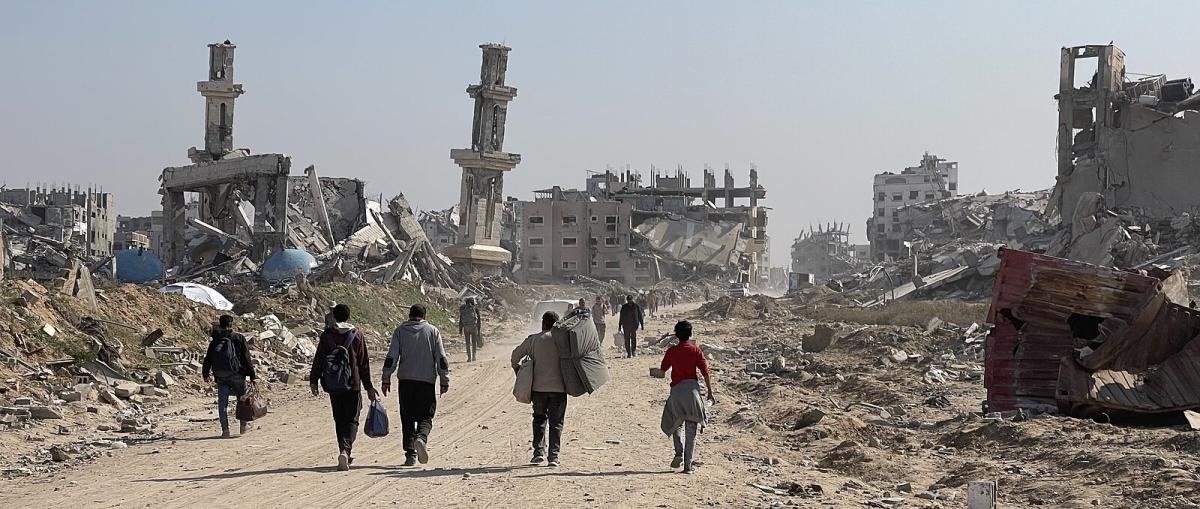
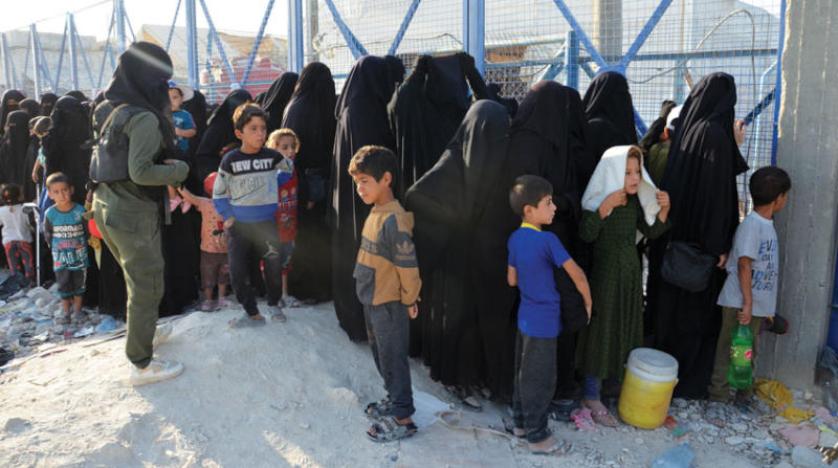
As Israel escalates its genocide in Gaza and prepares to execute its final cleansing or “transfer” of the populace of the Strip, calls are mounting for humanitarian intervention to protect the Palestinians. In Episode 280 of the CounterVortex podcast, Bill Weinberg explores the concrete steps already taken by elements of the international community to implement the “Responsibility to Protect” doctrine in the Gaza Strip—as well as exploring the critique of humanitarian intervention repeatedly raised in other contexts by Noam Chomsky and the anti-imperialist left. (Photo: Jaber Jehad Badwan via Wikimedia Commons)

Planet Watch
countervortex

Podcast: the countervortex of global resistance II

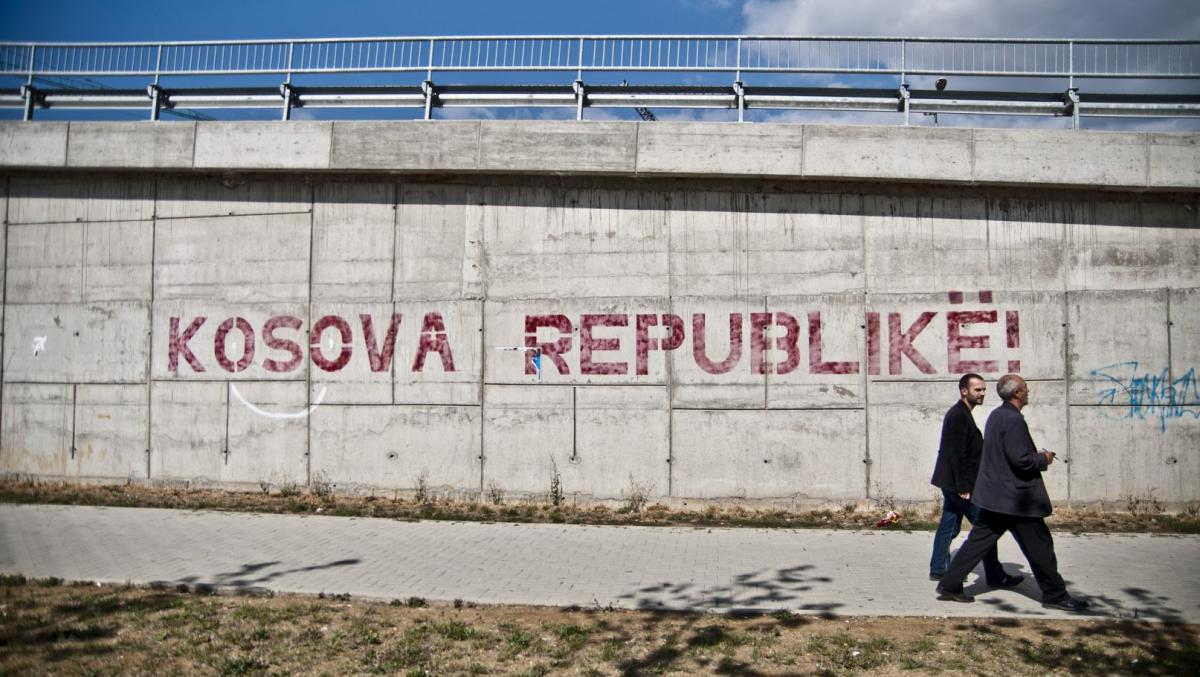
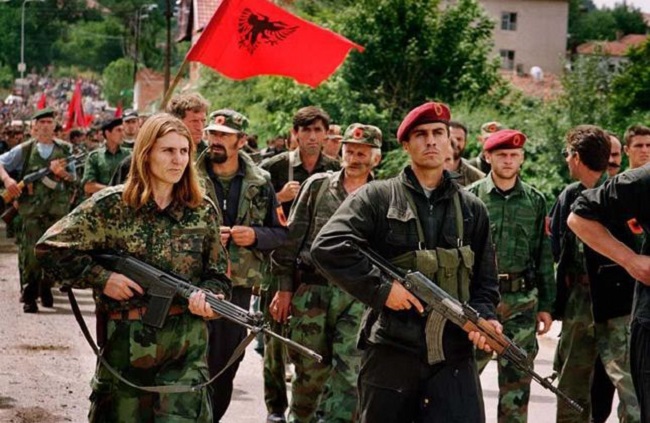
In Episode 100 of the CounterVortex podcast, Bill Weinberg discusses recent uprisings in two disparate parts of the world—the South Pacific archipelago nation of the Solomon Islands and two of the states that have emerged from the former Yugoslavia. In both cases, people who were pissed off for damn good reason took to the streets to oppose foreign capital, and corrupt authoritarian leaders who do its bidding. But in the Solomon Islands, popular rage was deflected into campism and ethnic scapegoating, while in Serbia and Kosova the people on the ground actually overcame entrenched and bitter ethnic divisions to make common cause against common oppressors. The contrast holds lessons for global protest movements from Hong Kong to New York City. Listen on SoundCloud or via Patreon.

Europe
Belgrade protest

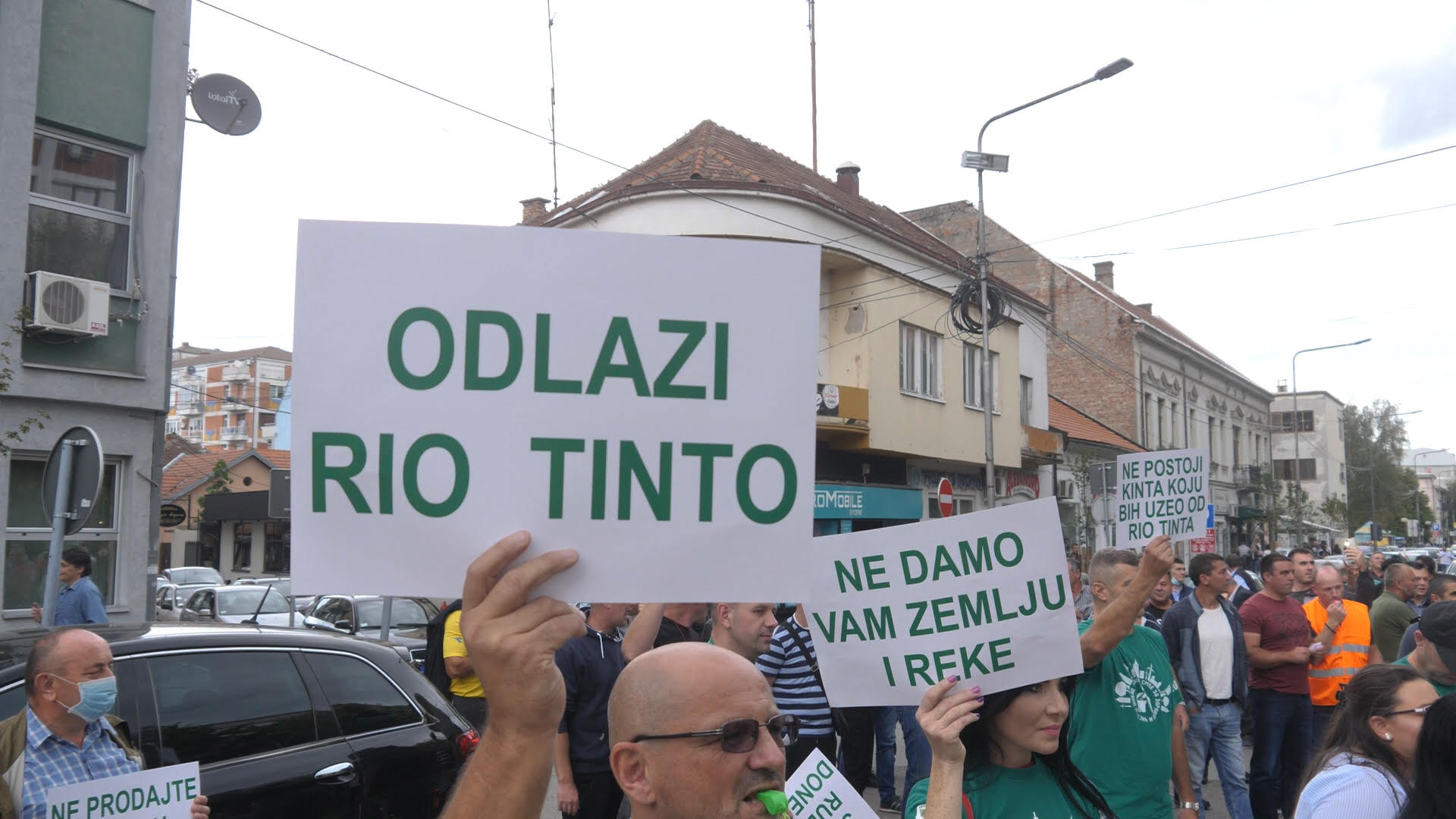
‘Environmental uprising’ in Serbia —and Kosova

In what local media are calling an “environmental uprising,” protesters blocked roads and occupied public squares in Belgrade and other towns across Serbia to oppose plans for a lithium mine at Loznica, on the Drina River. Transnational Rio Tinto has been buying up land in the area, in anticipation of final approval of the project. But concerns over a toxic threat to local waters have sparked widespread outrage over the plan. Meanwhile, across the border in Kosova, environmentalists claimed a victory as the country’s high court suspended the permit for the proposed Brezovica hydro-power plant on the Lepenc River. Local Albanians and Serbs alike came together to oppose the project, which would flood agricultural lands while depriving water to downstream communities (Photo: Masina)

Europe
Srebrenica

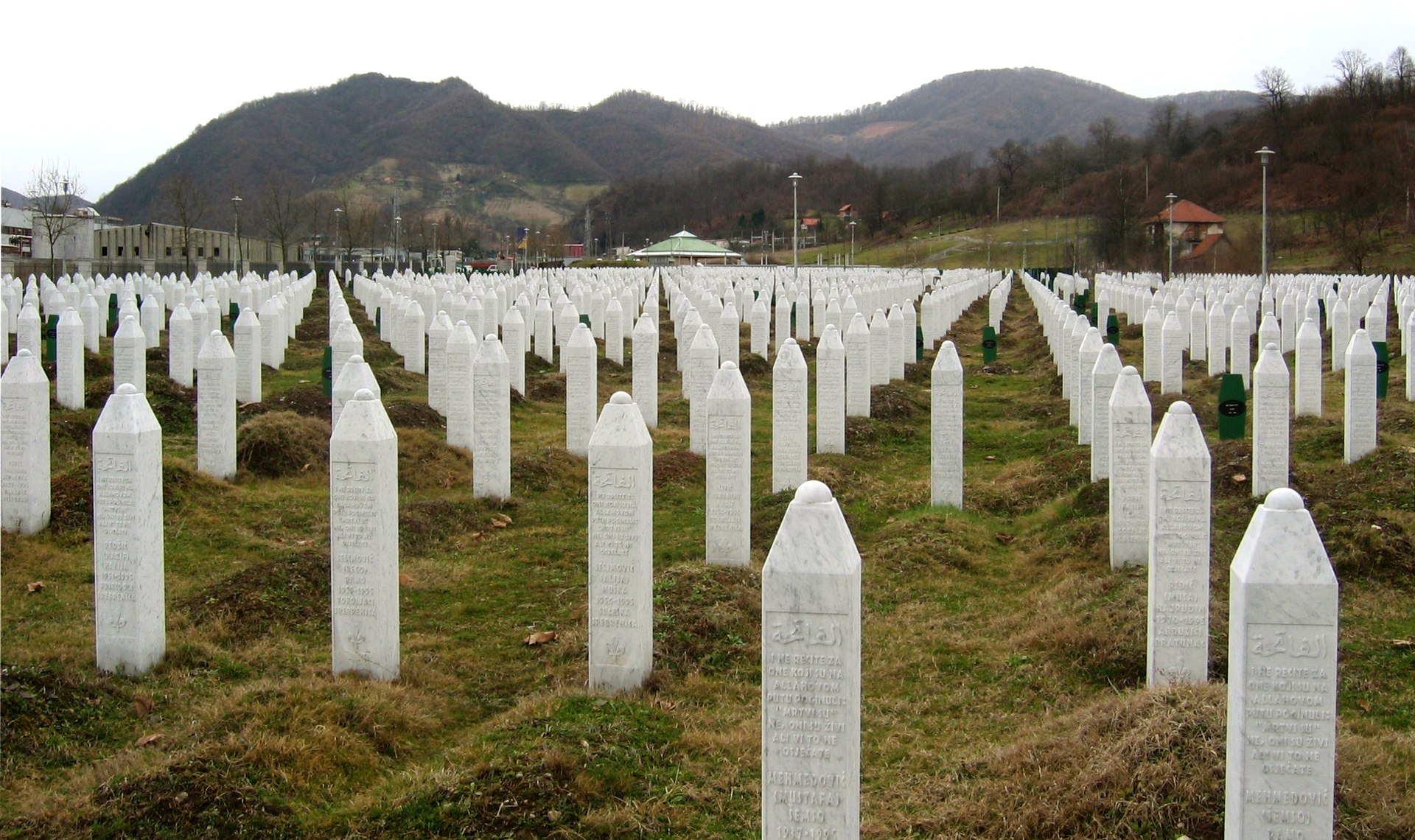
Bosnia genocide conviction: Russia cries foul

Former Bosnian Serb commander Ratko Mladic lost his appeal of a 2017 conviction for genocide, war crimes and crimes against humanity. The Appeals Chamber of the International Residual Mechanism for Criminal Tribunals (IRMCT) upheld the life sentence for his role in the killing of some 8,000 Bosnian Muslims at Srebrenica in 1995. The Chamber also upheld his convictions for persecution of Bosnian Muslims and Croats, and terrorizing the population of Sarajevo with a campaign of shelling and sniping during the siege of the city. The Chamber also reaffirmed his acquittal on charges of carrying out genocide in five other Bosnian municipalities in 1992—a disappointment for surviving residents. However, Russia’s Foreign Ministry protested the upholding of the convictions, accusing the The Hague court of “hypocrisy.” (Photo of Srebrenica Genocide Memorial via Wikipedia)

Oceania

Red-Brown politics in Christchurch terror

The mass shootings at two mosques in Christchurch have left at least 49 dead and some 20 wounded, many gravely, including children. The attacks took place when the mosques were packed for Friday prayers. An Australian-born man named Brenton Tarrant has been arrested as the gunman, and three suspected accomplices also detained. Marking a new extreme in depravity, Tarrant live-streamed the massacre on Facebook, with a camera mounted on his head. The video has been removed from the web. Alas, so has his lengthy manifesto, in which he laid out his motivations for the attack. The removal is ill-considered, as being ignorant of the rhetoric employed to justify mass murder only makes potential recruits more vulnerable. CounterVortex was able to review the document before it was scrubbed from the web, and it is a study in Red-Brown politics—employing populist phrases appropriated directly from the left and wedding them to a white-supremacist ideology. (Photo via Ma’an)

Europe

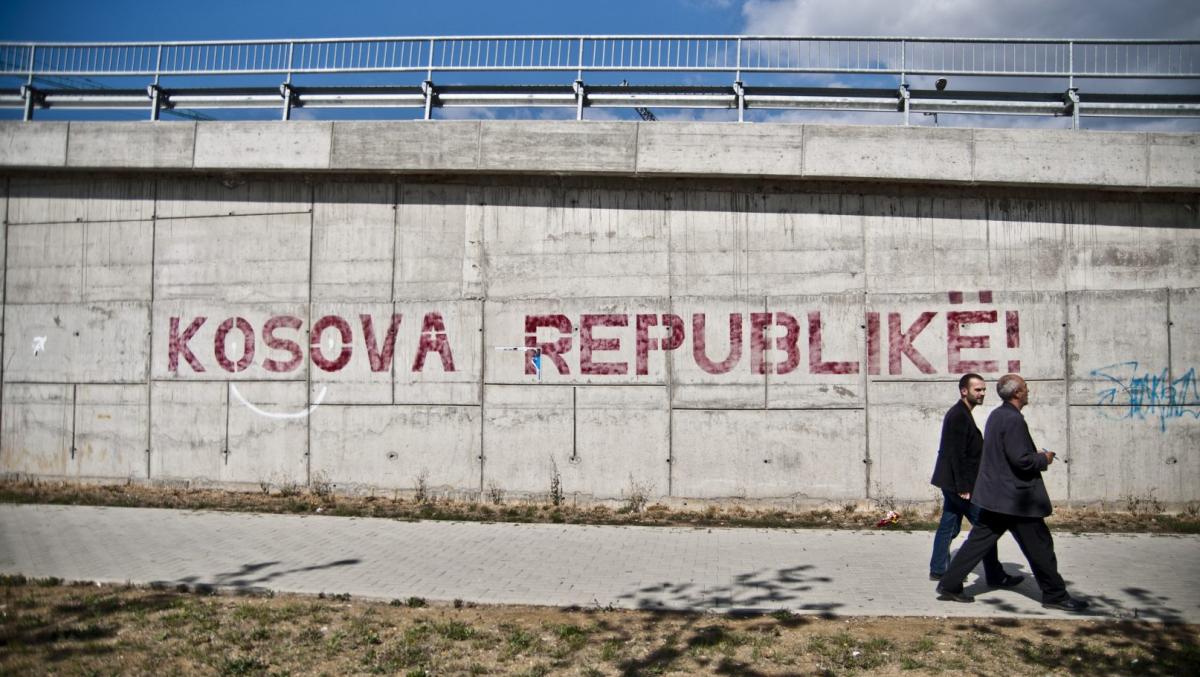
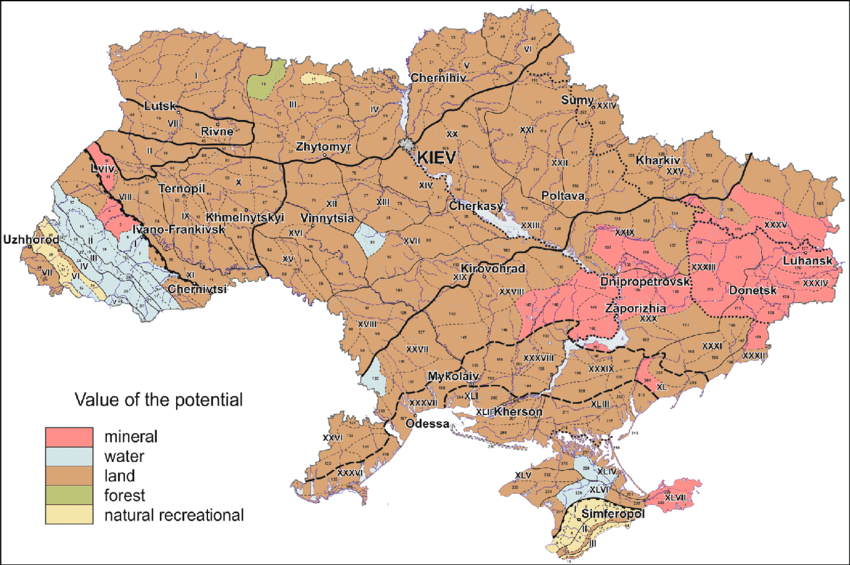
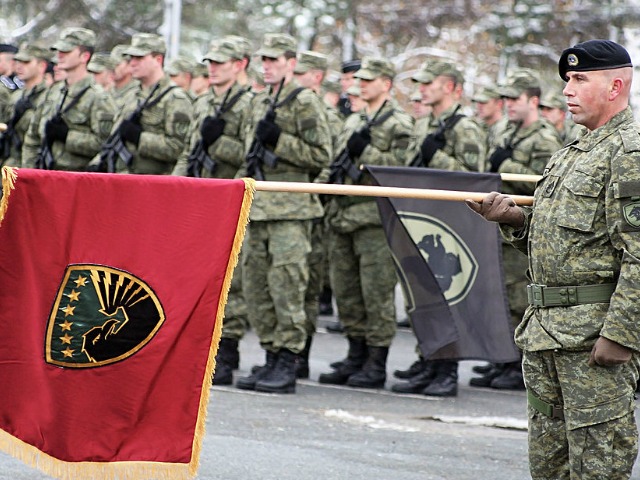
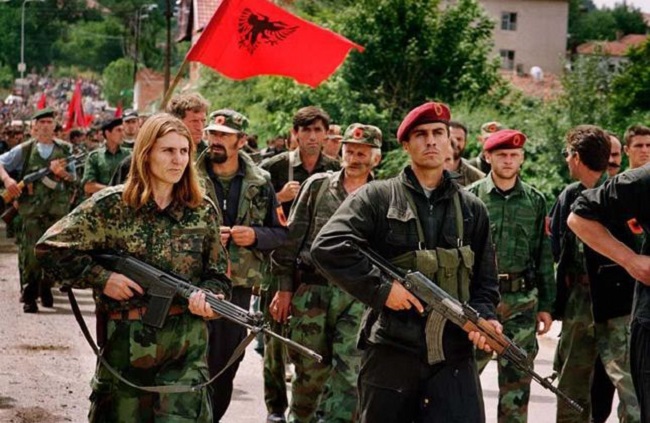
Mineral struggle in new Kosova violence

Street-fighting in Kosova's capital Pristina was portrayed as more Serb-Albanian "ethnic hatred," but it came as workers occuiped the Trepca mining complex to resist privatization.

Greater Middle East

Samantha Power signals Syria intervention?

Samantha Power’s appointment as UN ambassador may signal a determination on the part of the Obama administration that intervention in Syria is inevitable.