Planet Watch
refinery

Will COVID-19 mean oil industry bailout?

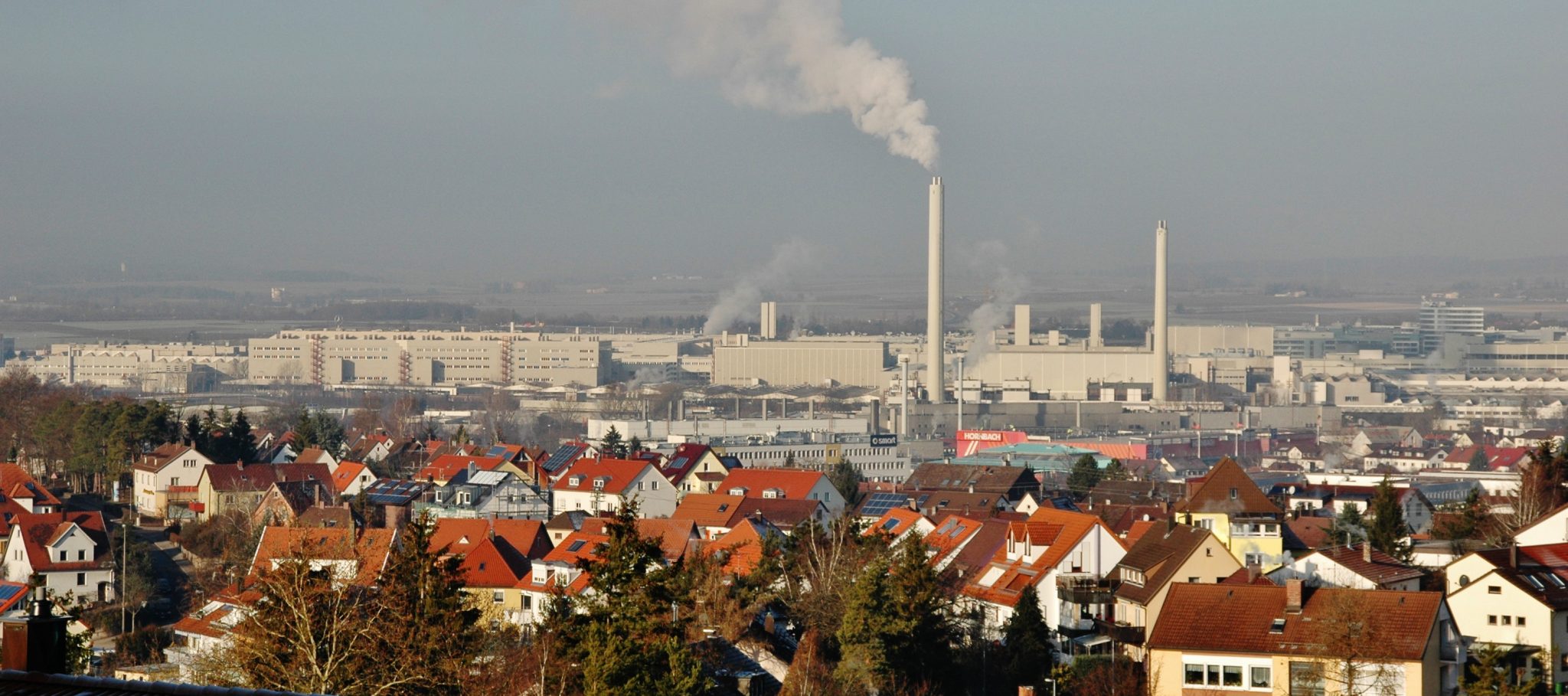
Already depressed oil prices are now plummeting in response to COVID-19 pandemic. Global oil consumption is said to be in “free-fall,” now predicted to lead to the largest “annual contraction in history.” Canada’s federal government is preparing a bailout package for the oil and gas sector, with a possible value of $15 billion. Among the proposals is a share buyout along the lines of the US Troubled Asset Relief Program (TARP) for banks and automotive companies during the 2008 financial crisis. (Photo: kris krüg)

Africa
Niger displaced

Niger counterinsurgency sparks displacement crisis

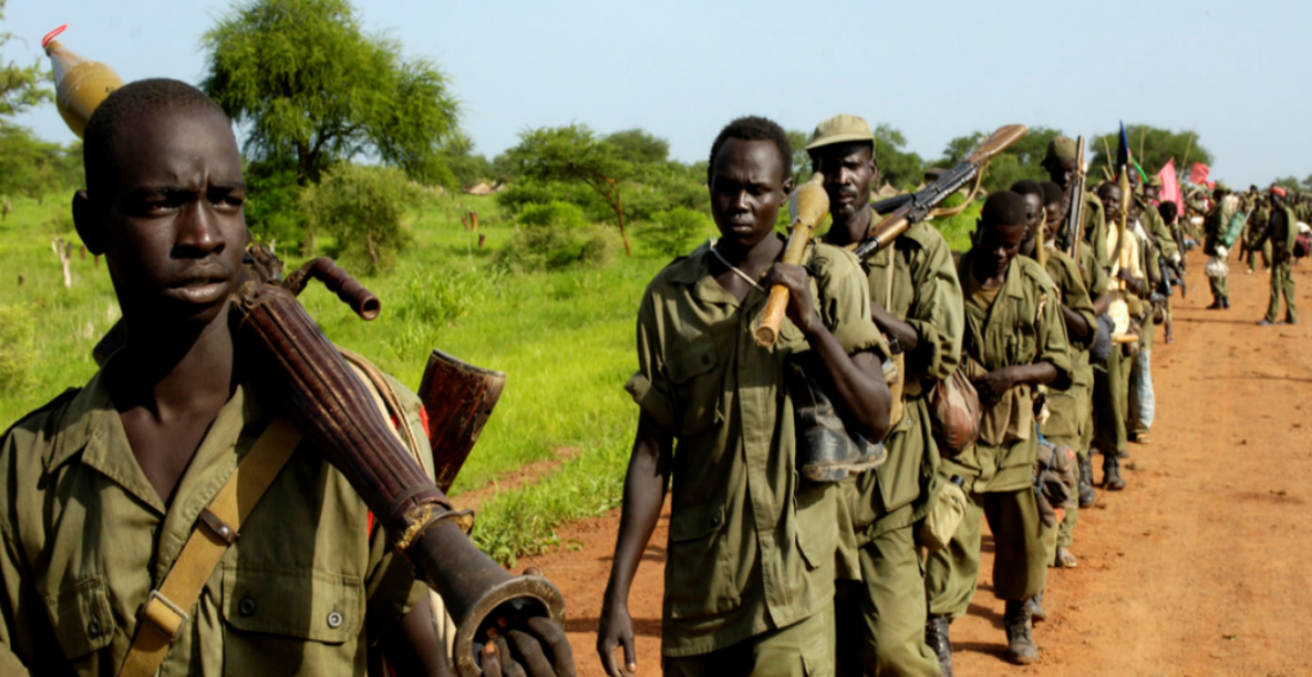
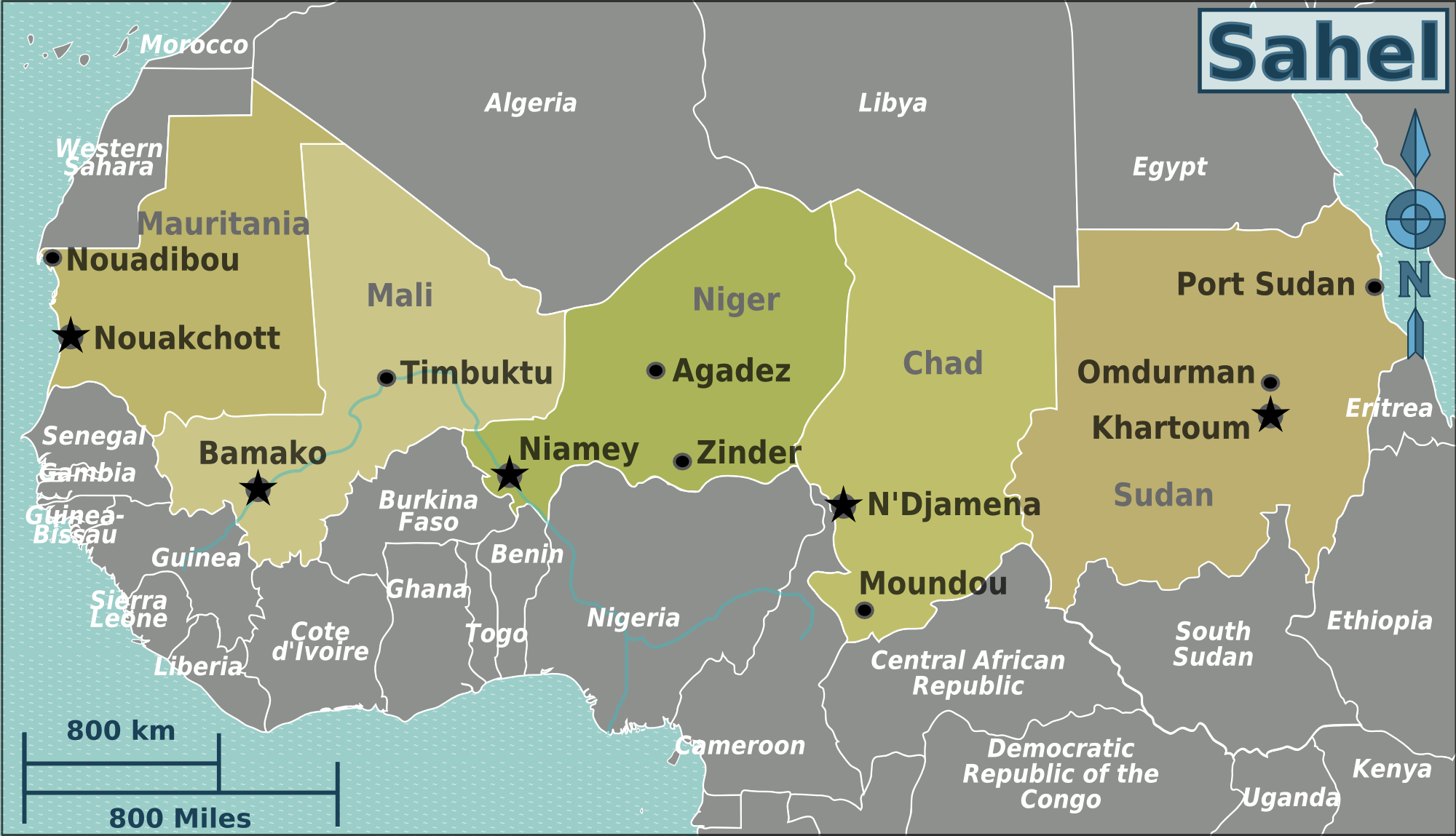
The French-backed military campaign against Islamist militants in Niger is claiming victories against the insurgency that has mounted in the country since 2015. Niger’s defense ministry claims that over the past month, “120 terrorists have been neutralized,” a presumed euphemism for killed. The operation has centered on the Tillabéri region near the borders with Mali and Burkina Faso, where a state of emergency has been in place for two years. The claimed progress comes amid a massive displacement crisis, however. According to UNICEF, nearly 78,000 people have been displaced in Tillabéri and adjoining regions. Nearly 3 million people in Niger, more than half children, are said to be in need of humanitarian assistance, amid risks posed by insecurity, malnutrition, recurrent disease epidemics and outbreaks, cyclical floods, droughts and displacement. (Photo: UNHCR)

East Asia
Taiwan protest

Taiwan repudiates fascist world order

Following a bitter campaign dominated by “fake news” generated from China and punctuated by sexist personal attacks on President Tsai Ing-wen, the incumbent was re-elected, overwhelmingly defeating Han Kuo-yu of the Kuomintang (KMT). Tsai, of the Democratic Progressive Party (DPP), received the highest total ever recorded for any candidate in a presidential election in Taiwan. With Han and the KMT calling for closer integration with China, the repression in Hong Kong was an inevitable and pressing context in the vote. The populist Han, described as Taiwan’s Donald Trump, cultivated an “everyman” image despite his own lavish lifestyle. But his closeness to Beijing led to fears that the KMT was willing to accept a “one country, two systems” solution for Taiwan—just as this model was collapsing in Hong Kong. (Photo of Workers’ Struggle demonstration in Taipei via New Bloom)

Planet Watch
Cumbre de los Pueblos

Madrid climate talks a total bust

Nearly half a million demonstrators gathered in Madrid as the UN Climate Change Conference (COP25) opened more than two weeks ago, with young Swedish activist Greta Thunberg the star of the show at a mass rally. But despite being the longest climate summit yet, the affair ultimately amounted to little. Nearly 27,000 delegates came together with the supposed aim of finalizing the “rulebook” of the Paris Agreement, which is to officially take effect in 2020—settling mechanisms for international cooperation under Article 6 of the deal. But, unable to agree on terms, delegates finally invoked “Rule 16” of the climate process—allowing them to put off the critical decisions for another year. This means there will have been no progress when COP26 is convened in Glasgow in November 2020. UN Secretary General António Guterres tweeted that he was “disappointed” with the results of COP25, and that “the international community lost an important opportunity.” (Photo: Global Justice Ecology Project)

New York City
James Bay

Podcast: the struggle for James Bay

“Who is James Bay?” That’s the frequent reaction from New Yorkers when it is brought up—despite the fact that James Bay is not a “who” but a “where,” and a large portion of New York City’s electricity comes from there. In Episode 44 of the CounterVortex podcast, Bill Weinberg takes on Mayor Bill de Blasio’s so-called “Green New Deal,” and how maybe it isn’t so green after all. The mayor’s plan is centered on new purchases of what is billed as “zero-emission Canadian hydro-electricity.” But supplying this power is predicated on expansion of the massive James Bay hydro-electric complex in Quebec’s far north, which has already taken a grave toll on the region’s ecology, and threatens the cultural survival of its indigenous peoples, the Cree and Inuit. And it isn’t even really “zero-emission.” Listen on SoundCloud,and support our podcast via Patreon. (Photo: Orin Langelle)

New York City
Rupert River

NYC ‘Green New Deal’ to fund mega-hydro?

New York’s Mayor Bill de Blasio is aggressively touting his “Green New Deal,” boasting an aim of cutting the city’s greenhouse-gas emissions 40% of 2005 levels by 2030. Centerpiece of the plan is so-called “zero-emission Canadian hydroelectricity.” The city has entered into a deal to explore new power purchases from provincial utility Hydro-Quebec. But this power is predicated on expansion of the massive James Bay hydro-electric complex in Quebec’s far north, which has already taken a grave toll on the region’s ecology, and threatens the cultural survival of its indigenous peoples, the Cree and Inuit. And it isn’t even really “zero-emission.” (Map: Ottertooth.com)

The Amazon
Pachamama

‘Dubia Cardinal’ rages against Pachamama

Cardinal Walter Brandmüller, one of the two remaining “dubia cardinals” who dissented from a perceived liberal tilt in the Catholic Church, praised the men who stole the controversial “Pachamama statues” from a church in Rome during last month’s Amazon Synod and threw them into the Tiber River. The German cardinal hailed the perpetrators as “courageous prophets of today.” The statues, representing the Earth Mother deity of many traditional peoples in South America, had been used in events and rituals during the Amazon Synod, which brought together 185 bishops from across the Amazon Basin. The Synod was also attended by indigenous leaders, and issued a final statement stressing the threat of climate change and the need for a concept of “ecological sin.” (Photo: National Catholic Reporter)

The Amazon
Forest Guardian

‘Forest Guardian’ assassinated in Brazilian Amazon

A young indigenous Guajajara leader was murdered in the Brazilian Amazon, raising concerns about escalating violence against forest protectors under the government of President Jair Bolsonaro. Paulo Paulino Guajajara, 26, was shot in the head and killed in an ambush in the Araribóia Indigenous Reserve, in the northeast state of Maranhão. Paulo was a member of “Guardians of the Forest,” a group of 120 indigenous Guajajara that organize volunteer patrols to fight illegal logging in the Araribóia reserve, one of the country’s most threatened indigenous territories. (Photo of Paulo Paulino Guajajara via Mongabay)

Southeast Asia
Indonesia anarchists

Indonesia: inauguration amid revolt, repression

Indonesia’s President Joko Widodo was sworn in for a second term amid an official ban on protests, and Jakarta’s streets flooded with military troops. The inauguration was preceded by a wave of mass protests, led by students but joined by labor unions and radicalized anarchist youth. The demonstrations were sparked by a new law that weakens Indonesia’s anti-corruption agency, and another instating such moralistic measures as a ban on extramarital sex. But anger was also directed at plans for a tough new criminal code, at troops mobilized to put down unrest in Papua region, and failure to stem forest fires in Sumatra and Borneo now causing toxic haze across Southeast Asia. (Photo: Anarchist Communist Group)

South Asia
Bangladesh protest

Death of water activist sparks Bangladesh protests

Thousands of university students have held protests in Bangladesh since the killing of an undergraduate student, Abrar Fahad, who was beaten to death at the prestigious Bangladesh University of Engineering Technology. Several campus militants of the youth wing of the ruling Awami League have been arrested in the slaying. Protesters say Fahad was slain over his Facebook post critical of a water-sharing agreement just signed between Bangladesh and India. Under the agreement, signed one day before the murder, India is granted the right to withdraw 1.82 cusec (185,532 liters per hour) of water from Feni River. Apportioning the waters of Feni, Ganges, and other rivers shared by the two nations has long been a point of contention. Despite recent moves to protect these rivers, flow is now gravely threatened by the receding of the Himalayan glaciers due to climate change. (Photo: AJ+ via Twitter)

The Amazon
Chiquitano

Forest devastation sparks protest in Bolivia

Hundreds of thousands marched in Bolivia’s eastern lowland city of Santa Cruz, calling for President Evo Morales to be “punished” at the polls in the upcoming elections. Although the march was called by the city’s Comité Cívico, a voice of the right-wing opposition, a key issue was the devastation of the country’s eastern forests in the wildfires that have swept across the Amazon Basin over the past months. Comité Cívico leaders accused Morales of failing to respond adequately to the fires. Last month, the Comité held a mass assembly in Santa Cruz, where they declared a state of “national disaster” over the fires. (Photo: InfoBae)

The Amazon
amazon

‘Development’ deal to ‘protect’ (=destroy) Amazon

The US and Brazil announced an agreement to promote private-sector development in the Amazon rainforest. US officials said a $100 million fund will be established to “protect biodiversity” by supporting businesses in hard-to-reach areas of the forest. As if to drive home how cynical all this is, just days later Brazilian president Jair Bolsonaro in his address to the UN General Assembly unabashedly asserted his right to go on destroying the Amazon, saying it is a “fallacy” to describe the Amazon as the heritage of humanity and a “misconception” that its forests are the lungs of the world. (Image via Veganist)