Syria
Syria

US strikes Uyghur militants in Syria

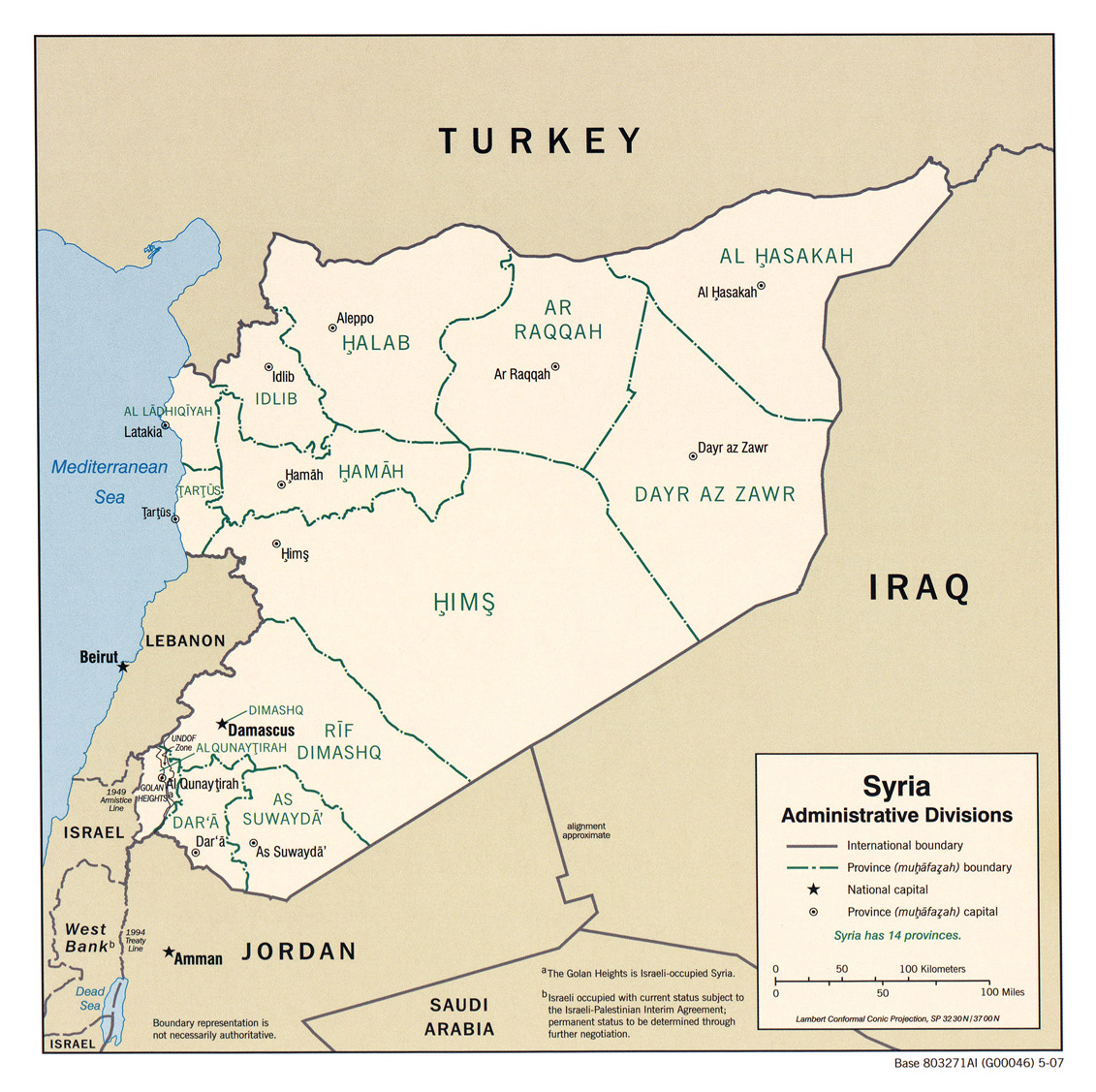
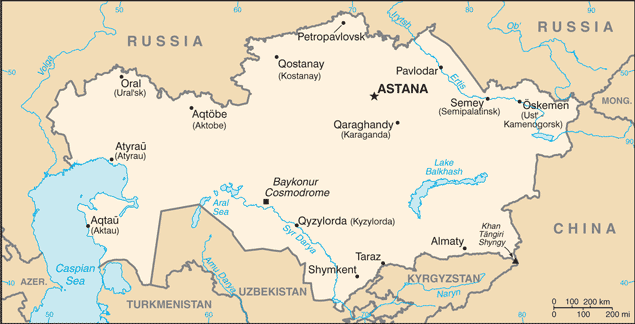
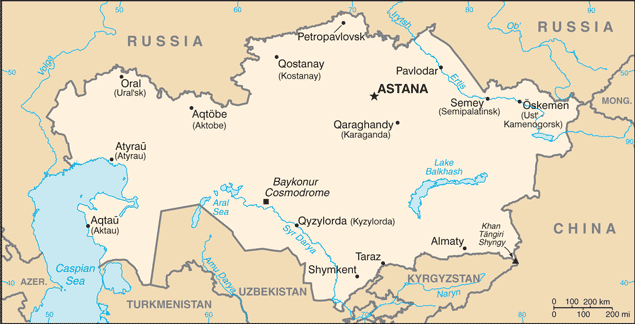
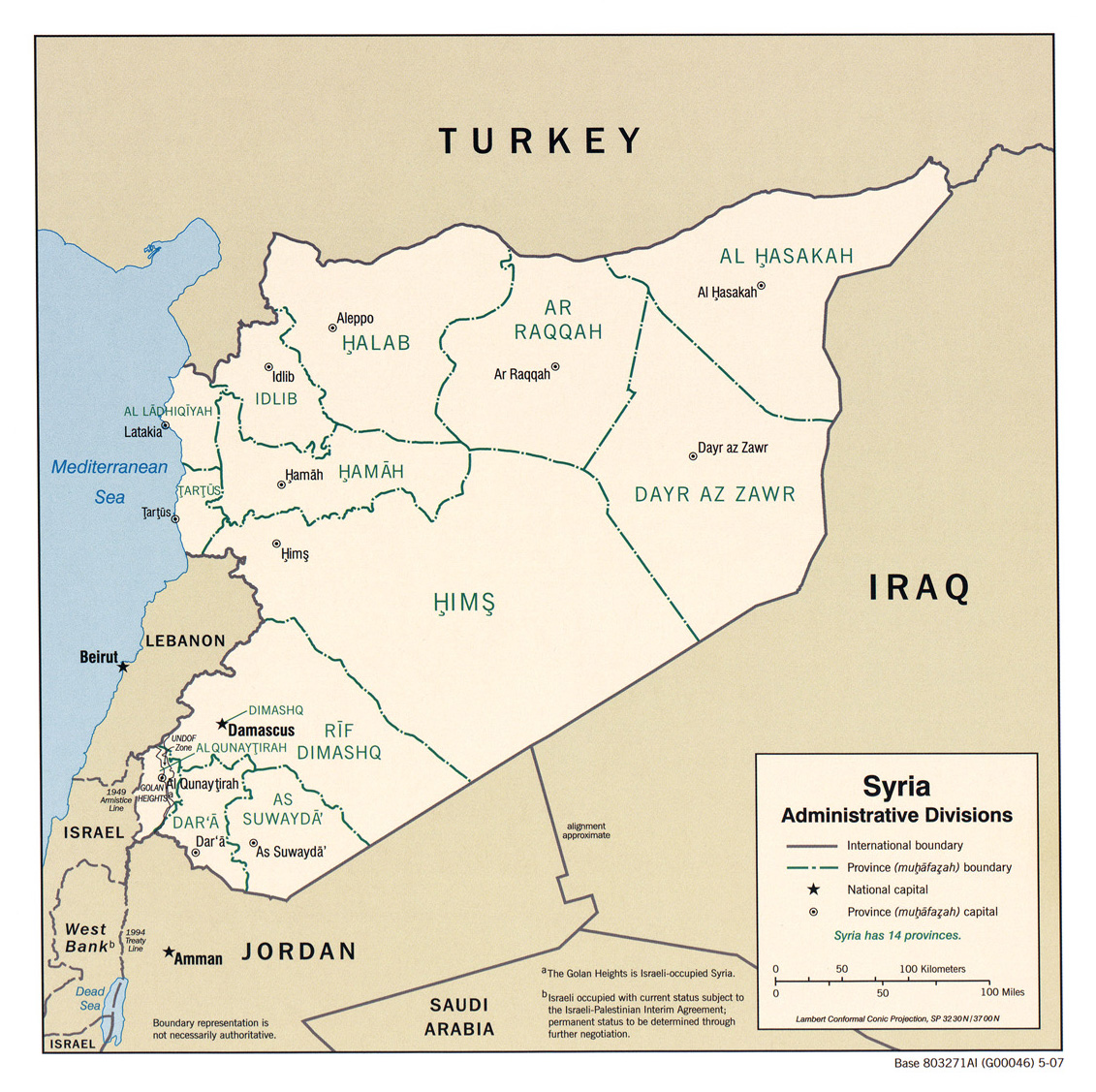
A suspected US-led coalition strike on a site used by Uyghur militants in Syria’s Idlib province has renewed debate over the future of foreign fighters under the country’s post-Assad government. Sources told The New Arab on that an aircraft targeted a compound used by a faction formerly known as the Turkistan Islamic Party, in al-Zainiya area near Jisr al-Shughourin western Idlib. While no confirmed information has emerged regarding casualties from the strike, preliminary reports suggested that a leader of Hurras al-Din, a former al-Qaeda affiliate which formally dissolved in January, may have been killed. (Map: PCL)

Watching the Shadows
Xinjiang

Podcast: Hasan Piker & the pro-fascist pseudo-left

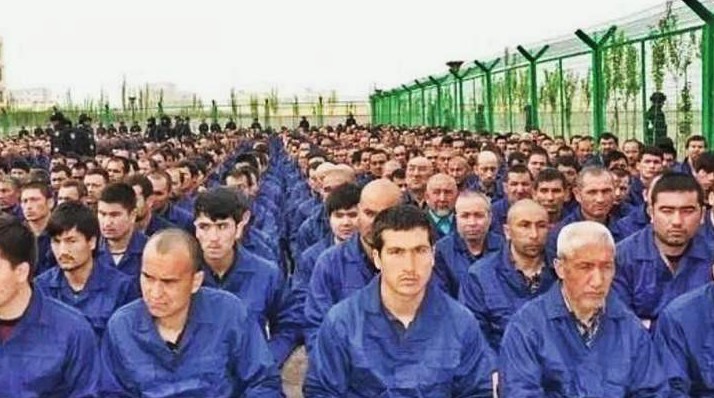
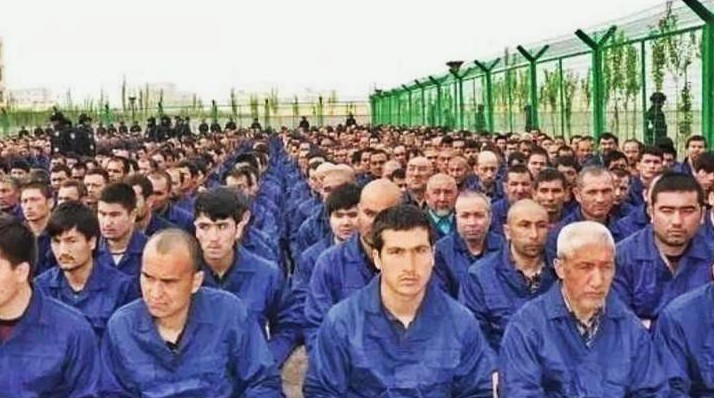
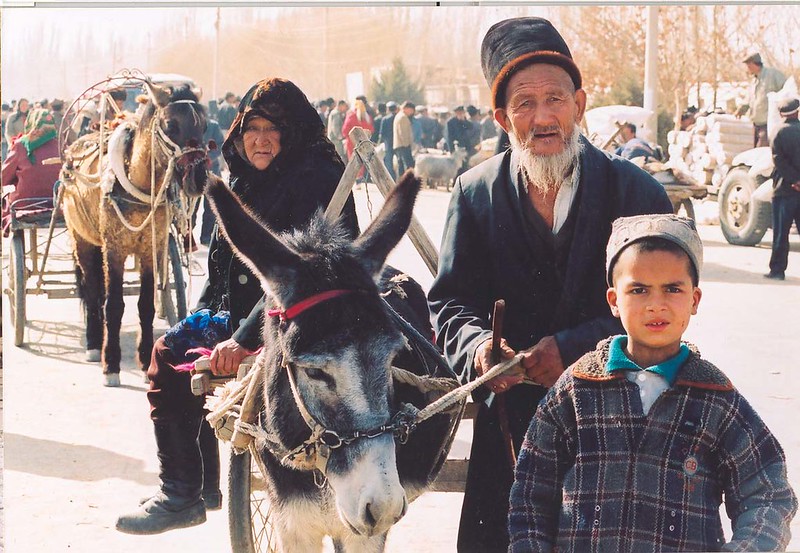
The administrative subpoenas issued for Hasan Piker and Medea Benjamin over their participation in the Cuba caravan are to be opposed—in part because the subpoenas will only give their sinister politics greater cachet among neophyte activists! Piker’s shameless shillingfor the dictatorships of Xi Jinping and Vladimir Putin invisibilizes the victims of their ethno-supremacist detention states—such as the Uyghurs of Xinjiang and the Crimean Tatars. This more critical point is obscured in the endless outrage over his supposed anti-Semitism. And with Xi and Putin joining with Trump to build a fascist world order, Piker’s brand of campist pseudo-opposition (however overheated) is compromised from the start, mirroring what it ostensibly opposes—subpoenas notwithstanding. In Episode 330 of the CounterVortex podcast, Bill Weinberg breaks it down in his typically unsparing manner. (Photo: Xinjiang Judicial Administration via The Diplomat)

Palestine
Uighur

Podcast: for Palestinian-Uyghur solidarity

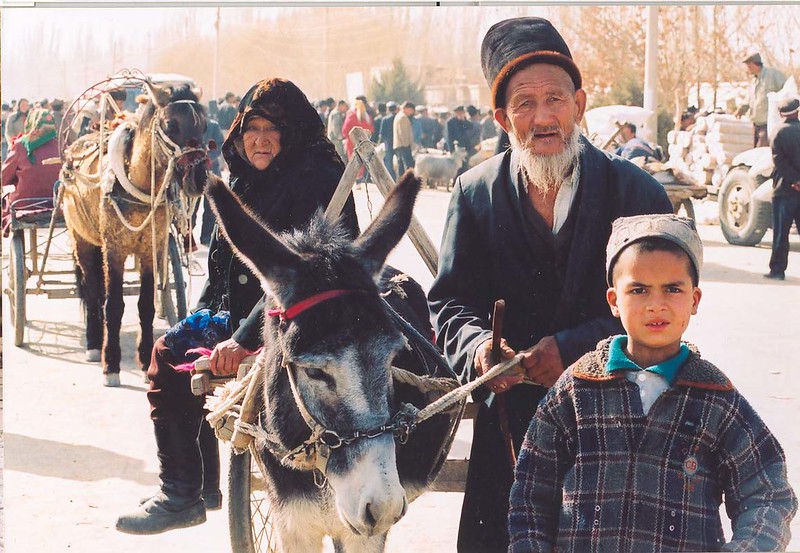
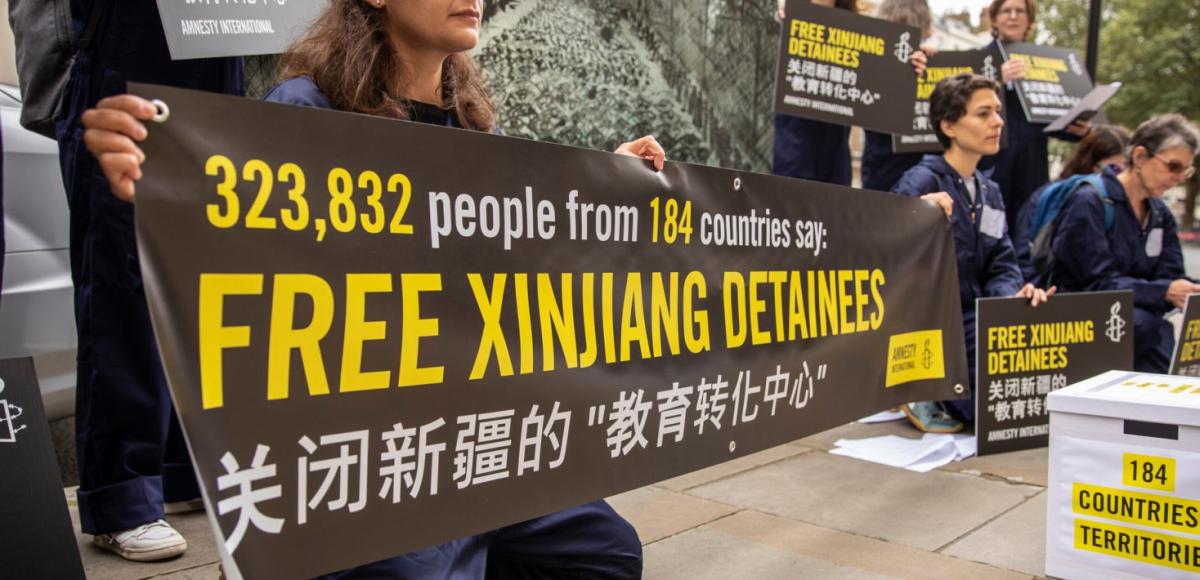
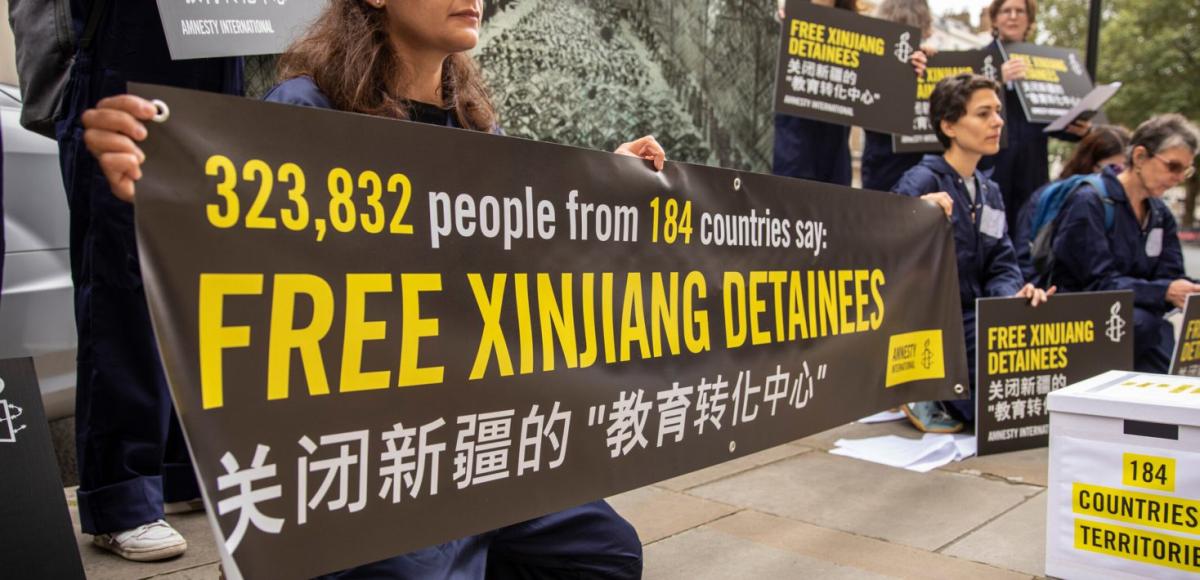
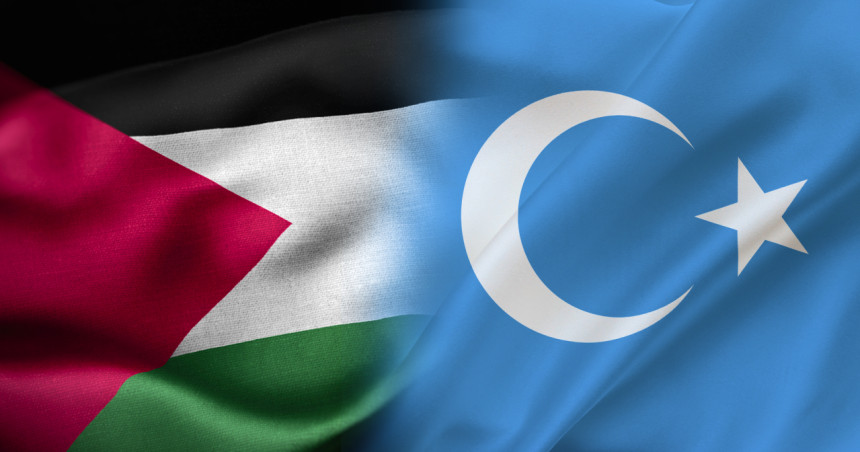
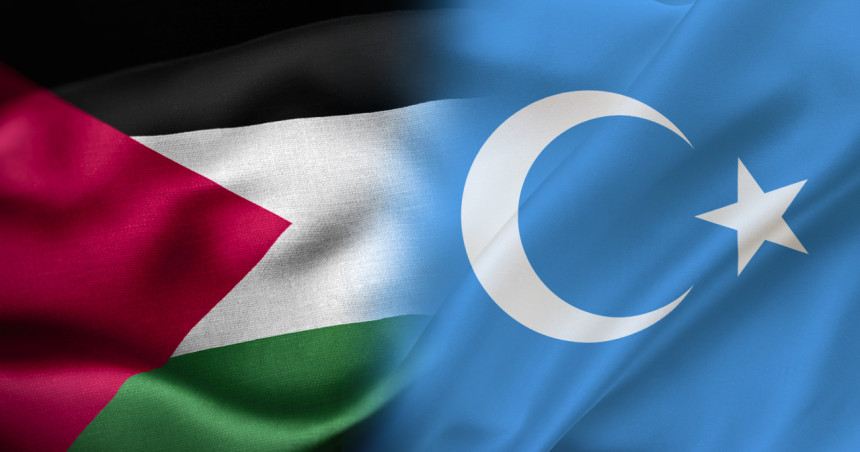
In Episode 213 of the CounterVortex podcast, Bill Weinberg notes how divergent responses to the ethnic cleansing of the Palestinians and mass internment of the Uyghurs reveal the West’s shifting definition of genocide. Tragically, elements of the Palestinian leadership merely reverse the double standard, causing elements of the exiled Uyghur leadership to balk at supporting the Palestinians. Yet another example of how a global divide-and-rule racket is the essence of the state system. Illustrating the irony, the same corporate nexus is involved in putting in place the surveillance state that monitors the Uyghurs for China and the Palestinians for Israel. Fortunately, principled voices of dissent among both the Palestinians and the Uyghurs are calling for Palestinian-Uyghur solidarity. Listen on SoundCloud or via Patreon. (Image: Hasbi Sahin & Tatohra/Shutterstock via Islam21c)

South Asia
Aksai Chin

Podcast: Himalayan fault lines in BRICS

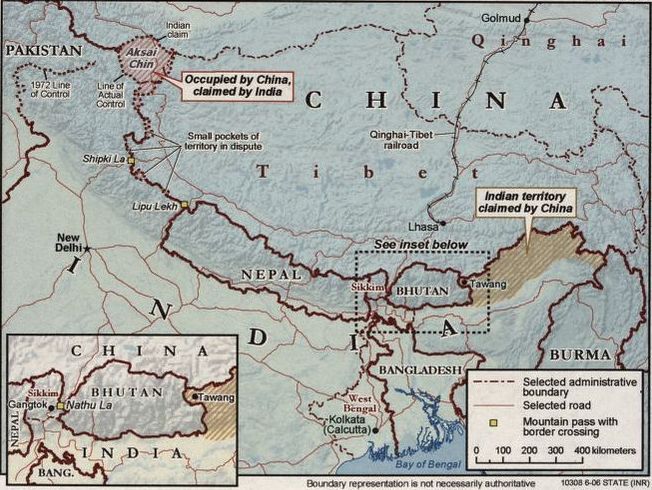
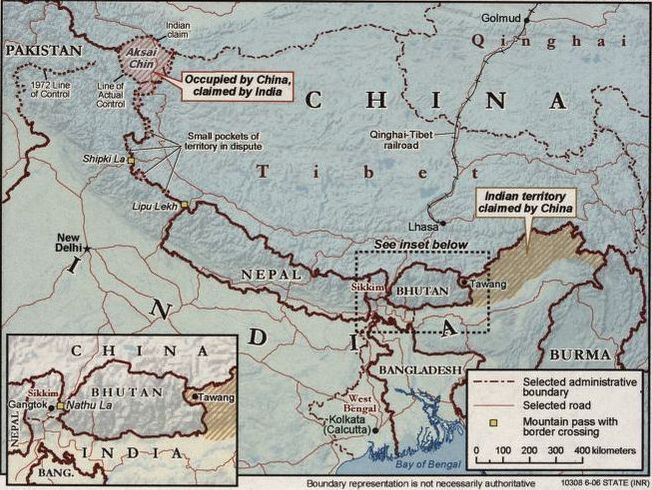
In Episode 189 of the CounterVortex podcast, Bill Weinberg notes that despite all the tankie pseudo-left enthusiasm for the BRICS summit in South Africa, the notion of a unified bloc against Western hegemony is illusory. The Johannesburg confab was immediately followed by a diplomatic spat between China and India, sparked by Beijing’s release of an official map of the territory of the People’s Republic—showing two Himalayan enclaves claimed by India as Chinese territory: Aksai Chin and Arunachal Pradesh, which have both been the scene of border skirmishes in recent years. The map also shows an island in the Amur River, by mutual agreement half controlled by Russia, as entirely Chinese. Moscow, depending on China’s acquiescence in the Ukraine war, has lodged no protest over this. But the border disputes between nuclear-armed India and China have the potential to escalate to the unthinkable. Listen on SoundCloud or via Patreon. (Map: CIA via Wikipedia)

Watching the Shadows
red-baiting

Podcast: against the ‘red-baiting’ calumny

In Episode 188 of the CounterVortex podcast, Bill Weinberg deconstructs the accusation of “red-baiting” employed by the tankie pseudo-left to deflect criticism of funding sources directly linked to Chinese and Russian state propaganda networks. Before such revelations made the New York Times, they were reported by bloggers and researchers themselves on the radical left. And some progressive voices and international socialists have repudiated the smear that any such examination of money networks linked to authoritarian regimes is “red-baiting.” Listen on SoundCloud or via Patreon. (Image via Muppet Wiki)

Syria
Jisr al-Shughur

Russia, Israel both still bombing Syria

At least 13 people, nine of them civilians, were killed in Russian air-strikes within the so-called “de-escalation zone” in northern Syria’s Idlib province, with some of the strikes hitting a crowded vegetable market. The area targeted in the raid, already suffering a severe displacement crisis, is controlled by the Tahrir al-Sham (HTS) Islamist faction. Meanwhile, sporadic Israeli air-strikes on regime-held Syrian territory also continue—with apparent tacit approval from Russia, as long as they target the Iranian military presence in the country. (Photo: @SyriaCivilDef)

Afghanistan

Taliban regime in oil deal with Chinese company

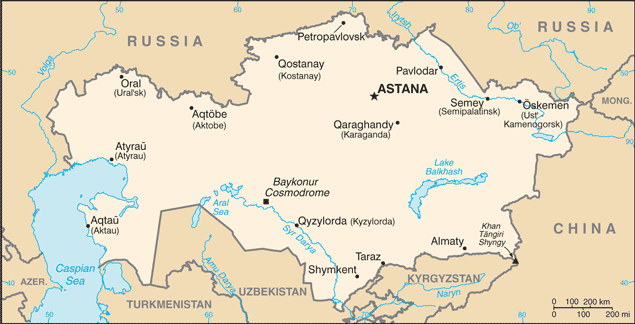
Afghanistan’s Taliban regime has agreed to sign a contract with a Chinese company to exploit oil in the Amu Darya basin in the country’s north. The contract with the Xinjiang Central Asia Petroleum & Gas Co. (CAPEIC) is to be the first major resource extraction deal the regime has signed with a foreign company since taking power in 2021. “The Amu Darya oil contract is an important project between China and Afghanistan,” China’s ambassador, Wang Yu, told a joint press conference with Taliban officials in Kabul. Beijing has not formally recognized the Taliban government but has significant interests in Afghanistan, a country deemed critical for its Belt & Road Initiative. (Map: Perry-Castañeda Library)

East Asia
Nanjing

China: nationwide protests challenge dictatorship

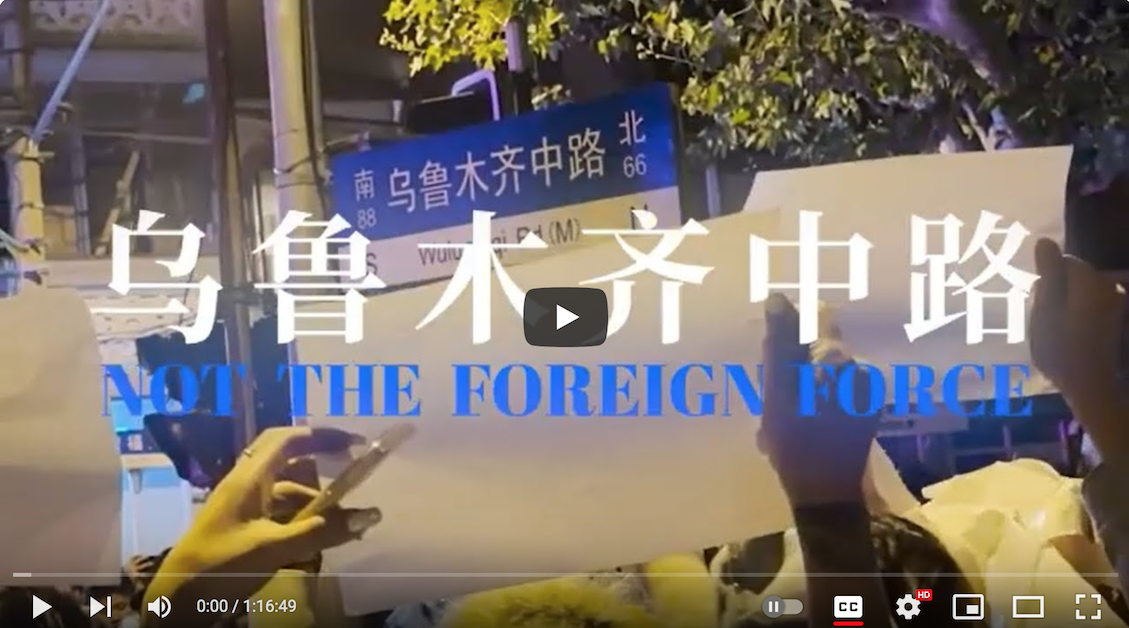
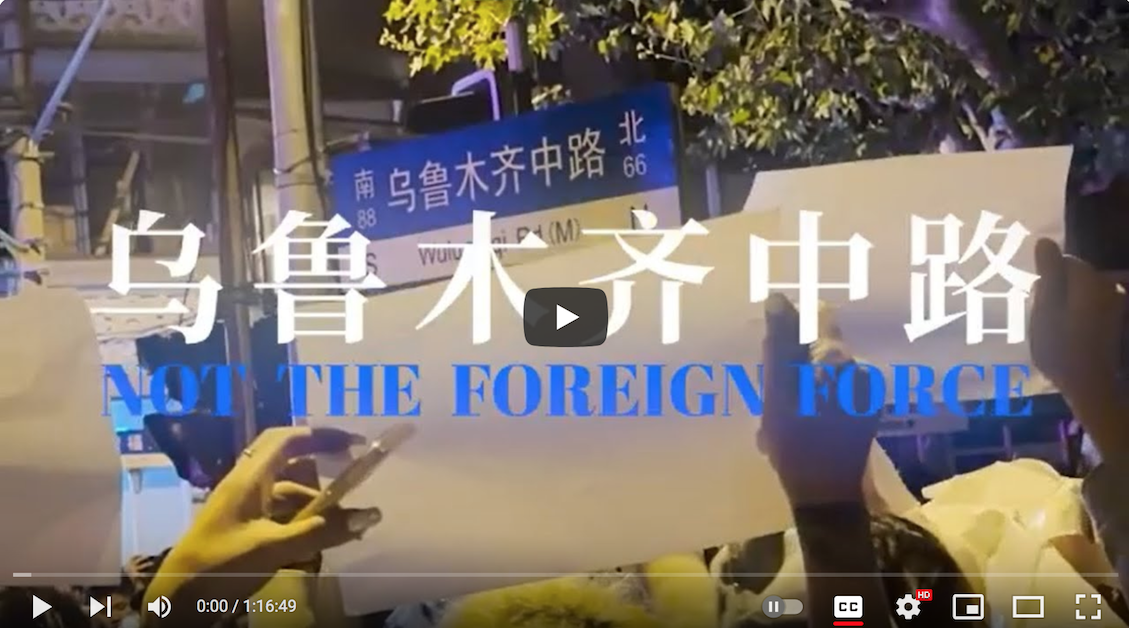
Following weeks of sporadic protests against the recurrent draconian COVID-19 lockdowns in China, spontaneous demonstrations broke out in cities across the country. Street demos were reported from Shanghai, Nanjing, Guangdong, Chengdu and Wuhan as well as Beijing. In addition to slogans against the lockdowns and for freedom of speech and assembly, such verboten chants were heard as “Xi Jinping, step down” and “Communist party, step down.” The spark was an apartment block fire in Urumqi, capital of western Xinjiang region, that killed at least 10 who were under lockdown orders and unable to flee. Hong Kong-based Borderless Movement left-dissident website has issued a list of “Demands from Chinese and Hong Kong Socialists” in response to the outburst, calling for an end to lockdowns and forced testing, provision of multiple vaccines, and the right to citizen and worker self-organization. The statement calls for “marginalized groups in the mainland and abroad, including Hongkongers, Taiwanese, Uyghurs and Tibetans to continue building a long-term strategic program for democratic struggle in China.” (Photo of student protest in Nanjing via Twitter)

Inner Asia
Xinjiang

Podcast: state capitalism and the Uyghur genocide

In Episode 149 of the CounterVortex podcast, Bill Weinberg notes that the UN Human Rights Office determination that China may be guilty of “crimes against humanity” in its mass detention of Uyghurs in Xinjiang province is dismissed by the tankie-left ANSWER Coalition as “propagandistic.” Meanwhile, it falls to Radio Free Asia, media arm of the US State Department, to aggressively cover the very real conditions of forced labor faced by the Uyghurs and other Turkic peoples of Xinjiang—and how Western corporations benefit from it. While the Western pseudo-left betrays the Uyghurs, US imperialism exploits their suffering for propaganda against a rising China in the Great Game for the Asia-Pacific region. Figures such as Australia’s Kevin Rudd incorrectly portray a “Return of Red China,” blaming the PRC’s increasingly totalitarian direction on a supposed neo-Marxism. Fortunately, the new anthology Xinjiang Year Zero offers a corrective perspective, placing the industrial-detention complex and techno-security state in the context of global capitalism and settler colonialism. Listen on SoundCloud or via Patreon. (Photo: Xinjiang Judicial Administration via The Diplomat)

Inner Asia
Karakalpakstan

Karakalpakstan retains right to secede after unrest

Following a day of angry protests that left 18 dead and hundreds wounded, Uzbekistan’s President Shavkat Mirziyoyev announced that he will not proceed with a planned constitutional change to revoke the right of the autonomous Republic of Karakalpakstan, in the country’s remote northeast, to secede via referendum. The announcement came as Mirziyoyev made an emergency visit to Nukus, the riot-stricken regional capital of Karakalpakstan. He also imposed a month-long state of emergency in the region, which has been ecologically devastated by the shrinking of the Aral Sea. (Map: Wikipedia)

Inner Asia
xinjiang

Leaked documents reveal abuse of Uyghurs

China’s President Xi Jinping held a video call with UN human rights commissioner Michelle Bachelet during her visit to Xinjiang. But Bachelet’s fact-finding tour co-incided with new evidence of crimes against the Uyghur people of the province. A hacker broke into a computer network in Xinjiang’s so-called “Vocational Skills Education & Training Centers,” releasing a cache of files that document significant abuses. The Xinjiang Police Files, published by the Journal of the European Association for Chinese Studies, include images from inside the camps, as well as thousands of detainee records. The records indicate that 12% of the 2018 adult Uyghur population of some counties was in camps or prisons. The files also include a 2017 internal speech by Chen Quanguo, then Communist Party secretary for Xinjiang, in which he apparently ordered guards to shoot to kill anyone who tried to escape the camps, and called for officials to “exercise firm control over religious believers.” (Image: Xinjiang Police Files)

Watching the Shadows
anti-chomsky

Podcast: against Chomsky’s genocide complicity

In Episode 120 of the CounterVortex podcast, Bill Weinberg invites the enmity of his comrades on the left with a long-overdue deconstruction of the increasingly sinister, genocide-abetting politics of Noam Chomsky. In relentless sycophantic interviews, Chomsky inevitably opposes a no-fly zone for Ukraine, war crimes charges against Putin, or even sanctions against Russia, on the basis that such moves would lead to nuclear war. He offers no acknowledgment of how capitulating to Putin’s nuclear threats incentivizes such threats, and the stockpiling of missiles and warheads to back them up. This is part of a long pattern with Chomsky. He has repeatedly engaged in baseless “false flag” theorizing about the Syria chemical attacks, leading activists in the Arab world to accuse him of “regime whitewashing.” He similarly abetted Bosnia genocide revisionism, and denial of the genocides in Rwanda and Cambodia. All this can be traced to the analytical and ultimately moral distortions of the so-called “Chomsky rule“—the notion that we are only allowed to criticize crimes committed by “our” side. Listen on SoundCloud or via Patreon. (Image via social media)