

Palestine
Israeli police

Israel: detention of ‘terror suspects’ without charge

Israeli Prime Minister Naftali Bennett instructed security services to hold “terror suspects” in “administrative detention,” even without charge. The order extends to Palestinians in Israel a policy long applied to Palestinians on the West Bank. Bennett cited “a new situation that requires suitable preparations and adjustment by the security services to the circumstances within which extremist elements of Arab society, directed by extremist Islamic ideology, are carrying out terror attacks and taking lives.” The order follows deadly attacks by Israeli citizens who were said to be supporters of the so-called “Islamic State.” (Photo: Wikimedia)

Europe
babiyar

Fascist pseudo-anti-fascism: Moscow’s propaganda offensive

Russia announced plans to host an international “Anti-Fascist Conference“—with hideous irony, on the same day its forces bombarded a Holocaust memorial site in Kyiv. The surreal announcement came from Defense Minister Sergei Shoigu, who said Moscow will hold the conference in August, in conjunction with an arms expo sponsored by his ministry. Among the invited countries are China (accused of genocide in Xinjiang), India (now emulating China’s mass detention policies), Pakistan (a fast-consolidating police state), Saudi Arabia (similarly moving toward a mass detention state), the UAE (a burgeoning police state), Azerbaijan (accused of war crimes in last year’s war with Armenia), Uzbekistan (an entrenched dictatorship), and Ethiopia (accused of crimes against humanity in the Tigray war). (Photo of Babi Yar memorial in Kyiv via Kharkiv Human Rights Protection Group)

East Asia
Tiananmen

‘Great Leap Backward’ for press freedom in China

Reporters Without Borders issued a new report, The Great Leap Backwards of Journalism in China, revealing the extent of the regime’s campaign of repression against the right to information. At least 127 journalists (professional and non-professional) are currently detained by the regime. Simply reporting on a “sensitive” topic or publishing censored information can result in years of detention. The report especially examines the deterioration of press freedom in Hong Kong, which was once a world model but has now seen an increasing number of journalists arrested and prosecuted in the name of “national security.” (Photo: chinaworker.info)

Greater Middle East
Khashoggi

Khashoggi killers trained in US: report

Operatives of the Saudi secret unit responsible for the 2018 killing of journalist Jamal Khashoggi received paramilitary training in the United States, the New York Times reported. According to the account, Arkansas-based security firm Tier 1 Group trained six unit members. Although the training was described as “defensive” and “devised to better protect Saudi leaders,” the unit was then undertaking a series of kidnappings, detentions and torture to crush dissent within the kingdom. (Photo via Wikimedia Commons)

Planet Watch
lakota

Keystone XL pipeline cancelled —struggle continues

Calgary-based TC Energy Corporation (formerly TransCanada) confirmed that it has terminated the Keystone XL Pipeline Project. Construction on the project was suspended following the revocation of its presidential permit in January. The pipeline, which was to transport tar sands oil from western Canada, has been a critical concern in the fight against climate change. It has been especially opposed by Native American peoples whose lands lie along the project’s path. Dallas Goldtooth  of the Indigenous Environmental Network reacted to the announcement on Twitter: “We took on a multi-billion dollar corporation and we won!!” However, Canadian oil exports to the US are still expected to rise to over 4 billion barrels per day in the next years—a fourfold increase over levels in 2004, when Canada surpassed Saudi Arabia as the top US foreign supplier. (Photo of Lakota protest against Keystone pipeline: Victor Puertas/Deep Roots United Front via Intercontinental Cry)

Greater Middle East
yemen

Biden pledges end to US support for Yemen war —almost

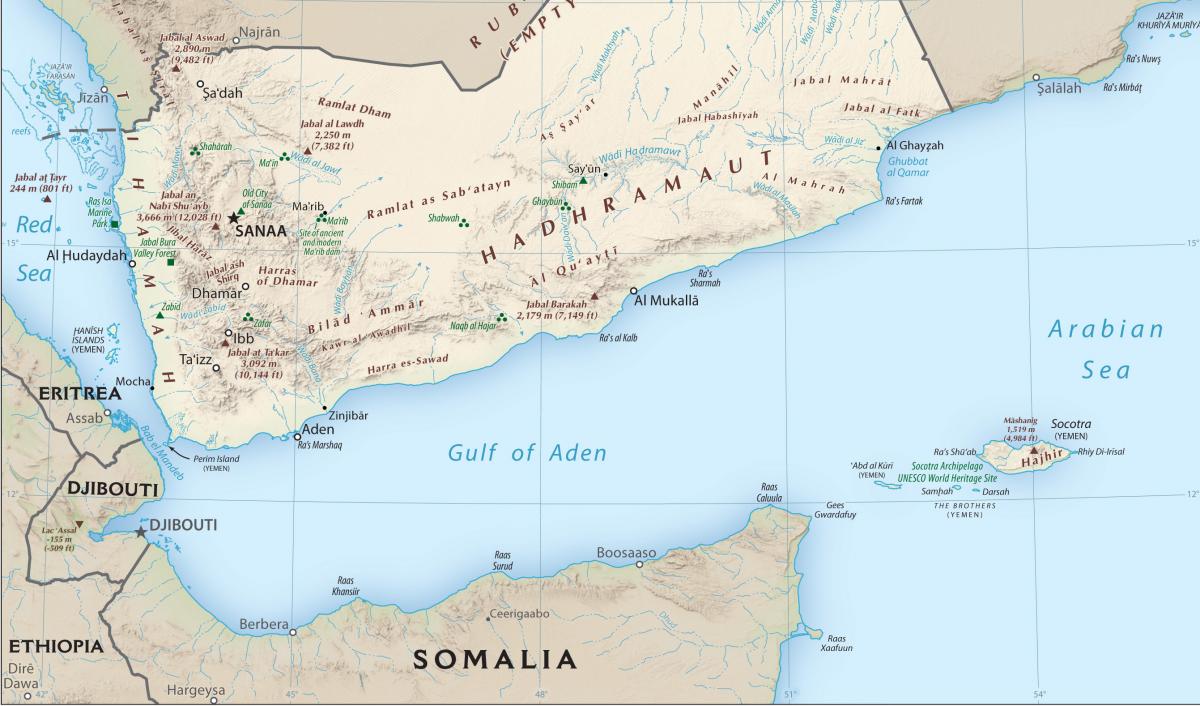
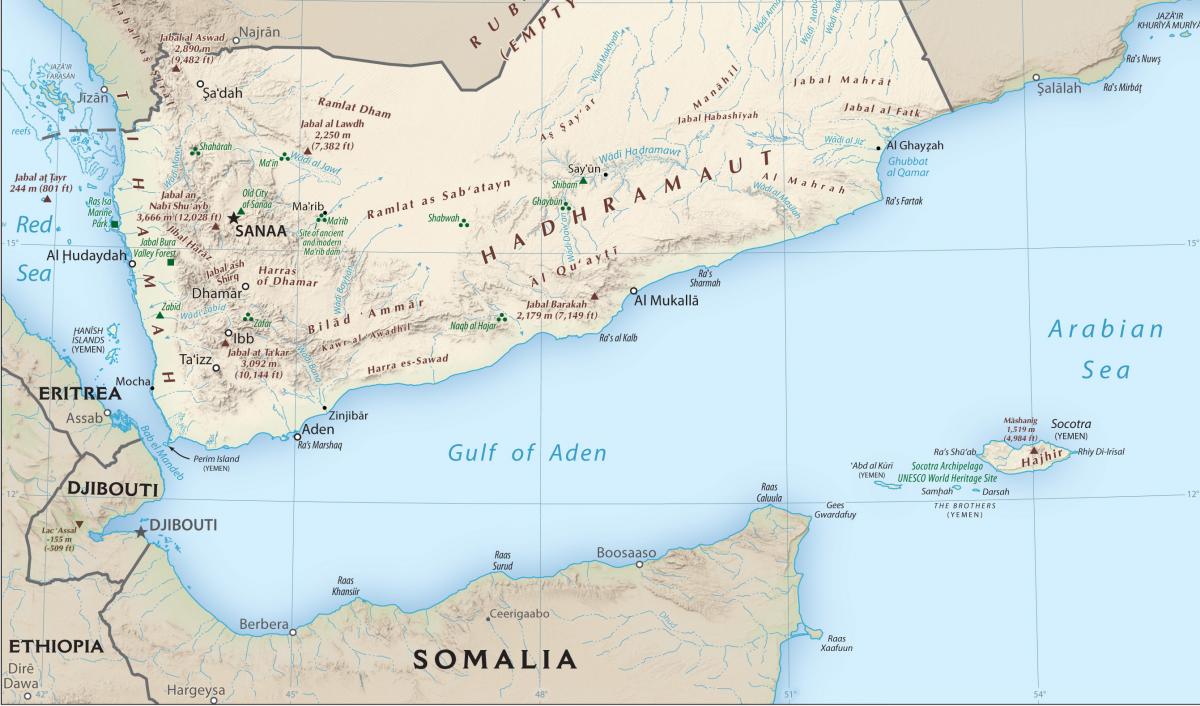
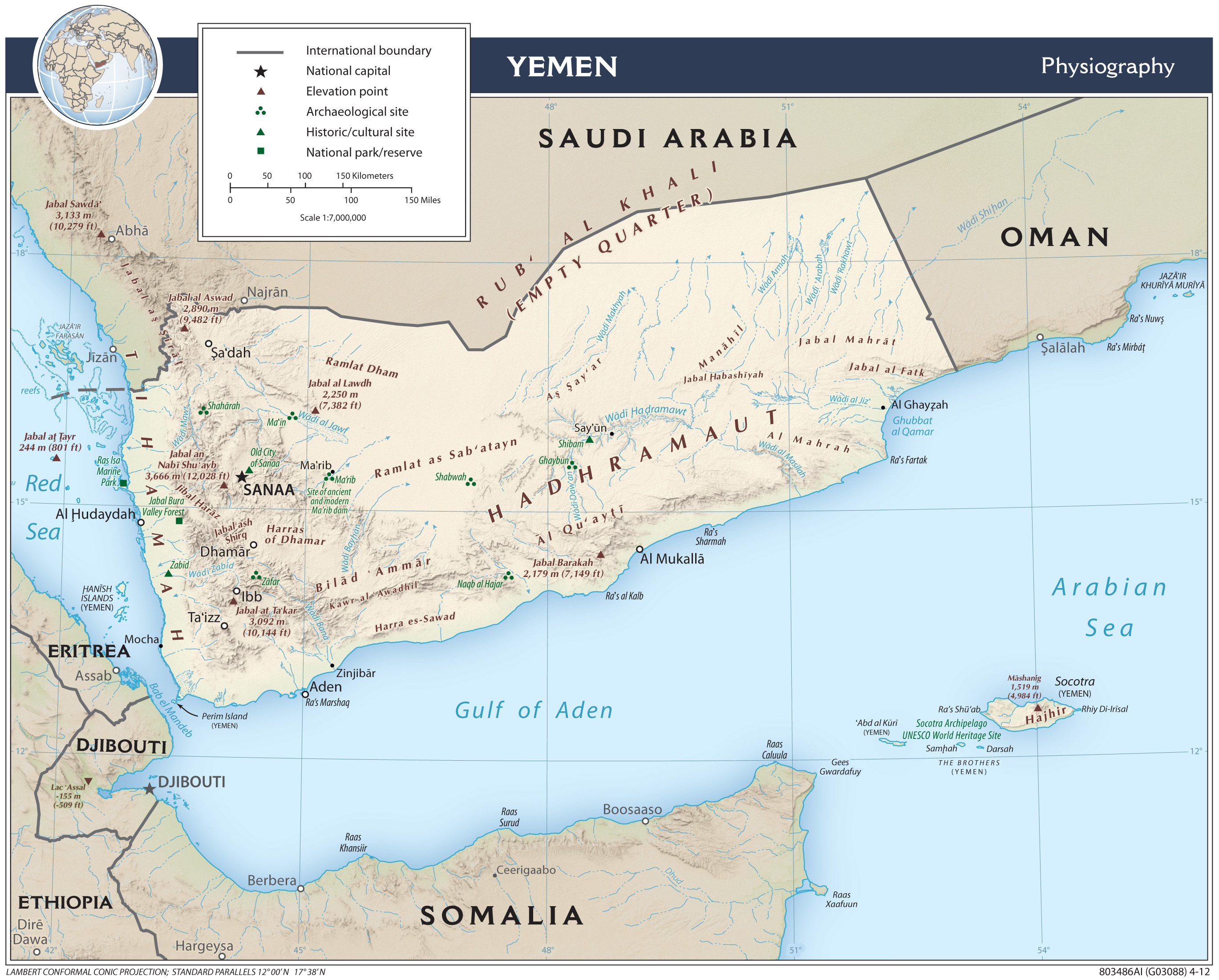
President Joe Biden announced the United States will end support for the Saudi-led military campaign in Yemen that has deepened suffering in the Arabian Peninsula’s poorest country. “This war has to end,” Biden told diplomats in his first visit to the State Department as president, saying the conflict has created a “humanitarian and strategic catastrophe.” Biden pledged an end to “relevant” US arms sales, while giving no immediate details on what that would mean. However, National Security Adviser Jake Sullivan was quick to add that an end to US support for the Saudi war against the Houthi rebels will not affect US operations against al-Qaeda in the Arabian Peninsula (AQAP). (Photo: OCHA)

Iran
Stratofortress

Will strikes on Iran be Trump’s Plan B?

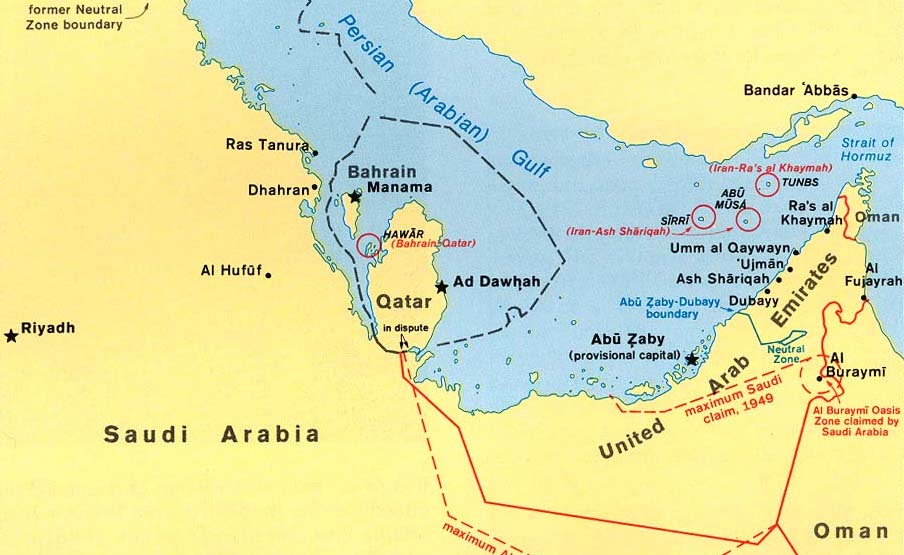
The world is breathing a collective sigh of relief after General Services Administration chief Emily Murphy officially contacted the team of president-elect Joe Biden, marking the Trump administration’s belated initiation of the transition process. But along with the news of Murphy’s capitulation come reports that the US has deployed heavy  bombers to the Middle East, and that Secretary of State Mike Pompeo held a secret meeting in Saudi Arabia with Crown Prince Mohammed Bin Salman and Israeli Prime Minister Benjamin Netanyahu. Simultaneously, Yemen’s Houthi rebels have conveniently claimed responsibility for a missile attack on a Saudi oil facility in the port of Jeddah. And this all comes just days after the disconcerting news that Trump had gathered his cabinet and advisors for a White House conclave weighing the options for military strikes on Iran’s nuclear facilities. With his attempted judicial coup failing, Trump’s Plan B could be postponement (read: cancellation) of the presidential transition under pretext of a world crisis of his own making. (Photo: Wikipedia)

Africa
sudan workers

Solidarity with striking Sudan sugar workers

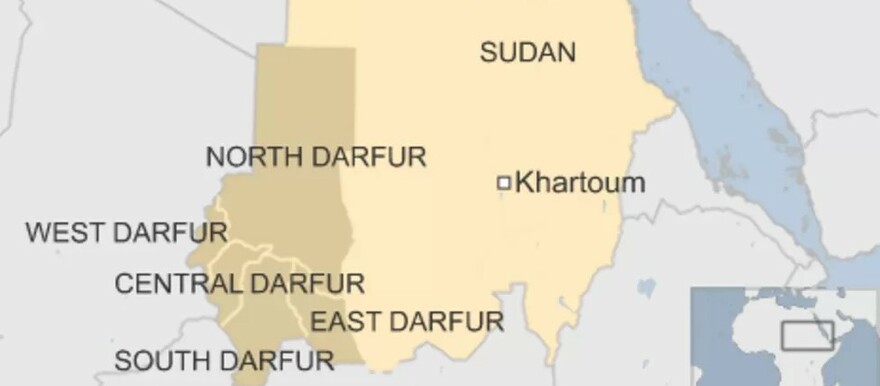
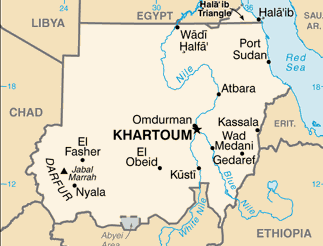
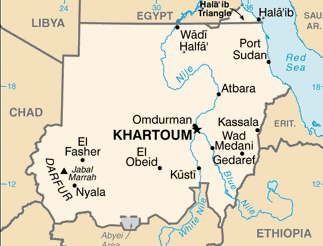
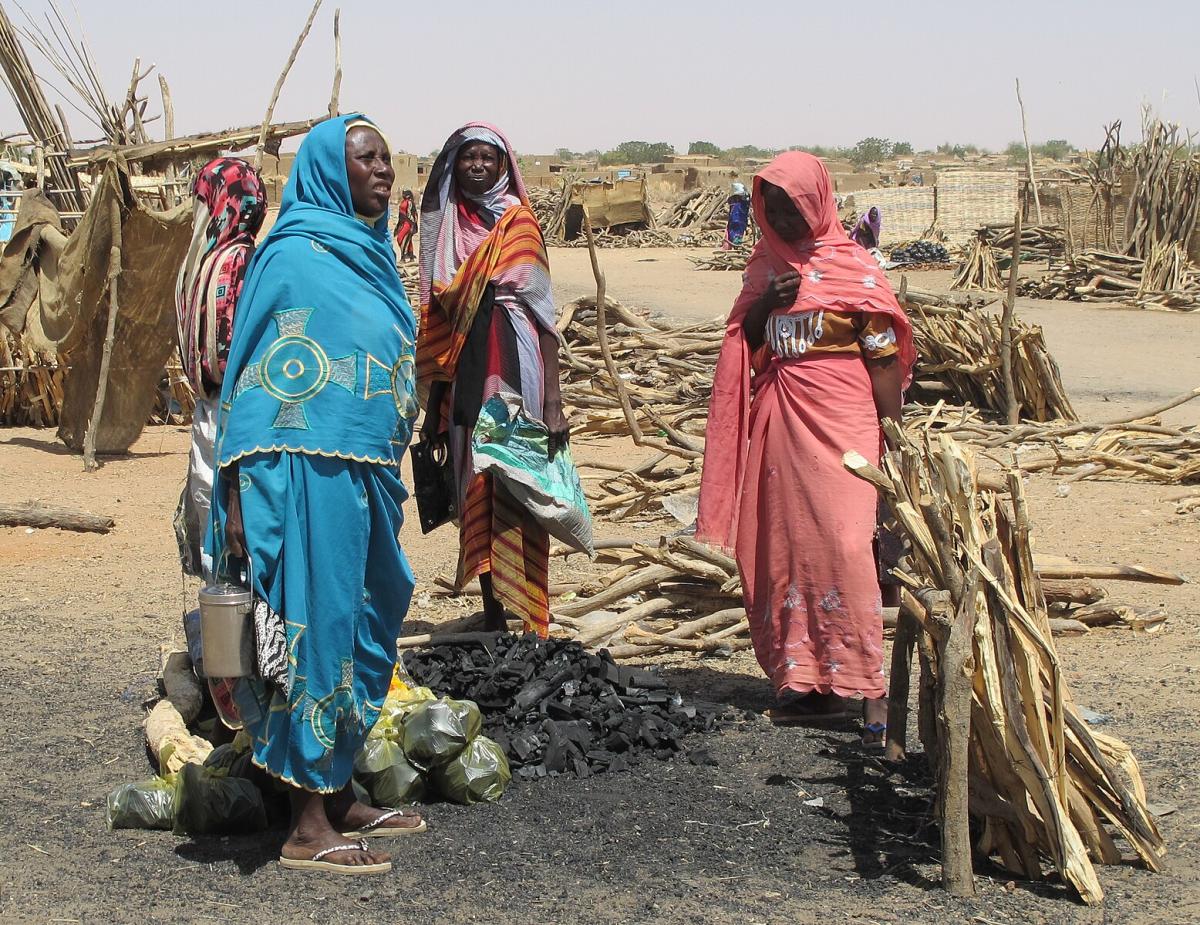
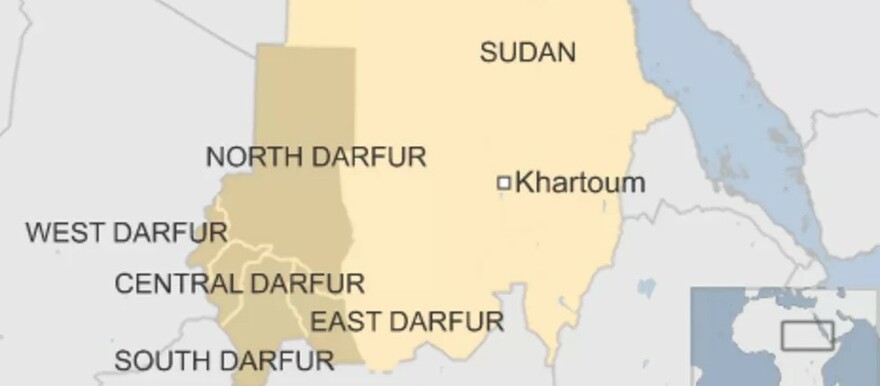
Over a thousand workers at Kenana Sugar Company in Sudan are starting their second month on strike to demand basic trade union rights, increased wages to offset the spiralling cost of living, the removal of figures associated with the old regime from company management, and reinstatement of 34 workers sacked for taking part in the uprising against dictator Omar el-Bashir. Other demands include improvements to health services in the company town, and investment in education for workers’ children. According to Sudan Labour Bulletin, the strike is now the longest in Sudan’s history as an independent republic. Sudanese activists say that solidarity is urgently needed, warning that “the government may be contemplating the option of breaking up the workers’ strike by the force of arms.” (Photo via MENA Solidarity Network)

Greater Middle East
Lujain al-Hathloul

Saudi detention state under scrutiny

Saudi Arabia has denied prominent detainees contact with their family members and lawyers for months, Human Rights Watch said in a letter requesting access to the country and private prison visits with detainees. The situation raises serious concerns for the detainees’ safety and well-being, the rights group said. Saudi authorities have banned in-person visits with prisoners across the country since March to limit the spread of COVID-19. But Saudi activists and other sources say that authorities have also unduly denied numerous imprisoned dissidents and other detainees regular communication with the outside world. Prominent women’s rights activist Loujain al-Hathloul had been on hunger strike for six days before Saudi authorities finally allowed her parents to visit on Aug. 31, according to family members. Al-Hathloul had spent almost three months before that under incommunicado detention. (Image: social media post with the word “traitor” stamped on the faces of activists detained in 2018, including Loujain al-Hathloul, top center. Via Middle East Eye.)

Greater Middle East
al-bokari

Saudi Arabia imprisons Yemeni dissident blogger

A court in Saudi Arabia sentenced a Yemeni blogger to 10 months in prison, a fine of 10,000 riyals ($2,600) and deportation for a social media post supporting equal rights for people in same-sex relationships. Mohamad al-Bokari was arrested in Riyadh in April, after posting a video on social media, which authorities said contained “sexual references” and “violated public order and morals.” This was apparently a reference to the line: “Everyone has rights and should be able to practice them freely, including gay people.” Sources told Human Rights Watch that al-Bokari was subjected to a forced anal exam, an internationally discreditedpractice used to seek “proof” of homosexual conduct. HRW says the practice has no scientific basis, violates medical ethics, and constitutes cruel, degrading, and inhuman treatment that may rise to the level of torture. Al-Bokari was charged with “violating public morality” and “imitating women.” (Image: Amnesty International)

Greater Middle East
NEOM

Tribesman killed for resisting Saudi robot city?

Saudi activists and dissidents are disputing official accounts alleging that a tribesman who refused government orders to surrender his home to make way for a new mega-project was killed in a shoot-out with security forces. Authorities say Abdul Rahim Ahmad al-Hwaiti, from Tabuk province on the Red Sea, was a “wanted terrorist” who opened fire on State Security agents who arrived at his home. But the incident came two days after al-Hwaiti posted a video statement saying he and other local residents were being pressured by the government to give up their properties and accept relocation. Al-Hwaiti, a member of the powerful al-Huwaitat tribe, accused the government of a policy of “forced displacement.” The project at issue is the NEOM, a planned “special economic zone” for high-tech industry, to cover an area bigger than Belgium, where robots will outnumber human residents. (Image via NeoScribe)

Planet Watch
Oilsands

Negative oil prices slow tar sands production

Despite a new agreement by Saudi Arabia and Russia to end their price war, the oil market remains in free-fall amid the virtual shut-down of the world economy by the COVID-19 pandemic. The price of the main US and Canadian oil benchmarks have now fallen below zero—the first time oil prices have ever turned negative. Canada, the world’s fourth-largest oil producer, has already started slashing oil sands output. But Prime Minister Justin Trudeau announced $2.5 billion in aid to the industry, and Trump is now also pledging a bail-out. (Photo: Wikimedia Commons)