

South Asia
Kashmir

Militarization as Delhi prepares to dismantle Kashmir
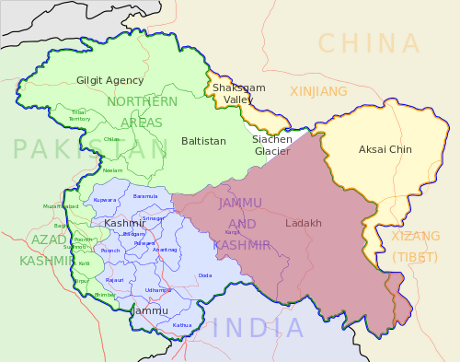
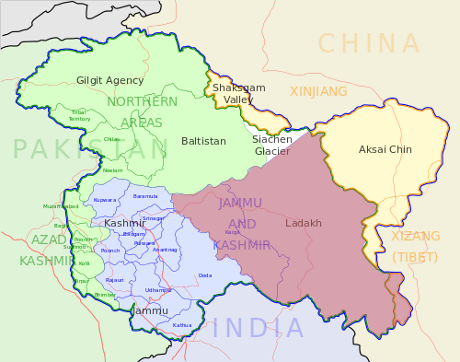
KashmirIndia's government has flooded the northern state of Jammu & Kashmir with troops and cut off internet access upon announcing the revocation of its constitutionally protected autonomy, and plans to divide the disputed territory into two new political entities with reduced power. Article 370 of India's constitution grants Jammu & Kashmir a high degree of autonomy, a concession to the demands of the territory's Muslim majority, many of whom favor independence or union with Pakistan. In addition to abrogating Article 370, Delhi announced plans for a bill to divide India-controlled Kashmir into two "union territories," which have less powers of self-government than states. A reduced Jammu & Kashmir Union territory would continue, at least, to have a legislature. But it would be separated from the Buddhist-majority region of Ladakh, which is to become its own union territory, without a legislature. Complicating matters further is that the populace of Ladakh itself is divided along sectarian and regional lines. News of the plan to separate Ladakh from Jammu & Kashmir was met with jubilation in the principal Buddhist town of Leh, but with foreboding in Kargil, an enclave within Ladakh inhabited by Ismaili Muslims.  (Map via Wikipedia)
East Asia

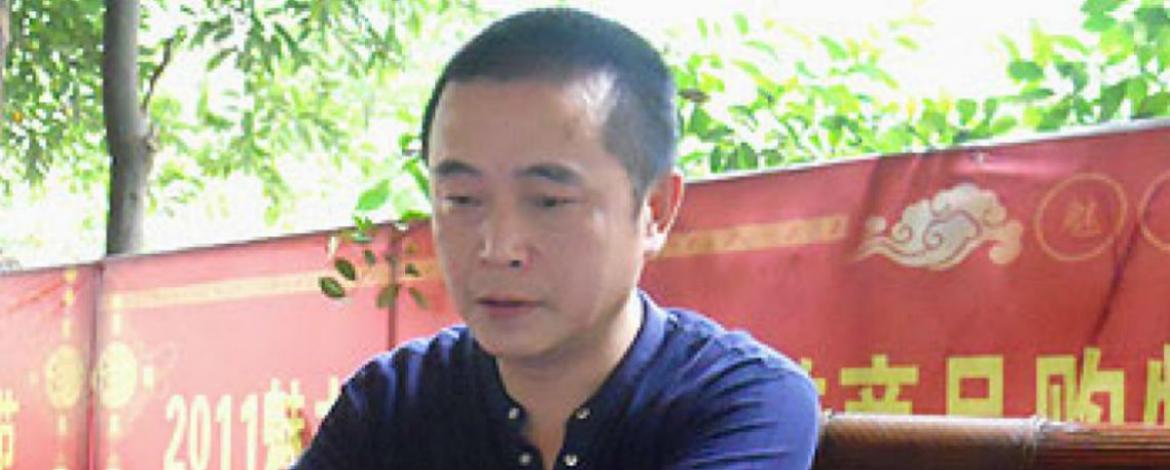
China: dissident journalist Huang Qi gets 12 years in prison

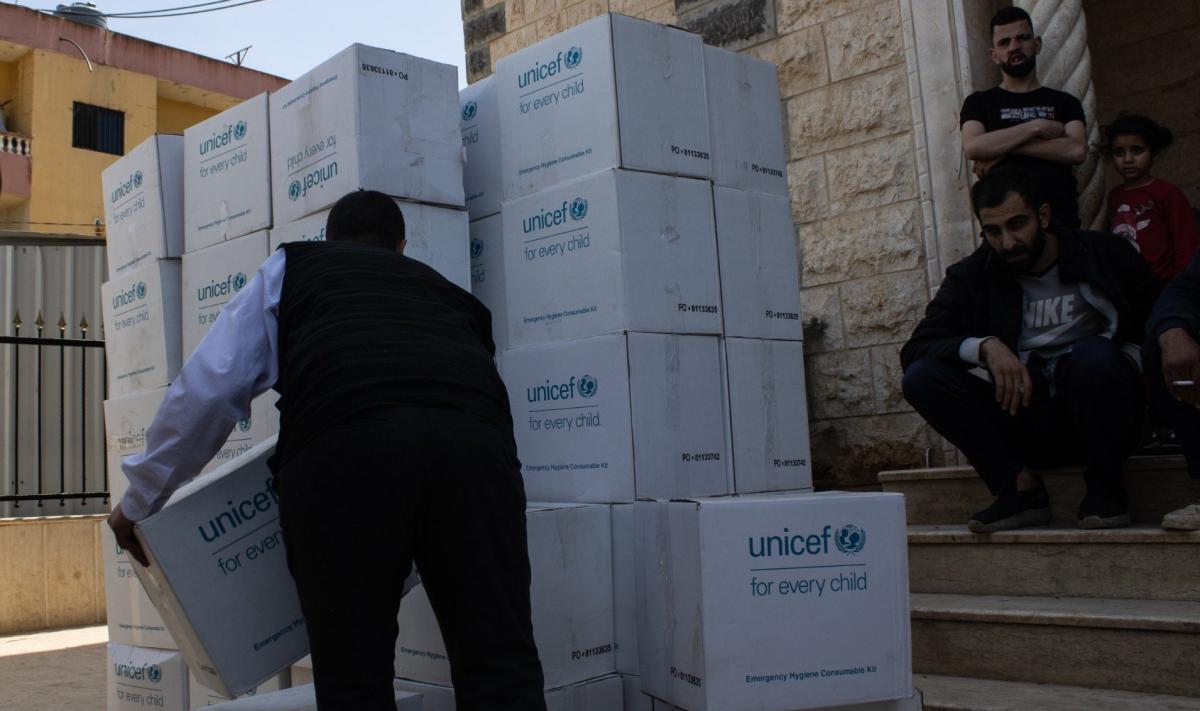
LebanonNearly 40,000 people have fled Syria's sectarian violence for neighboring Lebanon over the past three months. With many fearful of returning anytime soon, their arrival adds a new layer to Lebanon's protracted humanitarian crisis at a moment when aid groups are badly underfunded and overstretched. Most of the new arrivals are Alawites, a religious minority targeted in a wave of killings in March that saw forces aligned with the new Syrian government carry out retaliatory massacres in Alawite-majority areas. This came after groups loyal to the former regime of Bashar al-Assad attacked security forces. Assad is an Alawite and Syria's coastal province of Latakia, where the attack took place, was his stronghold of support. (Photo: Aid boxes arrive at the Massoudiyeh mosque. Credit: Hanna Davis/TNH)

Africa

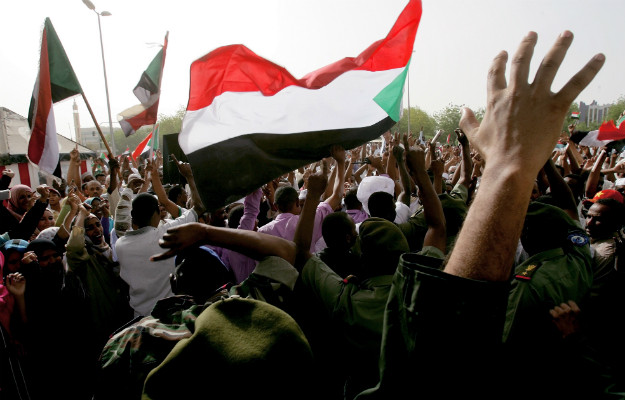
Sudan protesters defy massacre, net silence

BalochThe international Baloch Human Rights Council (BHRC) called upon UN Secretary-General Antonio Guterres to urgently intervene in the repression of peaceful protests in Pakistan's conflicted Balochistan province. The group urged the UN to secure the immediate release of Dr. Mahrang Baloch and other members of the Baloch Yekjehti Committee, a local rights group. Dr. Baloch and several of her comrades were detained at a protest in provincial capital Quetta against enforced disappearances. Urging global action to hold Pakistan accountable, the BHRC described the arrests as "a blatant violation of fundamental freedoms and democratic principles." (Image: BYC)

Southeast Asia

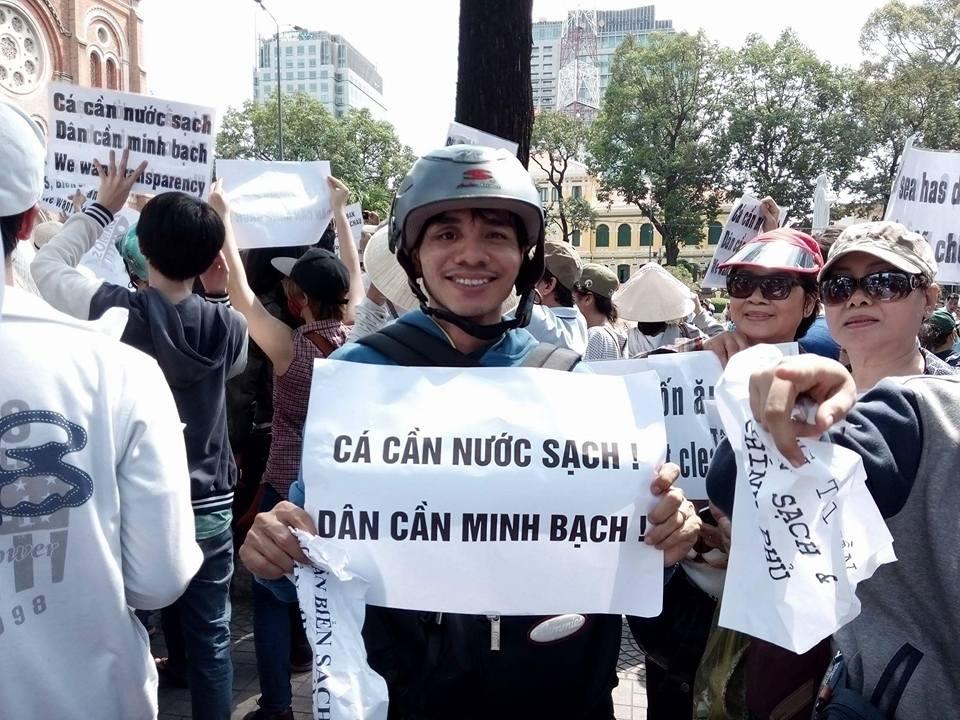
Vietnam: ‘free trade’ advances; free speech retreats

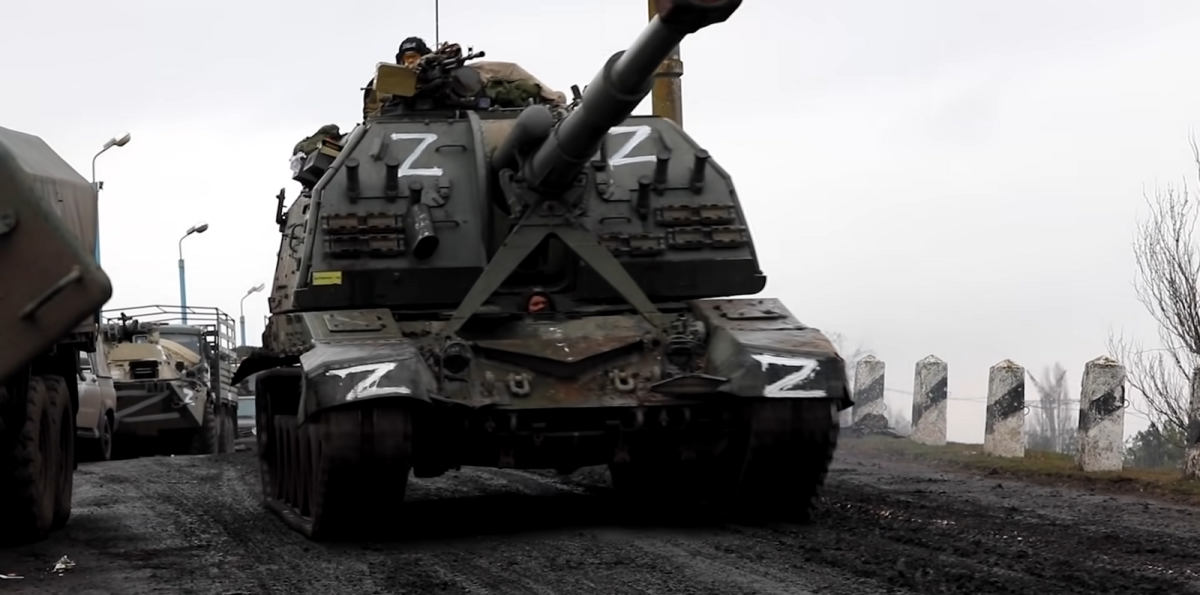
tankThe European Union Agency for Criminal Justice Cooperation (EuroJust) announced that the United States is withdrawing from the International Center for the Prosecution of the Crime of Aggression (ICPA), created to hold Russia accountable for its invasion and seizure of territory in Ukraine. The organization was launched by EuroJust in 2023 to assist Ukraine in prosecuting parties responsible for orchestrating the crime of "aggression" against Ukraine, facilitating information-sharing across international law enforcement and judicial bodies. The Biden administration collaborated with the organization by providing monetary support and appointing US prosecutors to help with the work of the ICPA. The funding cut-off comes as the White House has shifted course in US foreign policy on Ukraine, with President Donald Trump insisting on brokering a bilateral peace deal with Russia, regardless of the wishes of the Ukrainian government. (Photo: Wikimedia Commons)

Europe

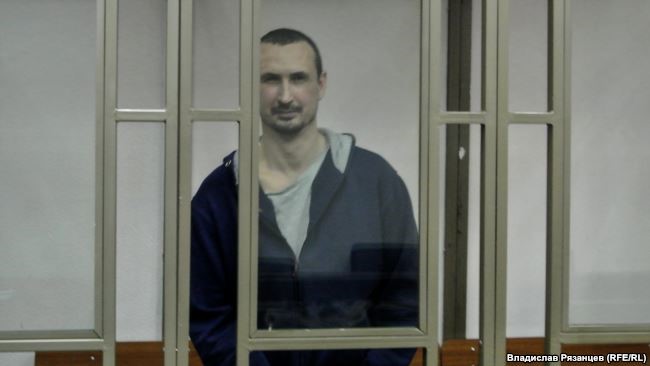
Crimean anarchist imprisoned for social media chat

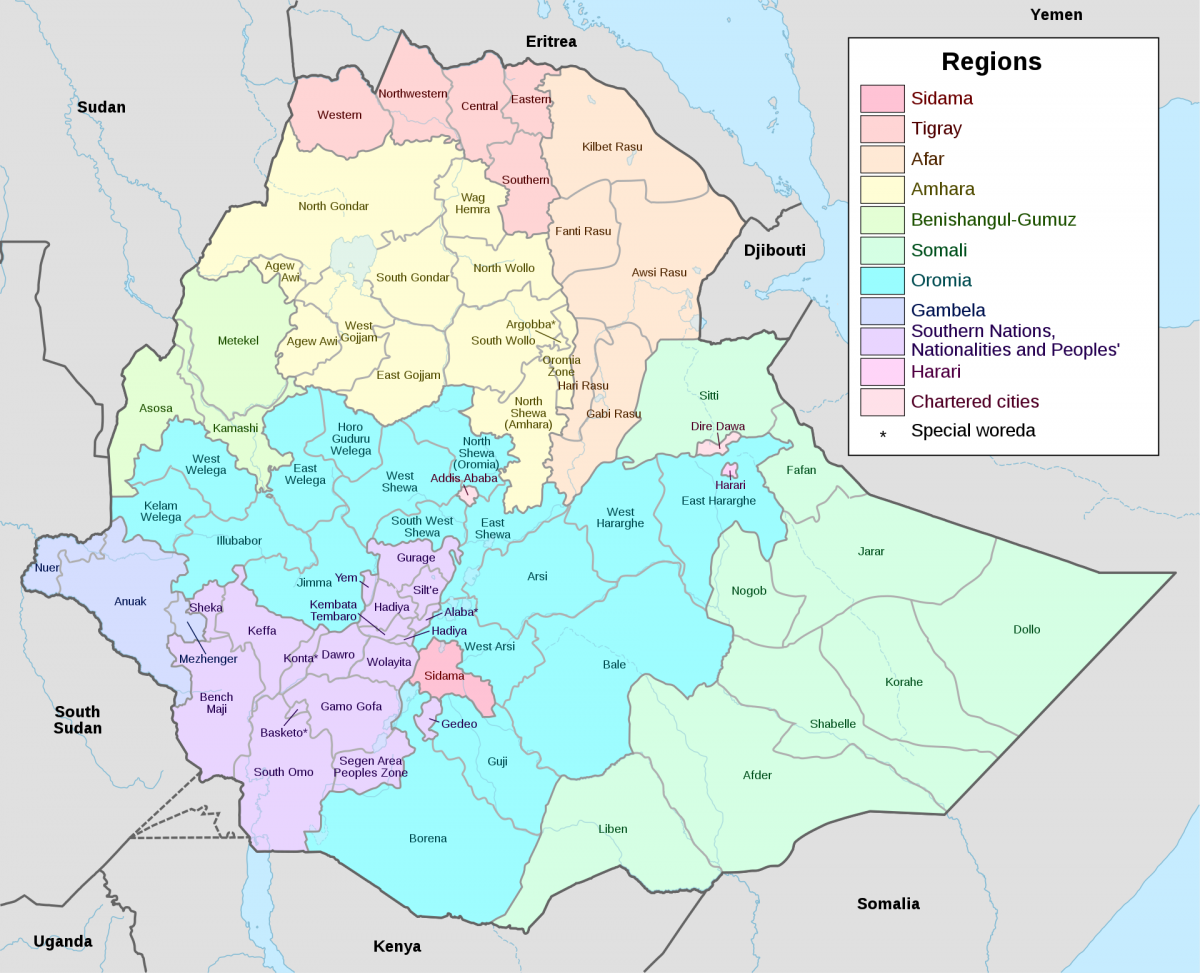
EthiopiaDespite hopes for a ceasefire in Tigray region last month, the Ethiopian conflict is expanding. The Oromo Liberation Army (OLA), the main rebel group in the country’s largest region, Oromia, warns that it is close to cutting off a major highway to Kenya—a move that could disrupt trade with the largest economy in East Africa. Having announced a pact with the Tigray People's Liberation Front, the OLA claims it is advancing on the western and southern fronts of Oromia region, and holds parts of the southern Borena zone bordering Kenya. Meanwhile, as the humanitarian crisis deepens and Tigrayan rebels push on into Amhara and Afar regions, there has been a relaunch of diplomatic efforts to halt the fighting. Sudan's Prime Minister Abdalla Hamdok—rebuffed once by Addis Ababa—said he is still willing to mediate. Sudan, however, has its own dispute with Ethiopia over the contested al-Fashaga border region—an issue Khartoum reiterated is non-negotiable. (Map via Wikipedia)
South Asia

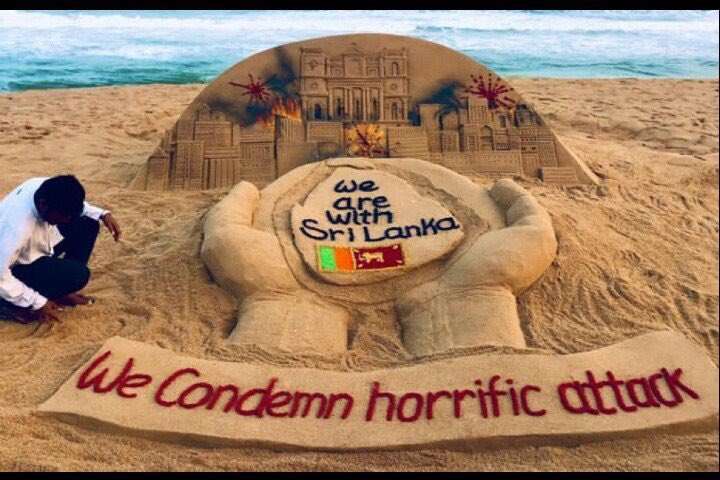
Muslim leaders had warned of Sri Lanka terror

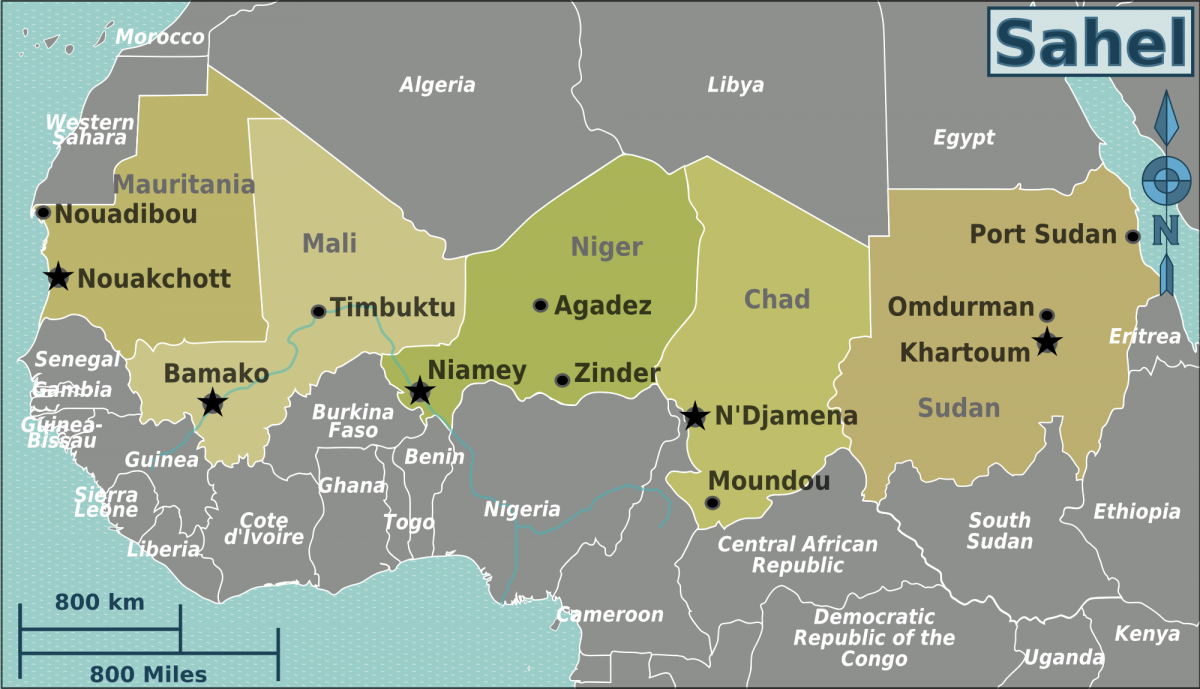
SahelThe tri-border region where the Sahel countries of Mali, Niger and Burkina Faso come together is the scene of fast-mounting massacres by presumed Islamist militants. Attacks on civilians and security forces alike have left hundreds dead this month. In Niger, peasants were gunned down while working their fields in Banibangou village—an attack attributed to a local ISIS franchise. In Mali, ongoing deadly attacks have caused a massive population exodus in several regions of the country, including Menaka, Mopti, Gao, Timbuktu and Sikasso. "Violence is spreading so rapidly across Mali that it threatens the very survival of the state," said UN human rights expert Alioune Tine after a visit to the country. (Map: Wikivoyage)

Greater Middle East
Alaa Abd El Fattah

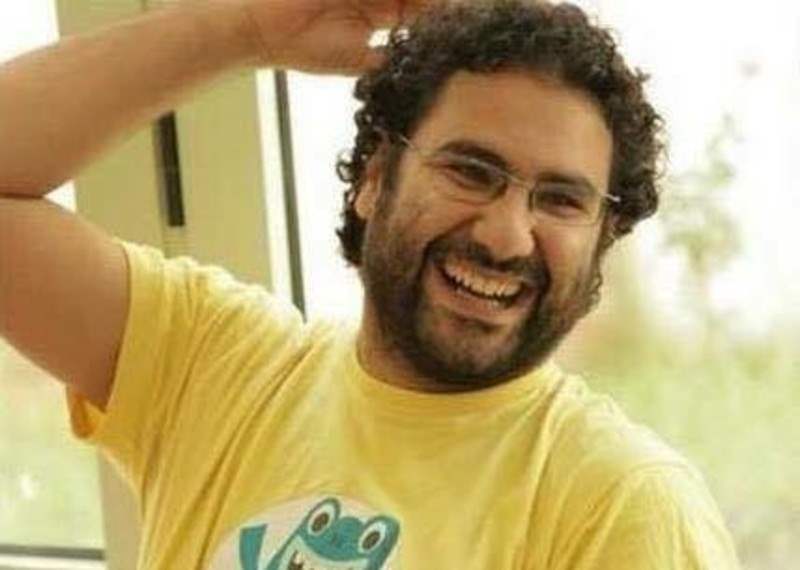
Egyptian activist Alaa Abdel Fattah released

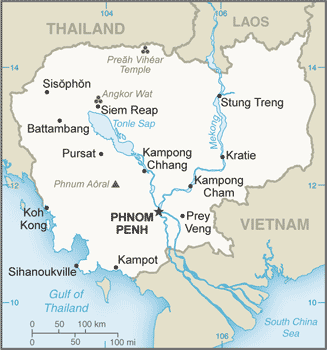
CambodiaAt least 94 people have been arbitrarily arrested in Cambodia since late July for expressing public criticism of the Cambodia-Laos-Vietnam Development Triangle Area (CLV-DTA), Human Rights Watch and Amnesty International said in a joint statement. The human rights organizations believe at least 59 of those arrested have been unlawfully detained by Cambodian authorities, and called for all charges in these cases to be immediately dropped. The Khmer Movement for Democracy states that the CLV-DTA would serve "as cover for further illegal deforestation, land evictions, and exploitation of resources for foreign gain." (Map: PCL)

Oceania

Red-Brown politics in Christchurch terror

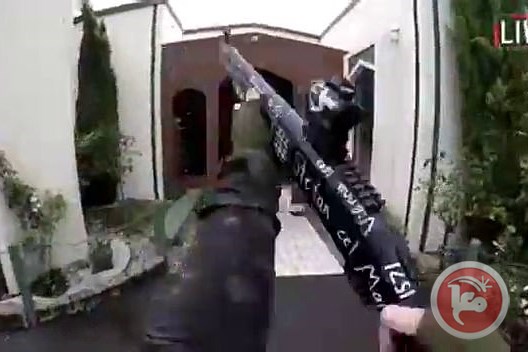
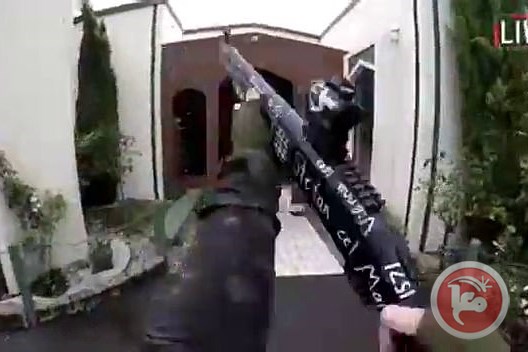
Christchurch massacreThe mass shootings at two mosques in Christchurch have left at least 49 dead and some 20 wounded, many gravely, including children. The attacks took place when the mosques were packed for Friday prayers. An Australian-born man named Brenton Tarrant has been arrested as the gunman, and three suspected accomplices also detained. Marking a new extreme in depravity, Tarrant live-streamed the massacre on Facebook, with a camera mounted on his head. The video has been removed from the web. Alas, so has his lengthy manifesto, in which he laid out his motivations for the attack. The removal is ill-considered, as being ignorant of the rhetoric employed to justify mass murder only makes potential recruits more vulnerable. CounterVortex was able to review the document before it was scrubbed from the web, and it is a study in Red-Brown politics—employing populist phrases appropriated directly from the left and wedding them to a white-supremacist ideology. (Photo via Ma'an)

Inner Asia

Podcast: Tibet and the struggle for cyberspace

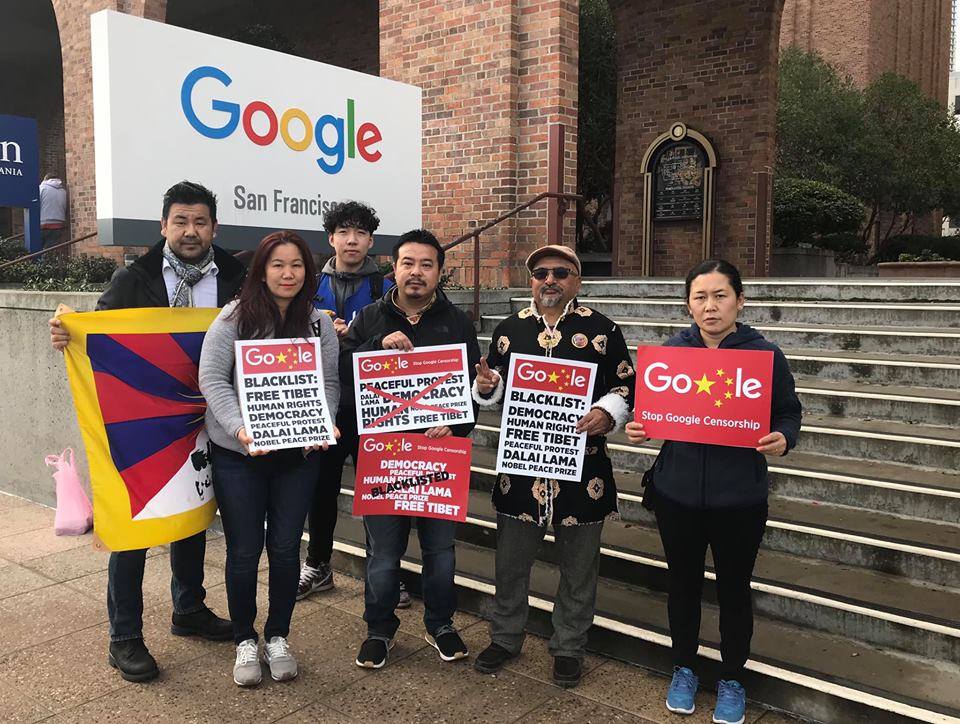
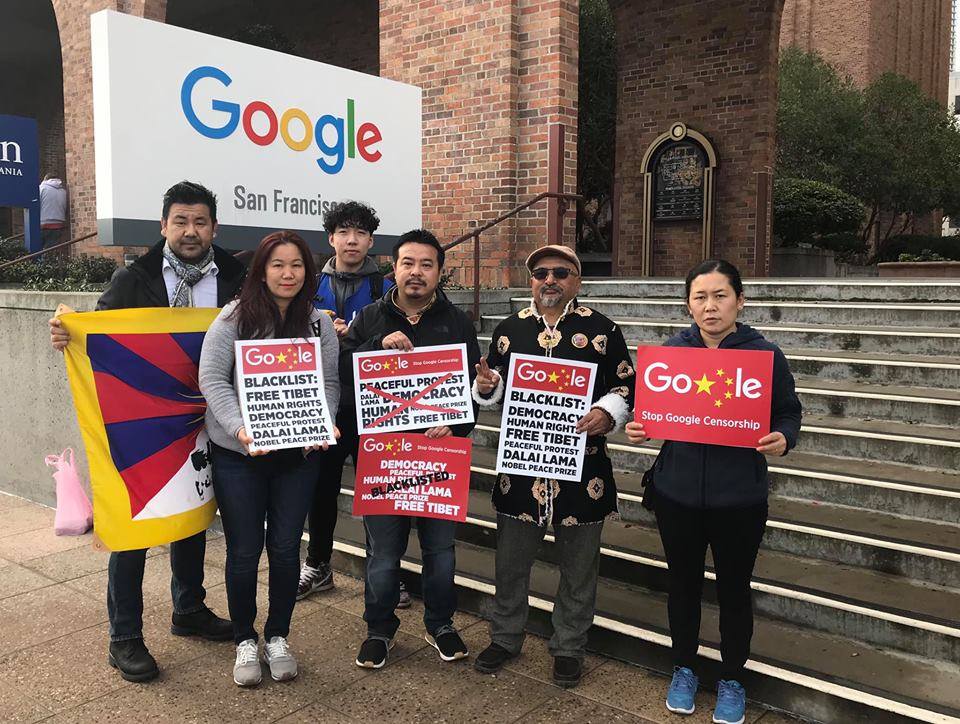
anti-googleIn Episode 28 of the CounterVortex podcast, Bill Weinberg notes with trepidation Google’s plans to develop a censored search engine for China, and thereby be allowed back through the Great Firewall to access the world's largest market. But the next and more sinister step is imposing China's draconian standards for control of information on all Internet users, worldwide. Harbingers of this are already seen in Facebook's censorship of the Tibetan struggle, and of the Kurdish struggle in Turkey, as well as initiatives to suppress footage of Israeli war crimes. While protesting such moves is imperative, the potential for such abuses in inherent to the technology—and this, ultimately, is a deeper and more complex problem that also demands a thoroughgoing critique. Listen on SoundCloud, and support our podcast via Patreon. (Photo: Students for a Free Tibet)

Iran

White House exploits Iran democracy struggle

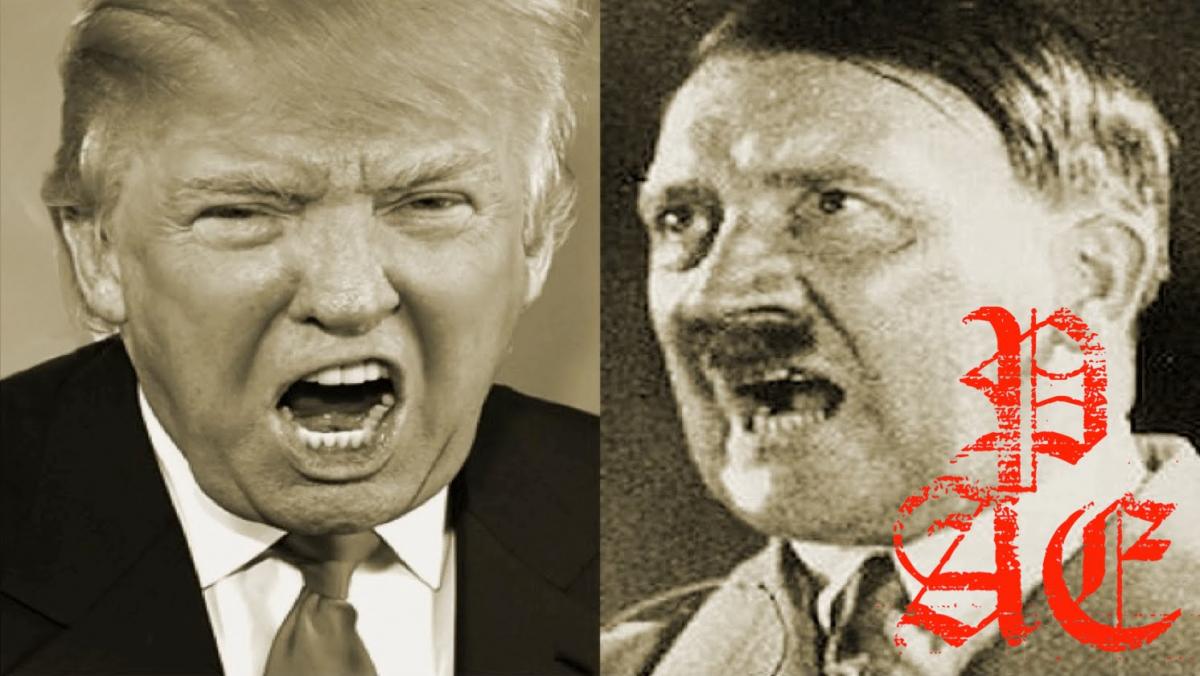
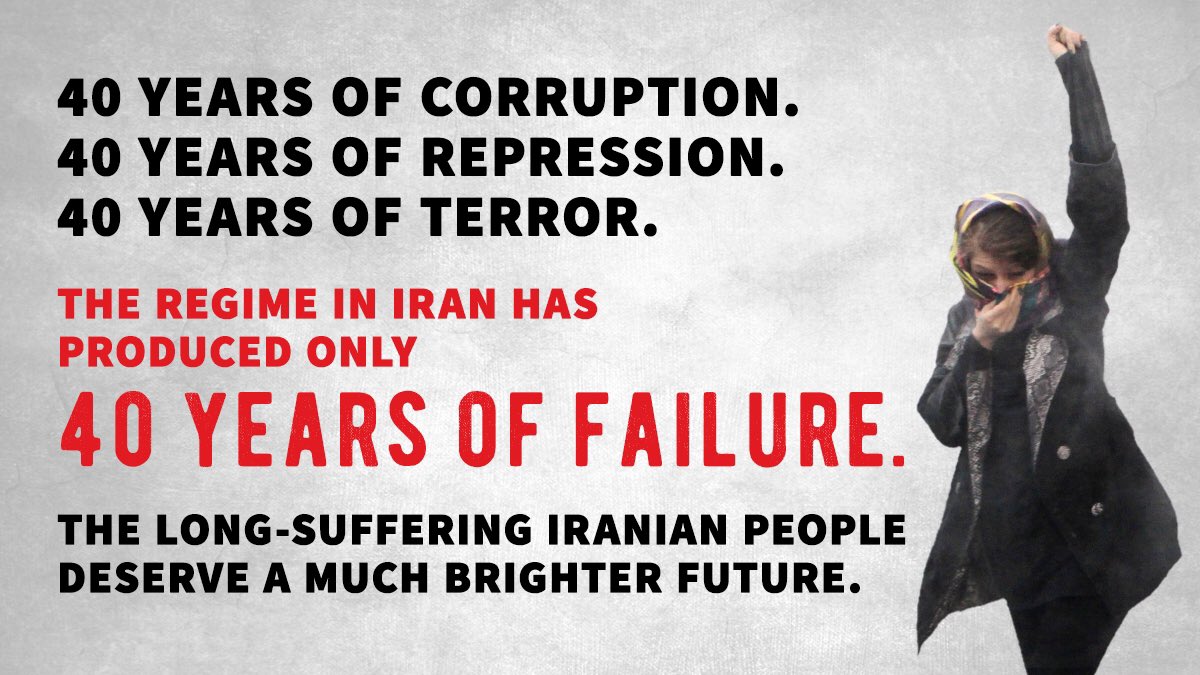
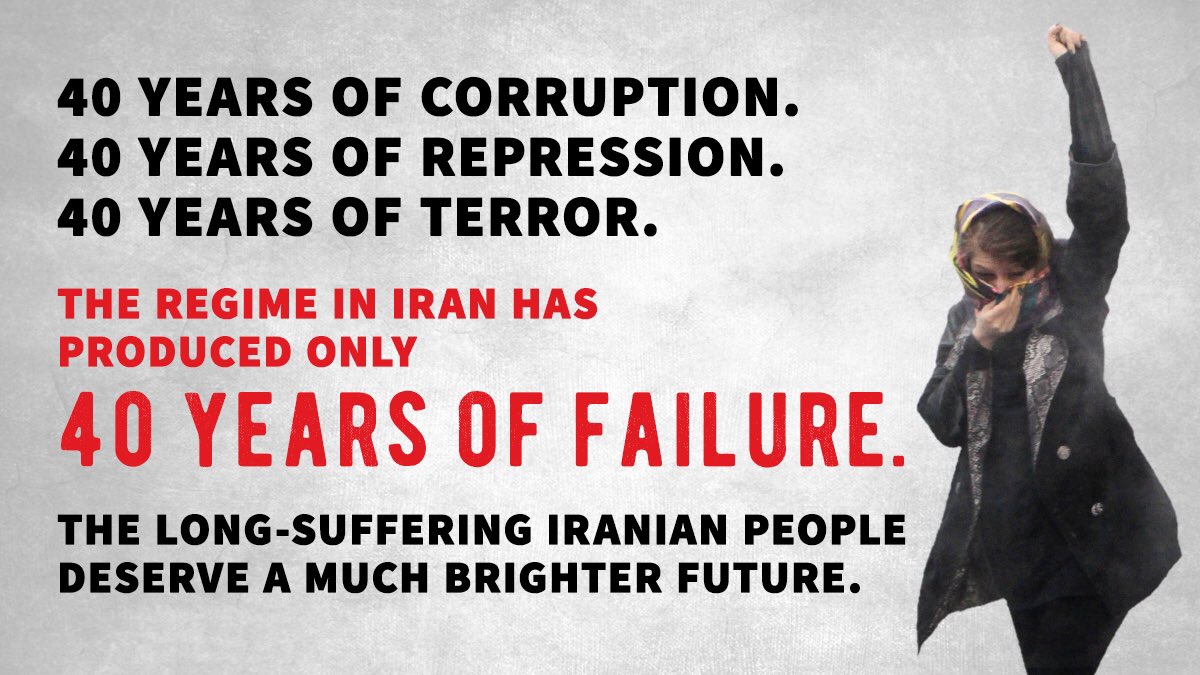
#40YearsofFailureAs in the Venezuela crisis, Donald Trump, the great enthusiast for dictators, is making a cynical pretense of concern for democracy in Iran. Fortunately, his latest bit of exploitation of the Iranian protesters has blown up in his face. Noting the anniversary of the 1979 revolution, he issued a tweet featuring a meme with an image of a student protester from the 2017 anti-austerity uprising and the words: "40 years of corruption. 40 years of repression. 40 years of terror. The regime in Iran has produced only #40YearsofFailure." Now, the courageous photographer who snapped the image at the University of Tehran in December 2017, Yalda Moayeri, comes forward to express her outrage at its co-optation by Trump. Alas, Masih Alinejad, the Iranian-American feminist who last week met with Secretary of State Mike Pompeo, seems not to get how she is endangering opposition activists in Iran, allowing the regime to paint them as pawns of imperialism. (Image via @realDonaldTrump)

Mexico

Oil and unrest in Zimbabwe, Mexico

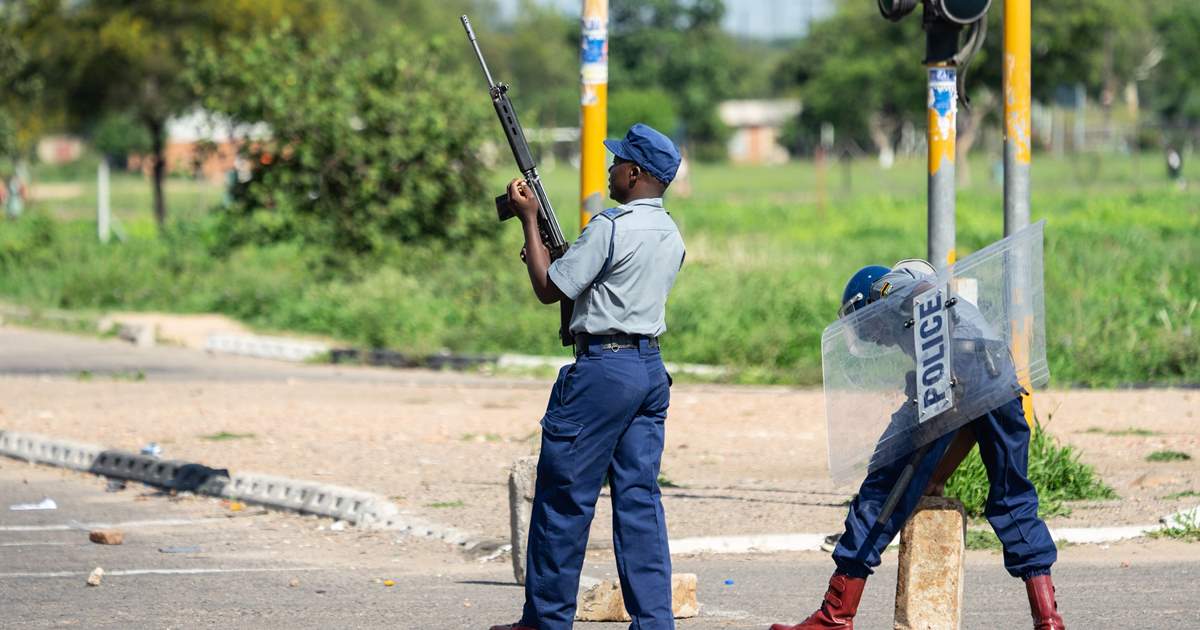
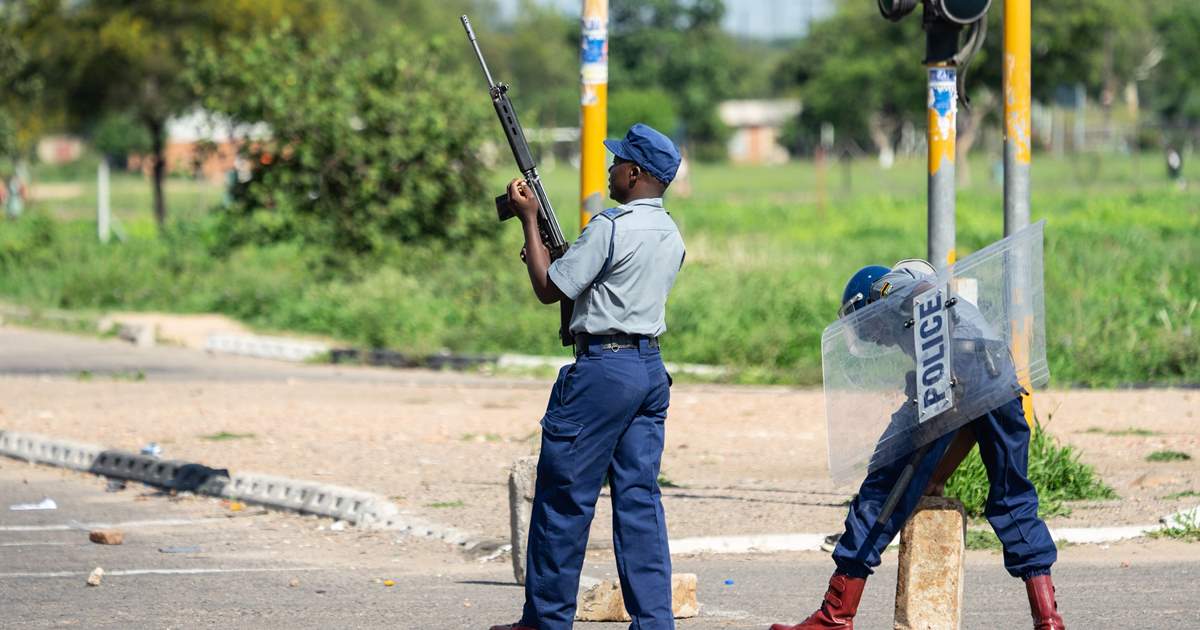
Zimbabwe unrestWorld oil prices remain depressed despite an uptick this month, driven by the Venezuela crisis and fear of US-China trade war. Yet this month also saw Zimbabwe explode into angry protests over fuel prices. The unrest was sparked when the government doubled prices, in an effort to crack down on "rampant" illegal trading. Simultaneously, long lines at gas stations are reported across Mexico—again due to a crackdown on illegal petrol trafficking. Despite all the talk in recent years about how low oil prices are now permanent (mirrored, of course, in the similar talk 10 years ago about how high prices were permanent), the crises in Zimbabwe and Mexico may be harbingers of a coming global shock. (Photo via Amnesty International)