
Iran
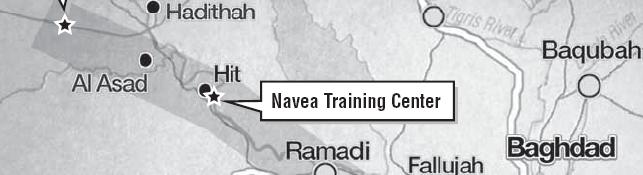
asad base

US-Iran brinkmanship: is it still a charade?
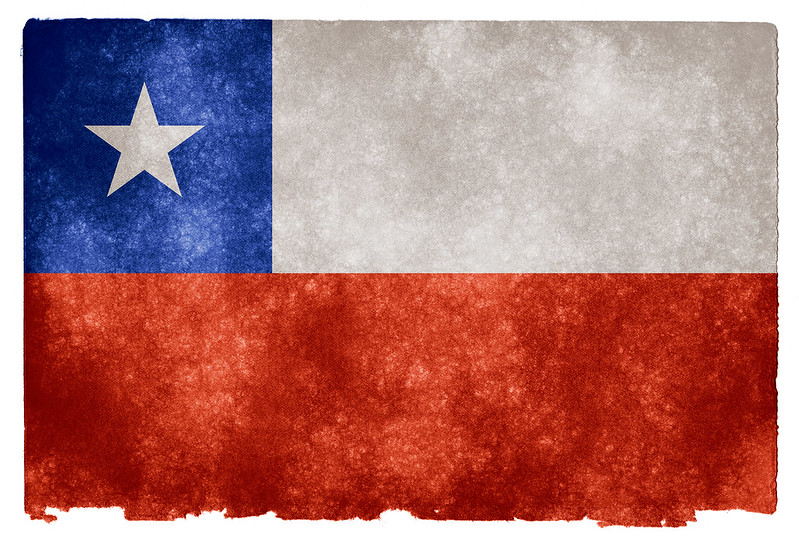
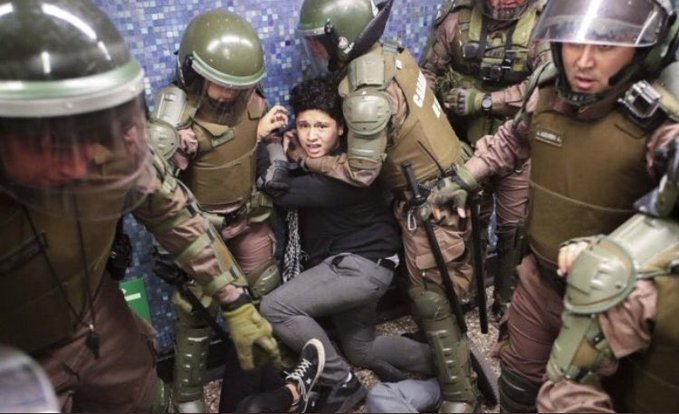
ChileHuman Rights Watch called for the Chilean National Congress to reject a proposed package of constitutional amendments addressing "national security" questions being pushed by President José Antonio Kast. HRW charged that the amendments, supposedly aimed at fighting organized crime, would undermine due process and human rights protections. Terms of the amendments would allow the president to instate a 240-day state of emergency without legislative approval, suspending the right of assembly and other personal freedoms. Additionally, measures would allow for the seizure of personal property without normal due process. (Image: Nicolas Raymond via Flickr)
Iran
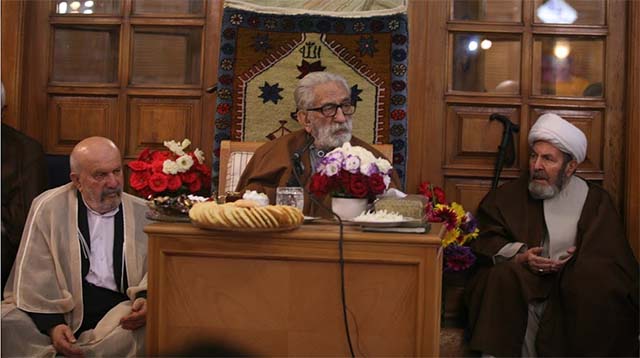
Tabandeh

Iran on edge following death of Sufi leader

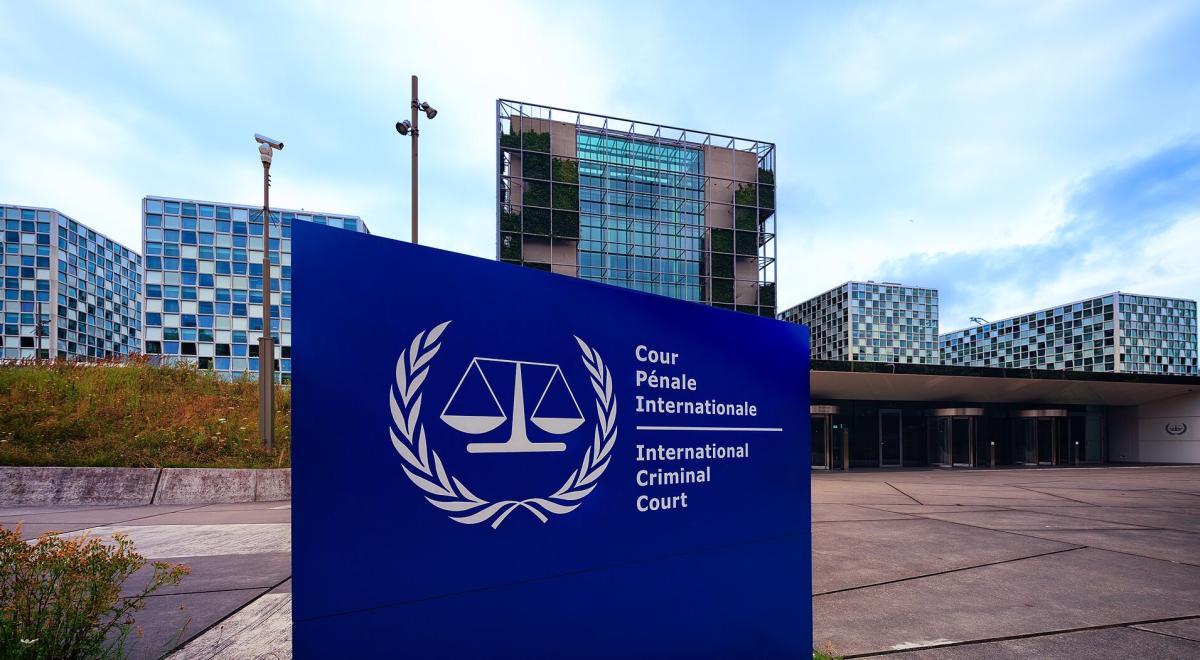
ICCThe United Nations Independent International Fact-Finding Mission on Venezuela called on the Venezuelan government to reverse its decision to withdraw from the Rome Statute, the treaty that established the International Criminal Court (ICC), warning that leaving the ICC would weaken accountability for serious human rights violations and limit victims' access to justice. (Photo: Tony Webster via Wikimedia Commons)

Africa
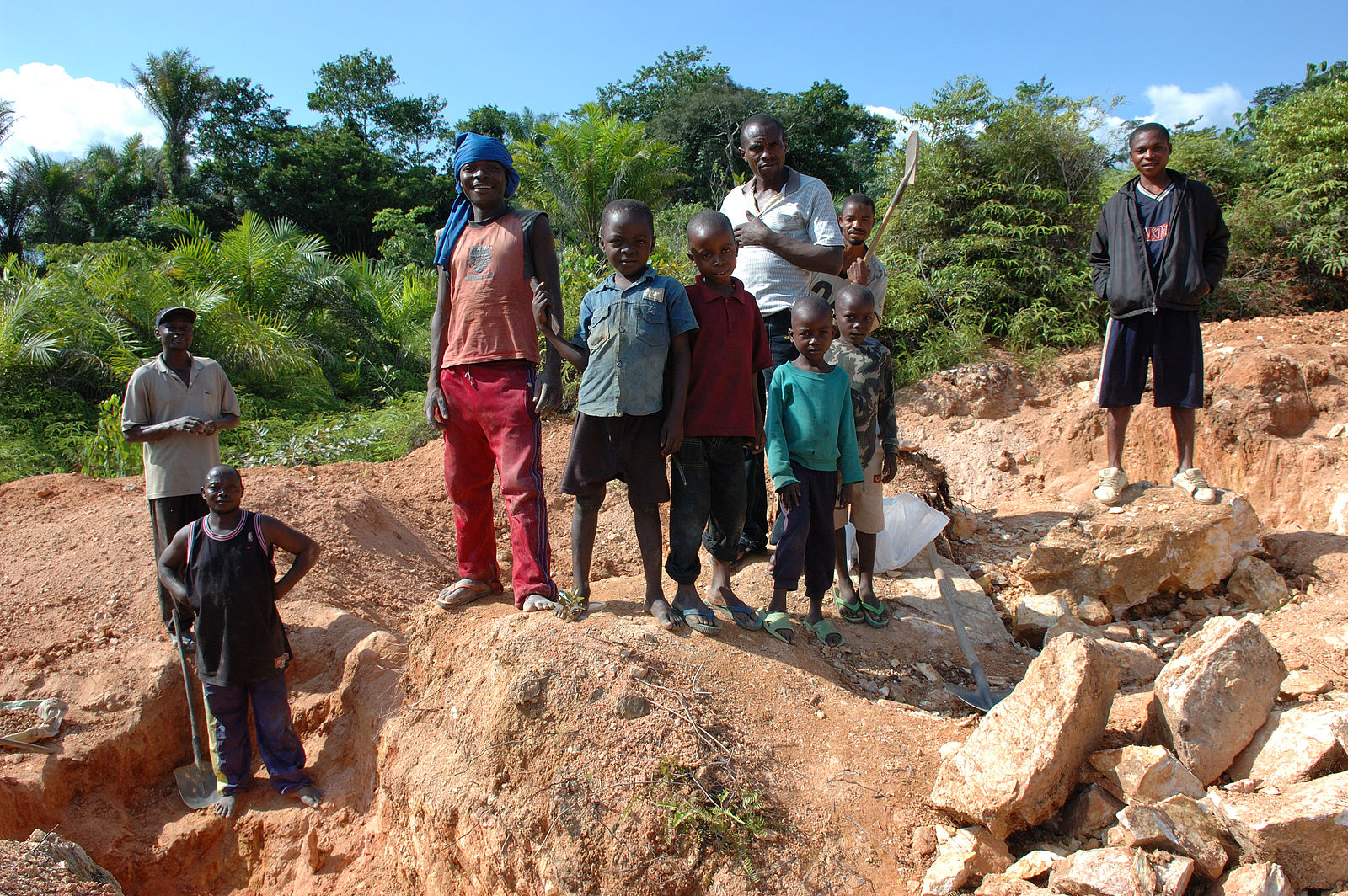
Congo mining

Congolese survivors sue US tech companies

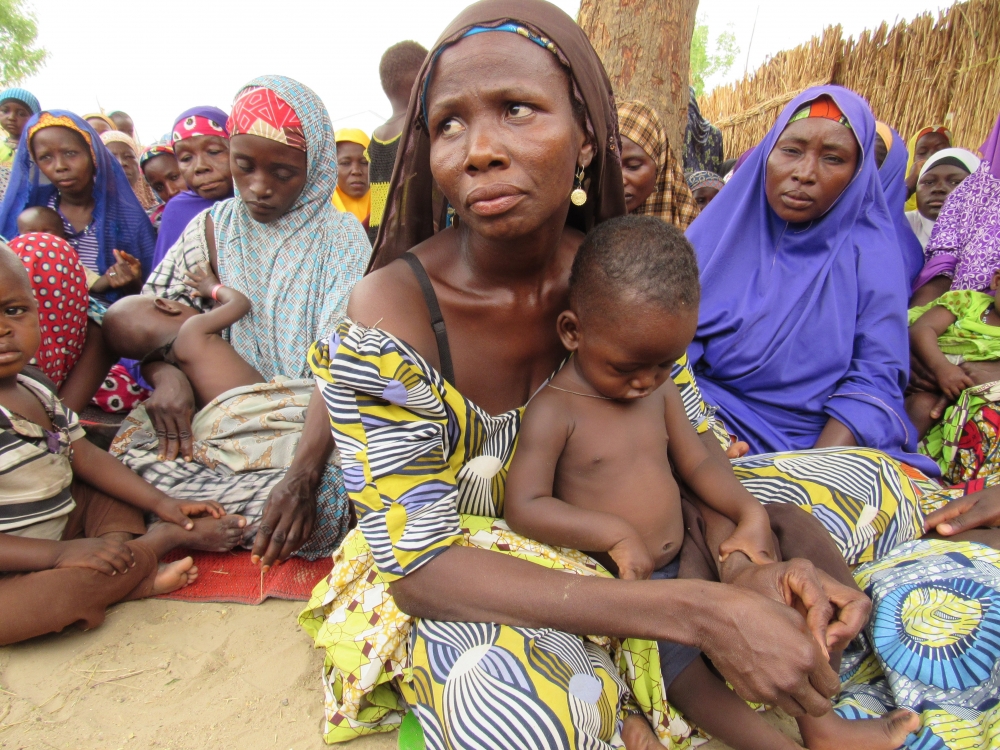
ChibokUN rights experts condemned Nigerian authorities in response to ongoing reports that mass killings, kidnappings, forced conversion, sexual violence, and enforced disappearances are disproportionately targeting women and girls in Christian and minority religious communities. (Photo: Hilary Matfess/IRIN)

South Asia
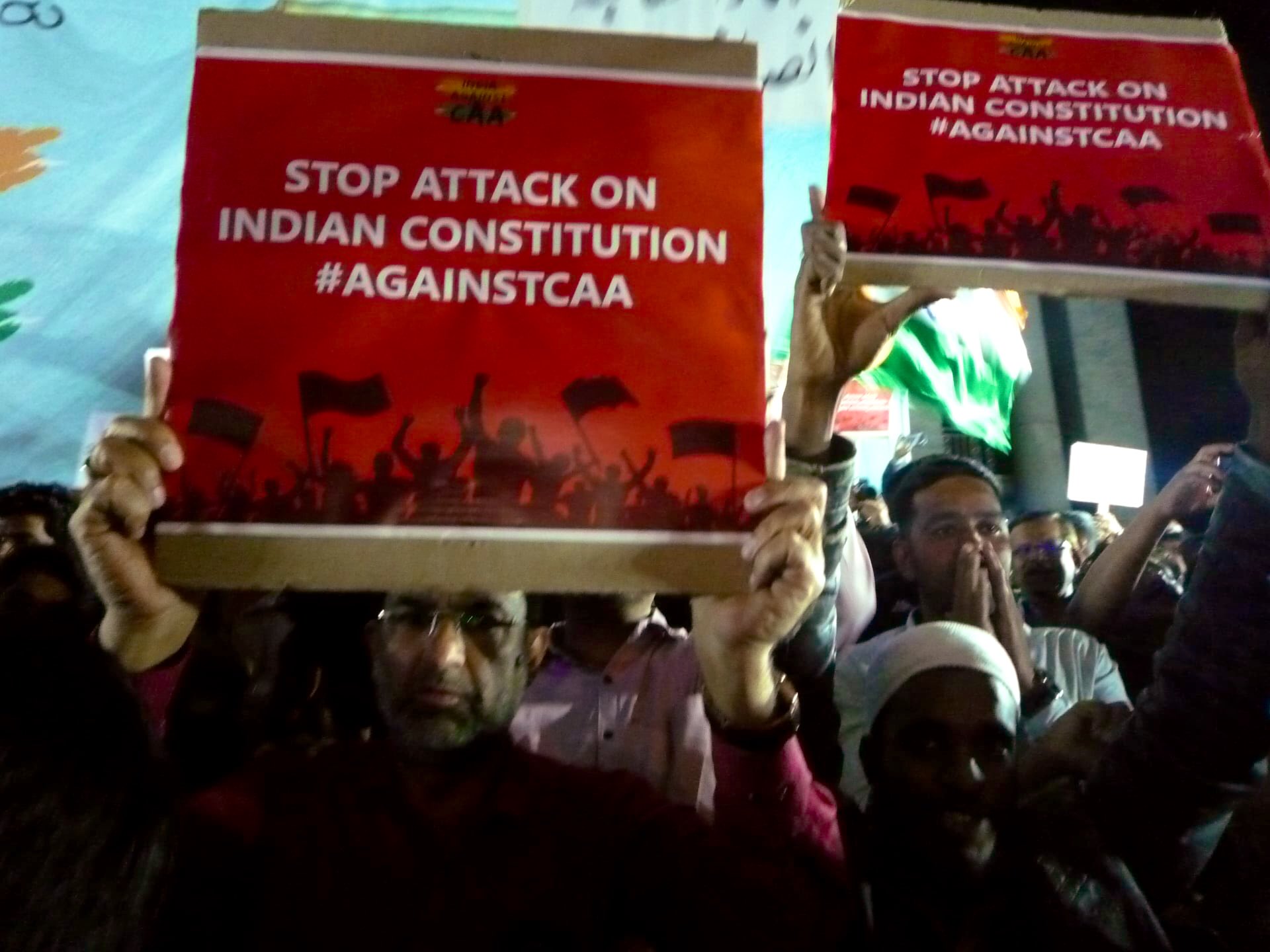
CAA

Protests sweep India over citizenship law

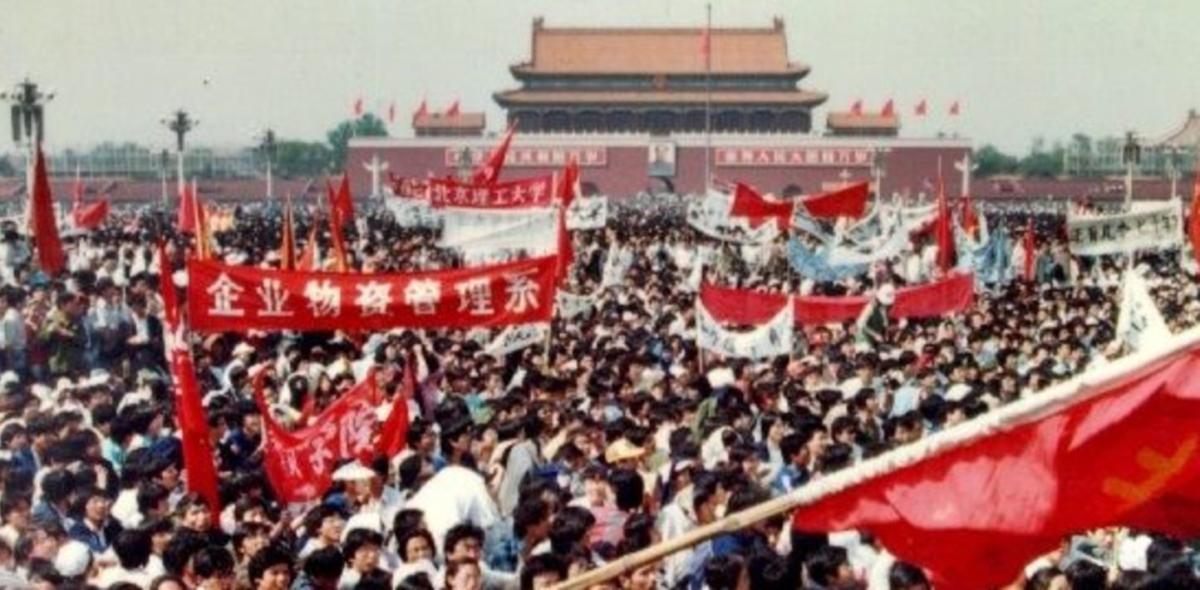
Tiananmen SquareAmnesty International condemned China for banning family members from visiting the resting places of people who perished in the 1989 Tiananmen Square repression. This is the first time in 37 years that the Chinese authorities have banned the visit. According to the Tiananmen Mothers group, the authorities notified family members of people who lost their lives in the 1989 massacre that they cannot travel to Beijing's Wan'an Cemetery or conduct any commemoration in the cemetery. (Photo: Hong Kong Alliance via Amnesty International)

Iran
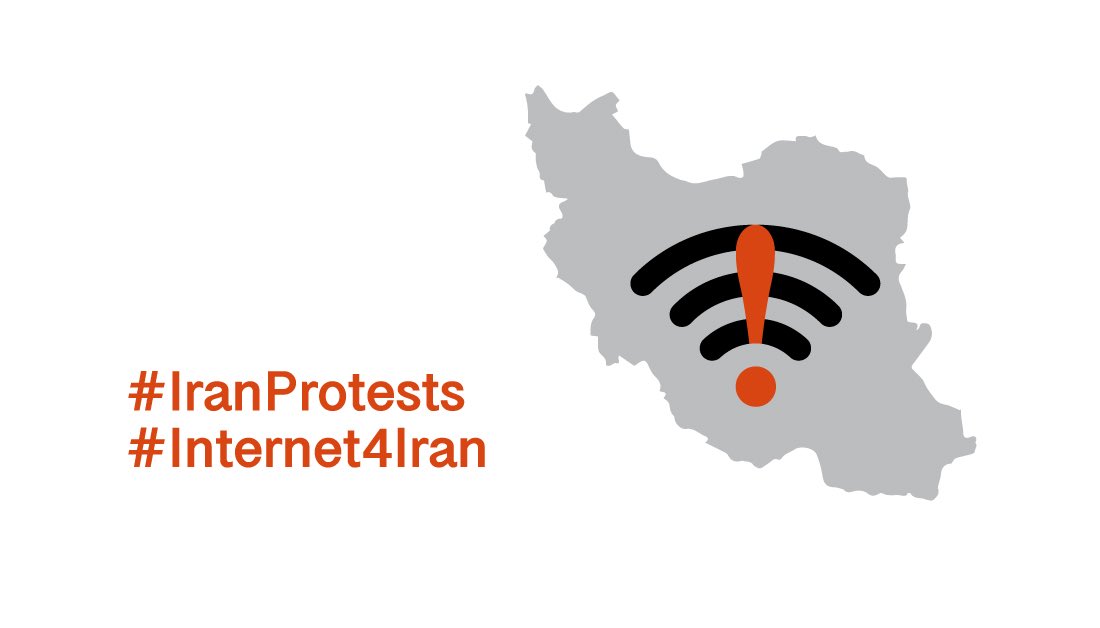
#iranprotests

Net silence as Iran explodes into protest

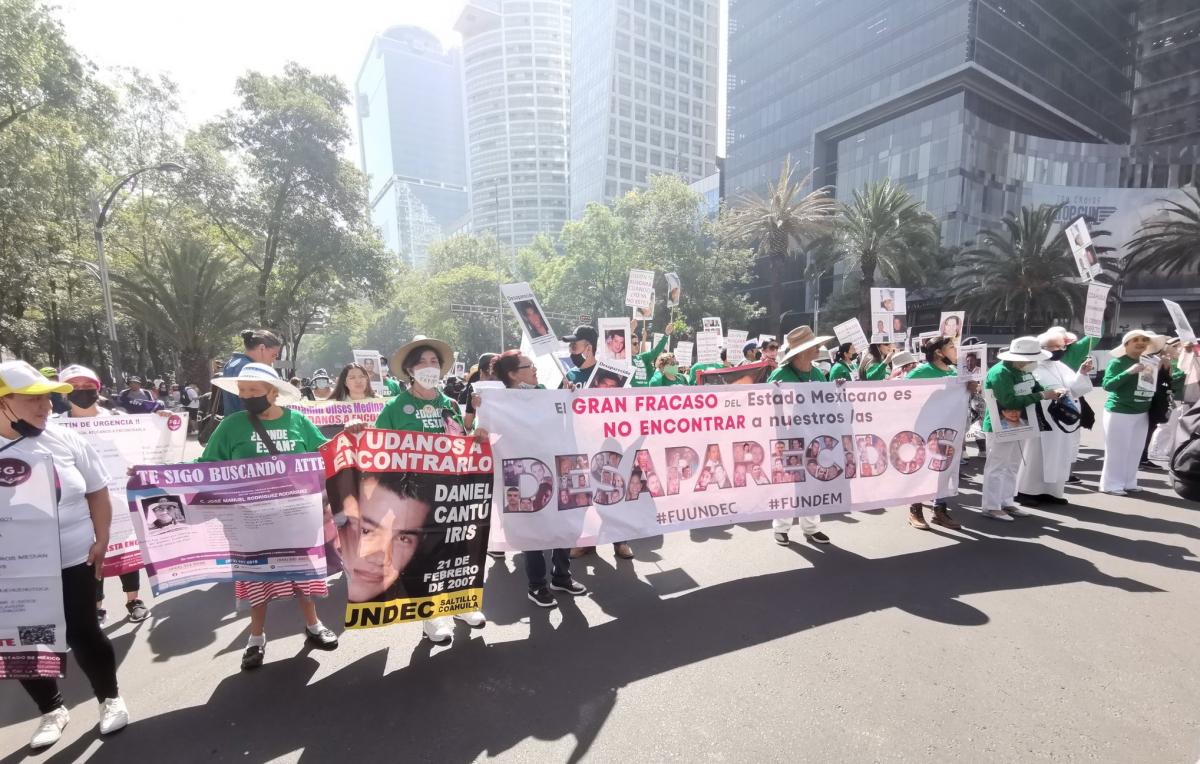
madresThe UN Committee on Enforced Disappearances (CED) requested that the United Nations secretary-general refer the crisis of enforced disappearances in Mexico to the General Assembly for consideration of response measures. The CED announced that since it began monitoring the situation in 2012 it had received "well-founded indications that enforced disappearances in Mexico have been and continue to be committed as crimes against humanity." The findings included the ongoing discovery of clandestine graves, with an estimated 4,500 graves found, containing over 6,200 bodies and 4,600 sets of human remains. This contributes to a total of approximately 72,000 unidentified human remains found by authorities or self-organized citizen search committees. (Photo via Twitter)

Southeast Asia
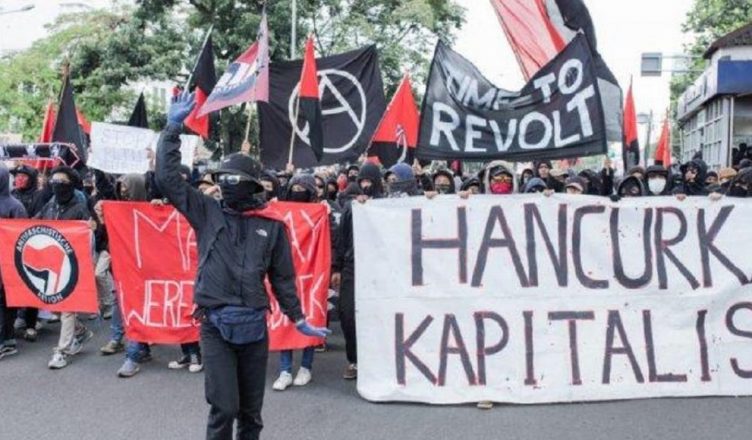
Indonesia anarchists

Indonesia: inauguration amid revolt, repression

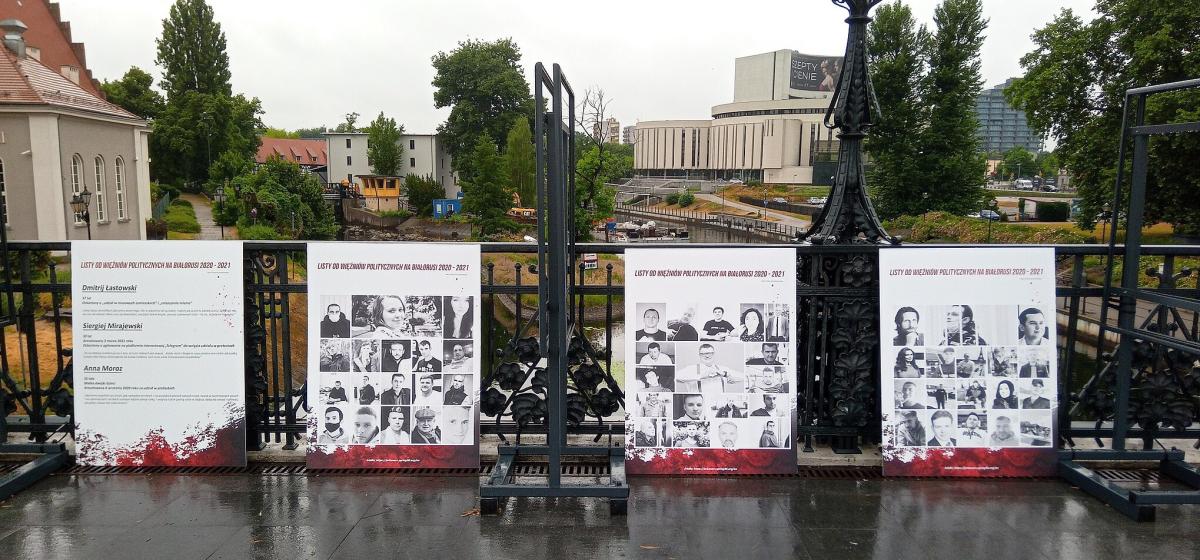
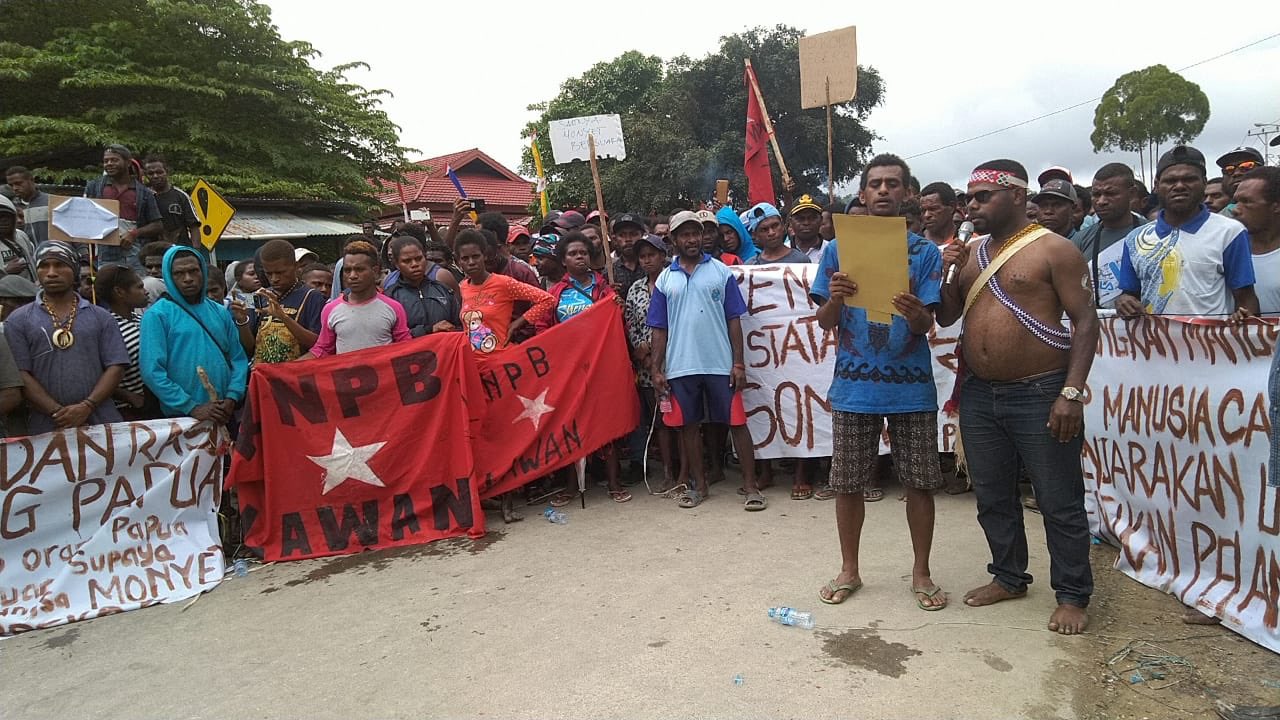
Belarusian prisonersBelarusian prisoner of conscience and opposition politician Mikalai Statkevich was released from imprisonment weeks after suffering a stroke. Following his release, Amnesty International reiterated the need for justice for victims of human rights violations in Belarus. Statkevich, imprisoned for his role in the 2020 post-electoral protests, was one of 52 Belarusian prisoners released in September following a deal with the US. Upon their release, Belarusian authorities attempted to deport the 52 former prisoners. While they were being brought to the Lithuanian border, Statkevich forced his way out of the bus, declaring, "I will keep fighting." Statkevich was then detained again and transported to a penal colony. The stroke precipitated his release, but Amnesty stressed that being released due to failing health does not constitute justice. The Belarusian Human Rights Centre Viasna reports that 1,142 political prisoners remain incarcerated in Belarus. (Image: Monument to Belarusian political prisoners in Bydgoszcz, Poland. Source: Паўлюк Шапецька via Wikimedia Commons)

Southern Cone
Santiago protest

Econo-protests from Santiago to Beirut

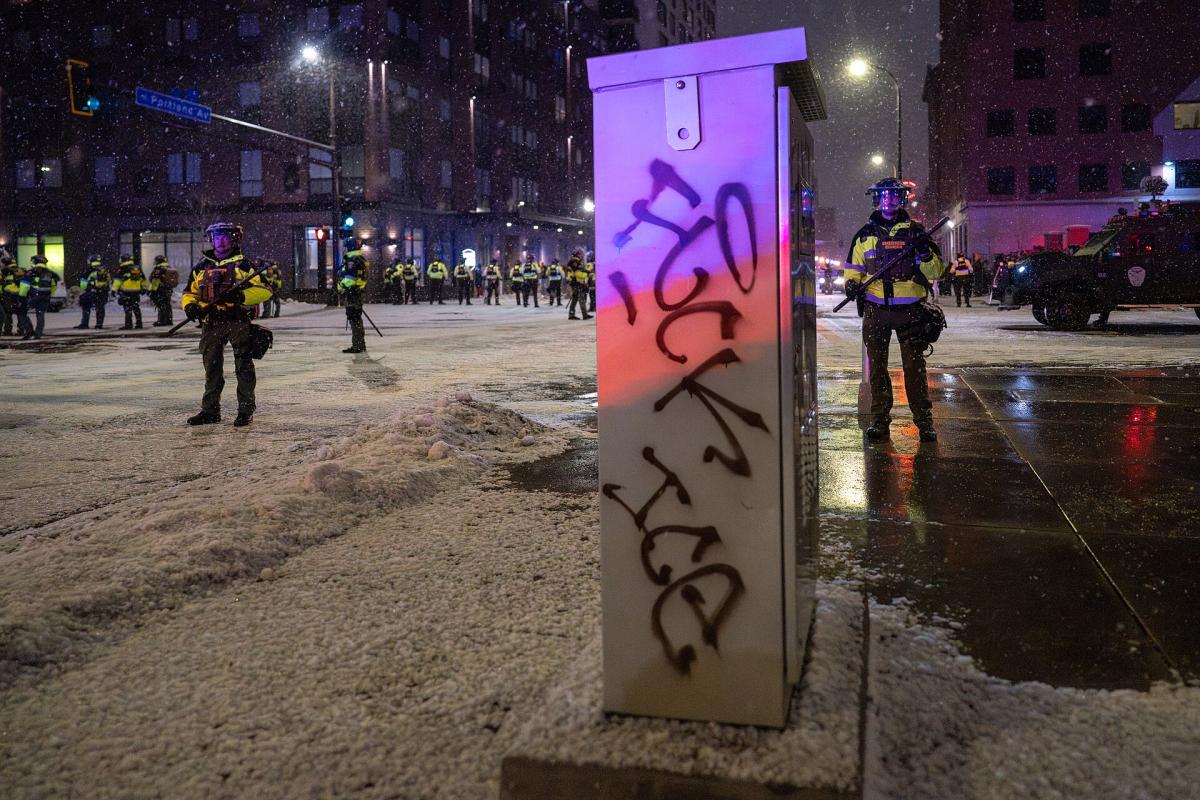
Fuck ICEPresident Donald Trump warned that he may invoke the Insurrection Act to deploy troops in Minnesota to quell protests over the massive deployment of Immigration & Customs Enforcement (ICE) agents to the Twin Cities. The Insurrection Ac, originally enacted in 1792, allows the president to "call into Federal service such of the militia of the other States" in order to suppress insurrection or rebellion. The Insurrection Act has not been significantly updated in over 150 years, and the last time a US president invoked the Act was in 1992, when President George HW Bush received a request from then-California Governor Pete Wilson to help address riots in Los Angeles. Trump has broached invoking the Act before, and has since met with reversals in the courts over his efforts to mobilize National Guard troops under the executive's constitutional "authority to suppress rebellion." (Photo: Chad Davis via Wikimedia Commons)

Greater Middle East
Kurdish refugees

‘Ceasefire’ or ethnic cleansing in northeast Syria?

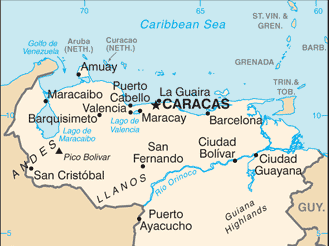
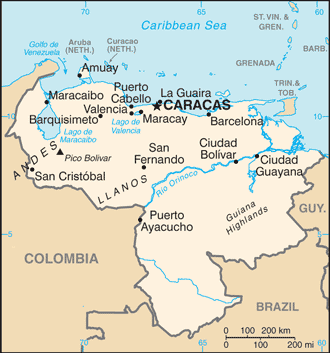
VenezuelaPresident Trump issued an executive order declaring a "national emergency" a to block judicial processes from being instituted against Venezuelan oil funds held in the US, on the basis that it would "materially harm the national security and foreign policy of the United States." This order follows statements from Trump that US oil companies will invest billions in Venezuela, with his Energy Secretary Chris Wright saying that the US will control and market Venezuela's oil "indefinitely." However, the CEO of ExxonMobil, Darren Woods, expressed concern about conditions in Venezuela, saying that country is currently "un-investable." Trump responded angrily that he was "inclined" to keep ExxonMobil out of Venezuela. Companies including ExxonMobil and ConocoPhillips say that Venezuela owes them billions of dollars over lost investments. Trump's executive order could hinder these companies from recovering their claims. (Map: Perry-Castañeda Library)

Oceania

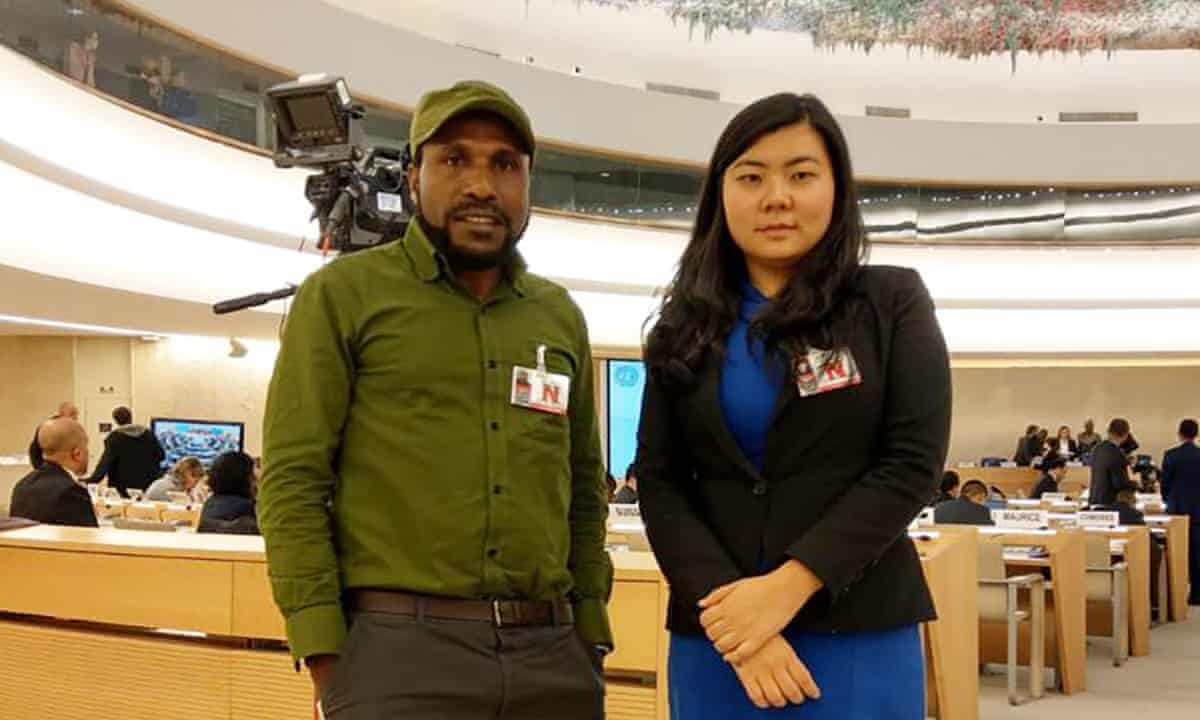
West Papua rights lawyer faces imprisonment

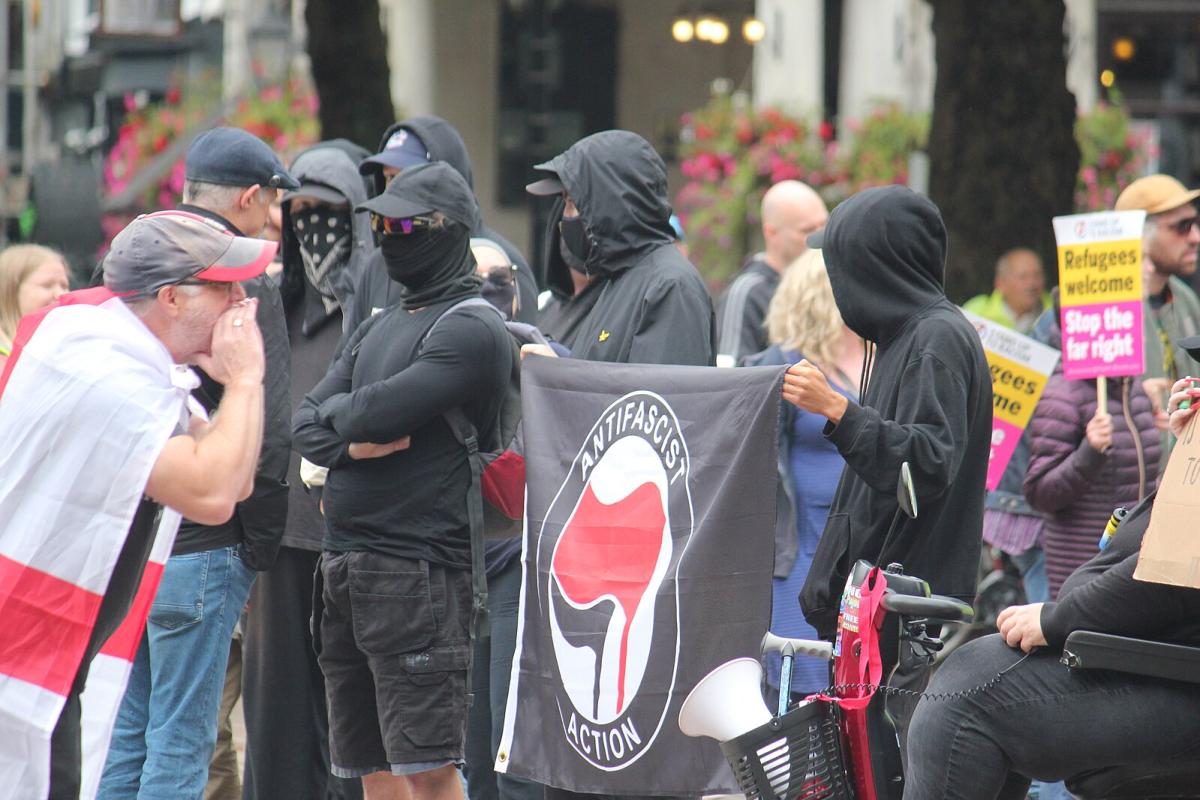
antifaPresident Donald Trump signed an executive order designating Antifa a "domestic terrorist organization." The order calls Antifa a "militarist, anarchist enterprise that explicitly calls for the overthrow of the United States Government." Asserting a pattern of political violence, the order instructs executive agencies to "investigate, disrupt, and dismantle any and all illegal operations" of Antifa and related persons. A fact sheet from the Trump administration describes examples of political violence which it attributes to Antifa, including assaults against Immigration & Customs Enforcement (ICE) agents. (Photo: Antifa confronting far-right rally in Portsmouth, UK. Credit: Tim Sheerman-Chase via Wikimedia Commons)

Oceania

Net silence in strife-torn West Papua

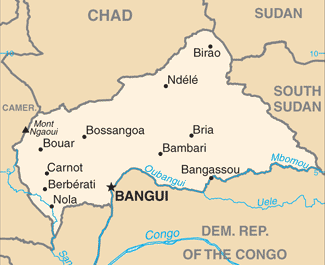
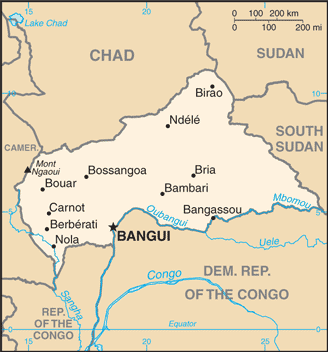
Central African RepublicThe International Criminal Court (ICC) convicted two Anti-Balaka militia leaders for war crimes and crimes against humanity committed in the Central African Republic between 2013 and 2014. The pair were sentenced to 12 and 15 years in prison. The ICC found that the two led a campaign of violence targeting Muslim civilians in retaliation for months of looting and violence carried out by the Muslim-led Séléka rebel coalition, which had seized power in 2013. The convictions include charges of murder, intentionally attacking civilian populations, forcible transfer, torture and other inhumane acts, and persecution. (Map via Perry-Castañeda Library Map Collection)

South Asia
Kashmir

Militarization as Delhi prepares to dismantle Kashmir

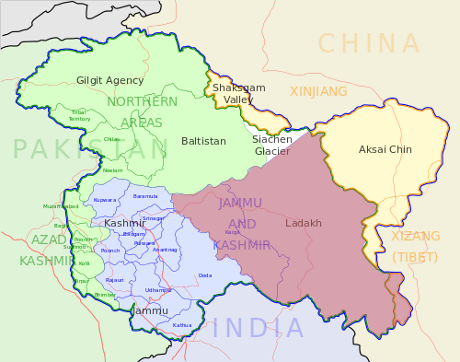
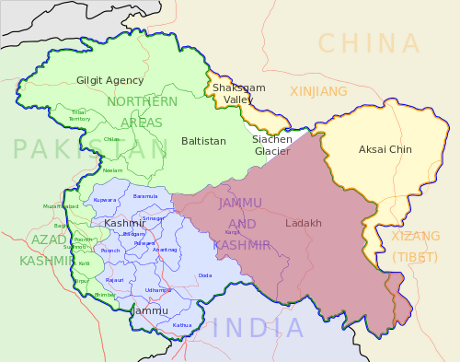
KashmirIndia's government has flooded the northern state of Jammu & Kashmir with troops and cut off internet access upon announcing the revocation of its constitutionally protected autonomy, and plans to divide the disputed territory into two new political entities with reduced power. Article 370 of India's constitution grants Jammu & Kashmir a high degree of autonomy, a concession to the demands of the territory's Muslim majority, many of whom favor independence or union with Pakistan. In addition to abrogating Article 370, Delhi announced plans for a bill to divide India-controlled Kashmir into two "union territories," which have less powers of self-government than states. A reduced Jammu & Kashmir Union territory would continue, at least, to have a legislature. But it would be separated from the Buddhist-majority region of Ladakh, which is to become its own union territory, without a legislature. Complicating matters further is that the populace of Ladakh itself is divided along sectarian and regional lines. News of the plan to separate Ladakh from Jammu & Kashmir was met with jubilation in the principal Buddhist town of Leh, but with foreboding in Kargil, an enclave within Ladakh inhabited by Ismaili Muslims.  (Map via Wikipedia)

East Asia

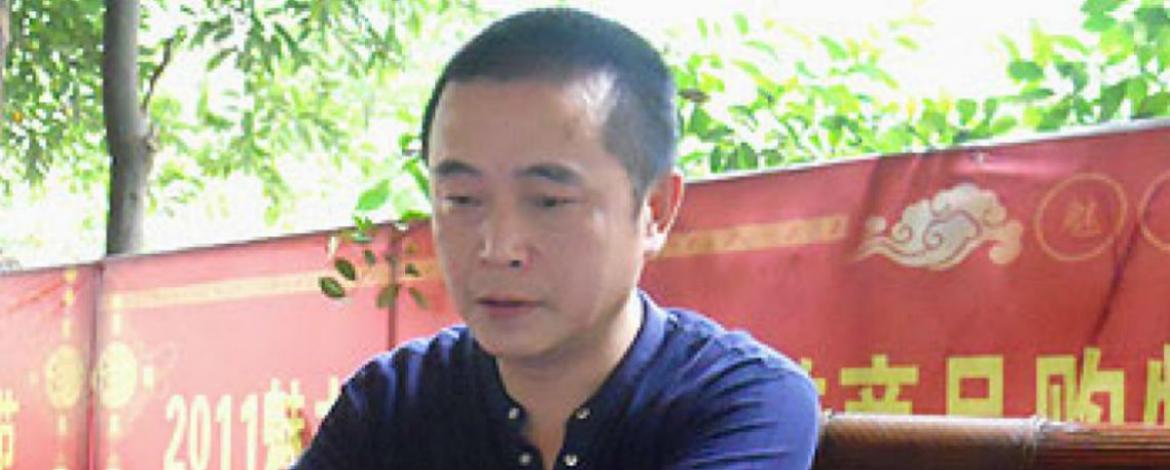
China: dissident journalist Huang Qi gets 12 years in prison

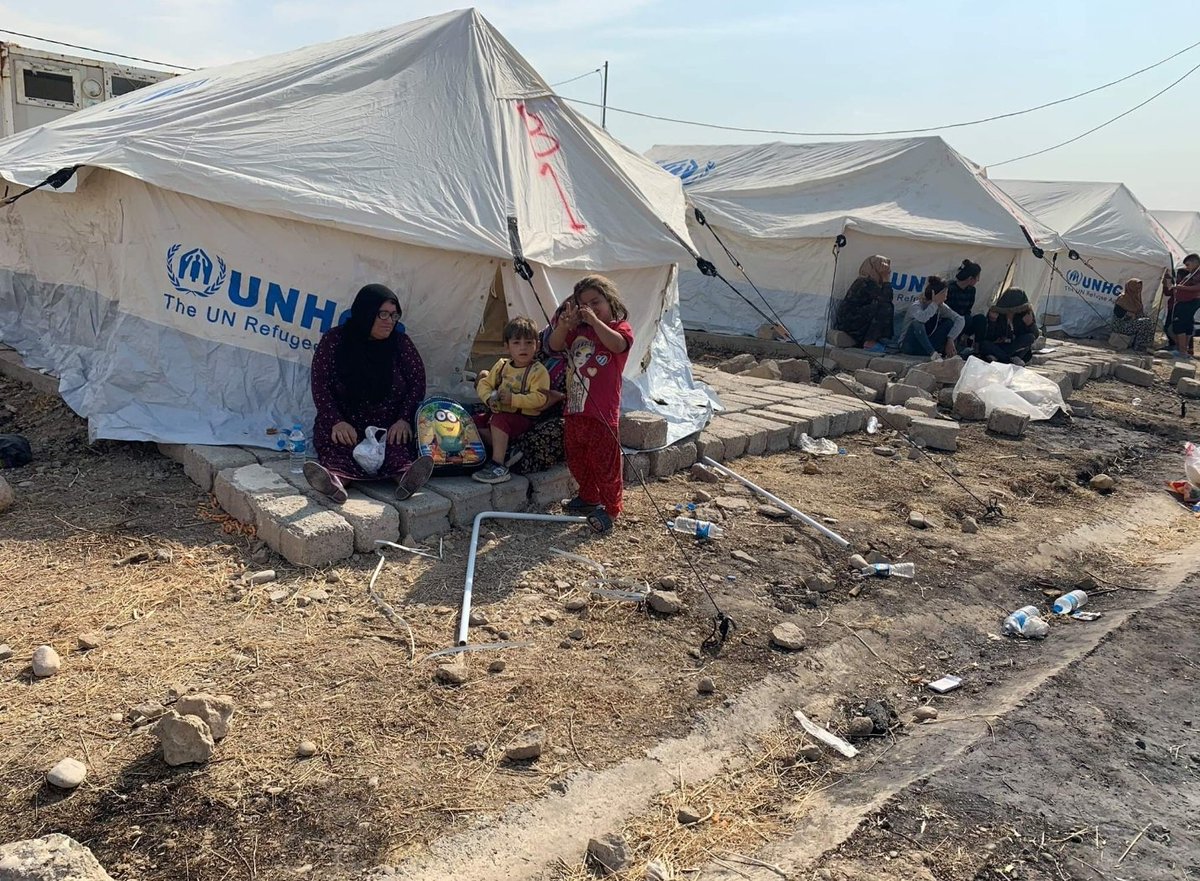
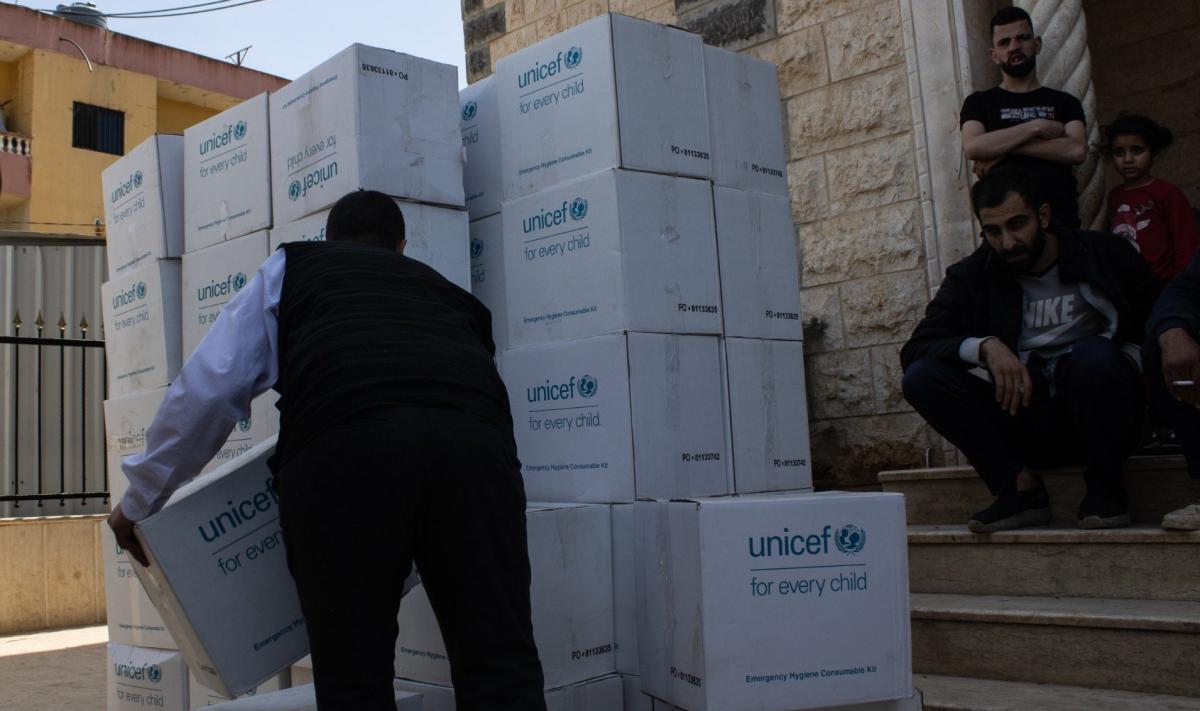
LebanonNearly 40,000 people have fled Syria's sectarian violence for neighboring Lebanon over the past three months. With many fearful of returning anytime soon, their arrival adds a new layer to Lebanon's protracted humanitarian crisis at a moment when aid groups are badly underfunded and overstretched. Most of the new arrivals are Alawites, a religious minority targeted in a wave of killings in March that saw forces aligned with the new Syrian government carry out retaliatory massacres in Alawite-majority areas. This came after groups loyal to the former regime of Bashar al-Assad attacked security forces. Assad is an Alawite and Syria's coastal province of Latakia, where the attack took place, was his stronghold of support. (Photo: Aid boxes arrive at the Massoudiyeh mosque. Credit: Hanna Davis/TNH)