

East Asia
East Turkistan

Podcast: the politics of separatism in China
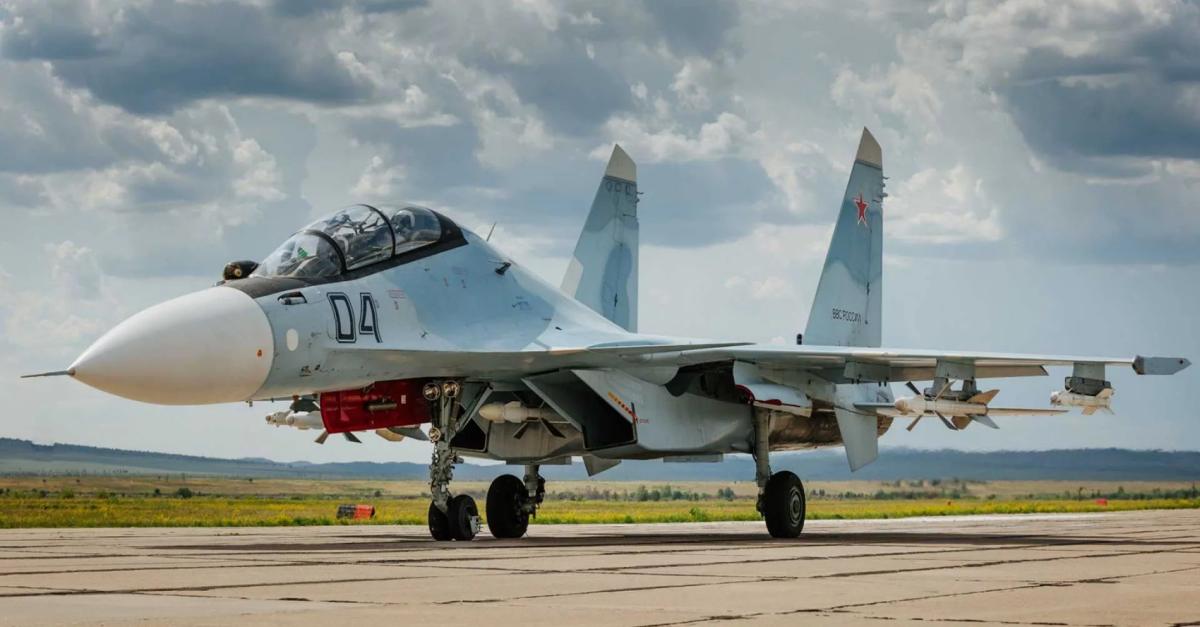
warplaneFollowing his visit to Moscow for the Victory Day celebrations earlier this month, Burmese junta leader Min Aung Hlaing thanked Russia for the fighter jets and helicopters it has provided his military government. The junta, which came to power in the February 2021 coup, is currently facing an insurgency by a number of armed ethnic and opposition groups across Burma. Rights groups accuse the Tatmadaw, as the Burmese military is known, of routinely targeting civilian populations and infrastructure in its aerial attacks. While in Moscow, Min Aung Hlaing also met for the first time with Chinese leader Xi Jinping, another key patron of his regime (Photo: Russia MoD via The Irrawaddy)
Watching the Shadows

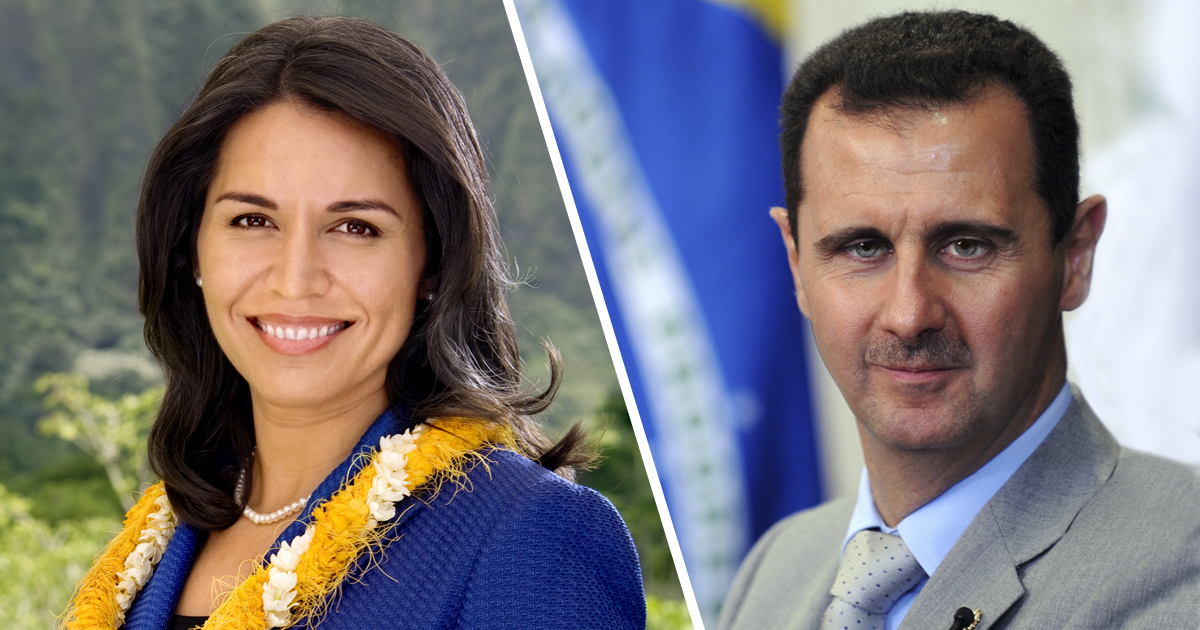
Podcast: Tulsi Gabbard, paradoxical hippie fascist

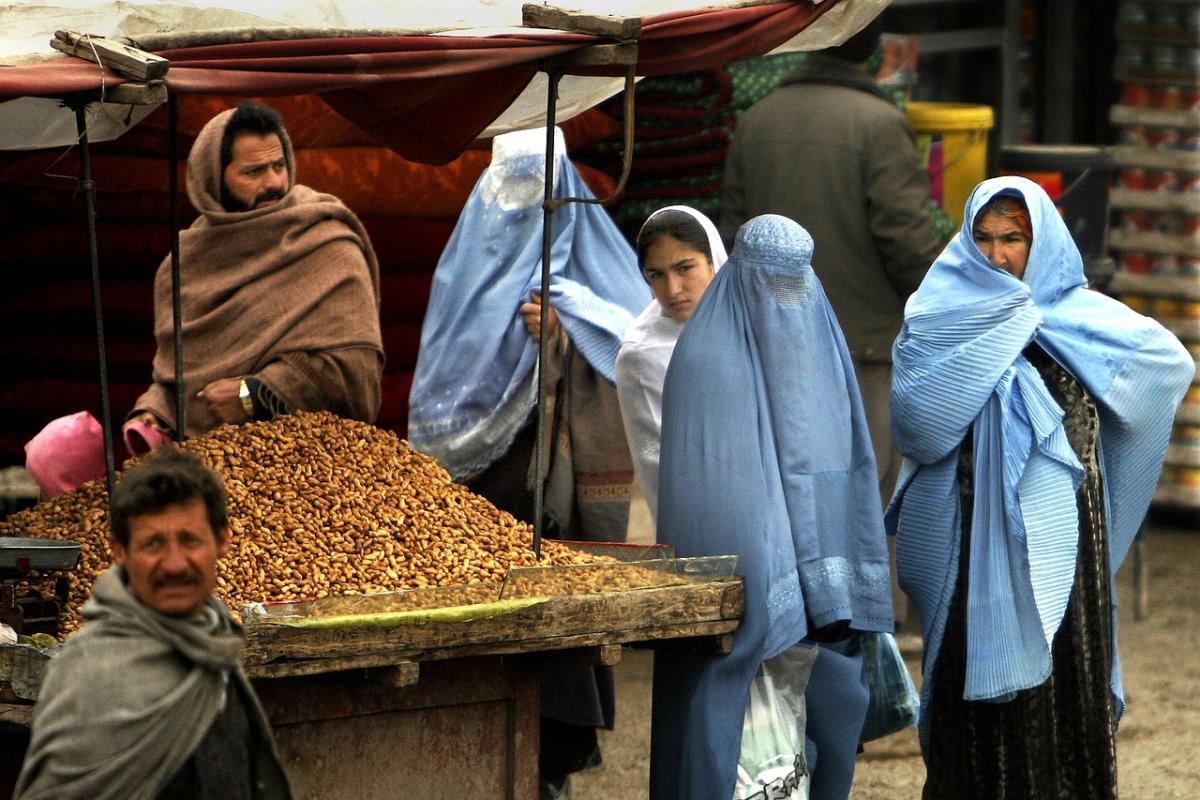
burqaRussia became the first country to formally recognize the Taliban government in Afghanistan, with the Taliban flag raised at the Afghan embassy in Moscow. Earlier this year, Russia removed the Taliban from its list of terrorist organizations, citing "the need for cooperation in combating drug trafficking and terrorism, as well as building economic ties." The move to recognize the regime comes weeks after the UN Assistance Mission in Afghanistan shared evidence of systematic discrimination against women under Taliban rule. (Photo: 12019/Pixabay via Jurist)

Greater Middle East
CNT

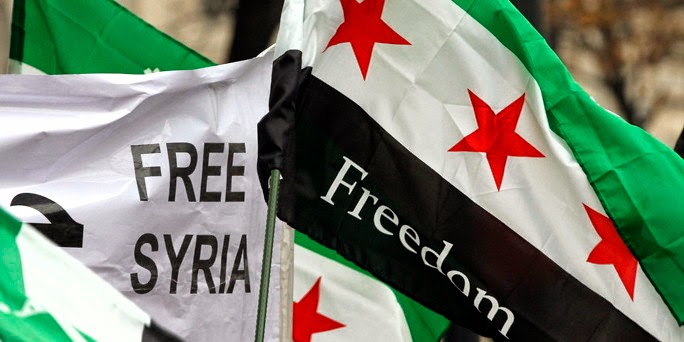
Podcast: Spain 1939 = Syria 2019?

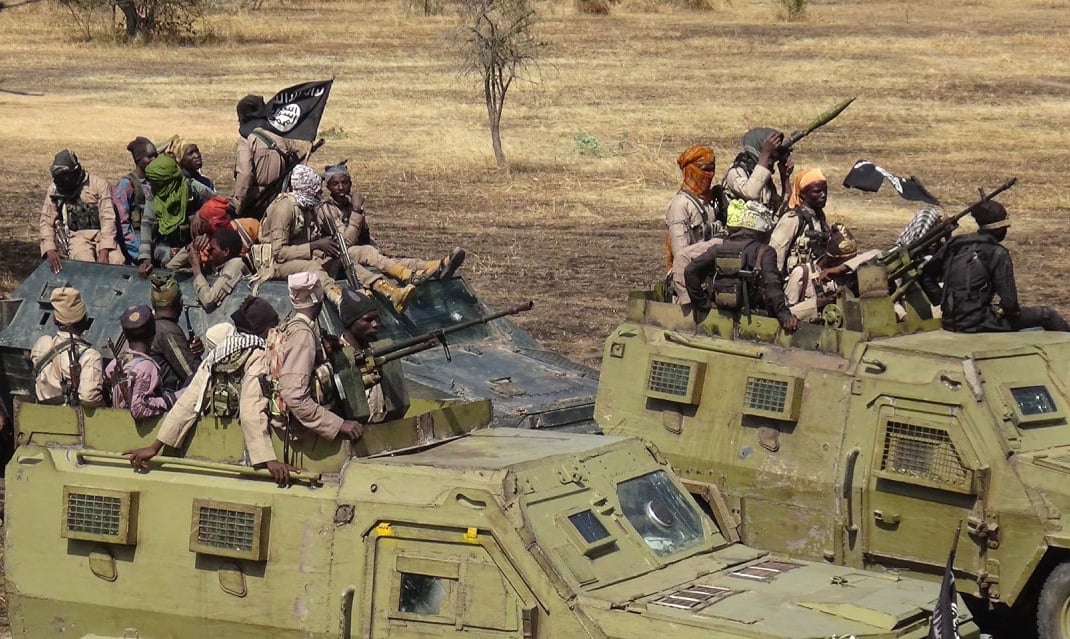
ISWAPThe so-called Islamic State West Africa Province (ISWAP) insurgent group has launched its most successful military campaign to date in northeast Nigeria's Lake Chad Basin. Throughout May, ISWAP raided a series of supposedly impenetrable army bases, forcing the military's withdrawal and the displacement of civilian communities—some of whom had been recently resettled by the Borno State government following its closure of IDP camps in state capital Maiduguri. This renewed campaign highlights the major challenge posed by Islamic State and Qaeda-linked extremist groups across West Africa: insurgents who are now better equipped, including with armored vehicles looted from the military, and utilizing new innovative tactics, such as near-simultaneous attacks on disparate sites. (Photo via TNH) 

Watching the Shadows

Podcast: Against the Left-Fascist Convergence

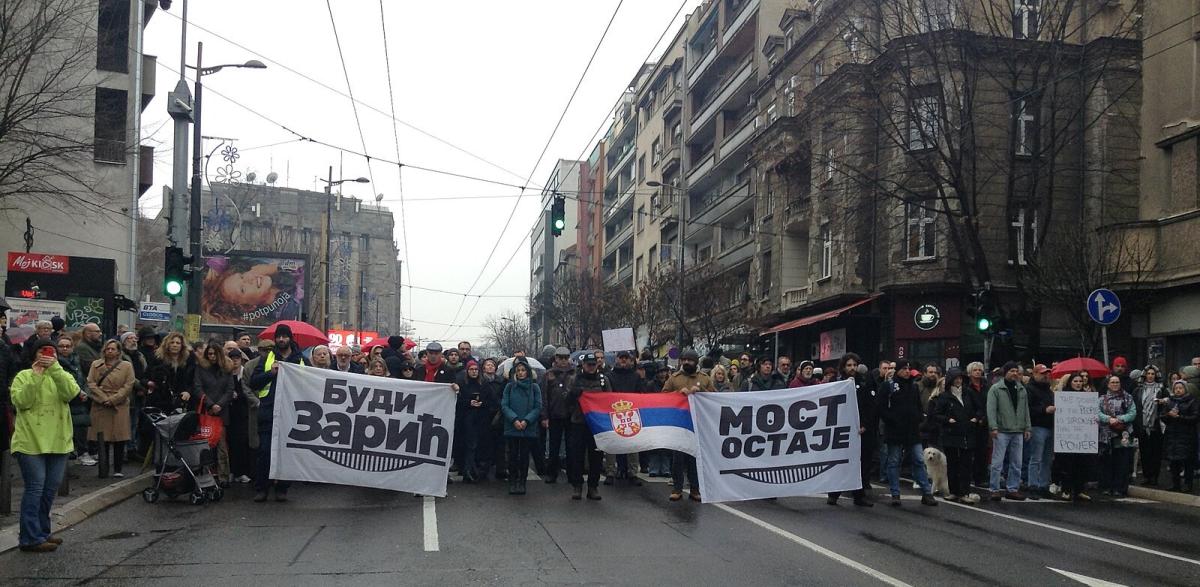
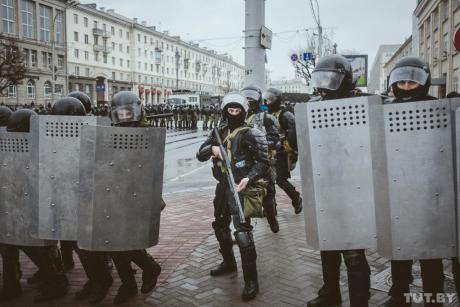
BelgradeTens of thousands of students protested in the Serbian city of Kragujevac, demanding justice for the victims of the November 2024 railway disaster. The protest and street occupation, which lasted 15 hours and marked the culmination of a four-day student march on the city, was symbolically named "Let's Meet on Sretenje." Kragujevac was the first capital of the modern Serbian state, where the Sretenje (Candlemas) Constitution was adopted on Feb. 15, 1835. The date, which also marks the first Serbian pro-independence uprising in 1804, is still commemorated in Serbia as Statehood Day. Protests have been mounting for months, with growing demands for the resignation of President Aleksandar Vučić—who portrays the campaign as a foreign-fomented "color revolution." (Photo of January Belgrade protest: Emilija Knezevic via Wikimedia Commons) 

New York City
High Mi Madre

Podcast: Voices of High Mi Madre

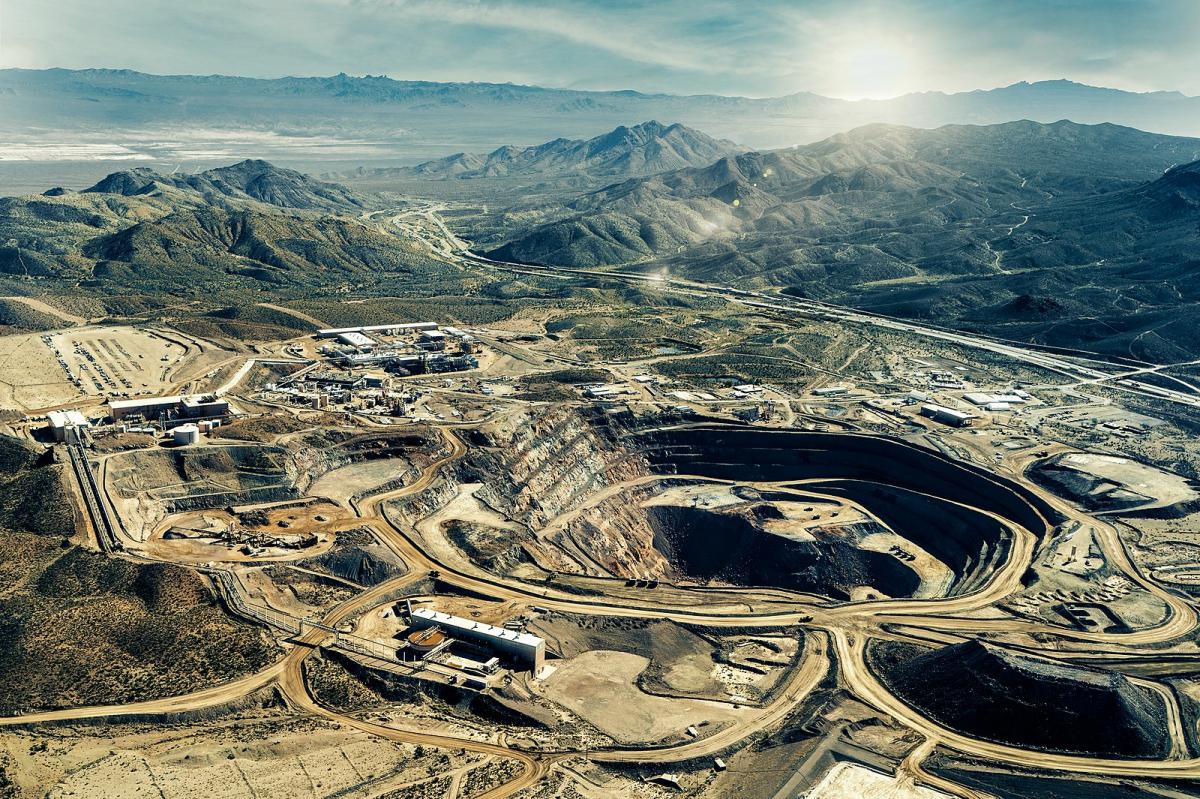
lithiumIn Episode 265 of the CounterVortex podcast, Bill Weinberg examines Trump's ultimatum to Ukraine to hand over a large share of its wealth in strategic minerals such as lithium in exchange for continued US military aid—and whether a race with China for control of the lithium and rare earth elements needed for Elon Musk's industrial interests might also be the agenda behind the Trump regime's annexationist designs on Greenland. Trump is meanwhile opening Native American lands in Nevada to lithium exploitation, while Musk's Tesla has sought to grab a share of Bolivia's lithium reserves—now also coveted by China. Listen on SoundCloud or via Patreon. (Photo: rare earth mine at Mountain Pass, Calif. Credit: Tmy350 via Wikimedia Commons)

East Asia

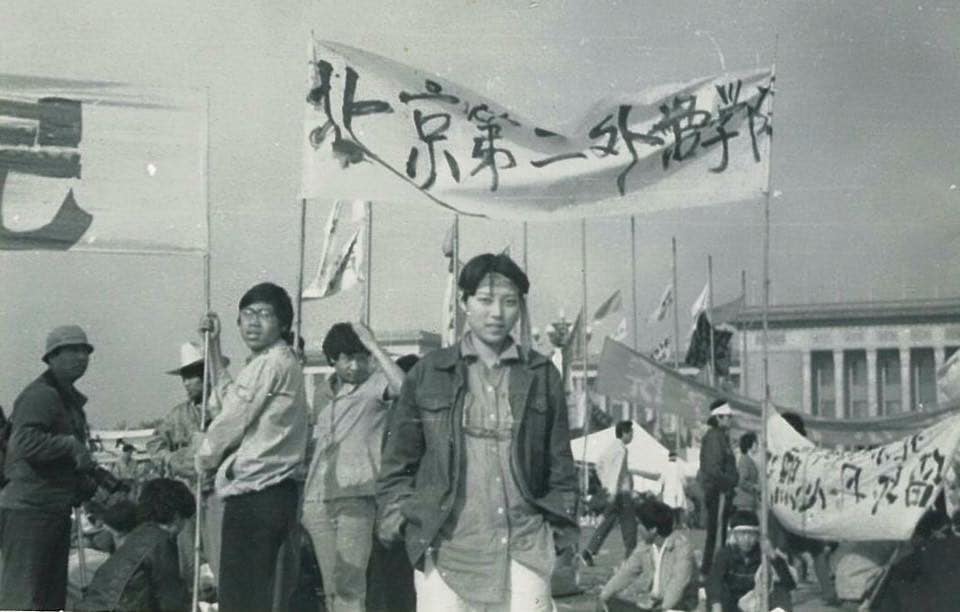
Podcast: Memories of Tiananmen Square

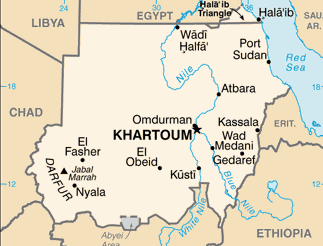
SudanUS Secretary of State Antony Blinken declared that Sudan's Rapid Support Forces (RSF) and allied militias have committed genocide during the country's ongoing civil war. This would mark the second genocide Sudan has seen in less than three decades, following the Darfur genocide of the early 2000s. Blinken's statement outlined atrocities perpetrated by the RSF, including ethnically targeted massacres of men, boys and infants, as well as widespread sexual violence inflicted upon women and girls. In tandem with the genocide determination, the US imposed sanctions on RSF leader Mohammad Hamdan Daglo Mousa, also known as Hemedti, and seven RSF-linked companies based in the UAE. Hemedti, a former leader of the Janjaweed militia responsible for the Darfur genocide, faces visa restrictions barring him and his immediate family from entering the US. The sanctions also target the RSF's alleged smuggling of gold to fund operations. (Map: PCL)

Greater Middle East

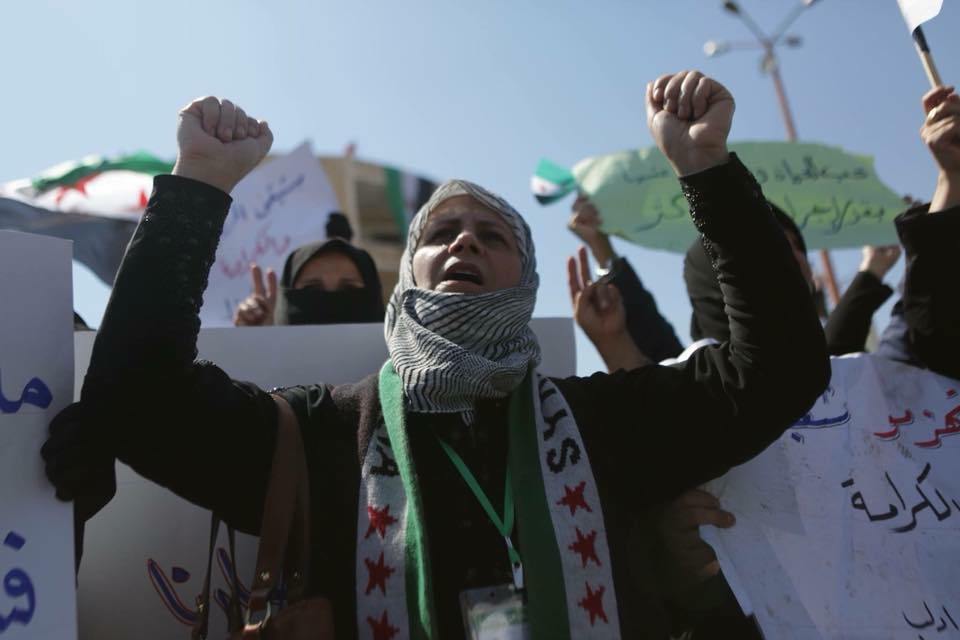
Podcast: genocide, propaganda and the Idlib offensive

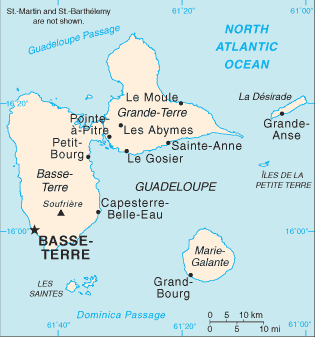
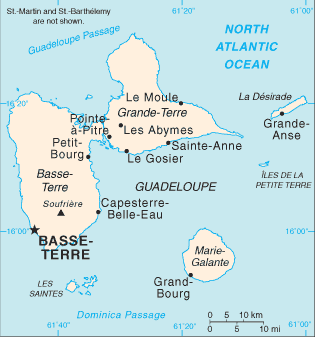
guadeloupeThe government of the French Caribbean island of Guadeloupe imposed a territory-wide curfew after a strike by workers at the central power plant shut down the island's electricity supply. Amid ongoing complaints over salaries, workers at the Pointe Jarry facility entered the control room of the thermal plant and caused an emergency shutdown of the engines. After police secured the plant, the government requisitioned the employees needed to operate the power station through a prefectural decree. This ordered employees deemed essential to the operation of the station to return to work based on an "observed or foreseeable damage to good order, public health, tranquility and safety." (Map: PCL) 

Planet Watch

Podcast: paradoxes of anarchism and nationalism

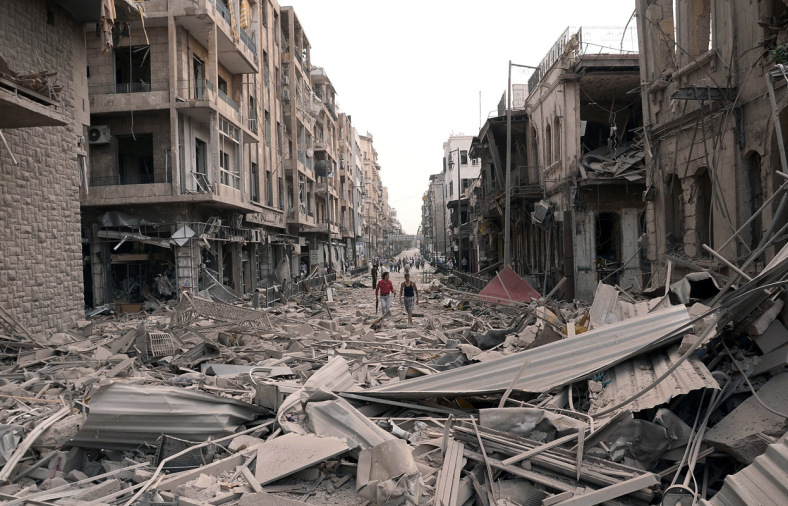
AleppoIn Episode 86 of the CounterVortex podcast, Bill Weinberg returns to the book The Responsibility to Protect in Libya and Syria: Mass Atrocities, Human Protection, and International Law by Syrian American legal scholar Yasmine Nahlawi, exploring applicability of its analysis to the current disaster in Afghanistan. This discussion is taken up at the request of Eric Laursen, author of The Duty to Stand Aside: Nineteen Eighty-Four and the Wartime Quarrel of George Orwell and Alex Comfort. Laursen is the first to take up the CounterVortex special offer, by which new Patreon subscribers get to choose a topic for exploration on the podcast. When do we have a responsibility to protect, and when do we have a duty to stand aside, and how can these imperatives be reconciled? Listen on SoundCloud or via Patreon. (Photo: Destruction of Aleppo, via 7ee6an)

Watching the Shadows
belarus cops

Podcast: Julian Assange, agent of fascism

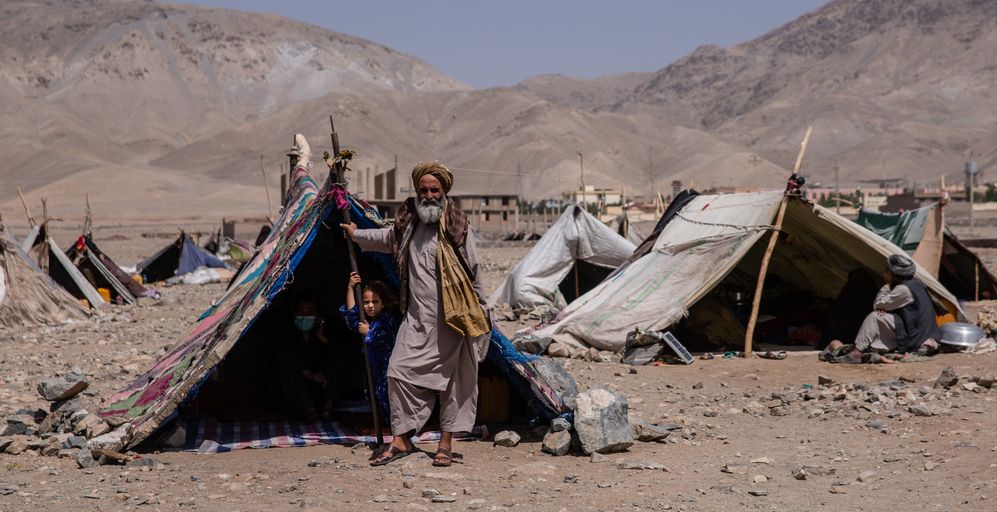
AfghanistanThe Office of the UN High Commissioner for Refugees (UNHCR) warned of an "imminent humanitarian crisis" in Afghanistan as mounting conflict gives rise to suffering and displacement. An estimated 270,000 have been newly displaced since January, bringing the total uprooted population to over 3.5 million. The number of civilian casualties has risen 29% during the first quarter of this year compared to 2020. The UNHCR stressed its underfunded financial appeal for Afghanistan, which now stands at 43% of the total $337 million required. The agency urged the international community to support Afghanistan "in a spirit of solidarity and burden-sharing." (Photo of displaced persons camp in Herat: Stefanie Glinski/TNH)

North America

Podcast: Ilhan Omar, anti-Semitism and propaganda

Ilhan OmarIn Episode 29 of the CounterVortex podcast, Bill Weinberg advances a progressive and anti-Zionist critique of Rep Ilhan Omar's controversial comments, which have posed the problem of US support for Israel in terms of "allegiance to a foreign country"—the nationalist and xenophobic language of our enemies. As a Somali-American woman in a hijab, Omar is ultimately legitimizing reactionary forces that threaten her with the use of such nationalist rhetoric. As the massacres of Christchurch and Pittsburgh all too clearly demonstrate, Islamophobia and anti-Semitism are fundamentally unified concerns—and the way Jews and Muslims have been pitted against each other by the propaganda system is part of the pathology. Contrary to the canard of "dual loyalty," Weinberg declares himself a "zero-loyalist," repudiating both Zionism and America-first nationalism, calling for an anti-Zionism based on solidarity with the Palestinians, not "allegiance" to the imperial state. Listen on SoundCloud, and support our podcast via Patreon. (Photo: Wikipedia)

Inner Asia

Podcast: Tibet and the struggle for cyberspace

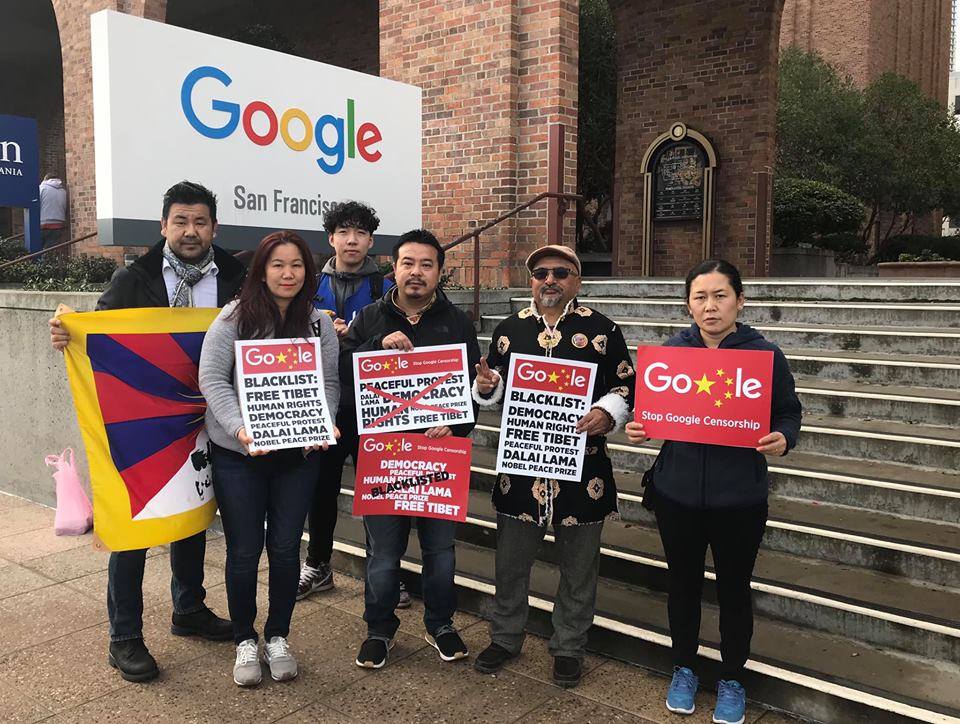
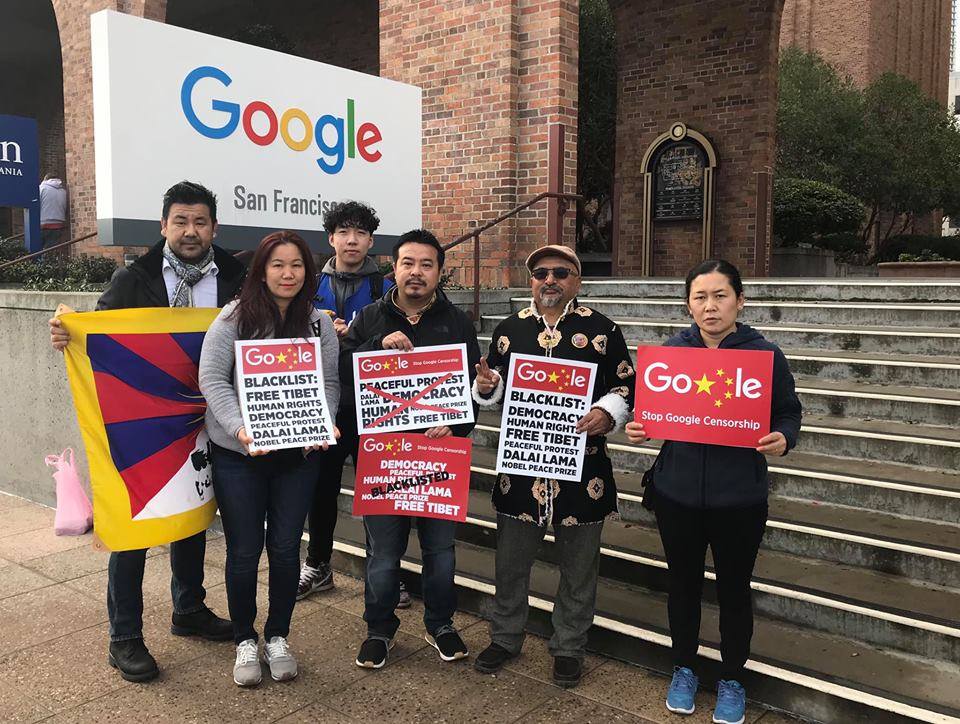
anti-googleIn Episode 28 of the CounterVortex podcast, Bill Weinberg notes with trepidation Google’s plans to develop a censored search engine for China, and thereby be allowed back through the Great Firewall to access the world's largest market. But the next and more sinister step is imposing China's draconian standards for control of information on all Internet users, worldwide. Harbingers of this are already seen in Facebook's censorship of the Tibetan struggle, and of the Kurdish struggle in Turkey, as well as initiatives to suppress footage of Israeli war crimes. While protesting such moves is imperative, the potential for such abuses in inherent to the technology—and this, ultimately, is a deeper and more complex problem that also demands a thoroughgoing critique. Listen on SoundCloud, and support our podcast via Patreon. (Photo: Students for a Free Tibet)