

Podcast: Niger, Siberia and the global uranium wars
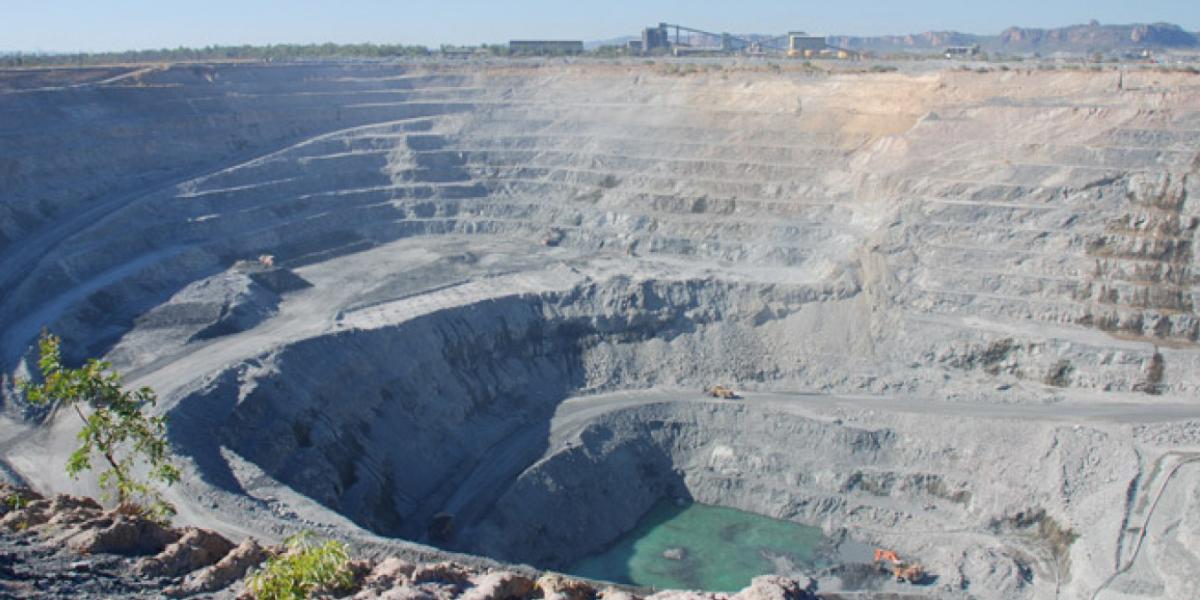
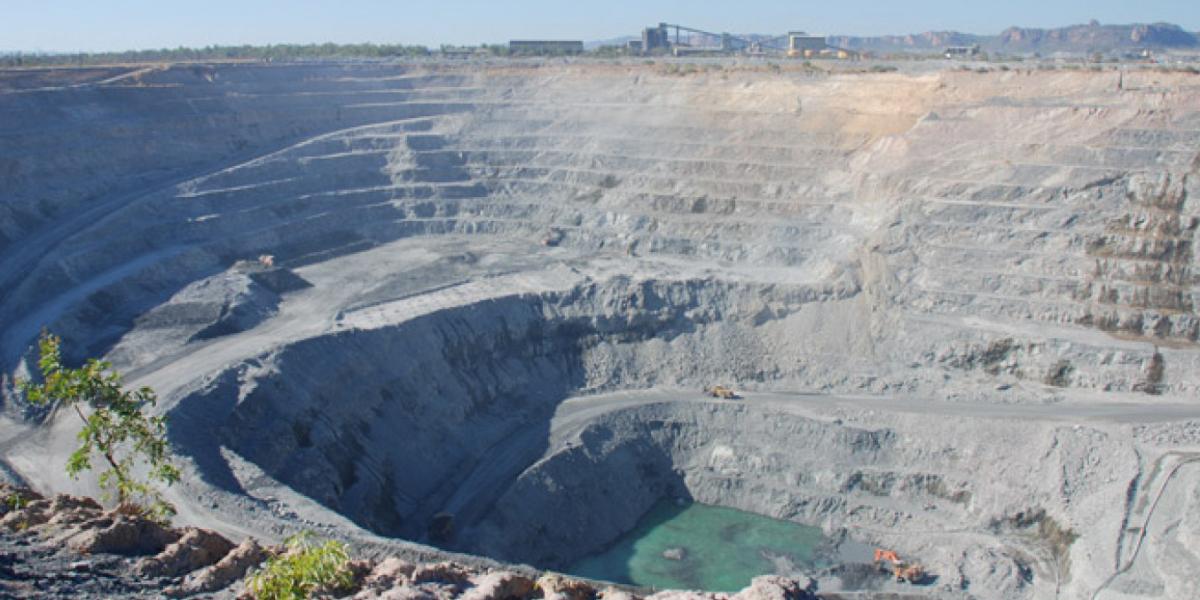
uraniumThe Tuaregs of Niger and Buryat of Siberia, like the Navajo of the US Southwest, have had their territories usurped and destroyed by uranium mining for the nuclear-industrial complex, and it makes little difference from their perspective whether the extractivist bosses were French, Russian or American. While the Great Powers wage a neo-colonial game for control of this strategic resource, the indigenous peoples on the ground pay with their lands and lives—and are fighting back for autonomy or outright independence, and ecological and cultural survival. Bill Weinberg breaks it down in Epidosde 192 of the CounterVortex podcast. (Photo: Russian uranium mine in Buryatia, via Moscow Times)
Au revoir to (some) French troops in Niger

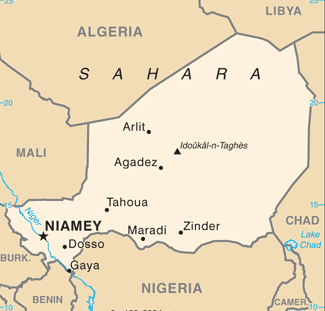
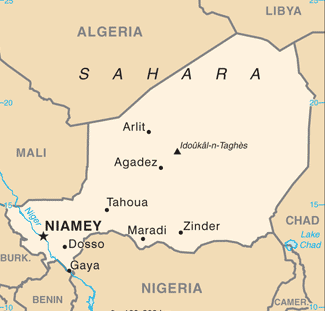
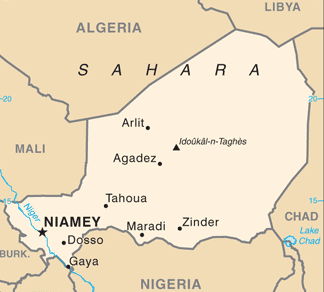
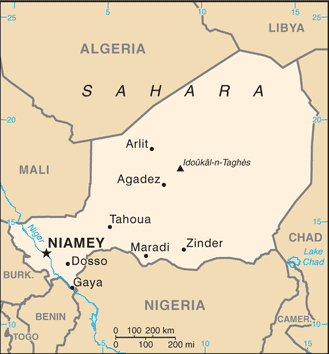
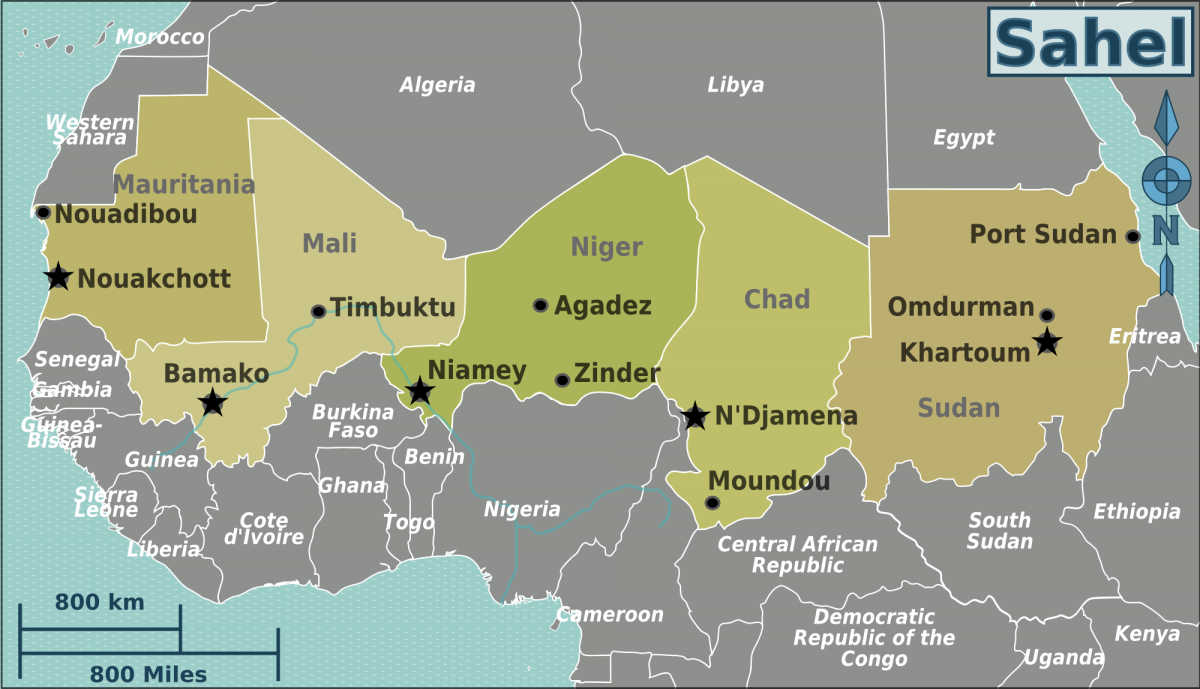
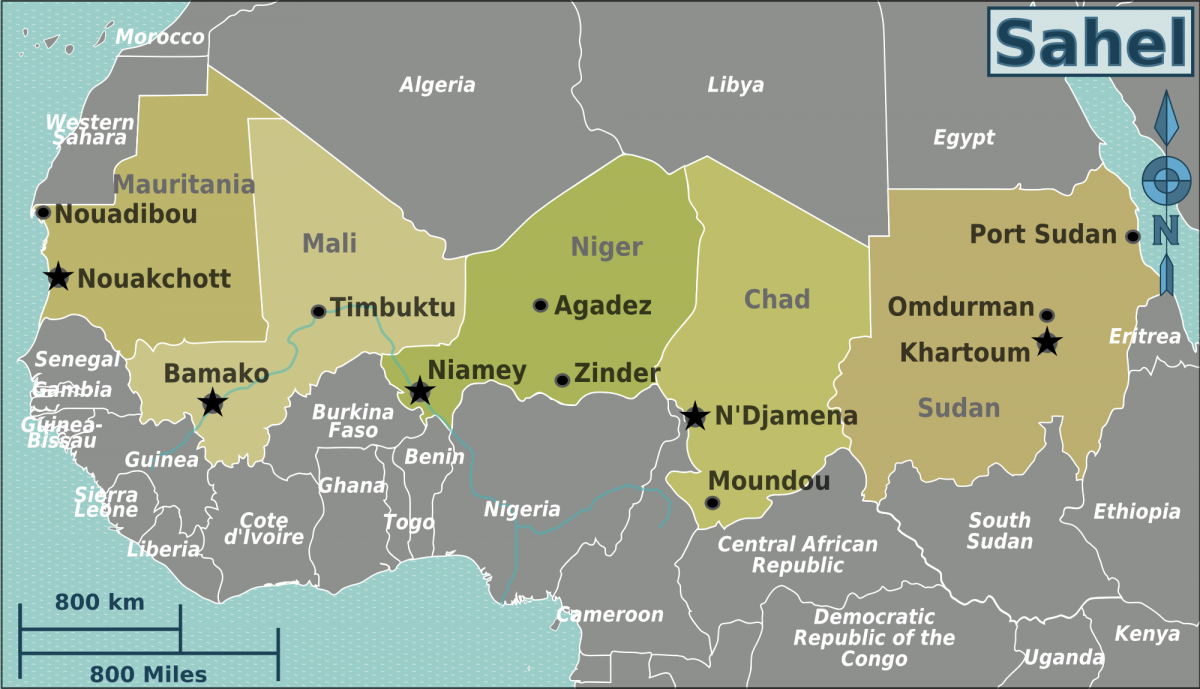
NigerFrance looks set to begin a "limited" military withdrawal from Niger, after ongoing popular protests have made it clear its troops are no longer welcome. Niger's new military leaders had given France a month to pull its 1,500 soldiers—plus ambassador—out of the country. But Paris, which does not recognize the legitimacy of the junta, had refused. Now, with the expiry of the deadline, talks are underway with Nigerien army commanders (not the putsch leaders, French officials stress) for an undisclosed number of French troops to be transferred to Chad. But France's military presence is resented across the Sahel. Last week, there were demonstrations outside the French base in Faya-Largeau, northern Chad, after a French legionnaire killed a Chadian soldier. (Map: Wikivoyage)

Gabon coup: another blow to Françafrique

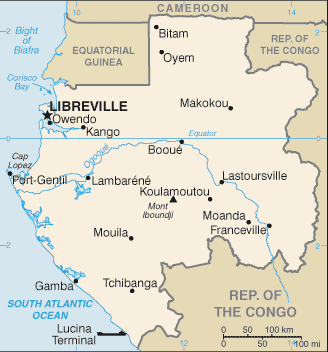
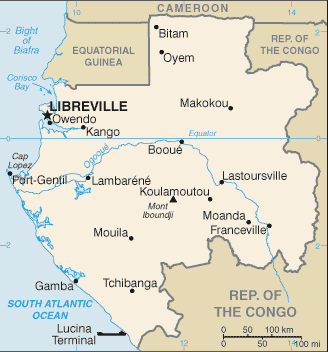
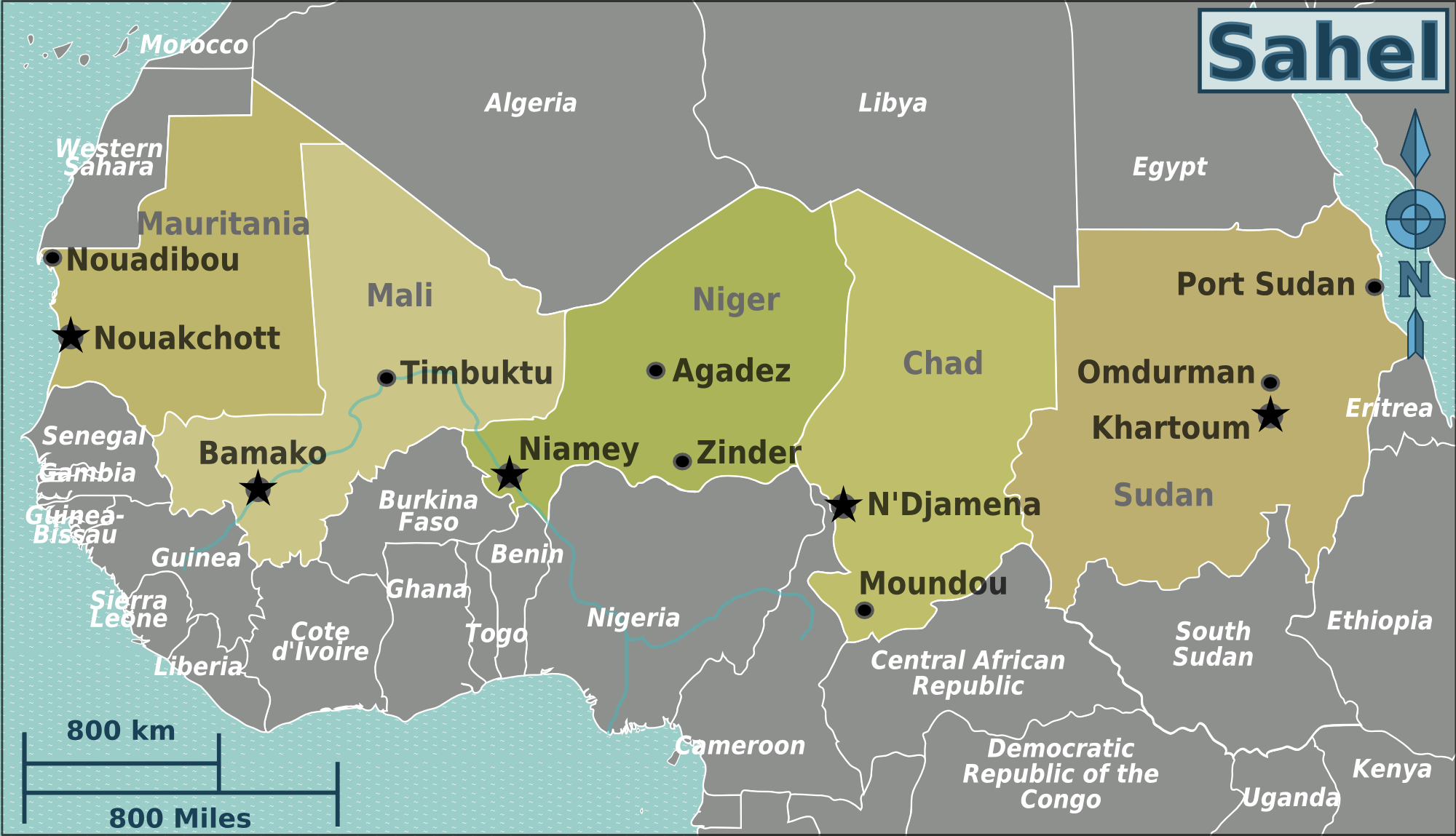
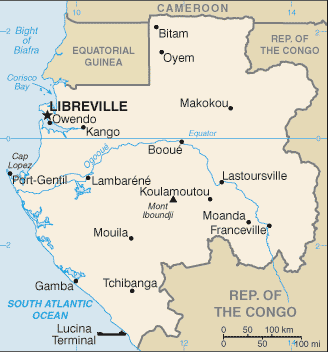
GabonA group of soldiers in Gabon seized control of the country and canceled the results of its presidential election—just after incumbent President Ali Bongo, heir to a corrupt dynasty closely aligned with France, was declared the winner amid claims of electoral fraud. In scenes reminiscent of those in Niger after the recent coup there, crowds have poured into the streets of Gabon's capital Libreville, expressing their support for the new junta—and animosity for both the ousted Bongo dynasty and France. The coup appears to mean a further reduction for the French influence sphere in Africa, known as Françafrique. Over the past three years, coups have ousted French-aligned regimes in Mali, Burkina Faso and Guinea as well as Niger. Russia appears eager to step into the erstwhile role of France in providing military assistance to these countries. The day after the Gabon putsch, a Russian delegation met with Burkina Faso's interim regime to discuss stepped-up security cooperation. (Map: PCL)

Niger: ‘treason’ charges against ousted presdient

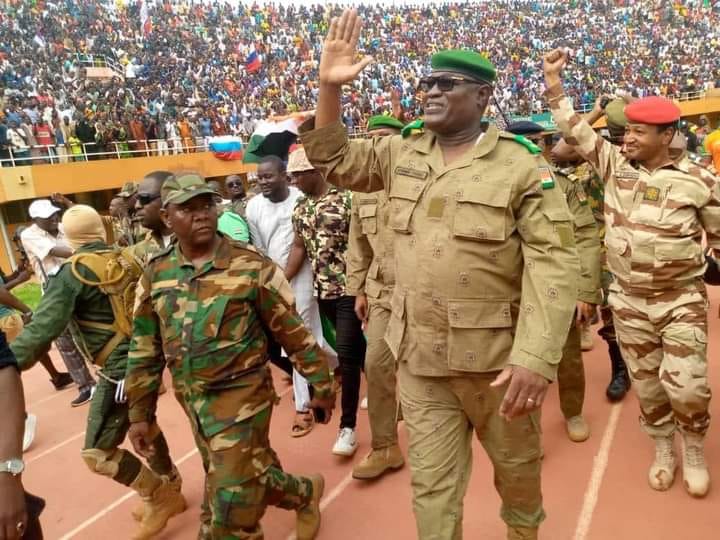
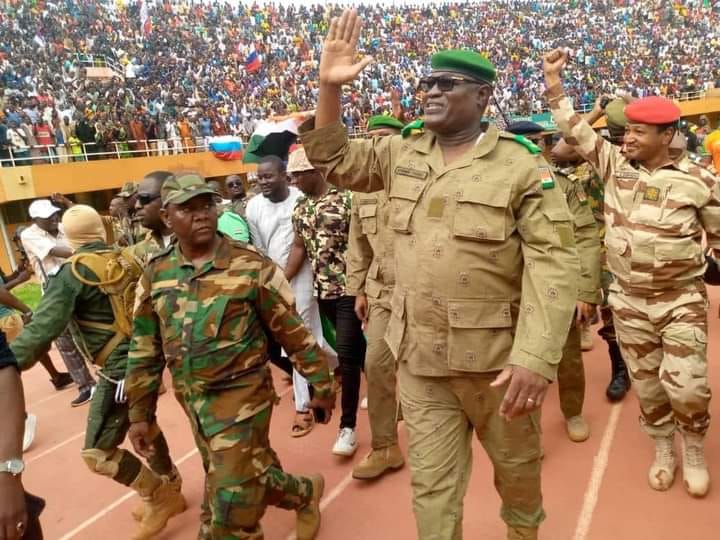
UN High Commissioner for Human Rights Volker Türk raised concerns about the Nigerien military junta's decision to prosecute deposed president Mohamed Bazoum for high treason. Türk called on the generals who have seized power to immediately restore constitutional rule. "This decision is not only politically motivated against a democratically elected President but has no legal basis as the normal functioning of democratic institutions has been cast aside," Türk said. Regional bloc ECOWAS also condemned the treason charges against Bazoum, stating that the move "contradicts the reported willingness of the military authorities in the Republic of Niger to restore constitutional order through peaceful means." (Photo of junta leaders: Levée d’Afrique via Africa Arguments)

Podcast: flashpoint Niger

NigerIn Episode 186 of the CounterVortex podcast, Bill Weinberg examines the coup d'etat in Niger, which now threatens to plunge West Africa into regional war—with potential for escalation involving the Great Powers. Lines are drawn, with the Western-backed ECOWAS demanding the junta cede power, and Russian-backed Mali and Burkina Faso backing the junta up. Pro-junta demonstrators in Niger's capital, Niamey, wave the Russian flag—probably to express displeasure at US and French neo-colonialism. The Wagner Group, which already has troops in Mali and Burkina Faso, has expressed its support for the junta, and offered fighters to help stabilize the regime. Elements of the tankie pseudo-left in the West are similarly rallying around the junta. Amid this, leaders of the Tuareg resistance in Niger have returned to arms to resist the new regime, and the country's mine workers union is also demanding a return to democratic rule. Listen on SoundCloud or via Patreon. (Map: PCL)

Military coup d’etat consolidated in Niger

NigerNiger's national broadcaster identified Gen. Abdourahamane Tiani as president of the country's new military government following a coup that deposed elected President Mohamed Bazoum. The country's new ruling junta, called the National Council for the Safeguarding of the Homeland, was formed out of Niger's presidential guard, which carried out the coup. The AU, EU, US and Russia have all condemned the coup as unconstitutional. However, Wagner Group commander Yevgeni Prigozhin lauded the coup as part of "the struggle of the people of Niger [against] their colonizers," and and offered his fighters' services to bring order. Pro-coup protesters in Niger have been photographed with Russian flags. (Map: PCL)

Ghana: cease forced return of Burkinabé refugees

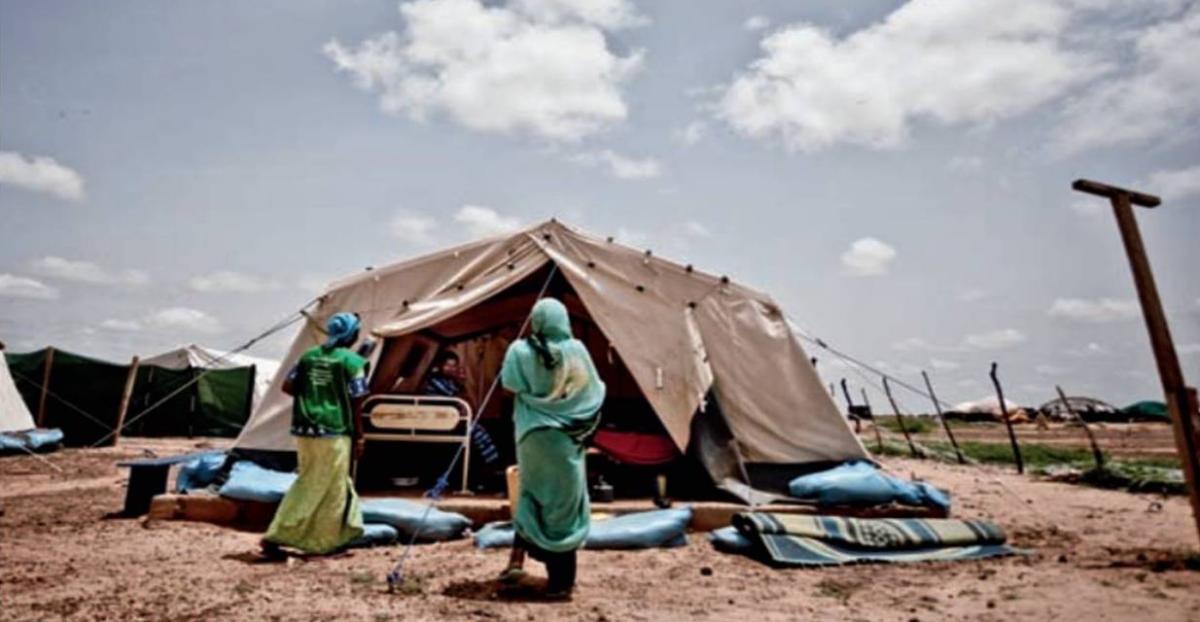
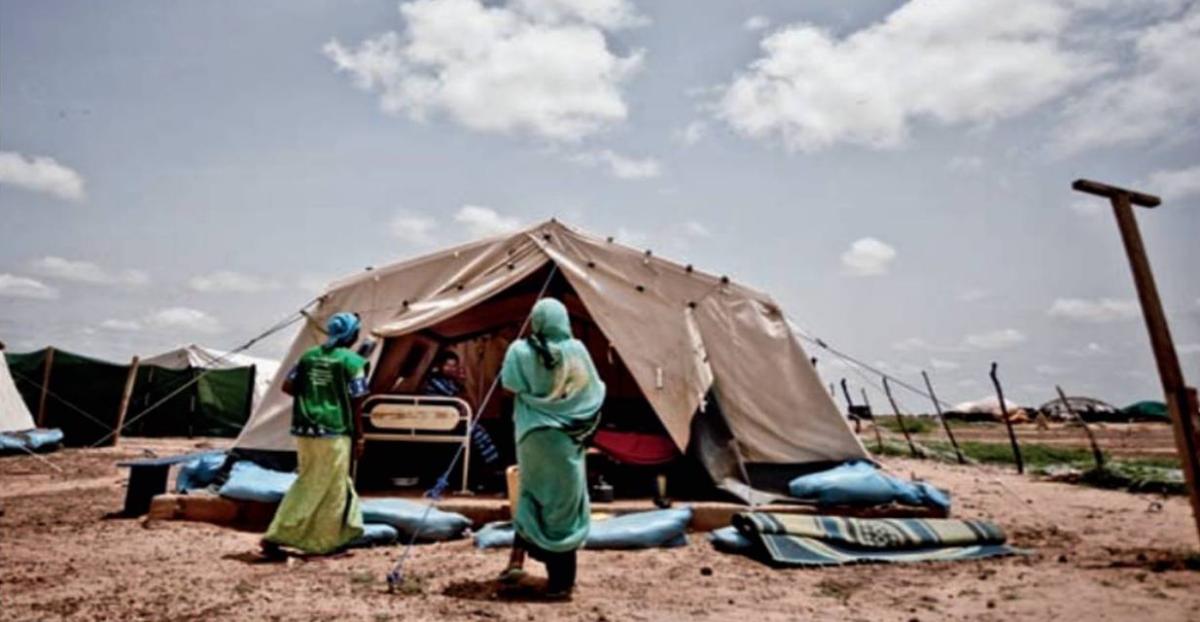
Burkina FasoThe United Nations refugee agency (UNHCR) said it is concerned about reports that hundreds of Burkinabé refugees fleeing to Ghana, including women and children, are being deported. According to UNHCR, more than 17,500 Burkina Faso nationals have fled to neighboring countries, including Niger, Mali and Ghana, since January 2021 as a result of the ongoing internal conflict. Ghana is accused of having forcibly deported more than 500 Burkinabé seeking protection along the border. A video on Twitter showing expelled women and children sitting in a parking lot near the border has been widely circulated. The UNHCR called on Ghana to stop the deportations, saying that they amount to a violation of the non-refoulement principle. (Photo: Leonardo Perez Aranda via Wikimedia Commons)

Podcast: West Africa’s forgotten wars

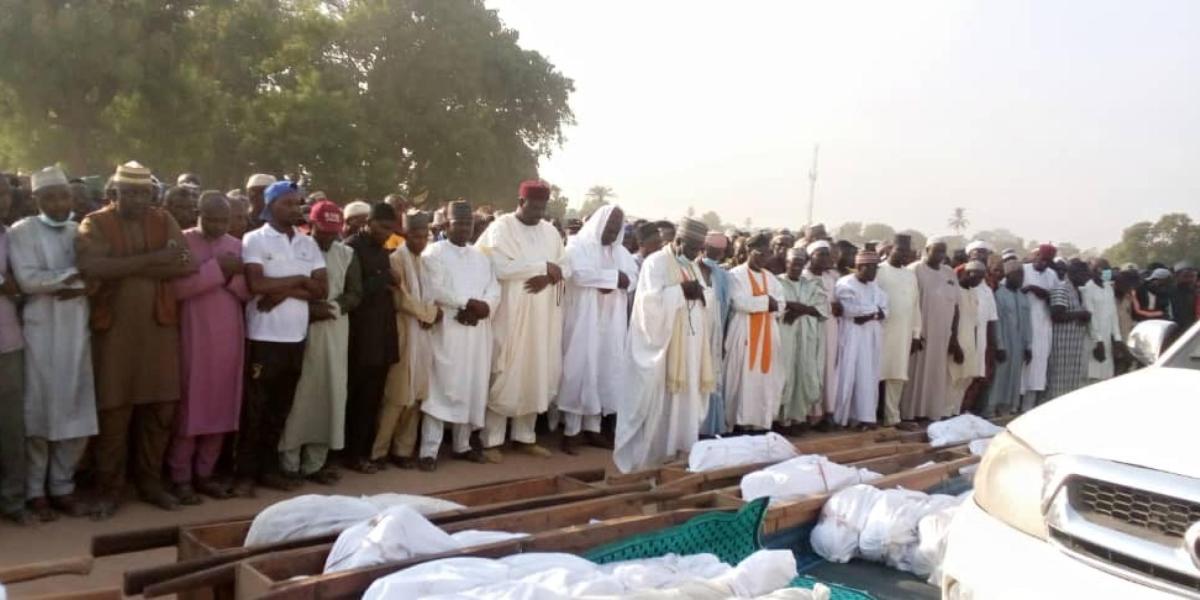
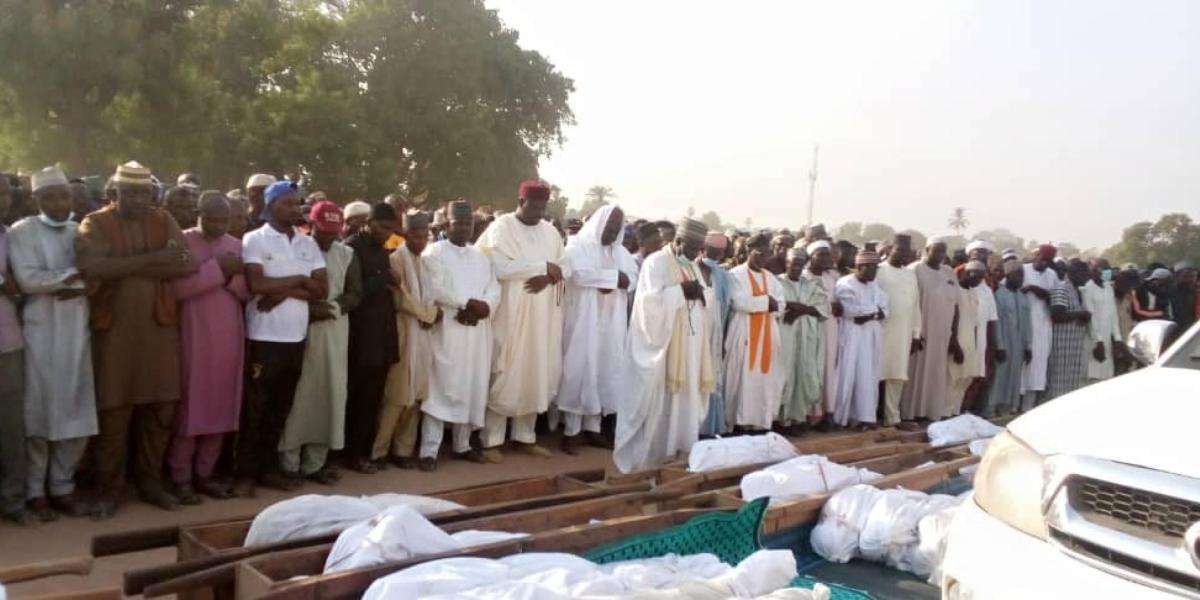
FulaniIn Episode 161 of the CounterVortex podcast, Bill Weinberg provides an overview of the under-reported conflicts in West Africa, where government forces and allied paramilitary groups battle multiple jihadist insurgencies affiliated either with ISIS or al-Qaeda on a franchise model. Horrific massacres have been committed by both sides, but the Western media have only recently started to take note because of the geopolitical angle that has emerged: both Mali and Burkina Faso have cut long-standing security ties with France, the former colonial power, and brought in mercenaries from Russia's Wagner Group. In both countries, the pastoralist Fulani people have been stigmatized as "terrorists" and targeted for extra-judicial execution and even massacre—a potentially pre-genocidal situation. But government air-strikes on Fulani communities in Nigeria have received no coverage in the Western media, because of the lack of any geopolitical rivalry there; Nigeria remains firmly in the Anglo-American camp. Listen on SoundCloud or via Patreon. (Photo: Sahara Reporters)