Greater Middle East
Iran

Gaza: flashpoint for regional war?

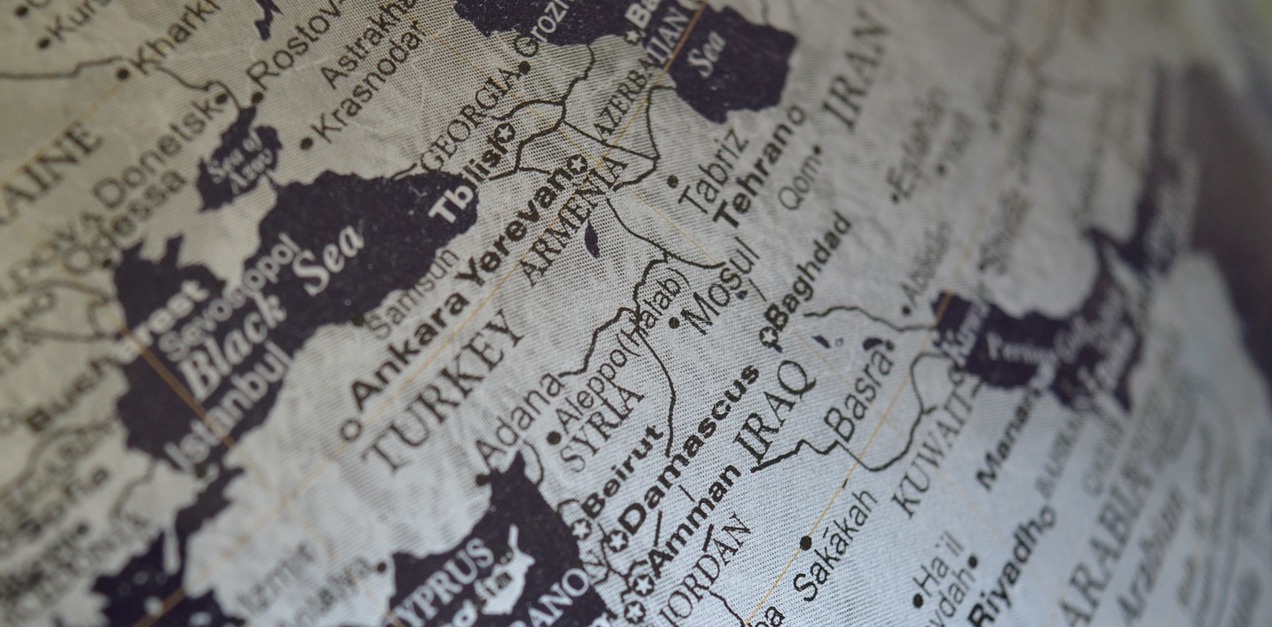
As Israel intensifies air-strikes in the Gaza Strip, a northern front appears to be opening in the war.  Civilians are fleeing both north Israel and south Lebanon as Israeli and Hezbollah forces exchange fire across the border. Following Israeli air-strikes on targets in Syria, drone attacks by presumed Iranian-backed forces hit US military bases and outposts in both Syria and Iraq. The US responded with air-strikes on Iranian Revolutionary Guards positions in eastern Syria. The Iranian military has announced that it will launch large-scale maneuvers, involving infantry, air and naval forces. (Image: Pixabay)

Iraq
iraq.pipeline

Iraq-Turkey oil pipeline to resume operation

The pipeline exporting crude oil from Kurdish-controlled northern Iraq to the Turkish port of Ceyhan is ready to resume operation, seven months after it was ordered closed by an international court ruling. The Paris-based International Court of Arbitration ruled in favor of Baghdad against Ankara, finding that the latter breached a 1973 agreement by allowing the Kurdistan Regional Government to begin independent oil exports in 2014. The judgement confirmed that Iraqi national oil company SOMO is the only entity authorized to manage export operations through the Kirkuk-Ceyhan pipeline. The KRG has now acceded to these terms, agreeing to market through SOMO. (Photo via Iraqi News Agency)

Iraq
Turkey

Turkish strikes on Iraq after Ankara blast

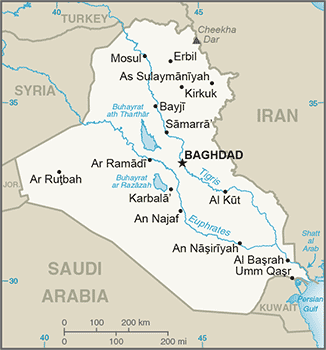
Turkey launched a wave of air-strikes on Kurdish rebel positions in northern Iraq, hours after a suicide blast at the Interior Ministry complex in Ankara. The Turkish military said 20 targets were destroyed and several fighters of the Kurdistan Workers Party (PKK) “neutralized.” The People Defense Forces (HPG), armed wing of the PKK, released a statement saying a “sacrificial action” against the Ministry was carried out by a unit of their Immortal Brigade. Two assailants, both women, were killed in the attack, and two police officers wounded. The statement said the attack was a “warning” to the Turkish government over its ongoing military operations against Kurdish militants both in Syria and Iraq. (Map: CIA)

Iraq
KRG

Iraq: security forces fired on Kirkuk protesters

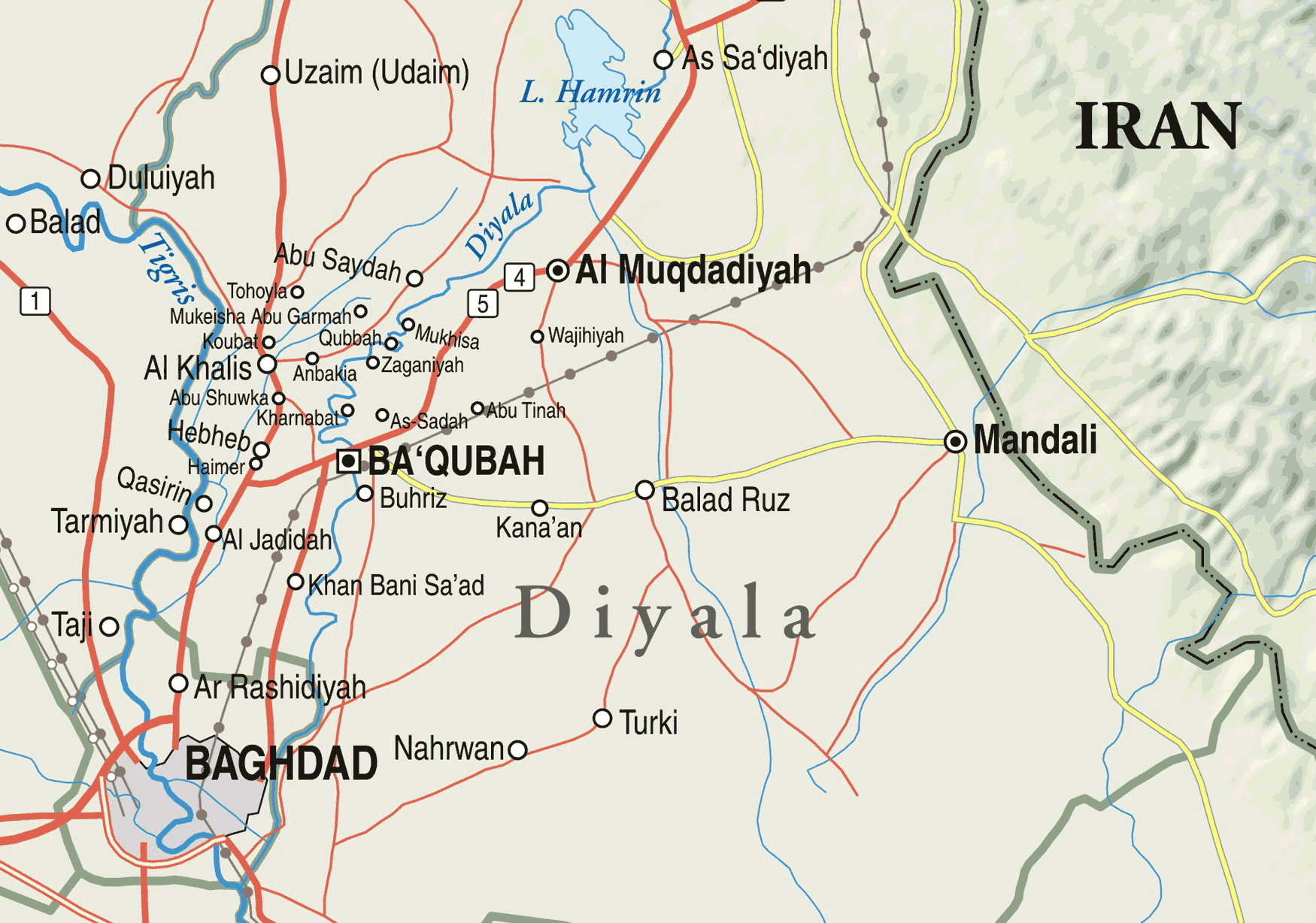
Iraqi security forces appear to have opened fire on demonstrators without prior warning in Kirkuk, killing at least four people and injuring 16, Human Rights Watch has found. The violence comes amid months of increasing tensions between Kirkuk’s Kurdish, Arab and Turkmen populations. An inquiry into the incident opened by Prime Minister Mohammed Shia al-Sudani should be independent and impartial in its investigation of allegations of excessive use of deadly force by Iraqi security forces, HRW urged. “Time and again, the Iraqi government has responded to protests with lethal force and arrests of journalists,” said HRW Iraq researcher Sarah Sanbar. “The government needs to take concrete steps that result in accountability for these actions.” (Map: UNHCR via ReliefWeb)

Africa
Somaliland

Oil contracts at issue in Somaliland conflict?

Fighting continues in Somalia’s northern breakaway state of Somaliland, where three administrative regions—Sool, Sanaag, and Aynaba—have taken up arms in a bid to rejoin the internationally recognized Mogadishu government. Somaliland accuses the government of Ethiopia (which is officially attempting to broker a dialogue in the conflict) of intervening on the side of the re-integrationist rebels, headquartered in the town of Las Anod, Sool region. Somaliland has been effectively independent since 1991, and has seen a more stable and secular social order than the regions controlled by the Mogadishu government. But now Mogadishu is asserting its right to grant oil contracts to foreign companies within Somaliland’s territory. Local media note that the new conflict erupted just after Mogadishu announced the issuing of an exploration lease to Turkish Genel Energy in Somaliland—indeed, within Aynaba, one of the contested regions. The move was protested as “illegal” by the Somaliland government, based in the city of Hargeisa. (Map: Siirski via Ethiopia Insight)

Iraq
Sinjar

The Yezidis, ‘esotericism’ and the global struggle

In Episode 156 of the CounterVortex podcast, Bill Weinberg discusses Peter Lamborn Wilson‘s last book, Peacock Angel: The Esoteric Tradition of the Yezidis. One of the persecuted minorities of Iraq, the Yezidis are related to the indigenous Gnostics of the Middle East such as the Mandeans. But Wilson interprets the “esoteric” tradition of the Yezidis as an antinomian form of Adawiyya sufism with roots in pre-Islamic “paganism.” Melek Taus, the Peacock Angel, the divine being revered by the Yezidis as Lord of This World, is foremost among a pantheon that ultimately traces back to the Indo-European gods. Wilson conceives this as a conscious resistance to authoritarianism, orthodoxy and monotheism—which has won the Yezidis harsh persecution over the centuries. They were targeted for genocide along with the Armenians by Ottoman authorities in World War I—and more recently at the hands of ISIS. They are still fighting for cultural survival and facing the threat of extinction today. Weinberg elaborates on the paradox of militant mysticism and what it means for the contemporary world, with examples of “heretical” Gnostic sects from the Balkan labyrinth. Listen on SoundCloud or via Patreon. (Photo via Kurdistan Source)

Greater Middle East
Iran

Multiple interventions continue in Syria

An air raid on the convoy of an Iran-backed militia in eastern Syria’s Deir az-Zor province left 14 presumed fighters dead and made brief headlines. There was immediate speculation that the raid was the latest in the small but growing handful of times over the course of the 10-year Syrian war that the US has bombed forces allied with the Assad regime. The strikes did immediately follow the slaying of a US aid worker in Iraq. However, Israel has for years also carried out sporadic air-strikes on similar targets in Syria, and has likewise come under suspicion in this attack. Getting far less media attention are ongoing air-strikes by Russia and the Assad regime on the remaining pocket of rebel control in Syria’s northwest. Just three days before the Deir az-Zor attack, Russian or regime strikes in Idlib province targeted a displaced persons camp, leaving at least seven noncombatants dead—and winning few international headlines. (Image: Pixabay)
Iraq
Bordeaux

Turkey accused of chemical attacks in Iraqi territory

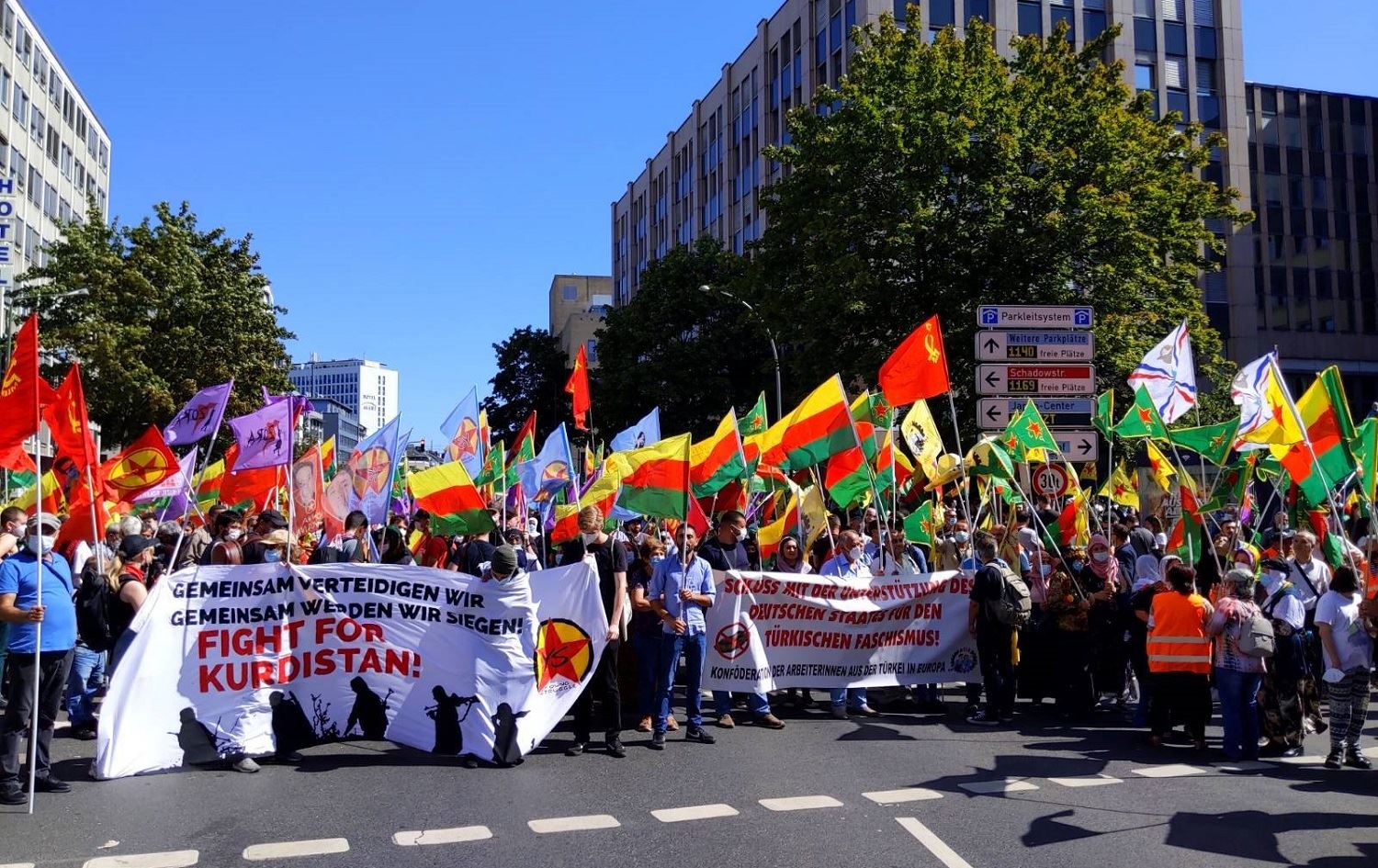
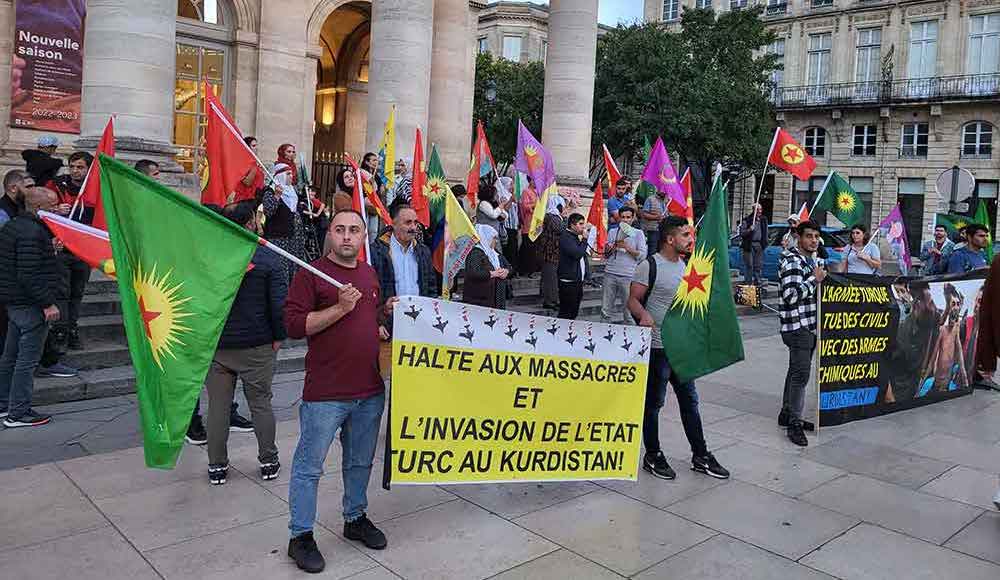
Kurdish communities in cities across Europe held protests demanding action on claims that the Turkish military has repeatedly used chemical weapons in its ongoing air-strikes against strongholds of the Kurdistan Workers Party (PKK) in northern Iraq. The Nobel-winning International Physicians for the Prevention of Nuclear War (IPPNW) said it found evidence of chlorine and other “improvised chemical agents” during an investigative mission to Iraq. The IPPNW urged international bodies including the Organization for the Prohibition of Chemical Weapons (OPCW) to launch formal investigations. The PKK has released the names of 17 guerrillas it says were killed by Turkish chemical attacks in Southern Kurdistan (northern Iraq) over the past year. Kurdish news outlets published a video that has been circulating on social media, showing two PKK fighters apparently suffering under influence of a chemical agent. The Turkish defense ministry dismissed the claims as “completely baseless and untrue.” Iraq’s parliament has established a commission to examine the charges. (Photo: ANF)

Iran
KRG

Iran strikes targets in Iraqi Kurdistan

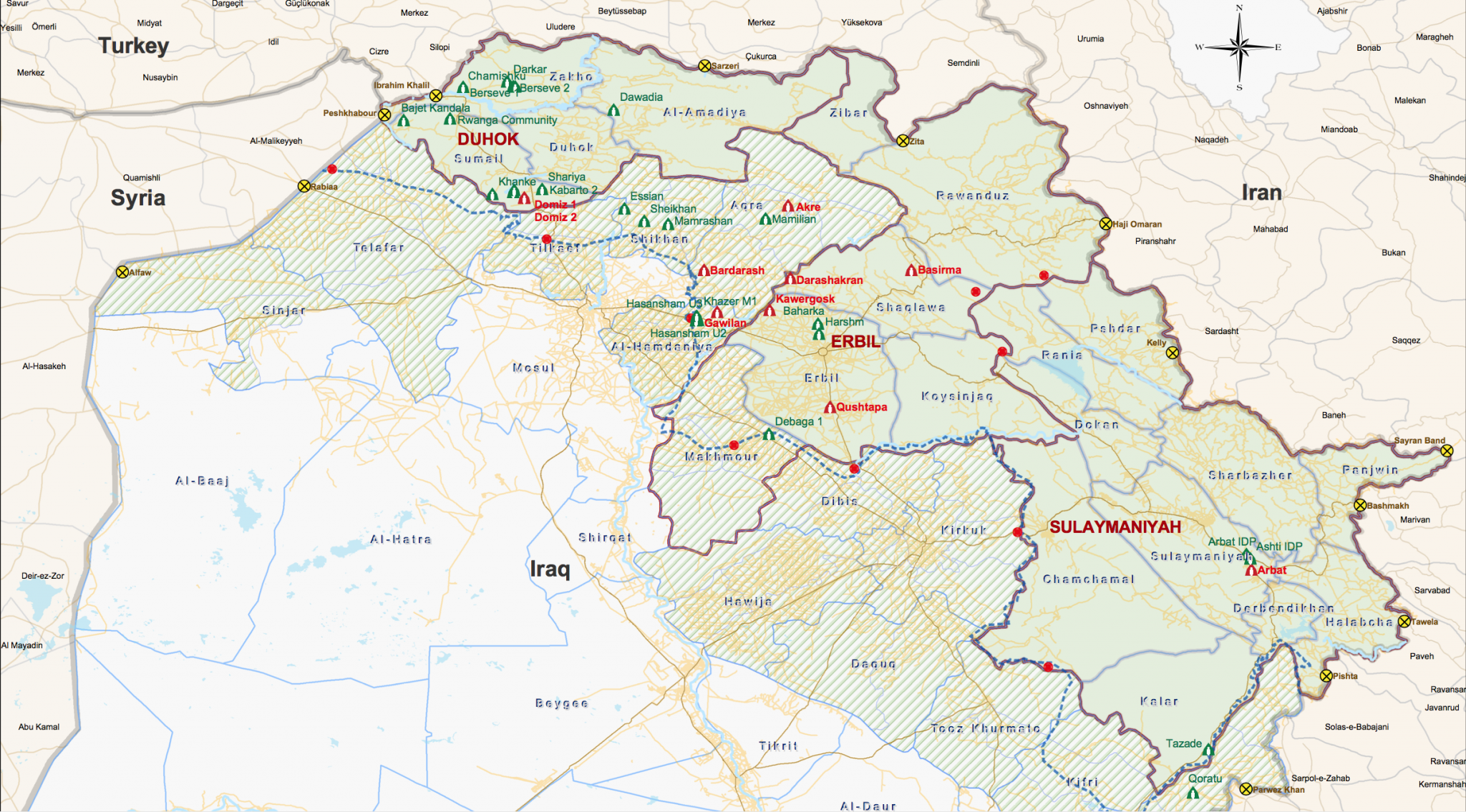
At least 13 people were reported killed in Iranian missile and drone strikes on the Kurdish region of northern Iraq. UNICEF said a pregnant woman was killed and two children were among those injured as one missile struck a school in the refugee settlement of Koya. Iran’s Islamic Revolution Guard Corps (IRGC) said it had struck Kurdish “separatist terrorists” who backed “riots,” referring to the anti-government protests that have swept the country over the past two weeks. The IRGC named the targeted groups as Komala, the Democratic Party of Iranian Kurdistan (PDKI) and the Kurdistan Freedom Party (PAK). Komala confirmed that 10 drones landed the Zargwez area, PAK said its headquarters in Sherawa was hit, and the PDKI said its bases in Koy Sanjaq were struck. (Map: UNHCR via ReliefWeb)

Iraq
Rojava

Podcast: Rojava and Ezidikhan in the Great Game

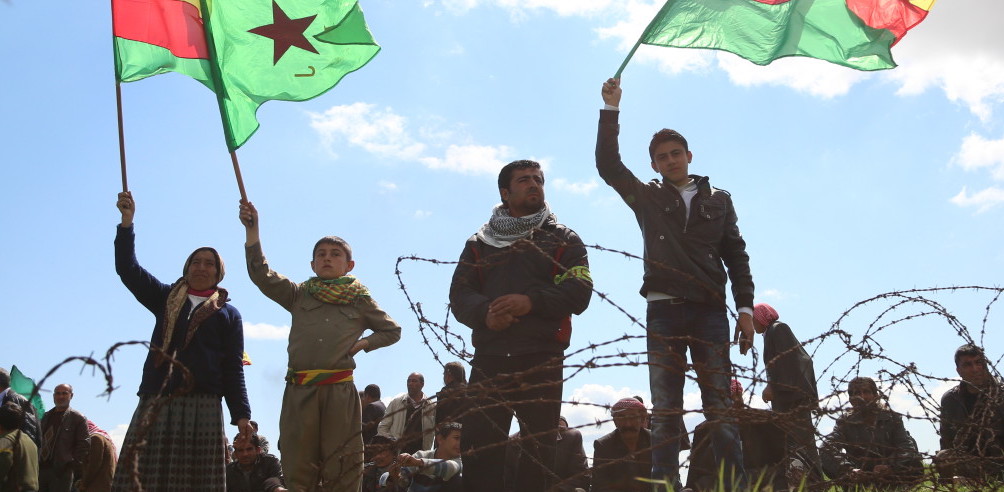
In Episode 127 of the CounterVortex podcast, Bill Weinberg notes that the Kurdish-controlled Syrian city of Kobani, which became a global icon of resistance to ISIS in 2014, is now under threat of Turkish aggression. The Syrian Kurds were betrayed in 2019, when their autonomous zone of Rojava was greatly reduced by Turkey’s first thrust into their territory. Erdogan is now threatening to extinguish it altogether, and incorporate all of Rojava into his “security zone.” There is growing speculation that the US could “green light” this aggression in exchange for Turkey dropping its objections to Sweden and Finland joining NATO. Meanwhile, the Yazidis of northern Iraq, who were subjected to genocide at the hands of ISIS in 2014, now face extermination of their hard-won autonomous zone of Ezidikhan at the hands of Baghdad’s military—acting under pressure from Turkey. Great Power meddling in Syrian and Iraqi Kurdistan alike is pitting the peoples of the region against each other, portending a disastrous Arab-Kurdish ethnic war. How can activists in the West help break this trajectory? Listen on SoundCloud or via Patreon. (Photo: Rojava Solidarity NYC)

Iraq
ybs

Iraq: thousands displaced in new battle for Sinjar

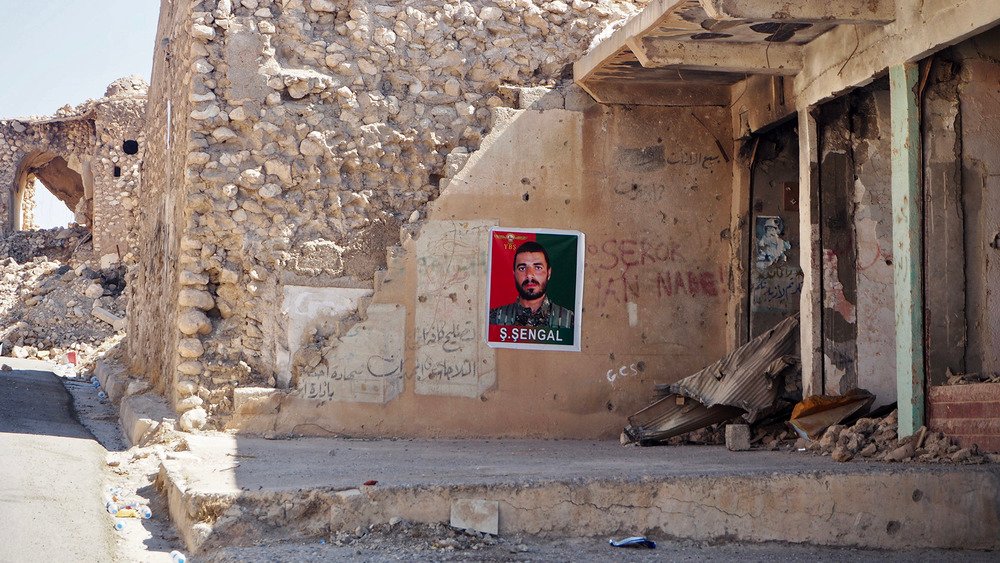
Clashes between the Iraqi military and a local Yazidi militia have forced more than 3,000 people to flee the northern town of Sinjar. Fighting erupted when the military launched an operation to clear the area of the Sinjar Resistance Units (YBS), a militia with ties to the Kurdistan Workers Party (PKK). Many of those displaced are Yazidis who survived the 2014 Islamic State genocide against the ethnicity. They are now distributed in camps across Iraq’s Kurdish region. In 2020, Baghdad and the Kurdistan Regional Government (KRG) signed a pact to restore their joint control to the autonomous Yazidi enclave, known as Ezidikhan. The deal has not been implemented until now, despite growing pressure from Turkey, which has carried out intermittent air-strikes on the Sinjar area. (Photo: A poster commemorating a slain YBS fighter on a bombed-out building in Sinjar. Credit: TNH)

Greater Middle East
Manjorah

Middle East: ‘peak wheat’ fears amid deep drought

Facing long lines and bread shortages, Lebanon’s government has been forced to give private importers $15 million to bring more wheat into the country. But it’s a short-term fix for a government that is broke and waiting for the IMF to approve a bailout deal. And nations across the Middle East may be looking for similar solutions as they struggle with the fallout from Russia’s invasion of Ukraine—both countries are key wheat producers, and exports are effectively cut off by the war. The food crisis is deepened by a decades-worst regional drought impacting Yemen, Syria, Iraq, Afghanistan, and especially Iran. A new assessment on Iran from the International Federation of Red Cross & Red Crescent Societies (IFRC) documents water shortages, disappearing wetlands and emptying villages, making the impacts “impossible to ignore.” (Photo of IDP camp in Yemen: Moayed Al Shaibani/Oxfam)