Europe
Albania

Greco-Albanians protest Trump-linked development scheme

Protesters clashed with security forces at the site of a planned luxury resort on Albania’s Adriatic coast linked to Ivanka Trump and Jared Kushner, the daughter and son-in-law of US President Donald Trump. The site, at Zvërnec, is one of the last nearly pristine coastal zones in the entire Mediterranean, and is located within Albania’s southern Greek-speaking region. The project has raised serious concerns among local ethnic Greek residents over the loss of their traditional lands. (Image: Wikimedia Commons)
Watching the Shadows
Honduras

‘Hondurasgate’ leaks reveal Israeli destabilization scheme

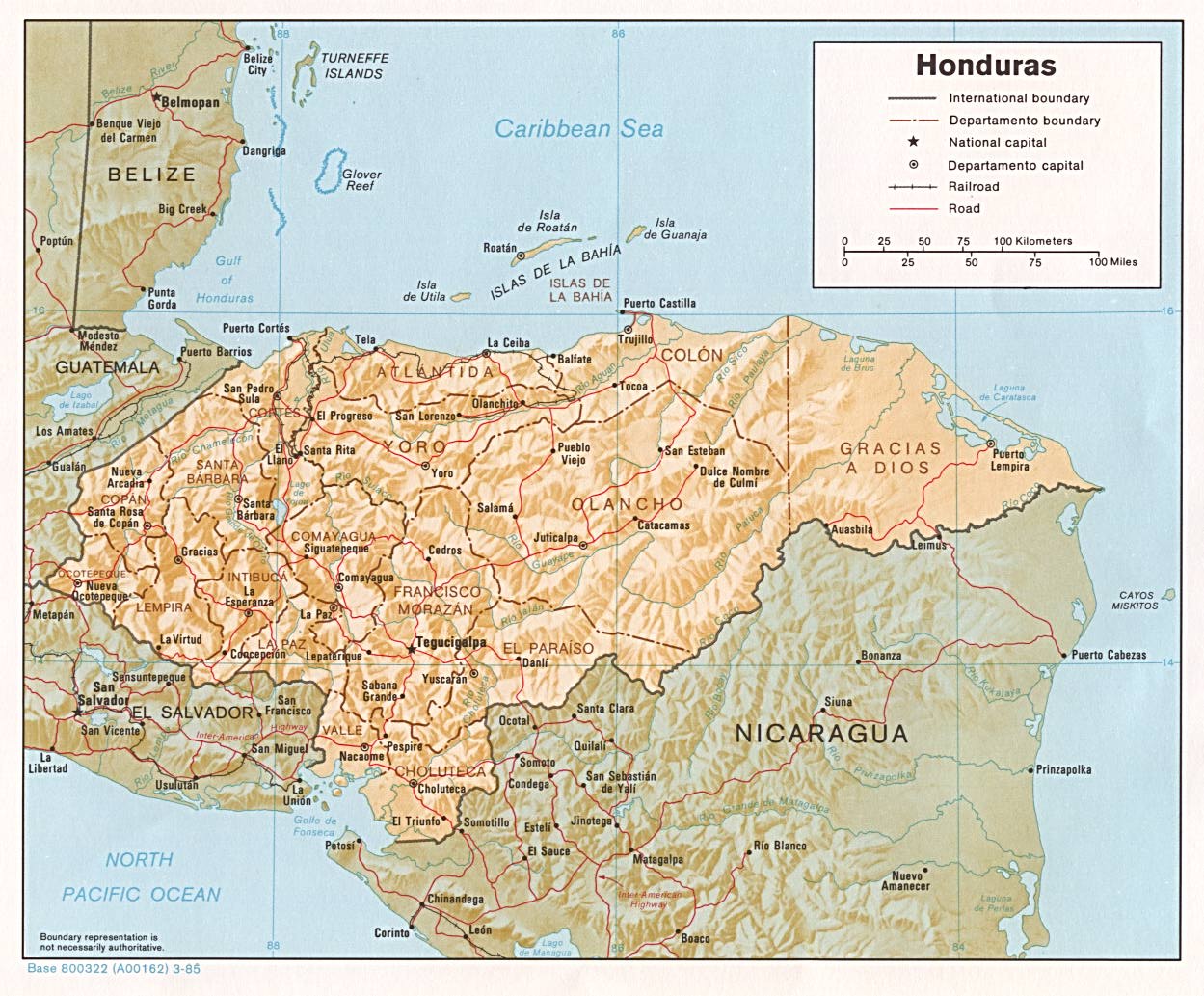
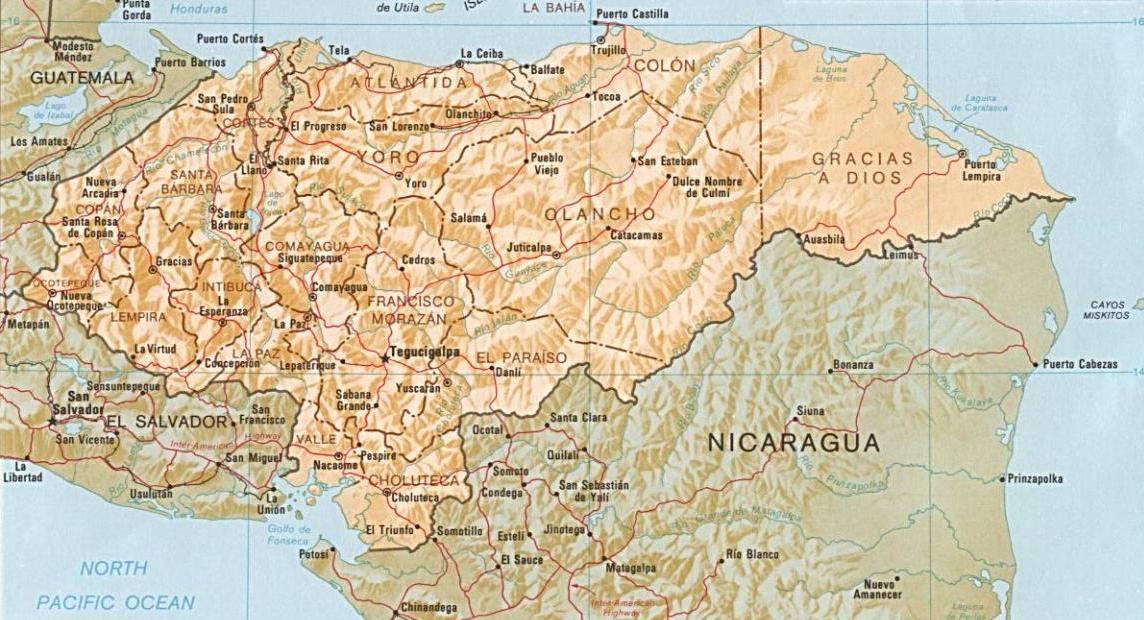
“Hondurasgate”—an alleged plot involving Israel, the United States, and former Honduran President Juan Orlando Hernández to destabilize Latin America’s progressive governments through disinformation—has thrust the region’s ties to Israel back into the spotlight. The scandal emerged ahead of a diplomatic visit by Israeli President Isaac Herzog to Central America as part of a push to consolidate alliances with the region’s newly ascendant right-wing leaders. (Map: Perry-Castañeda Library)

Europe
Lampedusa

EU expands migrant detention and deportation rules

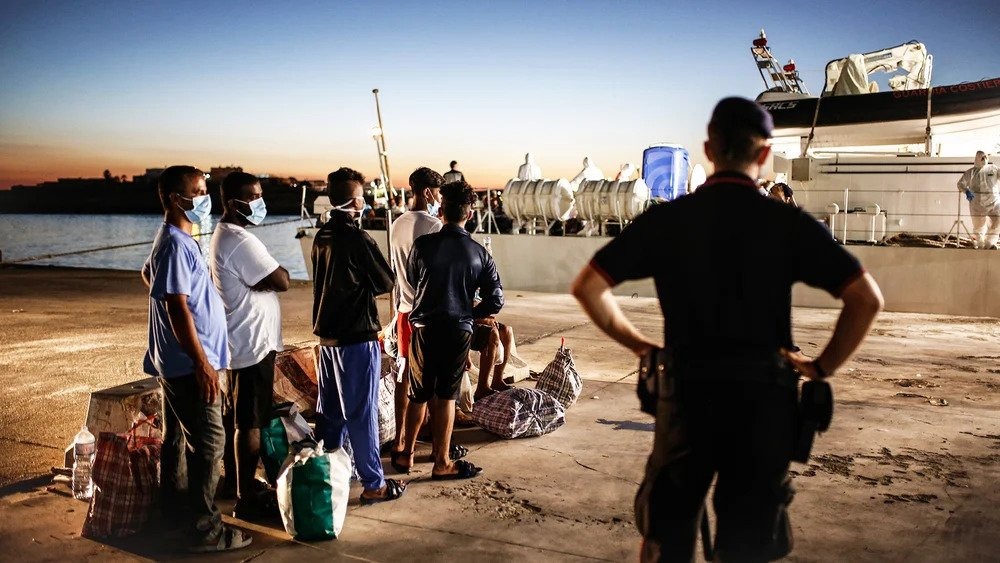
The European Union took a significant step toward adopting a Trump-like approach to migration when the EuroParliament approved a new law expanding the power of security agencies to track, detain and deport migrants. Amnesty International criticized the revised “Return Regulation” as “punitive” and a threat to fundamental rights. The law also allows for people to be deported to countries other than their country of origin—a controversial policy used by the Trump administration. Greece, an EU member, is even working directly with US officials to ramp up deportations. (Photo: Sara Creta/TNH)

Europe
migrants

‘Invisible’ shipwrecks hide Mediterranean death toll

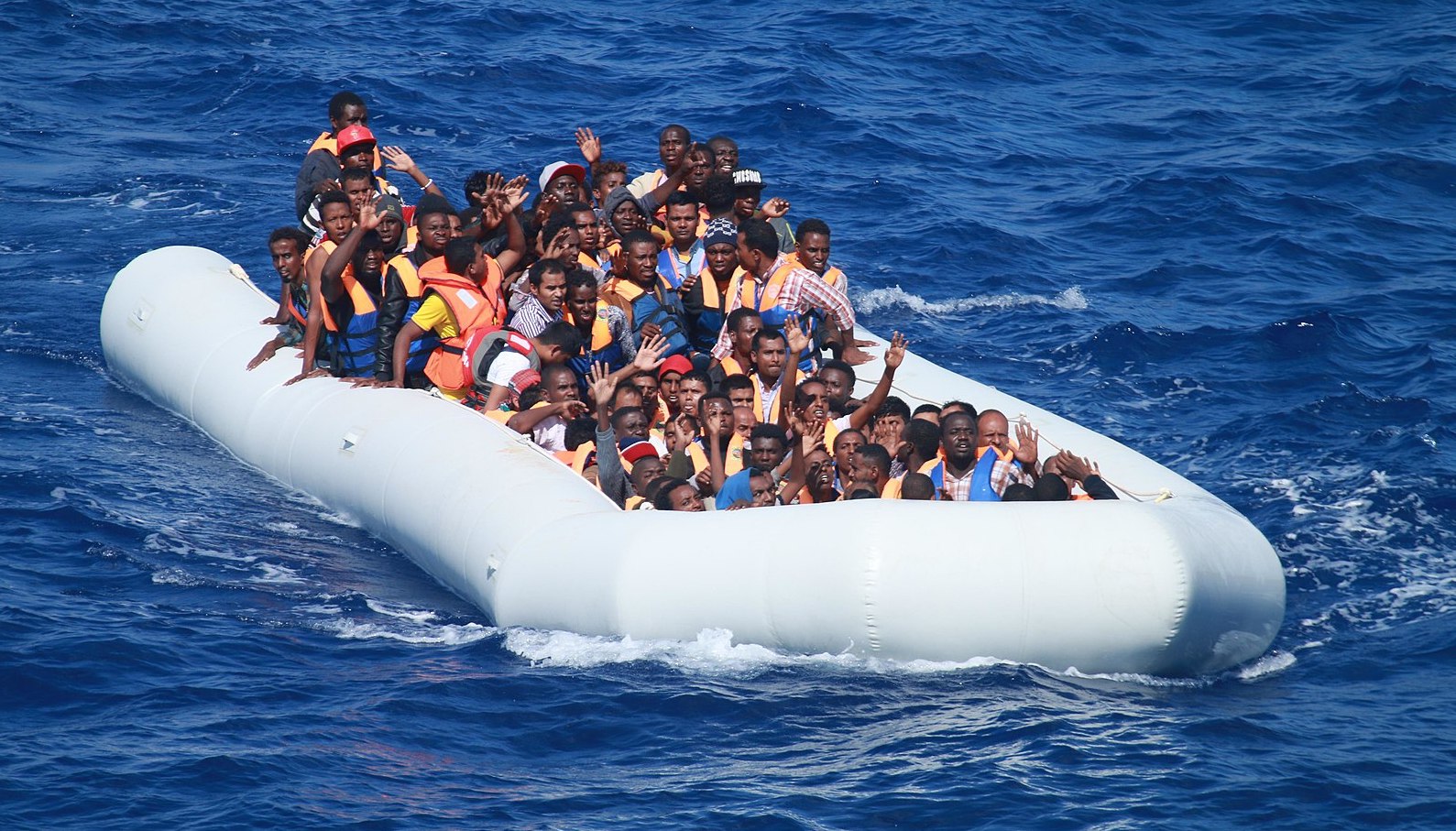
Italy, Tunisia and Malta are withholding information about the true death toll from stricken vessels carrying migrants in the central Mediterranean, according to an AP report. The beginning of 2026 has been the deadliest start to a year in the Mediterranean since the UN began keeping track in 2014, with nearly 700 lives lost to date. But phone calls from people looking for missing relatives, bodies washing ashore, and other clues suggest there have been numerous “invisible” shipwrecks, and the true toll is significantly higher. (Photo: US Navy via Wikimedia Commons)

Syria
Lesvos

Syrian refugees face illegal ‘push-backs’

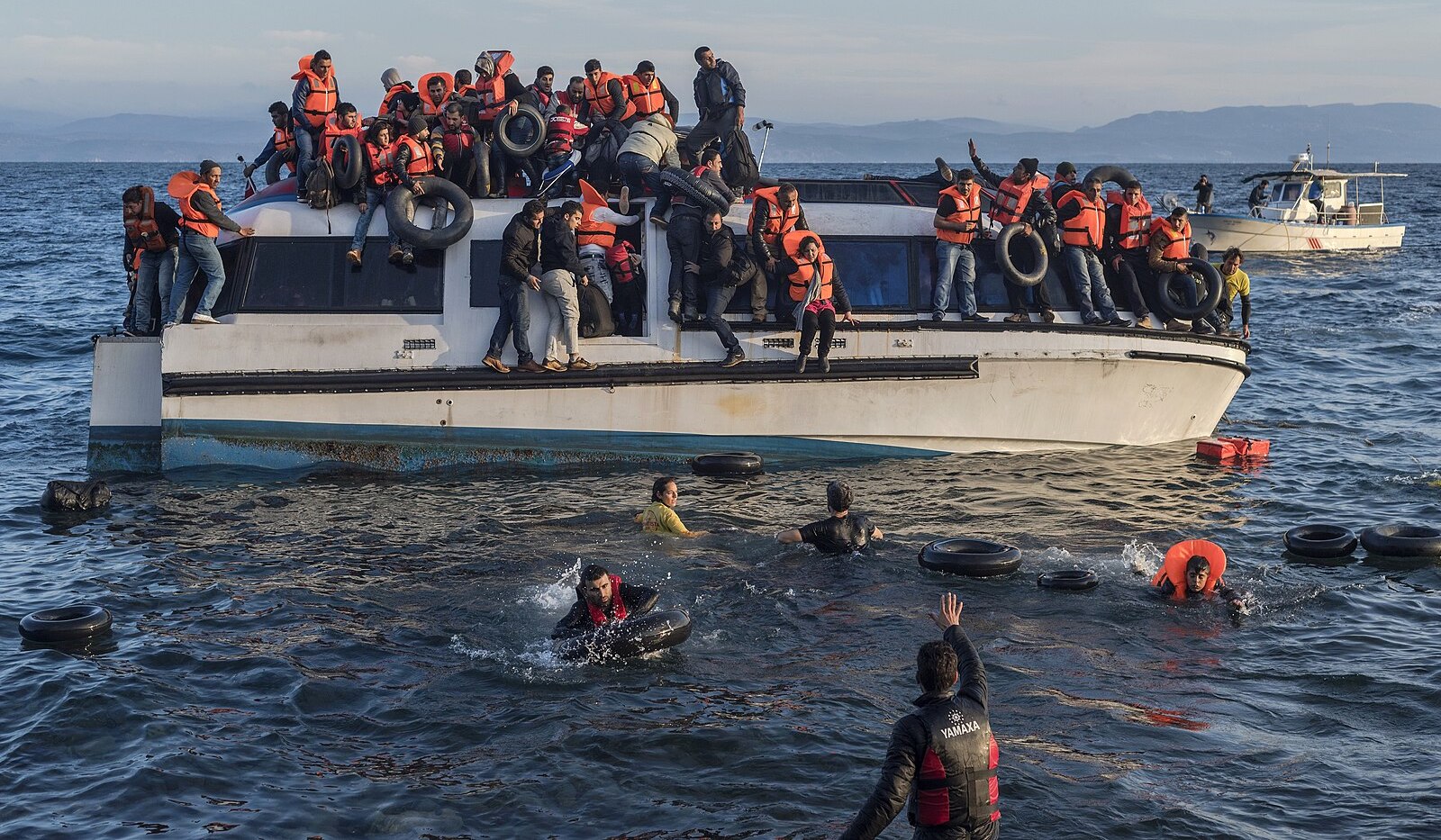
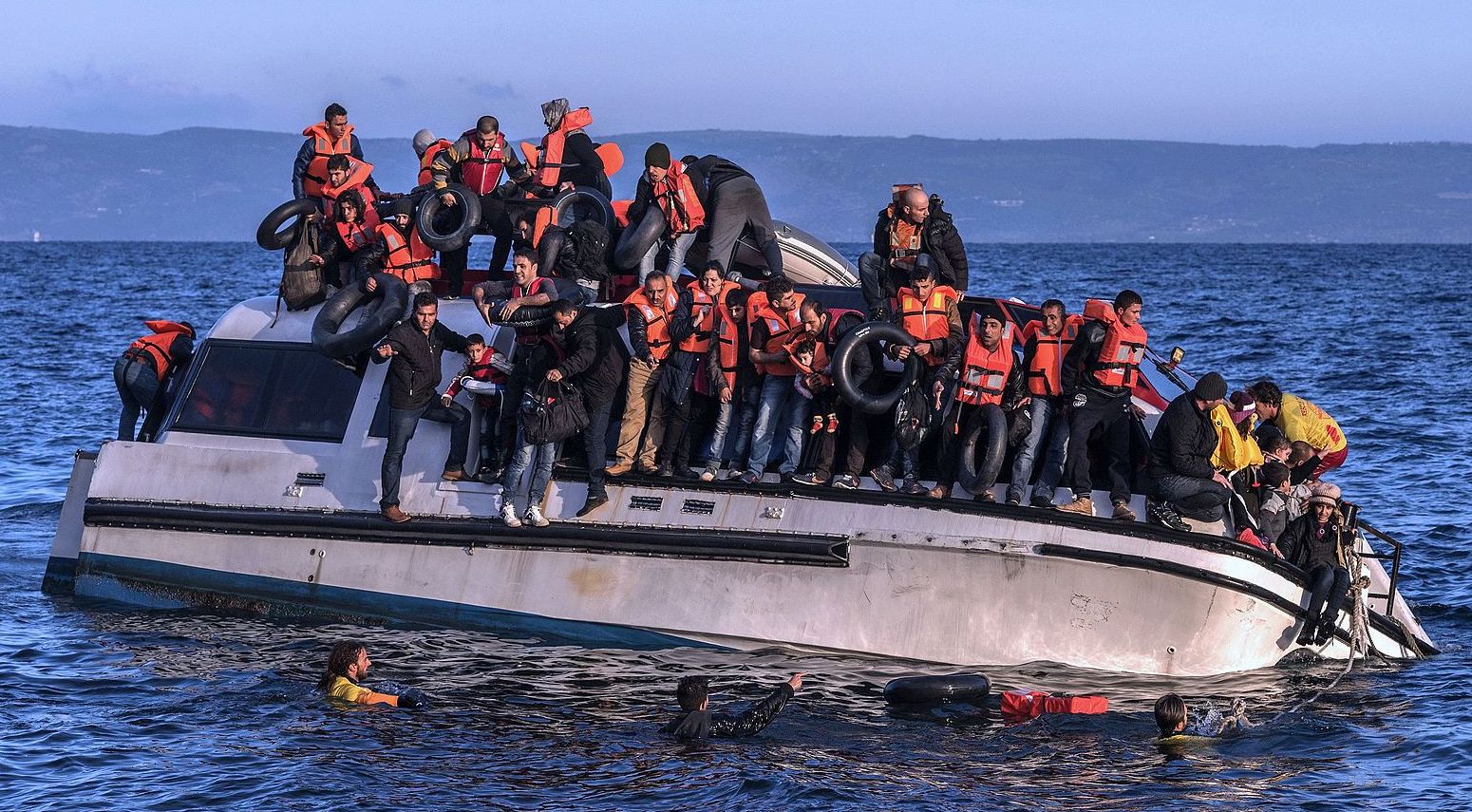
The Cyprus spokesperson for the United Nations Refugee Agency, Emilia Strovolidou, has urged the country to stop forcibly pushing away Syrian refugee boats arriving from Lebanon, a practice that violates international human rights law and the principle of non-refoulement. Strovolidou accused Cyprus authorities of using “violent” tactics to “destabilize” boats in order to thwart refugees from arriving on the island’s shores. Meanwhile, Human Rights Watch says Lebanese authorities have “arbitrarily detained, tortured, and forcibly returned Syrians to Syria in recent months.” (Photo: Syrian refugees arriving in Lesvos, Greece. Greek authorities have also been accused of push-backs. Via Wikimedia Commons)

Europe
El Hamma

Synagogues attacked in Germany, Tunisia

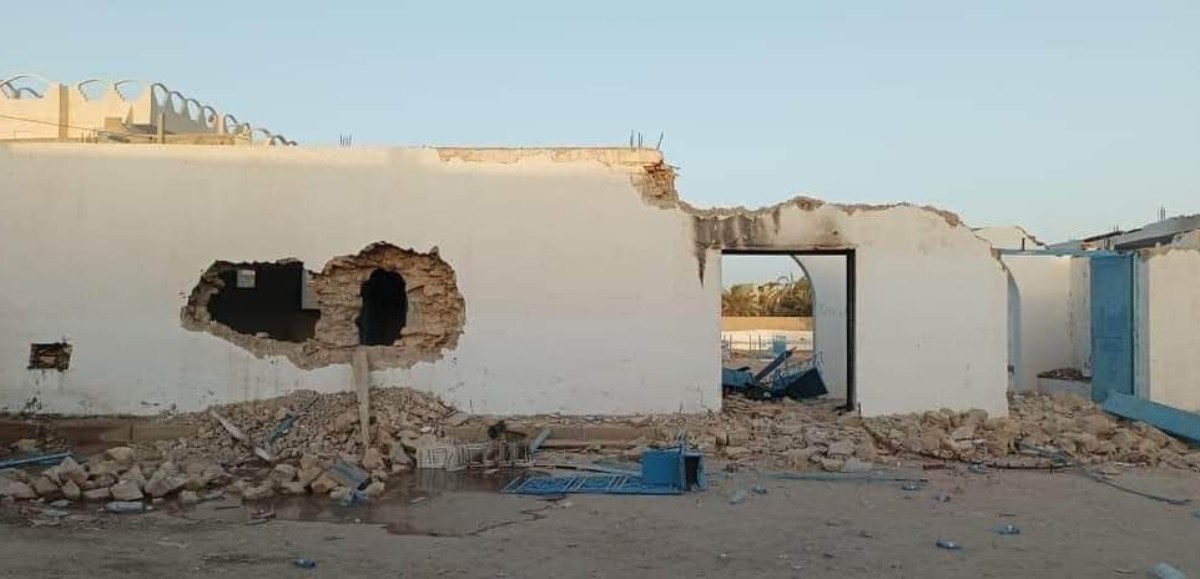
Unknown assailants targeted a Berlin synagogue with Molotov cocktails, while rioters in Tunisia burned down the country’s historic El Hamma synagogue. There was no significant property damage at the Kahal Adass Jisroel synagogue in Berlin, but El Hamma in the Tunisian city of Gabes was effectively destroyed. Although El Hamma no longer functioned as a house of worship, it held major symbolic significance for Tunisian Jews, who are still shaken from a May shooting at the Ghriba Synagogue in Djerba, the oldest in Africa. (Photo showing damage to Tomb of Rabbi Yousef al-Maarabi at El Hamma synagogue via RadioJ)

Europe
Smyrna

Erdogan invokes burning of Smyrna

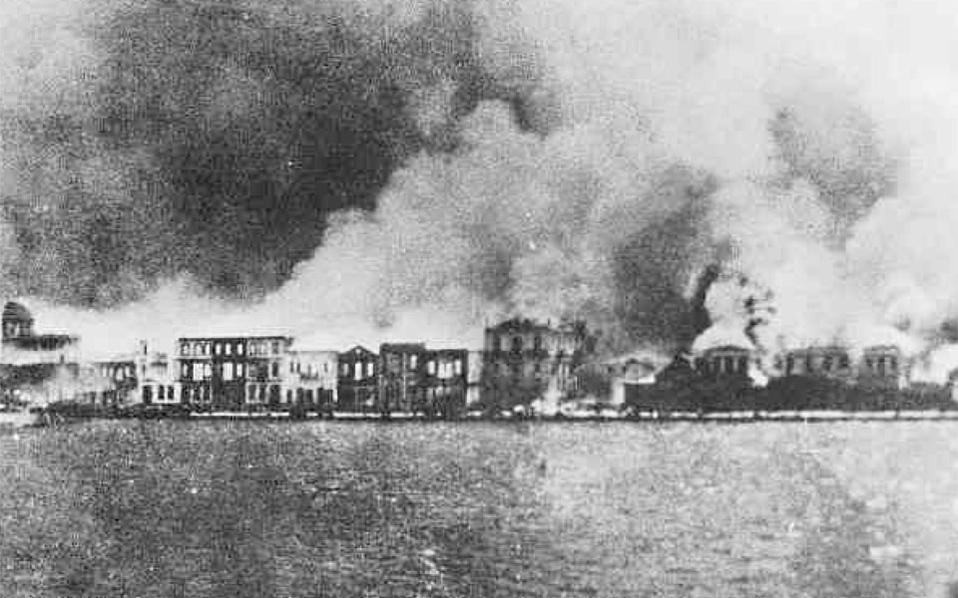
Amid rising tensions between NATO allies Turkey and Greece, Turkish President Recep Tayyip Erdogan explicitly invoked the burning of Smyrna at the end of the Greco-Turkish War. “We have only one word to tell Greece: Do not forget Izmir,” Erdogan warned, using the Turkish name for the coastal city that was the scene of atrocities targeting the substantial Greek populace after it was taken by Turkish forces in September 1922. “We may come suddenly one night,” Erdogan added. The current dispute stems from a treaty signed the year after the attack on Smyrna/Izmir, which gave offshore islands to Greece on condition that they remain unarmed. Ankara charges that Greece is militarizing the islands, in violation of the 1923 Treaty of Lausanne. (Photo via HALC)

Europe
Lesvos

Greece urged to end pushback of asylum seekers

The Council of Europe Commissioner for Human Rights urged the Greek government to end its practice of illegal “pushbacks” of asylum seekers at both the land and sea borders with Turkey. Commissioner Dunja Mijatovic said she had “received a number of consistent and credible allegations concerning acts by the Greek Coast Guard to prevent boats carrying migrants reaching the Greek islands.” Following reports of verbal and physical abuse inflicted on migrants being pushed back to Turkey, she indicated that acts of the Greek state may be in breach of Article 3 of the European Convention on Human Rights, on prohibition of torture. (Photo: WikiMedia Commons)

Syria
Idlib ruins

Syria: endgame or escalation?

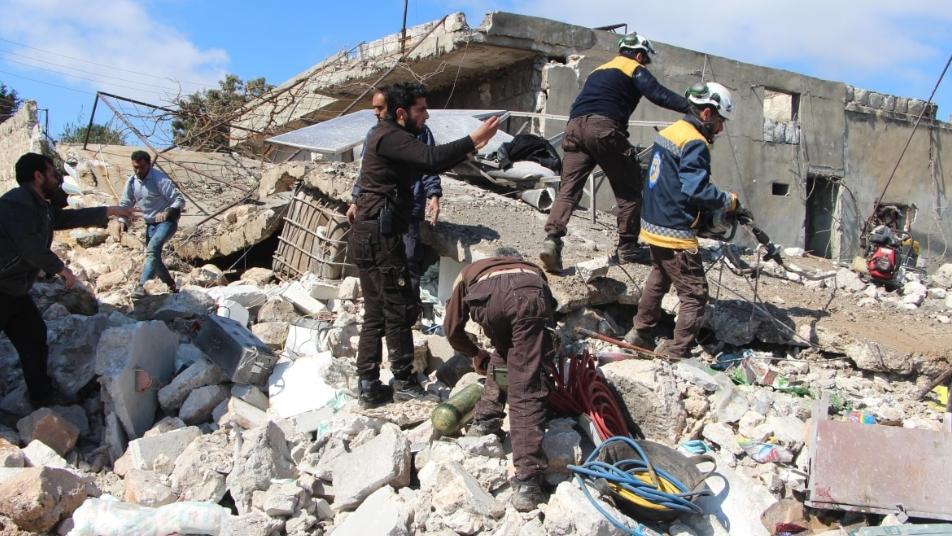
Amid all the recent talk about how the war in Syria is approaching an imminent end, it suddenly looks set for international escalation. With Turkish forces resisting the Assadist advance into Idlib province, the last rebel-held territory, there is clear potential for direct combat between a NATO member and the Damascus regime or its Russian backers. The humanitarian catastrophe is worsening in Idlib, with over half a million displaced and pouring into camps along the Turkish border. Regime forces this week recaptured Kafranbel, an important symbolic victory, as the town was among the first to rebel against Assad and was long a symbol of the revolution. Regime and Russian aerial bombardment continues to take a horrific toll, with schools and hospitals intentionally targeted.  (Photo: White Helmets)

Iraq
yazidi protest

Protest Turkish bombardment of Yazidi territory

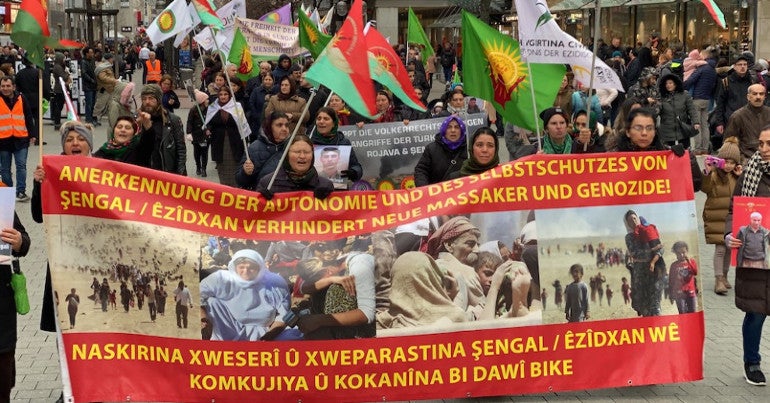
The Turkish air force again carried out raids targeting the Sinjar Resistance Units (YBS), a Yazidi militia, in the autonomous Sinjar area of Iraq’s Ninevah province. Reports said at least four people were killed, including militia commander Zardasht Shingali. The YBS, aligned with the Kurdistan Workers Party (PKK), played a key role in liberating the Sinjar area from ISIS after the Islamic State’s genocide against the Yazidis in 2014. After the new air-strikes, the Kurdish Freedom Movement umbrella group called for protests against the Turkish aggression in cities across Europe. Demonstrations were reported from Athens, Nuremberg, Frankfurt, Marseille, Stockholm and Utrecht. (Photo via The Canary)

Syria
Kurdish refugees

‘Ceasefire’ or ethnic cleansing in northeast Syria?

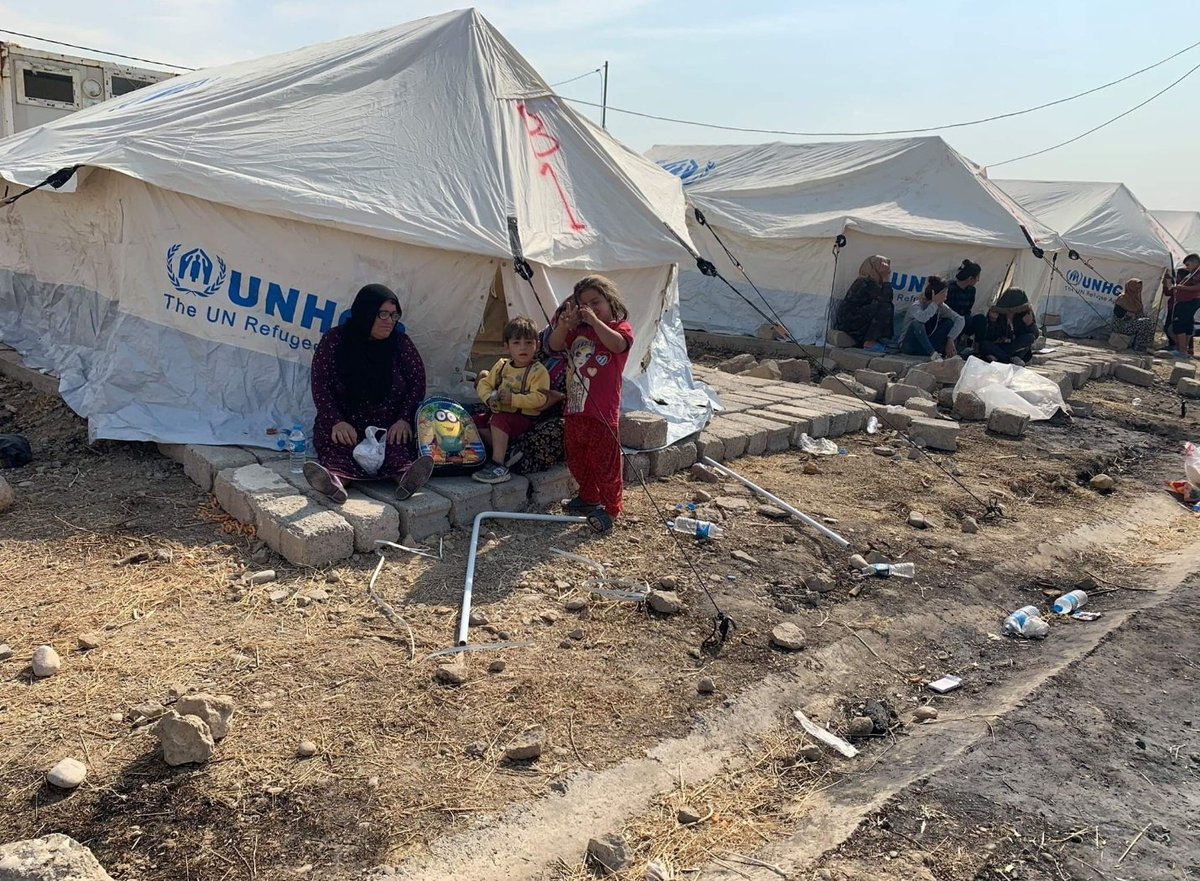
After meeting in Ankara, US Vice President Mike Pence and Turkish President Recep Tayyip Erdogan reached a deal to suspend Turkey’s military offensive in northern Syria for five days to allow Kurdish forces to withdraw from a designated area along the border. This is being widely reported as a “ceasefire.” However, Ankara is insisting the deal is not a “ceasefire” but a halt in the offensive to give Kurdish forces time to retreat from zone. Far from being a peace move, the pact amounts to an ultimatum to the Kurds to quit their territory. Some 160,000 Kurds have already fled the Turkish offensive—some to a refugee camp that has been established across the border in Iraq. (Photo: UNHCR via Twitter)

Europe

Amnesty: EU complicit in violence against refugees

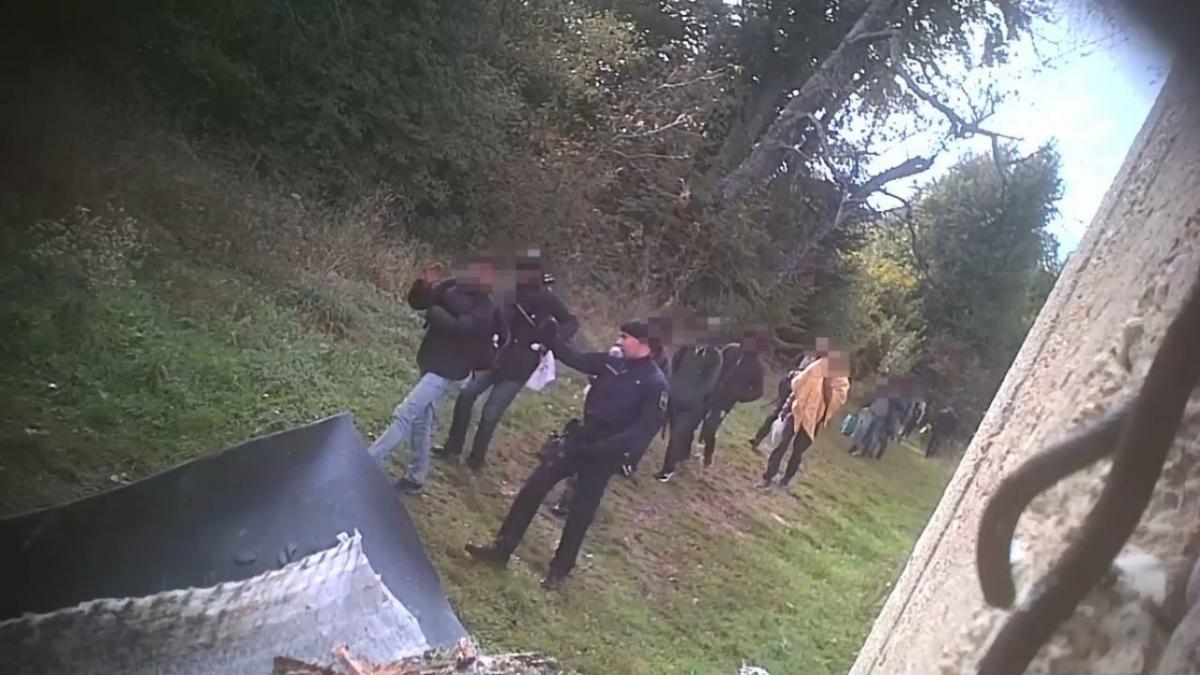
European governments are complicit in the systematic, unlawful and frequently violent "pushback" and collective expulsion of thousands of asylum seekers to squalid and unsafe refugee camps in Bosnia and Herzegovina, Amnesty International charges in a new report. By prioritizing border control over compliance with international law, European governments are not merely turning a blind eye to vicious assaults by the Croatian police, but actually funding such activities. In so doing, they are fueling a growing humanitarian crisis on the edge of the European Union. (Photo Border Violence Monitoring)