Greater Middle East

Trump joins Putin in bombardment of Idlib
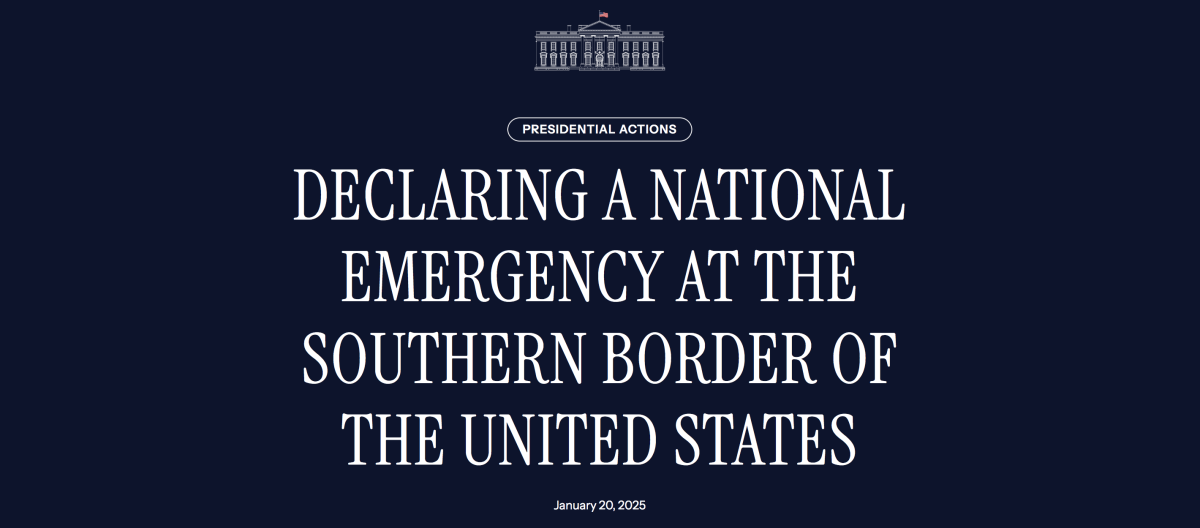
TrumpDuring his first days back in office, Donald Trump rapidly started implementing his hardline migration agenda, including by declaring a state of emergency at the US southern border. The move allows his administration to access billions of dollars to expand the building of a border wall and to deploy the military and national guard to the area. Around 1,500 active duty soldiers are already being deployed. Trump also reinstated the controversial "Remain in Mexico" program from his first administration. This policy, which requires people to wait for asylum appointments in Mexico, helped to create a now-perennial humanitarian crisis in northern Mexico. The Trump administration has also shut down CBP One—a cell phone app for scheduling asylum appointments—leaving thousands of people stranded in Mexico, and suspended the US refugee resettlement program, as well as cancelling travel plans for refugees who had already been approved to enter the country. Trump's promised mass deportation of millions of undocumented people has yet to get underway, but his administration has begun laying the groundwork for expanded immigration raids—potentially including on schools, churches, and hospitals—and has threatened to prosecute any local officials who don't comply. (Image: White House)
Greater Middle East
yemen

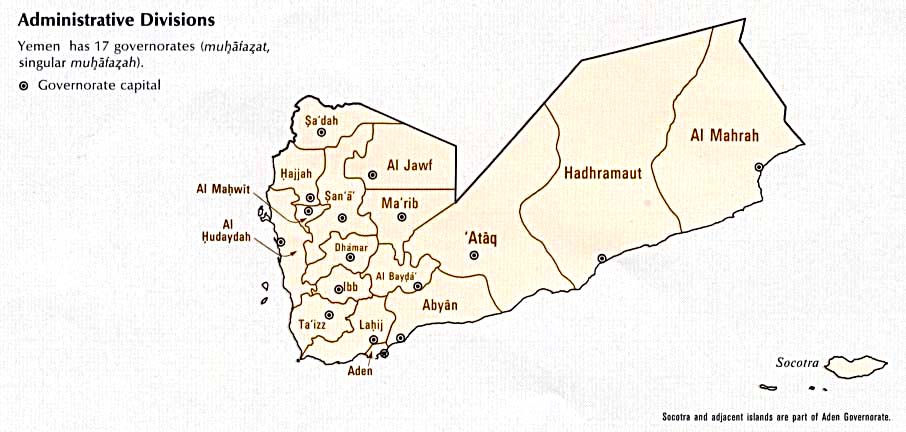
Yemen: now a three-way war —or four?

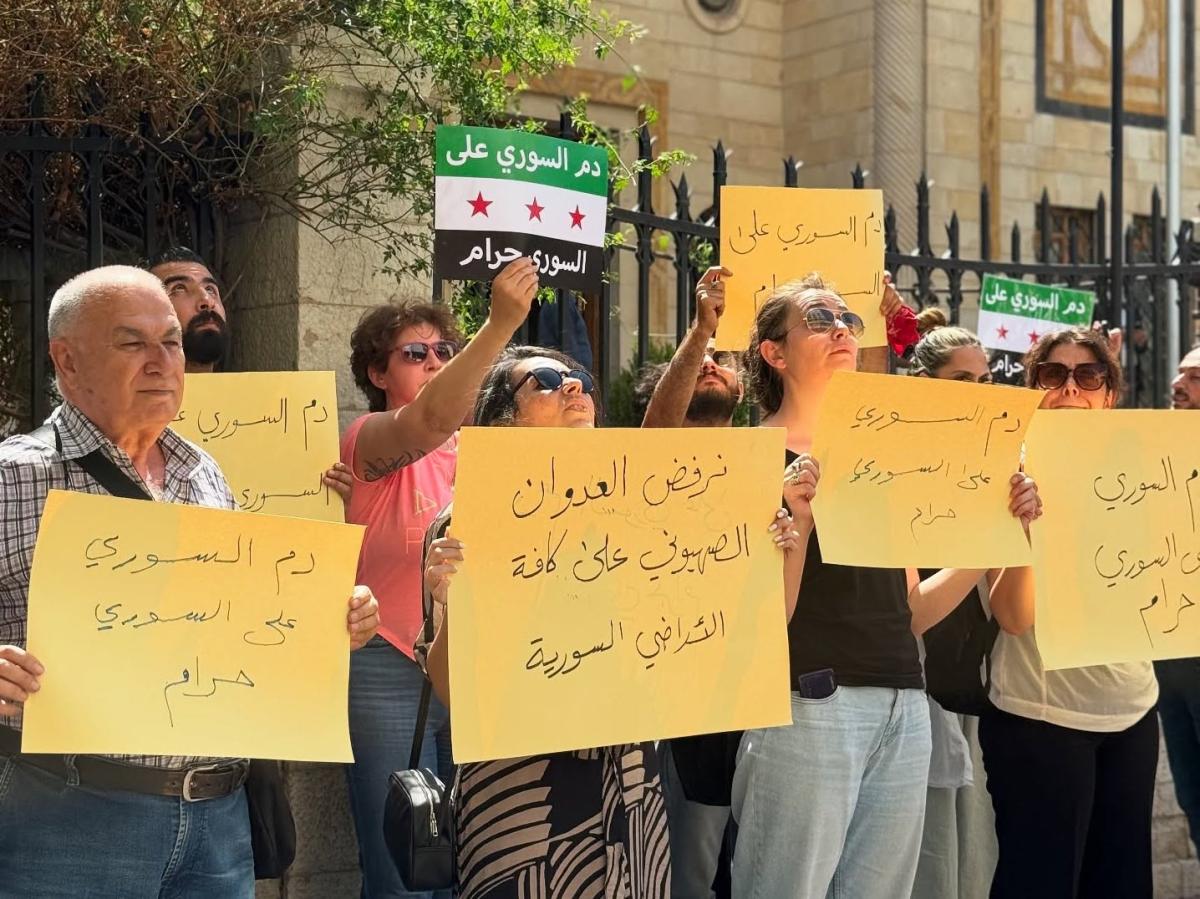
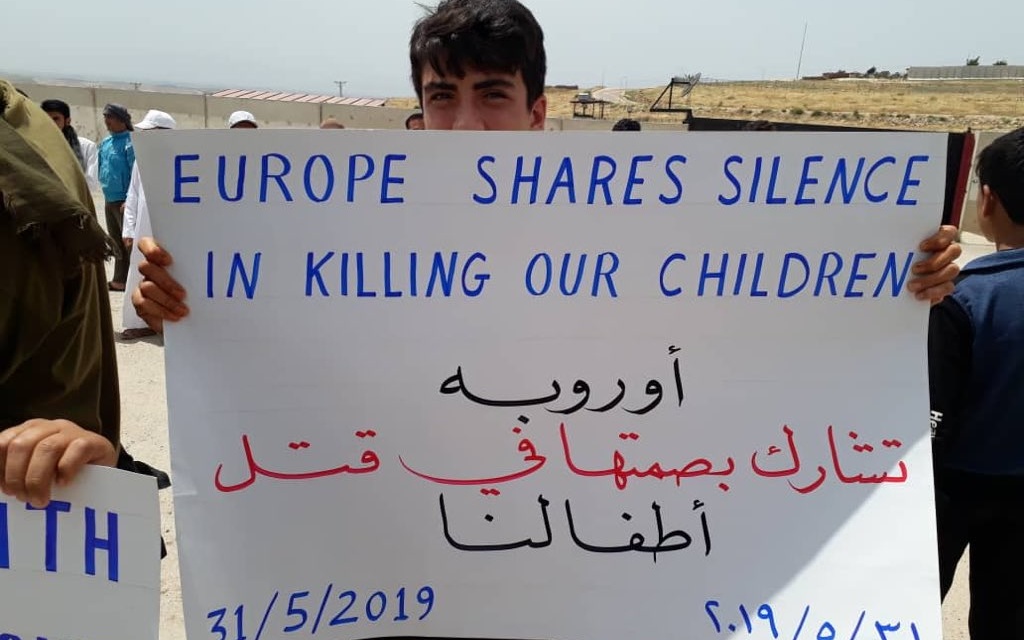
DamascusThe investigation by the Syrian transition government into the March violence against the Alawites in Latakia province has been submitted—but the full findings have not been made public, and it apparently exonerates the government of involvement. Meanwhile southern Suwayda province has seen a perhaps even deadlier eruption of violence—this time pitting Druze against Bedouin, with the role of the government similarly the source of much contestation (and fodder for Internet partisans). And a Damascus protest against the violence and for co-existence was attacked by goons. Amid all this, Israel is militarily intervening, the government looks to Turkey for military aid, and both the US and Russia still have forces on the ground—treating the country as a Great Power chessboard. In Episode 288 of the CounterVortex podcast, Bill Weinberg argues that the Syrian Revolution is poised on a razor's edge, ready to descend into ethno-sectarian war and authoritarianism unless political space can be kept open for the secular-democratic civil resistance that began the revolution 14 years ago. (Image: Banners read "Syrians must not shed Syrian blood" and "We reject Israeli aggression against Syria." Credit: The Syria Campaign via Facebook)

Afghanistan
warplane

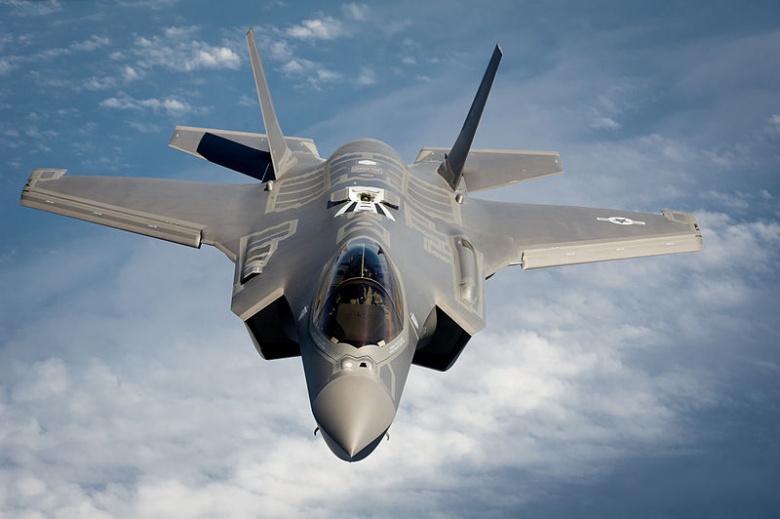
US allies maintain lead over Taliban in civilian deaths

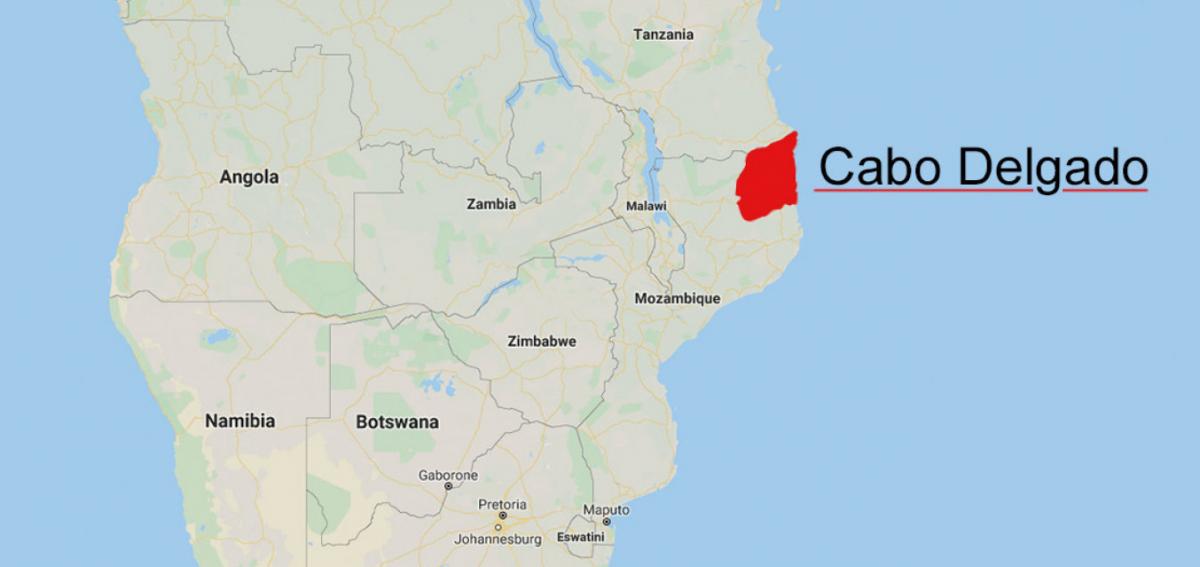
MozambiqueMozambique's President Filipe Nyusi is usually wary of foreign military intervention. But the grim situation in Cabo Delgado seems to have forced his hand. Rwanda is deploying a 1,000-strong force to the insurgency-hit northern province. And troops from the Southern African Development Community regional bloc are also set to arrive. Reports suggest the Rwandans will set up around the Afungi peninsula, where a multi-billion dollar gas project is located. Their battlefield enemy—known locally as al-Shabab—is formidable and entrenched, as Mozambique's army and its mercenary allies know well. Lost in the military chatter is much mention of Cabo Delgado's worsening humanitarian crisis: More than 700,000 people have been uprooted, and close to a million are now facing severe hunger. (Map via Moscow Times)

Africa

Violence sweeps Mali-Burkina Faso borderlands

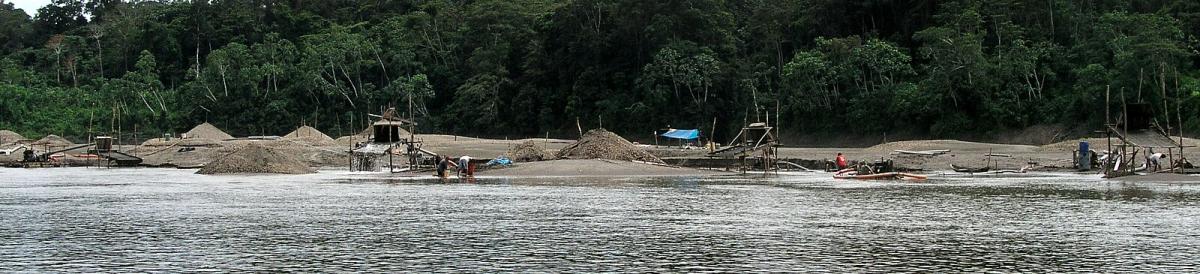
WampisLeaders of the Autonomous Territorial Government of the Wampís Nation (GTANW) in Peru denounced the use of local children as "human shields" to protect illegal mining activities and demanded the declaration of a state of emergency in the northern Amazon region. GTANW president Teófilo Kukush Pati said that when the police and armed forces carry out interdictions at mining sites, illegal miners forcibly gather community children to defend their operations. The leader also reported that the illegal mining outfits threaten to kill opponents. Pati stressed that the mercury produced by illegal mining in the Santiago River basin contaminates waters, which local communities depend on for fishing and drinking. The statement came as Pati arrived in Lima to meet with the government's high commissioner for the fight against illegal mining. (Photo: JYB Devot via Wikimedia Commons)

Greater Middle East

Egypt: ‘crimes against humanity’ in Sinai feared

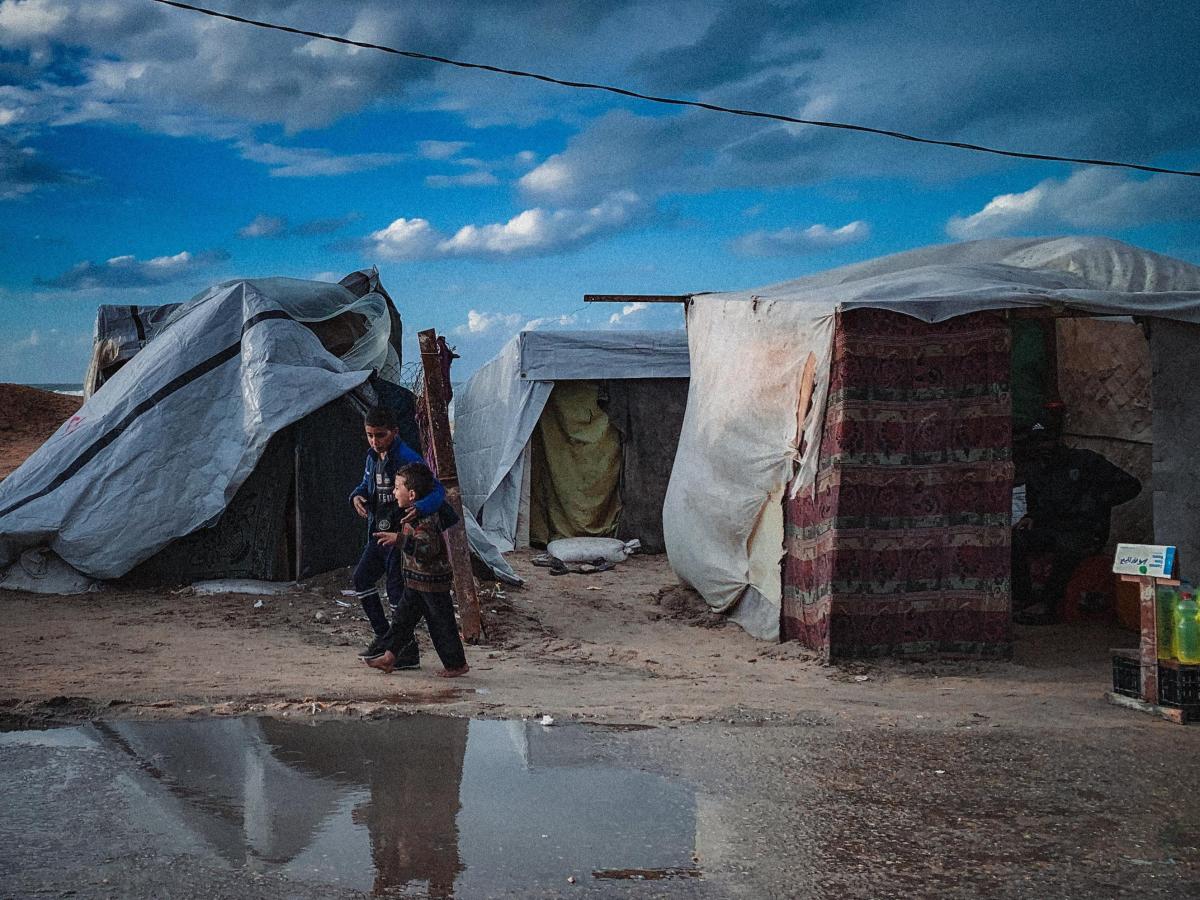
GazaWith the sounds of war starting to fall silent in the Gaza Strip after 470 days of brutal Israeli military assault and siege, a tiny crack of hope has opened for the Palestinian residents of the enclave that they will be able to gather the shattered pieces of their lives and begin the daunting task of rebuilding. But whether the deal reached by Israel and Hamas will lead to a decisive end to the war remains entirely unclear. Under a Trump administration that promises to be even more staunchly pro-Israel than the Biden administration, it's difficult to imagine Palestinians seeing anything resembling their aspirations for a state being met—or justice and accountability for the crimes committed over the past 15 months. (Photo: Rita Baroud/TNH)

Afghanistan
warplane

US allies overtake Taliban in Afghan civilian deaths

MozambiqueMozambique's President Filipe Nyusi is usually wary of foreign military intervention. But the grim situation in Cabo Delgado seems to have forced his hand. Rwanda is deploying a 1,000-strong force to the insurgency-hit northern province. And troops from the Southern African Development Community regional bloc are also set to arrive. Reports suggest the Rwandans will set up around the Afungi peninsula, where a multi-billion dollar gas project is located. Their battlefield enemy—known locally as al-Shabab—is formidable and entrenched, as Mozambique's army and its mercenary allies know well. Lost in the military chatter is much mention of Cabo Delgado's worsening humanitarian crisis: More than 700,000 people have been uprooted, and close to a million are now facing severe hunger. (Map via Moscow Times)

South Asia

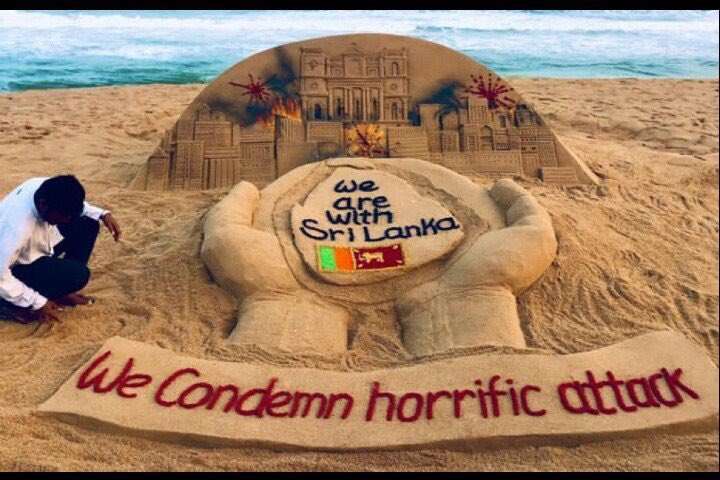
Muslim leaders had warned of Sri Lanka terror

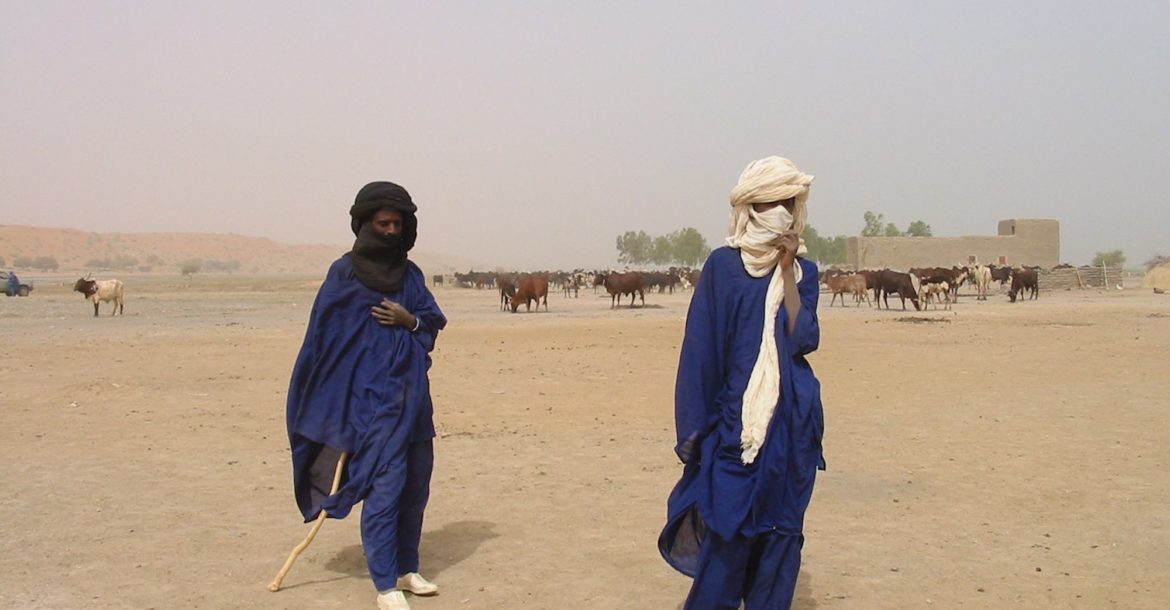
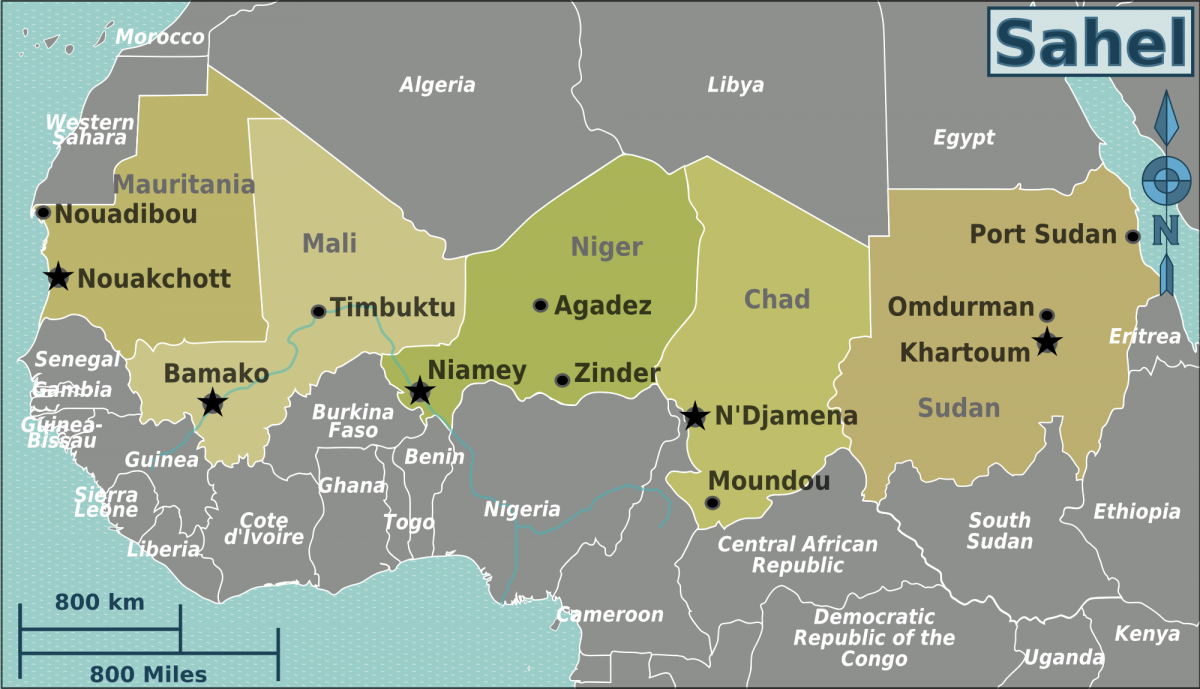
SahelThe tri-border region where the Sahel countries of Mali, Niger and Burkina Faso come together is the scene of fast-mounting massacres by presumed Islamist militants. Attacks on civilians and security forces alike have left hundreds dead this month. In Niger, peasants were gunned down while working their fields in Banibangou village—an attack attributed to a local ISIS franchise. In Mali, ongoing deadly attacks have caused a massive population exodus in several regions of the country, including Menaka, Mopti, Gao, Timbuktu and Sikasso. "Violence is spreading so rapidly across Mali that it threatens the very survival of the state," said UN human rights expert Alioune Tine after a visit to the country. (Map: Wikivoyage)

Southeast Asia

Autonomy vote at issue in Sulu cathedral bombing?

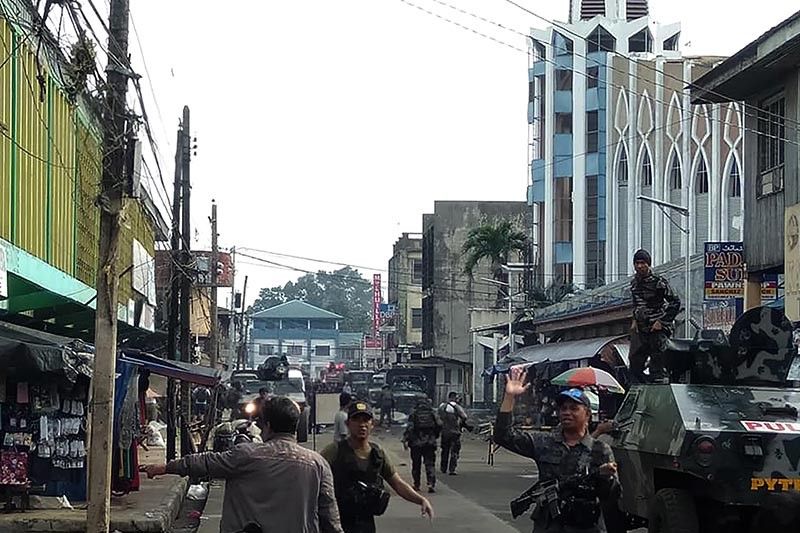
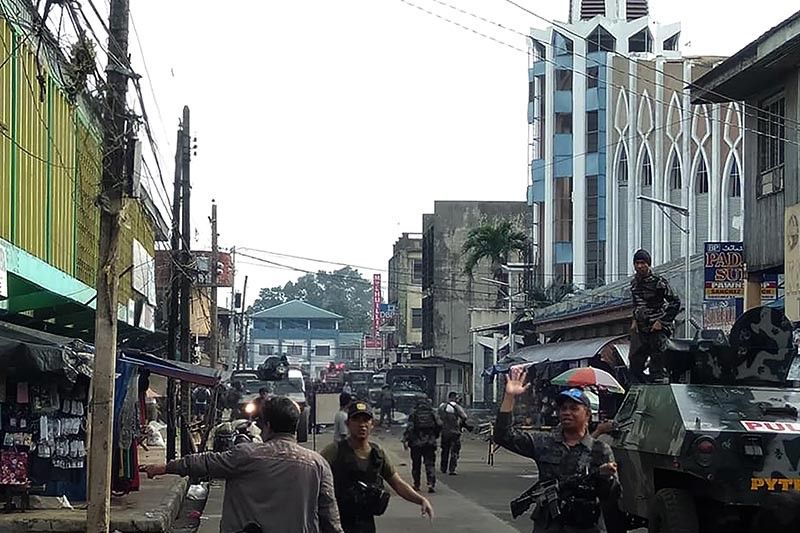
Jolo cathedralTwin explosions left at least 20 dead and some 80 wounded at the cathedral in Jolo, capital of Sulu province in the restive southern Philippine island of Mindanao. The first blast went off inside the Cathedral of Our Lady of Mount Carmel as Sunday mass was about to start. This was followed seconds later by another blast in the cathedral's parking area. The attack came just days after the Bangsamoro Organic Law was approved by voters in the region, creating a new Muslim-led autonomous government. The new Bangsamoro autonomous region replaces the weaker Autonomous Region in Muslim Mindanao. Of the five provinces in the autonomous region, the only one to reject the BOL was Sulu. (Photo via PhilStar)

North Africa
JNIM

Al-Qaeda franchise claims Mali suicide blast

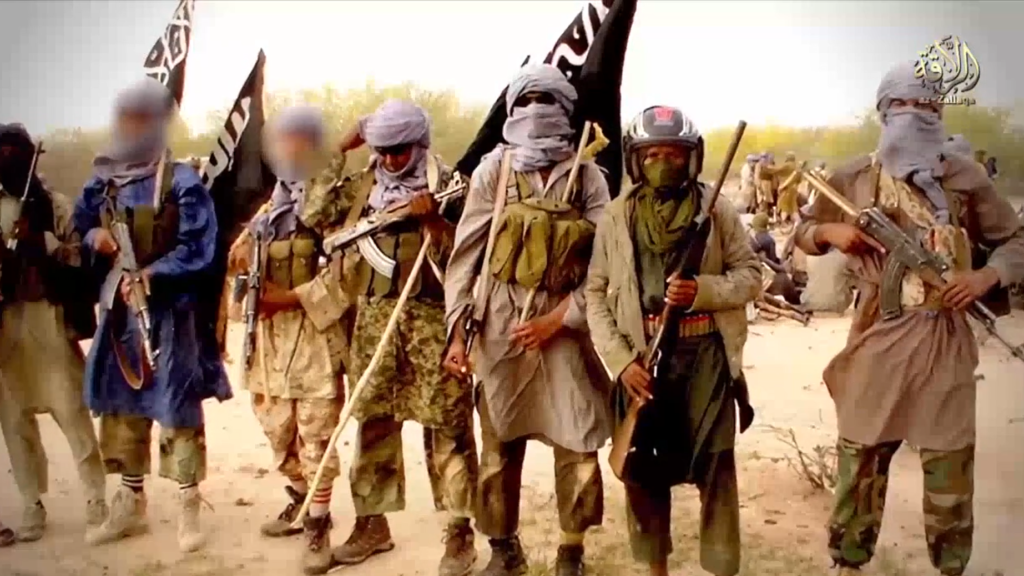
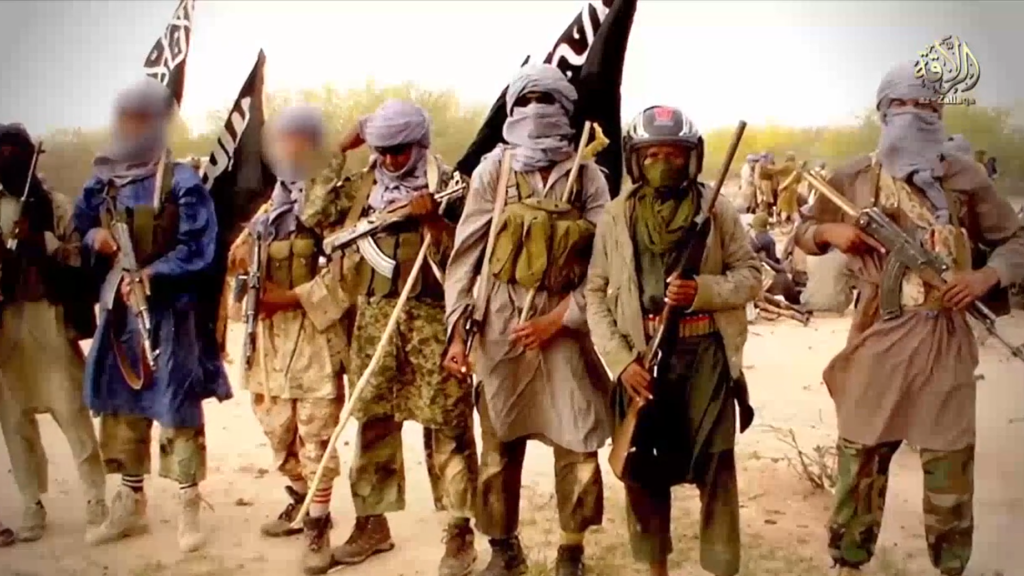
JNIMThe Group for Support of Islam and Muslims (JNIM), al-Qaeda's branch in West Africa and the Sahel, claimed its forces were responsible for a suicide bombing in the northern Malian city of Gao. The suicide truck-bomb detonated in a residential area of Gao, killing three (not counting the attacker) and wounding another 30. The JNIM statement claimed the target was a base of "Crusader invaders" from the United Kingdom, Germany and Canada. However, all of those killed were civilians and local Malians. Four of the wounded were foreign employees of the United Nation's Mine Action Service, working to remove landmines in the area. A video later released by JNIM confirmed that the mine dismantling headquarters in Gao was the intended target. The video stated that "this operation demonstrates that the mujahideen are continuing upon their covenant, which they had made to their lord, until they achieve one of the two good ends, victory or martyrdom."  (Image via Long War Journal)

South Asia

ISIS terror targets restive Baluchistan

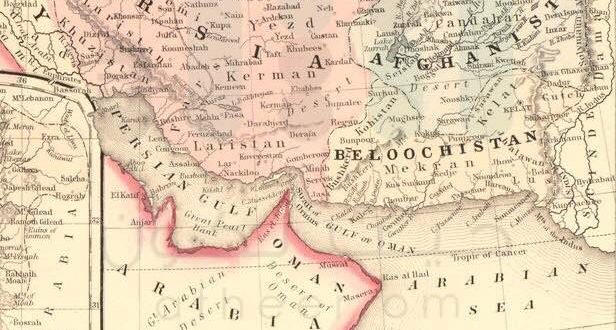
BaluchistanA suicide bomber killed at least 130 at a campaign rally in Pakistan's Balochistan province— the deadliest attack in the country since 2014. A local candidate with the Balochistan Awami Party was among the dead. The local franchise of the Islamic State took credit for the attack. Radio Free Europe portrays the BAP as part of the Pakistani military establishment’s plan to undermine Baluch ethno-nationalist groups. Balochistan province is part of the larger region of Baluchistan, homeland of the Baluch people, long divided between Iran, Pakistan and Afghanistan. There are movements for Baluch independence in each of these countries, but they have been unable to unite across the nation-state boundaries. The attack may point to an ISIS strategy to disrupt electoral ethno-nationalist initiatives, and co-opt the Baluch struggle across all three borders, wedding it to Sunni extremism. (Map via Atheer)

Southeast Asia

Indonesia approves draconian anti-terrorism bill

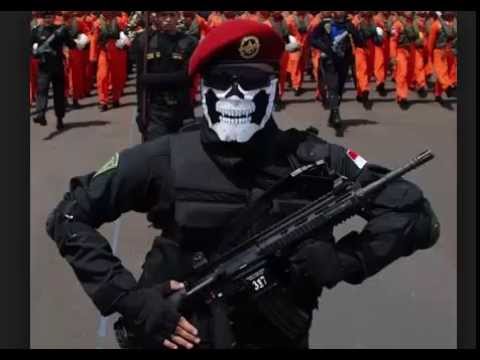
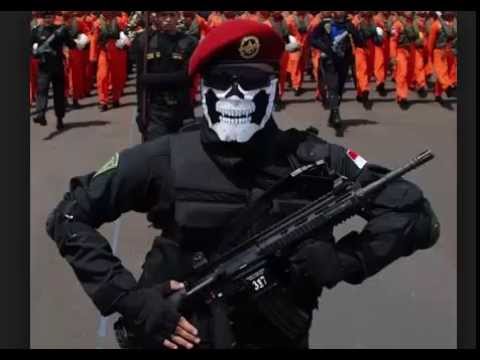
KopaskaThe Indonesian Parliament unanimously approved a new anti-terrorism law that will allow the military to directly participate in operations against militant groups. The legislation comes following a slew of suicide bombings in Surabaya by individuals supposedly tied to the Islamic State. President Joko Widodo stated that involvement of the Indonesian National Army in counter-terrorism is necessary in addressing the crisis faced by the nation. A related measure also gives police the power to detain suspects for 21 days without charge. (Photo: Indonesian Navy Special Forces Kopaska)

Greater Middle East

Egypt refers 555 terror suspects to military court

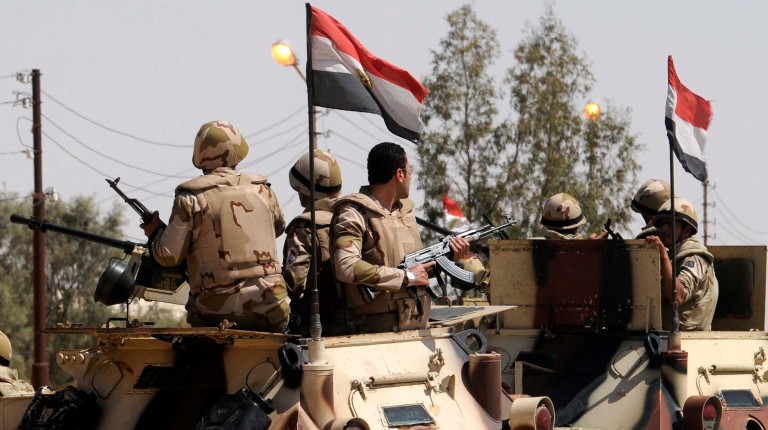
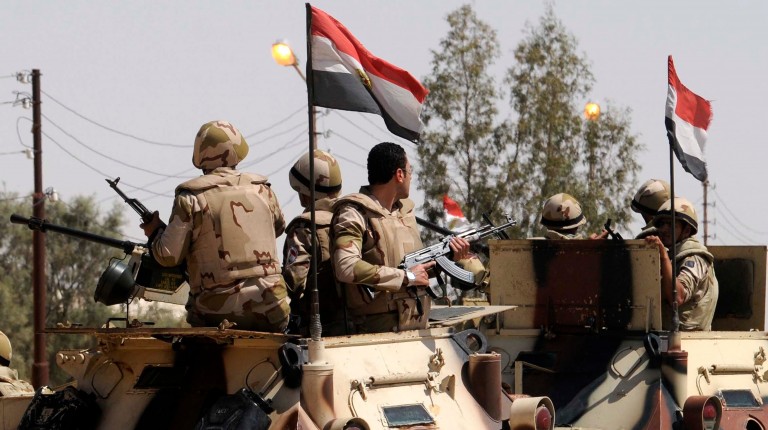
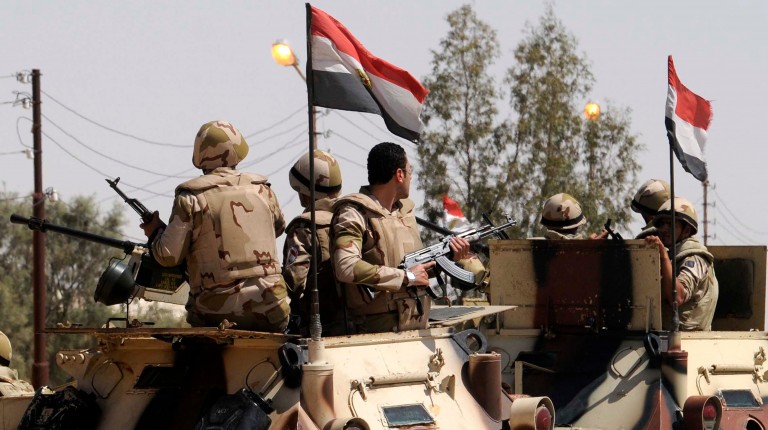
SinaiEgypt's chief prosecutor referred 555 individuals suspected of joining a local ISIS affiliate to military court. The charges against them arise out of a series of attacks carried out by dozens of small militant groups situated in the northern part of the Sinai Peninsula. The suspects will faces charges for the planned and executed killings of security personnel, attacks on military checkpoints, and the destruction of a gas pipeline between Egypt and Jordan. The charges come amid growing concerns over torture, lengthy solitary confinement and other rights abuses in Egypt's prisons. (Photo: Egypt Daily News)