Mexico
Chihuahua

CIA operation in northern Mexico revealed
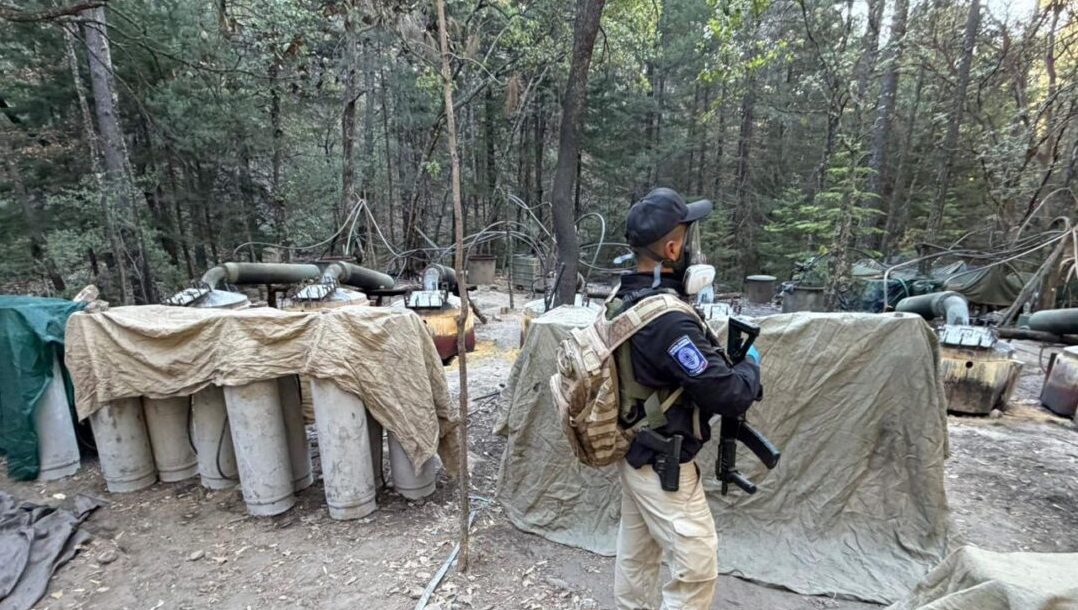
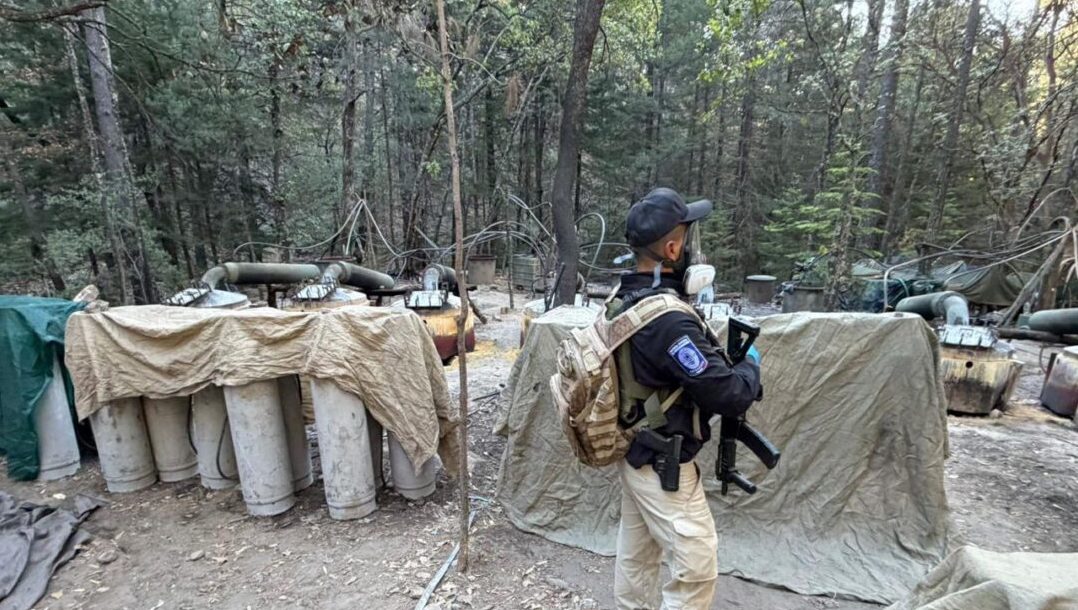
Two US embassy “instructors” killed when the vehicle carrying them plummeted down a mountain ravine in northern Mexico’s Chihuahua state were actually CIA officers, according to a Washington Post report. The revelation contradicts initial claims by Chihuahua Attorney General Cesar Jauregui denying that there was “any involvement of any foreign agent” in the raid on a methamphetamine lab raid in the remote southwestern corner of the state. The names of the two US personnel have not been revealed, but Chihuahua State Investigations Agency (AEI) director Pedro Román Oseguera Cervantes and one of his agents were also killed in the crash that took place during the operation. President Claudia Sheinbaum said after the revelation of apparent CIA involvement that she is considering sanctions against the government of Chihuahua, asserting that any security collaboration with the US must be approved by Mexico’s federal government. (Photo: AEI via CBS News)
Mexico
operativo frontera norte

Mexico launches ‘Operativo Frontera Norte’

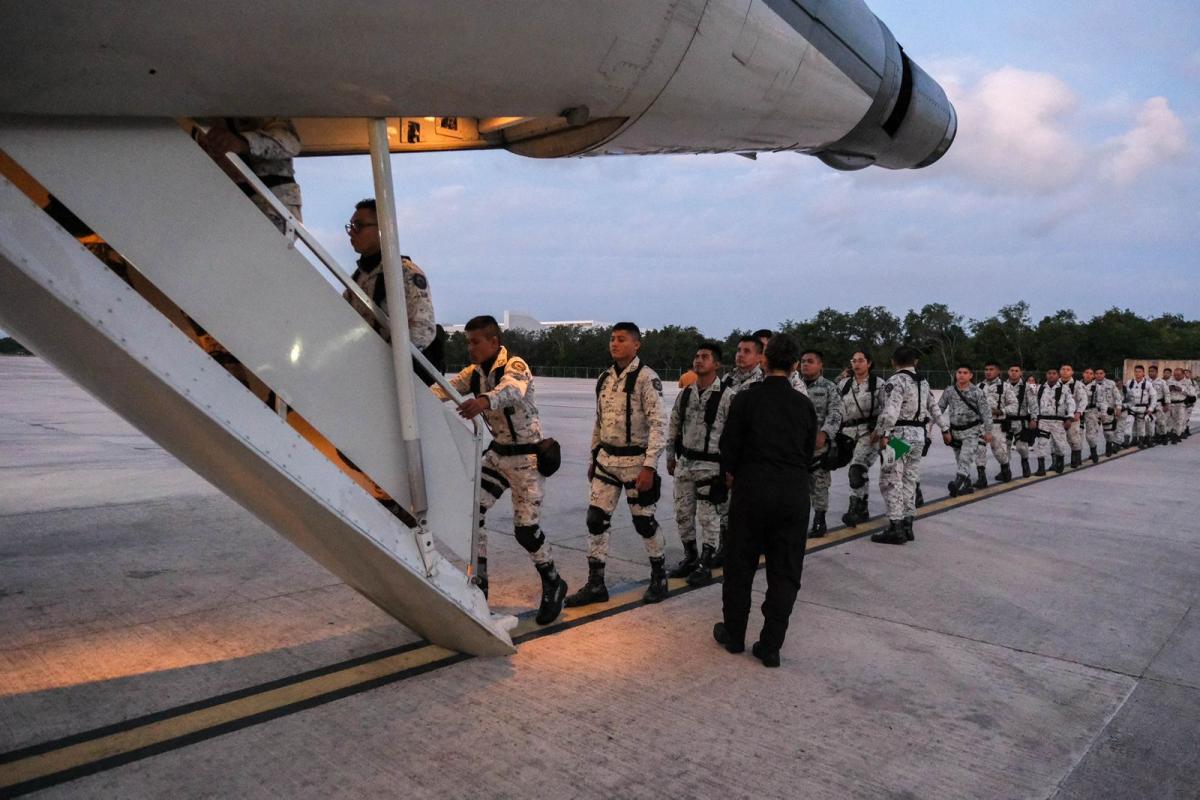
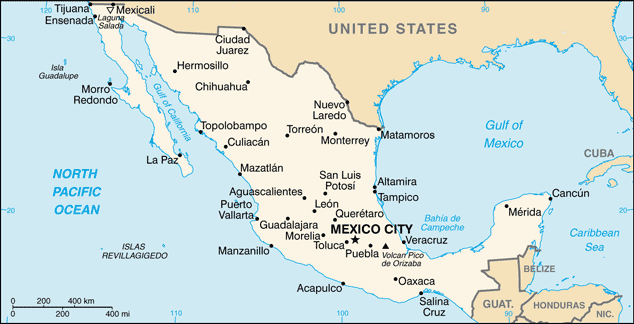
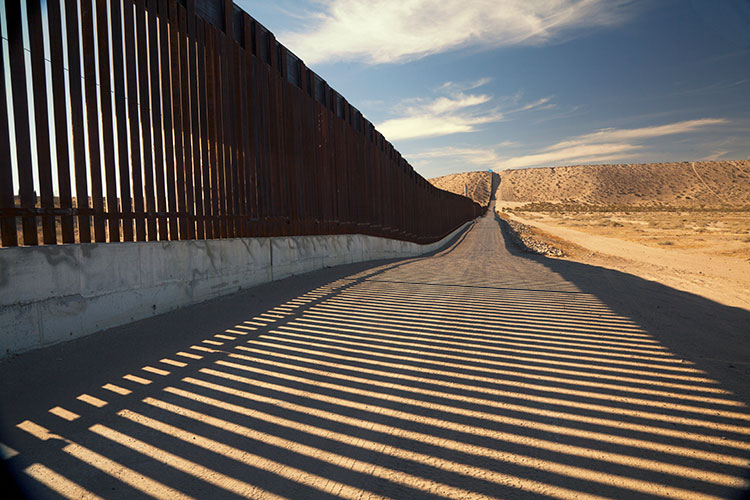
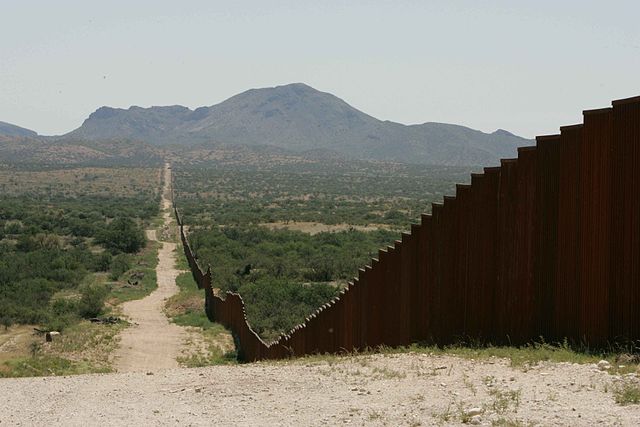
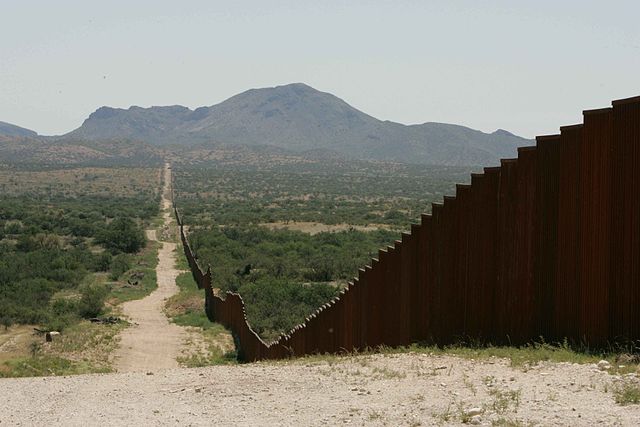
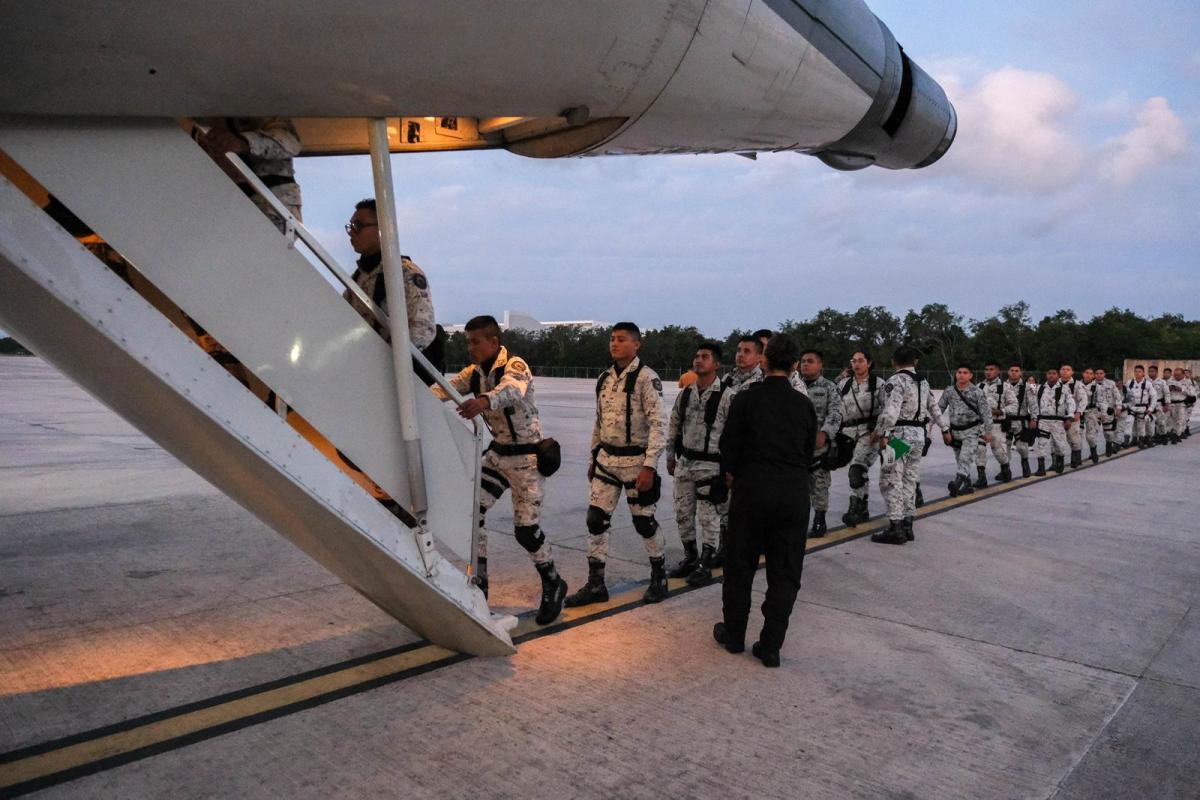
Mexico has launched a massive deployment of 10,000 troops to cities and towns on the border with the United States. Videos and photos posted on social media by Mexico’s Secretariat of National Defense (SEDENA) showed military and National Guard troops lined up boarding transport planes and rows of army trucks rolling out from bases in Mexico City, Tlaxcala and other cities. The response—dubbed “Operativo Frontera Norte”—is part of an agreement reached between US President Donald Trump and Mexican President Claudia Sheinbaum postponing trade tariff threats for a month. (Photo: SEDENA via Peninsula360)

Mexico
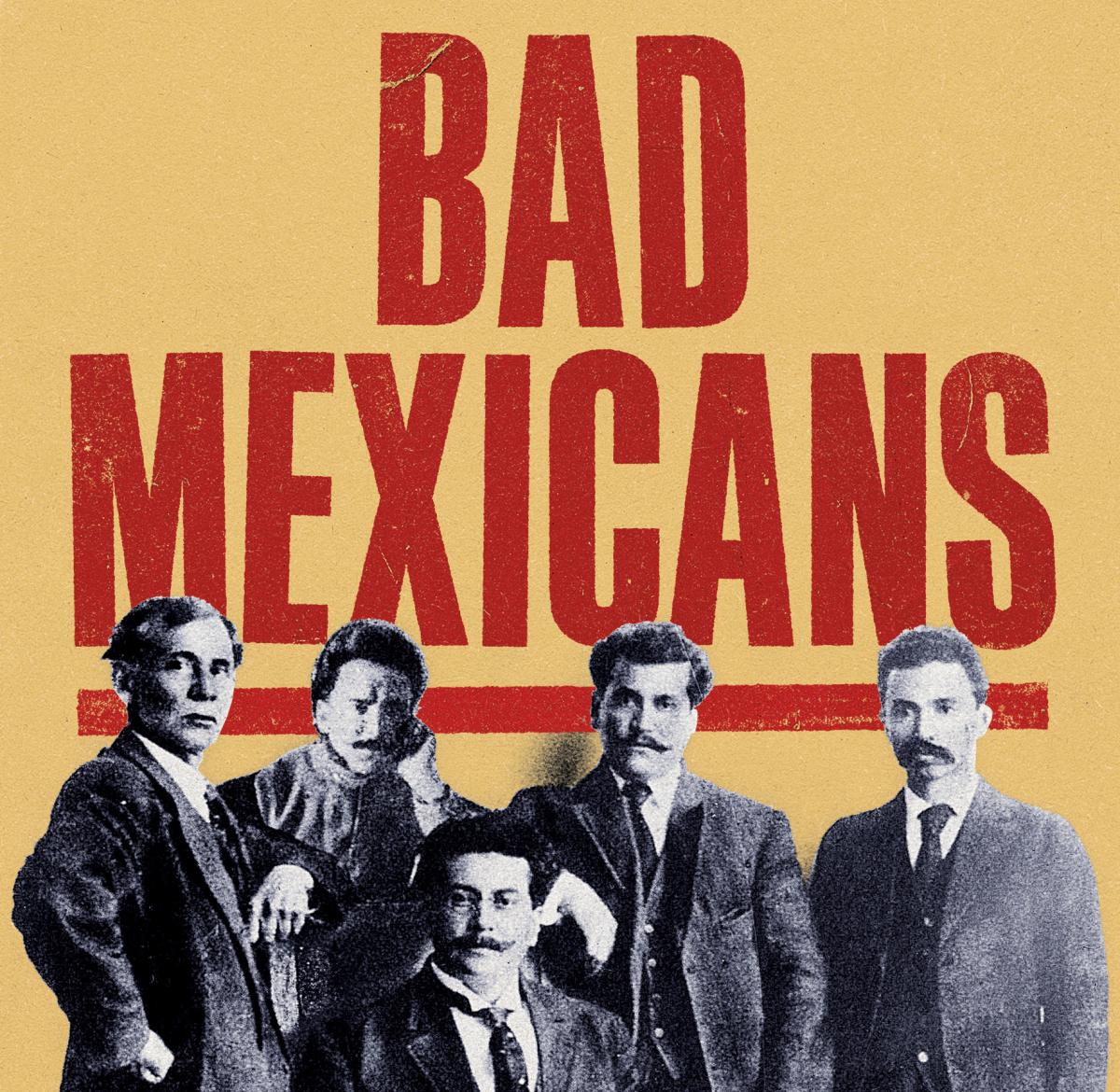
Bad Mexicans

Podcast: Magonismo hits the mainstream

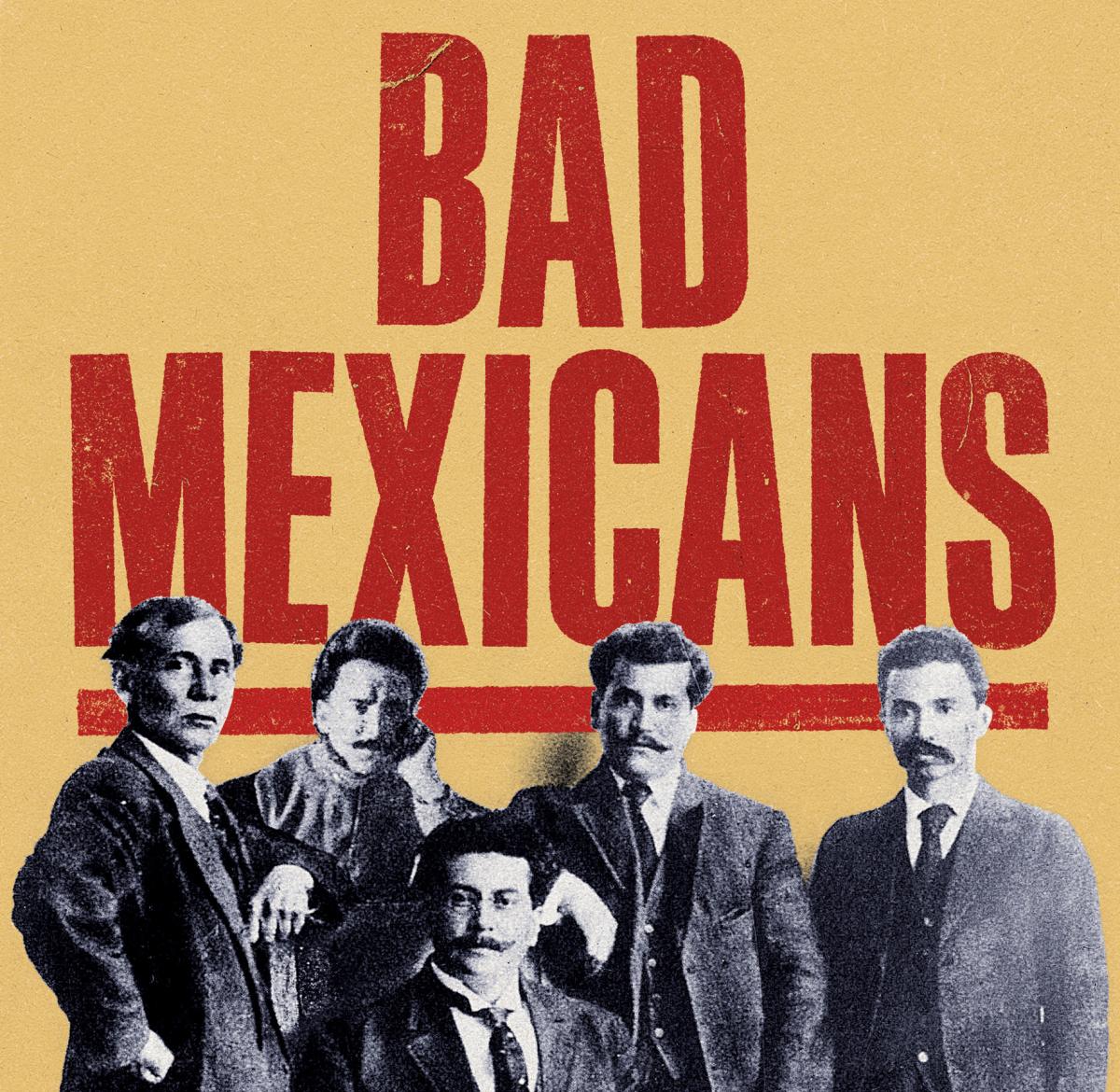
In Episode 162 of the CounterVortex podcast, Bill Weinberg reviews Bad Mexicans: Race, Empire, and Revolution in the Borderlands by Kelly Lytle Hernández. It is definitely a very hopeful sign that a briskly selling book from a mainstream publisher not only concerns anarchists, but actually treats them with seriousness and presents them as the good guys—even heroes. The eponymous “bad Mexicans” of the sarcastic title are the Magonistas—followers of the notorious Magón brothers, early progenitors of the Mexican Revolution of 1910-1920, who first raised a cry for the overthrow of the decades-long, ultra-oppressive dictatorship of Porfirio Díaz. “Bad Mexicans” was the epithet used by both Mexican and US authorities for this network of subversives who organized on both sides of the border. Listen on SoundCloud or via Patreon.

Mexico
Mexico

Mexico: 140 missing in wake of Sinaloa violence

Residents of Jesús María barrio in Culiacán, capital of Mexico’s Sinaloa state, marched on the governor’s palace demanding action on the whereabouts of 140 community members they say have been missing since violence engulfed the city after the arrest of a top cartel kingpin. The youngest of the missing residents is said to be 12 years old. Protesters also denounced abuses by the military troops that have been patrolling Culiacán since the outburst, including illegal detentions and home searches. The arrest of Ovidio Guzmán López—son of the infamous “El Chapo” Guzmán—set off days of street-fighting between cartel gunmen and the security forces. (Map: PCL)

North America

Biden admin to expand Title 42 expulsions

President Joe Biden announced that the US is to extend a parole program previously offered only to migrants from Venezuela to those from Cuba, Nicaragua and Haiti, allowing them to apply for residency—but reiterated that his administration will continue to enforce Title 42, in compliance with a recent order from the Supreme Court. In fact, under his new policy, Title 42 expulsions are to increase, with Mexico agreeing to accept expelled Cubans, Nicaraguans and Haitians. A provision of the Public Health Service Act allowing for summary expulsion of migrants at the southern border, Title 42 is in effect pursuant to a Centers for Disease Control order of March 2020 as a COVID-19 emergency measure. The policy shifts as litigation over Title 42 has been batted back and forth in the US courts has led to confusion in cities on both sides of the border. Squalid encampments have sprung up in Matamoros, Reynosa and other Mexican border towns as migrants await entry to the US. (Photo via FWS)

Mexico
madres

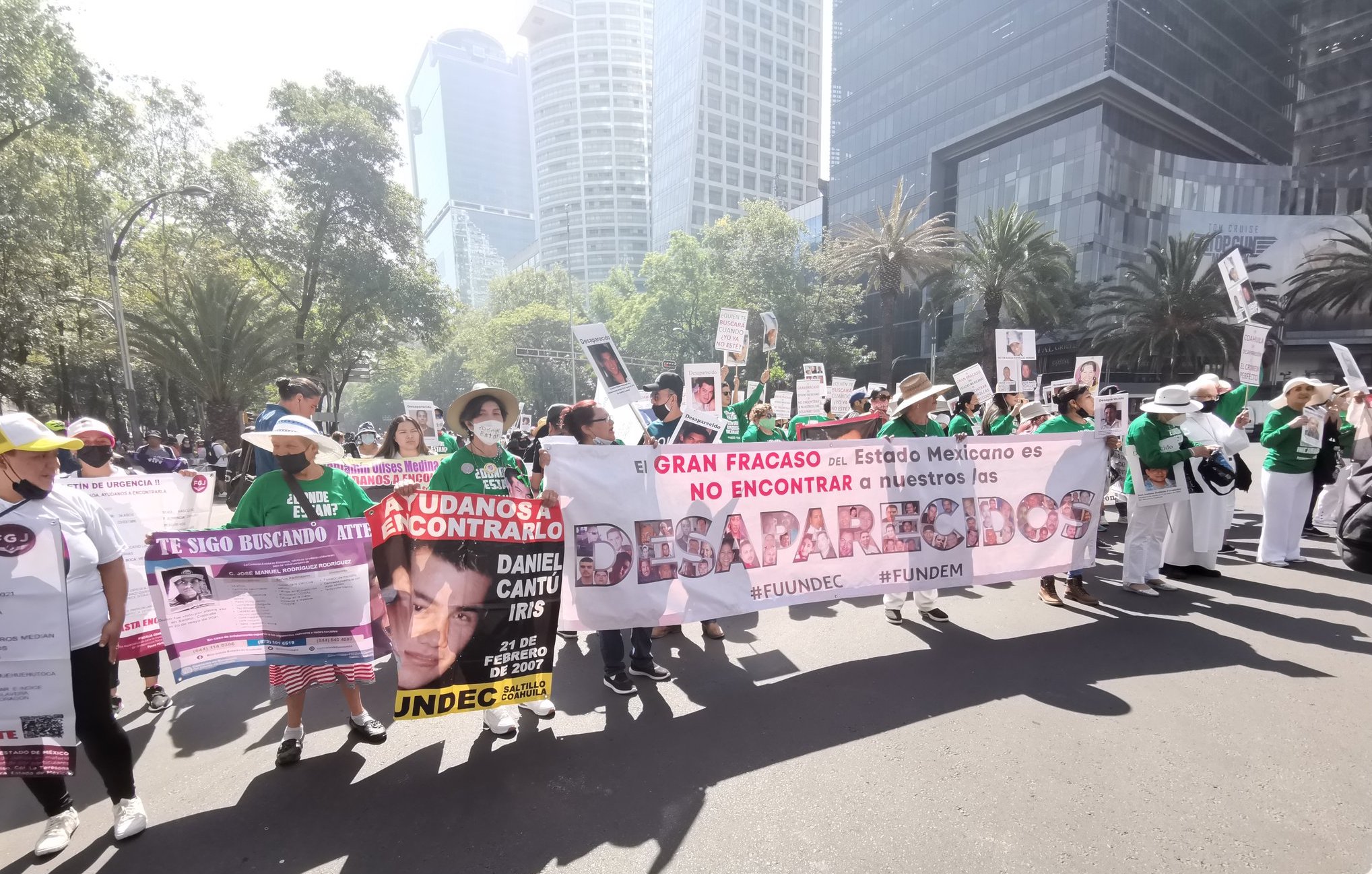
Mothers of the disappeared march in Mexico

On Mexico’s Day of the Mother, thousands of mothers and other family members of the disappeared held a March for National Dignity in the capital, calling for action on their missing loved ones. The march, which filled the main avenues of Mexico City, was organized by a coalition of 60 regional collectives of survivors of the disappeared from around the country. In the days before the march, a group camped out at the National Palace, demanding a dialogue with President Andrés Manuel López Obrador. (Photo via Twitter)

Mexico
Mexico police

Mexico: crisis, militarization on both borders

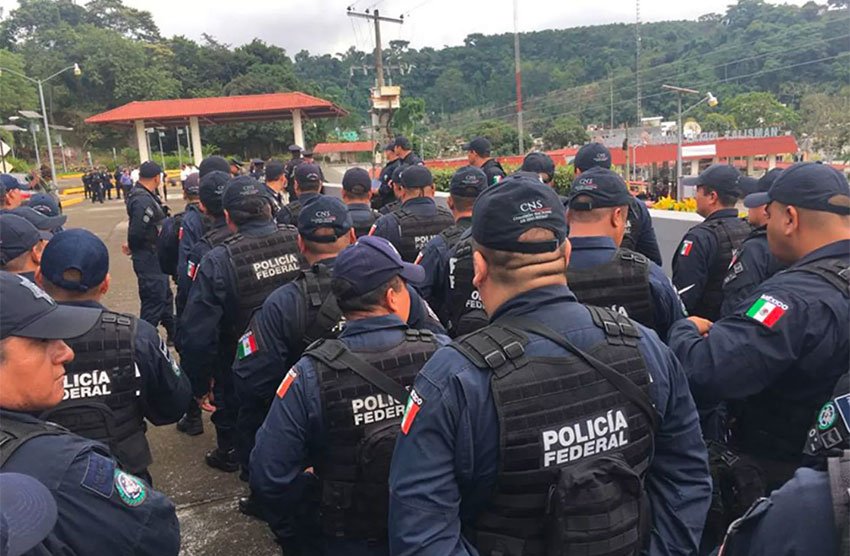
There were scenes of chaos in Mexico’s northern border towns in response to rulings in rapid succession by a US federal appeals court on the Trump administration’s “Remain in Mexico” policy, which forces migrants and refugees seeking asylum to wait in Mexico while their claims are reviewed. Asylum-seekers who had been camped out for weeks in Matamoros, Ciudad Juárez, Nogales and Tijuana immediately amassed at the border crossings as the policy was struck down by the Ninth Circuit Court of Appeals. But the crossings were closed, and hours later, the Ninth Circuit granted an emergency stay on the injunction, as requested by the administration. The gathered migrants were dispersed by Mexican security forces. Mexico has meanwhile deployed its new National Guard force to the southern border with Guatemala, to halt the flow of migrants though its territory, under pressure from the White House. (Photo: Mexico News Daily)

Mexico
Boquilla Dam

Mexican farmers protest water diversion to US

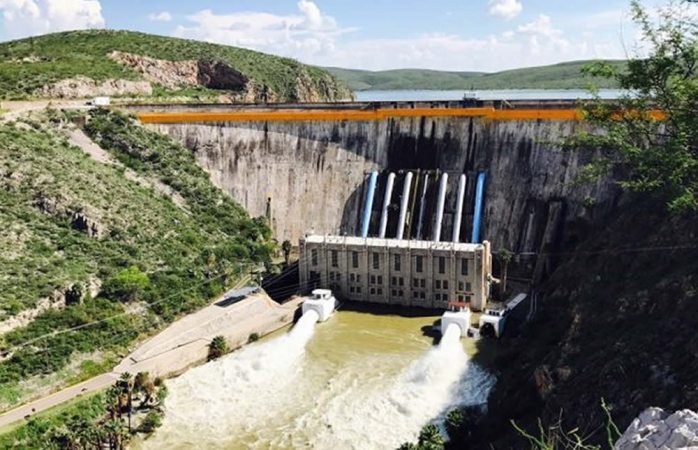
More than 3,000 farmers and residents of four rural municipalities in Mexico’s northern state of Chihuahua clashed with Mexican National Guard troops in a protest over the federal government’s plan to divert water from a dam into the Rio Grande for the use in the United States. Protesters from the municipalities of Camargo, La Cruz, Delicias and San Francisco de Conchos confronted troops guarding La Boquilla Dam on the Rio Conchos with the aim of occupying the facility and preventing the water diversion. The National Water Commission intends to open the sluices of the dam to divert hundreds of millions of cubic meters of water to the Rio Grande, in order to comply with a 1944 Water Treaty between Mexico and the US. Mexico has a 220-million-cubic-meter “water debt” to the US, but farmers say that the massive diversion will leave them with insufficient water. (Photo: Opción de Chihuahua)

Mexico
narcotanks

Corporate cannabis targets bleeding Mexico

There is a discomforting sense that Mexico is perpetually on the eve of cannabis legalization, as the country’s Congress wins a six-month extension from the Supreme Court to pass a law freeing the herb. But foreign capital is already eyeing Mexico’s emergent legal cannabis sector—even amid a terrifying escalation in the bloody cartel wars. When authorities attempted to arrest the son of “Chapo” Guzmán in Culiacán, the troops were surrounded by Cartel gunmen riding in trucks mounted with big machine-guns, and even what appeared to be improvised armored vehicles. The younger Guzmán escaped, and the Sinaloa Cartel proved it has the firepower to effectively challenge the state—at least on its home turf. (Photo via The Drive)

Mexico
Servín Herrera

Language rights advocate slain in Chihuahua

Enrique Alberto Servín Herrera, a promoter of indigenous language preservation in northern Mexico’s Chihuahua state, was found slain by a blow to the head at his home in the state capital, Chihuahua City. Authorities have made no arrests, nor named a motive in the attack. Servín Herrera headed the Department of Ethnic Cultures & Diversity at the state Secretariat of Culture, and was known for his efforts to help revive and sustain the language of the Tarahumara people. The Sierra Tarahumara, homeland of this indigenous people, has been torn by violence related to control of lands by narco-gangs and timber mafias in recent years. (Photo via La Izquierda Diario)

Mexico

Mexico: AMLO declares drug war ‘over’ —but is it?

Already officially studying the possibility of cannabis legalization, Mexico's new populist President Andrés Manuel López Obrador has now announced a formal end to the "war on drugs" that has only seemed to fuel the narco-violence over the past 10 years. However, military troops are still being mobilized for narcotics enforcement from Chiapas to Chihuahua—including marijuana eradication. (Photo: Sexenio)

Mexico

Tarahumara leader assassinated in Chihuahua

Julián Carrillo Martínez, a Tarahumara indigenous leader at the community of Coloradas de la Virgen, Guadalupe y Calvo municipality, in northern Mexico's Chihuahua state, was assassinated by unknown assailants, according to local advocacy group Alianza Sierra Madre. Carrillo Martínez was leading an effort by Coloradas de la Virgen to recover usurped traditional lands, with a case pending before the Agrarian Tribunal for the local district 5. Community residents were also petitioning Mexico's Secretariat of the Environment and Natural Resources (SEMARNAT) to halt logging operations in forested areas of the disputed lands. Several community residents have been assassinated in Coloradas de la Virgen since the community began its land recovery effort. (Photo: Amnesty International)