Podcast: West Africa’s forgotten wars

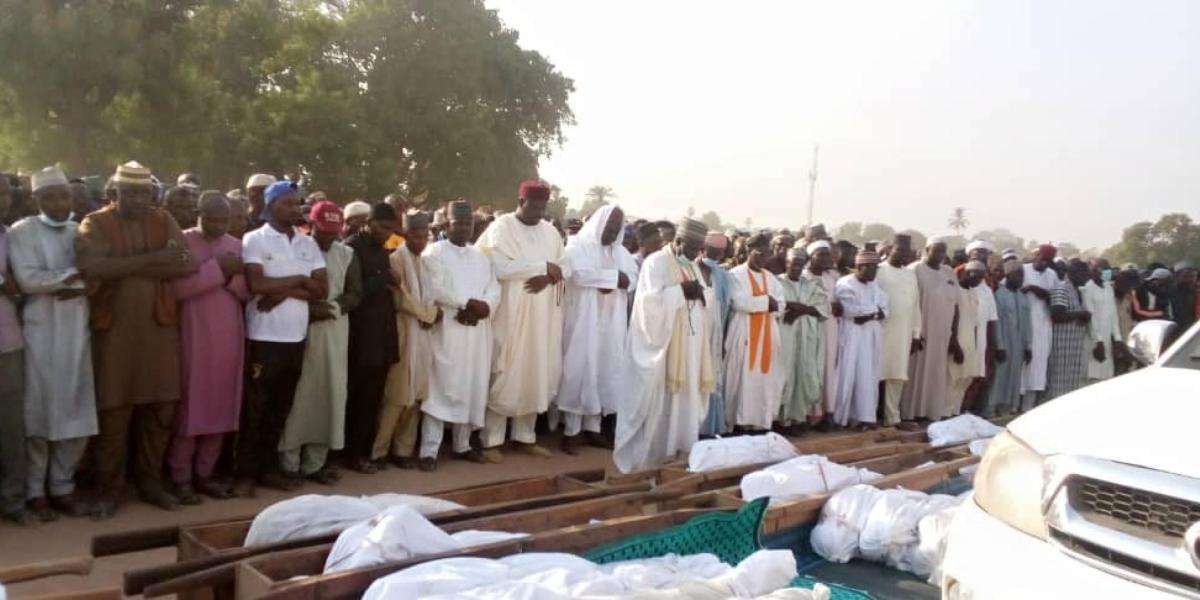
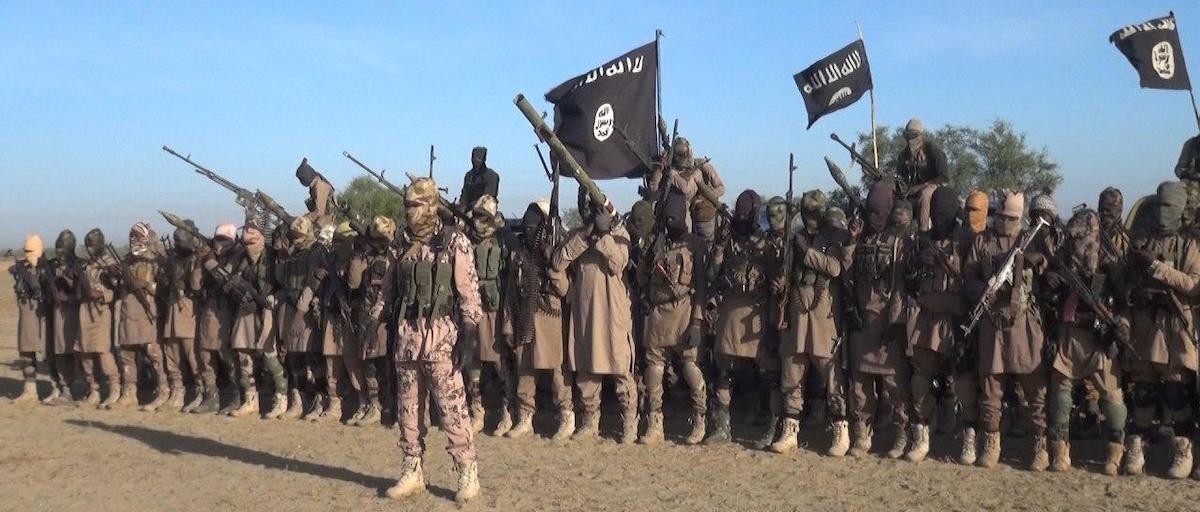
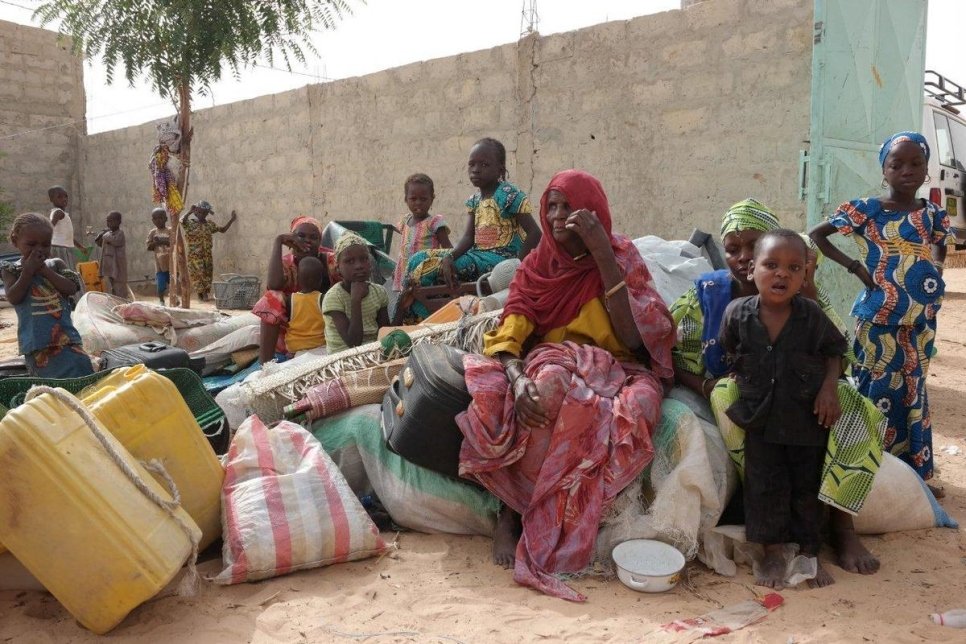
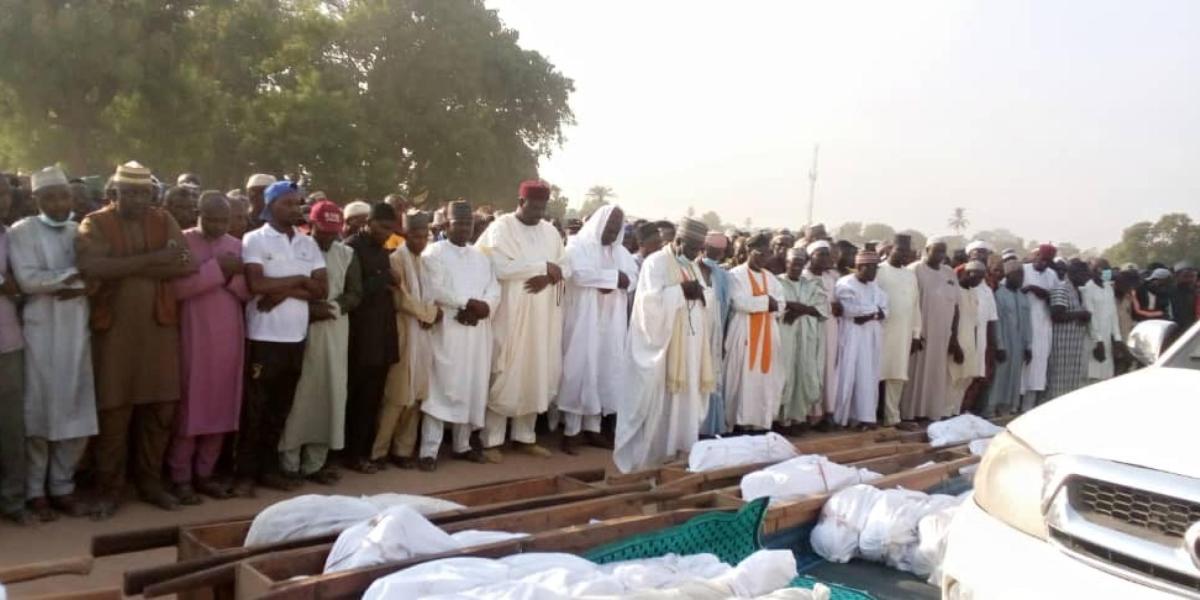
FulaniIn Episode 161 of the CounterVortex podcast, Bill Weinberg provides an overview of the under-reported conflicts in West Africa, where government forces and allied paramilitary groups battle multiple jihadist insurgencies affiliated either with ISIS or al-Qaeda on a franchise model. Horrific massacres have been committed by both sides, but the Western media have only recently started to take note because of the geopolitical angle that has emerged: both Mali and Burkina Faso have cut long-standing security ties with France, the former colonial power, and brought in mercenaries from Russia's Wagner Group. In both countries, the pastoralist Fulani people have been stigmatized as "terrorists" and targeted for extra-judicial execution and even massacre—a potentially pre-genocidal situation. But government air-strikes on Fulani communities in Nigeria have received no coverage in the Western media, because of the lack of any geopolitical rivalry there; Nigeria remains firmly in the Anglo-American camp. Listen on SoundCloud or via Patreon. (Photo: Sahara Reporters)
Africa
Giwa barracks

Nigeria: army runs ‘child detention camp’

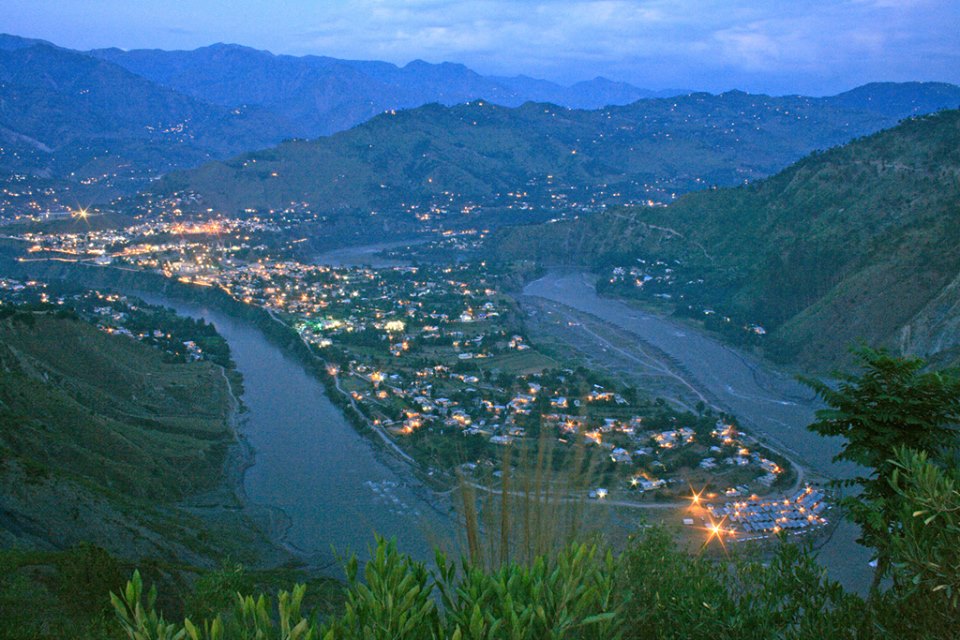
MuzaffarabadThe politically volatile region of Pakistan-administered Azad Jammu Kashmir has once again plunged into a crisis of civil unrest. Local protests over government plans to drop subsidies for wheat and electricity rapidly transformed into a broader movement demanding comprehensive reform and regional ecomic relief. The demonstrations have pressured the government into negotiations and legal concessions, after initial harsh repression only further fueled public dissent. (Photo of Muzaffarabad via Wikimedia Commons)

Africa
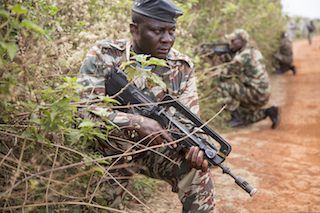
Cameroon soldier

Rights abuses mount in conflicted Cameroon

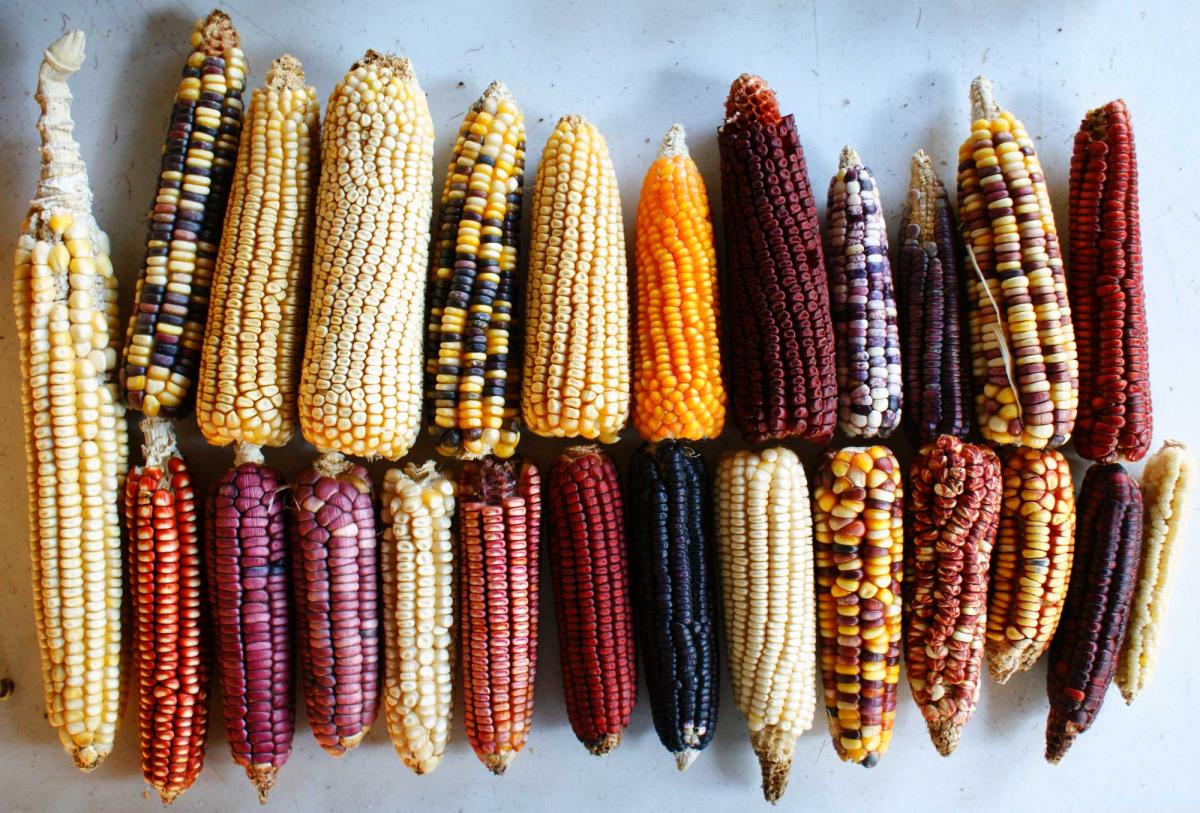
cornA trade dispute panel convened under the US-Mexico-Canada Agreement (USMCA) ruled that Mexico's import restrictions on US genetically modified corn violates the accord. The conflict stems from a presidential decree published by Mexico in February 2023 instating an immediate ban on the use of genetically modified corn in dough and tortillas, and a gradual end to its use in animal feed and other products. The panel determined that the ban was not based on science, and contravened the market access required under the USMCA. However, advocacy groups such as Greenpeace are proponents of the corn decree and implored the US to respect Mexico's sovereignty, arguing that market dominance of patented GMO varities leads to the decline of indigenous strains and threatens food security. (Photo of indigenous Mexican corn varities: Feria de Productores via Earth@Home)

Africa

Podcast: the struggle in Ambazonia

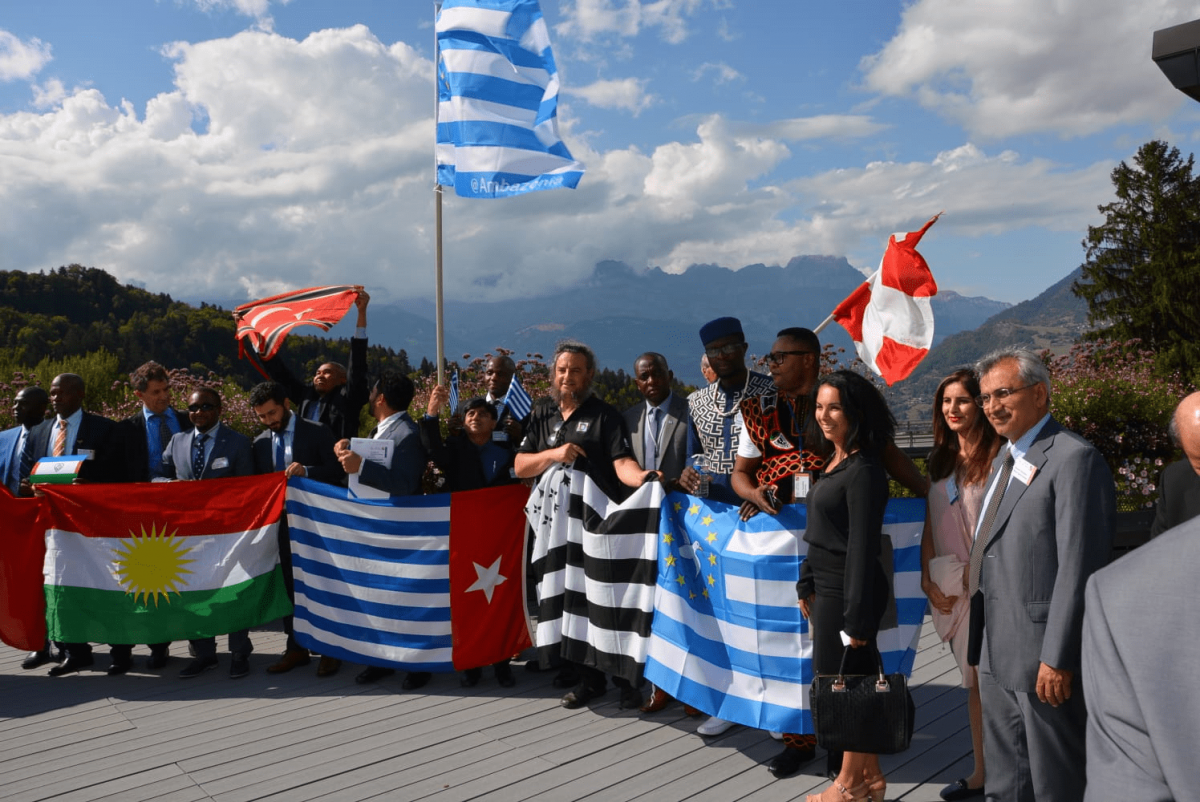
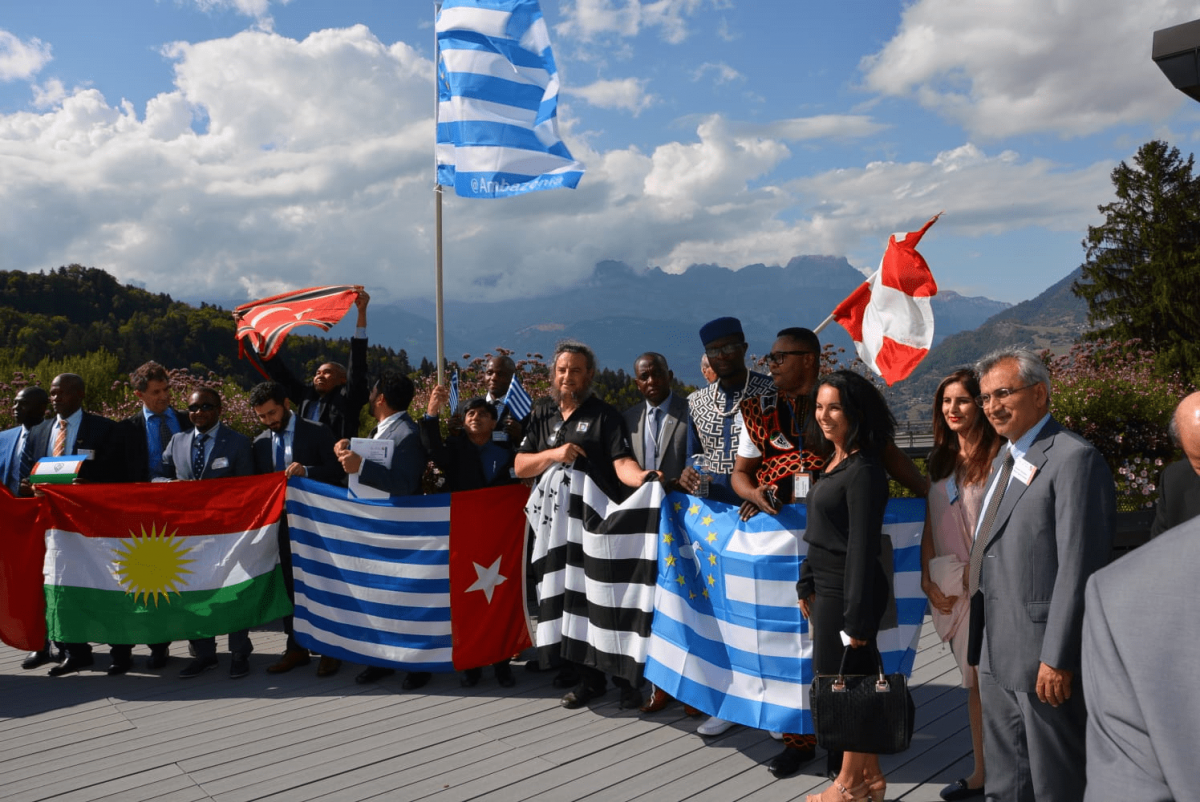
Ambazonia flagIn Episode 27 of the CounterVortex podcast, Bill Weinberg interviews Eben Egbe and Amy Dalton of the Global Initiative to end the Cameroons Colonial Conflict (Gi3C), who discuss the independence struggle in Ambazonia—a territory that was illegally annexed by Cameroon following the end of colonial rule in 1960. The past year has seen a terrible increase in state terror in Ambazonia from the French-backed neo-colonial Cameroon authorities, with protesters fired upon by helicopter gunships, and finally villages burned by military forces, sending the residents fleeing into the bush. Some 400,000 people have been internally displaced, with a further 20,000 having crossed the border into Nigeria as refugees. Cameroon also receives military aid from the US, ostensibly for the fight against Boko Haram in the north of the country—but this same military is now being unleashed against the civilian populace in the unrelated conflict in Ambazonia in the south. The Gi3C has issued an urgent call for the UN Human Rights Council, which convenes for it's 40th annual meeting this week in Geneva, to send a fact-finding delegation to the region. Listen on SoundCloud, and support our podcast via Patreon. (Photo: Ambazonia representatives with flag, far right, at France meeting of the Unrepresented Nations and Peoples Organization, via Bareta News)

Africa

Nigeria: ‘war crimes’ in fight against Boko Haram

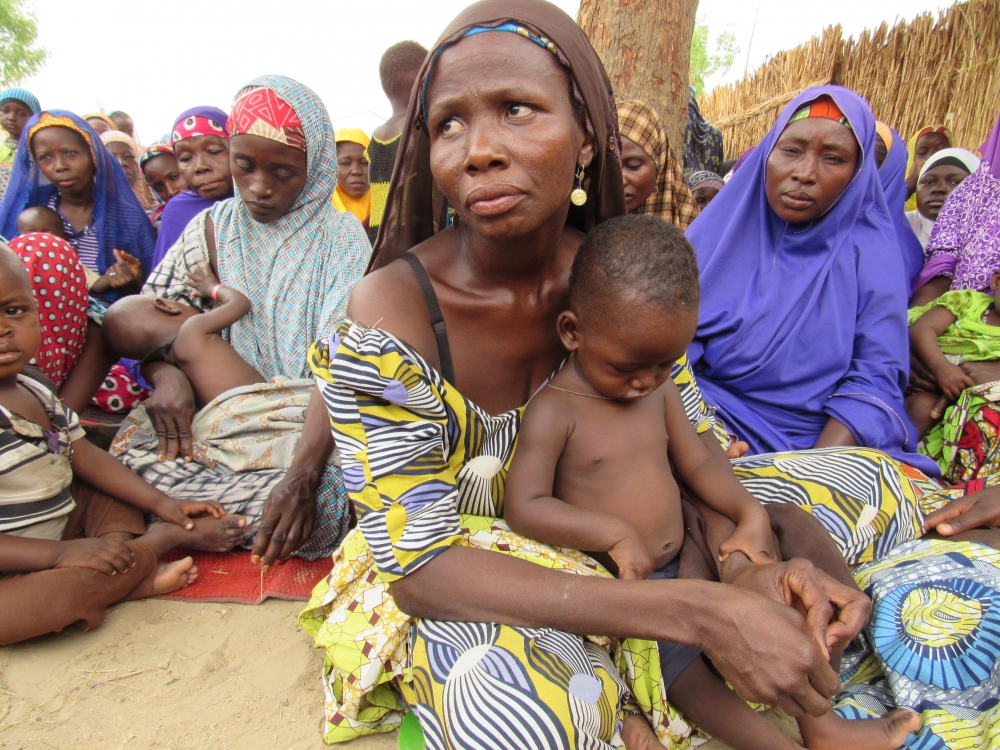
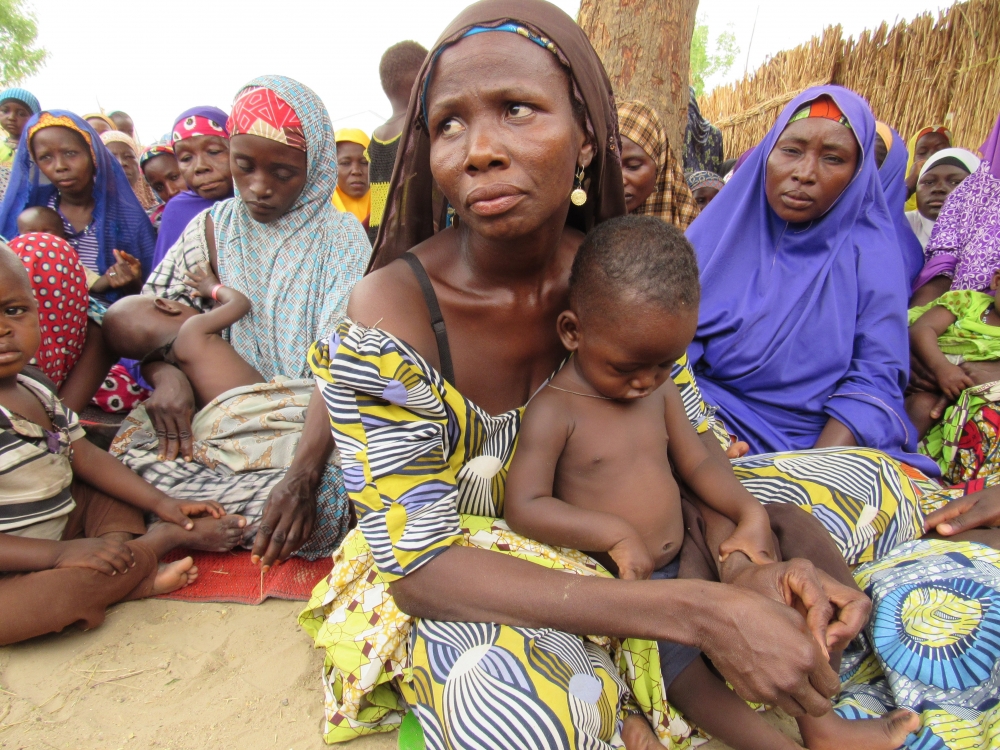
ChibokThousands of women and girls who survived the brutal rule of the Boko Haram armed group have since been further abused by the Nigerian security forces who claim to be rescuing them, said Amnesty International in a new report. The report reveals how the Nigerian military and its paramilitary arm, the Civilian Joint Task Force (CJTF), have separated women from their husbands and confined them in remote "satellite camps," where they have been raped, sometimes forced to submit in exchange for food. Amnesty International has collected evidence that thousands have starved to death in the camps in Borno state since 2015. (Photo: IRIN)

Africa

Amnesty accuses Cameroon of war crimes

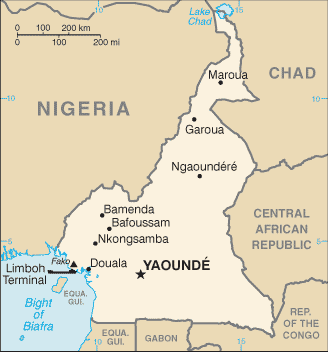
CameroonAmnesty International accuses Cameroon of torturing suspected supporters of Boko Haram in its military campaign against the jihadist group. According to the human rights organization, hundreds of suspects have been "subjected to severe beatings, agonizing stress positions and drownings, with some tortured to death" at the hands of government authorities.

Africa

Niger: army massacres displaced peasants

Niger's army killed 14 displaced peasants who were apparently mistaken for jihadists in a "free-fire zone" in the restive southeast, where Boko Haram militants stage regular attacks.