Iran

US-Iran war spirals across Middle East
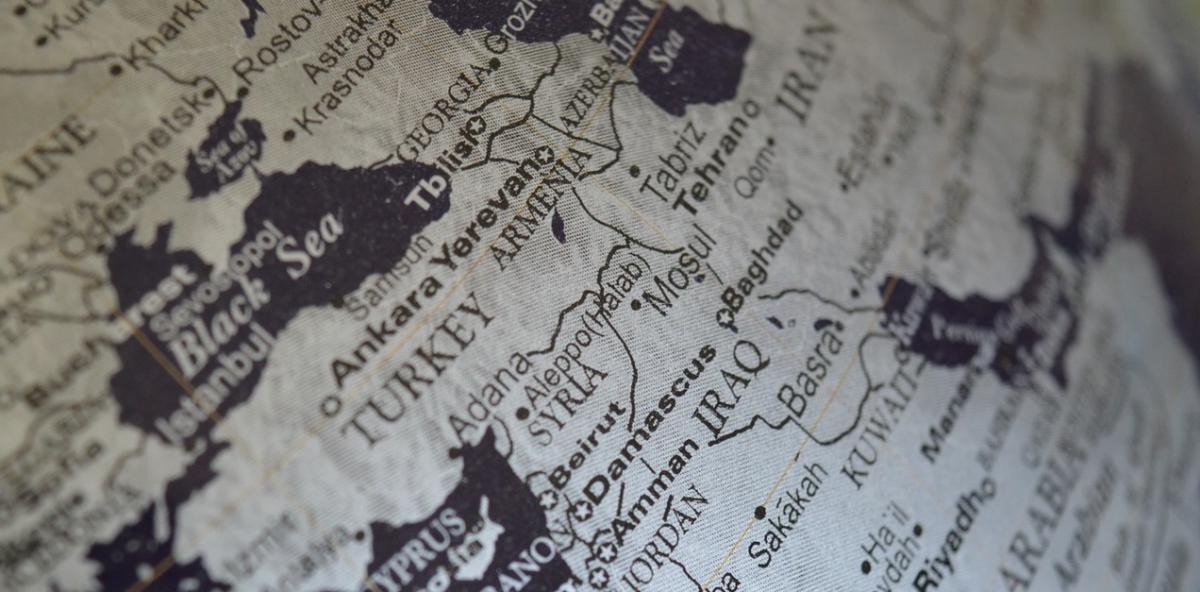
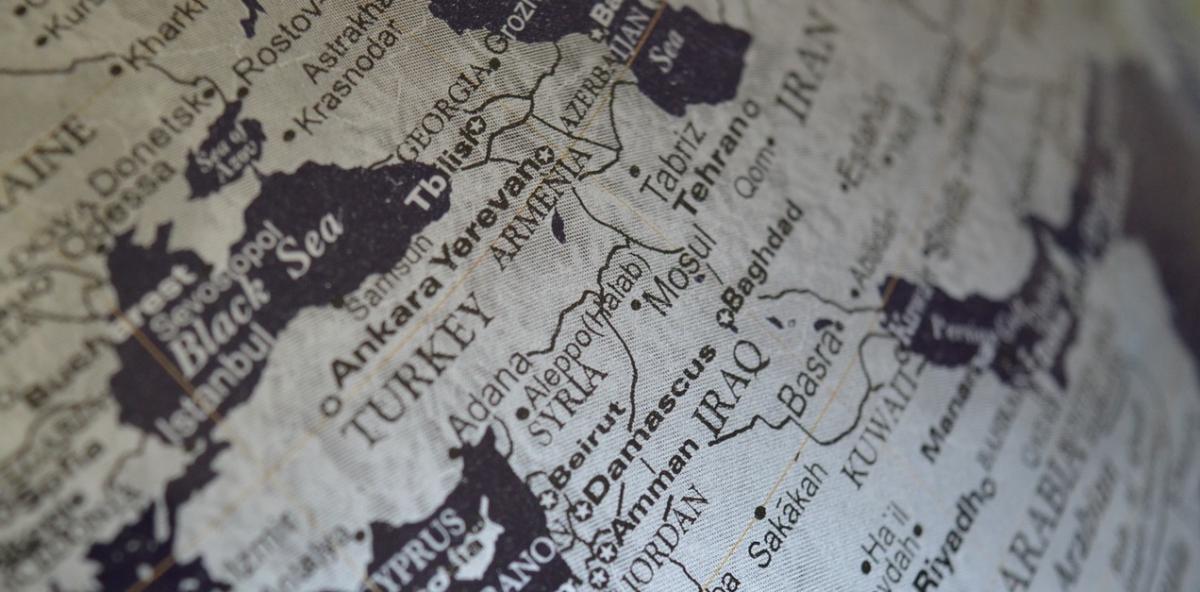
SyriaAs the US-Iran war escalates, more countries in the Middle East have—officially or unofficially—entered the fray over the past week. As the US stepped up air-strikes on Iran, it joined with Saudi Arabia to launch strikes against Iran-backed militias in Iraq. Iran (or the Houthis) hit Egypt, Kuwait and Jordan, where three US soldiers were killed. Saudi Arabia is building a military alliance to police the Red Sea, with an eye toward removal of the Houthis from power in Yemen. The US Senate again failed to pass a War Powers Resolution, while the Iran regime apparently sees it as in its political interest to extend the conflict on at least a minimal basis. Nonetheless, it appears to be quickly spiralling out of control. (Image: Pixabay)
Greater Middle East

Iran-linked terrorism conspiracy case in Bahrain

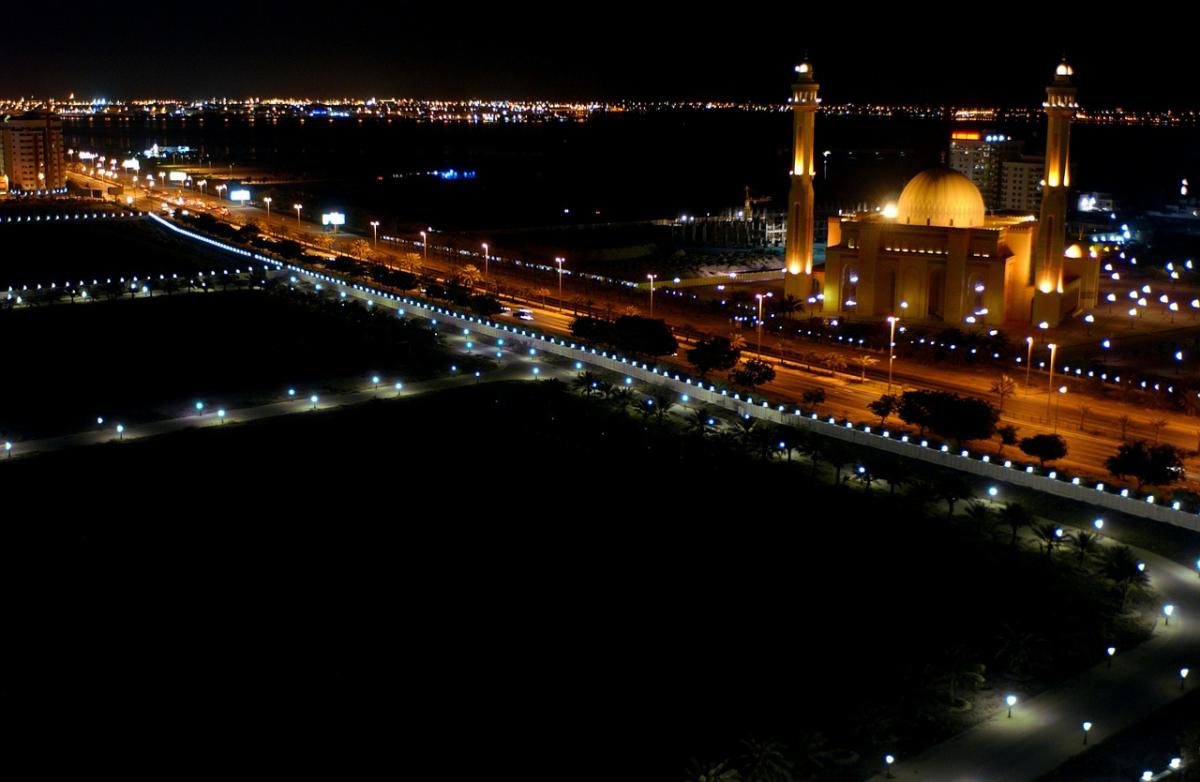
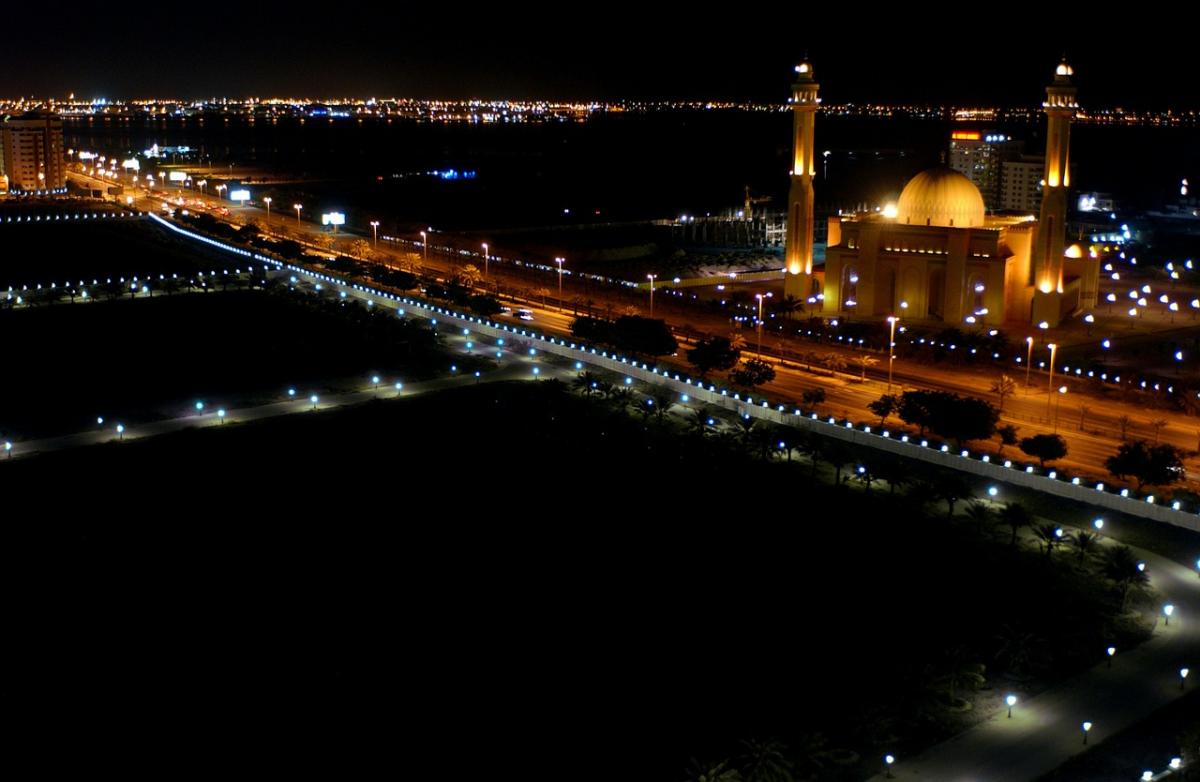
BahrainBahrain's High Criminal Court held its first hearing in a national security case involving 19 defendants accused of forming and operating a terrorist organization linked to Iran’s Islamic Revolutionary Guard Corps (IRGC). Prosecutors allege the group sought to destabilize Bahrain's political order, obstruct government institutions, undermine national unity, and ultimately overthrow the constitutional system. The defendants are also accused of efforts to spread political messaging aligned with wilayat al-faqih, the governance theory of Iran's cleric-led political system. (Photo: Pixabay via Jurist)

Iran

Shaky US-Iran ceasefire; escalation in Lebanon

SyriaThe United States and Iran signed a Memorandum of Understanding that aims to end the war the US and Israel launched on Iran nearly four months ago. The 14-point agreement, signed by Donald Trump at a gathering hosted by French President Emmanuel Macron in the Palace of Versailles—where the treaty to end World War I was signed in 1919—opens up the Strait of Hormuz for a 60-day ceasefire window, during which the two sides have vowed to negotiate a long-term resolution to the Iranian nuclear standoff. The US will also terminate all sanctions against Iran, provide $300 billion for post-war reconstruction, and unlock all frozen Iranian funds and assets. But despite—or possibly because of—the signing of the MoU, which calls for an end to fighting in Lebanon, the fighting there immediately flared again. A rash of Israeli air-strikes followed Hezbollah's killing of four IDF soldiers in a southern Lebanese village, prompting furious statements from Israeli politicians such as extreme-right security minister Itamar Ben-Gvir, who said "all of Lebanon must burn." (Image: Pixabay)

Iran

Uncertain ceasefire in Iran

SyriaAfter five weeks of war, the US and Iran agreed to a two-week ceasefire brokered by Pakistan. Its basic details, however, and to what extent it will be implemented, are surrounded by uncertainty. A main sticking point is the question of whether Lebanon was included in the deal. Iranian and Pakistani officials are insisting it was, but the US and Israel say that it wasn't. Meanwhile, Israel has continued to carry out devastating attacks on Beirut and other parts of Lebanon. (Image: Pixabay)

Iran

Escalating repression across Middle East

SyriaUN Human Rights Chief Volker Türk warned that repression of freedom of expression across the Middle East has deepened significantly since the US-Israeli attacks on Iran commenced at the end of February. In Iran, approximately 2,345 people have been arrested on charges related to national security. Many of these, as well as more arbitrarily arrested during the January protests, are being held in harsh conditions and incommunicado detention. The state has also cut internet access to prevent external sharing of information. Three protestors were publicly hanged in March after being convicted of "waging war against God" based on "confessions" obtained under torture. Many more are at imminent risk of execution. But hundreds of arbitrary arrests for online anti-war dissent have also taken place in the Gulf states that Iran has been targeting with missile strikes, with Türk warning of a "sharp securitization of civic space across the region." (Image: Pixabay)

Iran

‘Black rain’ falls on Tehran amid US-Israeli strikes

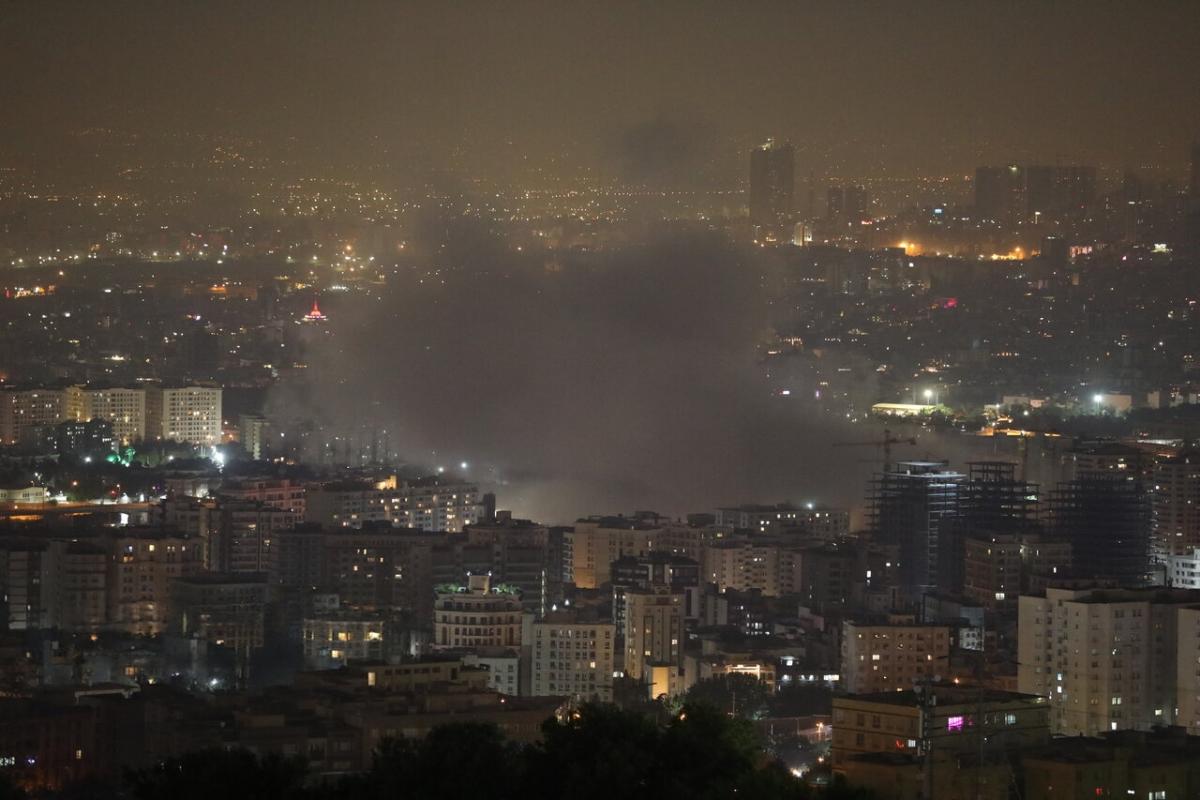
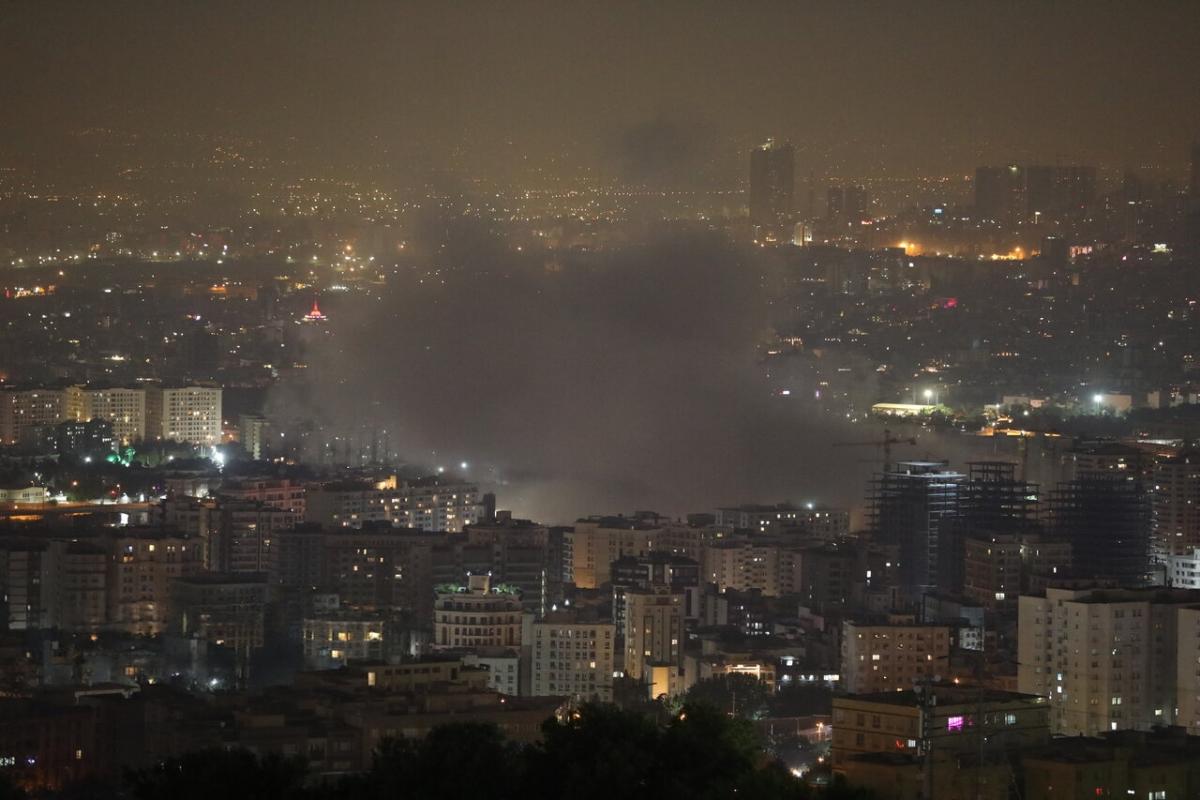
TehranUnited Nations officials said that US and Israeli airstrikes on fuel depots in Tehran have released large amounts of toxic pollutants, producing acidic "black rain" across parts of the capital. Officials from the World Health Organization warned that the burning of depots has released hydrocarbons, sulphur oxides, and nitrogen compounds into the atmosphere. The released pollutants have caused darkened skies in Tehran, prompting authorities to advise residents to remain indoors due to respiratory risks and potential water contamination. (Photo: Mehr via Wikimedia Commons)

Iran

UN demands civilian protection amid Middle East escalation

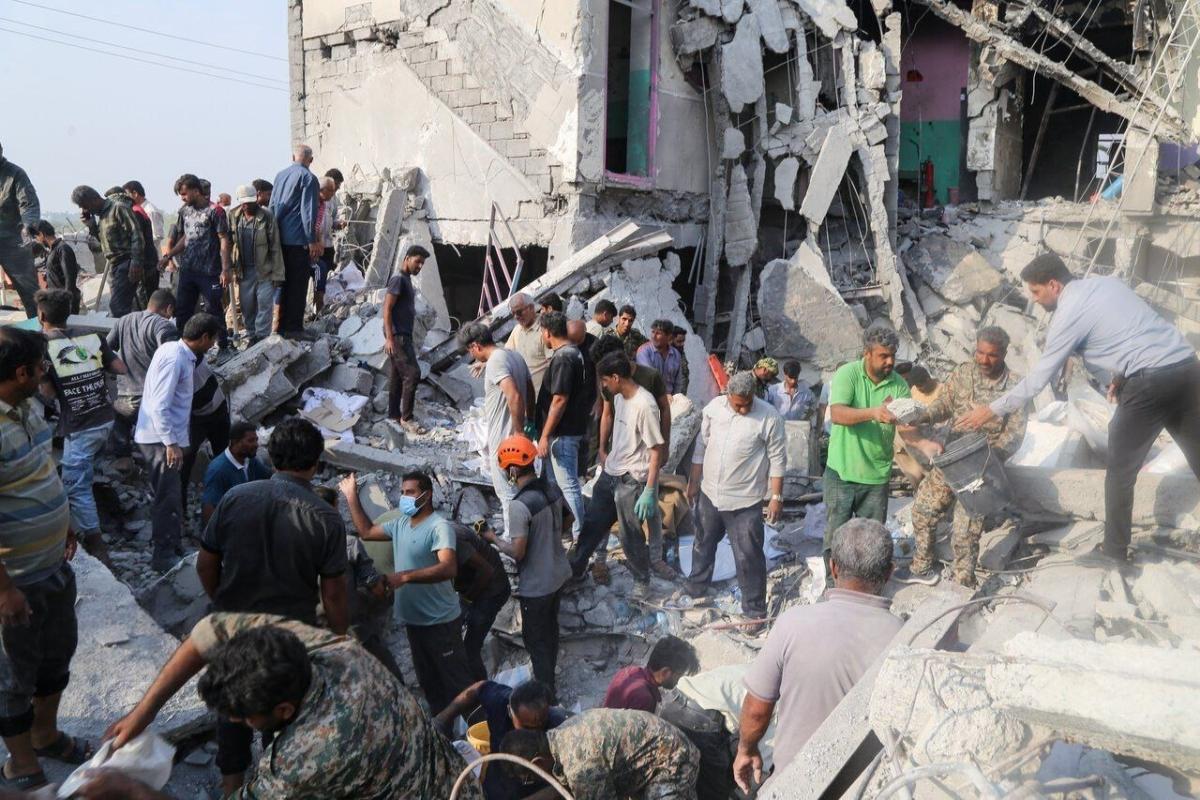
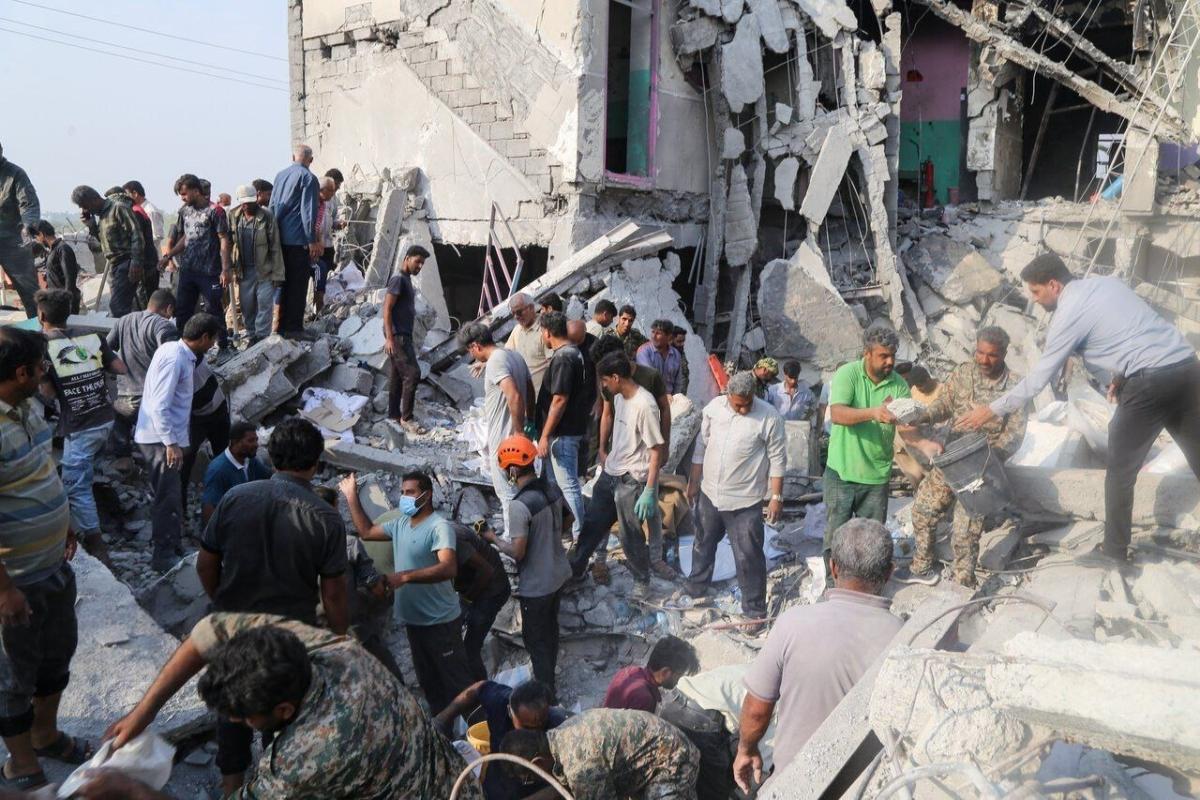
MinabThe United Nations urgently called for civilian protection amid growing violence and instability in the Middle East—and particularly in regard to the ongoing US and Israeli military operations against Iran. The UN urged a thorough investigation into a deadly strike on a girls' school in Iran, and requested the disclosure of all relevant information. The attack in the southern coastal city of Minab reportedly killed 168 people. According to Iran's Ministry of Education, the overwhelming majority of the slain were schoolgirls aged seven to 12. The strike came on the first day of coordinated US and Israeli airstrikes officially targeting Iranian infrastructure and military facilities. (Photo: Mehr via Wikimedia Commons)

Iran

Did US-Israel attacks on Iran abort nuclear deal?

IranThe coordinated US-Israel military strikes on Iran began 48 hours after the conclusion of a third round of US-Iran indirect nuclear negotiations in Geneva, mediated by Oman, that had produced what multiple parties described as an unprecedented breakthrough. Omani Foreign Minister Badr Albusaidi told CBS News the day before the strikes began that Iran had agreed to zero stockpiling of enriched uranium, with existing stockpiles to be down-blended to the lowest possible level and converted into reactor fuel under full International Atomic Energy Agency (IAEA) verification. "The single most important achievement, I believe, is the agreement that Iran will never, ever have a nuclear material that will create a bomb," Albusaidi said, describing the understanding as stronger than the 2015 Joint Comprehensive Plan of Action (JCPOA) negotiated under Obama. (Image: Grunge Love via Flickr)

Greater Middle East

MAGA-fascism and the Gulf State tyrannies

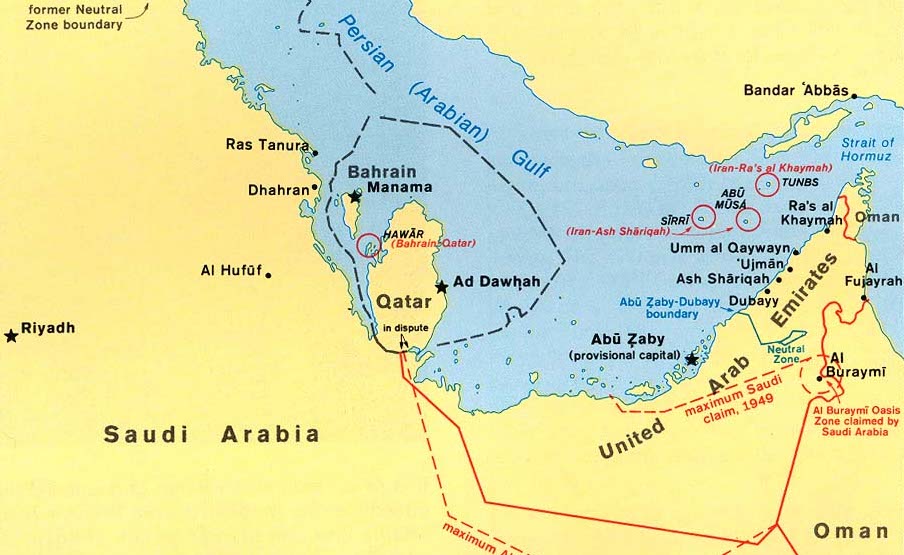
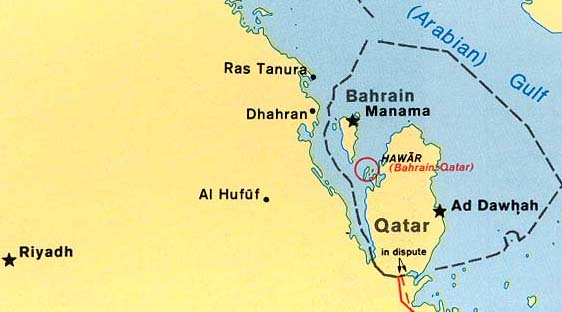
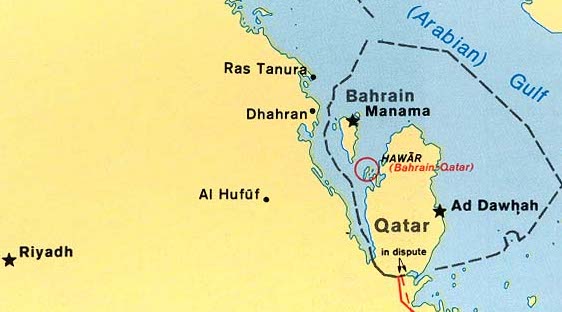
Gulf statesAmid the hype about how Trump "snubbed" Netanyahu on his Middle East trip come reports that his White House is pushing a plan to relocate some 1 million Palestinians from Gaza to Libya—which is in the midst of a massive human rights crisis. Even while on the ground in Qatar, Trump plugged his relocation scheme for the Gazans, who now face complete ethnic cleansing from the devastated Strip. In Episode 279 of the CounterVortex podcast, Bill Weinberg debunks the notion of a Trump tilt away from Israel, and asks why some "progressives" are joining with paleocons to view massive arms deals with the repressive and arch-reactionary monarchies of Saudi Arabia, the UAE and Qatar as a good thing. (Map: PCL)

Palestine

Israel and Bahrain: partners in repression

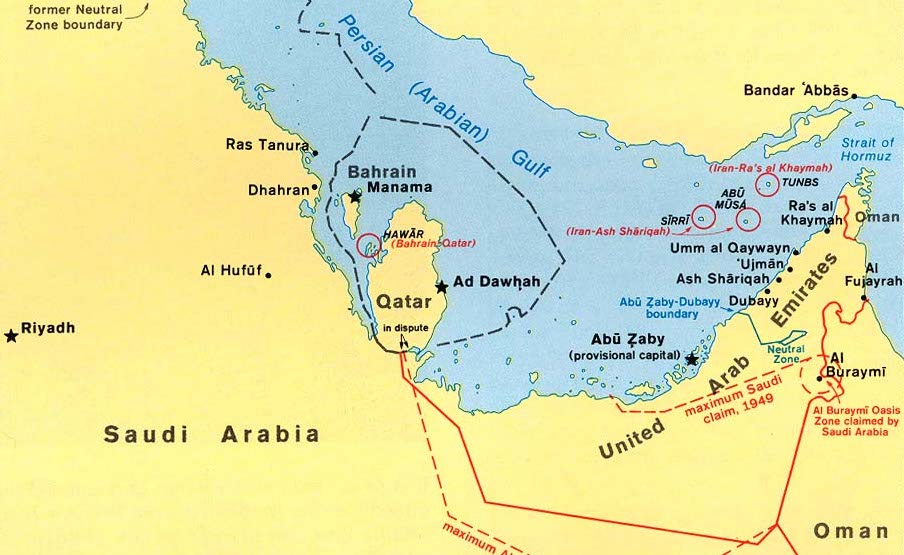
BahrainIsraeli Foreign Minister Eli Cohen met with the crown prince of Bahrain, Salman bin Hamad Al Khalifa, at Gudaibiya Palace in the capital Manama, to discuss boosting trade and diplomatic ties, which were first established in 2020 as part of the so-called Abraham Accords. Cohen said he hoped this would be a precedent for "normalization" of Israel's relations with other Arab states. Tellingly, the meeting came as Israel and Bahrain are each facing hunger strikes in their prisons, with political detainees protesting harsh conditions and restrictions on their basic rights. (Map: PCL)