

Southeast Asia
Indonesia anarchists

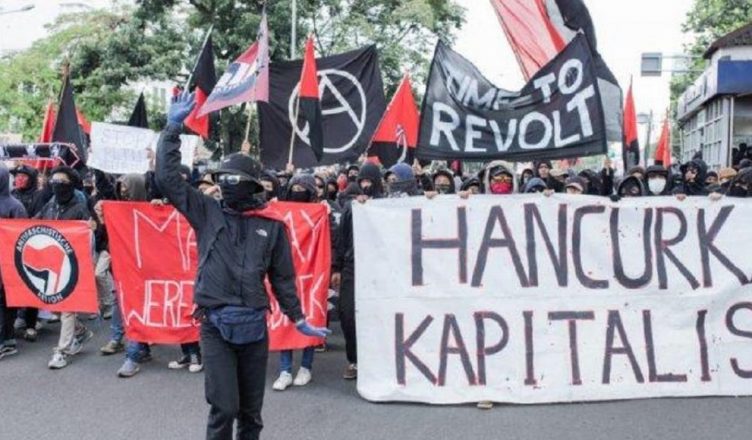
Police raid Java ‘anarcho-syndicalists’
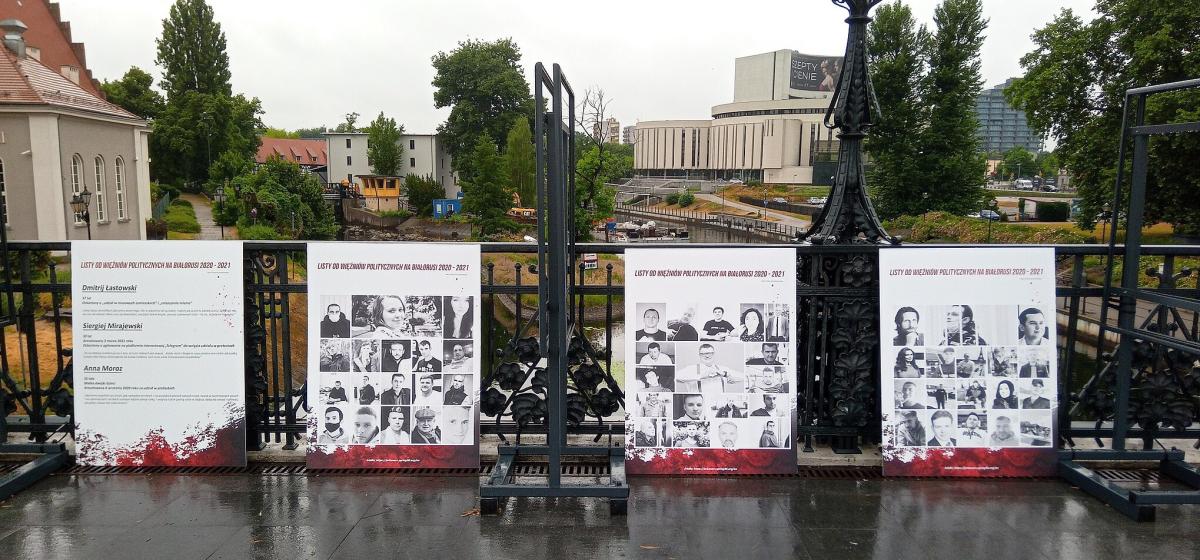
Belarusian prisonersBelarusian prisoner of conscience and opposition politician Mikalai Statkevich was released from imprisonment weeks after suffering a stroke. Following his release, Amnesty International reiterated the need for justice for victims of human rights violations in Belarus. Statkevich, imprisoned for his role in the 2020 post-electoral protests, was one of 52 Belarusian prisoners released in September following a deal with the US. Upon their release, Belarusian authorities attempted to deport the 52 former prisoners. While they were being brought to the Lithuanian border, Statkevich forced his way out of the bus, declaring, "I will keep fighting." Statkevich was then detained again and transported to a penal colony. The stroke precipitated his release, but Amnesty stressed that being released due to failing health does not constitute justice. The Belarusian Human Rights Centre Viasna reports that 1,142 political prisoners remain incarcerated in Belarus. (Image: Monument to Belarusian political prisoners in Bydgoszcz, Poland. Source: Паўлюк Шапецька via Wikimedia Commons)
Iran
soleimani

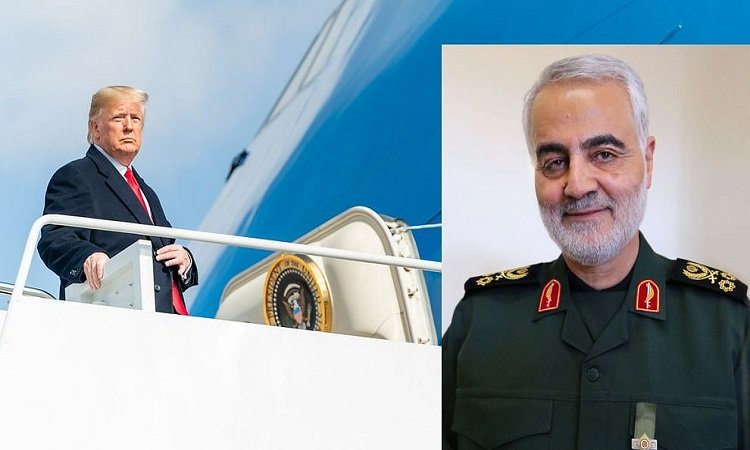
Trump and Soleimani: clash of barbarisms

surveillanceAmnesty International accused Argentina of putting in place a "techno-authoritarian" surveillance infrastructure without adequate legal safeguards, as the government's newly created AI security unit expands state monitoring powers over citizens' online communications and physical movements. In a new report, the rights group stated that Argentina's Ministry of Security spent at least $1.2 million on surveillance technology between 2024 and 2025, including social media monitoring tools, facial recognition software, and thermal-sensing camera-equipped drones with automatic tracking of targets and capacity to transmit images in real time. (Image: Celina Hilbert)

New York City
Yoseph Needleman-Ruiz

Podcast interview: Yoseph Needleman-Ruiz

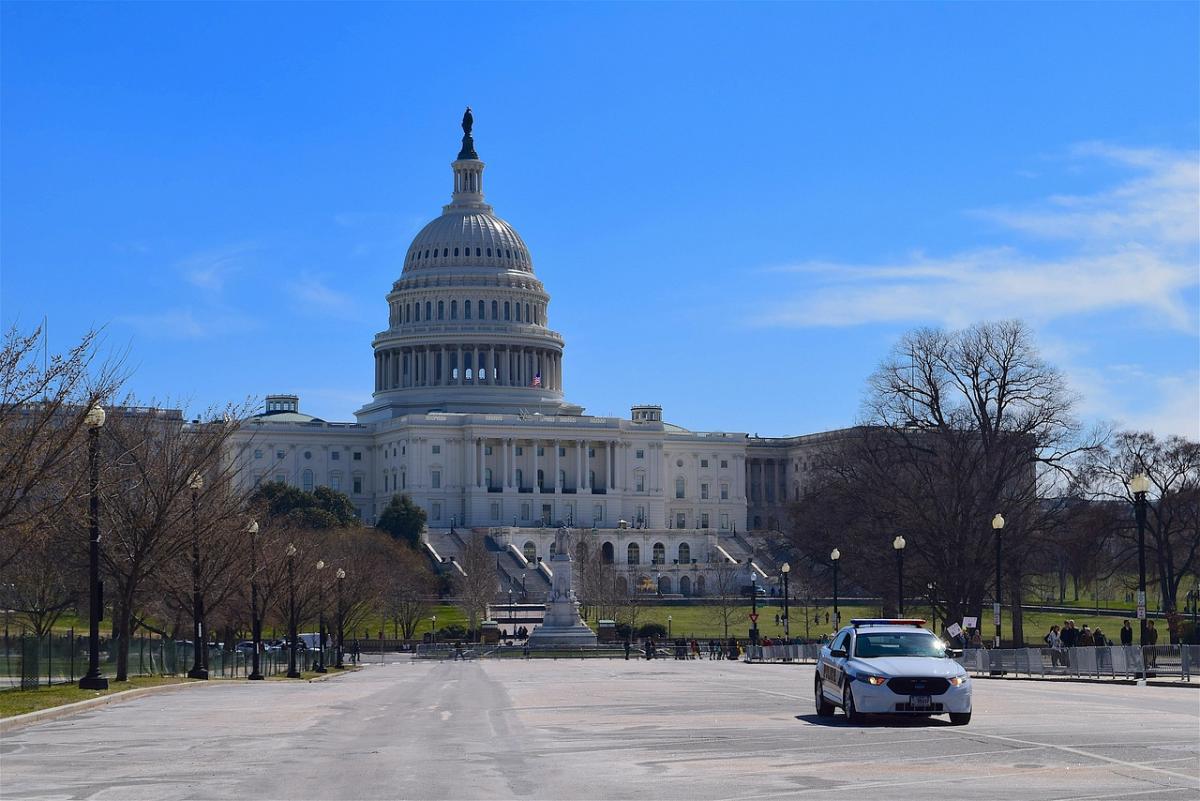
DCThe US Senate turned down a War Powers Resolution (WPR) in a 47-53 vote, declining to impose limits on President Donald Trump's ability to wage war with Iran. If it had passed, the resolution would have required President Trump to seek congressional approval prior to any continued military action. The vote mostly fell along party lines, with only two senators crossing the aisle—Kentucky Sen. Rand Paul (R) voted in favor of the resolution, while Pennsylvania Sen. John Fetterman (D) voted against it. Later, the House of Representatives also rejected a WPR, which would have directed President Trump to cease all military action against Iran unless authorized by Congress through a formal declaration of war or authorization to use military force (AUMF). The vote tally was 212 to 219. Four Democrats—Texas Rep. Henry Cuellar, Maine Rep. Jared Golden, Ohio Rep. Greg Landsman, and California Rep. Juan Vargas—joined Republicans in opposing the resolution. (Photo: bones64/Pixabay)

Southeast Asia
Indonesia anarchists

Indonesia: inauguration amid revolt, repression

Belarusian prisonersBelarusian prisoner of conscience and opposition politician Mikalai Statkevich was released from imprisonment weeks after suffering a stroke. Following his release, Amnesty International reiterated the need for justice for victims of human rights violations in Belarus. Statkevich, imprisoned for his role in the 2020 post-electoral protests, was one of 52 Belarusian prisoners released in September following a deal with the US. Upon their release, Belarusian authorities attempted to deport the 52 former prisoners. While they were being brought to the Lithuanian border, Statkevich forced his way out of the bus, declaring, "I will keep fighting." Statkevich was then detained again and transported to a penal colony. The stroke precipitated his release, but Amnesty stressed that being released due to failing health does not constitute justice. The Belarusian Human Rights Centre Viasna reports that 1,142 political prisoners remain incarcerated in Belarus. (Image: Monument to Belarusian political prisoners in Bydgoszcz, Poland. Source: Паўлюк Шапецька via Wikimedia Commons)
Greater Middle East
Kurdish refugees

‘Ceasefire’ or ethnic cleansing in northeast Syria?

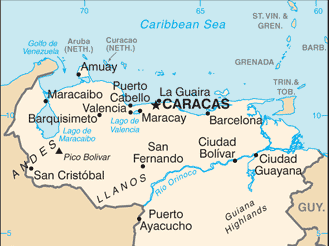
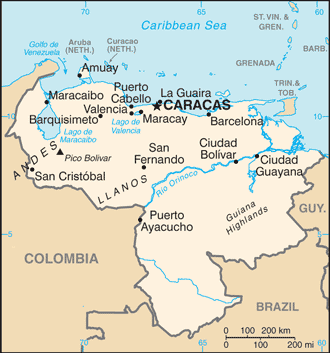
VenezuelaPresident Trump issued an executive order declaring a "national emergency" a to block judicial processes from being instituted against Venezuelan oil funds held in the US, on the basis that it would "materially harm the national security and foreign policy of the United States." This order follows statements from Trump that US oil companies will invest billions in Venezuela, with his Energy Secretary Chris Wright saying that the US will control and market Venezuela's oil "indefinitely." However, the CEO of ExxonMobil, Darren Woods, expressed concern about conditions in Venezuela, saying that country is currently "un-investable." Trump responded angrily that he was "inclined" to keep ExxonMobil out of Venezuela. Companies including ExxonMobil and ConocoPhillips say that Venezuela owes them billions of dollars over lost investments. Trump's executive order could hinder these companies from recovering their claims. (Map: Perry-Castañeda Library)

East Asia

Hong Kong: will protests spread to mainland?

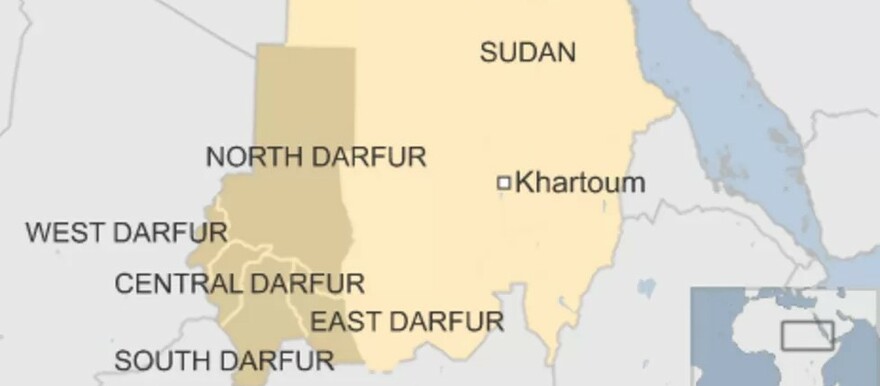
DarfurAfter months of US-led negotiations, the United States, Saudi Arabia, Egypt and the United Arab Emirates (the "Quad") issued a "roadmap to peace" in Sudan, starting with a push for a three-month "humanitarian truce." However, despite the agreement with the main regional backers of the two sides in the war, fighting continues between the Sudanese armed forces and paramilitary Rapid Support Forces (RSF). Since the "roadmap" was announced, the RSF has continued to close its ring around El Fasher, the besieged capital of North Darfur state. UN officials have condemned the assault and warned of catastrophic consequences for civilians under siege, facing severe shortages of food, clean water, and medical services. When the RSF offensive was launched earlier this year, a coalition of aid organizations and human rights groups issued a statement finding: "Genocide and atrocity crimes are being committed now in North Darfur. The RSF is engaged in the mass killing of civilians and will likely continue this if/when they reach El Fasher." (Map via Radio Tamazuj)

Greater Middle East
CNT

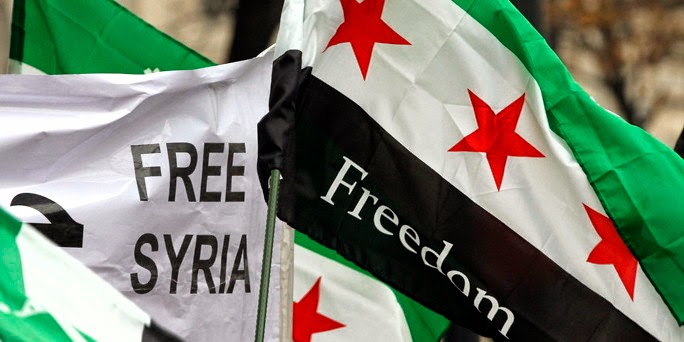
Podcast: Spain 1939 = Syria 2019?

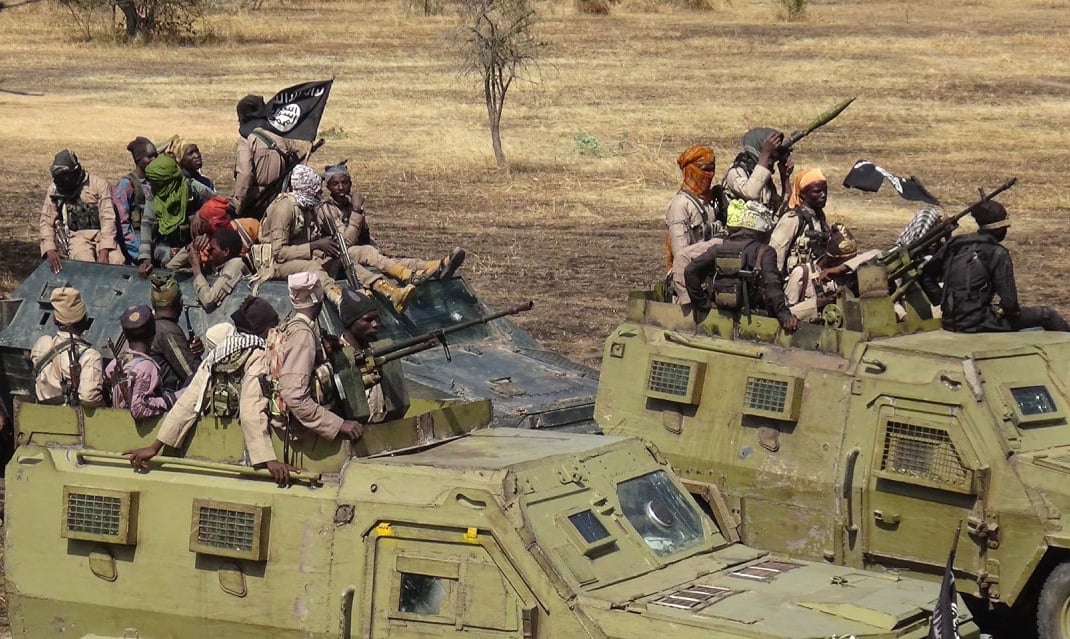
ISWAPThe so-called Islamic State West Africa Province (ISWAP) insurgent group has launched its most successful military campaign to date in northeast Nigeria's Lake Chad Basin. Throughout May, ISWAP raided a series of supposedly impenetrable army bases, forcing the military's withdrawal and the displacement of civilian communities—some of whom had been recently resettled by the Borno State government following its closure of IDP camps in state capital Maiduguri. This renewed campaign highlights the major challenge posed by Islamic State and Qaeda-linked extremist groups across West Africa: insurgents who are now better equipped, including with armored vehicles looted from the military, and utilizing new innovative tactics, such as near-simultaneous attacks on disparate sites. (Photo via TNH) 

Greater Middle East

Podcast: genocide, propaganda and the Idlib offensive

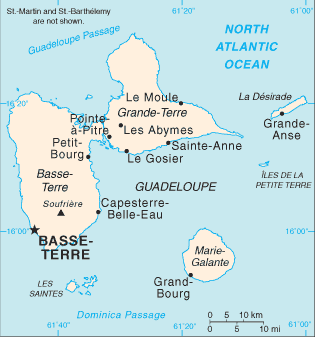
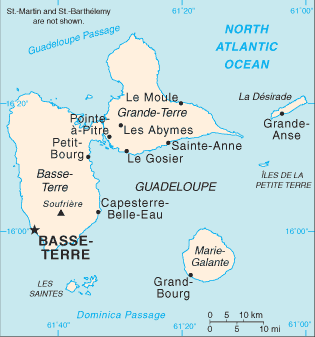
guadeloupeThe government of the French Caribbean island of Guadeloupe imposed a territory-wide curfew after a strike by workers at the central power plant shut down the island's electricity supply. Amid ongoing complaints over salaries, workers at the Pointe Jarry facility entered the control room of the thermal plant and caused an emergency shutdown of the engines. After police secured the plant, the government requisitioned the employees needed to operate the power station through a prefectural decree. This ordered employees deemed essential to the operation of the station to return to work based on an "observed or foreseeable damage to good order, public health, tranquility and safety." (Map: PCL) 

Planet Watch

Podcast: paradoxes of anarchism and nationalism

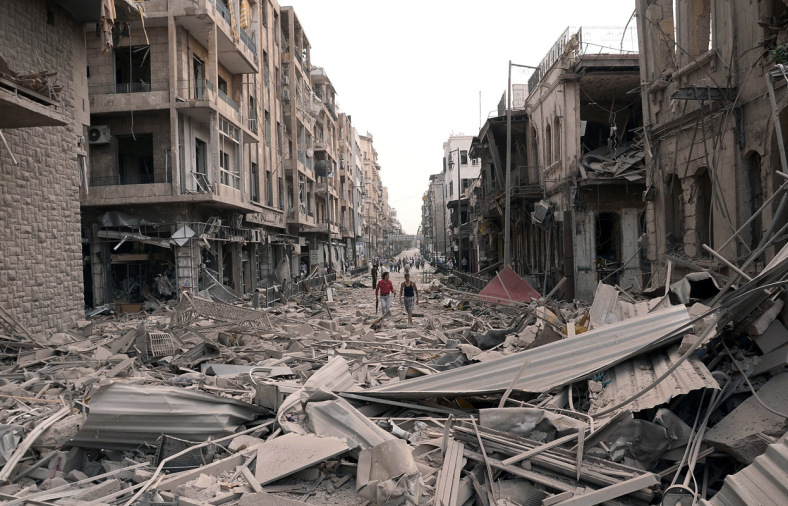
AleppoIn Episode 86 of the CounterVortex podcast, Bill Weinberg returns to the book The Responsibility to Protect in Libya and Syria: Mass Atrocities, Human Protection, and International Law by Syrian American legal scholar Yasmine Nahlawi, exploring applicability of its analysis to the current disaster in Afghanistan. This discussion is taken up at the request of Eric Laursen, author of The Duty to Stand Aside: Nineteen Eighty-Four and the Wartime Quarrel of George Orwell and Alex Comfort. Laursen is the first to take up the CounterVortex special offer, by which new Patreon subscribers get to choose a topic for exploration on the podcast. When do we have a responsibility to protect, and when do we have a duty to stand aside, and how can these imperatives be reconciled? Listen on SoundCloud or via Patreon. (Photo: Destruction of Aleppo, via 7ee6an)

Europe

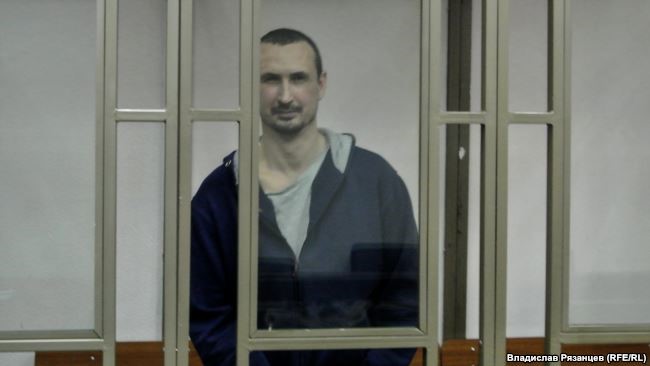
Crimean anarchist imprisoned for social media chat

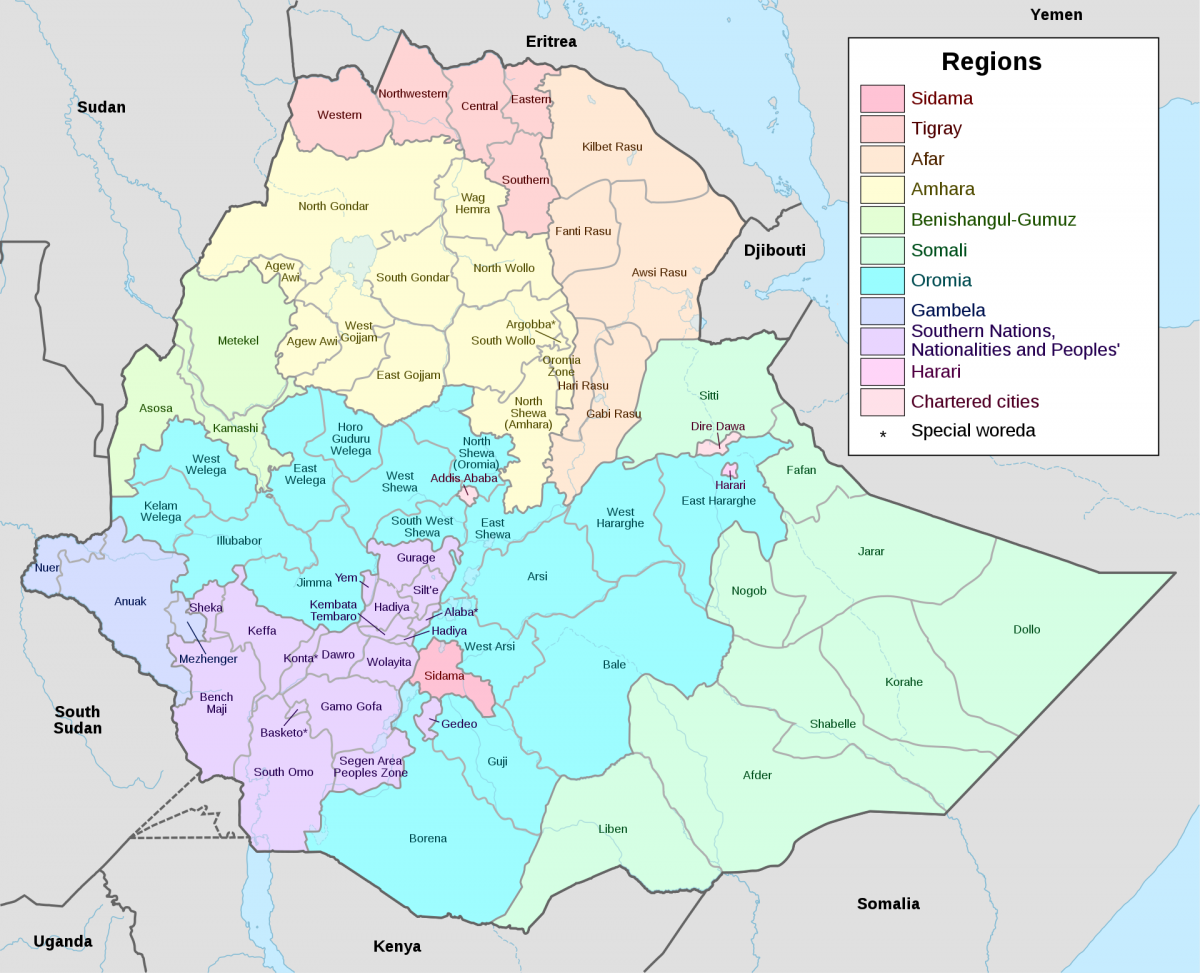
EthiopiaDespite hopes for a ceasefire in Tigray region last month, the Ethiopian conflict is expanding. The Oromo Liberation Army (OLA), the main rebel group in the country’s largest region, Oromia, warns that it is close to cutting off a major highway to Kenya—a move that could disrupt trade with the largest economy in East Africa. Having announced a pact with the Tigray People's Liberation Front, the OLA claims it is advancing on the western and southern fronts of Oromia region, and holds parts of the southern Borena zone bordering Kenya. Meanwhile, as the humanitarian crisis deepens and Tigrayan rebels push on into Amhara and Afar regions, there has been a relaunch of diplomatic efforts to halt the fighting. Sudan's Prime Minister Abdalla Hamdok—rebuffed once by Addis Ababa—said he is still willing to mediate. Sudan, however, has its own dispute with Ethiopia over the contested al-Fashaga border region—an issue Khartoum reiterated is non-negotiable. (Map via Wikipedia)

Greater Middle East

Anarcho-fascist convergence at State of Union?

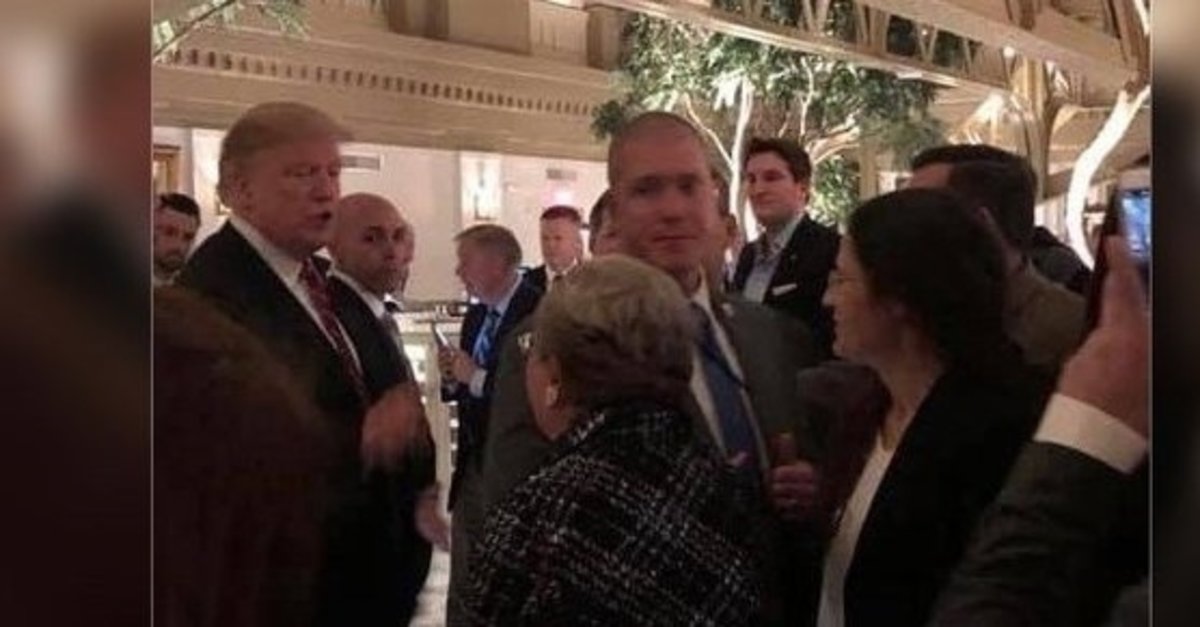
SOTUWe've already noted the strange bedfellows in the Rojava Kurds' political push to forestalll a US withdrawal from northern Syria, which would be a green light for Turkey to attack their autonomous zone. Well, they just got stranger with the arrival in Washington of Ilham Ahmed, co-president of the Syrian Democratic Council, civilian wing of the Kurdish-led US-backed Syrian Democratic Forces. She and her delegation met with Trump at the Trump International Hotel, where the prez reportedly told the group "I love the Kurds," and promised that they are "not going to be killed" by Turkish forces. Making it even more surreal, Hawaii Rep. Tulsi Gabbard, best friend of fascist dictator Bashar Assad on Capitol Hill, brought Ahmed to the State of the Union address as her special guest. The Turkish newspaper Takvim ran a photo of Ahmed standing beside Trump at the SOTU. We wonder if Ahmed, who represents a radical-left Kurdish revolutionary movement that is influenced by anarchism, is aware that the presidential bid of her host Gabbard has been endorsed by David Duke—who shares Tulsi's fondness for Assad.