Podcast: geopolitics of The Odyssey

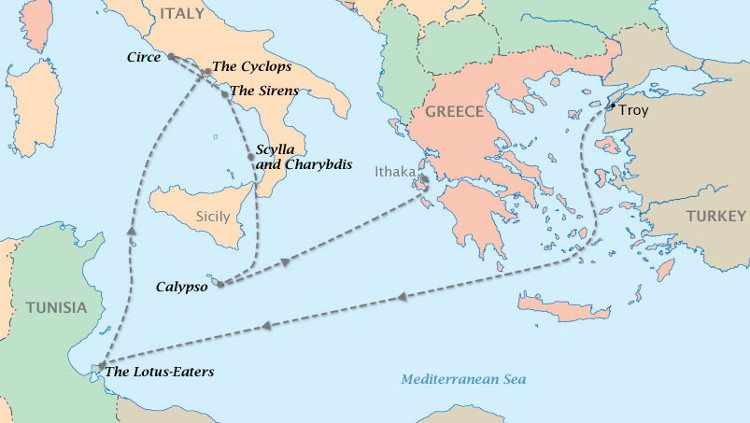
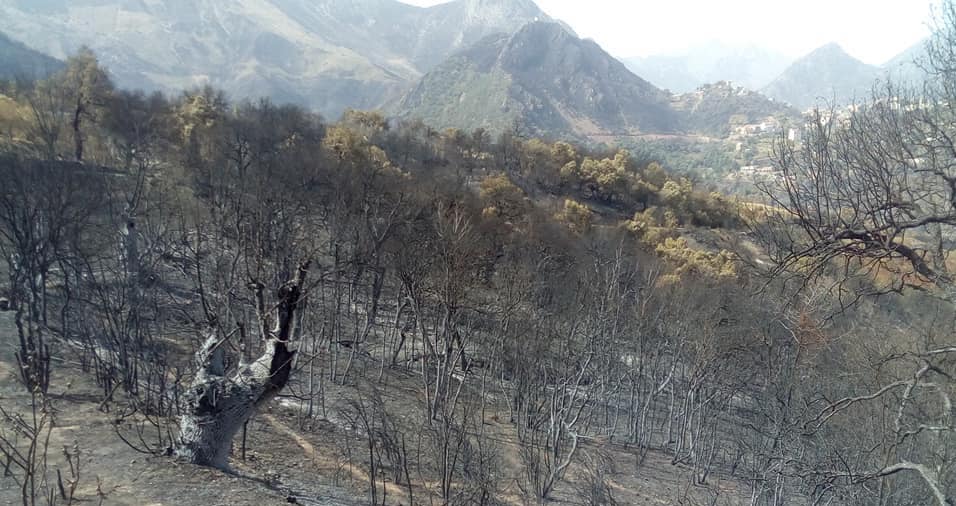
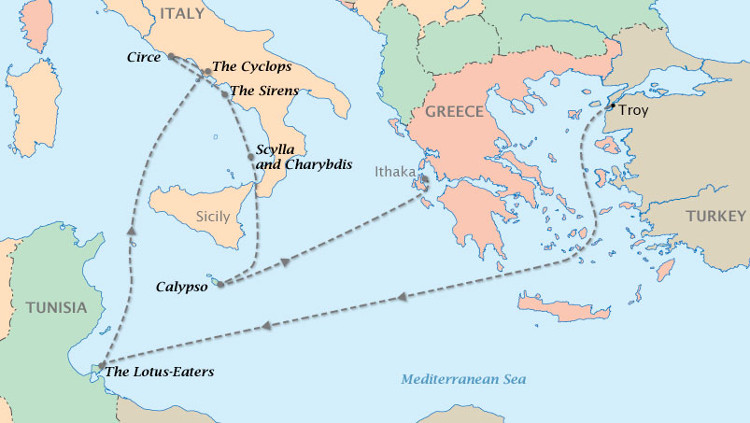
OdysseyThe righties are apoplectic that Christopher Nolan's The Odyssey famously portrays a Black Helen—displaying their ignorance of the actual intercourse between Africa and the ancient Greek world. But apart from the cultural politics of the movie, the geopolitics of the Trojan War have all too much to say about the contemporary world crisis. Then, the Bosphorus and Dardanelles constituted the strategic chokepoints at issue, just as the Strait of Hormuz and Bab al-Mandeb do today. And the Bosphorus & Dardanelles could suddenly become critically strategic if Turkey becomes embroiled in either the Middle East war or the Ukraine war—or both. The current world crisis could bring about a civilization collapse far more decisive and complete than the Bronze Age Collapse that followed the Trojan War. In Episode 341 of the CounterVortex podcast, Bill Weinberg breaks it down. (Map: BestQuest)
Somaliland and Western Sahara: forbidden symmetry

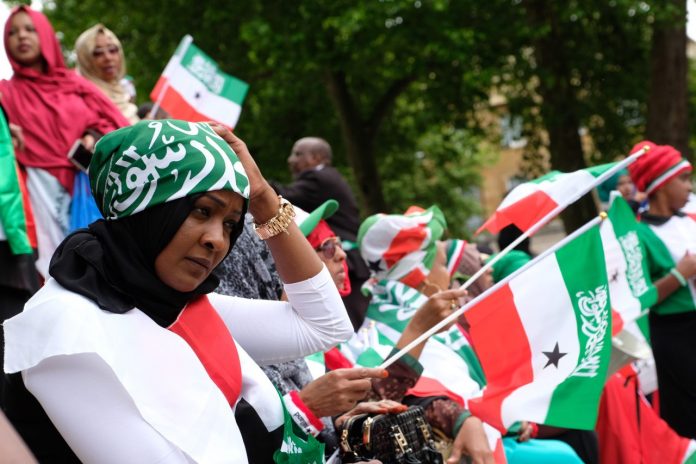
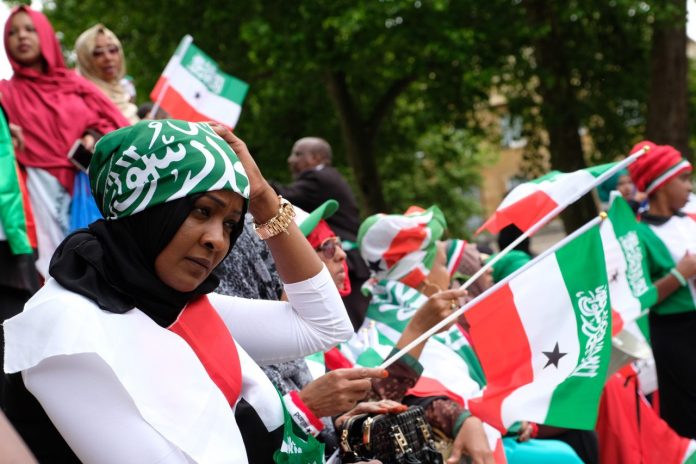
SomalilandIsrael has become the first country on Earth to recognize the de facto independent Republic of Somaliland, in exchange for a commitment from Somaliland to join the Abraham Accords and recognize Israel. However, not three years ago, Israel joined the US as the only two countries on Earth to recognize Morocco's claim to sovereignty over the disputed territory of Western Sahara—a betrayal of the occupied Sahrawi Arab people who seek an independent state. And of course both these deals constitute a betrayal of the Palestinians. Somaliland and the Sahrawi Arab Democratic Republic should be natural allies, and instead they are being pitted against each other in the Great Power game. Yet another example of how a global divide-and-rule racket is the essence of the state system. In Episode 311 of the CounterVortex podcast, Bill Weinberg breaks it down. (Photo: Horn Diplomat via Wikipedia)

Podcast: from Palestine to Western Sahara

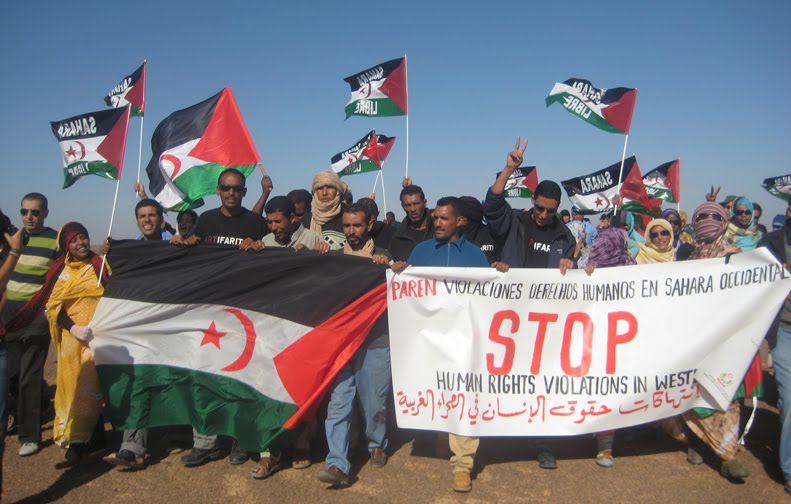
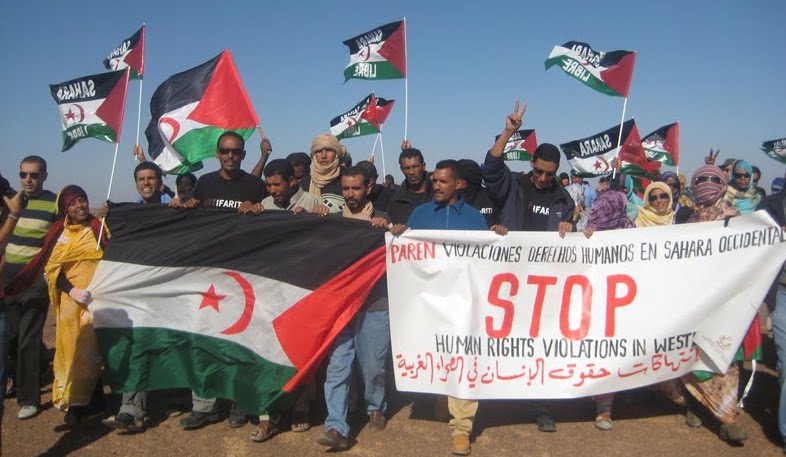
SahrawisBenjamin Netanyahu's gaffe on French TV, displaying a map of the "Arab World" that showed the occupied (and illegally annexed) Western Sahara as a separate entity from Morocco, sparked a quick and obsequious apology from the Israeli Foreign Ministry. But the snafu sheds light on the mutual hypocrisy at work here. There is an obvious hypocrisy to Moroccan protests that demand self-determination for the Palestinians but not the Sahrawi, the indigenous Arab inhabitants of Western Sahara. The hypocrisy of Israel is also obvious: Israeli commentators and hasbara agents are the first to play the "whataboutery" game—relativizing the plight of the Palestinians by pointing to that of Kurds, Berbers, Nubians, Massalit and other stateless peoples oppressed under Arab regimes. But, as we now see, they are just as quick to completely betray them when those regimes recognize Israel and betray the Palestinians. Yet another example of how a global divide-and-rule racket is the essence of the state system. Bill Weinberg breaks it down in Episode 229 of the CounterVortex podcast. Listen on SoundCloud or via Patreon. (Photo: Kirby Gookin/Western Sahara Resource Center)

Netanyahu’s new map flap: multiple ironies

Israel was forced to apologize to Morocco after Prime Minister Benjamin Netanyahu was seen in a video displaying a map of the Middle East and North Africa—that failed to show the occupied (and illegally annexed) territory of Western Sahara as within the kingdom's borders. Netanyahu brandished the map in an interview with a French TV channel, showing what he called "the Arab world" in green, a swath of near-contiguous territory from Iraq to Mauritania—contrasting small, isolated Israel, "the one and only Jewish state." The goof was especially dire because in 2020 Israel joined the US as the only two countries on Earth to recognize Moroccan annexation of Western Sahara, in exchange for Moroccan recognition of the Jewish state under the Trump administration-brokered Abraham Accords. This was a cozy mutual betrayal of both the Palestinians and Sahrawi Arabs, the indigenous inhabitants of occupied Western Sahara. (Image: Twitter via Middle East Eye)

Podcast: from the West Bank to Western Sahara

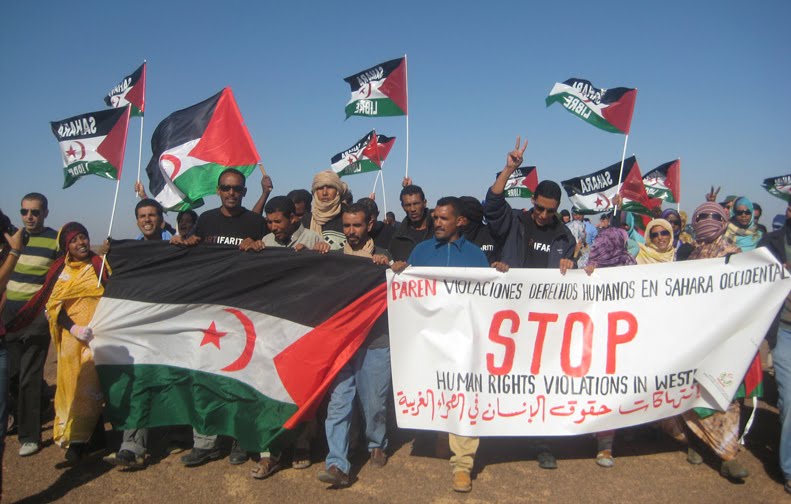
SahrawisIn Episode 184 of the CounterVortex podcast, Bill Weinberg notes that Israeli President Isaac Herzog's address to Congress was happily boycotted by members of the "Squad," and comes as even establishment voices are calling for a cut-off of US aid in light of the deep political crisis in Israel. Unhappily, Rep. Pramila Jayapal was forced to issue an apology for having called Israel a "racist state"—which is a mere statement of political reality. In contrast, Ron DeSantis was not forced to issue any such apology for openly embracing Israel's illegal annexationist designs on the West Bank—even as they are protested by UN international law experts. All this comes as Israel has joined the US as the only countries on Earth to recognize Moroccan annexation of Western Sahara, a condition of the so-called Abraham Accords. Listen on SoundCloud or via Patreon. (Photo: Kirby Gookin/Western Sahara Resource Center)

Abraham Accords’ betrayal of Sahrawi consolidated

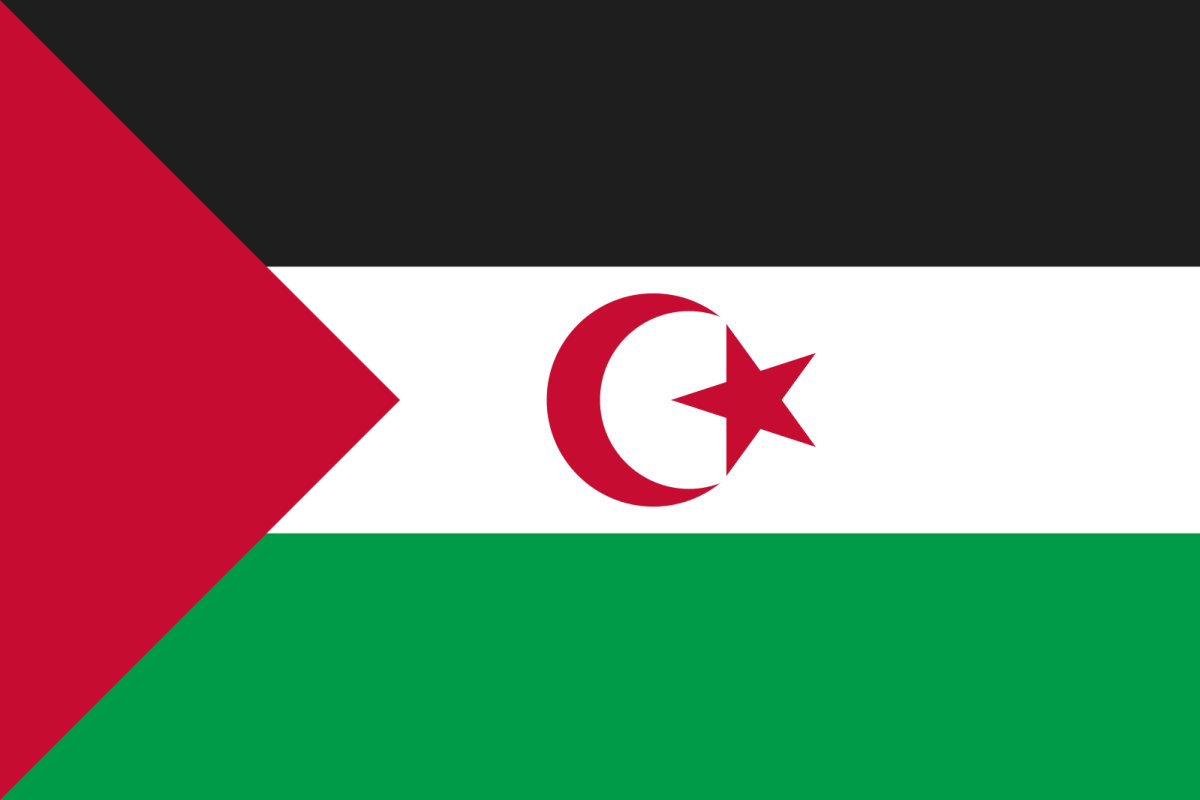
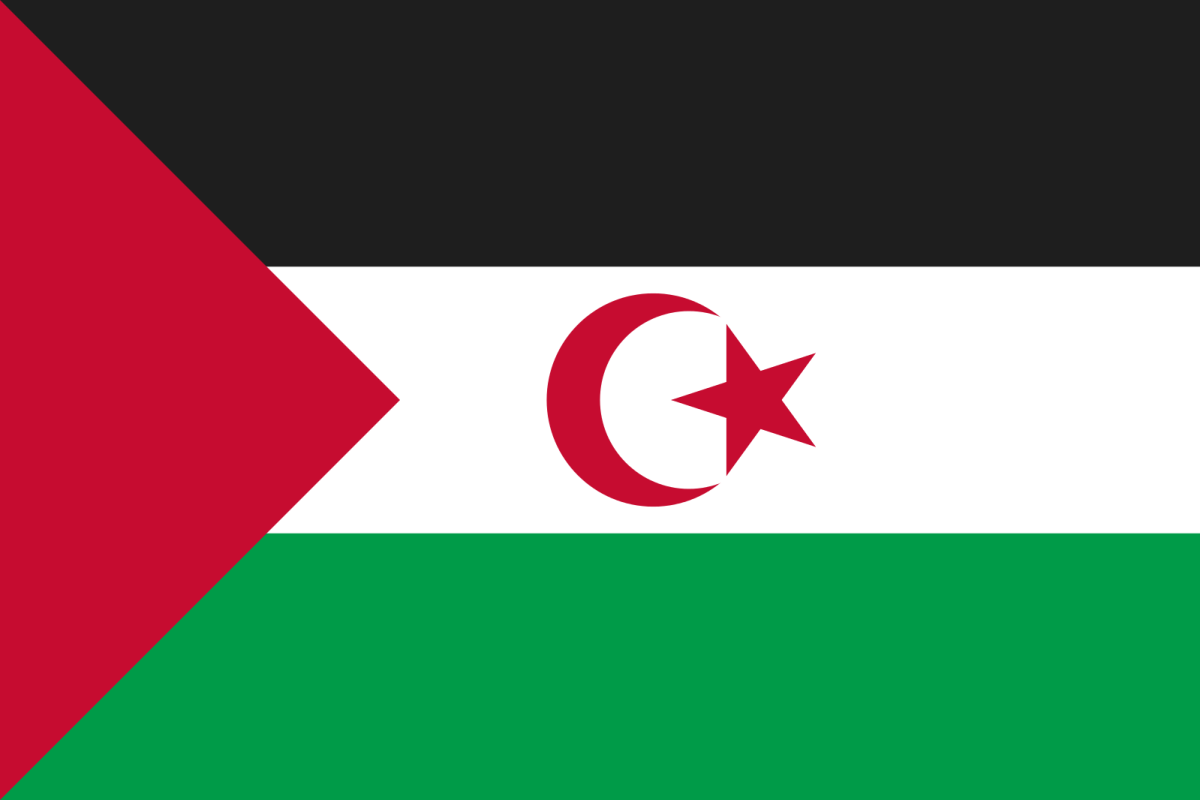
SADRIsrael announced that it has formally recognized Moroccan sovereignty over the disputed territory of Western Sahara. The US in 2021 became the first nation to recognize Morocco's claim to the territory—an open quid pro quo for Moroccan recognition of Israel as a part of the so-called Abraham Accords. Israeli recognition of Morocco's claim was promised at that time. However, much of the territory is controlled by the Polisario Front, independence movement of the Sahrawi Arab people. Some 45 countries around the world recognize Polisario's declared Sahrawi Arab Democratic Republic (SADR); the US and Israel are alone in recognizing Rabat's rule over the territory. (Image: Wikimedia Commons)

North Africa

Podcast: Toward Berber-Palestinian solidarity

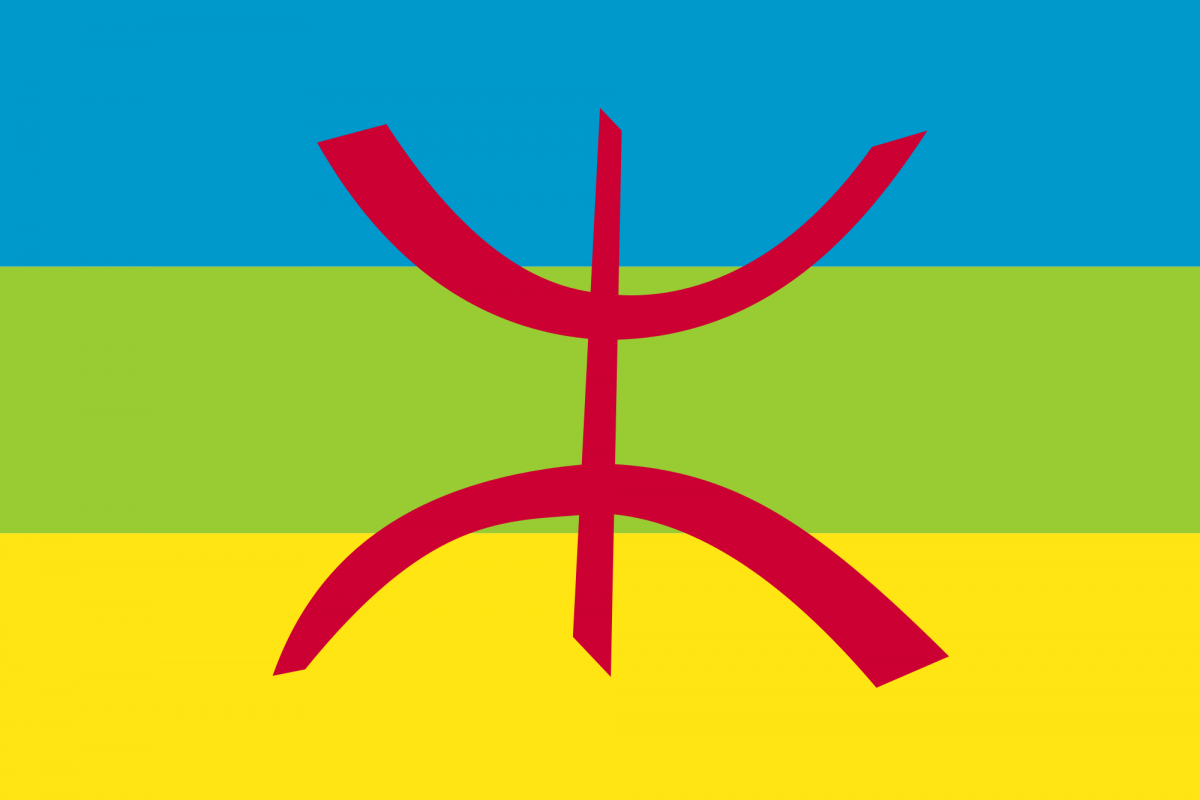
Berber flagIn Episode 16 of the CounterVortex podcast, Bill Weinberg discusses how Berbers, Palestinians, Sahrawi Arabs and other subjugated peoples of the Middle East and North Africa are pitted against each other by the Great Game of nation-states. Berbers in North Africa and Palestinians in the Occupied Territories face identical issues of cultural erasure, yet the Arab states' support for the Palestinians and retaliatory Israeli support for the Berbers constitute an obstacle to solidarity. The Sahrawi Arabs meanwhile fight for their independence from Morocco in the occupied territory of Western Sahara. But the Arab-nationalist ideology of their leadership is rejected by the territory's Berbers—leading to Sahrawi-Berber ethnic tensions in Morocco. Yet there are also signs of hope. Arabs and Berbers were united in the 2011 "Arab Revolution" protests in Morocco, and greater Berber cultural rights were a part of the constitutional reform won by those protests. And the new protest wave in Morocco's Rif Mountains over the past year has again united Arab and Berber. Listen on SoundCloud, and support our podcast via Patreon. (Image of Berber flag via Kabylia Information Agency)

North Africa

Western Sahara headed back towards war?

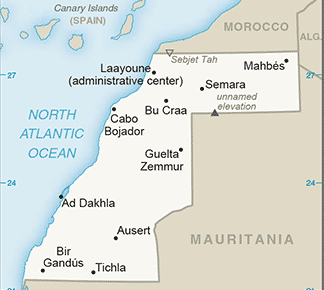
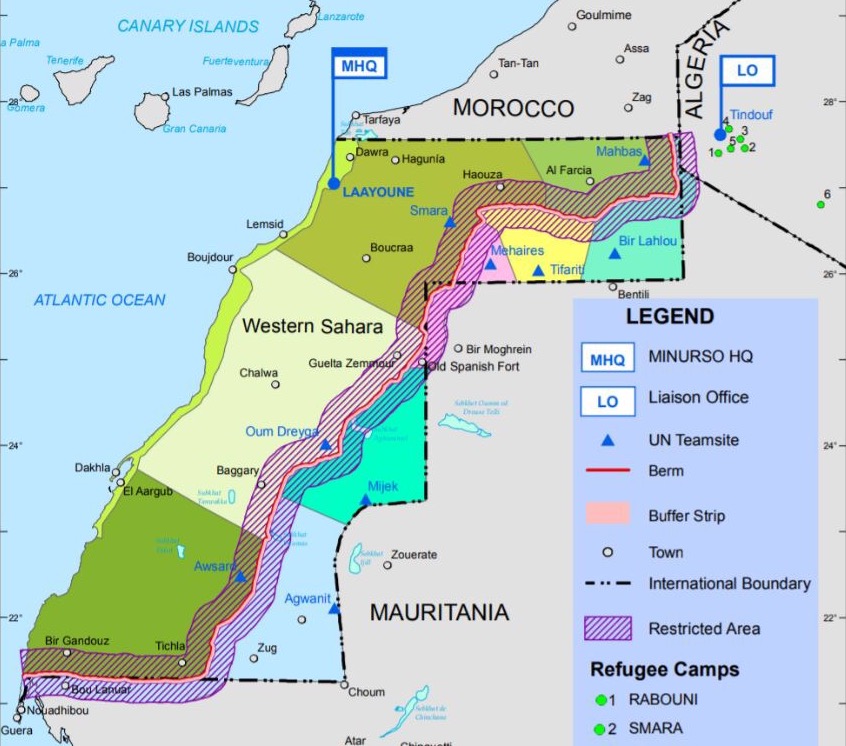
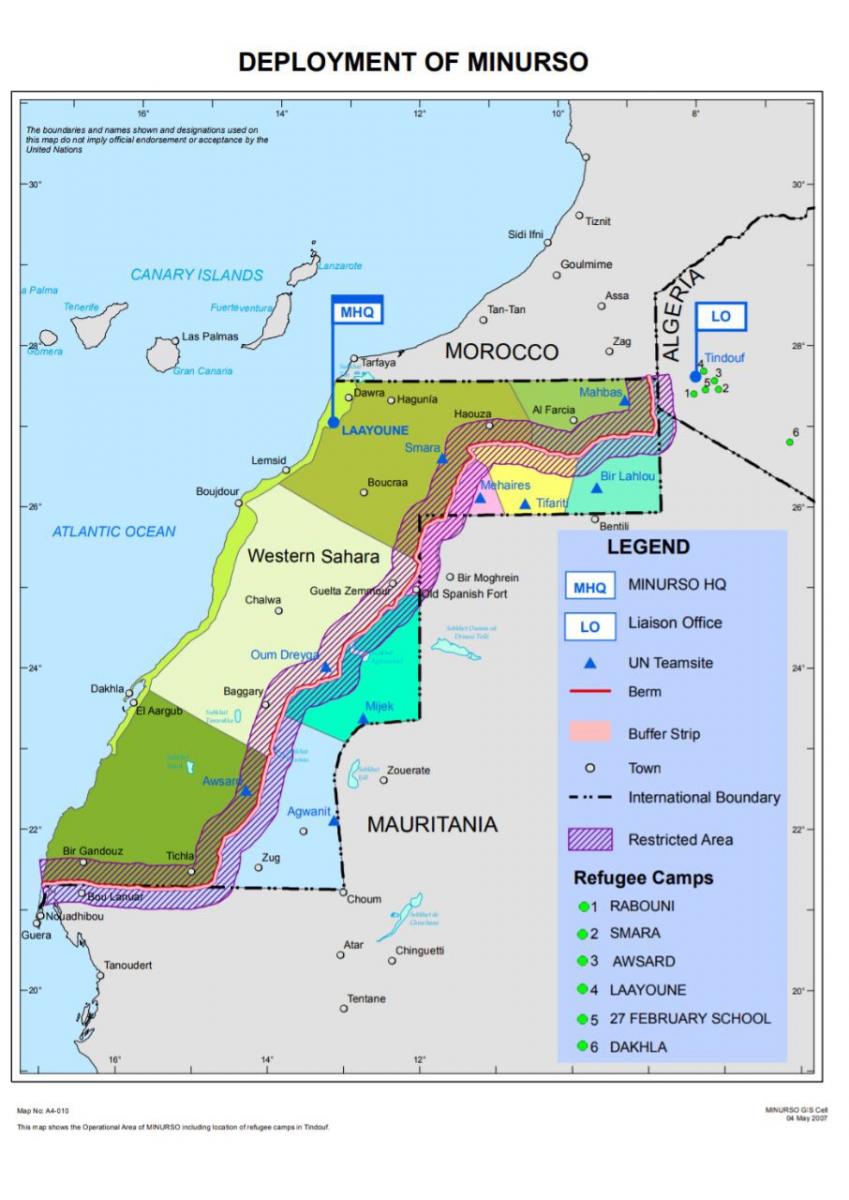
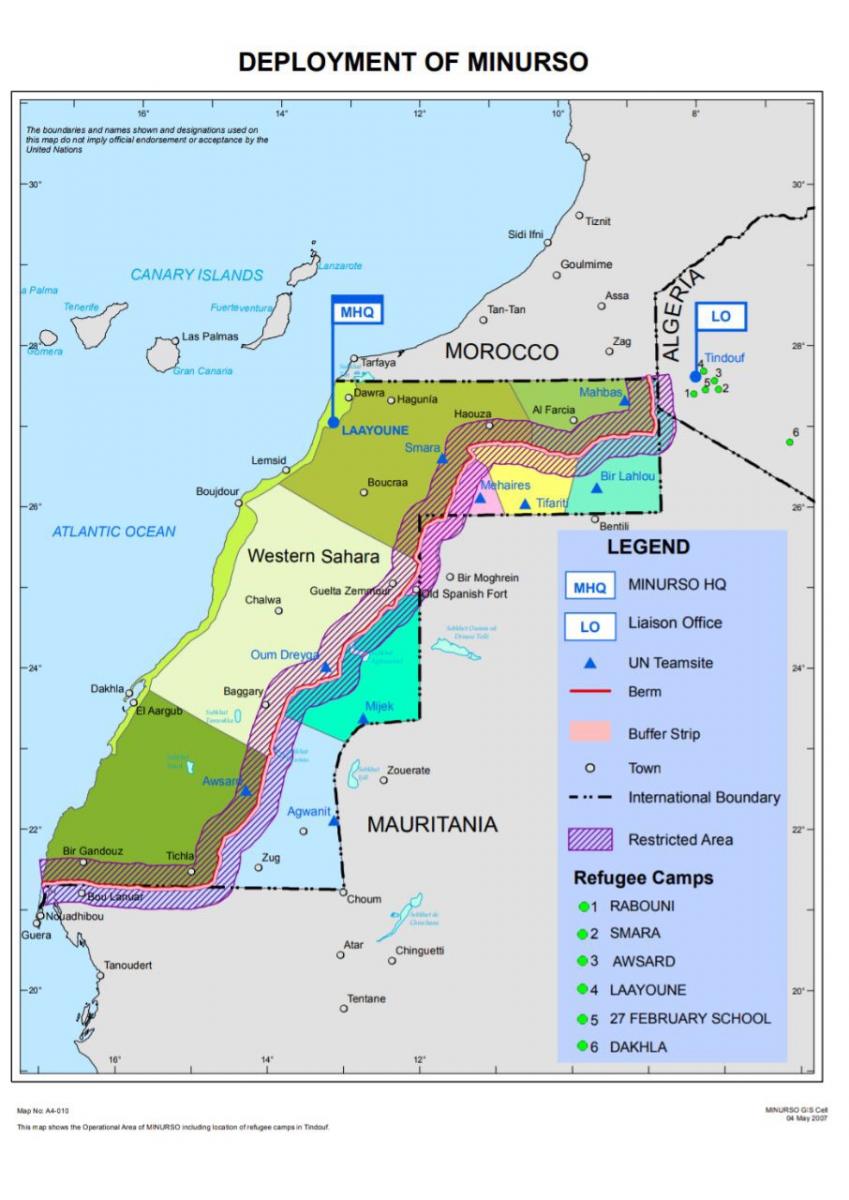
Western SaharaThe UN Security Council extended the mandate of the peacekeeping force for Western Sahara (MINURSO) through the end of October 2018, while calling for Morocco and the Polisario Front to finally negotiate an end to the decades‑old conflict. Western Sahara is claimed by Morocco, while the Polisario Front seeks independence for the territory. The territory has since the 1975-1991 war that followed its independence from Spain been divided by a series of sand berms and a "buffer zone." These separate the territory's Morocco-occupied west and a Polisario-controlled eastern strip. Recent months have seen growing tension between Morocco and Polisario over the borders of the buffer zone, with Polisario seeking to expand control into contested areas. (Photo: MINURSO via Yabiladi)