Southeast Asia

Vietnam: ‘free trade’ advances; free speech retreats

The European Council announced that it has approved the European Union-Vietnam Free Trade Agreement (EVFTA), hailed as the most ambitious trade pact between the EU and a developing country. Under EVFTA, upwards of 99% of tariffs on goods from both sides will be lifted. The deal was approved two weeks after a Vietnamese environmental activist was sentenced to six years in prison for “anti-state” Facebook posts. Nguyen Ngoc Anh, a shrimp farming engineer, is accused of writing posts that urged people to take part in peaceful protests over corporate pollution. The posts especially noted the Formosa Plastics disaster in 2016, in which a Taiwanese-owned steel plant dumped toxic waste into the ocean off the coast of central Vietnam, killing millions of fish. (Photo of Nguyen Ngoc Anh via Human Rights Watch. Sign reads: “Fish Need Clean Water, People Need Transparency.”)

Southeast Asia

Burma: soldiers freed in Rohingya massacre

Seven soldiers imprisoned in Burma for killing 10 Rohingya Muslim men and boys have received an early release—serving less time than the reporters who uncovered the massacre they were convicted of. The soldiers were sentenced in 2018 to 10 years in prison for the killings at the village of Inn Din, but they “are no longer detained,” prison officials told Reuters. The news agency said the men were freed in November. This means they served less than one year of their 10-year terms. They are the only people to have been convicted for atrocities committed during the 2017 military campaign against the Rohingya in the western Rakhine state, in which more than 700,000 were displaced. Meanwhile, the two Reuters reporters who were imprisoned on charges of revealing “state secrets” for reporting the massacre were also just released—after serving 16 months. (Photo via Reuters)

Southeast Asia

Autonomy vote at issue in Sulu cathedral bombing?

Twin explosions left at least 20 dead and some 80 wounded at the cathedral in Jolo, capital of Sulu province in the restive southern Philippine island of Mindanao. The first blast went off inside the Cathedral of Our Lady of Mount Carmel as Sunday mass was about to start. This was followed seconds later by another blast in the cathedral's parking area. The attack came just days after the Bangsamoro Organic Law was approved by voters in the region, creating a new Muslim-led autonomous government. The new Bangsamoro autonomous region replaces the weaker Autonomous Region in Muslim Mindanao. Of the five provinces in the autonomous region, the only one to reject the BOL was Sulu. (Photo via PhilStar)

Southeast Asia

Arakan Army escalates insurgency in Rakhine state

Over 700,000 Rohingya Muslims have been driven from Burma's northern Rakhine state into neighboring Bangladesh by the Burmese army's brutal "clearance operations," ostensibly launched in response to attacks by the Arakan Rohingya Salvation Army (ARSA) in August 2017. But over the past weeks, the state has seen a new outbreak of attacks—this time by the Arakan Army, an ethnic Rakhine insurgent group opposed to the central government's Burman-centric rule. Ambushes by Arakan Army fighters have targeted both the Burmese army, or Tatmadaw, and the Border Guard Police. Fighting in several townships has left some 2,500 displaced. Last month, the Tatmadaw announced a four-month ceasefire in Burma's north to facilitate peace talks with multiple armed groups fighting for local autonomy, but that announcement excluded Rakhine state. (Photo via Asia Times)

Southeast Asia
Rohingya

Protest forced repatriation of Rohingya refugees

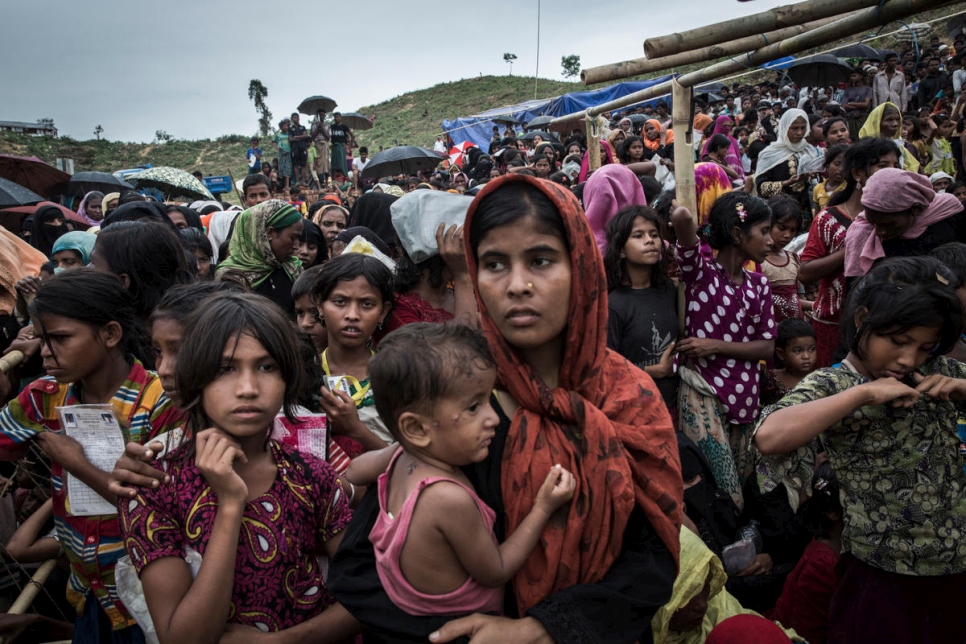
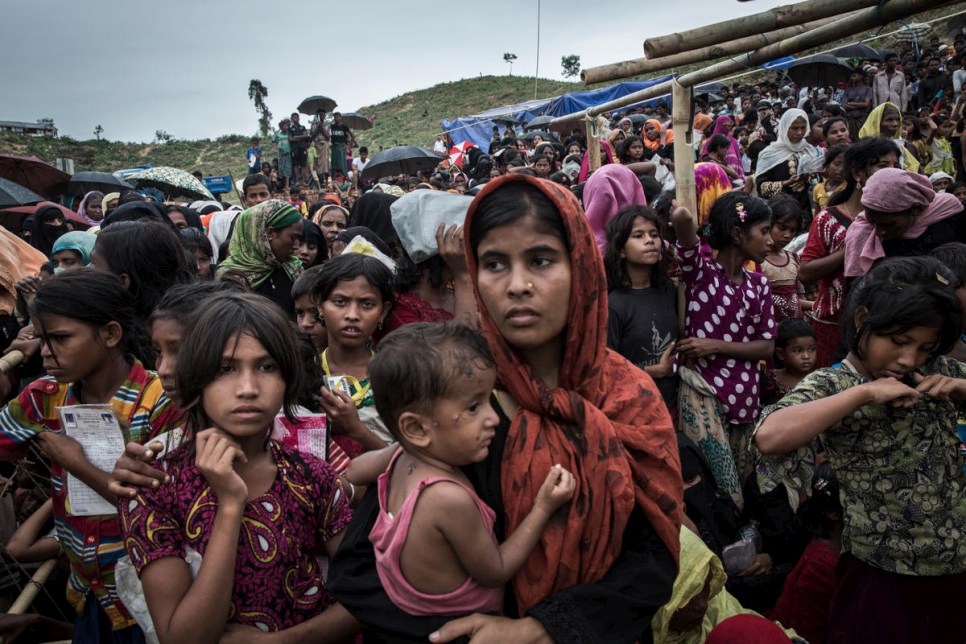
Authorities in Bangladesh and Burma must immediately halt plans to send Rohingya refugees back to Burma's Rakhine State, Amnesty International said. A first wave of organized returns could begin imminently, following announcement of a bilateral agreement between Bangladesh and Burma last month—which Amnesty says falls short of international obligations. "This is a reckless move which puts lives at risk," said Nicholas Bequelin, Amnesty's director for East and Southeast Asia. "These women, men and children would be sent back into the Myanmar [Burma] military's grasp with no protection guarantees, to live alongside those who torched their homes and whose bullets they fled." (Photo: UNHCR)

Southeast Asia

Philippines: who killed the ‘Sagay 9’?

The massacre of nine farmworkers, including two minors, at Hacienda Nene, outside Sagay City in the central Philippines, constituted the single most deadly attack against peasant activists under the Rodrigo Duterte administration. A fact-finding mission led by human rights and civil society groups has pointed to members of the Special Civilian Auxiliary Army, a private militia associated with the Armed Forces of the Philippines, as the most likely perpetrators of the "Sagay 9" massacre. But the Philippine National Police have charged two members of the farmworkers' union for inciting the violence by launching a land occupation at the hacienda. Duterte issued a new warning that his troops will shoot to kill if landless peasants begin any new occupations. (Photo via Philippine Inquirer)

Southeast Asia

Farmworker massacre in Philippine land occupation
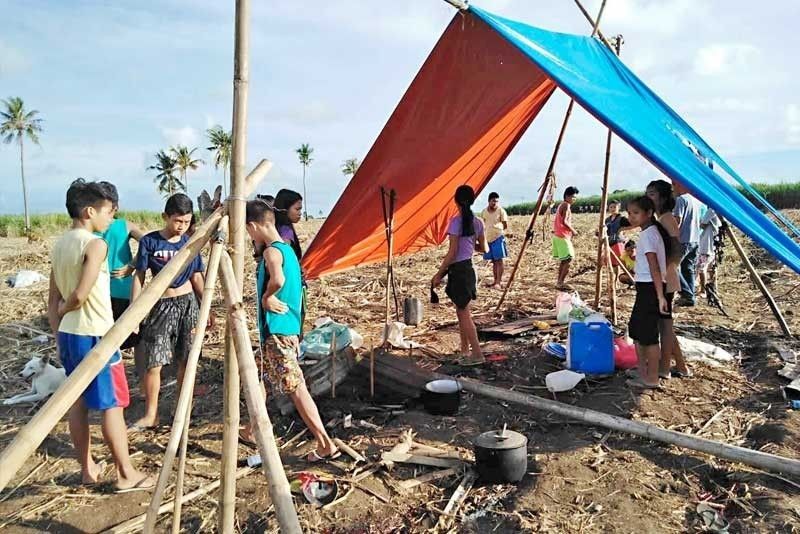
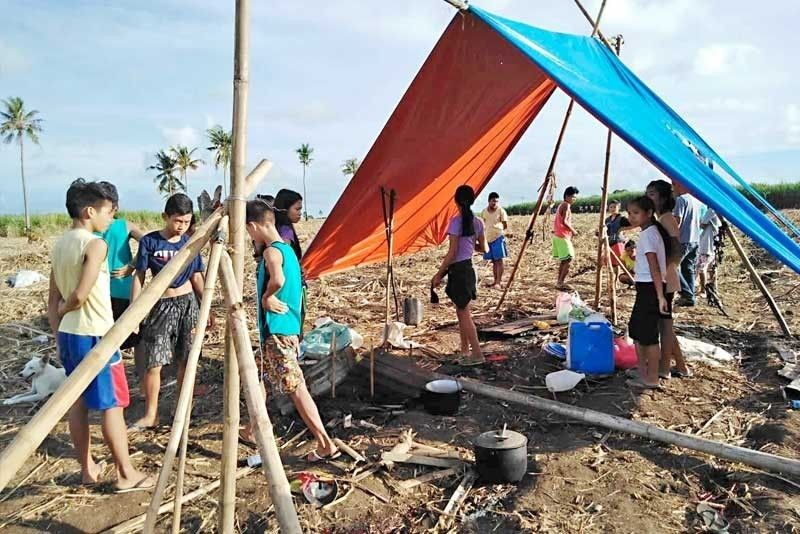
Nine sugar-cane workers were killed as a group of some 40 gunmen fired on their encampment on lands they were occupying in Negros Occidental province of the central Philippines. Among the fatalities were three women and two minors. The slain were members of the National Federation of Sugar Workers who were occupying part of the sprawling Hacienda Nene near Barangay Bulanon village, outside Sagay City. The occupation was legally permitted under an agrarian reform program established in the 1980s that allows landless rural workers to cultivate fallow lands on large plantations while title transfer is pending. The massacre was reported by survivors who managed to scatter and hide. Some of the bodies were burned by the attackers. "They were strafed by unknown perpetrators while already resting in their respective tents," said Cristina Palabay, head of the rights group Karapatan. Calling the attack "brutal and brazen," she said: "We call on the Commission on Human Rights to conduct an independent and thorough investigation on the massacre. We are one with the kin of the victims in the Sagay massacre in their call for justice." (Photo: PhilStar)
Southeast Asia

Indonesia approves draconian anti-terrorism bill

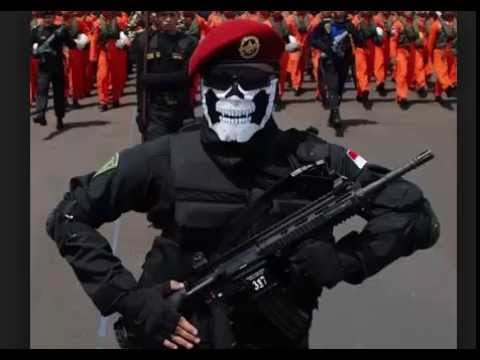
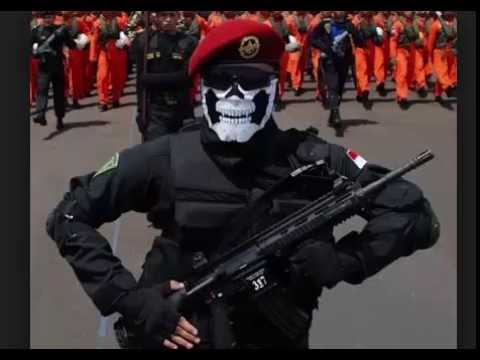
The Indonesian Parliament unanimously approved a new anti-terrorism law that will allow the military to directly participate in operations against militant groups. The legislation comes following a slew of suicide bombings in Surabaya by individuals supposedly tied to the Islamic State. President Joko Widodo stated that involvement of the Indonesian National Army in counter-terrorism is necessary in addressing the crisis faced by the nation. A related measure also gives police the power to detain suspects for 21 days without charge. (Photo: Indonesian Navy Special Forces Kopaska)

Southeast Asia

Indigenous environmental activist killed in Burma

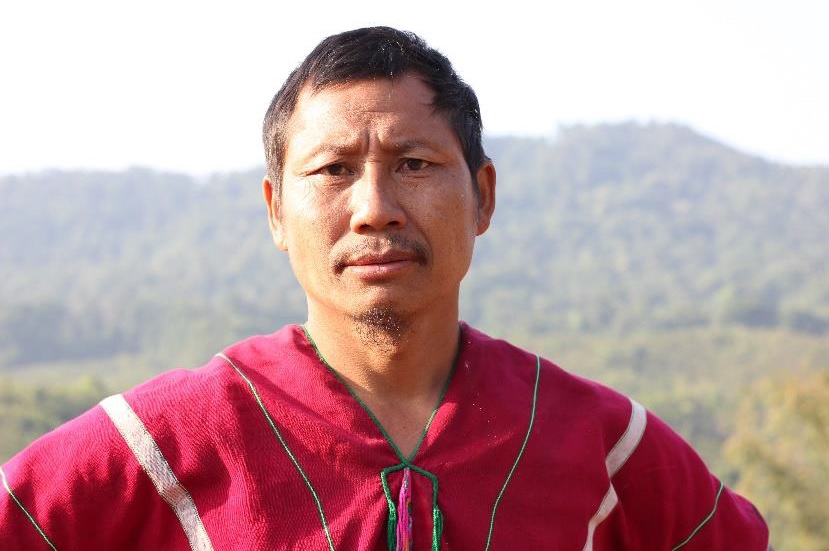
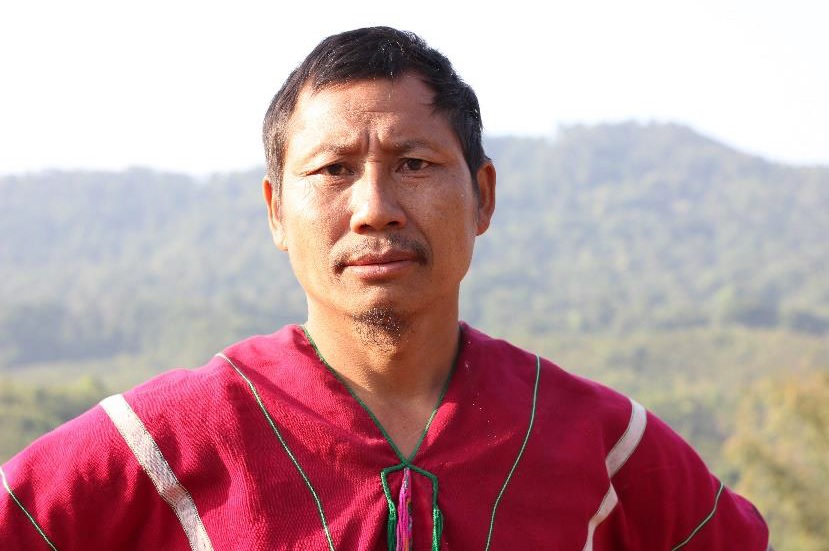
Indigenous and environmental activist Saw O Moo is reported killed in Burma's conflicted Karen State. According to the Karen Environmental and Social Action Network (KESAN), Saw O Moo was killed in an ambush by Burmese army soldiers while returning home from a community meeting to help organize humanitarian aid for villagers displaced by renewed hostilities between the military and the Karen National Liberation Army (KNLA). Saw O Moo was one of the most active local community leaders pushing for the creation of the Salween Peace Park, a proposed 5,400-square-kilometer protected area to be overseen by indigenous peoples. “We will never forget his dedication in the ongoing struggle to build peace and protect ancestral lands,” KESAN said in a statement. (Photo: Burma Link)

Southeast Asia

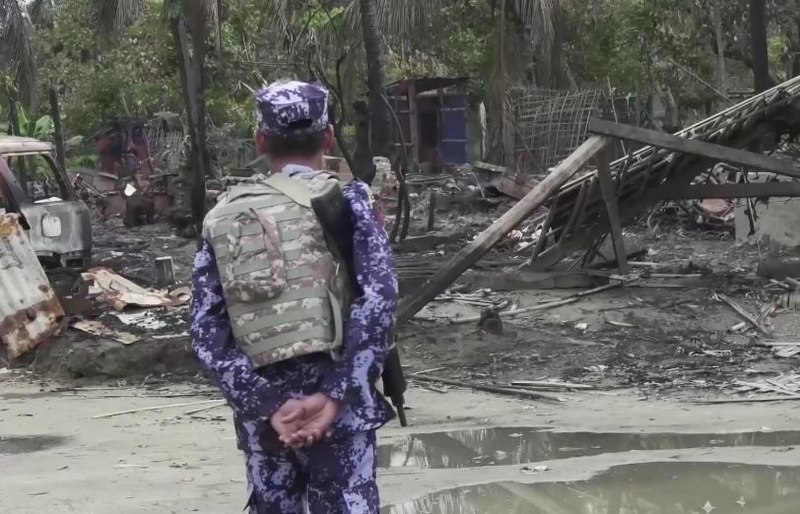
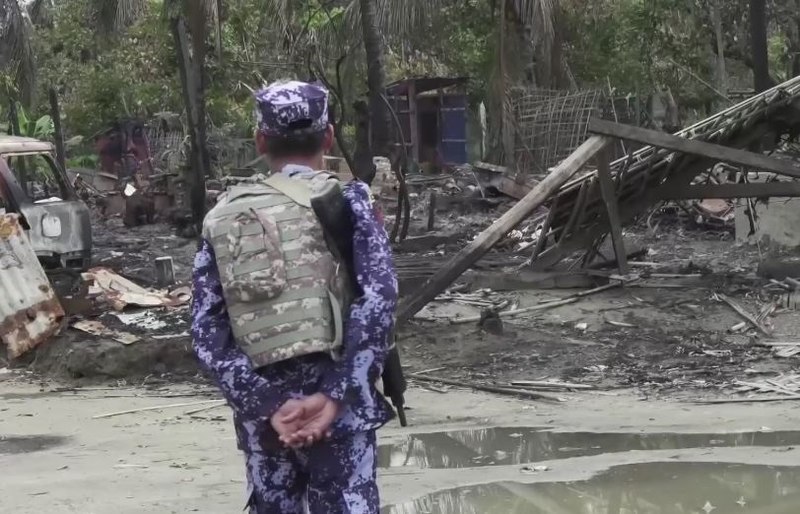
Razed Rohingya villages turned into military bases

Burma's Rakhine state is being militarized at an alarming pace, as authorities build security force bases on lands where Rohingya villages were burned to the ground just months ago, Amnesty International charges in a new report. The chief UN official investigating human rights in Burma, Yanghee Lee, called for an immediate investigation into "clearance operations" in Rakhine state, stating she is increasingly convinced that actions by the Burmese security forces amount to genocide. (Photo: VOA via Wikimedia Commons)

Southeast Asia

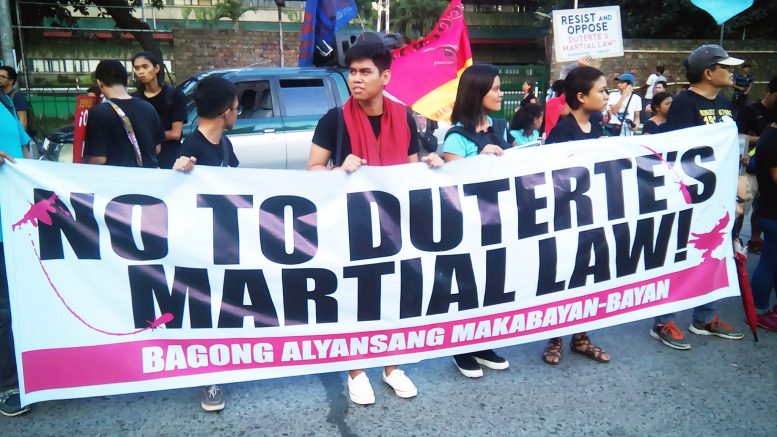
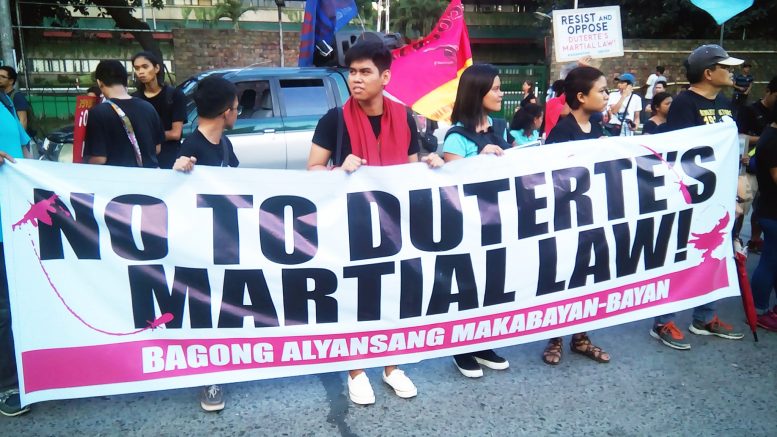
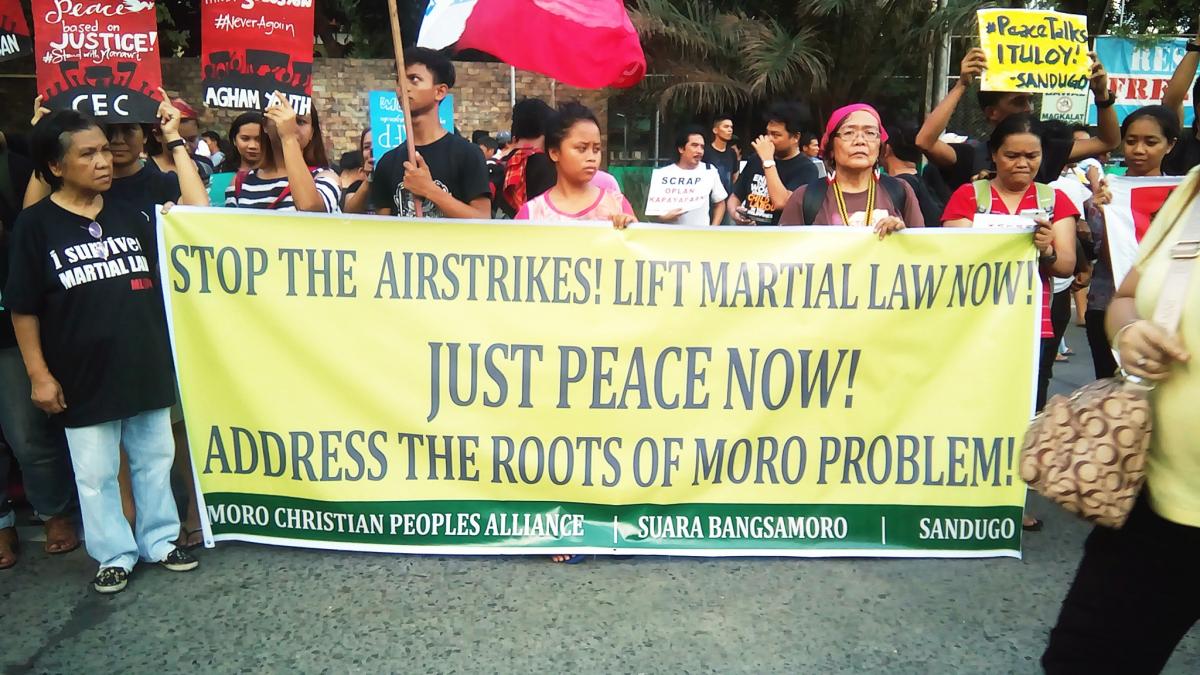
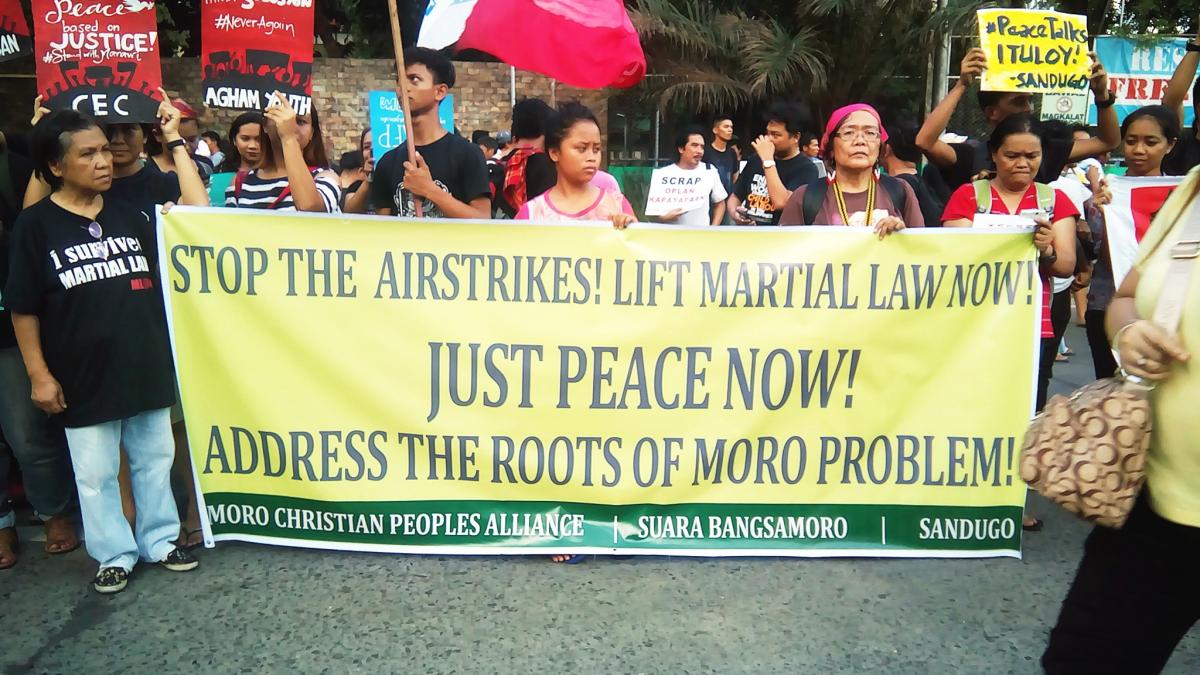
Philippine paradox: martial law, medical marijuana

In flagrant violation of the Philippine constitution, President Rodrigo Duterte extended martial law in Mindanao for another year. Simultaneously, he announced a return of the National Police to drug enforcement after they were removed due to outrageous human rights abuses. But opposition lawmakers are trying to put the breaks on the militarization, and have even introduced a bill to legalize medical marijuana. (Photo: Anakpawis)

Southeast Asia

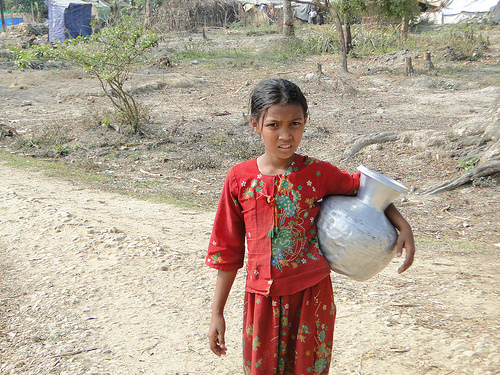
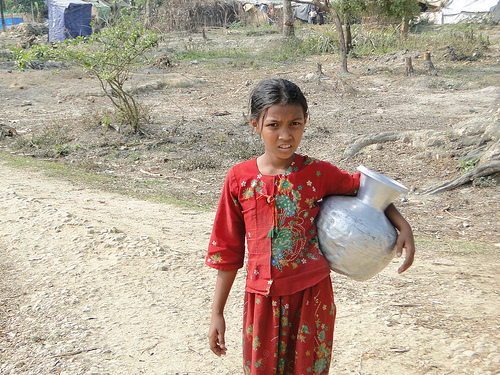
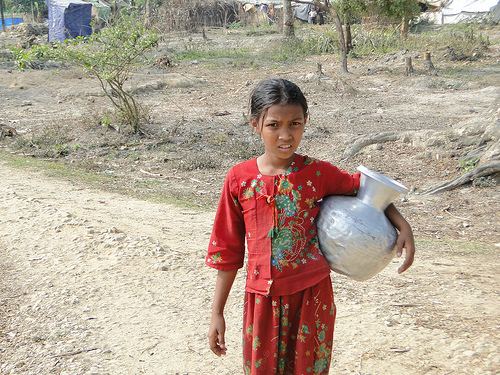
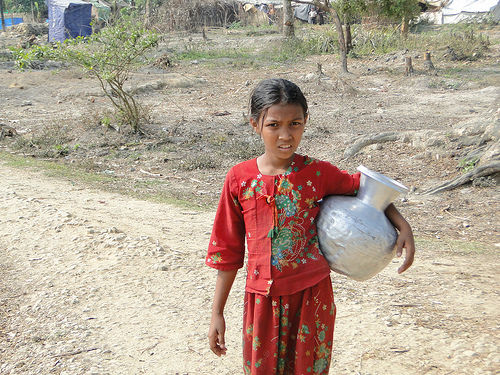
Rohingya refugees face forced repatriation

Bangladesh and Burma agreed to complete the return of hundreds of thousands of Rohingya refugees within two years, establishing a system of camps and "reception centers" along the border zone to facilitate their transfer. But humanitarian and human rights organizations are warning that this time frame is insufficient to guarantee a safe and voluntary return. A representative of the Burma Campaign UK stated: "Bangladesh and Burma are effectively playing ping-pong with the Rohingya, while the rest of the international community stands by. They will be returned to giant prison camps, have no rights, and be at constant risk of further attacks by the Burmese military." (Photo: European Commission via Flickr)