Southeast Asia
burma coup

Military re-seizes power in Burma

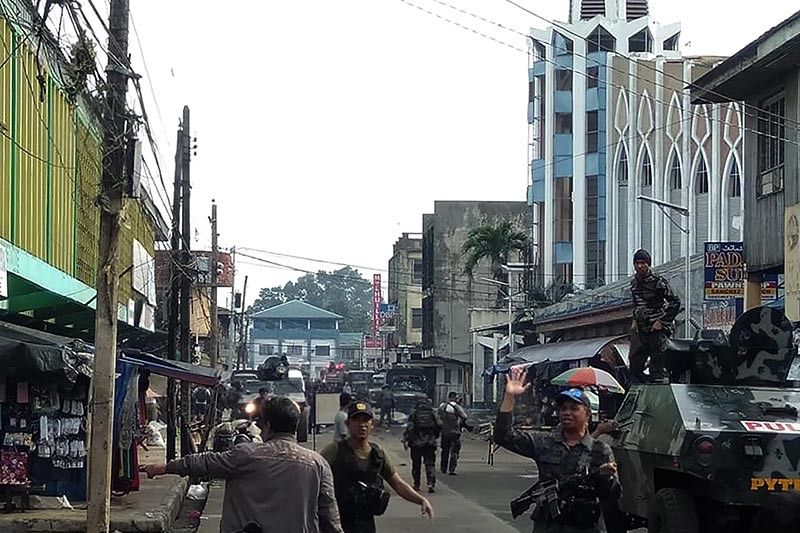
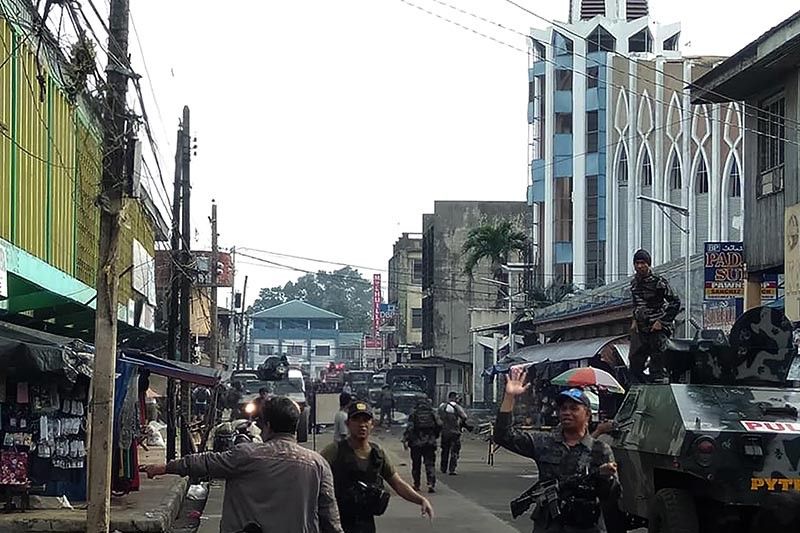
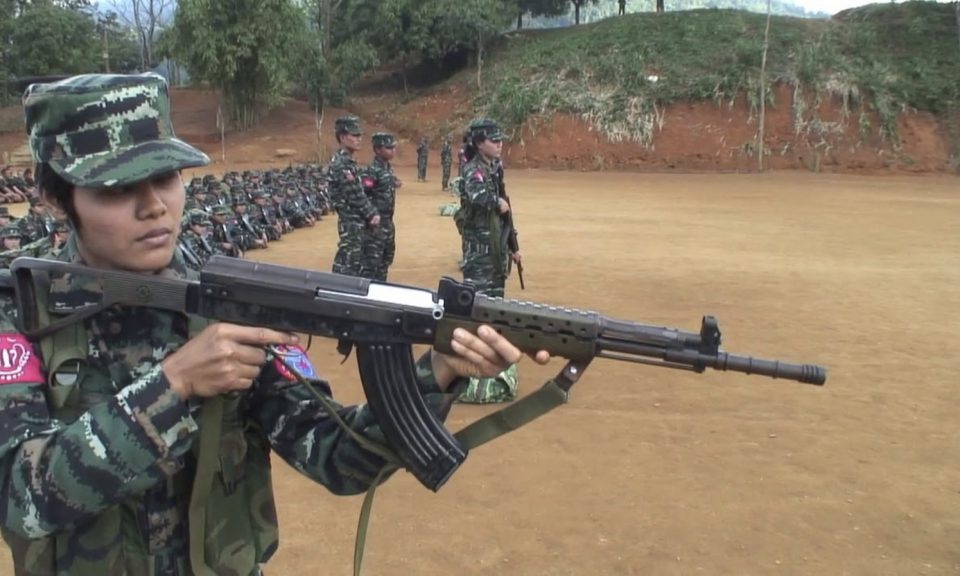
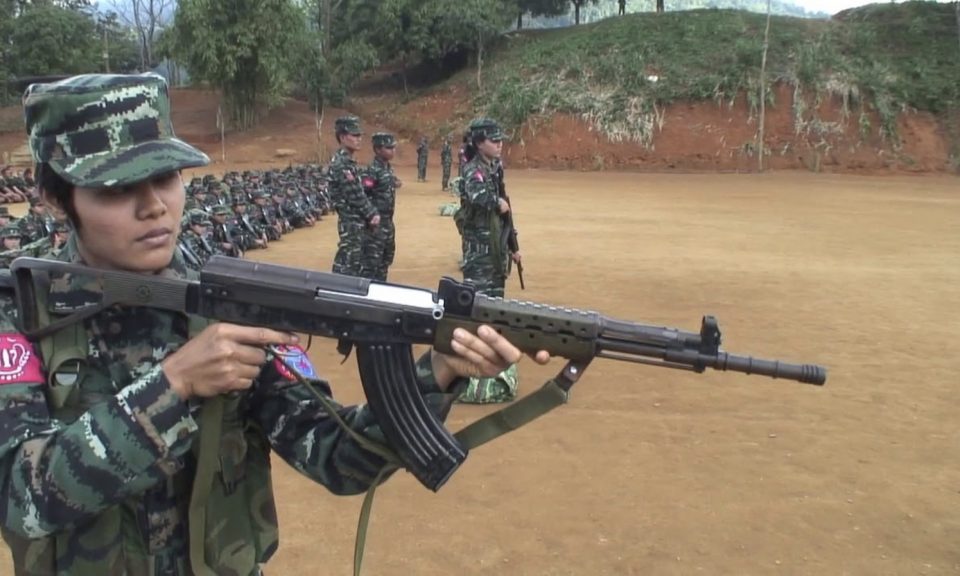
Burma’s military announced that it has taken control of the country and imposed a state of emergency. The country’s civilian leader Aung San Suu Kyi was detained in an early morning raid along with President U Win Myint and other figures associated with the ruling National League for Democracy (NLD). Although the internet was cut off by the military, Suu Kyi managed to get out a statement to social media calling on Burma’s people to “protest against the coup.” The military, officially known as the Tatmadaw, said the state of emergency will last for a year, during which time armed forces chief Gen. Min Aung Hlaing will rule. The Tatmadaw is justifying the move by asserting that there was voter fraud in the November parliamentary elections, in which the military-linked Union Solidarity Development Party (USDP) suffered a crushing defeat to the NLD. No official election observers had made any claims of fraud. (Photo: The Irrawaddy)

Southeast Asia
Malaysia

Malaysia: elections suspended amid lockdown

Authorities in Malaysia have declared a state of emergency that suspends Parliament and puts on hold any new general elections at least through August. The order is ostensibly a measure to contain COVID-19, coming as Kuala Lumpur and other cities are being placed under near-total lockdown. But critics are portraying it as a ploy by embattled Prime Minister Muhyiddin Yassin to remain in power despite a corruption scandal engulfing his ruling party, the right-wing United Malays National Organization (UMNO). The accusations prompted Muhyiddin to go on national television after the declaration to insist the move is “not a military coup.” But the left-opposition Pakatan Harapan alliance issued a statement assailing Muhyiddin over the order: “Do not hide behind COVID-19 and burden the people with a declaration of emergency for the sake of saving yourself.” (Photo via CodeBlue)

Southeast Asia
indonesia strike

Mass strike against neolib reform rocks Indonesia

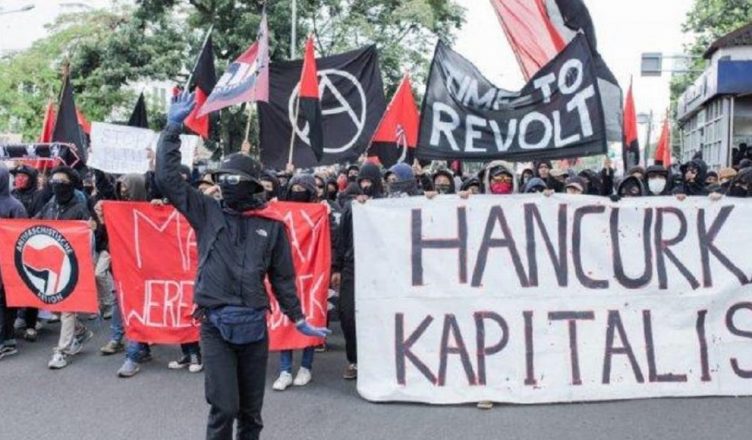
Riot police used tear-gas and water cannons in Indonesia’s capital to disperse large protests against a sweeping new law that rolls back protections for workers and the environment. Hundreds were arrested in Jakarta, and rallies took place in cities across the archipelago nation. The National Police have issued a notice to regional departments with directives on how to control the protests. The “Job Creation” Omnibus Law was passed despite calls for a general strike by the trade unions. It revises more than 70 laws and regulations in an effort to cut “red tape” and improve the investment climate. Most controversially, it abolishes the national minimum wage, reduces severance pay, and relaxes the criteria for environmental impact statements on development projects. (Image: Global May Day)

Planet Watch
landgrab

Destruction of nature linked to new pandemics

Leaders from the UN Convention on Biological Diversity, the World Health Organization and the World Wide Fund for Nature joined to issue a stark warning that pandemics such as COVID-19 are a direct result of the destruction of nature caused by human activity. In an op-ed published by The Guardian, top figures from each organization state that the destruction of forests and other habitats, coupled with trafficking in wildlife, is causing a growing number of animal diseases to migrate to human hosts. In a call to action ahead of the UN Biodiversity Summit, the three representatives cite prior examples of environmental destruction that triggered new virus outbreaks in humans. (Photo: Schadomski/DW, used with permission)

Southeast Asia
#JunkTerrorBilllNow

Philippines: protests against ‘anti-terror’ bill

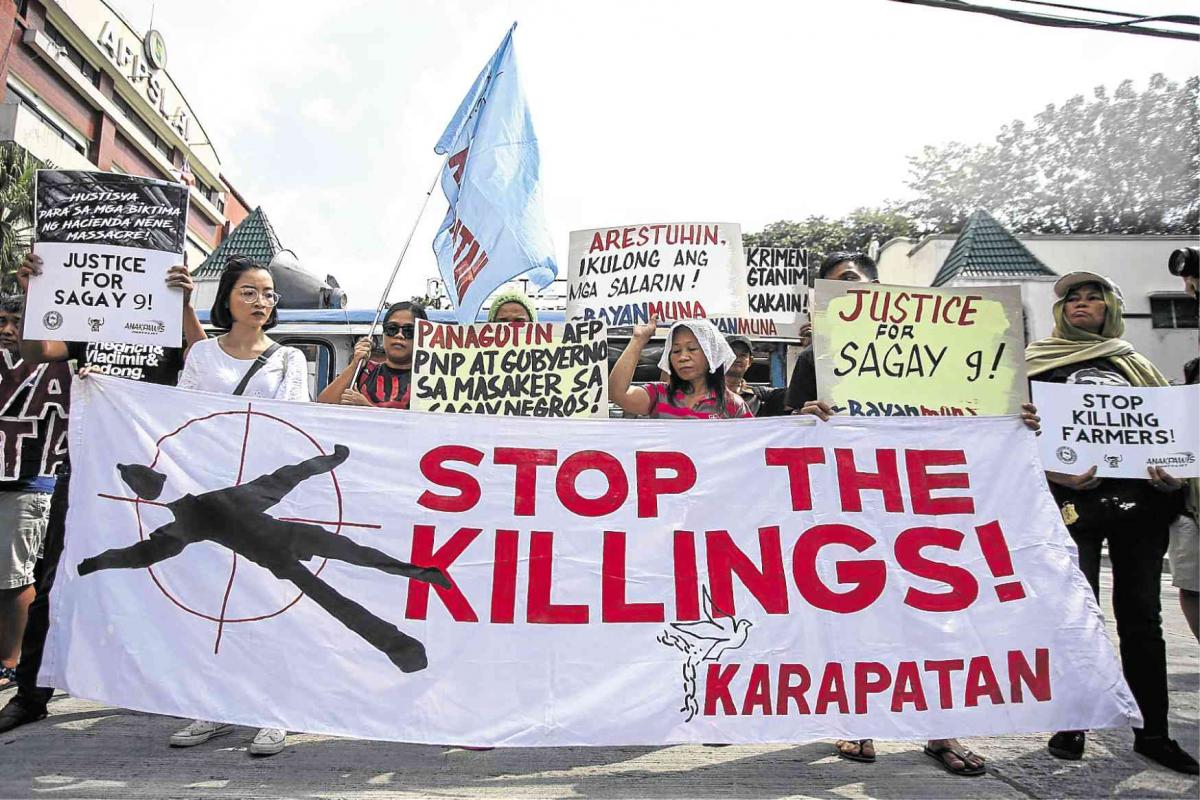
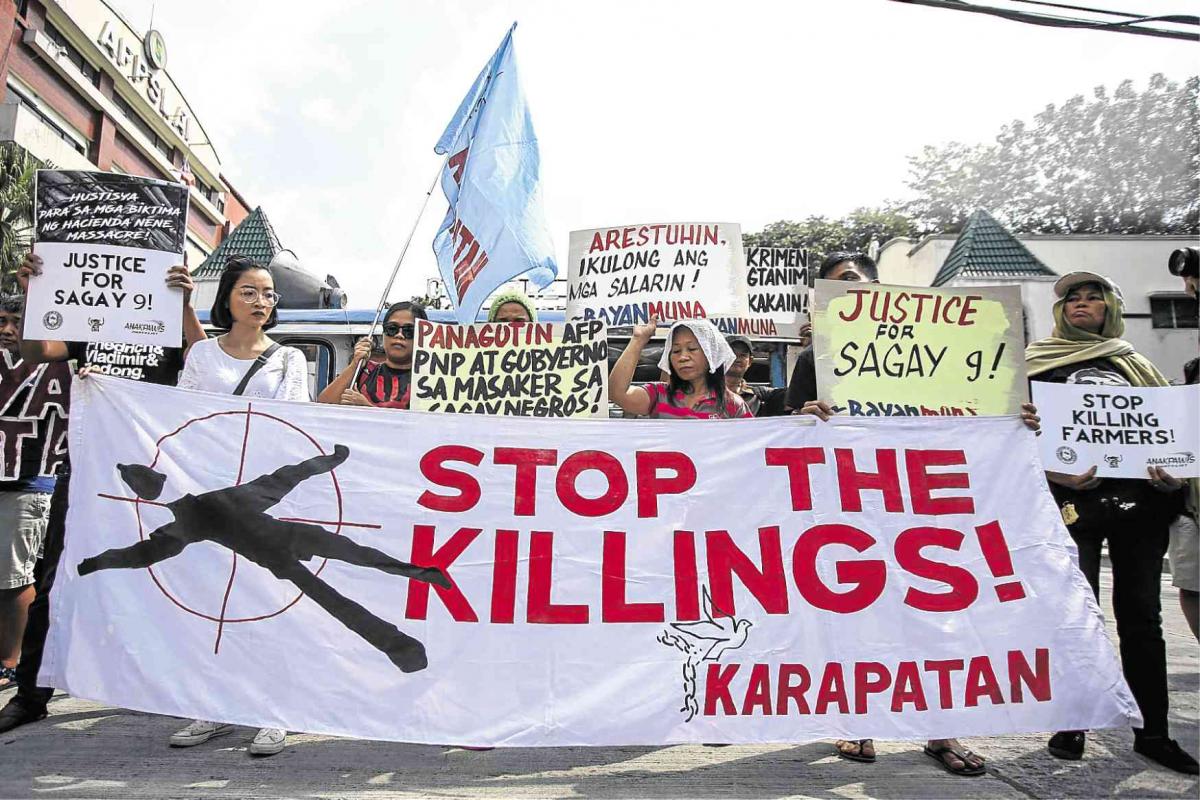
Hundreds of protesters marched in Manila against “anti-terrorism” legislation that critics fear will give Philippine President Rodrigo Duterte sweeping powers to crush dissent. The bill, approved by Congress and expected to be signed by Duterte, would create a council of presidential appointees empowered to order warrantless arrests of those deemed to be “terrorists.” It also allows for weeks of detention without charge. The Philippine Department of Justice is to issue a formal review of the bill, and opponents are demanding that it recommend a veto. In a letter addressed to Justice Secretary Menardo Guevarra, human rights group Karapatan said the Anti-Terrorism Bill “will inevitably and ultimately infringe on the people’s exercise of basic rights and fundamental freedoms.” (Photo: Bulatlat)

Southeast Asia
Java repression

Land conflicts escalate in Indonesia

Agribusiness and resource companies embroiled in land disputes with rural communities in Indonesia appear to be using the lull in oversight during the COVID-19 outbreak to strengthen their claims to contested areas. Since the first confirmed cases of the disease were reported in the country last month, two local land defenders have been killed and four arrested in connection with disputes in Sumatra, Java and Borneo. (Photo: Mongabay)

Southeast Asia
Indonesia anarchists

Police raid Java ‘anarcho-syndicalists’

Police in Jakarta arrested five suspected members of an “anarcho-syndicalist” group they claim was hoping to trigger unrest across the island of Java amid public anxiety over the COVID-19 pandemic. The group allegedly painted graffiti inciting people to riot with messages such as “time to burn,” “kill the rich,” and “die ridiculously or fight” on the walls of a shopping complex in Tangerang, an outlying city of the Greater Jakarta metropolitan area. Their plan to spark mass looting was announced on social media, police said. The five have been charged with “misinformation” and “public provocation,” and face up to 10 years imprisonment. (Photo: Anarchist Communist Group)

Southeast Asia
Indonesia

China-Indonesia maritime stand-off

Dozens of Chinese vessels that were fishing in Indonesia’s Exclusive Economic Zone off the disputed island of Natuna began leaving the area after days of stand-off. Indonesia deployed eight warships and four fighter jets to the area, and summoned Beijing’s ambassador to complain. China reportedly sent three coast guard cutters into the area during the stand-off. The Natuna archipelago, off the northwest coast of Borneo, occupies a strategic spot in the South China Sea. Its waters contain significant oil and gas reserves, and it guards the eastern opening of the narrow Malacca Strait, a critical chokepoint for shipping lanes. The archipelago falls within China’s “nine-dash line,” covering nearly the entirety of the South China Sea. (Map: Perry-Castañeda Library)

Southeast Asia

Killings of ecological defenders rise in Philippines

Named the most dangerous country in the world for land and environmental defenders, the Philippines has become an even deadlier place for activists in 2019, with 46 recorded deaths so far this year, according to the Kalikasan People’s Network for the Environment. The same organization recorded 28 killings of land and environmental defenders in 2018. Global Witness, an environmental watchdog, tallied 30 such killings in the Philippines that year and designated the country the most dangerous in the world for defenders based on sheer number of deaths. Small farmers and agricultural workers accounted for the majority of the deaths recorded by Kalikasan PNE this year with 29, or 63%. This was followed by forest rangers or government officials involved in environmental oversight, at 35%. Next were members of the Philippines’ indigenous peoples at 20%, and finally lawyers and church workers at four percent. (Image of man from the Manobo tribe of Mindanao via Mongabay)

Southeast Asia

Philippines: convictions in Maguindanao massacre

More than a decade after 58 people were killed in the worst case of election-related violence in Philippine history, a court in Quezon City found Datu Andal Ampatuan Jr. and his brother Zaldy Ampatuan guilty of overseeing the November 2009 massacre at Maguindanao. They were sentenced to 40 years without parole. The pair were convicted on 57 counts of murder in the attack on a convoy that included journalists covering an opposition candidate for the governorship of Maguindanao province. Police said 58 were killed in the massacre, but the body of one victim was never found. Their father, then-incumbent governor Andal Ampatuan Sr., was arrested in connection with the case and died in prison while awaiting trial in 2015. The court sentenced a further 15, including more Ampatuan family members and police officials, to between six and 10 years as accessories to the crime. (Photo: Relatives of victims burn portraits of Ampatuan clan members during visit to massacre site. Credit: MindaNews)

Southeast Asia
Indonesia anarchists

Indonesia: inauguration amid revolt, repression

Indonesia’s President Joko Widodo was sworn in for a second term amid an official ban on protests, and Jakarta’s streets flooded with military troops. The inauguration was preceded by a wave of mass protests, led by students but joined by labor unions and radicalized anarchist youth. The demonstrations were sparked by a new law that weakens Indonesia’s anti-corruption agency, and another instating such moralistic measures as a ban on extramarital sex. But anger was also directed at plans for a tough new criminal code, at troops mobilized to put down unrest in Papua region, and failure to stem forest fires in Sumatra and Borneo now causing toxic haze across Southeast Asia. (Photo: Anarchist Communist Group)

Southeast Asia

Duterte defiant in ‘crimes against humanity’

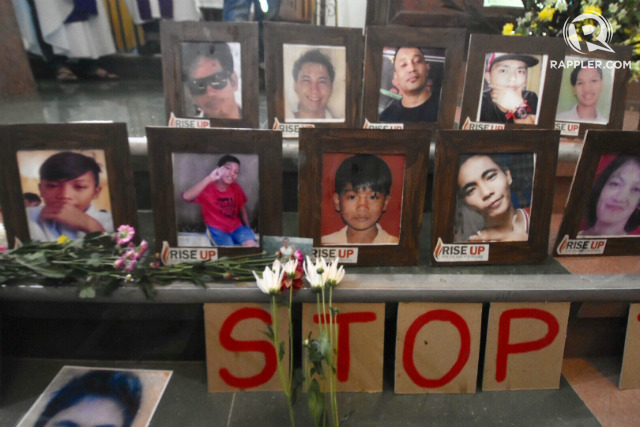
Both UN human rights experts and Amnesty International are accusing Philippine President Rodrigo Duterte of “crimes against humanity” in his drug war. Calls for an international investigation were endorsed by a vote of the UN Human Rights Council. But Duterte remains intransigent and refuses to recognize the International Criminal Court. Amid growing international scruitny, his police killed a three-year-old girl in a drug raid. Duterte’s former police chief, Ronald “Bato” dela Rosa, now a political ally in the Senate, dismissed the incident with the comment “Shit happens,” fueling further outrage. (Photo via Rappler)