Greater Middle East
Iran

Uncertain ceasefire in Iran; aerial terror in Lebanon

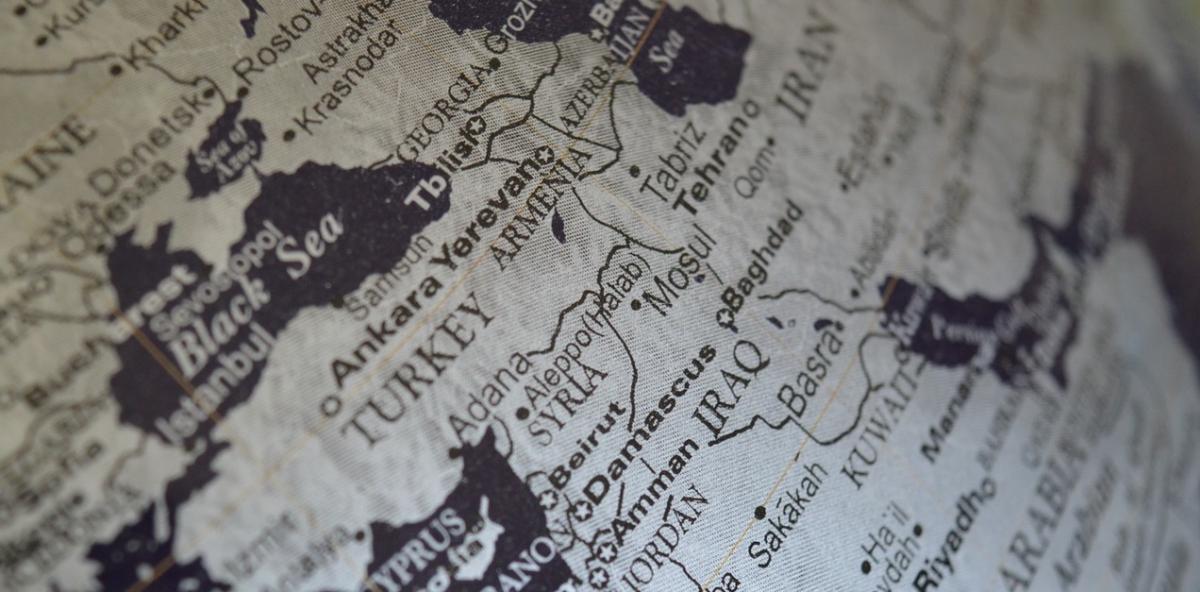
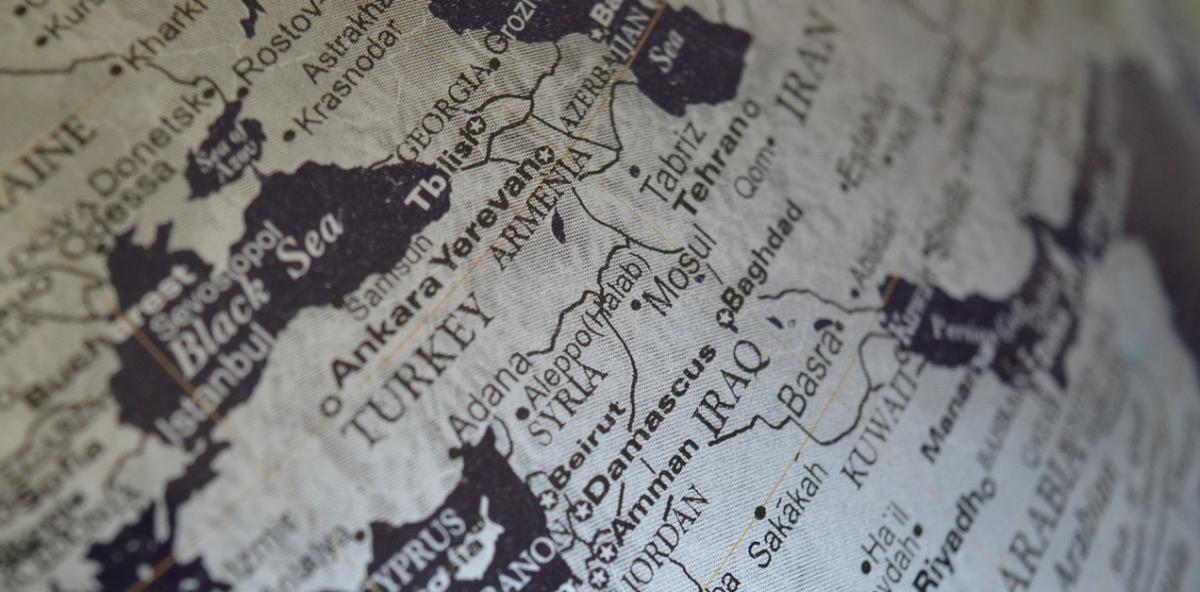
After five weeks of war, the US and Iran agreed to a two-week ceasefire brokered by Pakistan. Its basic details, however, and to what extent it will be implemented, are surrounded by uncertainty. A main sticking point is the question of whether Lebanon was included in the deal. Iranian and Pakistani officials are insisting it was, but the US and Israel say that it wasn’t. Meanwhile, Israel has continued to carry out devastating attacks on Beirut and other parts of Lebanon. (Image: Pixabay)

Greater Middle East
Iran

UN rights office decries escalating repression across Middle East

UN Human Rights Chief Volker Türk warned that repression of freedom of expression across the Middle East has deepened significantly since the US-Israeli attacks on Iran commenced at the end of February. In Iran, approximately 2,345 people have been arrested on charges related to national security. Many of these, as well as more arbitrarily arrested during the January protests, are being held in harsh conditions and incommunicado detention. The state has also cut internet access to prevent external sharing of information. Three protestors were publicly hanged in March after being convicted of “waging war against God” based on “confessions” obtained under torture. Many more are at imminent risk of execution. But hundreds of arbitrary arrests for online anti-war dissent have also taken place in the Gulf states that Iran has been targeting with missile strikes, with Türk warning of a “sharp securitization of civic space across the region.” (Image: Pixabay)

Planet Watch
WFP

WFP: mass food insecurity if Middle East conflict continues

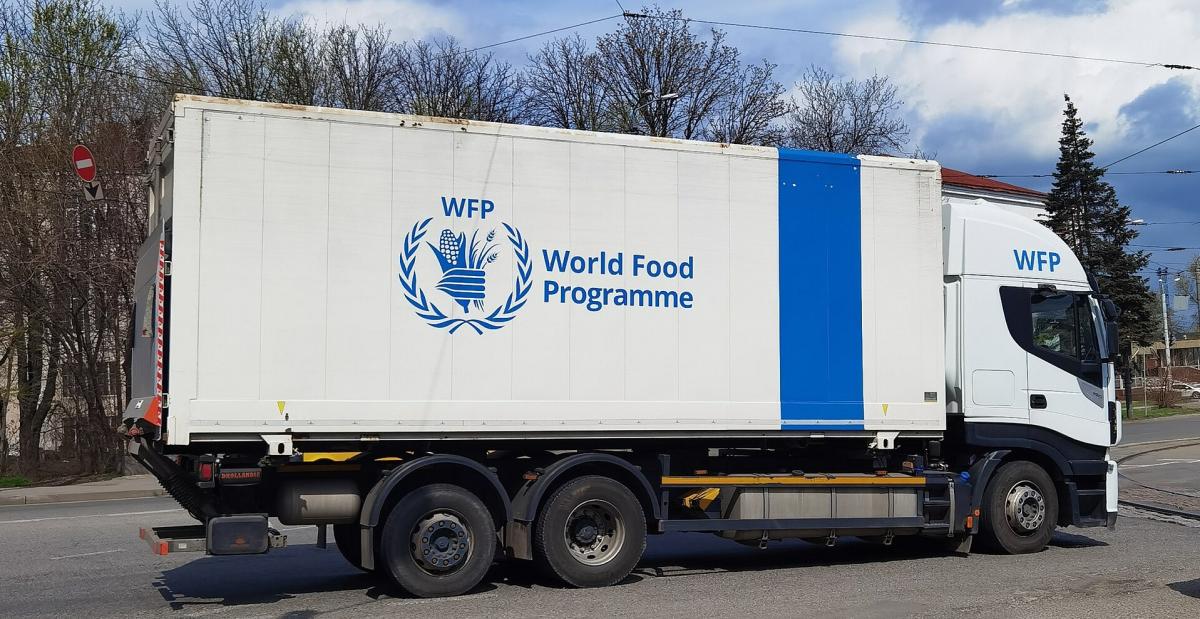
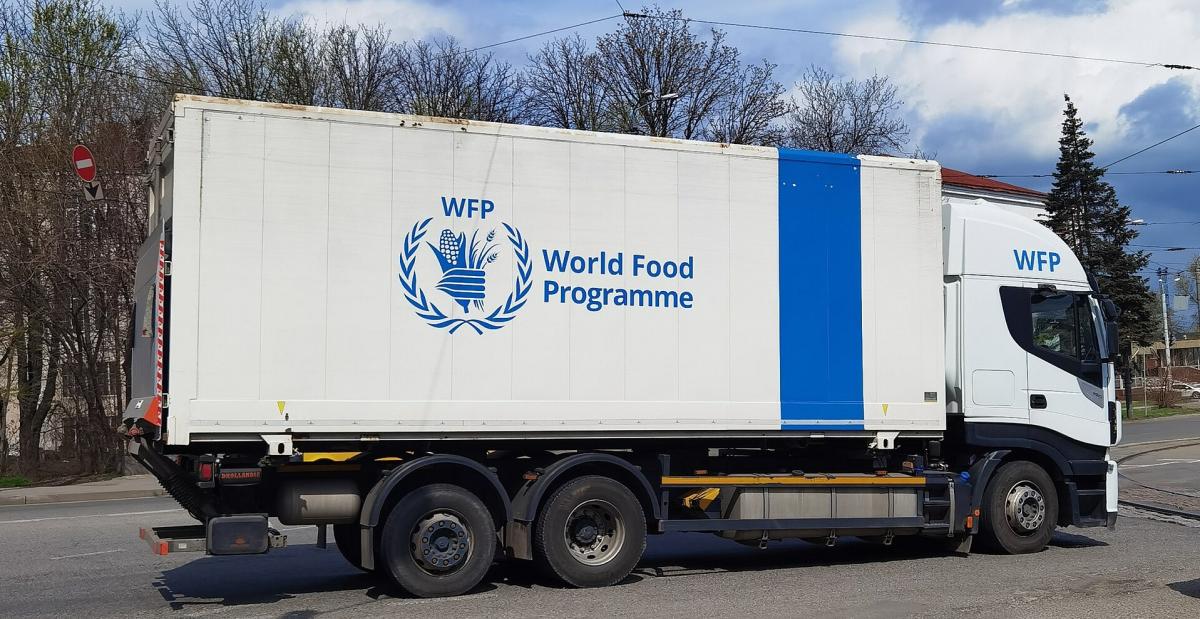
The World Food Programme (WFP) warned that the escalating hostilities in the Middle East could lead to record levels of food insecurity, and the largest disruption in the global economy and humanitarian efforts since the COVID-19 pandemic. Due to the heavy reliance of food and aid distribution on energy, the skyrocketing price of oil has placed heightened strain on already over-stretched aid supply lines. WFP chief operating officer Carl Skau said: “If this conflict continues, it will send shockwaves across the globe, and families who already cannot afford their next meal will be hit the hardest.” Skau urged the international community to mount an adequately funded humanitarian response. Sudan and Somalia were named as particularly vulnerable. (Photo: Alex Blokha via Wikimedia Commons)
Iran
Tehran

‘Black rain’ falls on Tehran amid US-Israeli strikes

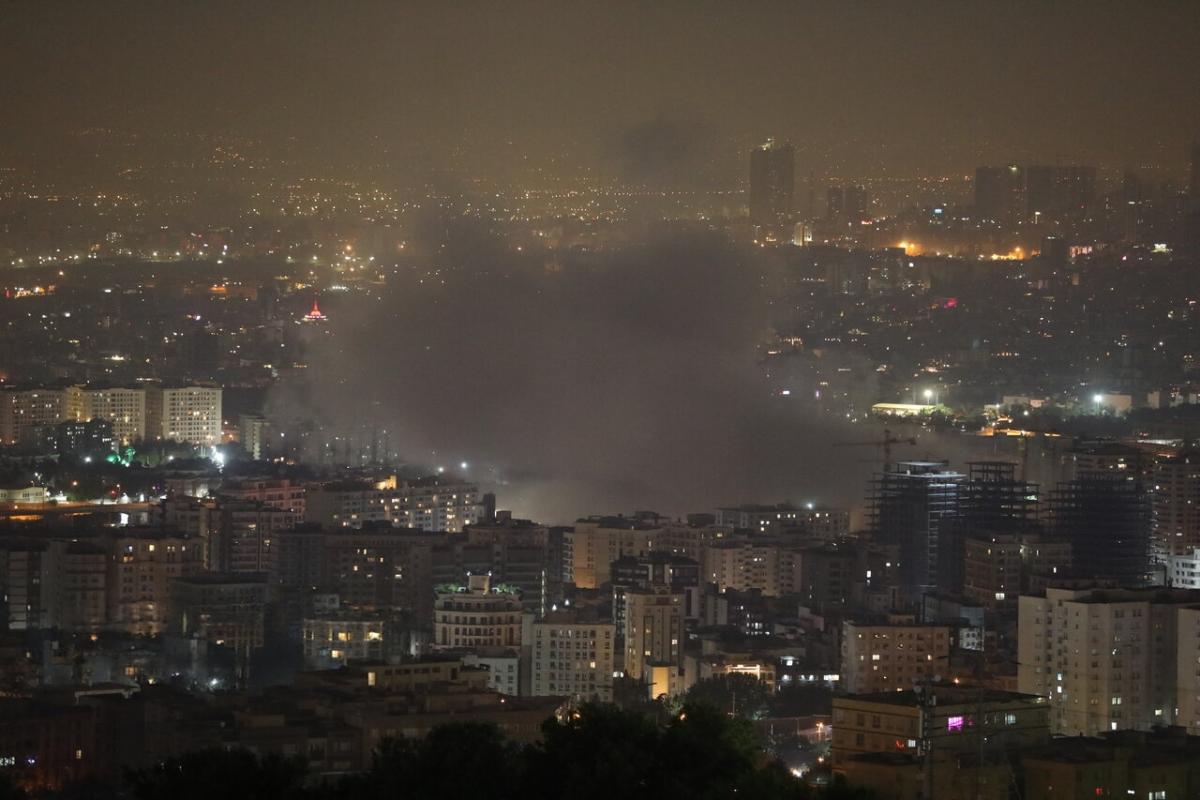
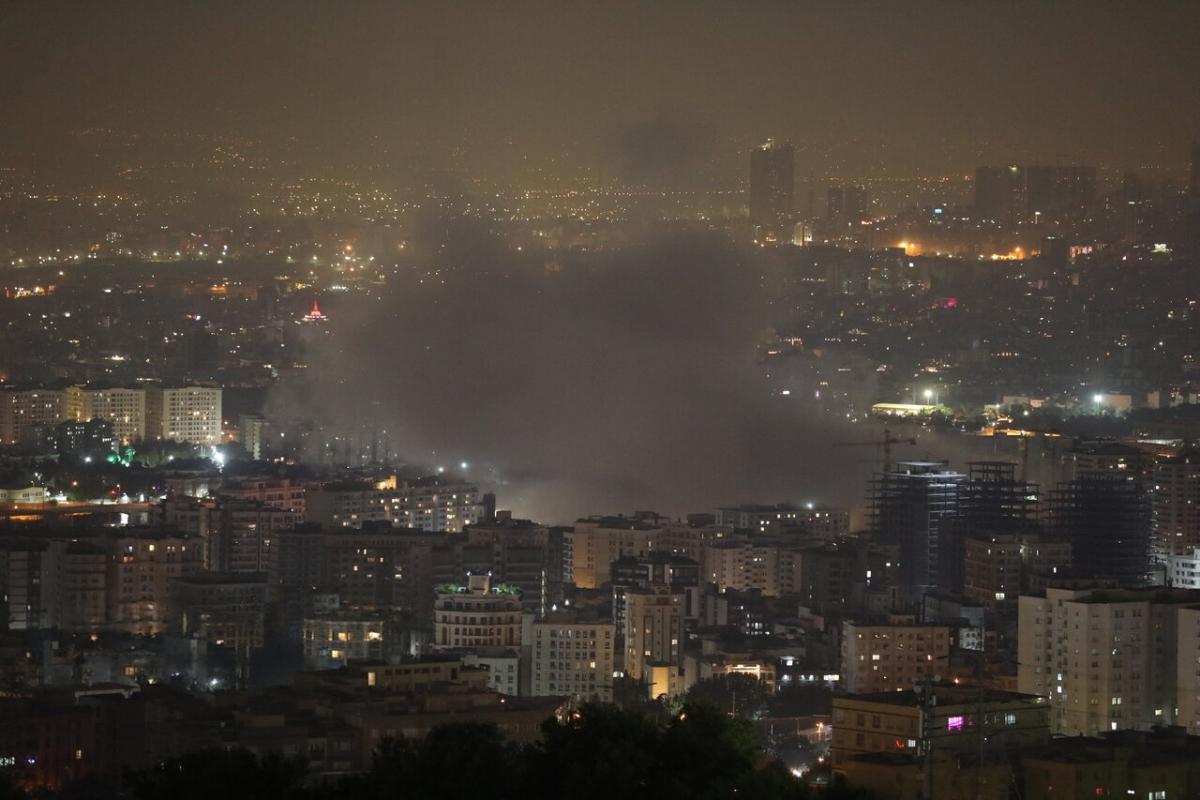
United Nations officials said that US and Israeli airstrikes on fuel depots in Tehran have released large amounts of toxic pollutants, producing acidic “black rain” across parts of the capital. Officials from the World Health Organization warned that the burning of depots has released hydrocarbons, sulphur oxides, and nitrogen compounds into the atmosphere. The released pollutants have caused darkened skies in Tehran, prompting authorities to adviseresidents to remain indoors due to respiratory risks and potential water contamination. (Photo: Mehr via Wikimedia Commons)

Greater Middle East
Minab

UN demands civilian protection amid Middle East escalation

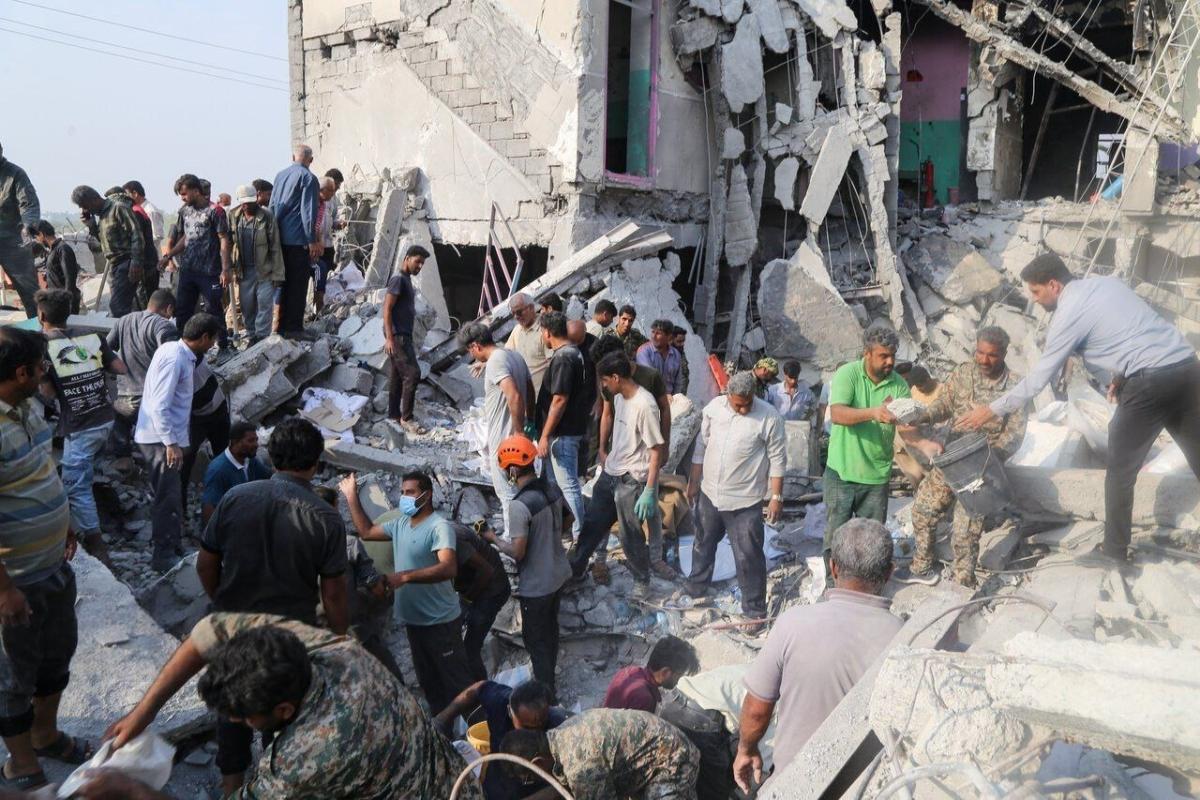
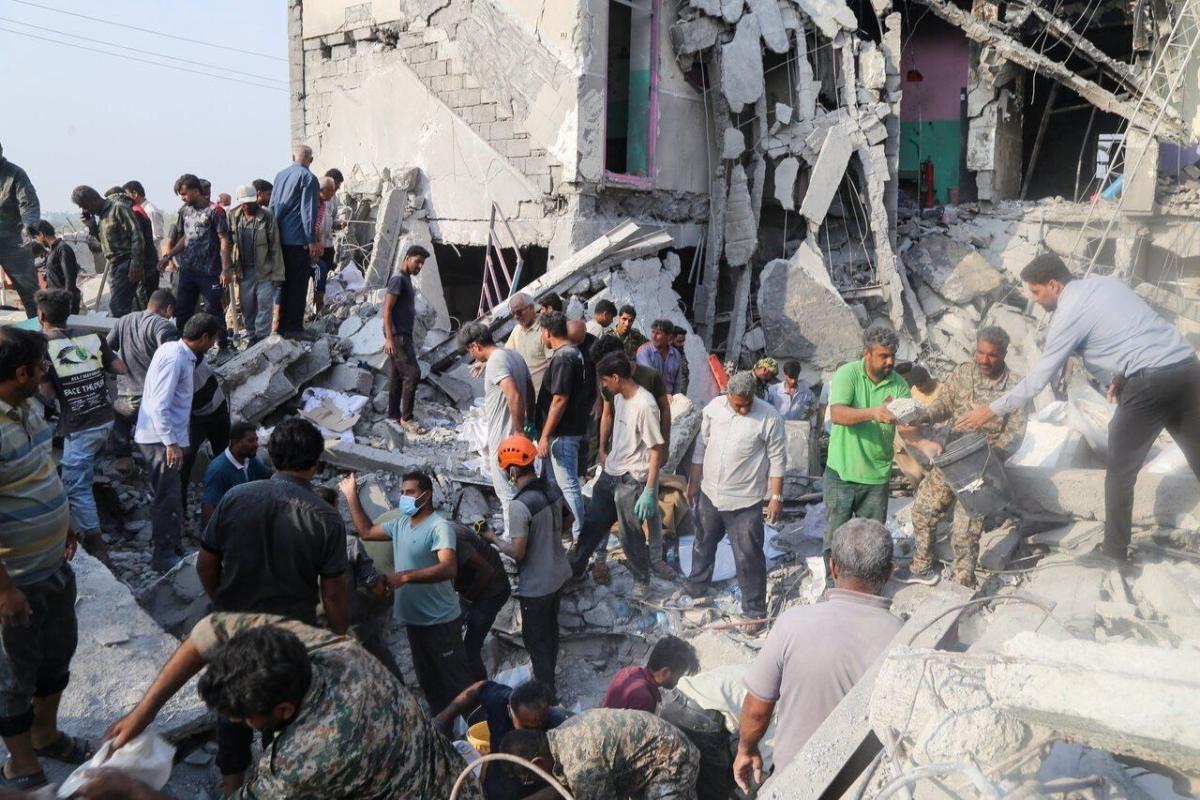
The United Nations urgently called for civilian protection amid growing violence and instability in the Middle East—and particularly in regard to the ongoing US and Israeli military operations against Iran. The UN urged a thorough investigation into a deadly strike on a girls’ school in Iran, and requested the disclosure of all relevant information. The attack in the southern coastal city of Minab reportedly killed 168 people. According to Iran’s Ministry of Education, the overwhelming majority of the slain were schoolgirls aged seven to 12. The strike came on the first day of coordinated US and Israeli airstrikes officially targeting Iranian infrastructure and military facilities. (Photo: Mehr via Wikimedia Commons)

Africa
RDF

US sanctions Rwanda military

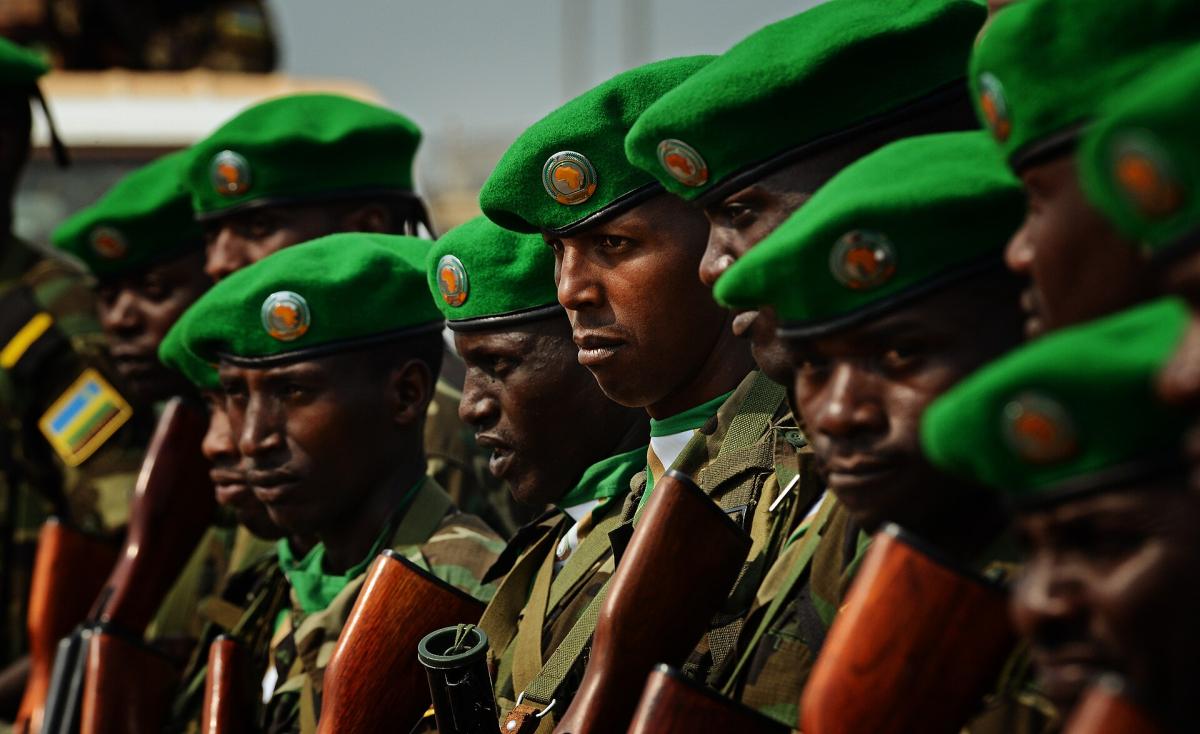
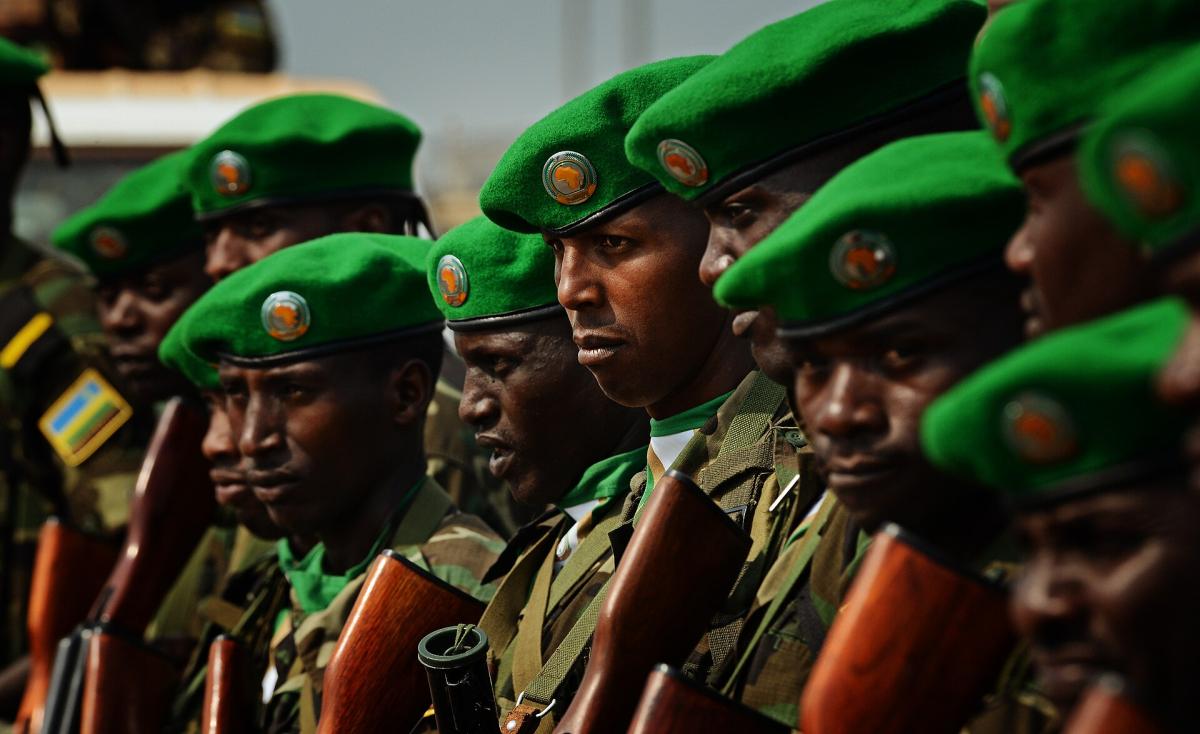
The US Treasury Department imposed sanctions on the Rwanda Defense Force (RDF) and four of its top military officials over their support, training, and fighting alongside M23 rebels in the Democratic Republic of Congo (DRC). The RDF have reportedly provided direct operational support to the M23 and its affiliates by introducing advanced military equipment to eastern DRC, including GPS jamming systems, air defense equipment, and drones. According to US Treasury Secretary Scott Bessent, the US seeks the immediate withdrawal of RDF troops, weapons and equipment. (Photo: US Air Force via Wikimedia Commons)

Iran
Iran

Did US-Israel attack on Iran abort nuclear deal?

The coordinated US-Israel military strikes on Iran began 48 hours after the conclusion of a third round of US-Iran indirect nuclear negotiations in Geneva, mediated by Oman, that had produced what multiple parties described as an unprecedented breakthrough. Omani Foreign Minister Badr Albusaidi told CBS News the day before the strikes began that Iran had agreed to zero stockpiling of enriched uranium, with existing stockpiles to be down-blended to the lowest possible level and converted into reactor fuel under full International Atomic Energy Agency (IAEA) verification. “The single most important achievement, I believe, is the agreement that Iran will never, ever have a nuclear material that will create a bomb,” Albusaidi said, describing the understanding as stronger than the 2015 Joint Comprehensive Plan of Action (JCPOA) negotiated under Obama. (Image: Grunge Love via Flickr)

Afghanistan
Durand

Pakistan declares ‘open war’ on Afghanistan

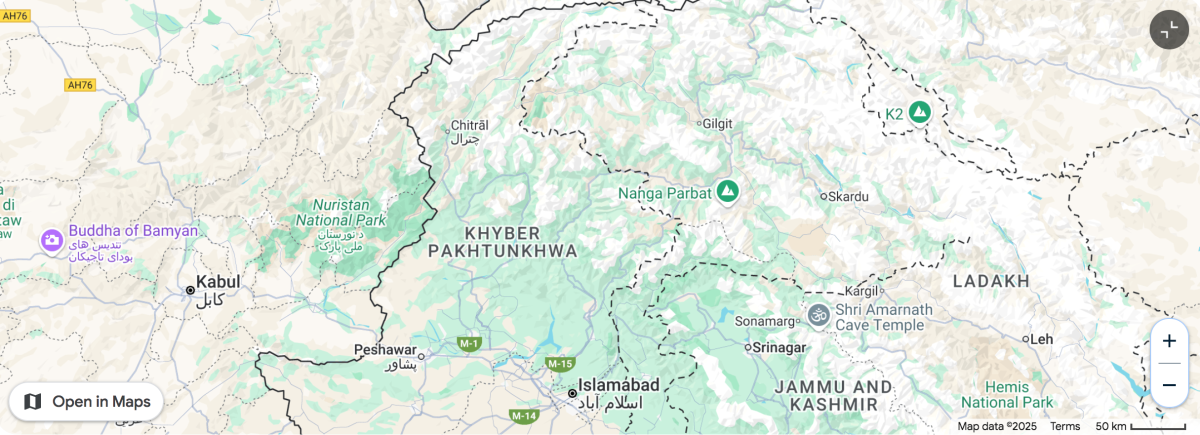
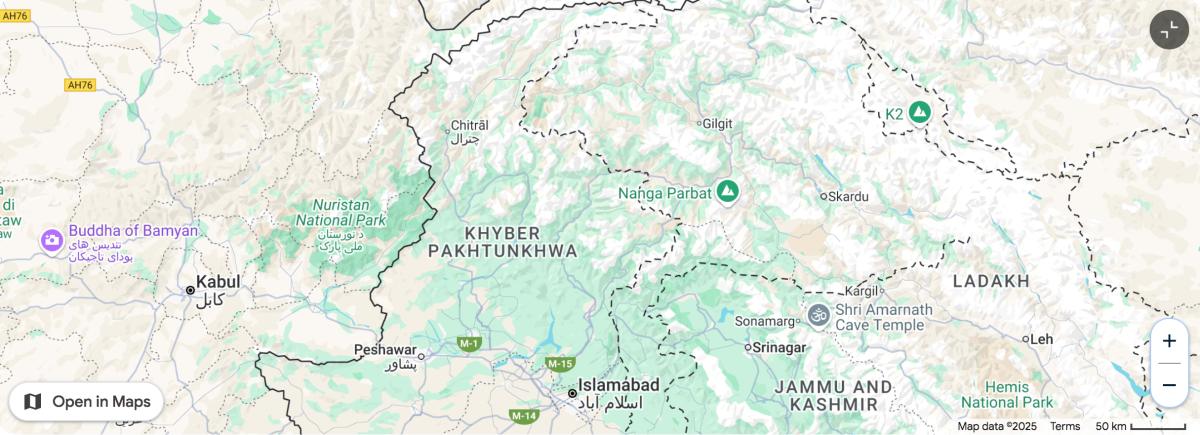
Violence has once again broken out between Afghanistan and Pakistan, with Islamabad declaring “open war” on Kabul. Afghan forces fired on military bases across the border in Pakistan, reportedly using drones. Pakistan retaliated, striking what it said were military targets in Kabul and several border provinces. Afghanistan’s Islamic Emirate government said its attacks were a response to earlier Pakistani air-strikes that killed at least 13 civilians in Nangarhar province. Pakistan accuses the Taliban government of harboring fighters from the Tehrik-e Taliban Pakistan (TTP)—accused of being behind recent attacks in Islamabad and Peshawar. Afghan Minister of Interior Sirajuddin Haqqani said the “doors for dialogue” remain open but insisted that if Afghanistan continues to be attacked, it will respond. (Map: Google)

Africa
Somaliland

World leaders reject Israeli recognition of Somaliland

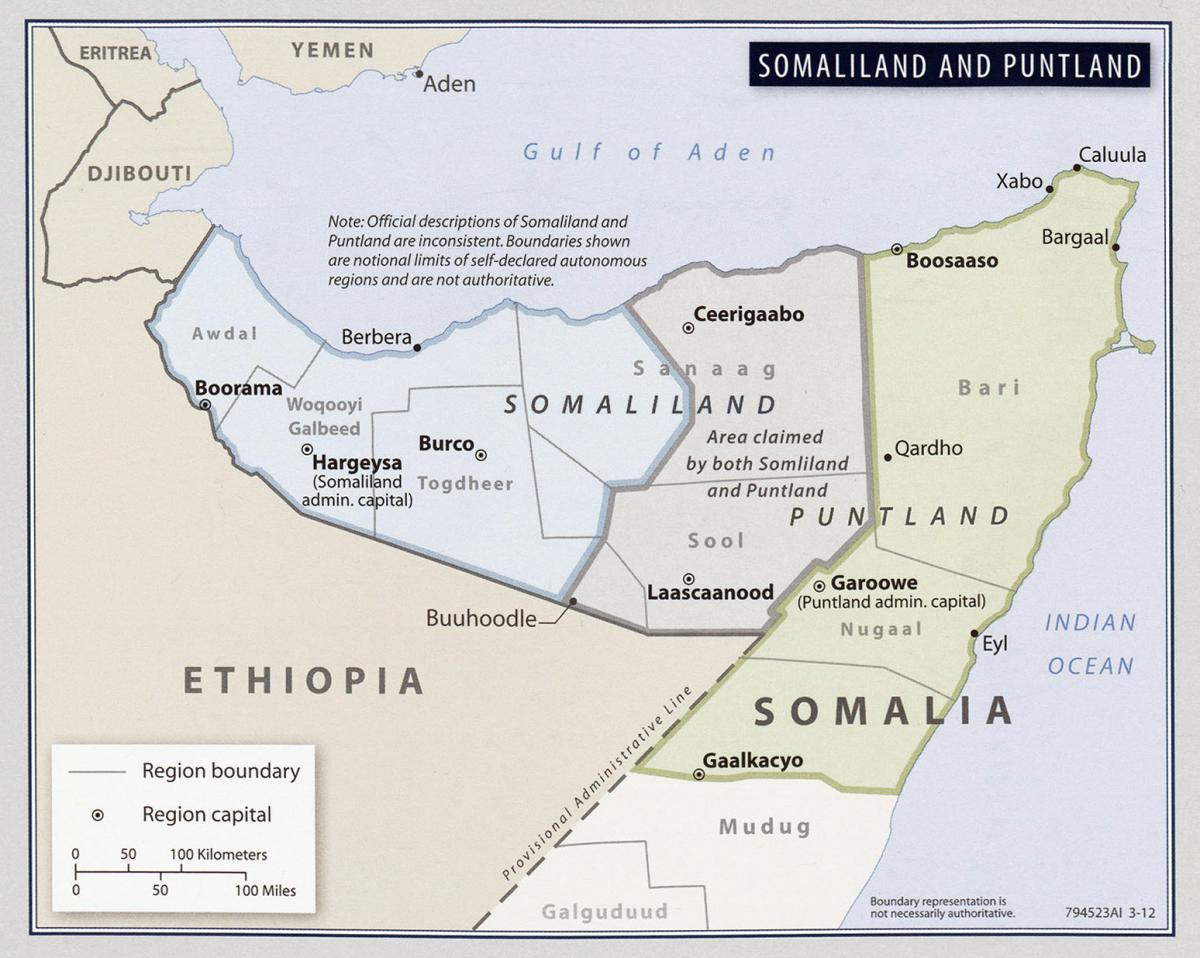
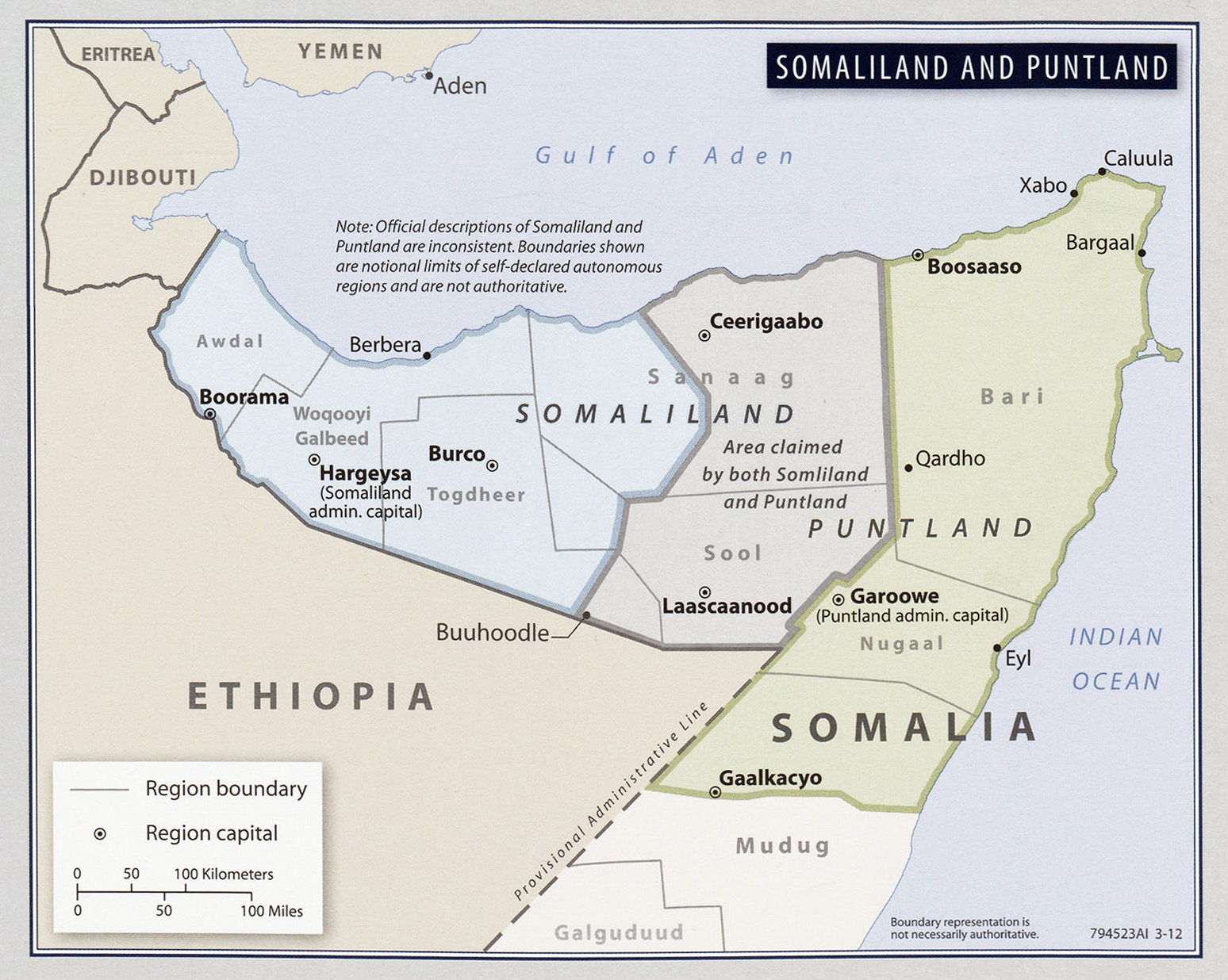
A group of 21 Arab, African and Islamic nations issued a joint statement formally rejecting Israel’s recognition of Somaliland as an independent state. The statement asserted that recognizing Somaliland as a nation independent of Somalia constitutes a grave violation of international law, emphasizing the “serious repercussions of such [an] unprecedented measure on peace and security in the Horn of Africa, the Red Sea, and its serious effects on international peace and security as a whole.” This statement followed a declaration signed by Israeli President Benjamin Netanyahu and Somaliland President Abdirahman Mohamed Abdullahi, making Israel the first country on earth to recognize Somaliland. As part of the deal, Somaliland is expected to recognize Israel under the Abraham Accords. President Donald Trump brokered the Abraham Accords in his first term, seeking to establish diplomatic ties between Israel and Arab nations. However, despite the Trump administration’s failed proposition earlier this year for Somaliland to take in Palestinians from Gaza, the US State Department announced that Washington will continue to recognize the territorial integrity of Somalia, “which includes the territory of Somaliland.” (Map: Somalia Country Profile)

Watching the Shadows
Trump

Trump vows ‘reverse migration’ —after CIA blowback?

President Trump called for “reverse migration” and a “major reduction in illegal and disruptive populations” in a racist late-night online rant. In the bizarre Thanksgiving message, Trump vowed to “permanently pause migration from all Third World Countries” and revisit immigration decisions made under his predecessor, Joe Biden. He said deportations will target “anyone who is not a net asset to the United States, or is incapable of loving our Country” or “non-compatible with Western Civilization.” Trump’s message followed the shooting of two National Guard soldiers in Washington DC, apparently by an Afghan refugee, Rahmanullah Lakanwal. In Afghanistan, Lakanwal reportedly served in the Zero Units: paramilitary forces backed by the CIA—notorious for conducting night raids on the homes of suspected Taliban collaborators. Rights groups have accused them of extrajudicial executions, enforced disappearances, indiscriminate airstrikes, and attacks on medical facilities. According to the New York Times, the brutality of the Zero Unit tactics took a toll on Lakanwal’s mental health, with a childhood friend recalling how he was disturbed by the casualties his unit had caused. (Image: Twitter)

Afghanistan
Durand

Fighting breaks out along Durand Line

According to reports in Pakistan’s media, the Afghan Taliban and affiliated militants launched an attack from the Afghan side of the border, killing at least 23 Pakistani troops and injuring some 30 others. Pakistan’s Foreign Minister Ishaq Dar stated that troops responded to cross-border raids by “Fitna-e-Khawarij and Fitna-e-Hindustan terrorist elements.” This appears to be a reference to the Tehrik-i-Taliban Pakistan (TTP), which Islamabad accuses the Afghan Taliban of providing sanctuary to. In contrast, a statement from Hamdullah Fitrat, spokesman for the Islamic Emirate of Afghanistan, said that conditions on the “imaginary line” with Pakistan are under control. Relations between Pakistan and Afghanistan have been fraught with tension, especially around the disputed Durand Line border. Established in 1893 between British India and Afghanistan, this border has never been officially recognized by any Afghan government since the partition of India in 1947, leading to a persistent territorial dispute. (Map: Google)

Palestine
Gaza

UN panel charges Israel committing genocide in Gaza

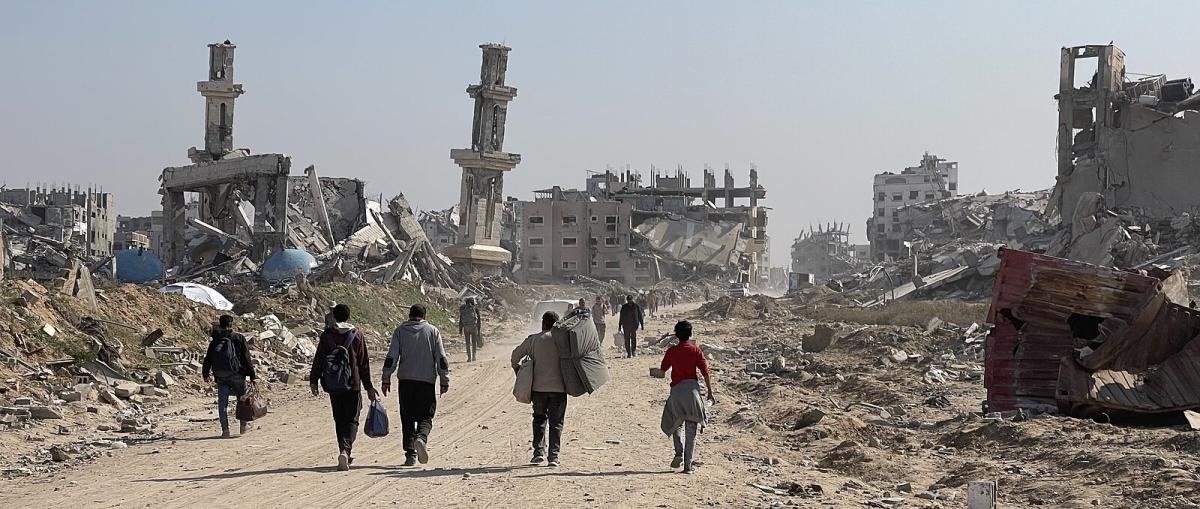
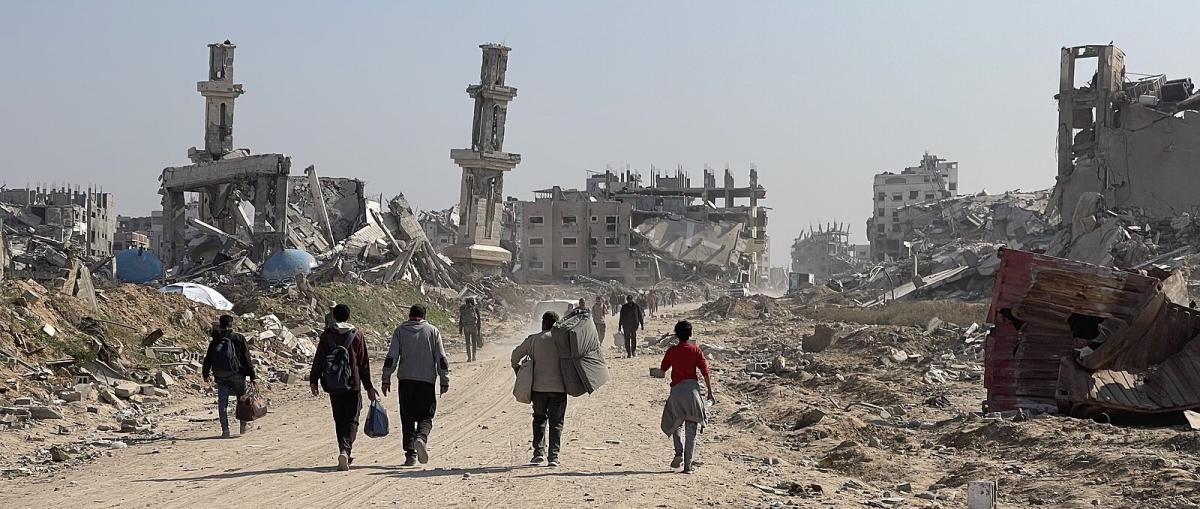
A UN independent inquiry issued findings that Israel has committed the international crime of genocide amid its military operations in the Gaza Strip. A 72-page legal analysis from the UN Independent International Commission of Inquiry on the Occupied Palestinian Territory found that Israeli forces have committed genocidal acts against Palestinians in Gaza, including killing or seriously harming members of the group, as well as inflicting conditions of life “calculated to bring about [Gazans’] physical destruction in whole or in part,” and preventing births among the population. To support its conclusions, the commission cited the figure of 60,199 Palestinians killed since the Oct. 7, 2023 attacks on Israel, the fact that life expectancy in Gaza has dropped precipitously from 75.5 to 40.5 years, and that 46% of Palestinians killed were women or children. The panel also noted direct attacks on maternity wards and clinics. (Photo: Jaber Jehad Badwan via Wikimedia Commons)