Greater Middle East

Turkey: Kurdish party challenges ban order

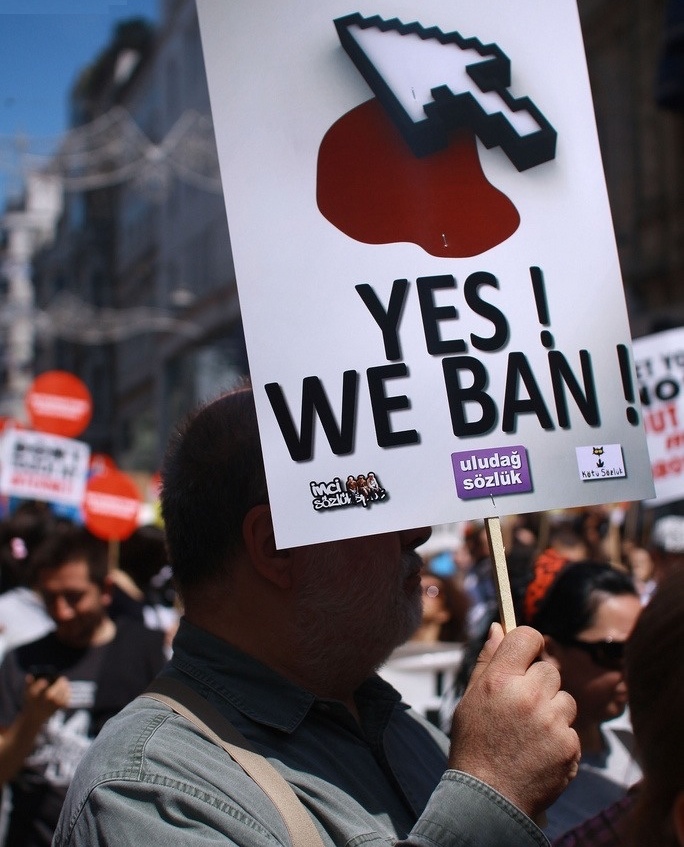
HDPTurkey's pro-Kurdish Peoples' Democratic Party (HDP) asked the Turkish Constitutional Court to postpone its decision on a government request to ban the party until after upcoming general elections. Co-leader of the HDP, Mithat Sancar, told reporters: "The Constitutional Court should stop all proceedings on this case. The authorities want to use this case…as a tool to threaten us." President Recep Tayyip Erdogan's government accuses the HDP of ties to the Kurdistan Workers' Party (PKK), which is banned in Turkey. The HDP won 12% of the vote in the 2018 general election and holds 56 of parliament's 579 seats. (Image: HDP) 
Greater Middle East

Turkey seeks Moscow ‘green light’ for assault on Rojava

SyriaTurkey is now openly seeking cooperation from Russia, foremost foreign backer of the Bashar Assad dictatorship, in a long-planned cross-border operation into northern Syria against the Kurdish autonomous zone in the region, known as Rojava. Turkish Defense Minister Hulusi Akar said: "We are in talks and discussing with Russia about all issues including opening the airspace." Meanwhile, ISIS sleeper cells are coming to life in the extremist group's former de facto capital of Raqqa, which is jointly occupied by the US-backed Kurdish-led Syrian Democratic Forces (SDF) and Assad regime forces. Several have been killed on both sides as presumed ISIS militants launch armed attacks on SDF positions in the city. (Image: Pixabay)

Greater Middle East

Syria: SDF cooperation with Pentagon suspended

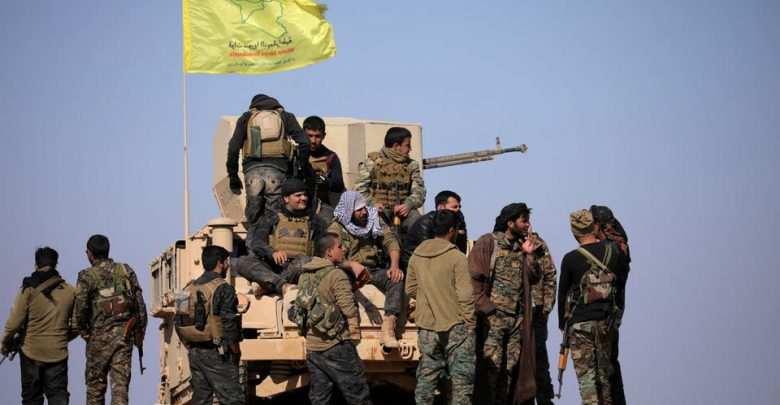
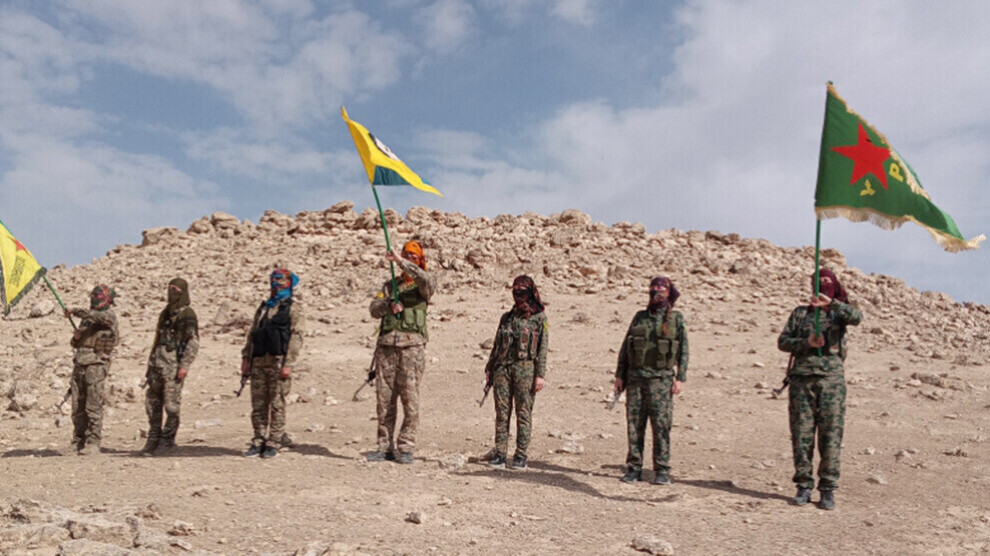
SDFWith Turkey preparing a new offensive against the reduced Kurdish autonomous zone in northern Syria's Rojava region, the Kurdish-led Syrian Democratic Forces (SDF) have announced a halt to military cooperation with the United States. In a statement, the SDF said that "all coordination and joint counterterrorism operations" with the US-led coalition battling ISIS remnants in Syria have been suspended. The move is evidently intended to place pressure on the US to do more to constrain Turkish President Recep Tayyip Erdogan, who reportedly now has his sights on the remaining significant strongholds of the autonomous administration, Tal Rifaat, Manbij and Kobane. The US has some 600 troops embedded with the SDF in Syria. (Photo: SOHR)

Greater Middle East

Turkey bombs Rojava, pressures Sweden

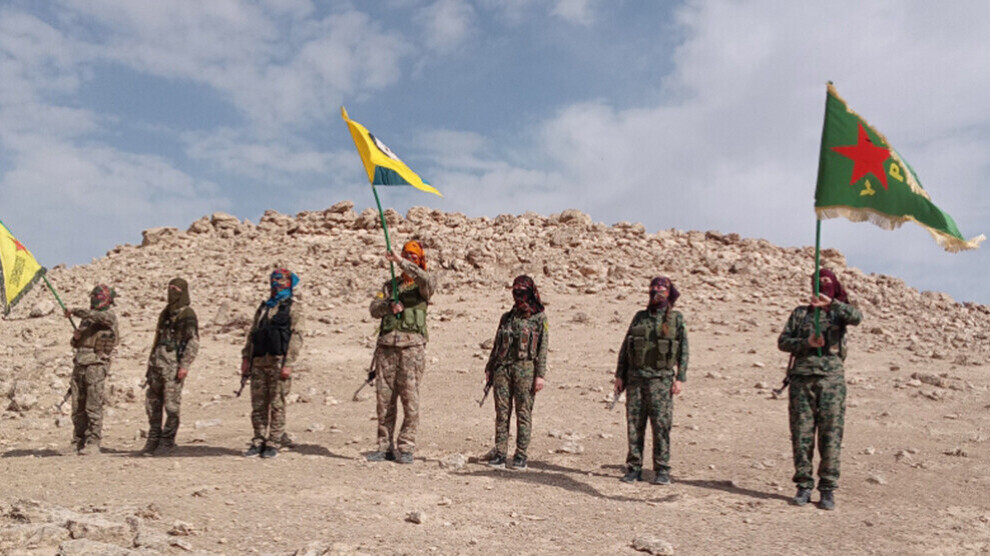
RojavaTurkish warplanes carried out air-strikes on several towns within the Kurdish autonomous zone in northern Syria, known as Rojava. Among the towns hit was Kobane, from where Ankara says the order was given for the suicide attack in Istanbul that left six dead. "Kobane, the city that defeated ISIS, is subjected to bombardment by the aircraft of the Turkish occupation," tweeted a spokesperson for the Kurdish-led Syrian Democratic Forces (SDF). Both the SDF and affiliated Kurdistan Workers Party (PKK), named by Turkish authorities as behind the Istanbul attack, deny any involvement. Three days after the blast, Sweden acceded to Turkish demands that it stiffen "anti-terrorist" measures as a precondition for joining NATO. The Swedish Riksdag adopted a constitutional amendment facilitating passage of laws to limit freedom of association for those who engage in or support "terrorism." Turkey has long accused Sweden of giving harbor to exiled PKK sympathizers. (Photo via ANF)

Greater Middle East

Multiple interventions continue in Syria

SyriaAn air raid on the convoy of an Iran-backed militia in eastern Syria's Deir az-Zor province left 14 presumed fighters dead and made brief headlines. There was immediate speculation that the raid was the latest in the small but growing handful of times over the course of the 10-year Syrian war that the US has bombed forces allied with the Assad regime. The strikes did immediately follow the slaying of a US aid worker in Iraq. However, Israel has for years also carried out sporadic air-strikes on similar targets in Syria, and has likewise come under suspicion in this attack. Getting far less media attention are ongoing air-strikes by Russia and the Assad regime on the remaining pocket of rebel control in Syria's northwest. Just three days before the Deir az-Zor attack, Russian or regime strikes in Idlib province targeted a displaced persons camp, leaving at least seven noncombatants dead—and winning few international headlines. (Image: Pixabay)

Greater Middle East

Egypt: COP27 opens amid repression

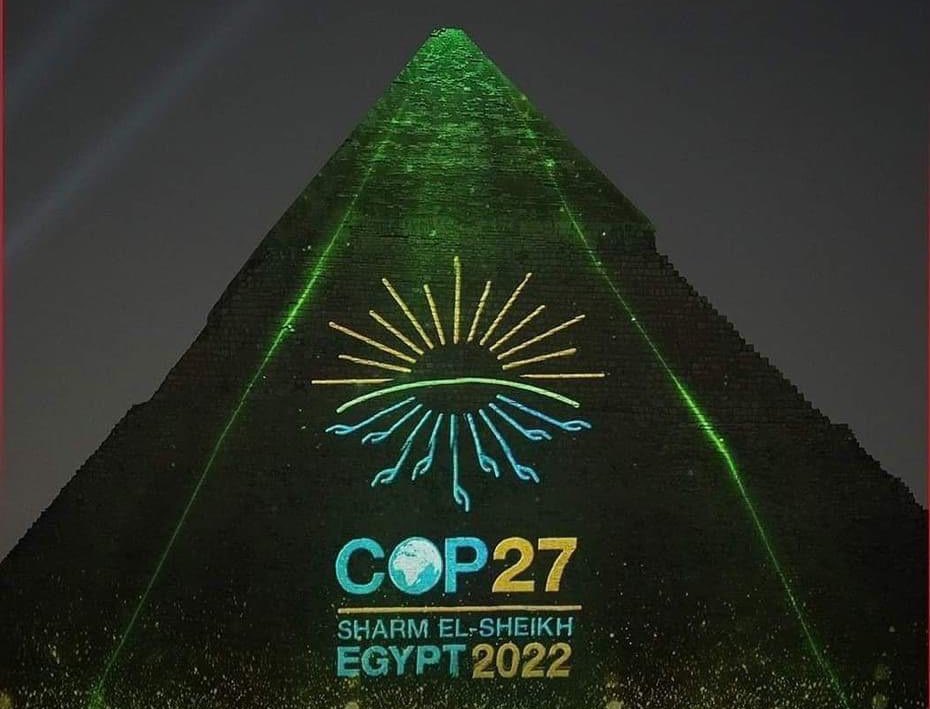
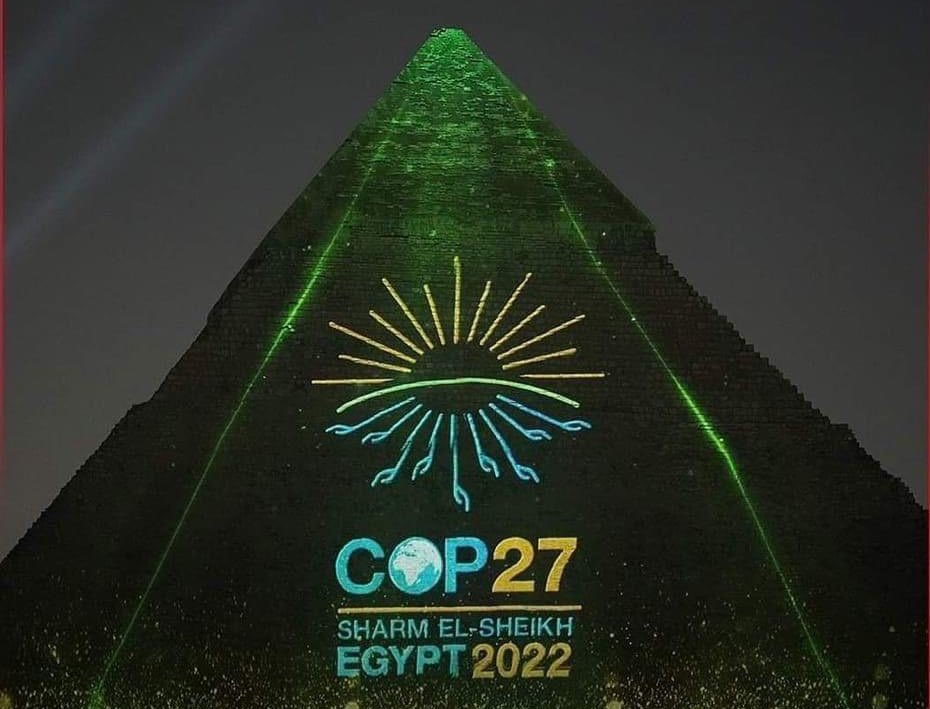
COP27The 27th UN Climate Change Conference (COP27) opened in Egypt's Red Sea resort of Sharm el-Sheikh—in an atmosphere of censorship and repression. In the weeks prior to the summit, Egyptian authorities arrested hundreds of people for allegedly planning protests, with at least 151 currently detained by the Supreme State Security Prosecution (SSSP), according to Amnesty International. The Egyptian Front for Human Rights (EFHR) reported that in the final days of October, the SSSP ordered at least 65 people detained for 15 days on charges including publishing "fake news" and misusing social media platforms. (Image via Twitter)

Greater Middle East

Syria faces ‘dire water crisis’

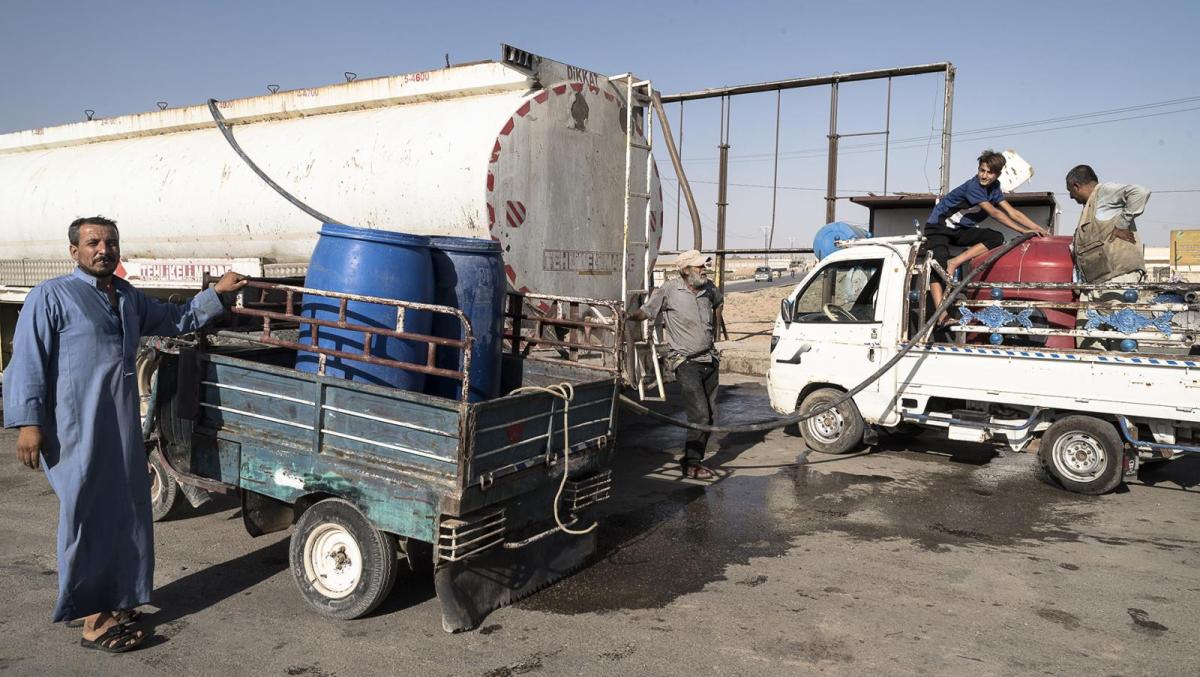
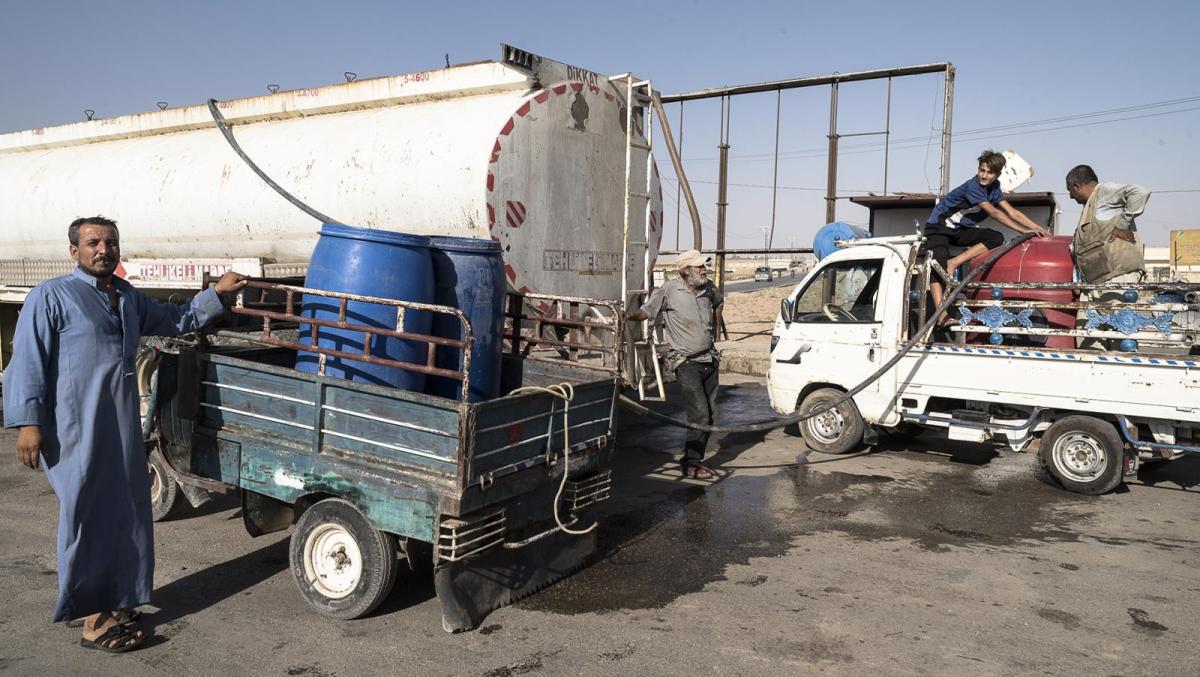
HassakehSyria's cholera outbreak has now spread to every one of the country's 14 provinces, with 24,000 suspected cases and more than 80 deaths since early September. Severe water shortages—exacerbated by war, politics, and climate change—have forced people to drink unsafe water and allowed cholera bacteria to spread in the extremely low Euphrates River. There are other dangerous impacts from what the UN calls an "already dire water crisis" that is likely to get worse: Pastures dry up, and farmers have to sell their livestock. Crop yields are low, prices go up, and more families are forced to skip meals. This has especially grim implications as winter comes to northern Syria, where some 1.7 are displaced and living in camps—already facing privation and harsh conditions. (Photo: Daniela Sala/TNH)

Greater Middle East
Turkey

Turkey: hundreds of refugees deported to Syria

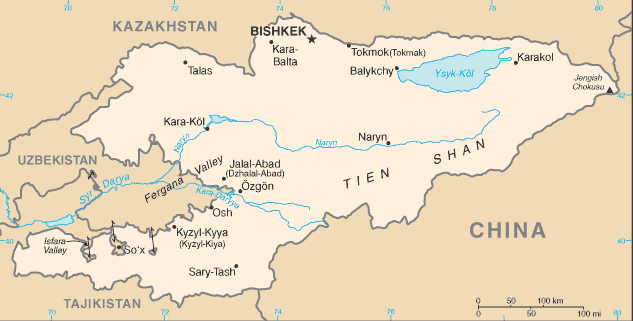
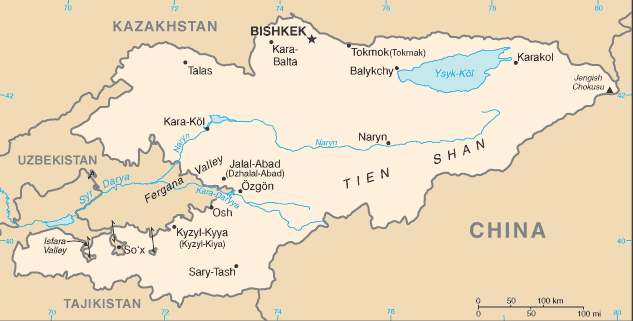
KyrgyzstanThe State Committee for National Security of Kyrgyzstan reported the detention of former prime minister Mukhammedkalyi Abylgaziev on charges of corruption and illegal enrichment. The State Committee alleges that during his tenure as prime minister, Abylgaziev violated the law by signing a government decree providing Kumtor Gold Company additional territories for geological exploration and gold mining. Consequently, the total area of the mine doubled, contravening a previous decree banning the expansion of the mine so as to protect the fragile ecosystem of the Issyk-Kul Lake region. (Map: Perry-Castañeda Library)