North Africa

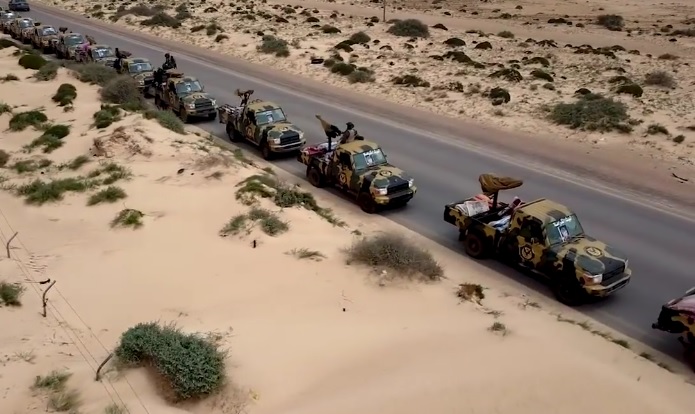
Libya: did Haftar bomb migrant detention center?

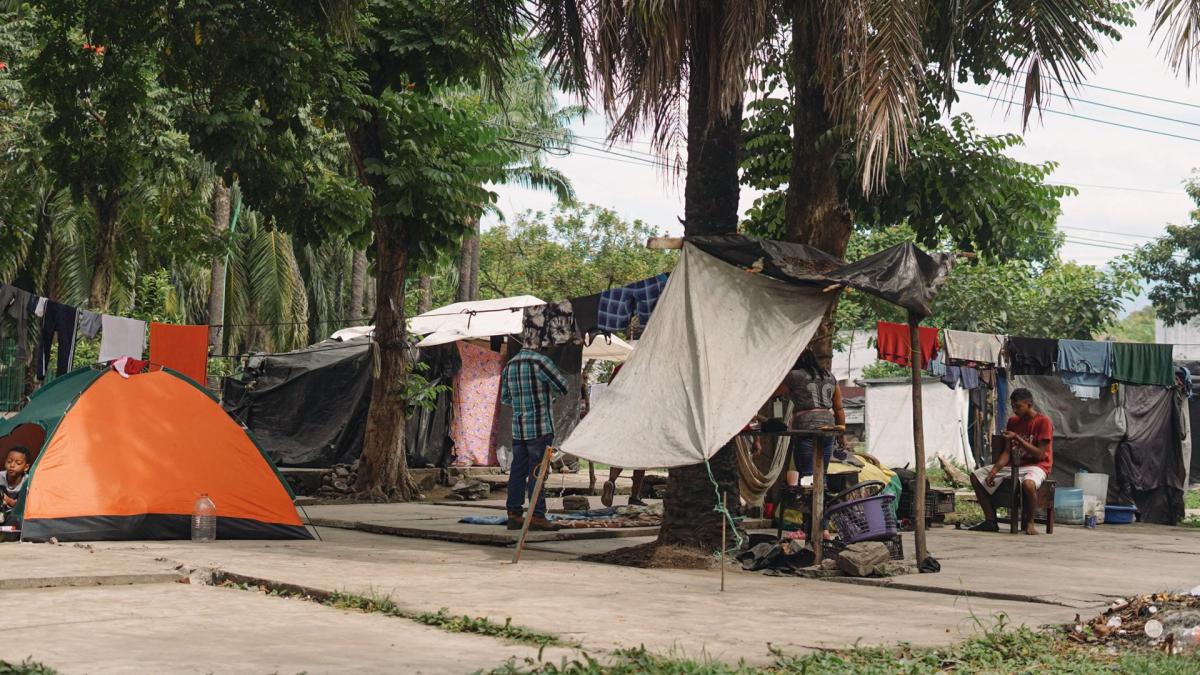
TapachulaPresident Donald Trump's migration crackdown has been credited with reducing flows northward towards the United States, but it is leaving hundreds of thousands of migrants and asylum seekers trapped in a legal limbo further south, anxiously wrestling with what to do next. People on the move are now stranded in precarious living conditions across Mexico, more exposed than ever to violence, abuse and privation. (Photo of Tapachula migrant camp: Daniela Díaz for The New Humanitarian)

Africa

Suit against French bank over Sudan atrocities

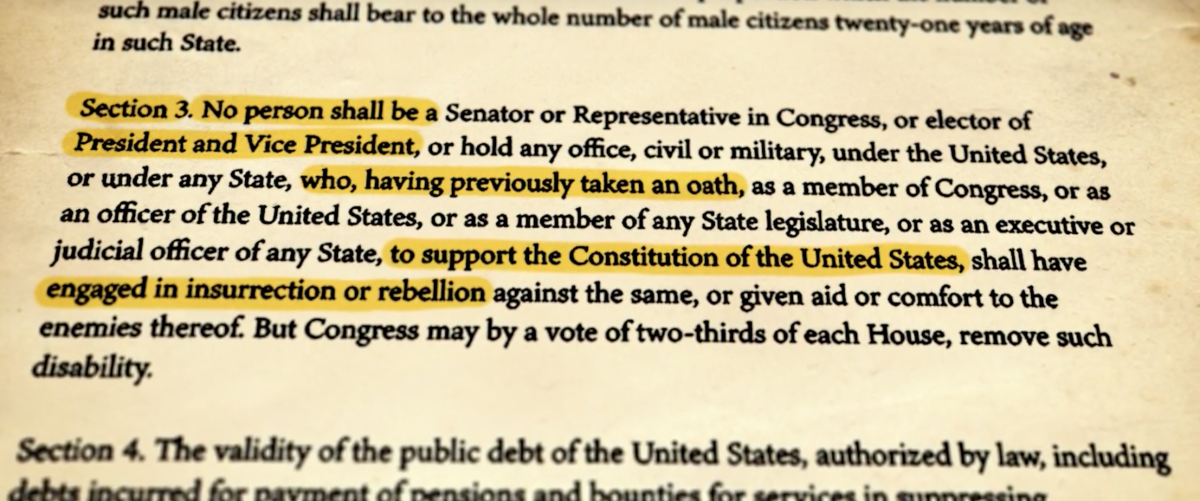
14th amendmentMere days before Congress is to certify the Electoral College votes, a movement has finally emerged to have Donald Trump disqualified from office under the Insurrection Clause of the 14th Amendment. A "14th Now March" in Washington is raising the demand, and is being promoted by the podcast and vlog Lights On with Jessica Denson. Constitutional law scholars Evan Davis and David Schulte make the case in an editorial for The Hill, "Congress has the power to block Trump from taking office, but lawmakers must act now." Several elected officials have been barred from office under the Insurrection Clause since ratification of the 14th Amendment in 1868, but applying it to a former president who led an insurrection is the ultimate test of American democracy. In Episode 259 of the CounterVortex podcast, Bill Weinberg urges that this constitutional mechanism be used, and Trump's victory be nullified. Listen on SoundCloud or via Patreon. (Image via Free Speech for People)

Africa
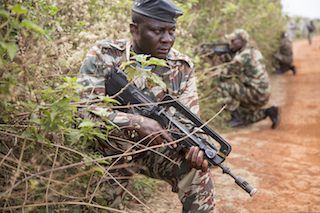
Cameroon soldier

Rights abuses mount in conflicted Cameroon

cornA trade dispute panel convened under the US-Mexico-Canada Agreement (USMCA) ruled that Mexico's import restrictions on US genetically modified corn violates the accord. The conflict stems from a presidential decree published by Mexico in February 2023 instating an immediate ban on the use of genetically modified corn in dough and tortillas, and a gradual end to its use in animal feed and other products. The panel determined that the ban was not based on science, and contravened the market access required under the USMCA. However, advocacy groups such as Greenpeace are proponents of the corn decree and implored the US to respect Mexico's sovereignty, arguing that market dominance of patented GMO varities leads to the decline of indigenous strains and threatens food security. (Photo of indigenous Mexican corn varities: Feria de Productores via Earth@Home)

North Africa

France backing Haftar bid to rule Libya?

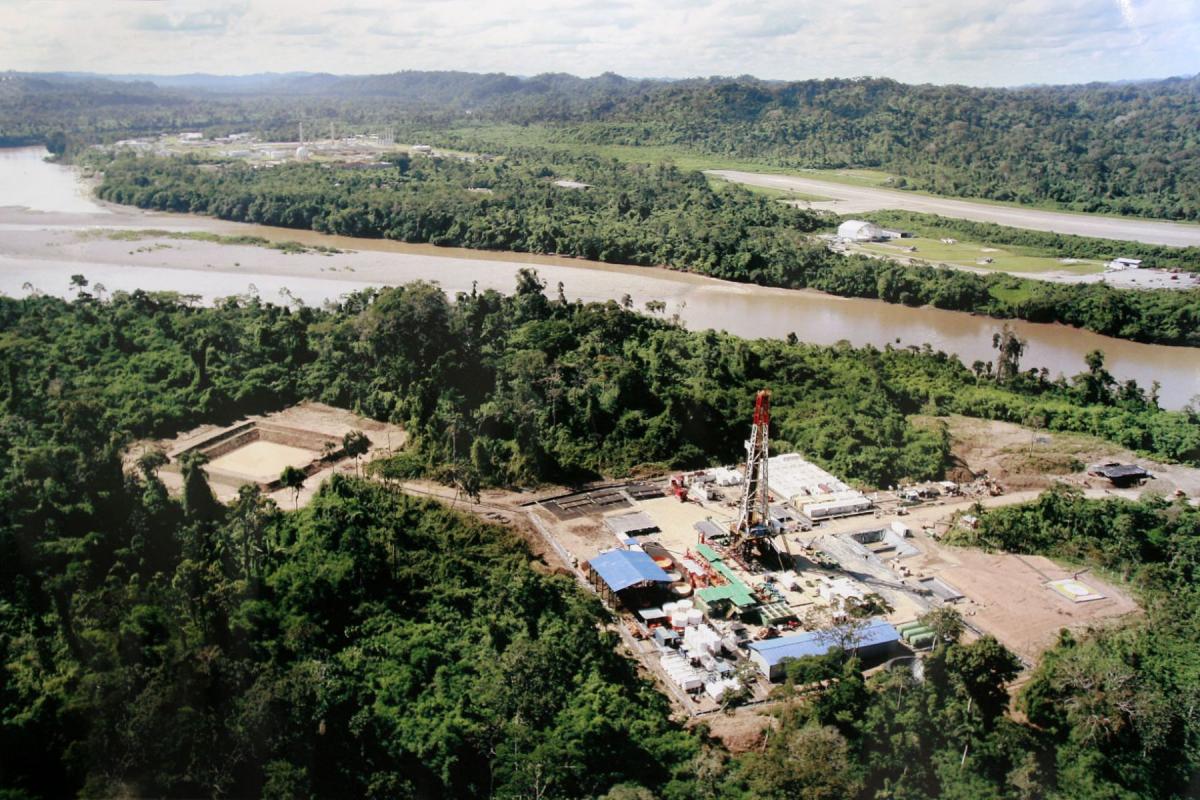
Bloc 58A new coalition of Amazonian indigenous groups and environmentalists has come together in Peru to demand oversight and accountability in the development of a huge new hydrocarbon exploitation bloc in the rainforest. The China National Petroleum Corporation (CNPC) won exploitation rights in 2017 at Bloc 58, in the Upper Urubamba zone of Cuzco region, after explorations revealed some 3.9 trillion cubic feet of natural gas reserves, enough to increase Peru's total gas reserves by nearly 28%. But Bloc 58 overlaps with the traditional territories of the Asháninka and Machiguenga indigenous peoples. The newly formed Amazon Indigenous Platform for Monitoring Chinese Investment in Peru is demanding that exploitation proceed at Bloc 58 only in compliance with the internationally recognized right to "prior and informed consent" of impacted indigenous peoples. (Photo via Andina) 

Africa

Podcast: the struggle in Ambazonia

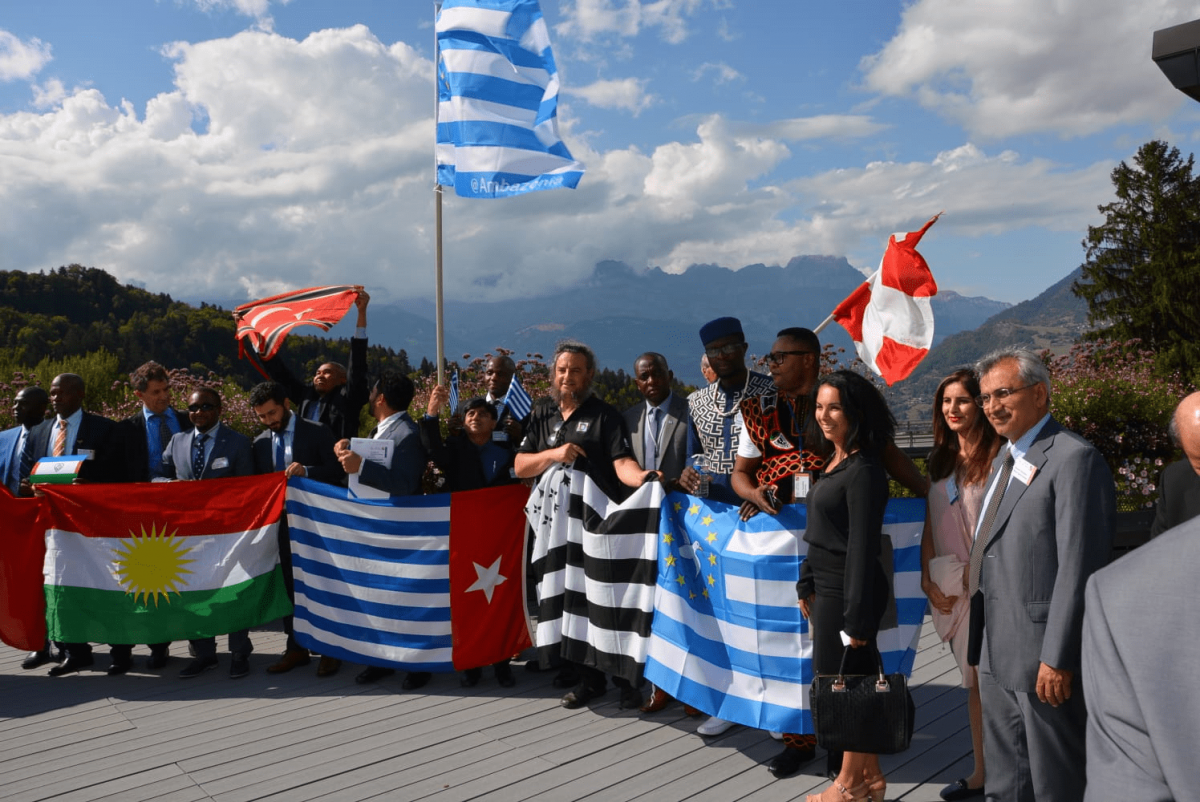
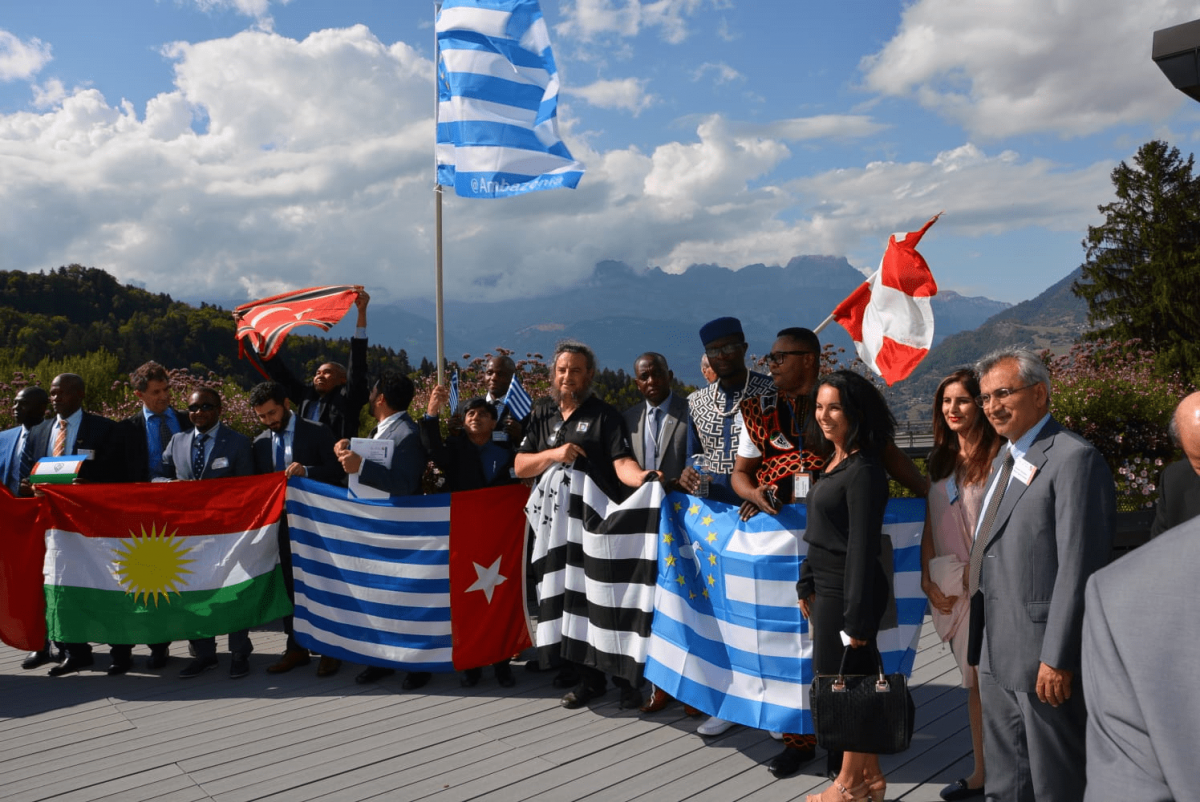
Ambazonia flagIn Episode 27 of the CounterVortex podcast, Bill Weinberg interviews Eben Egbe and Amy Dalton of the Global Initiative to end the Cameroons Colonial Conflict (Gi3C), who discuss the independence struggle in Ambazonia—a territory that was illegally annexed by Cameroon following the end of colonial rule in 1960. The past year has seen a terrible increase in state terror in Ambazonia from the French-backed neo-colonial Cameroon authorities, with protesters fired upon by helicopter gunships, and finally villages burned by military forces, sending the residents fleeing into the bush. Some 400,000 people have been internally displaced, with a further 20,000 having crossed the border into Nigeria as refugees. Cameroon also receives military aid from the US, ostensibly for the fight against Boko Haram in the north of the country—but this same military is now being unleashed against the civilian populace in the unrelated conflict in Ambazonia in the south. The Gi3C has issued an urgent call for the UN Human Rights Council, which convenes for it's 40th annual meeting this week in Geneva, to send a fact-finding delegation to the region. Listen on SoundCloud, and support our podcast via Patreon. (Photo: Ambazonia representatives with flag, far right, at France meeting of the Unrepresented Nations and Peoples Organization, via Bareta News)

Africa

ICC acquits ex-leader of Ivory Coast and henchman

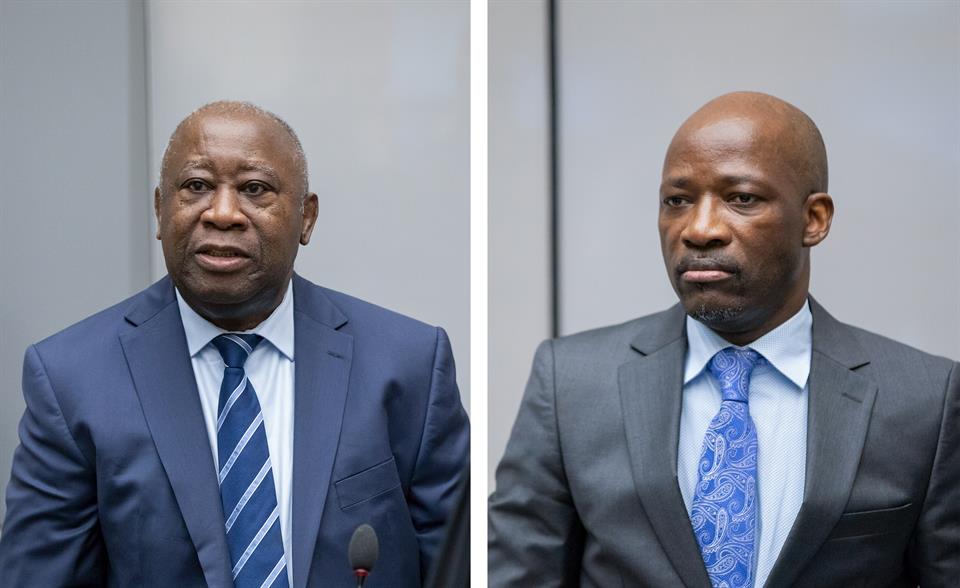
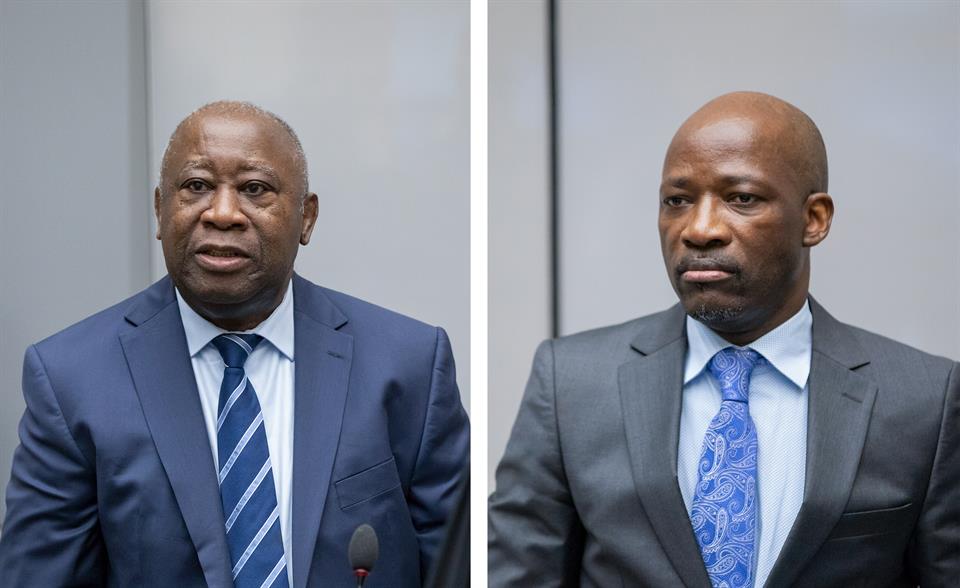
GbagboTrial Chamber I of the International Criminal Court acquitted former Côte d’Ivoire president Laurent Gbagbo and Charles Blé Goudé, his former youth minister. Gbagbo and Blé Goudé were accused of four counts of crimes against humanity related to violence following a disputed 2010 election that left 3,000 dead and 500,000 displaced. Gbagbo was arrested in 2011 in a presidential palace bunker by UN and French-backed forces supporting his rival, Alassane Ouattara. He was the first former head of state to face trial at the ICC. The Chamber ordered both accused to be immediately released. "The acquittal of Gbagbo and Blé Goudé will be seen as a crushing disappointment to victims of post-election violence in Cote d’Ivoire," said Amnesty International in a statement. (Photo: ICC)

Africa

Fulani herders massacred in Mali

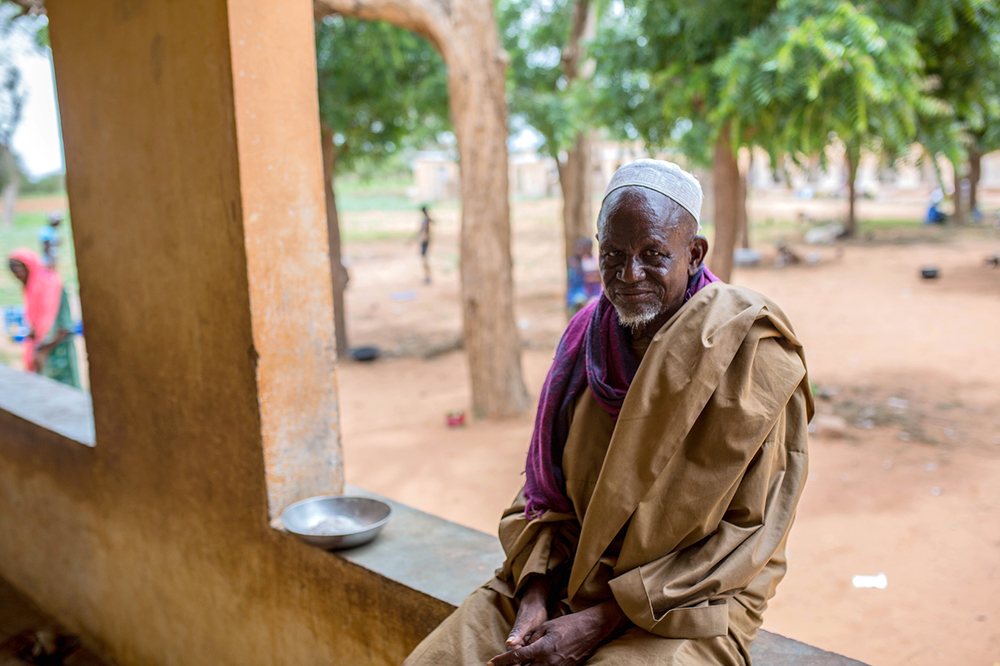
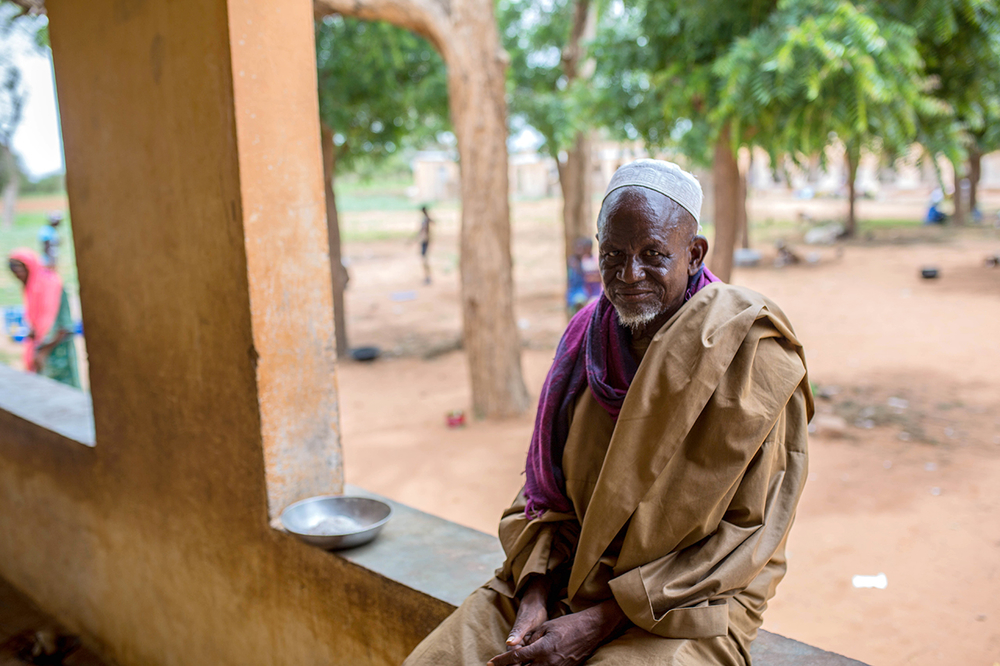
FulaniA village of semi-nomadic Fulani herders was attacked  in Mali New Years Day, with at least 33 residents slain and several homes set aflame. Survivors said the attackers were traditional Dogon hunters, known as dozos. The army was rushed to Koulogon village in central Mopti region to control the situation. But the perpetrators may have been assisted by the armed forces. Dogon residents of the area have formed a self-defense militia, known as Dana Amassagou, to prevent incursions by jihadists from Mali's conflicted north into the country's central region. The militia is said to have received weapons and training from the official armed forces. However, driven by conflicts over access to land and shrinking water resources, the militia has apparently been attacking local Fulani villages. Hundreds were killed in clashes between Dogon and Fulani last year, and a Senegalese rapid reaction force under UN command was deployed to Mopti in response to the violence. (Photo of Fulani elder via IRIN)

North Africa
JNIM

Al-Qaeda franchise claims Mali suicide blast

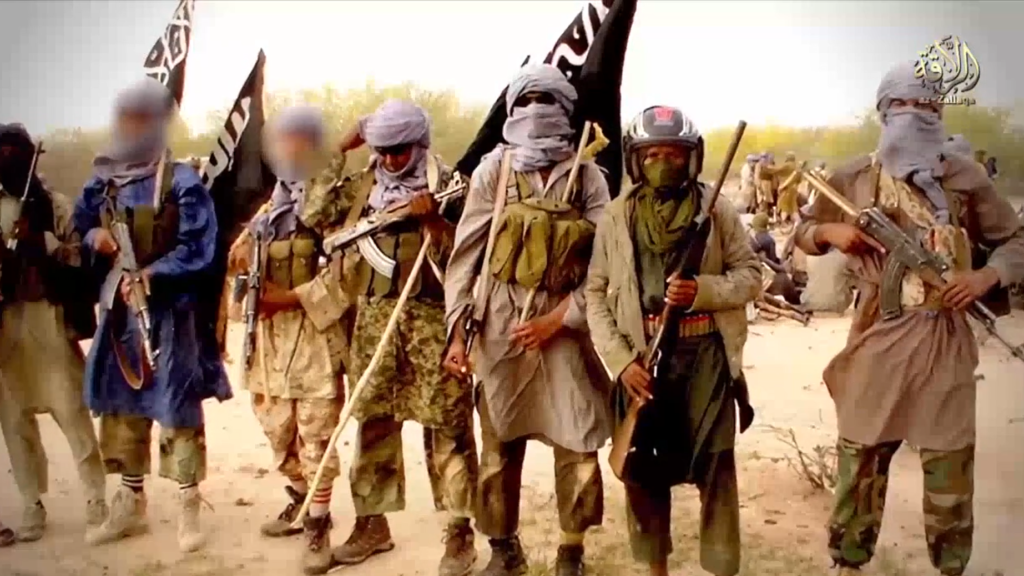
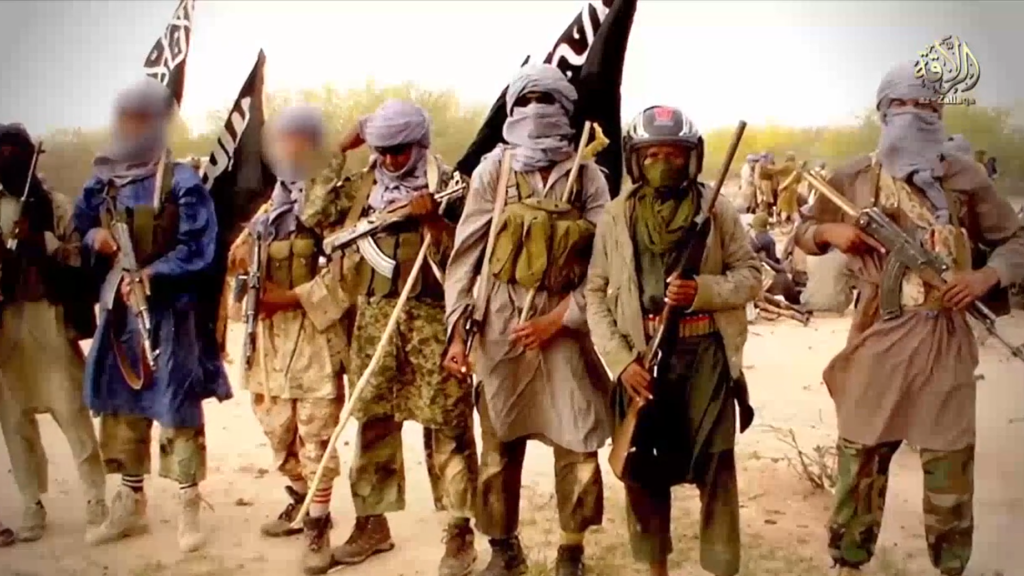
JNIMThe Group for Support of Islam and Muslims (JNIM), al-Qaeda's branch in West Africa and the Sahel, claimed its forces were responsible for a suicide bombing in the northern Malian city of Gao. The suicide truck-bomb detonated in a residential area of Gao, killing three (not counting the attacker) and wounding another 30. The JNIM statement claimed the target was a base of "Crusader invaders" from the United Kingdom, Germany and Canada. However, all of those killed were civilians and local Malians. Four of the wounded were foreign employees of the United Nation's Mine Action Service, working to remove landmines in the area. A video later released by JNIM confirmed that the mine dismantling headquarters in Gao was the intended target. The video stated that "this operation demonstrates that the mujahideen are continuing upon their covenant, which they had made to their lord, until they achieve one of the two good ends, victory or martyrdom."  (Image via Long War Journal)

Inner Asia

Podcast: Legacy of Kazakh-Shoshone solidarity

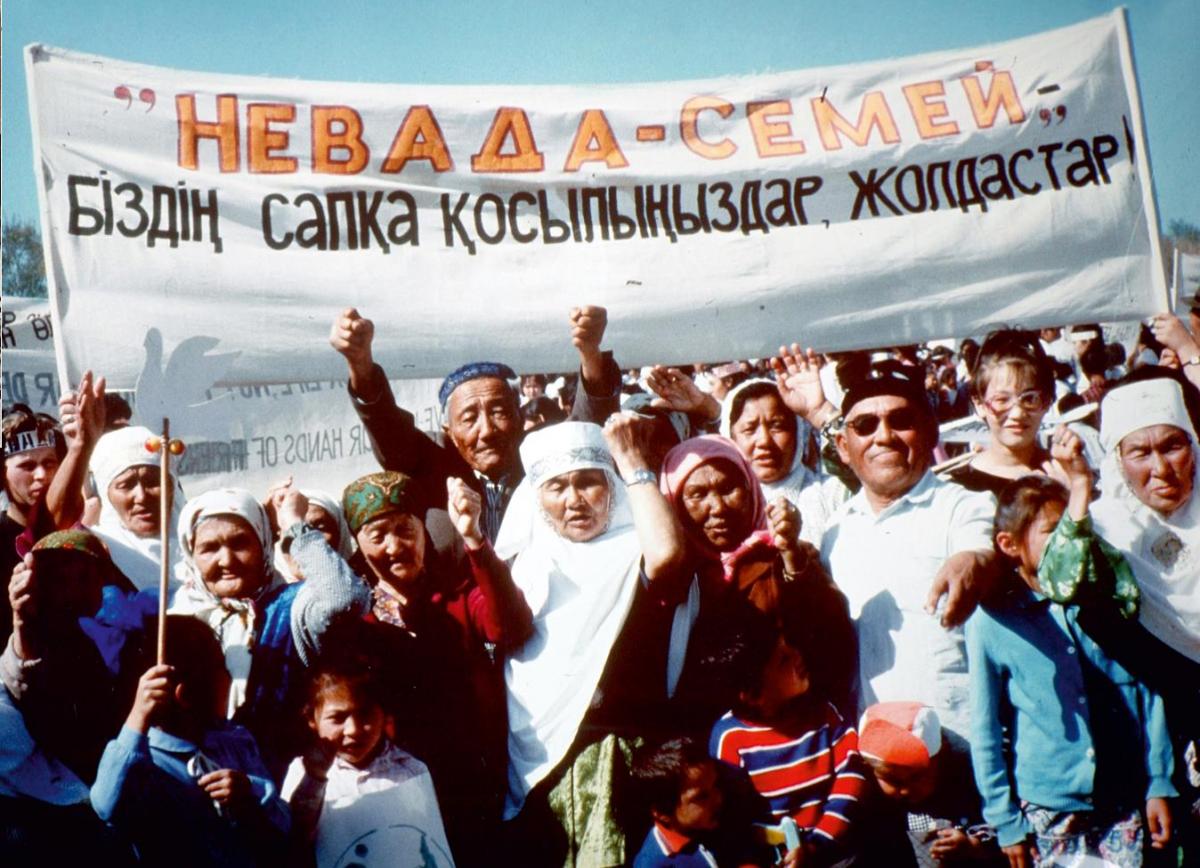
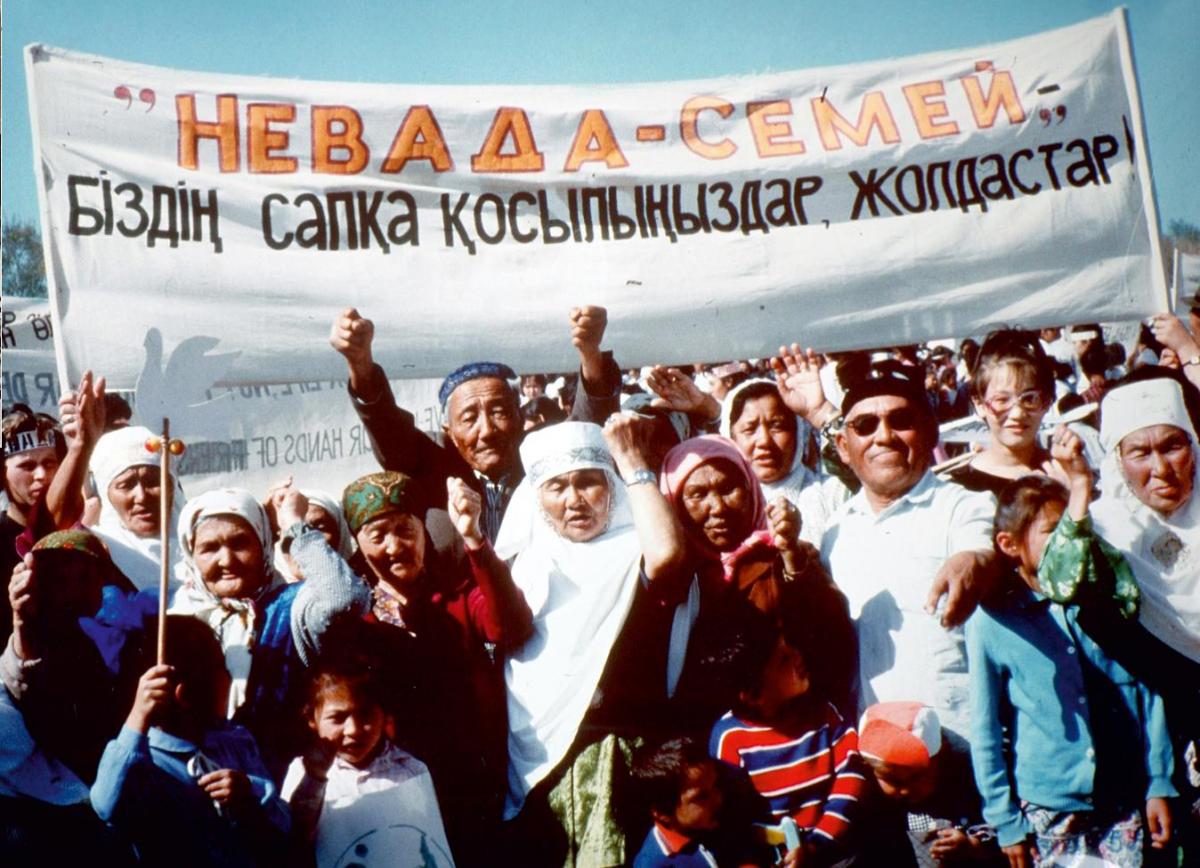
Nevada-SemipalatinskIn Episode 18 of the CounterVortex podcast, Bill Weinberg looks back at the Nevada-Semipalatinsk movement of the closing years of the Cold War, when the Western Shoshone people, whose traditional lands were being contaminated by the nuclear blasts at the US government's Nevada Test Site, made common cause with the Kazakh people of Central Asia who opposed Soviet nuclear testing at the Semipalatinsk site. Kazakh activists travelled to Nevada to join protests at the Test Site, while Western Shoshone leaders travelled to Kazakhstan to join protests at Semipalatinsk. This initiative eventually evolved into the Abolition 2000 Global Network to Eliminate Nuclear Weapons, which as recently as 2016 held an International Conference on Building a Nuclear-Weapon-Free World in Astana, Kazakhstan, again attended by Western Shoshone leaders. The Nevada-Semipalatinsk movement provides an inspiring example of indigenous peoples and their supporters building solidarity across hostile international borders and superpower influence spheres. Listen on SoundCloud, and support our podcast via Patreon. (Photo: National Digital History of Kazakhstan. Banner from protest at Semipalatinsk declares solidarity with anti-nuclear protesters in Nevada.)

North Africa

Environmental protester shuts Libyan oil-field

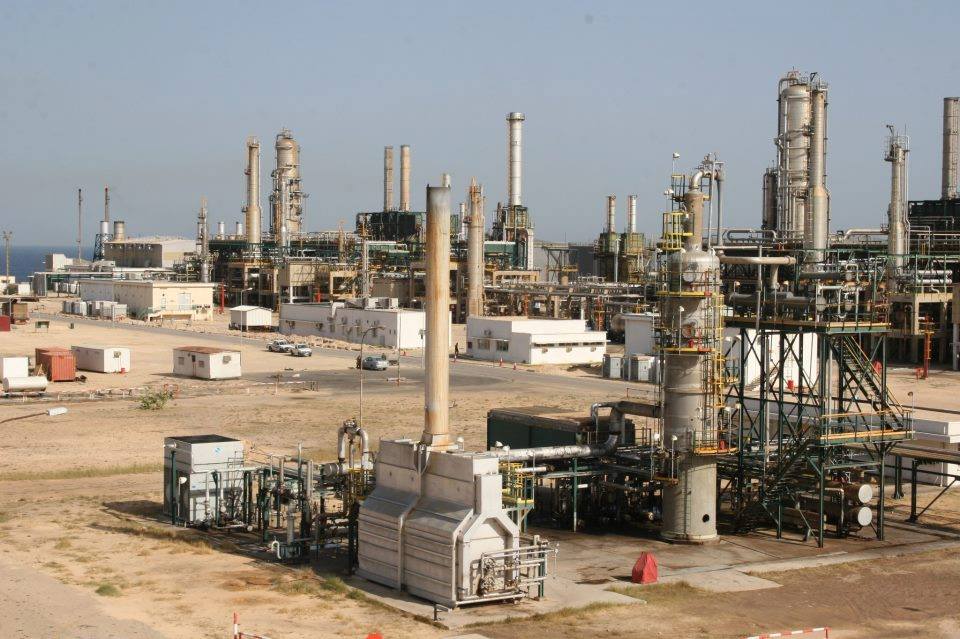
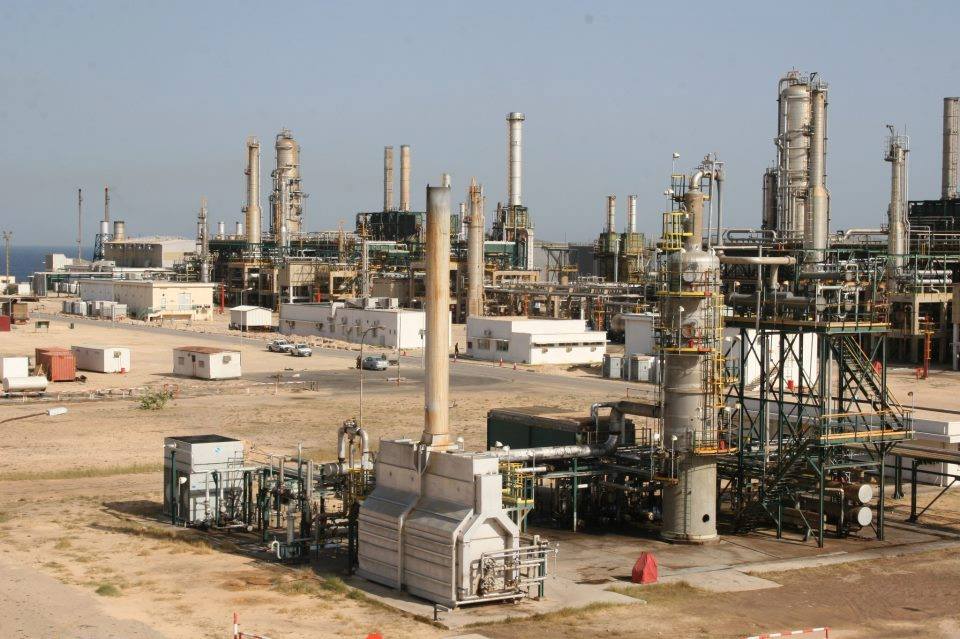
ShararaThe company operating Libya's biggest oilfield, Sharara, announced that it had been shut down after a citizen closed the pipeline that pumps the field's oil. The field is run by a joint venture between Libya's National Oil Corporation and several multinationals. The individual claimed the pipeline caused environmental damage to his lands, and had also closed the pipeline last year to press his demands for a clean-up. With this latest closure, Libya's oil output dropped to a six-month low of 750,000 barrels per day. National Oil Corporation chairman Mustafa Sanallah described those who shut down oil-fields as "terrorists." (Photo: Libya Observer)

North Africa

New Qaeda franchise escalates Mali insurgency

A new Qaeda-affiliated faction, the Group for Support of Islam and Muslims (JNIM), is attempting to re-unify the fragmented jihadist insurgency in Mali's desert north.