Podcast: Tolstoy would shit II

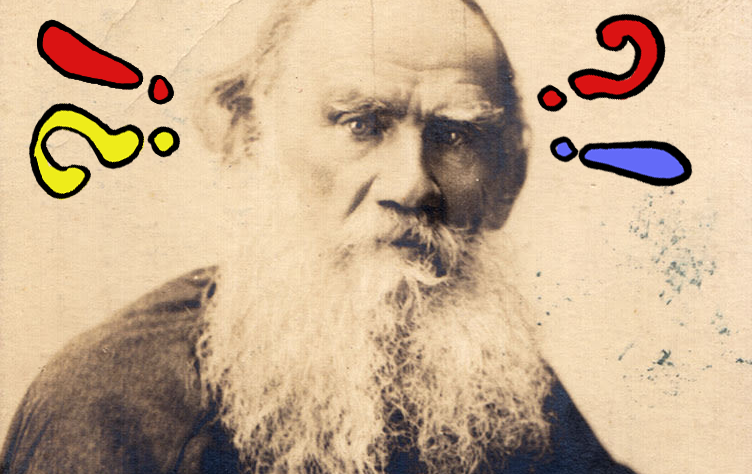
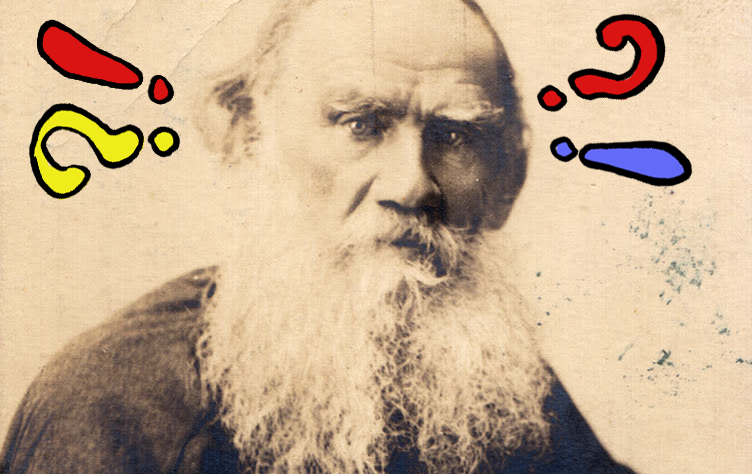
TolstoyThe bellicose and authoritarian Russian state's propaganda exploitation of the anarcho-pacifist novelist Leo Tolstoy is an obvious and perverse irony. But a less obvious irony also presents itself. Like all fascist regimes, that of Vladimir Putin is stigmatizing and even criminalizing homosexuality and other sexual "deviance." Following alarming reports of "concentration camps" for gay men in the Russian republic of Chechnya, Moscow began to impose an anti-gay agenda nationwide. A 2020 constitutional reform officially enshrined "traditional marriage," while a "gay propaganda law" imposes penalties on any outward expression of gay identity, resulting in police raids on Moscow gay bars. The "LGBT movement" has been designated a "terrorist organization"; media depictions of same-sex love are banned as "deviant content." Yet the venerable littérateur now glorified as a symbol of Russian nationalism may have himself been gay. In Episode 247 of the CounterVortex podcast, Bill Weinberg interviews Javier Sethness Castro, author of Queer Tolstoy: A Psychobiography (Routledge 2023). (Image adopted from Europeana Foundation)
Syria

Russian playwright gets prison for ‘justifying terrorism’

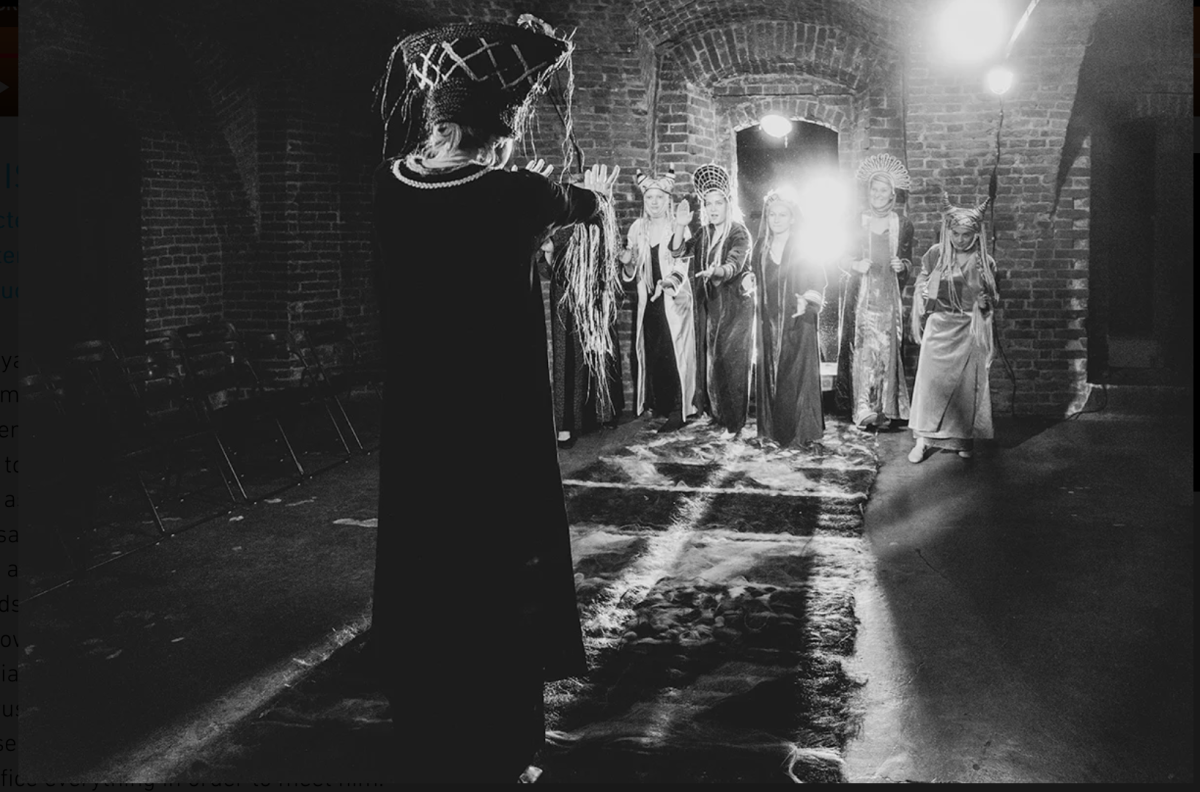
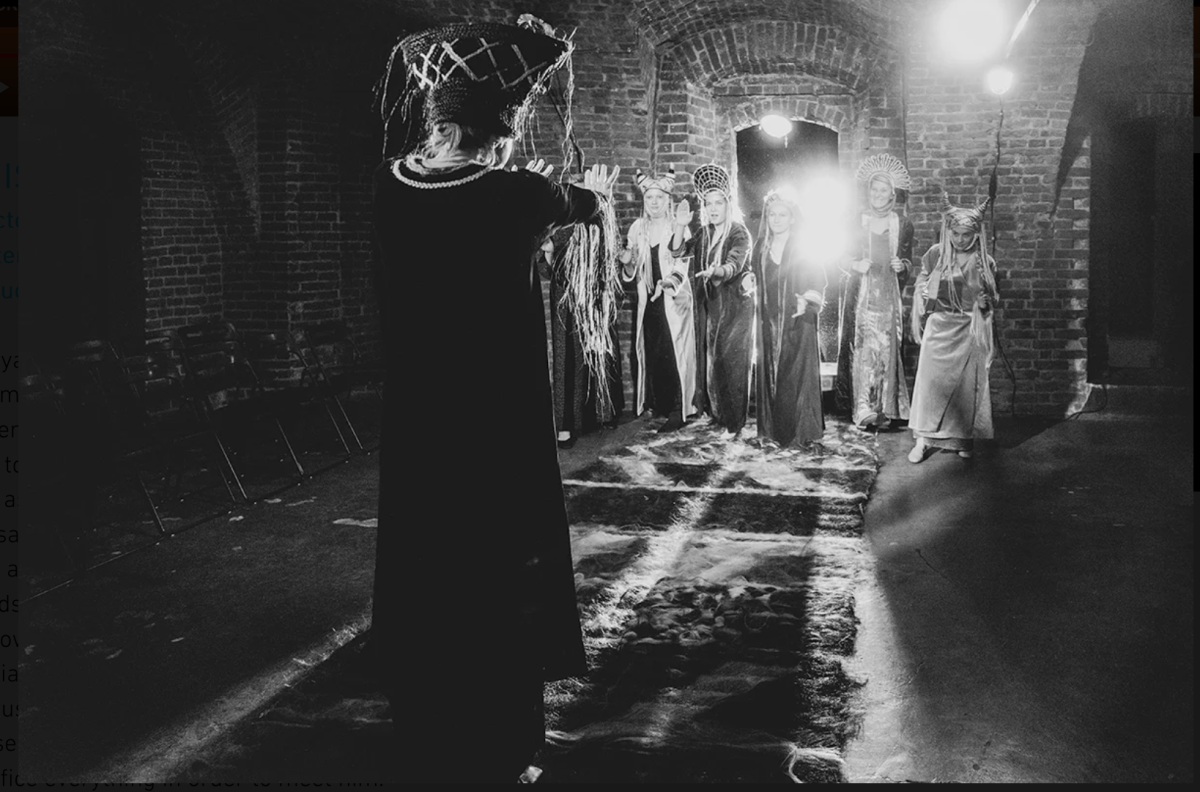
FinistA Russian military court convicted playwright Svetlana Petriychuk and theater director Yevgeniya Berkovich and sentenced them each to six years in prison over a play that was found to "justify terrorism." The basis for the prosecution was the play Finist the Brave Falcon, its plot drawing inspiration from the plight of Russian women who went to Syria to marry Islamist fighters and were convicted upon return to their home country. Berkovich and Petrychuk repeatedly stated that their play was intended to warn against terrorism and not to justify it. In the eyes of the defense and human rights organizations, the real reason for the prosecution was retribution against the pair for their outspoken opposition to the war in Ukraine. (Photo: StageRussia)

Podcast: conspiracy theory and the Moscow terror

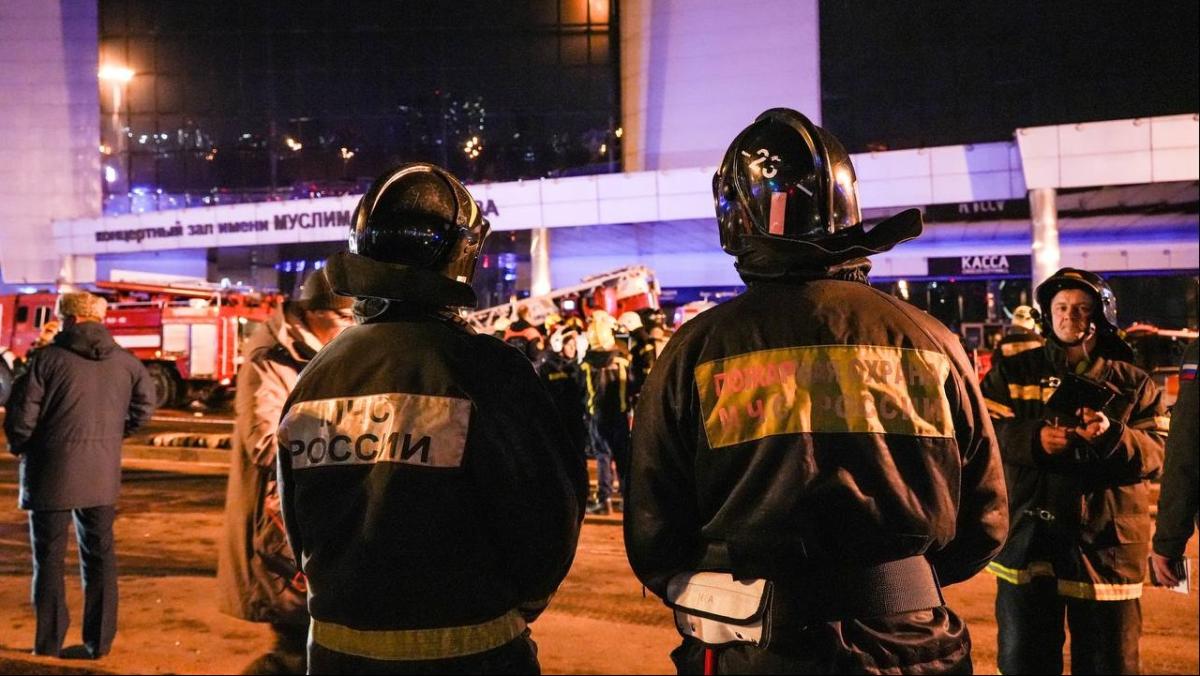
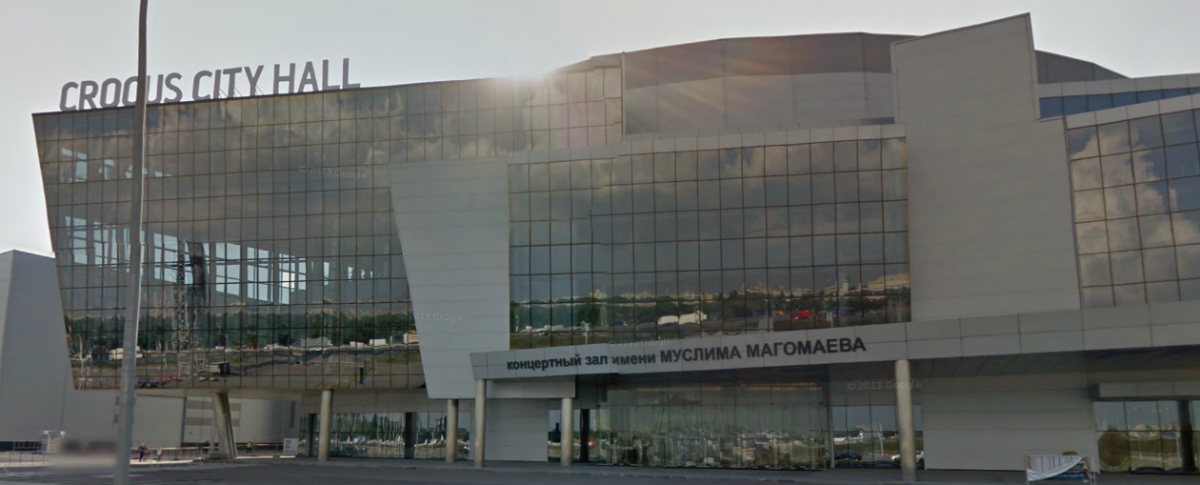
CrocusThe deadly terror attack in a concert hall outside Moscow was immediately claimed by ISIS-K, the Islamic State network's Afghanistan franchise. But just as quickly, the Russian and Ukrainian intelligence services accused each other of being behind it—the latter saying it was organized as a "provocation" to expand Moscow's war in Ukraine. Putin's rise to power, including his recent rise to outright autocratic power, as well as his various military adventures, have indeed been lubricated every step of the way by terror attacks. But who was actually behind the Crocus City Center attack may not really matter overmuch. If 9-11 was a "Reichstag Fire" for the hyper-interventionist aims of Dubya Bush, that analogy may prove to apply even more closely to the concert hall carnage serving the war aims and totalitarian domestic agenda of Vladimir Putin. Bill Weinberg discusses in Episode 219 of the CounterVortex podcast. Listen on SoundCloud or via Patreon. (Photo: governor of Moscow Oblast via Wikimedia Commons)

Moscow terror: ISIS, Ukraine or ‘false flag’?

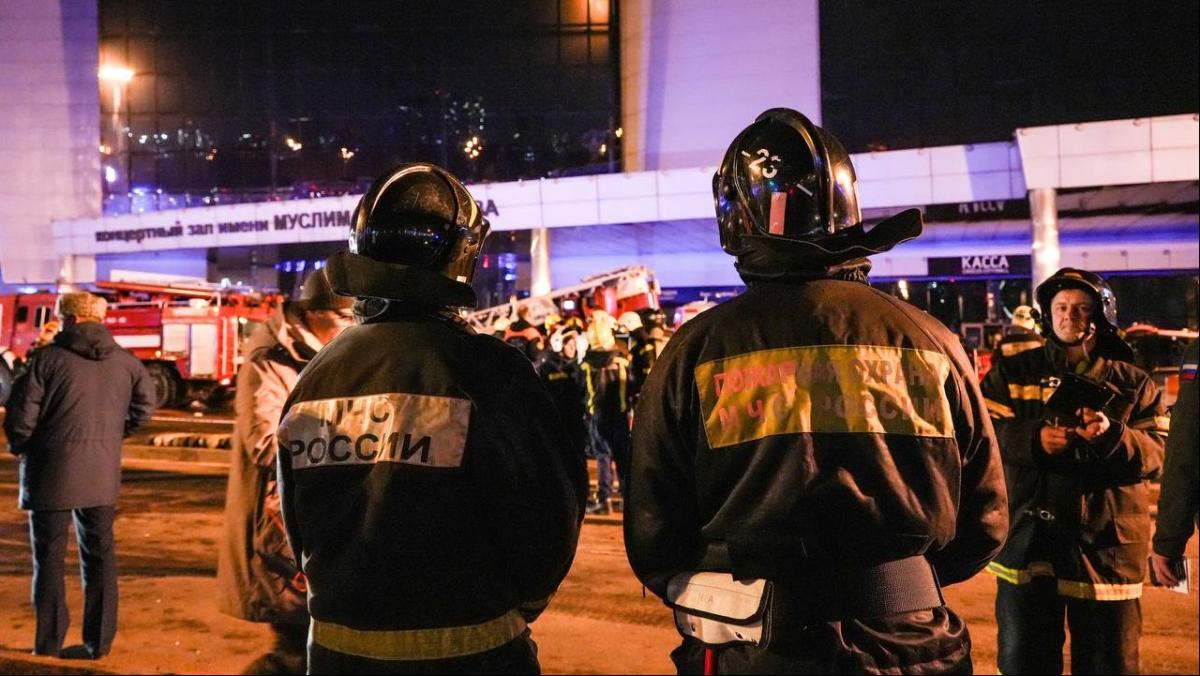
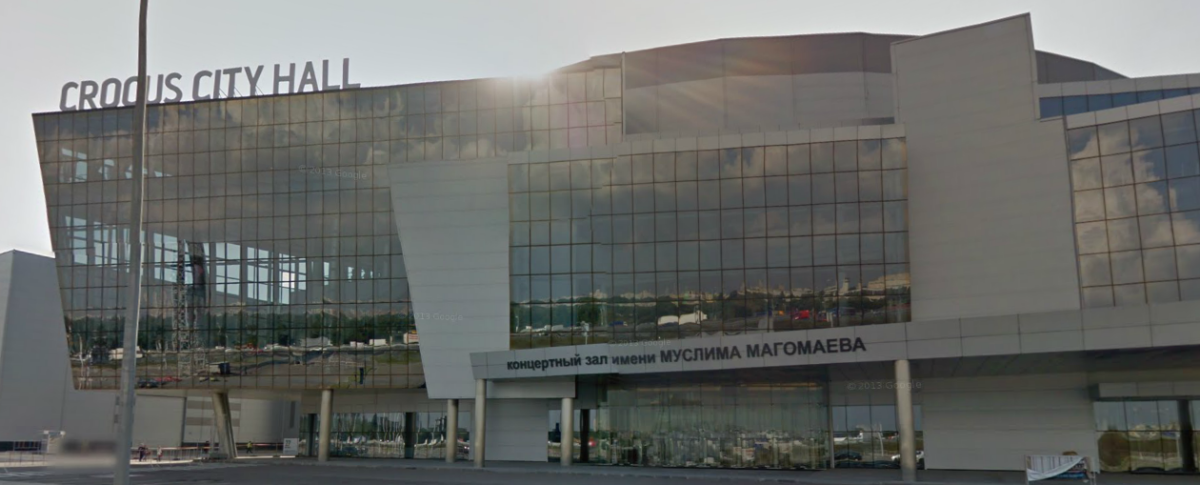
CrocusA group of armed men opened fire at a concert hall in a Moscow suburb, killing at least 133 people and injuring scores more. ISIS-K, the Islamic State network's Afghanistan franchise, quickly took credit for the attack. But just as quickly, the Russian and Ukrainian intelligence services accused each other of being behind it—the latter saying it was organized as a "provocation" to expand Moscow's war in Ukraine. Putin's rise to power, including his recent rise of outright autocratic power, as well as his various military adventures, have indeed been lubricated every step of the way by terror attacks. But who was actually behind the Crocus City Center attack does not really matter overmuch. Just as 9-11—whoever was behind it—served the hyper-interventionist aims of Dubya Bush and his administration, we may be reasonably certain that the concert hall carnage will serve the war aims and totalitarian domestic agenda of Vladimir Putin. (Image: Wikipedia)

Screw tightens in Russia and Belarus

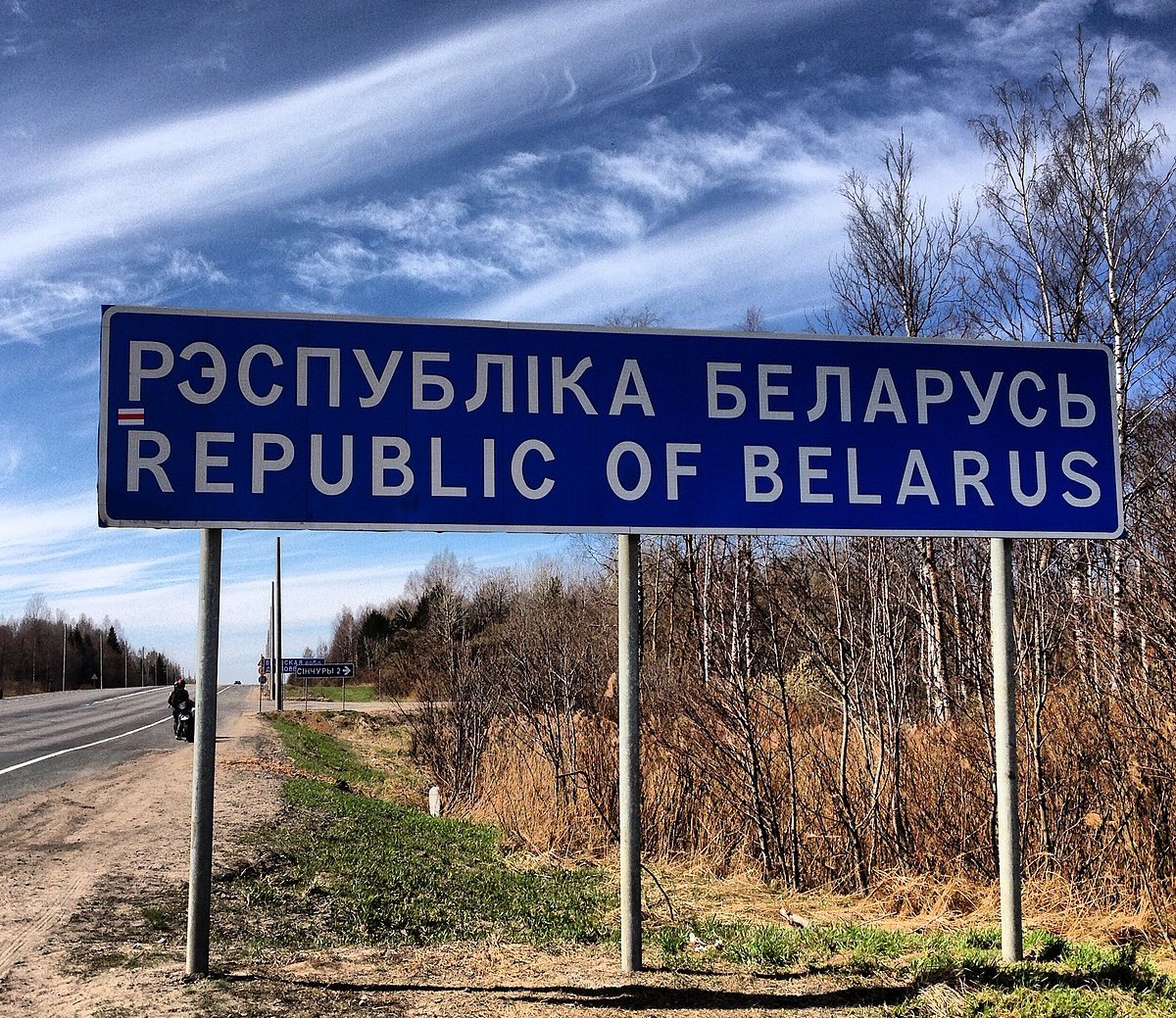
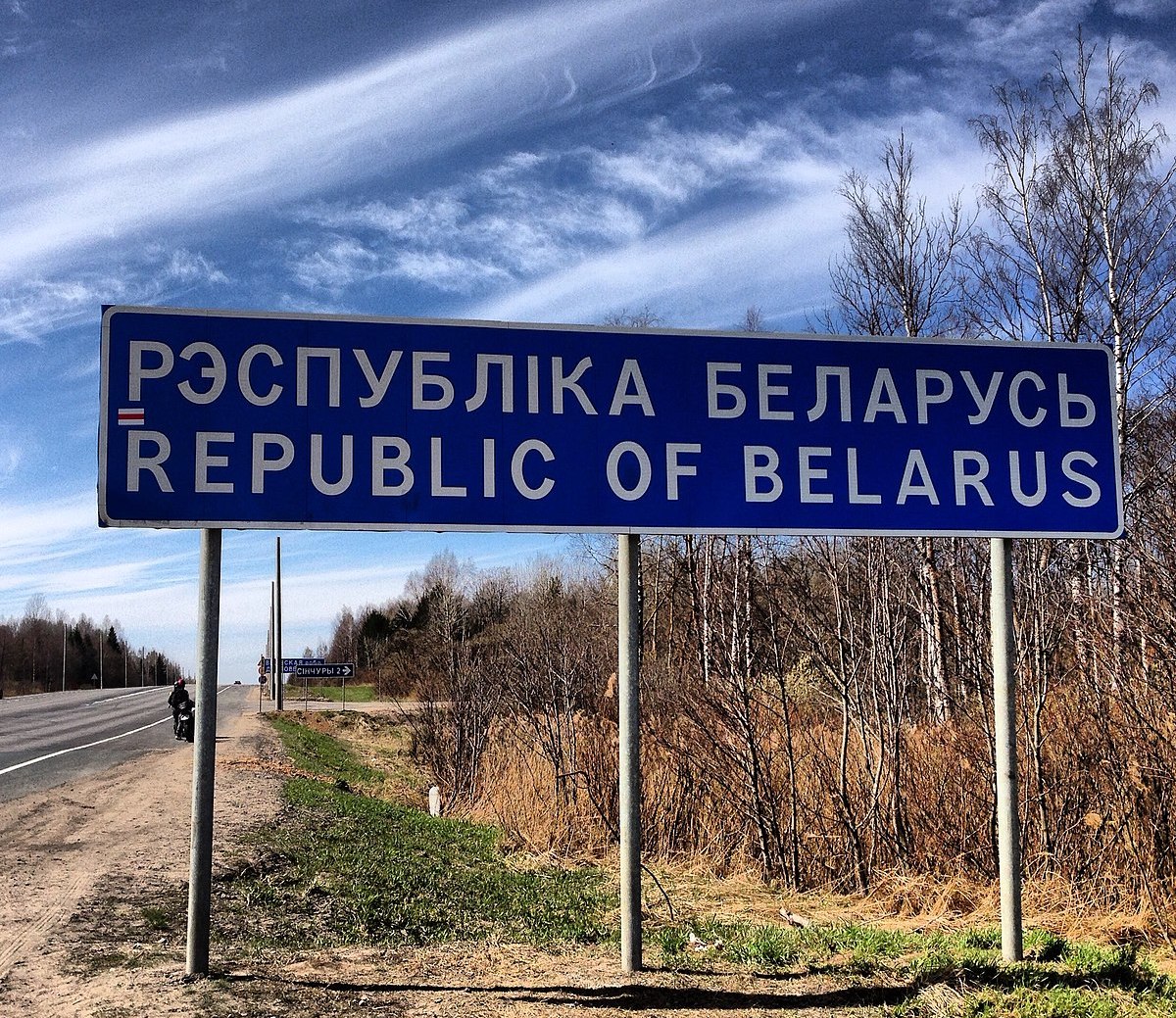
BelarusThe Russian Ministry of Justice formally designated Dmitry Muratov, a Nobel Peace Prize-winning internationally esteemed journalist, as a "foreign agent." The label, reminiscent of the "enemy of the people" designation of the Soviet era, imposes harsh constraints on activities and requires sources of funding to be disclosed. The law has been widely used by the Kremlin to silence critics. Muratov is editor at Novaya Gazeta, one of the rare media outlets in Russia openly critical of President Vladimir Putin. Meanwhile, a court in Belarus sentenced journalist and human rights activist Larysa Schchyrakova to three and a half years in prison on charges of "insulting" government officials, disseminating "false information," and promoting "extremist" activities. Her organization, Gomelskaya Viasna, was aso ordered banned. The charges concern Schchyrakova's advocacy and rights monitoring work during the 2020 anti-government protests in Belarus. (Image: Wikimedia Commons)

Russia: court closes Sakharov human rights center

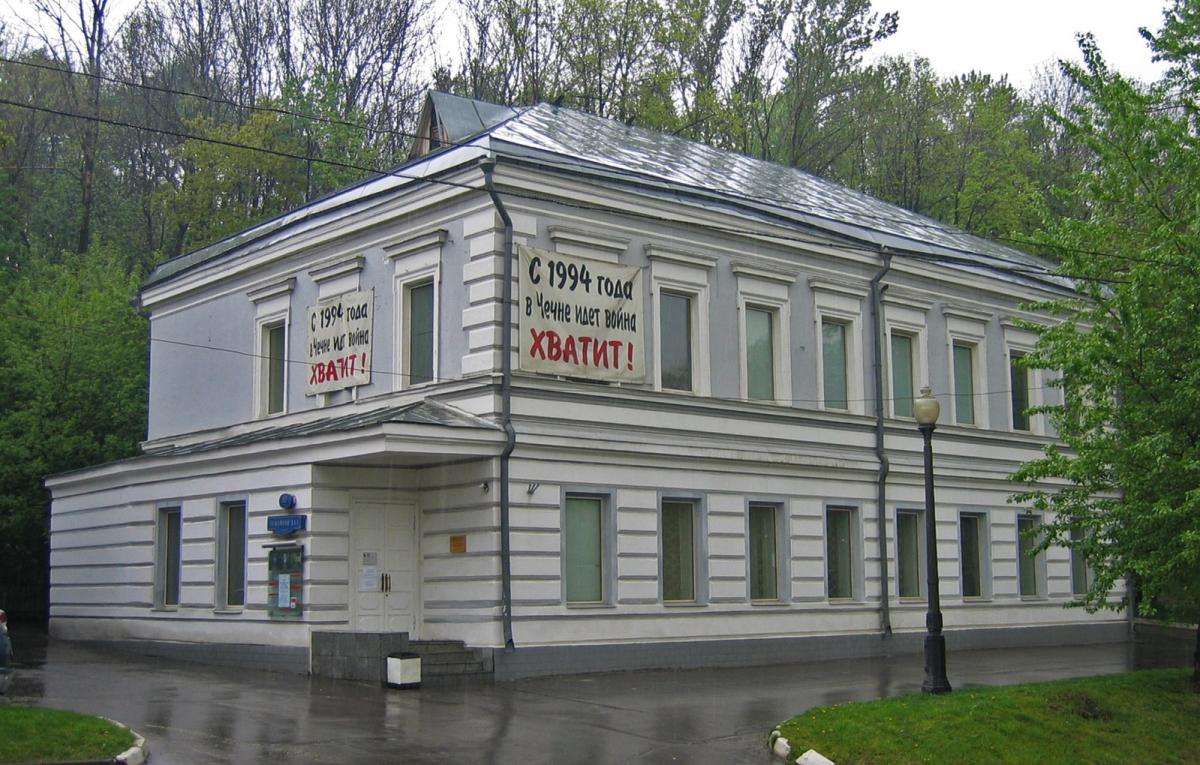
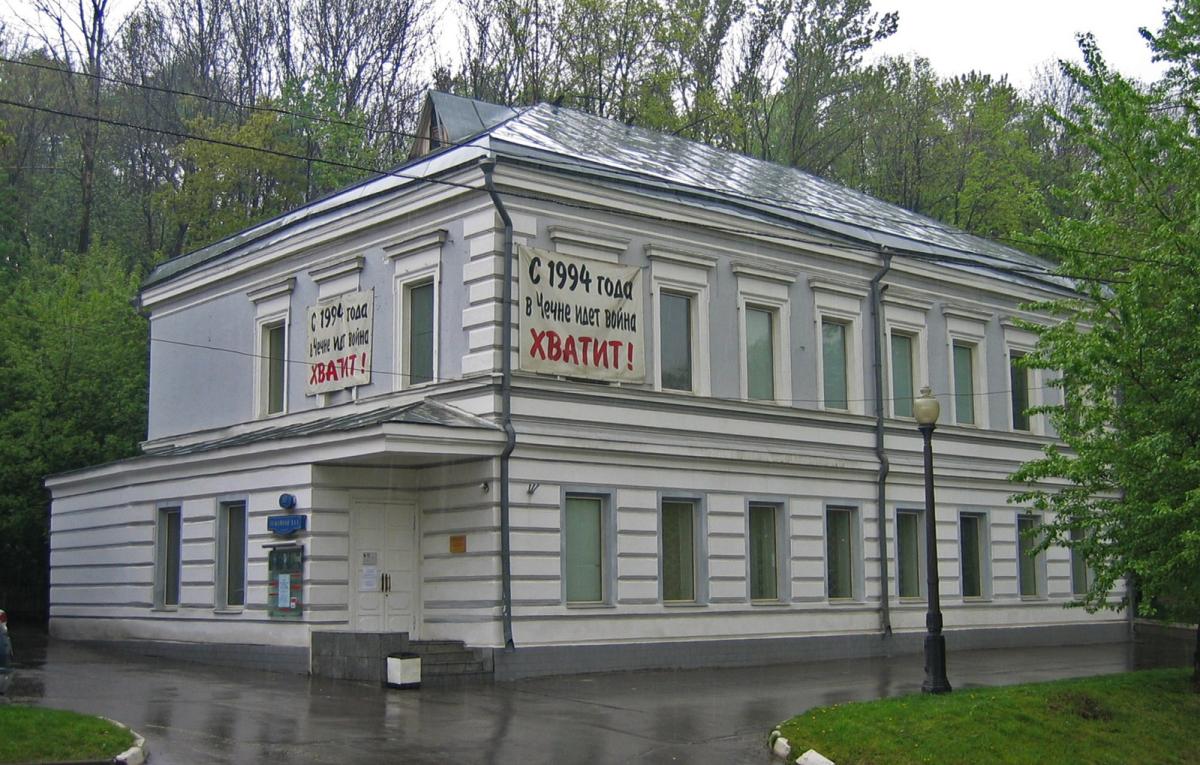
Sakharov CenterA Moscow court ruled to liquidate the Public Commission for the Preservation of the Heritage of Academician Sakharov, or Sakharov Center, one of Russia's most respected human rights organizations, after an application from the Ministry of Justice. The Sakharov Center, established in 1996, had been convening public discussions for citizens to speak about the status of human rights and freedom in the country. The Justice Ministry contended that the Center's discussion groups constituted a "violation of its territorial sphere of activity." In a statement, the Center warned of closing political space in Russia, saying: "Uncontrolled power corrupts society… Sakharov warned about this, we see it with our own eyes today." (Photo of Sakharov Center building via Wikipedia. Sign reads: "War in Chechnya since 1994. Enough!")

UN: Russia must investigate Chechnya attack

MilashinaA group of United Nations human rights experts called on the Russian Federation to investigate a violent attack in Chechnya against journalist Yelena Milashina and human rights lawyer Alexander Nemov, and bring to justice the perpetrators. Milashina was covering, and Nemov participating in, the trial of Zarema Musaeva, the mother of exiled opposition activists who challenged the leader of the Chechen Republic, Ramzan Kadyrov. Milashina is known for breaking the story of the "anti-gay purges" in Kadyrov's Chechnya in 2017, which sparked international outcry. (Image: OHCHR via Twitter)