

India: deadly repression at Ladakh pro-autonomy protest
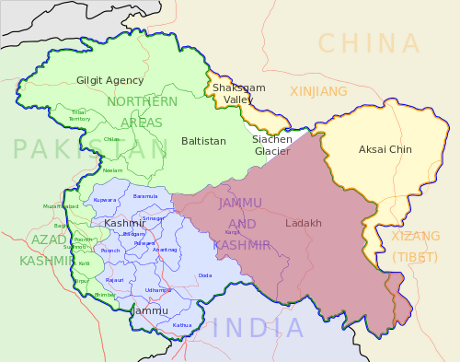
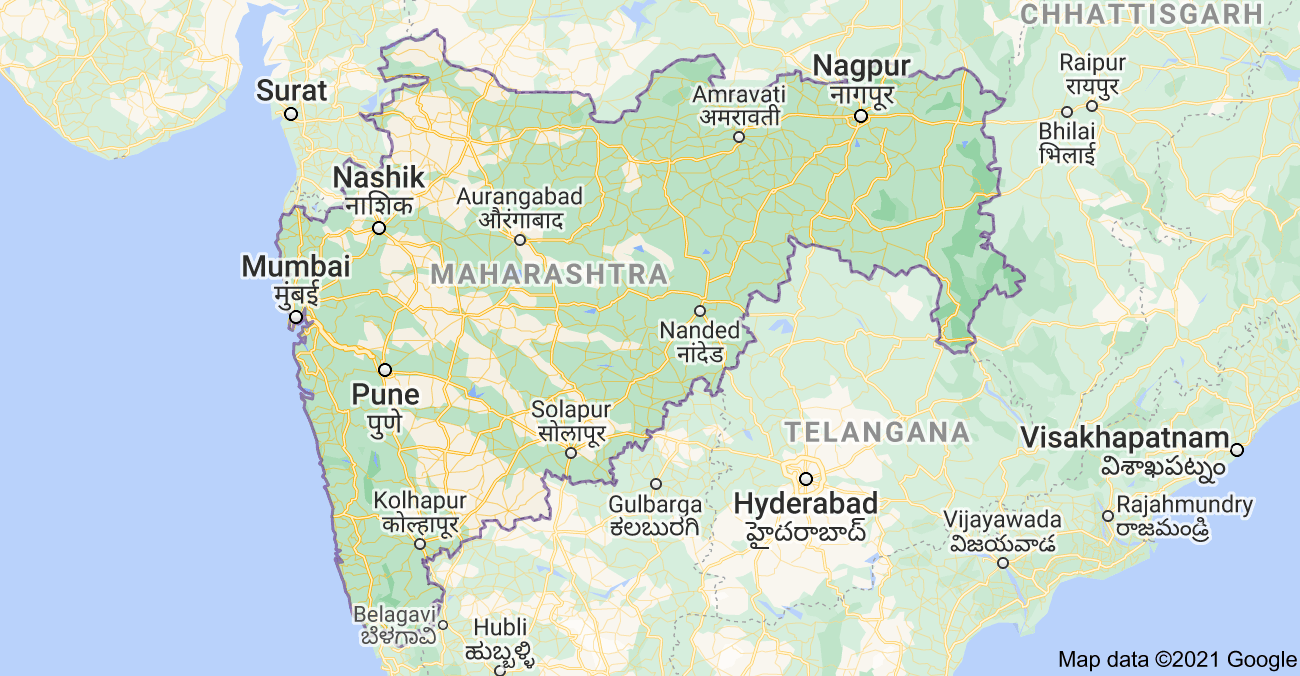
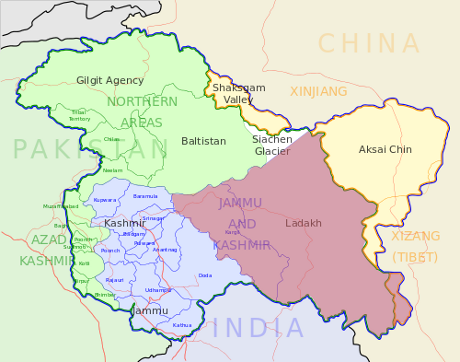
KashmirAmnesty International urged Indian authorities to promptly and independently investigate the use of live fire during protests in Leh, Union Territory of Ladakh, one day after at least four people were reported killed and more than 50 injured. Clashes erupted as demonstrators pressed long-standing demands for statehood and constitutional protections for land and jobs. Police said they responded after the crowd turned violent, with vehicles and a ruling Bharatiya Janata Party office set ablaze, and claimed officers fired in self-defense. Authorities imposed a curfew in Leh and restricted mobile internet services. (Map via Wikipedia)
Isolated people under threat in Andaman Islands

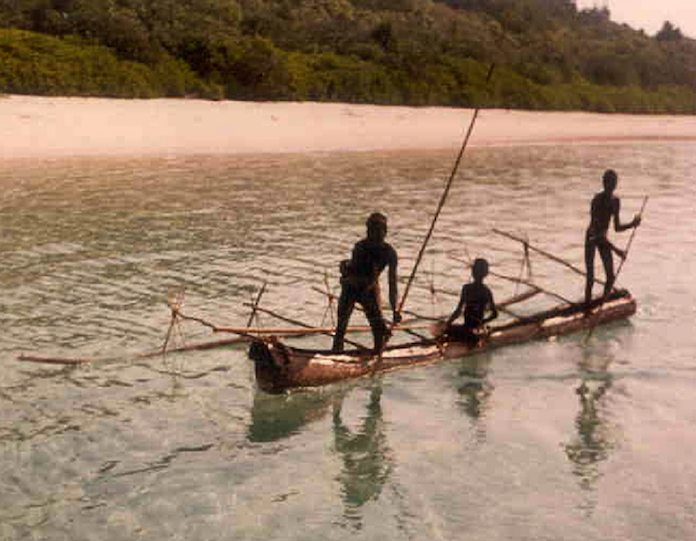
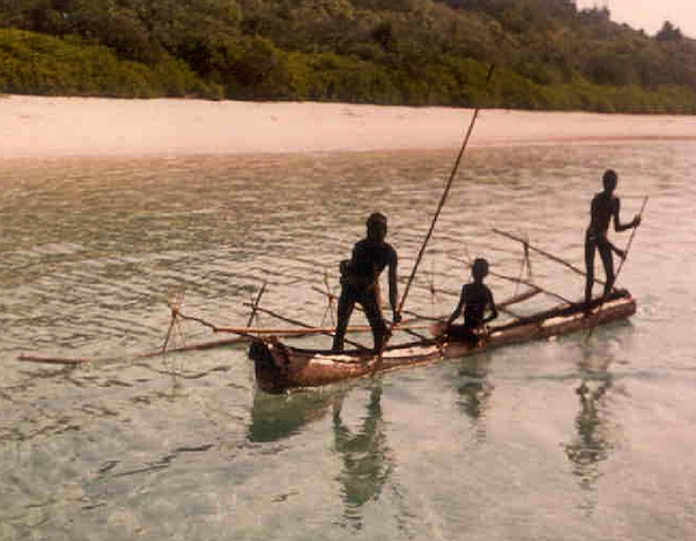
SentinaleseA US national was arrested on North Sentinel Island, in India's remote Andaman & Nicobar archipelago, for illegally seeking to make contact with the isolated Sentinelese people, an officially designated "particularly vulnerable tribal group" (PVTG). London-based Survival International expressed relief at the arrest, but called the news deeply disturbing, saying the adventurer's actions "put the lives of the entire Sentinelese tribe at risk," due to their lack of immunity to common outside diseases. Within days of the arrest, a journalist with local news channel Republic Andaman was found dead—apparently targeted for his reportage on illegal logging and mining in the archipelago. And far greater threats loom; Survival warns that isolated peoples could be wiped out if New Delhi goes ahead with its plan to transform Great Nicobar Island into the "Hong Kong of India," with massive new port facilities and rapid urbanization. (Photo: Survival International)

India in peace deal with (some) Assam rebels

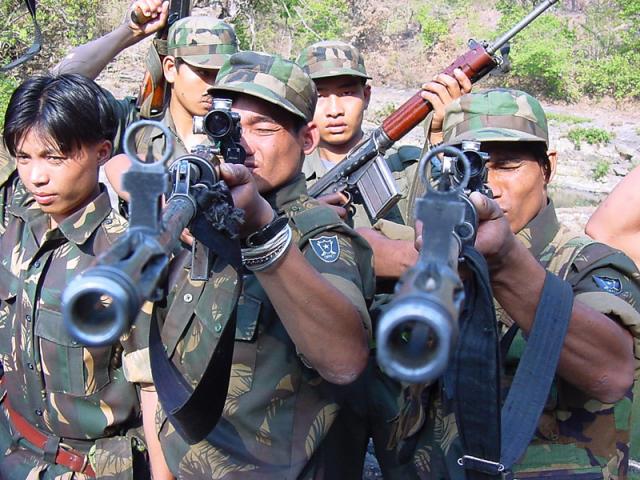
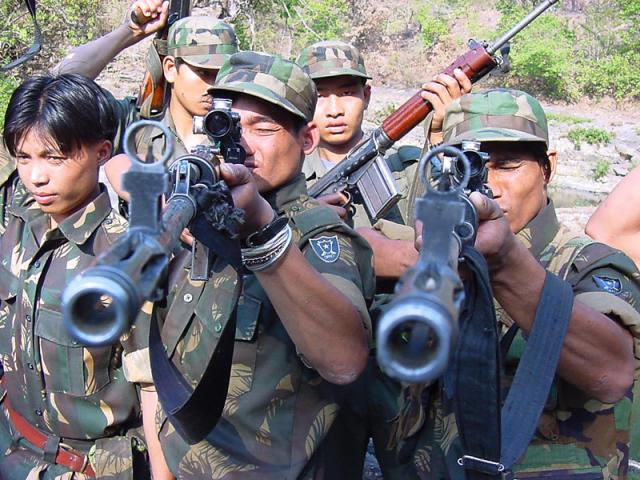
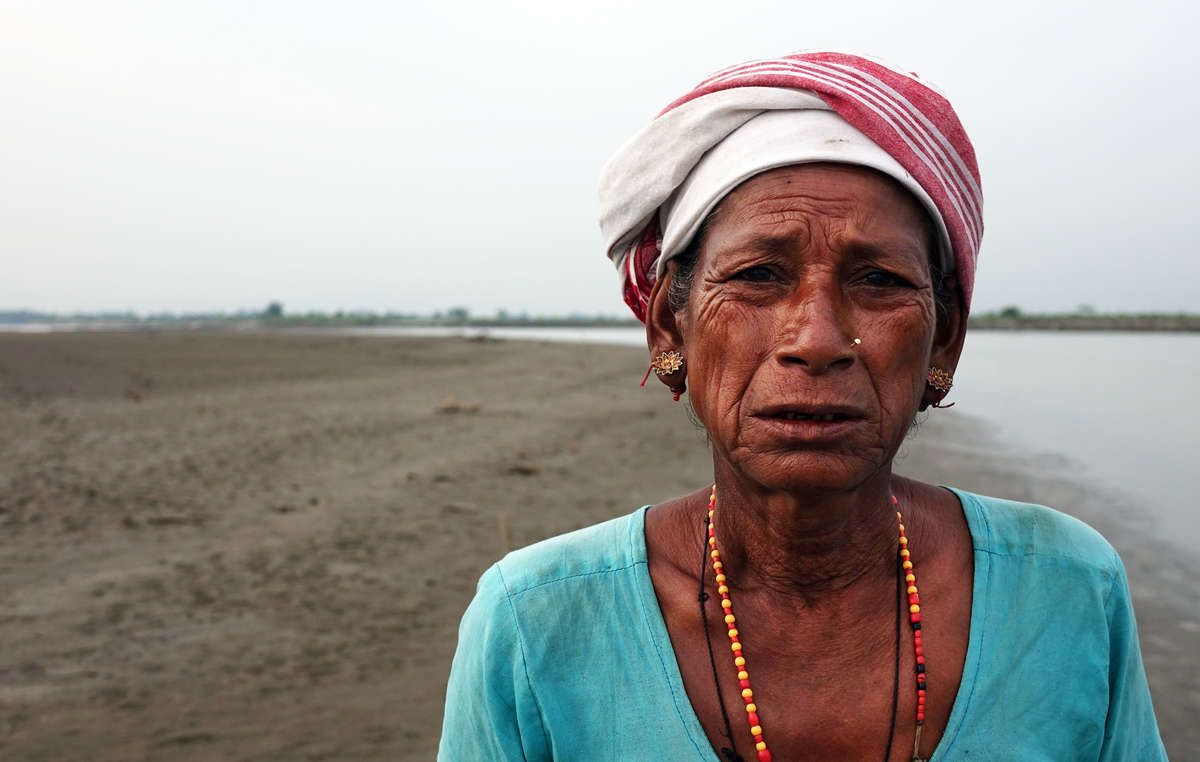
ULFAThe Indian government and the state government of Assam signed a peace agreement in New Delhi with the rebel United Liberation Front of Asom (ULFA), aiming to end over 40 years of insurgency. Assam Chief Minister Himanta Biswa Sarma highlighted the importance of moving towards similar peace initiatives with other “separatist" and "insurgent" groups in the state, including Bodo, Karbi, and Adivasi rebels. However, ULFA-Independent, an intransigent faction, was excluded from the negotiations, and remains in arms. (Photo: K. Aksoy via CounterVortex)

Podcast: the struggle in Northeast India

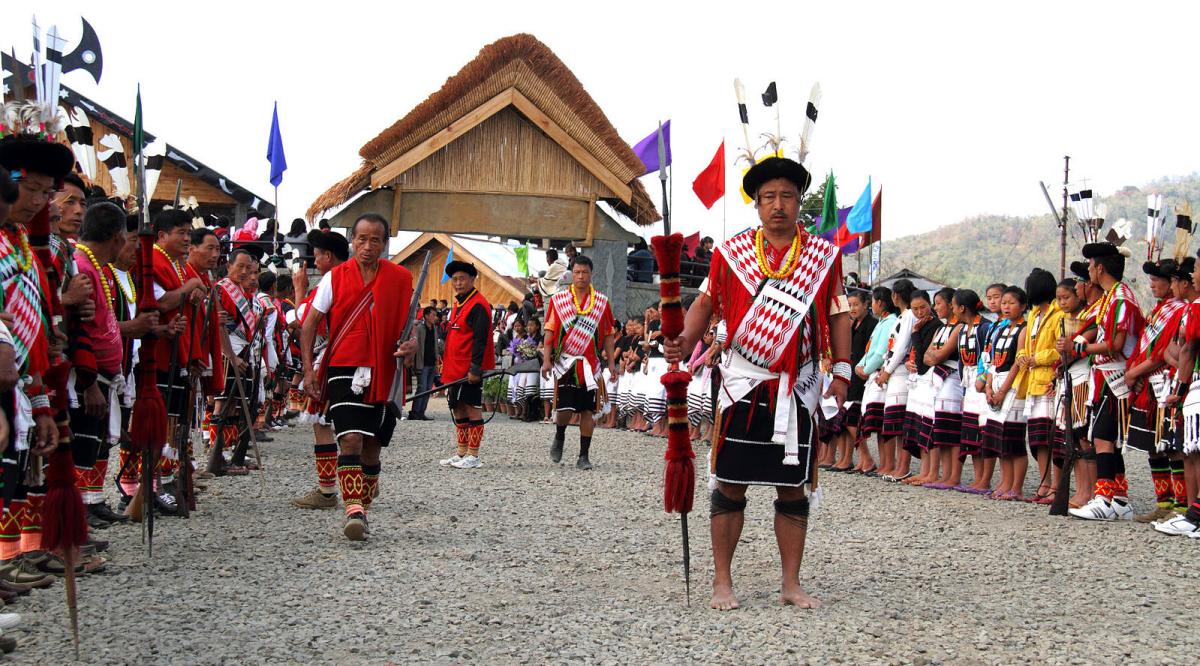
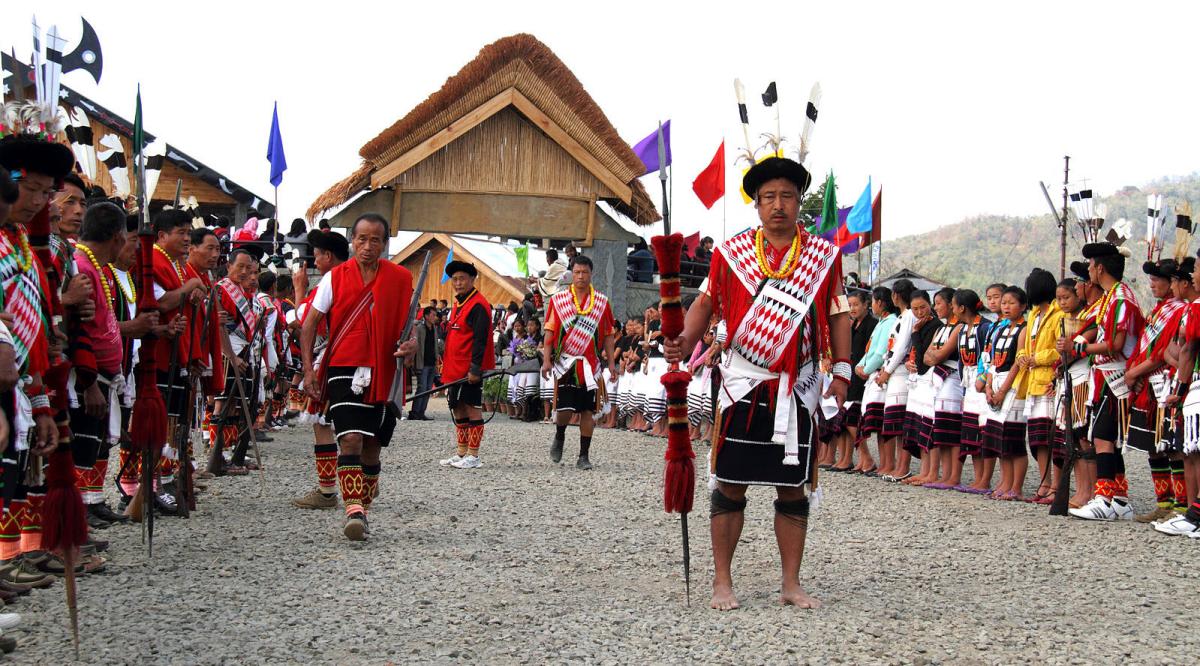
NagaIn Episode 178 of the CounterVortex podcast, Bill Weinberg notes the new eruption of ethnic violence in Northeast India's state of Manipur, which was the scene of far deadlier inter-communal clashes last month. The spark was the current bid by the Meitei people to become a "scheduled tribe," granting them access to resource-rich forestlands. This is opposed by the Kuki and Naga peoples, whose tribes are already "scheduled"—but are nonetheless being targeted for eviction from Manipur's forestlands under the guise of a crackdown on opium cultivation. The Kuki and Naga leadership perceive a land-grab for their ancestral forest territory by the Meitei—the dominant group in Manipur, who already control the best agricultural land in the state's central Imphal Valley. The Kuki (including their Jewish sub-group, the Bnei Menashe) and Naga have long waged insurgencies seeking territorial autonomy, or even independence from India. And both their traditional territories extend across the border into Burma (where the Kuki are known as the Chin), pointing to potential convergence of the armed conflicts either side of the international line. Listen on SoundCloud or via Patreon. (Photo of Naga festival: Yves Picq via Wikimedia Commons)

South Asia
naxals

Podcast: India’s forgotten wars

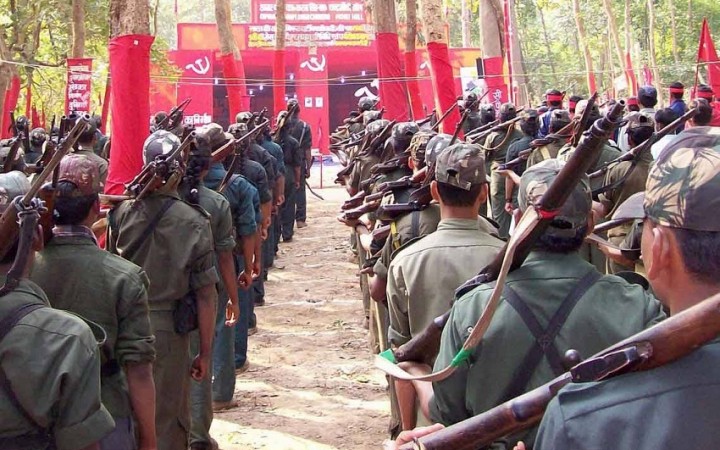
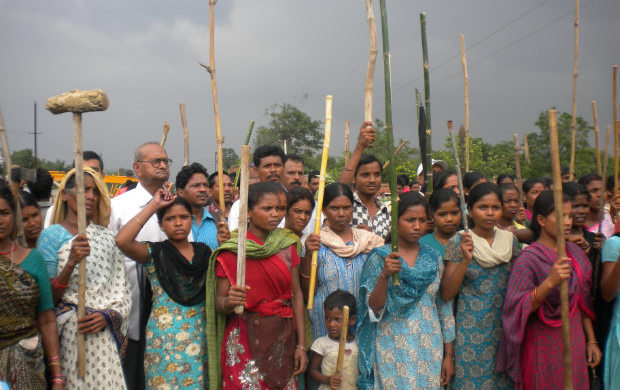
In Episode 137 of the CounterVortex podcast, Bill Weinberg explores two of the many under-reported internal conflicts in India, which are rooted in unresolved issues left over from the colonial era in spite of 75 years of Indian independence. In the east-central interior, the Naxalite… Read morePodcast: India’s forgotten wars

South Asia

India: Naga rebels divided over peace deal

Rival factions of India's longest running ethnic insurgency are divided on whether to accept a peace deal with the government—as Delhi turns up military heat on the hold-outs.