Planet Watch
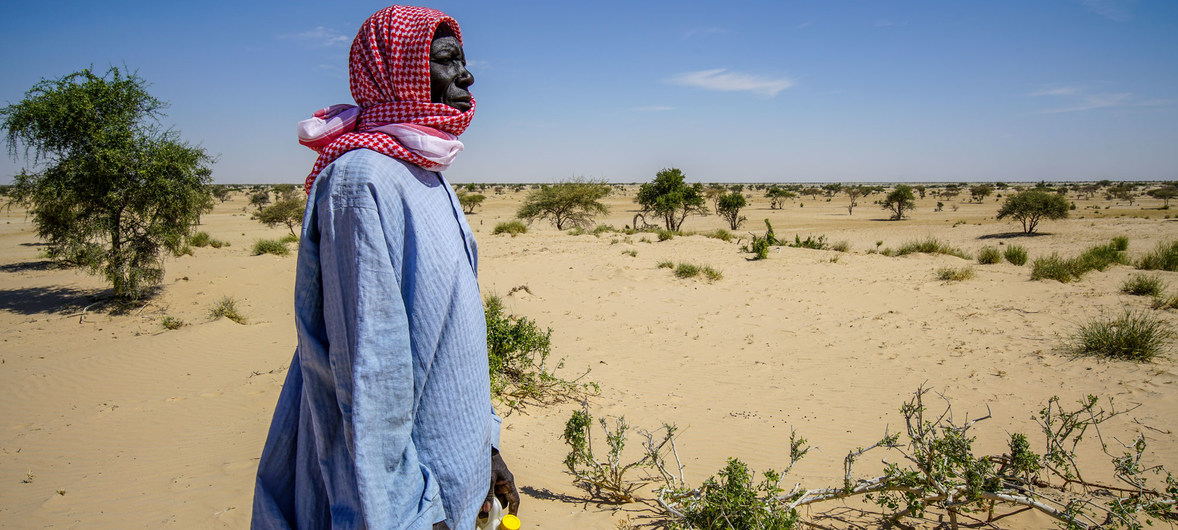
Chad

UN report on climate change calls for urgent action
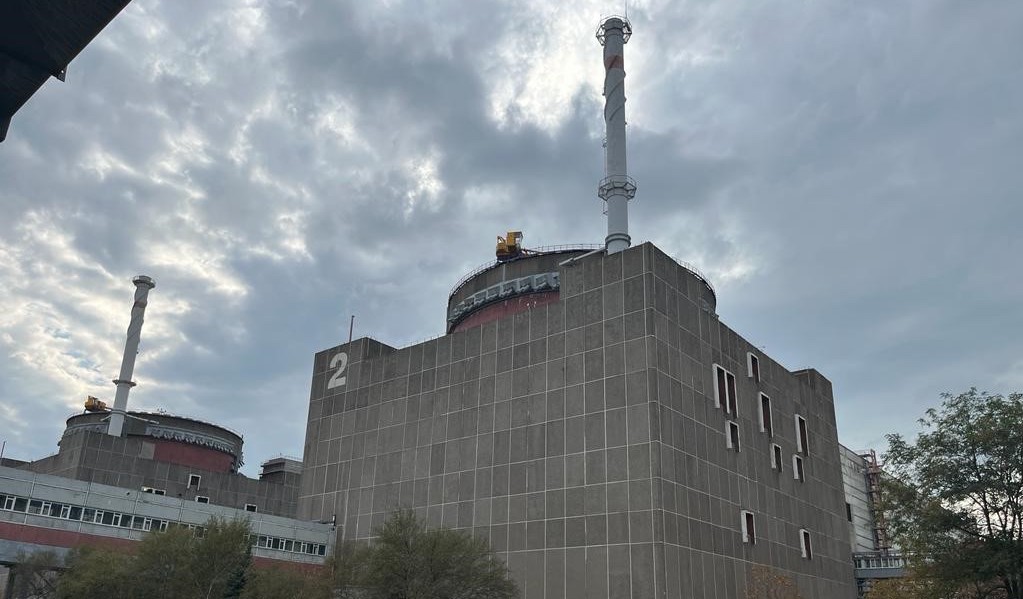
ZaporizhzhiaUN Secretary-General António Guterres strongly condemned Russia's largest yet wave of drone and missile attacks in Ukraine, especially noting strikes that disrupted the power supply to the Zaporizhzhia Nuclear Power Plant (ZNPP), endangering nuclear safety. Rafael Grossi, director of the International Atomic Energy Agency (IAEA), also warned of the persisting "extremely fragile" situation at Europe's largest nuclear facility. Russia's latest air-strike against the ZNPP marked the ninth time power was broken off to the plant since the war began in February 2022. Although external power has been restored, Grossi cautioned that the situation remains unsafe. (Photo: Wikipedia)
Africa

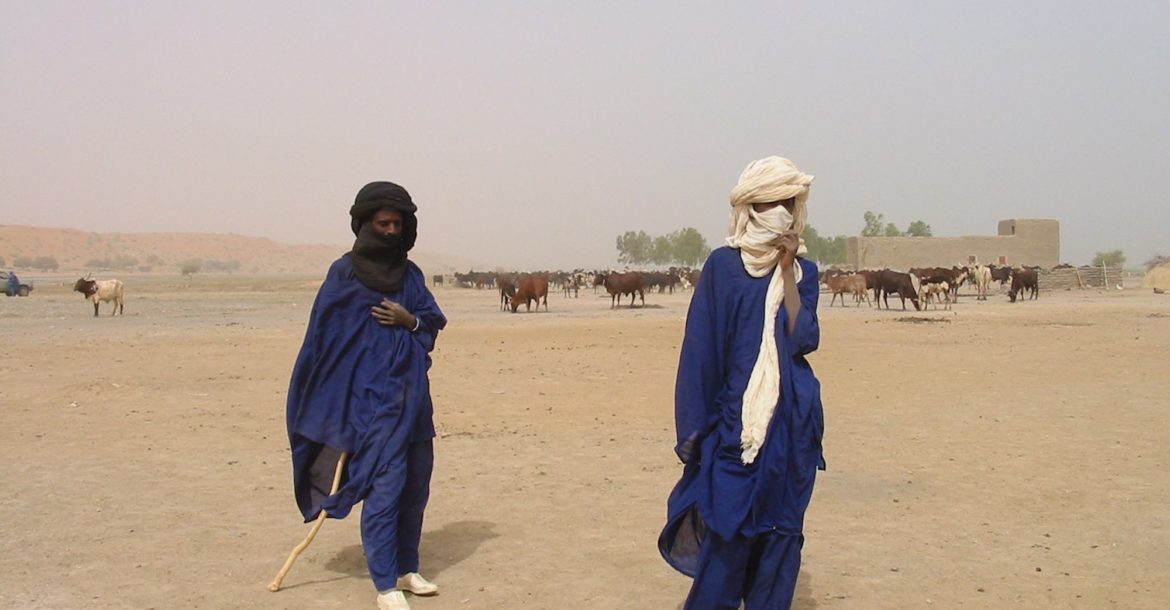
Violence sweeps Mali-Burkina Faso borderlands

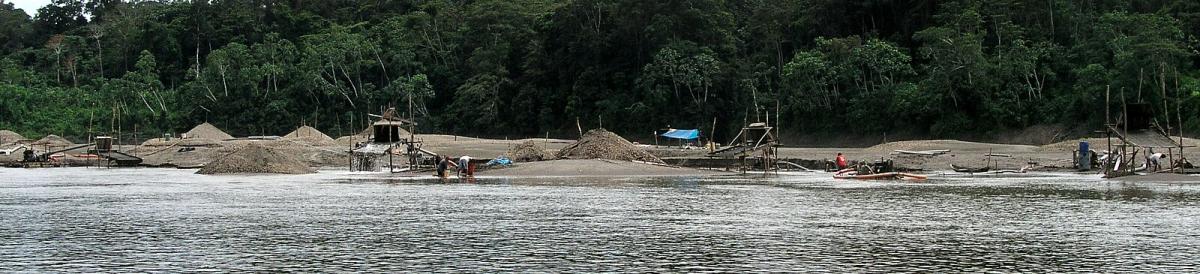
WampisLeaders of the Autonomous Territorial Government of the Wampís Nation (GTANW) in Peru denounced the use of local children as "human shields" to protect illegal mining activities and demanded the declaration of a state of emergency in the northern Amazon region. GTANW president Teófilo Kukush Pati said that when the police and armed forces carry out interdictions at mining sites, illegal miners forcibly gather community children to defend their operations. The leader also reported that the illegal mining outfits threaten to kill opponents. Pati stressed that the mercury produced by illegal mining in the Santiago River basin contaminates waters, which local communities depend on for fishing and drinking. The statement came as Pati arrived in Lima to meet with the government's high commissioner for the fight against illegal mining. (Photo: JYB Devot via Wikimedia Commons)

Africa

Burkina Faso faces ‘unprecedented’ crisis

WTFAIn Episode 254 of the CounterVortex podcast, Bill Weinberg continues to make the case for mass pressure to demand nullification of the election—on the constitutional basis of the Insurrection Clause. Trump indisputably instigated an insurrection on Jan. 6, 2021, and the Supreme Court has ruled that invoking the Insurrection Clause to bar him from the presidency is the prerogative of Congress. And the Electoral College has the power to refuse to seat him on the same grounds. A candidate for county commissioner in New Mexico has already been barred from office on the basis of having participated in the Capitol insurrection—and MAGA congressional candidate Madison Cawthorn could also have been barred on that basis if he hadn't been primaried out as the case over the matter was still pending before the courts. Leading Democrats like Rep. Jamie Raskin have spoken in support of such disqualifications—yet are mysteriously silent with the country now on the countdown to a fascist takeover. Furthermore, some cybersecurity experts are calling for a forensic audit of the election, citing evidence of software breaches and other irregularities. In Romania, where a Putin-favored right-wing populist has won the first-round vote in the presidential election, a recount has been ordered by the courts in response to a public outcry. And protests continue to mount in the Republic of Georgia, following a contested election in which a Putin-favored right-wing populist party cemented its majority. Why is everyone so quiet here in the United States, the seat of the empire, where the stakes are the highest? (Image: WTFA)

Africa

UN rights chief condemns Sudan repression

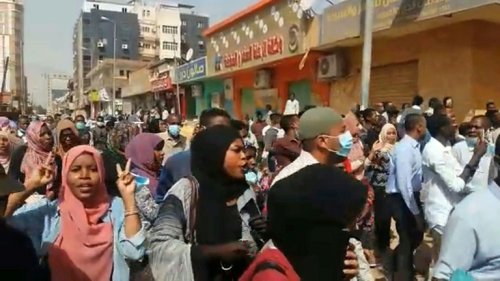
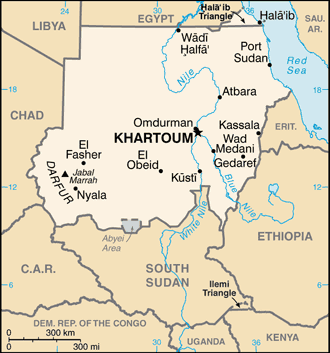
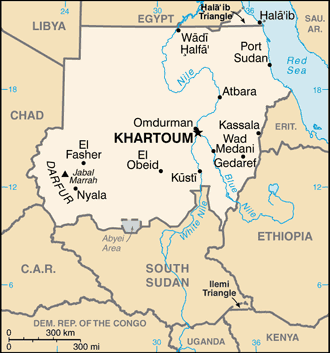
Sudan protestUN High Commissioner for Human Rights Michelle Bachelet called on the government of Sudan to protect its people's rights to peaceful assembly and freedom of expression in the face of mounting violence. Anti-government protests have swept across Sudan for weeks. Over 800 have been arrested, including "journalists, opposition leaders, protestors and representatives of civil society." The government has confirmed 24 deaths but other reports place the number at double that. There have also been reports of security forces following protesters into hospitals and firing tear-gas and live ammunition inside. (Photo via Sudan Tribune)

Africa

Fulani herders massacred in Mali

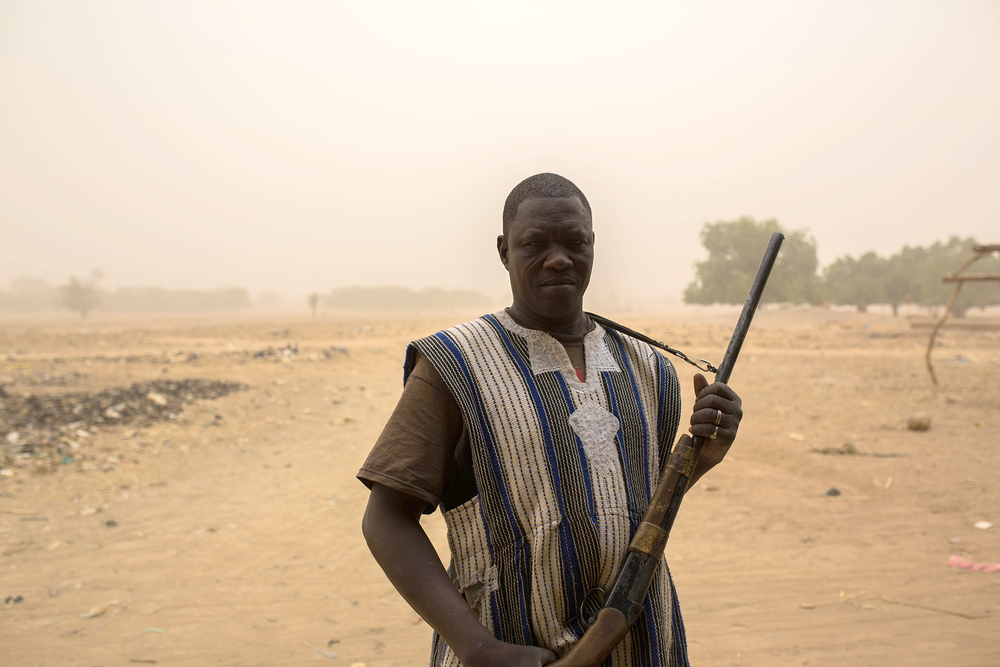
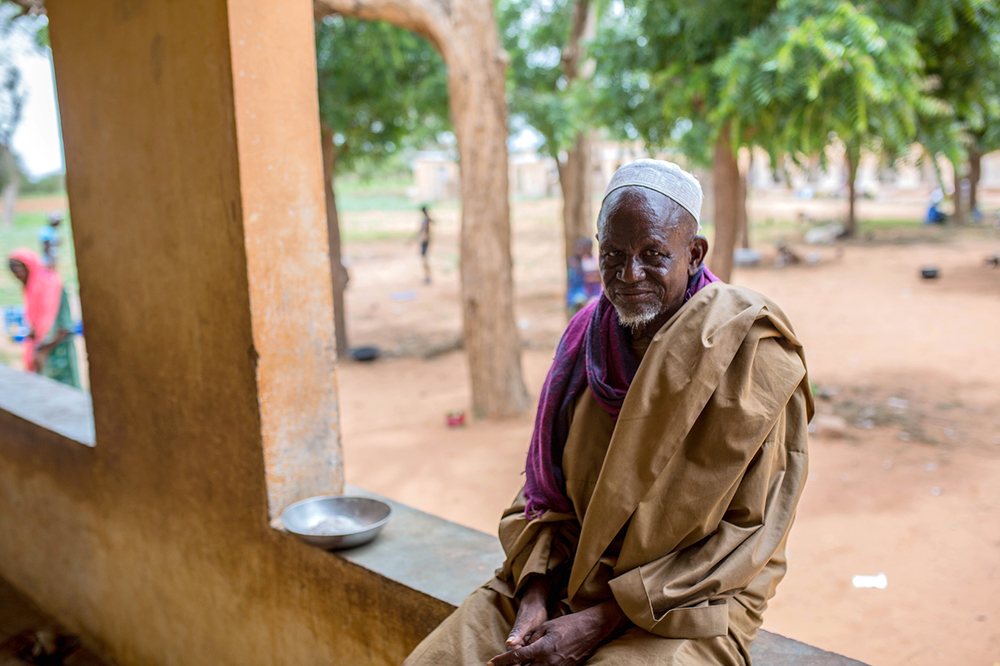
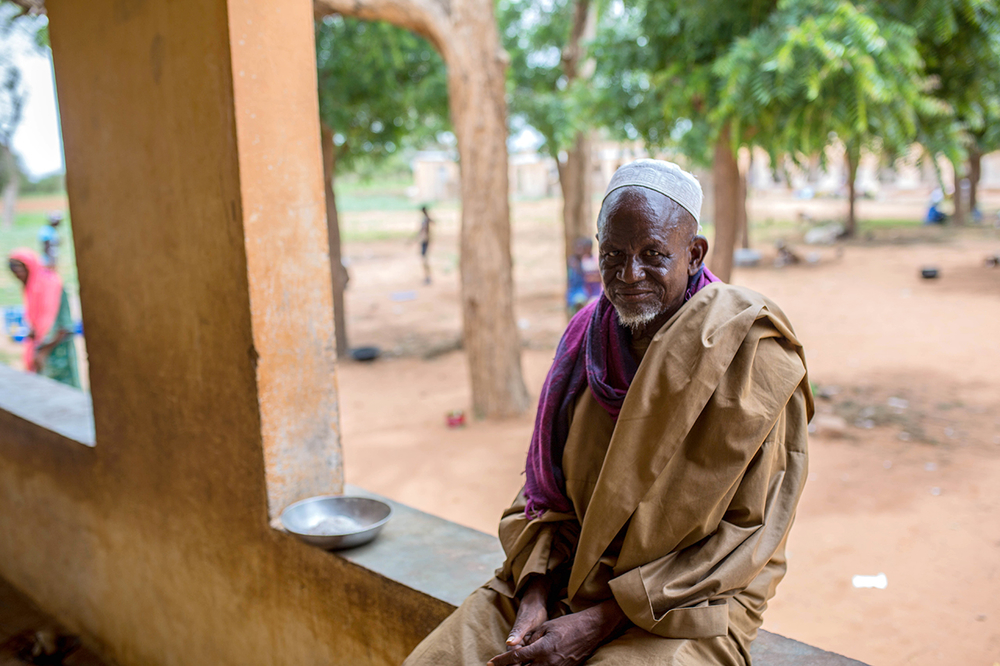
FulaniA village of semi-nomadic Fulani herders was attacked  in Mali New Years Day, with at least 33 residents slain and several homes set aflame. Survivors said the attackers were traditional Dogon hunters, known as dozos. The army was rushed to Koulogon village in central Mopti region to control the situation. But the perpetrators may have been assisted by the armed forces. Dogon residents of the area have formed a self-defense militia, known as Dana Amassagou, to prevent incursions by jihadists from Mali's conflicted north into the country's central region. The militia is said to have received weapons and training from the official armed forces. However, driven by conflicts over access to land and shrinking water resources, the militia has apparently been attacking local Fulani villages. Hundreds were killed in clashes between Dogon and Fulani last year, and a Senegalese rapid reaction force under UN command was deployed to Mopti in response to the violence. (Photo of Fulani elder via IRIN)

Africa

Economic protests across Sudan turn violent

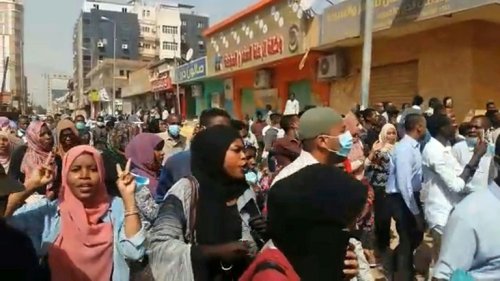
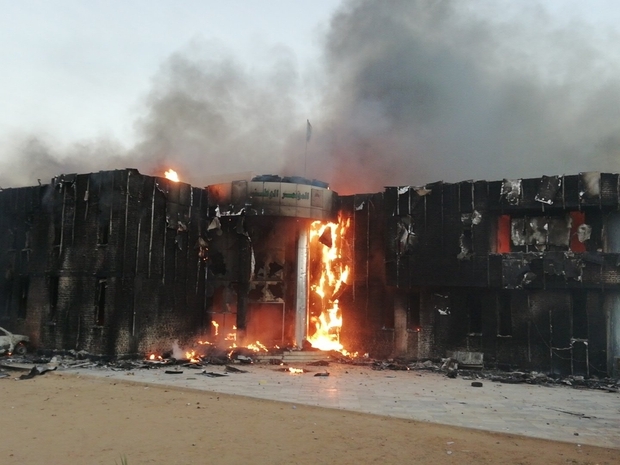
Sudan protestsProtests have been mounting across Sudan in response to the nation’s acute economic crisis. Inflation reached 70% in November and many have been forced to spend significant portions of their income on bread, leading to local media designating the demonstrations as "bread protests." Protesters have repeatedly called for President Omar al-Bashir, who has been in power since 1993, to step down. The protests have been organized by professional organizations and trade unions as well as Sudan's principal opposition group, the Umma Party. Sudan's government has shut off internet access to prevent the protesters from organizing via social media. According to Amnesty International, at least 37 protesters have been killed so far as Sudanese authorities attempt to quell the demonstrations by releasing tear-gas and firing live ammunition. (Photo via Middle East Eye)

Greater Middle East

Twins of genocide schmooze in Damascus

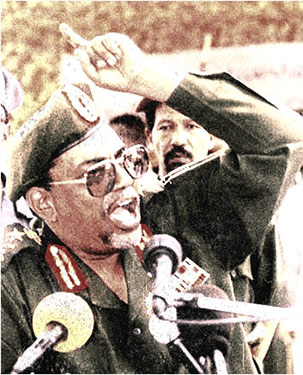
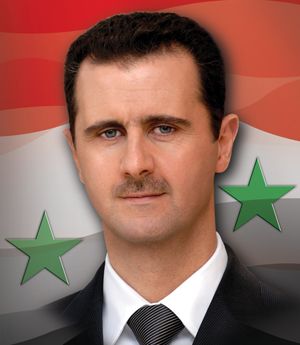
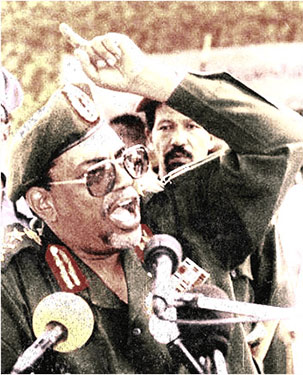
Bashar AssadOmar BashirSeeking to legitimize his regime now that he's reconquered most of Syria (with massive Russian military help), Bashar Assad has just welcomed the first Arab League leader to Damascus since the war began in 2011—none other than President Omar Bashir of Sudan, who is wanted by the International Criminal Court for crimes against humanity and genocide in Darfur. The Assad regime's official news agency SANA said the two dictators discussed the "situations and crises faced by many Arab countries," stressing the need to build "new principles for inter-Arab relations based on the respect of the sovereignty of countries and non-interference in internal affairs." The Assad regime is itself now credibly accused of genocide, with a mass extermination of detainees amply documented, not to mention serial use of chemical weapons and massive bombardment of civilian populations. Assad and his generals may yet face war crimes charges before the ICC. (Photos: Pinterest, BashirWatch)

North Africa
JNIM

Al-Qaeda franchise claims Mali suicide blast

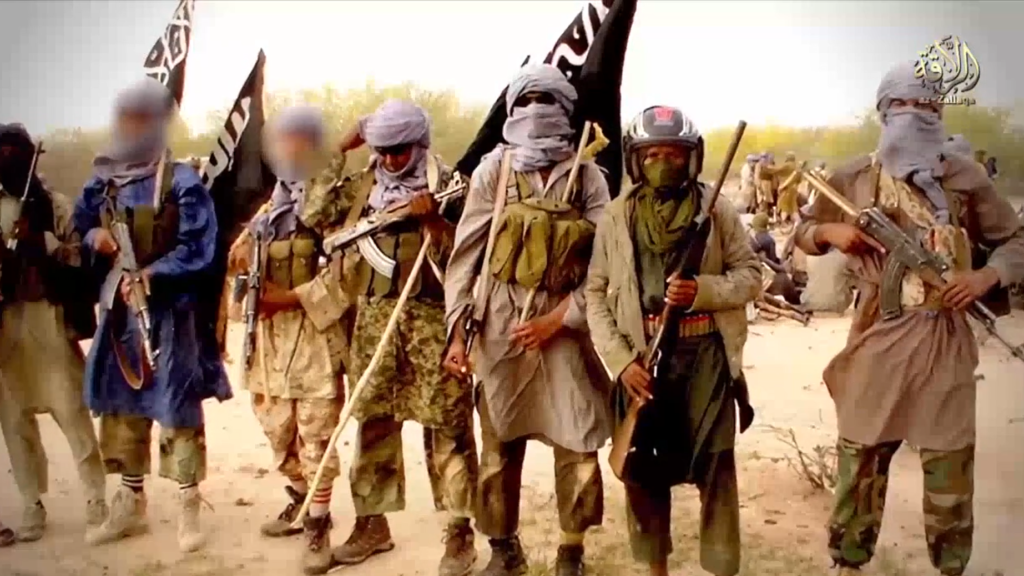
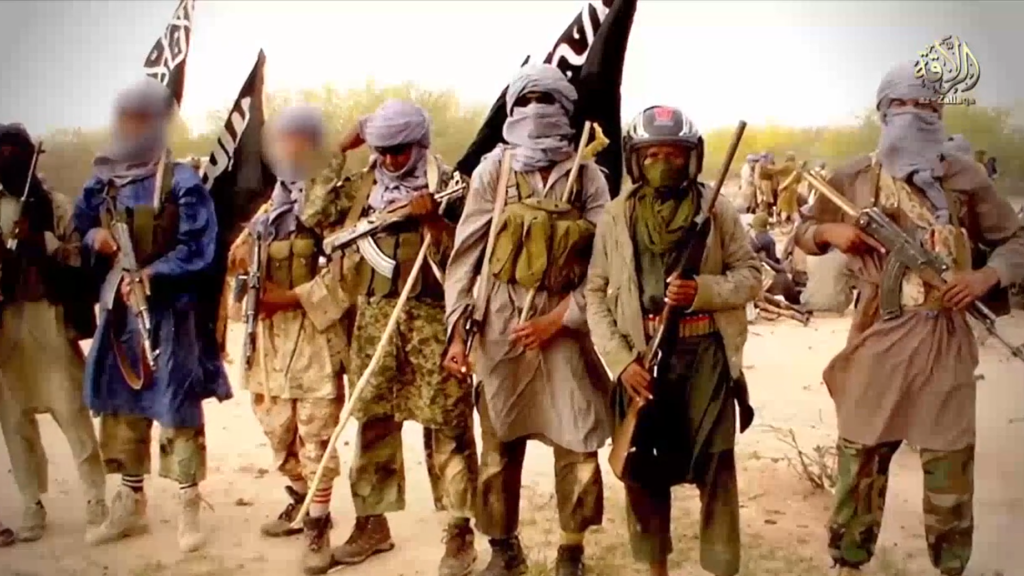
JNIMThe Group for Support of Islam and Muslims (JNIM), al-Qaeda's branch in West Africa and the Sahel, claimed its forces were responsible for a suicide bombing in the northern Malian city of Gao. The suicide truck-bomb detonated in a residential area of Gao, killing three (not counting the attacker) and wounding another 30. The JNIM statement claimed the target was a base of "Crusader invaders" from the United Kingdom, Germany and Canada. However, all of those killed were civilians and local Malians. Four of the wounded were foreign employees of the United Nation's Mine Action Service, working to remove landmines in the area. A video later released by JNIM confirmed that the mine dismantling headquarters in Gao was the intended target. The video stated that "this operation demonstrates that the mujahideen are continuing upon their covenant, which they had made to their lord, until they achieve one of the two good ends, victory or martyrdom."  (Image via Long War Journal)

Africa

South Sudan: will ‘permanent’ ceasefire hold?

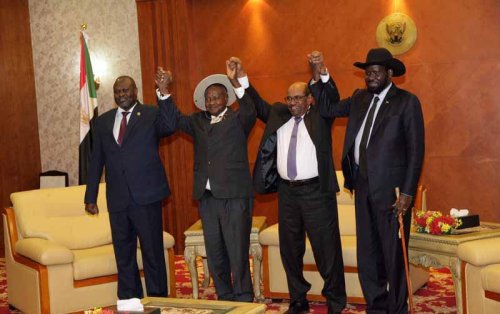
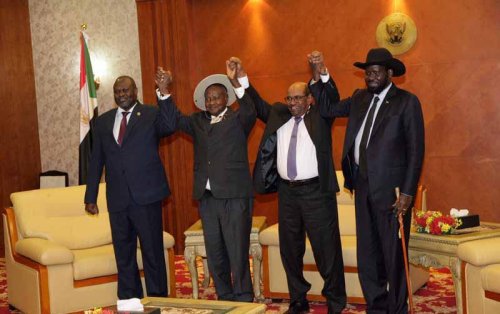
South Sudan peace dealSouth Sudanese President Salva Kiir and his bitter rival and former vice president Riek Machar, now leader of the SPLM-IO rebels, met in the Sudanese capital Khartoum to sign a "permanent" ceasefire agreement, pledging to form an inclusive transitional government. The parties agreed to open humanitarian corridors, release detainees, withdraw troops and militarily disengage. The transitional government is to form a national army and security forces not linked to tribalism. However, the challenges for the 36-month transition period are great. Millions in South Sudan are on the brink of famine, and more than 2.5 million have fled the country. Hundreds of thousands more—mostly members of minority ethnic groups—are internally displaced, with many sheltering in camps administered by the United Nations. Previous efforts at a negotiated peace have broken down. (Photo: Sudan Tribune)

North Africa

ICC takes Mali war crimes suspect into custody

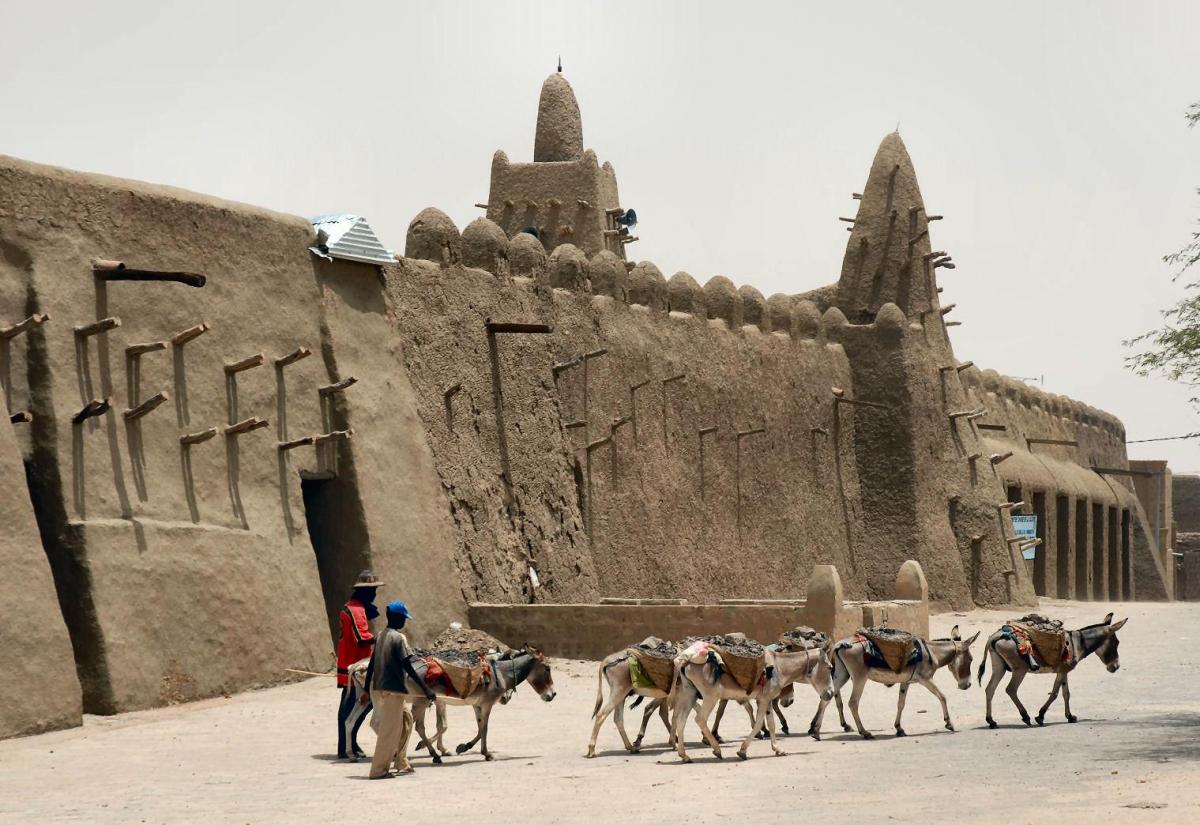
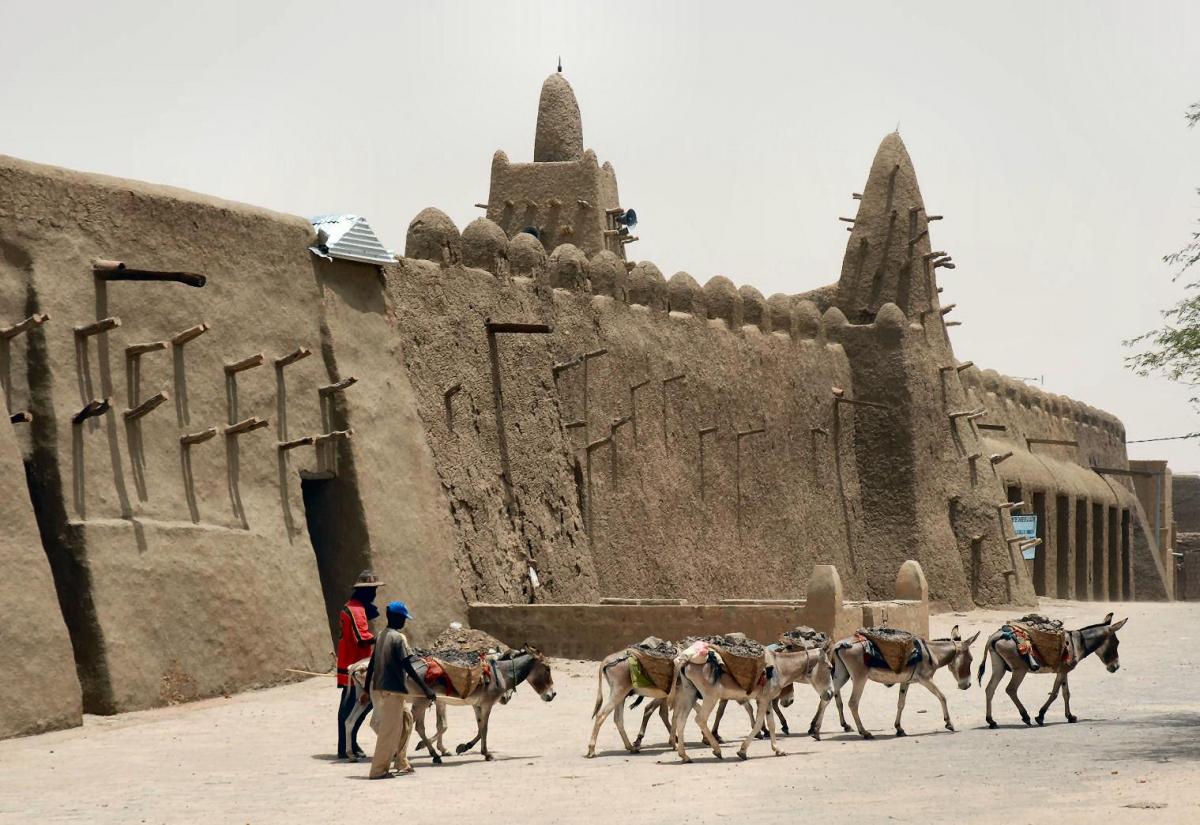
TimbuktuThe International Criminal Court announced that al-Hassan ag-Abdoul Aziz was surrendered to the court's detention center in the Netherlands by Malian authorities. He is accused of crimes against humanity in Timbuktu  as de facto leader of the "Islamic police" force after the city was taken over by jihadists in 2012. He allegedly took part in the destruction of the mausoleums of Muslim saints. He is also accused  of participating in forced marriages involving Fulani women, which resulted in the reduction of women and girls to sexual slavery. (Photo: WikiMedia Commons)

Africa

Harsh repression as bread riots rock Sudan

SudanSudanese authorities carried out mass arrests and confiscated newspapers as protests exploded over rising bread prices and severe economic austerity. One student was killed amid demonstrations in Geneina, capital of West Darfur state. Protests were also reported from the cities of Nyala, al-Damazin and the capital Khartoum. The unrest broke out as bakeries doubled the price of bread following a government decision to increase the price of flour nearly fourfold. The decision was part of a package of austerity measures issued under the country's 2018 budget, seeking to address the spiralling inflation rate.

North Africa

Mauritania: press crackdown amid political crisis

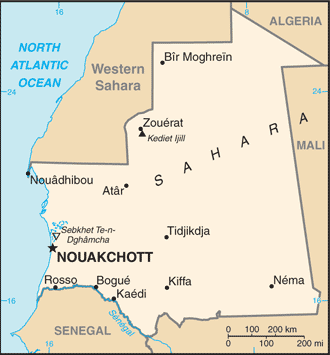
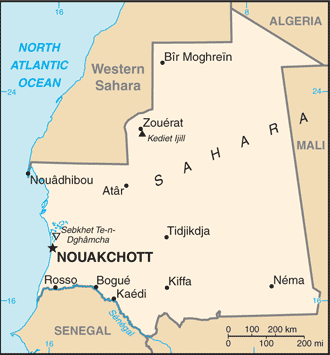
MauritaniaAuthorities in Mauritania ordered the country's five privately owned news stations off the air. The move is the latest sign of a crackdown on the independent press following a controversial referendum called by President Mohamed Ould Abdelaziz in August. The opposition-boycotted vote abolished Mauritania's Senate after it blocked an expansion of presidential powers.