

Europe

UN commission sees ongoing war crimes in Ukraine
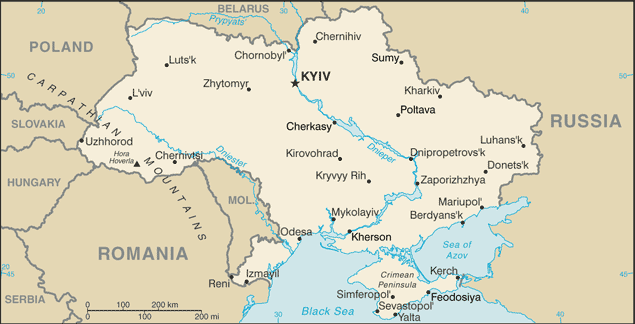
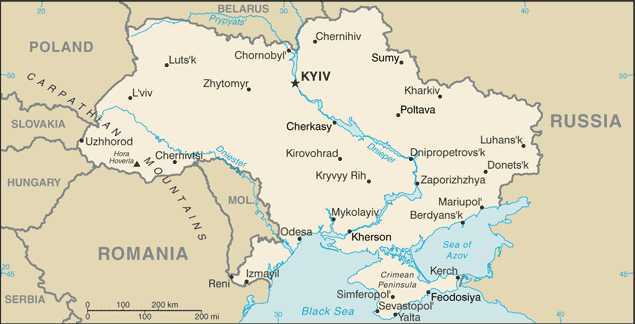
UkraineThere is "continuous evidence" that Russian armed forces are committing war crimes in Ukraine, including unlawful attacks with explosive weapons and attacks harming civilians or targeting energy infrastructure, as well as torture and sexual and gender-based violence, the UN Independent International Commission of Inquiry on Ukraine said in its latest update. The Commission said it is concerned that these crimes may be escalating to a campaign of genocide in Ukraine, and is investigating such allegations. (Map: PCL)
The Caucasus
Podcast: the fall of Artsakh & the fate of the Armenians

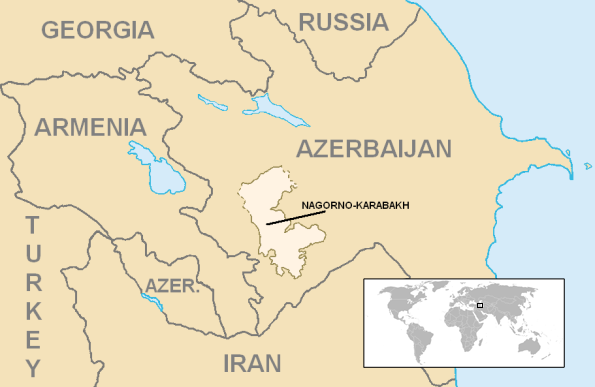
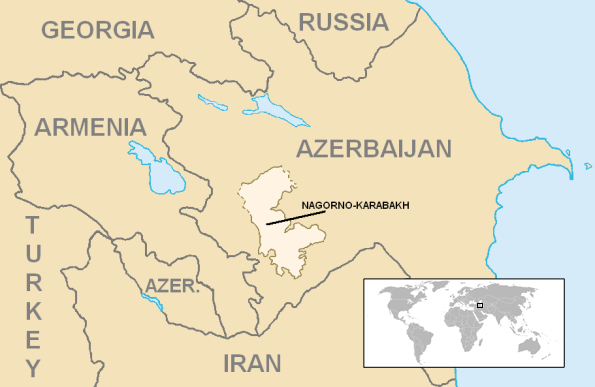
Nagorno-KarabakhWith a mass exodus of ethnic Armenians underway from the enclave of Nagorno-Karabakh following its fall to Azerbaijani forces, the threat of "ethnic cleansing" looms. The enclave had maintained a de facto independence as the Republic of Artsakh since 1991, but the war in Ukraine has pushed the stand-off out of the headlines, and ironically given Azerbaijan a free hand to finally re-take the territory. In Episode 193 of the CounterVortex podcast, Bill Weinberg explores the historical roots of the conflict, and demonstrates how the Armenians of Artsakh have been betrayed by all the Great Powers—including both Russia and the United States. Listen on SoundCloud or via Patreon. (Map: Wikipedia)

The Amazon

Brazil: high court nixes ‘time limit’ on native land claims

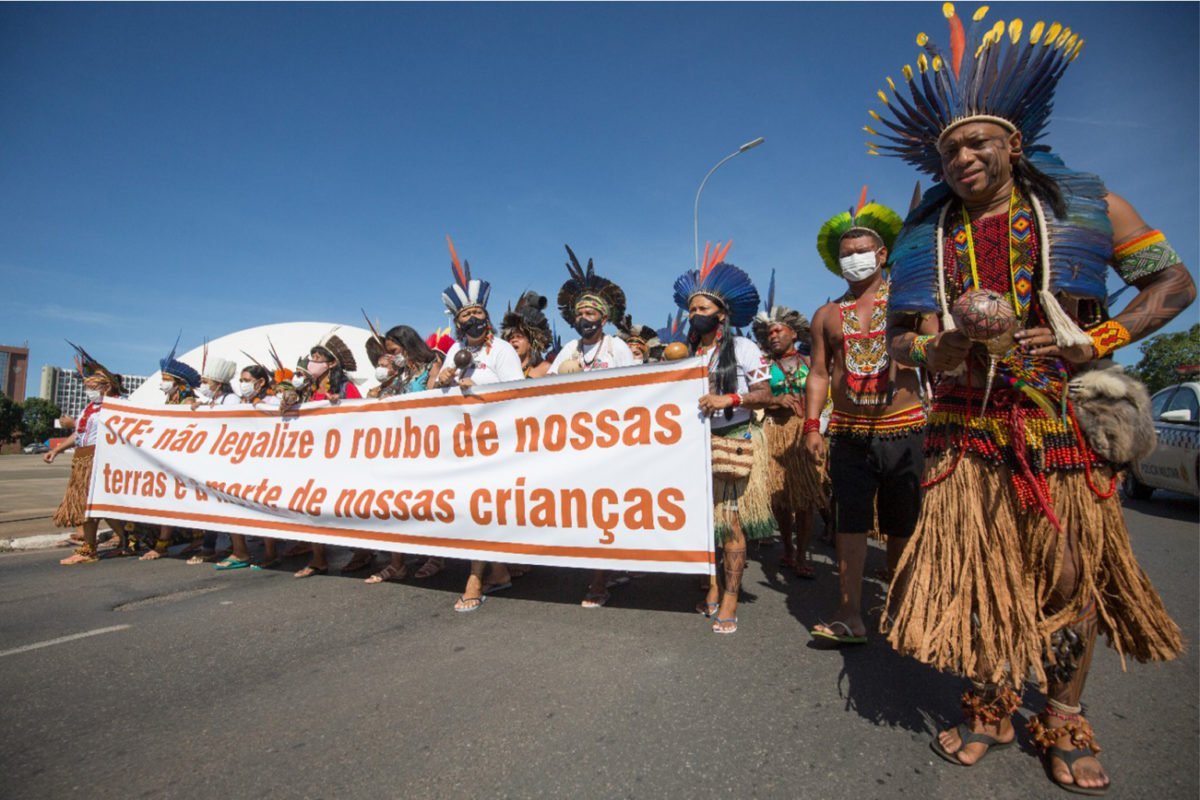
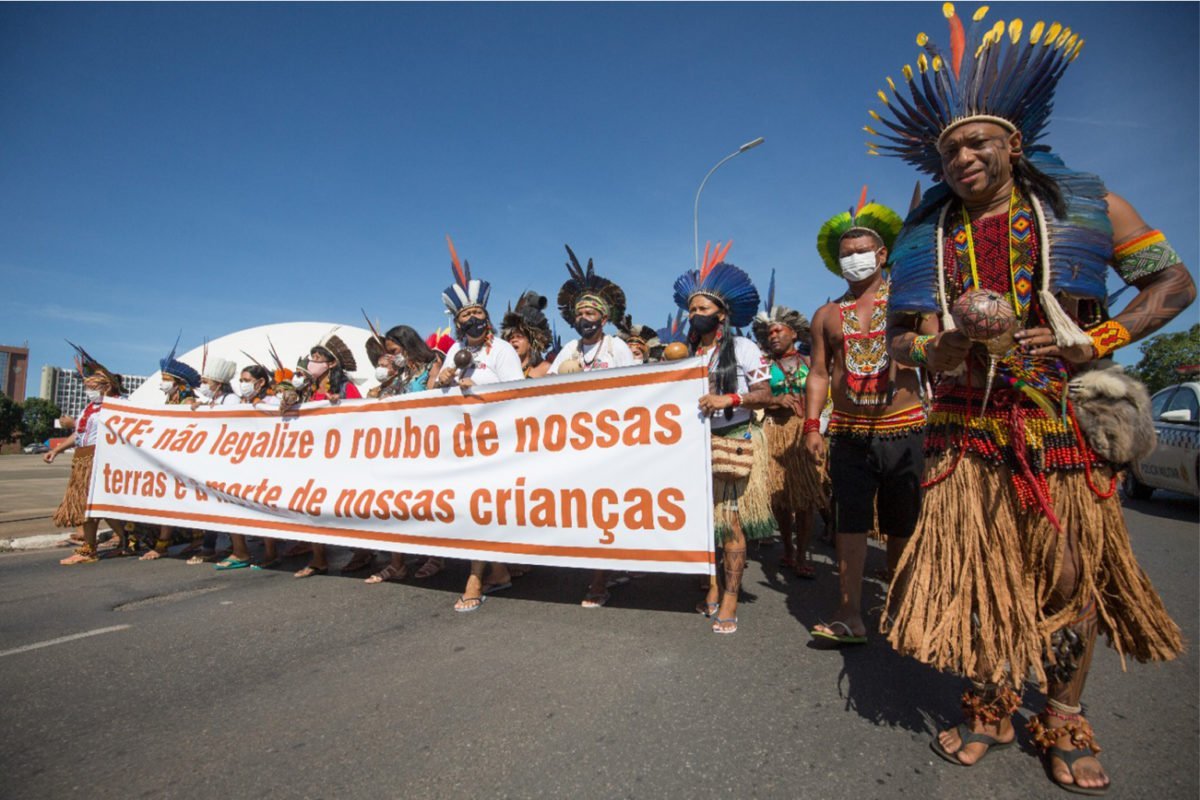
BrasiliaBrazil's Supreme Federal Tribunal struck down the spurious thesis behind a legislative proposal advancing in the country's Congress, which would impose a marco temporal or "time limit" on indigenous land recovery claims. The marco temporal law would nullify any indigenous group's claim to traditional lands that they weren't physically occupying on Oct. 5, 1988, the day of the enactment of Brazil's Constitution, which for the first time recognized native peoples' territorial rights. Instead, these lands would be considered the property of those currently in occupancy, or of the state. The thesis ignores the forced displacements that occurred during Brazil's dictatorship in the generation before 1988, as well as the nomadic lifeways of some indigenous groups. Environment Minister Marina Silva declared the high court's annulment of the marco temporal thesis an "act of justice." (Photo via Twitter)

The Andes

Colombia: most dangerous country for ecologists

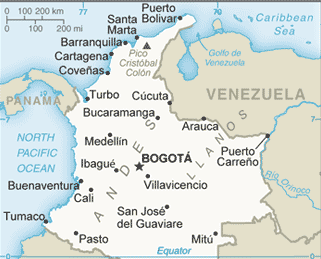
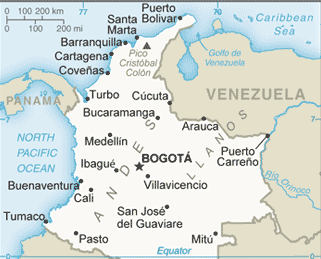
ColombiaColombia recorded the world's highest number of killings of environmental defenders in 2022, with 60 individuals murdered, according to a report by activist group Global Witness. The organization, which has been documenting environmental defender deaths since 2012, found that the number of environmental defenders murdered in Colombia nearly doubled in 2022, compared to the previous year. These killings have pushed Colombia's environmental defender death toll to 382 since 2012. (Map: PCL)

Planet Watch

Podcast: Niger, Siberia and the global uranium wars

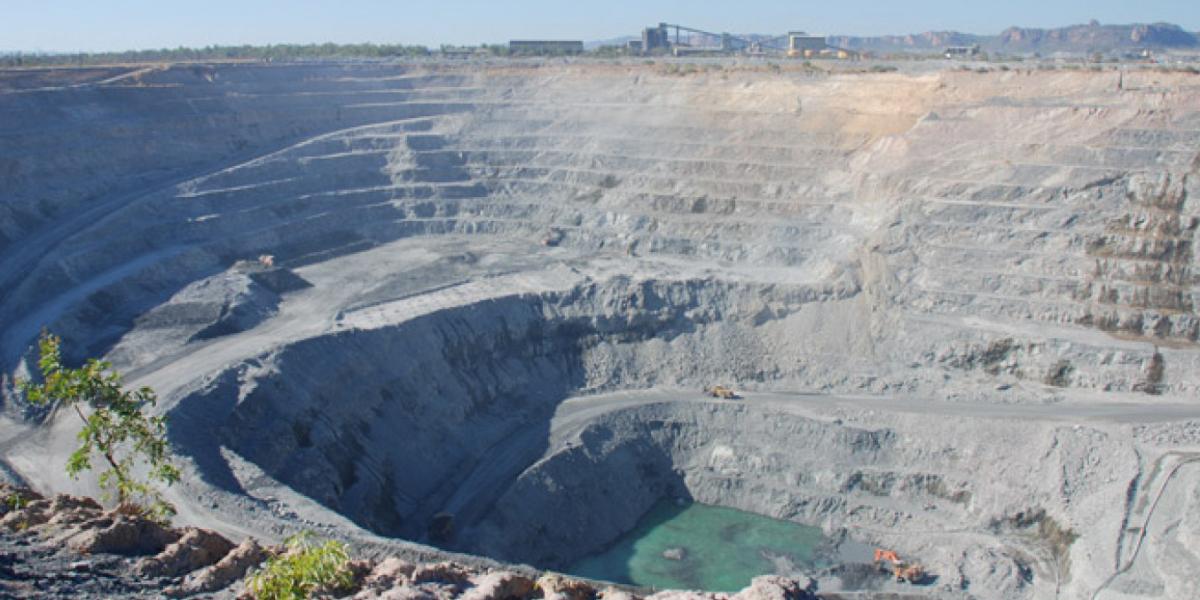
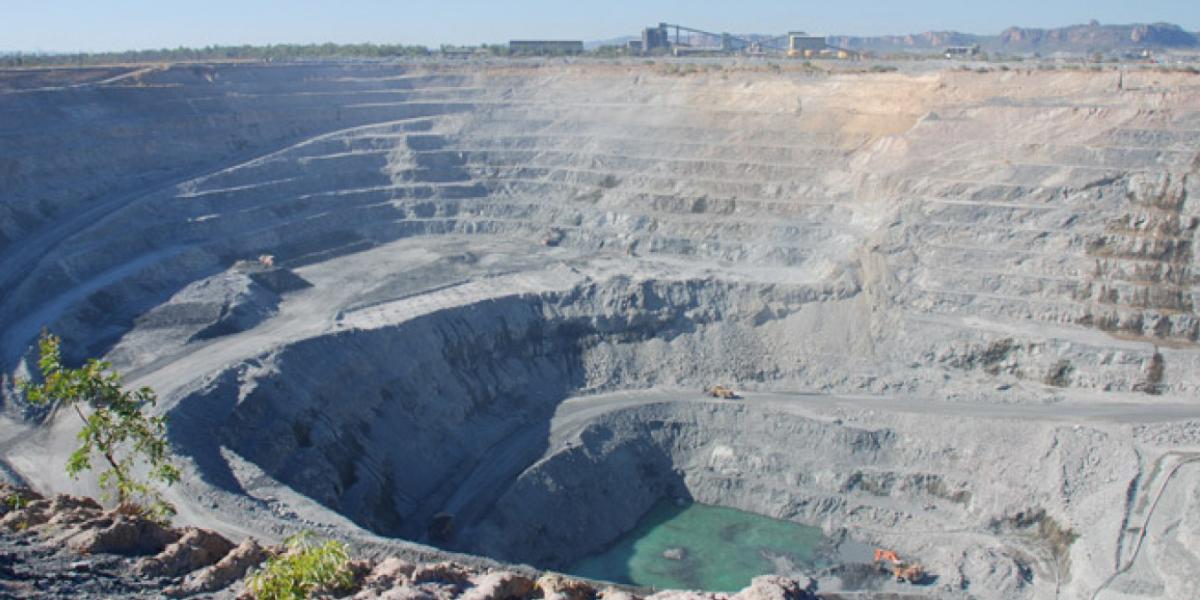
uraniumThe Tuaregs of Niger and Buryat of Siberia, like the Navajo of the US Southwest, have had their territories usurped and destroyed by uranium mining for the nuclear-industrial complex, and it makes little difference from their perspective whether the extractivist bosses were French, Russian or American. While the Great Powers wage a neo-colonial game for control of this strategic resource, the indigenous peoples on the ground pay with their lands and lives—and are fighting back for autonomy or outright independence, and ecological and cultural survival. Bill Weinberg breaks it down in Epidosde 192 of the CounterVortex podcast. (Photo: Russian uranium mine in Buryatia, via Moscow Times)

The Caucasus

Republic of Artsakh falls to Azerbaijan

Nagorno-Karabakh Azerbaijan launched an assault on the breakaway enclave of Nagorno-Karabakh, taking the territory that had been held by ethnic Armenian separatists since 1991. Through the mediation of the Russian peacekeeping contingent stationed in the enclave, Azerbaijan and leaders of the self-declared Republic of Artsakh reached a ceasefire agreement that calls for the disbanding of the Artsakh Defense Army, and the removal of Armenian military forces from the peacekeeping zone that has linked the enclave to Armenia. The military operation claimed some 30 lives, including at least seven ethnic Armenian civilians. The EU said it will monitor implementation of the ceasefire and warned that forced displacement of the Karabakh Armenians will be met with a "strong response." (Map: Wikipedia)

Africa

Au revoir to (some) French troops in Niger

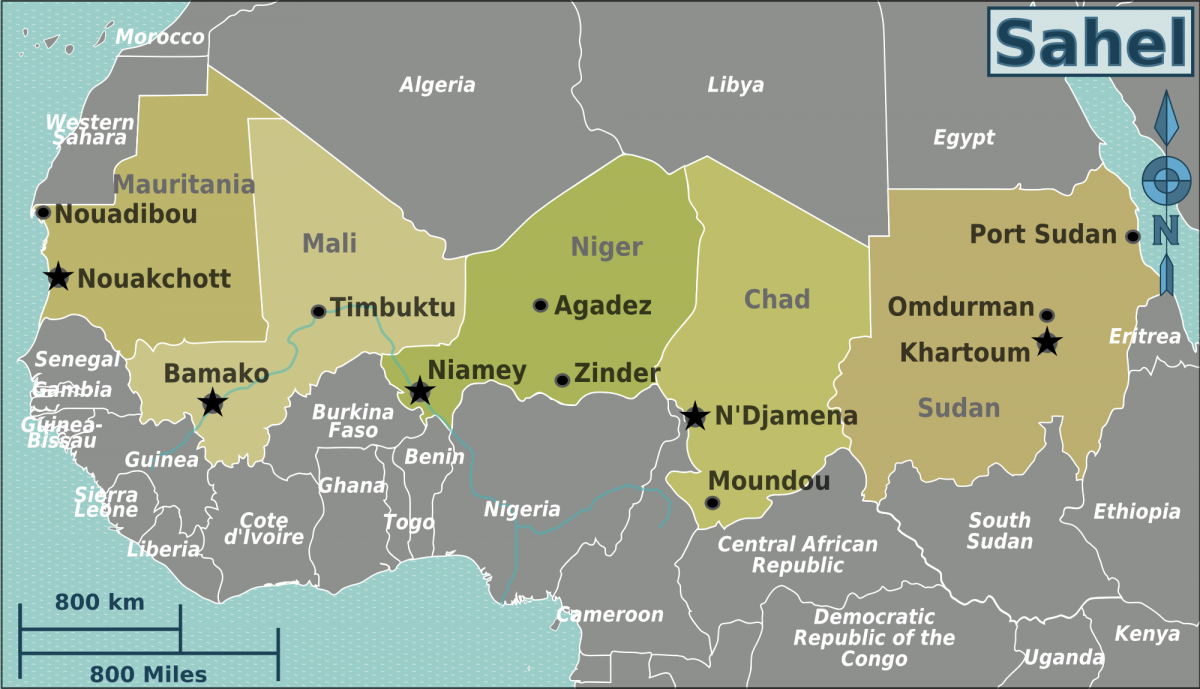
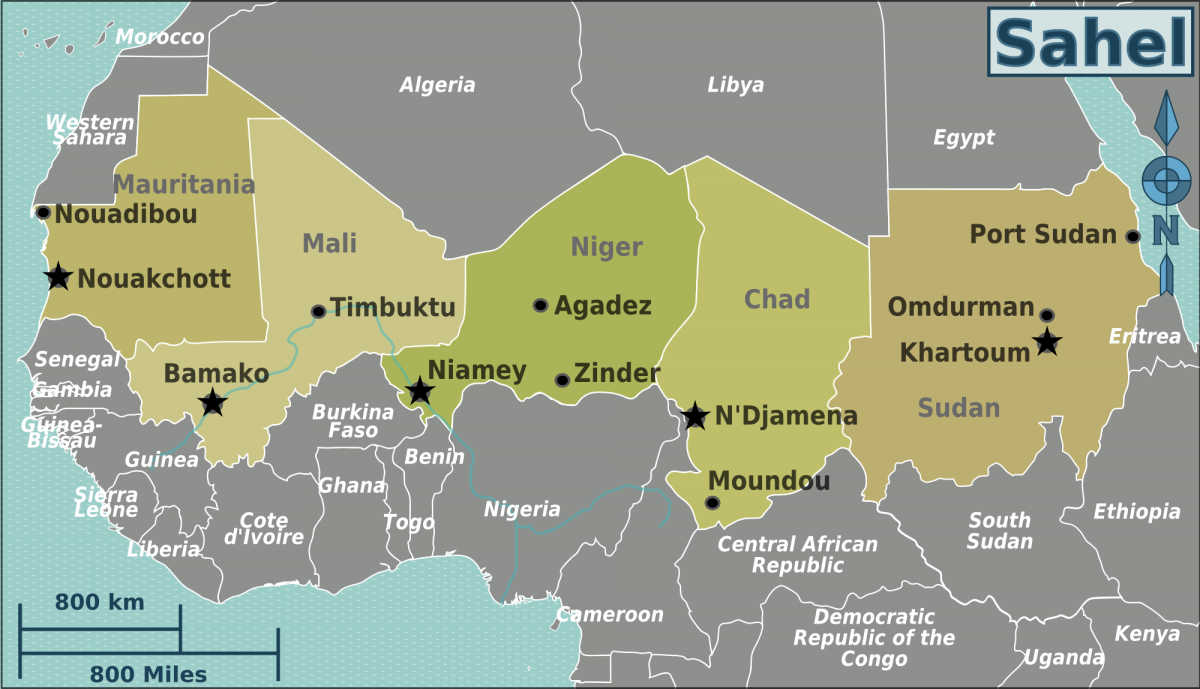
NigerFrance looks set to begin a "limited" military withdrawal from Niger, after ongoing popular protests have made it clear its troops are no longer welcome. Niger's new military leaders had given France a month to pull its 1,500 soldiers—plus ambassador—out of the country. But Paris, which does not recognize the legitimacy of the junta, had refused. Now, with the expiry of the deadline, talks are underway with Nigerien army commanders (not the putsch leaders, French officials stress) for an undisclosed number of French troops to be transferred to Chad. But France's military presence is resented across the Sahel. Last week, there were demonstrations outside the French base in Faya-Largeau, northern Chad, after a French legionnaire killed a Chadian soldier. (Map: Wikivoyage)

Southeast Asia

Malaysia rainforest at issue in fight over historic monastery

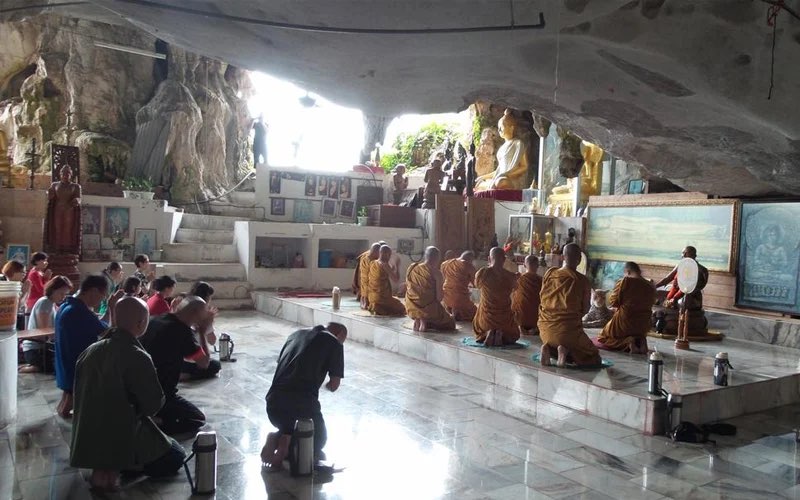
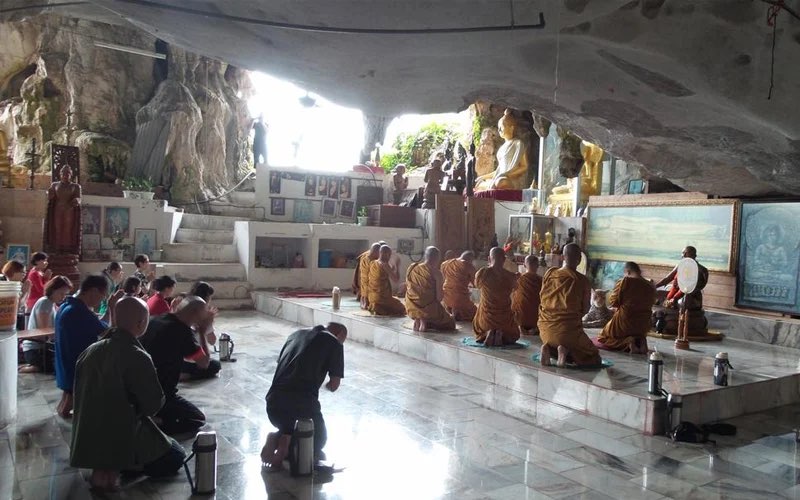
PerakA Buddhist monastery carved out of a cave complex in the rainforest of Malaysia stands to be evicted after losing a legal appeal in its case against a cement manufacturer that seeks to demolish it to mine limestone. The Court of Appeal ruled for Associated Pan Malaysia Cement in the case brought by the century-old Dhamma Sakyamuni Caves Monastery, finding that the company has the right to evict "squatters" from the tract at issue on a limestone massif known as Gunung Kanthan—despite the fact that it lies within the Kinta Valley National Geopark. The forested massif is home to several endangered species of both flora and fauna, and most of it has already been cleared for quarries. After the appeals court ruling, the Perak state government formed a special committee to mediate in the conflict. The Dhamma Sakyamuni monks pledge they will resist eviction. (Photo via Free Malaysia Today)

Greater Middle East

‘Repressive petro-state’ UAE to host climate summit

UAEAmnesty International joined with over 200 civil society organizations to call upon participating governments of the 28th Conference of the Parties (COP28) to address the human rights record and climate policies of the United Arab Emirates. The COP, the annual summit of governments from around the world to discuss climate policy, is to be held in the UAE in December—convened by Sultan al-Jaber, CEO of the Abu Dhabi National Oil Company (ADNOC). The open letter states: "We support the concerns expressed by climate justice movements that allowing COP28 to be held by the rulers of a repressive petrostate, and overseen by an oil executive, represents a blatant conflict of interest, and threatens the legitimacy of the whole process." (WildPixar via Jurist)

Africa

Did Africa’s first climate summit miss the point?

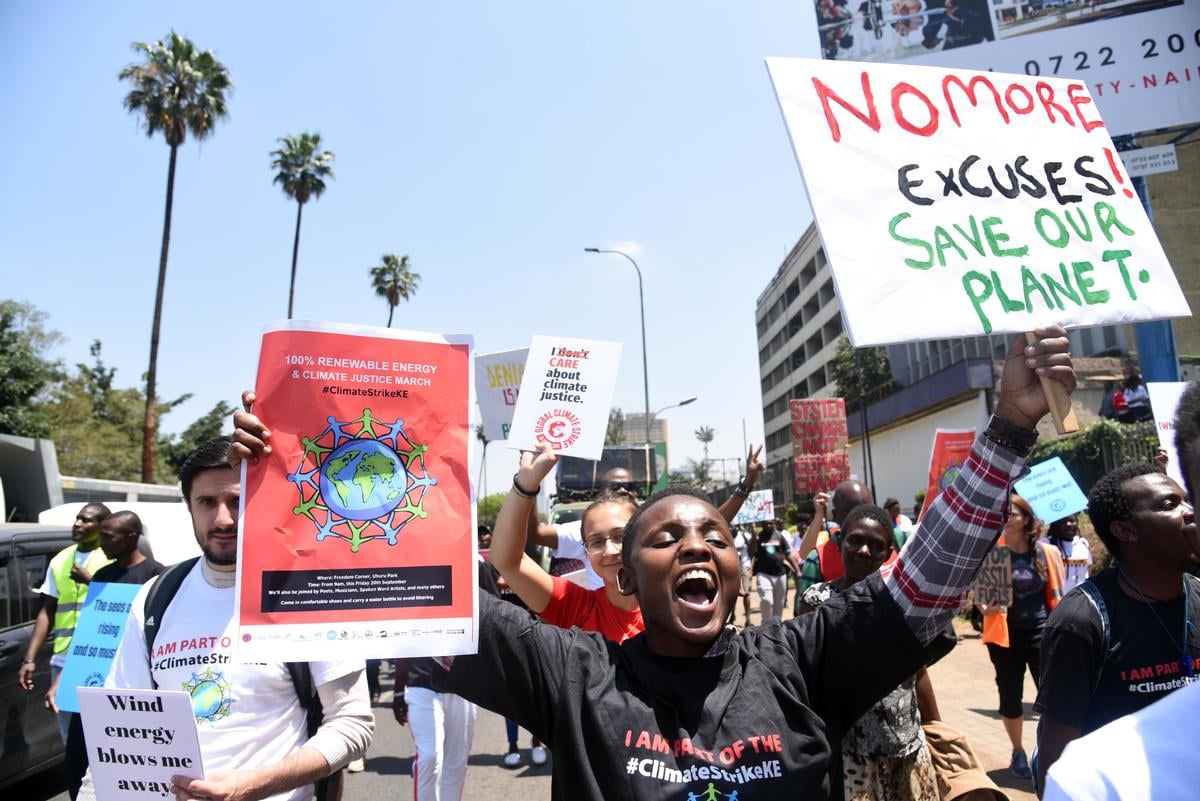
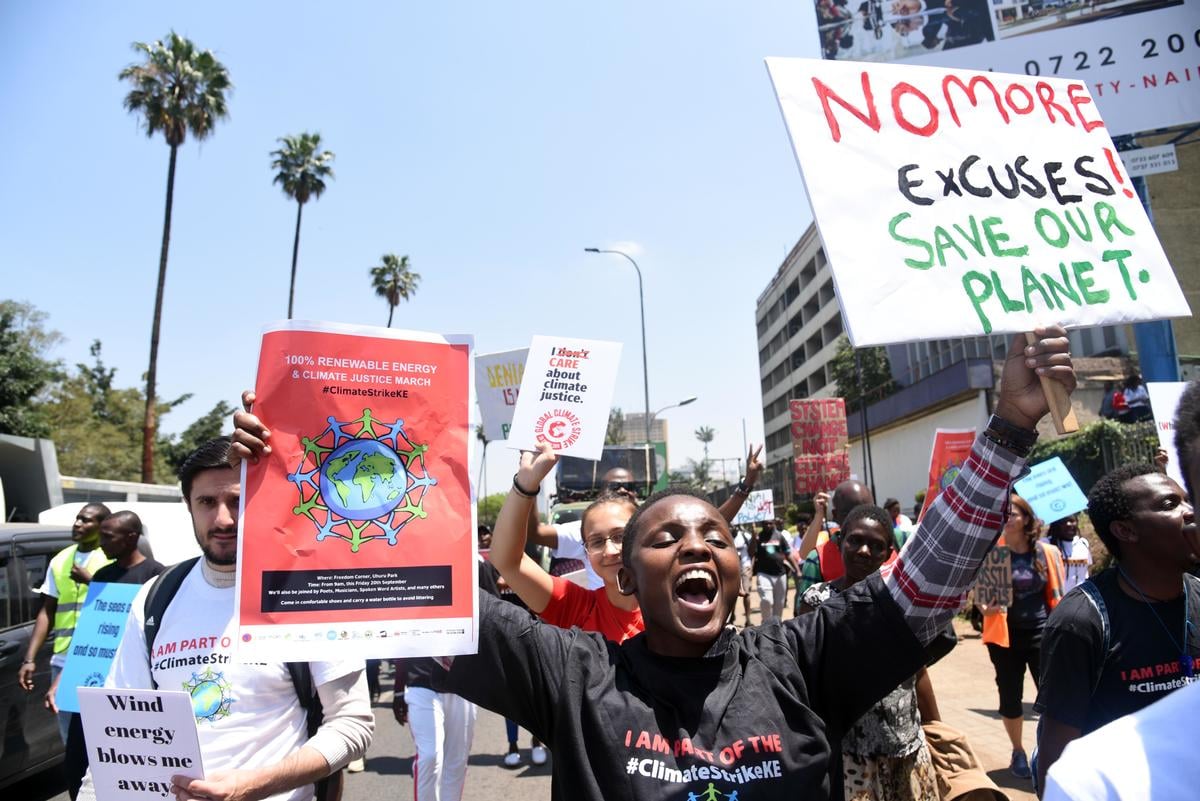
Africa Climate SummitThe inaugural biennial Africa Climate Summit, attended by some 30,000 delegates including 17 heads of state, wrapped up in the Kenyan capital, Nairobi, following three days of discussions largely centred on the opportunities for "green" economic growth on the continent. The summit issued the Nairobi Declaration, containing a slew of pledges and demands, including calls to accurately value the continent's natural carbon sequestration assets (such as its forests). The declaration also called on wealthy countries to live up to their existing commitments to cut emissions and to deliver funds for adaptation—by properly launching, for example, the Loss & Damage Fund agreed to at last year's COP27 in Egypt. However, the summit was also dogged by controversy and protests, with more than 500 civil society organizations signing an open letter claiming its agenda had been hijacked to market "false solutions" such as carbon markets. (Photo: Evan Habil/Greenpeace)

Southeast Asia

Podcast: Orwell and the crisis in Burma

Burmese DaysIn Episode 190 of the CounterVortex podcast, Bill Weinberg revisits George Orwell's first novel, Burmese Days (1935), to see if it offers any insight into the current crisis in Burma. The novel is actually problematic in its portrayal of the Burmese, but Orwell's anti-colonialist views are better articulated in his little-known 1929 essay "How a Nation is Exploited: The British Empire in Burma." Ironically, the factors he identified as necessitating "despotic" rule by the British in Burma still mandate dictatorial methods by the regime today—such as the imperative to pacify "frontier areas" where indigenous peoples wage pro-autonomy insurgencies. Listen on SoundCloud or via Patreon. (Image via eBay)