

Planet Watch

Sixth mass extinction lops branches off tree of life
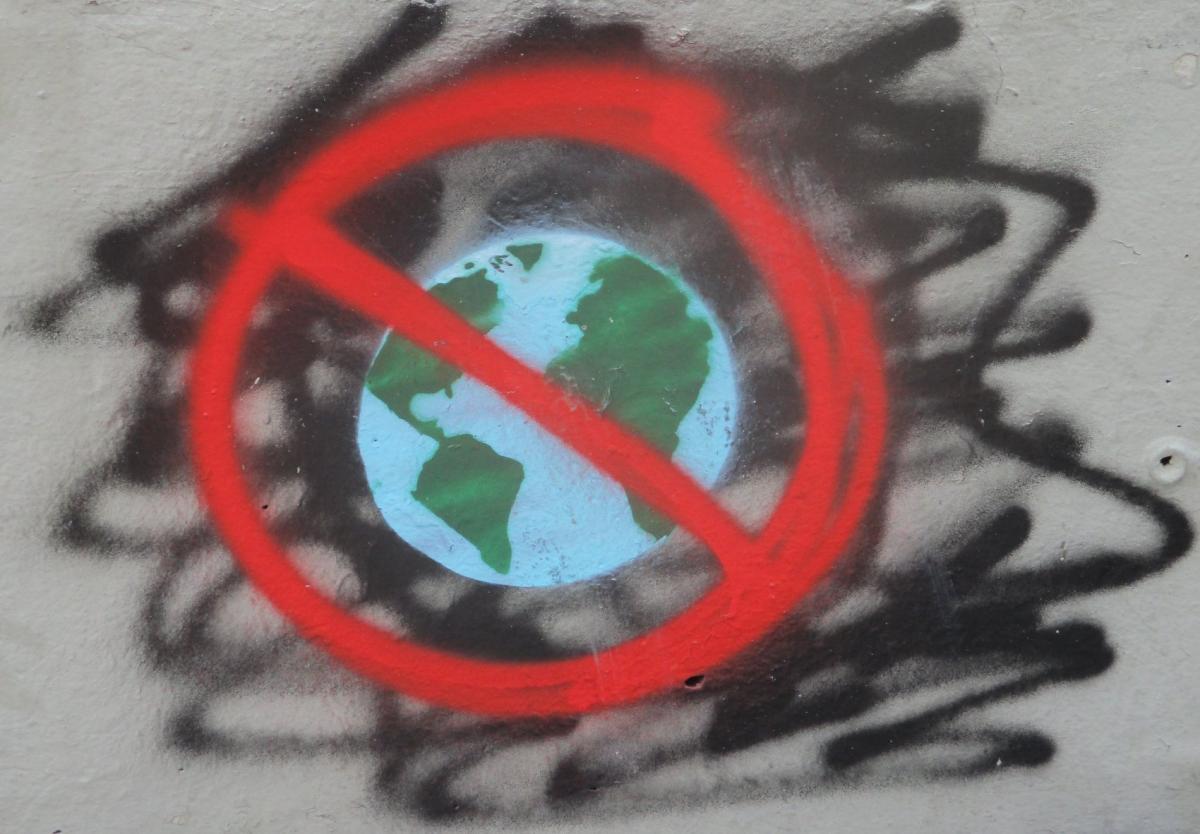
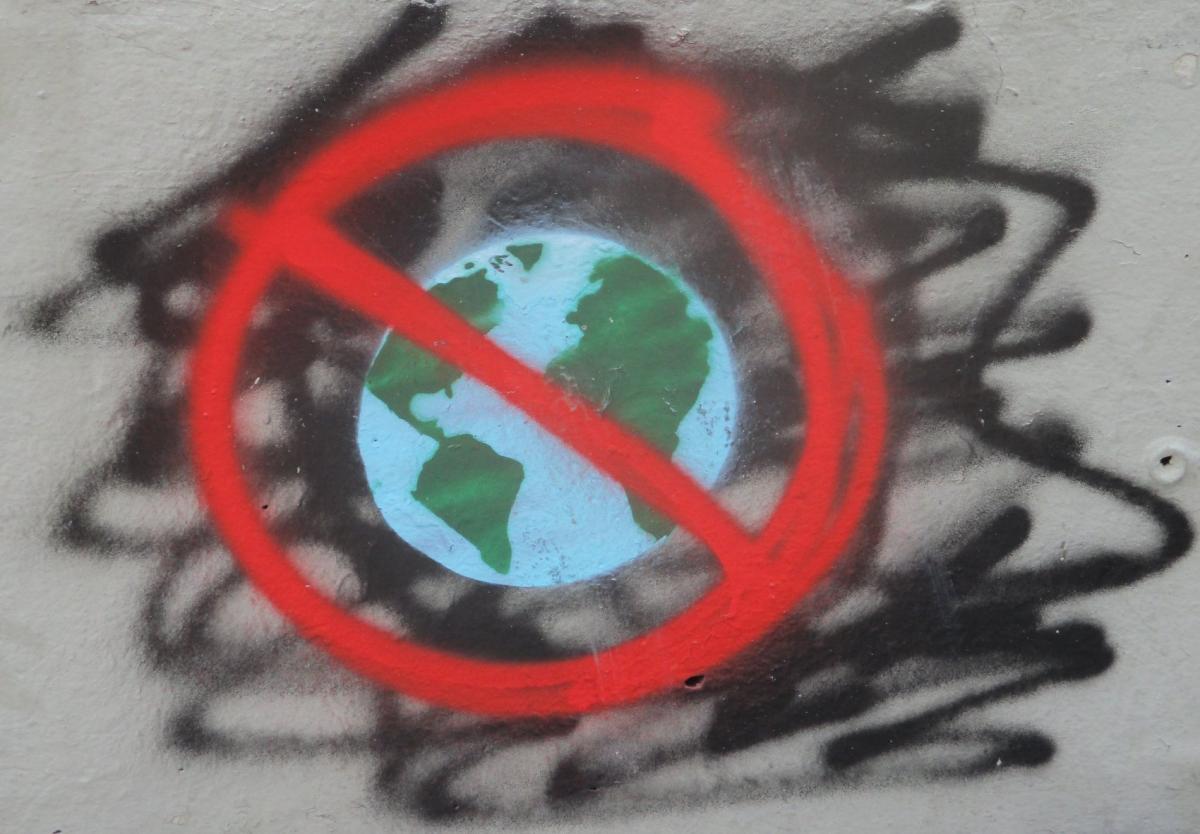
anthropoceneThe sixth mass extinction, primarily driven by human activities, is more dire than previously anticipated, with entire branches on the tree of life now disappearing, finds a new study published in the Proceedings of the National Academy of Sciences. Researchers from Stanford University and the National Autonomous University of Mexico assessed 5,400 genera of terrestrial vertebrates, including 34,600 species. The staggering results: 73 genera have become extinct since 1500 AD. This rate of extinction surpasses the last million years by 35 times. In other words, in just five centuries, human actions have triggered a surge of genus extinctions that would have otherwise taken 18,000 years. The researchers refer to this as a "biological annihilation." (Photo: CounterVortex)
Mexico

US leans on Mexico to increase deportations

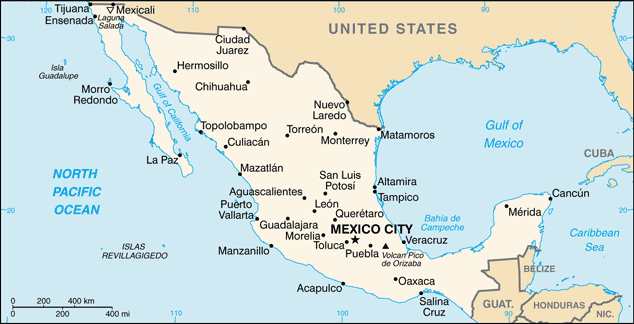
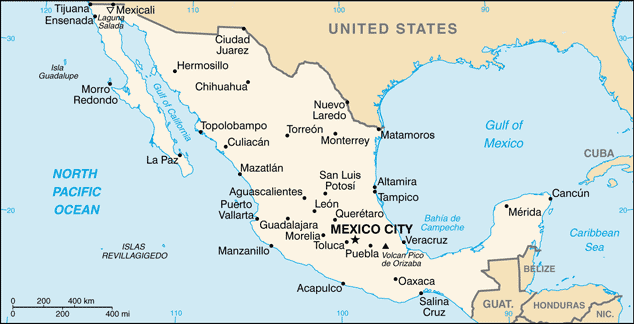
MexicoMexico will step up efforts to deport asylum-seekers and migrants to their countries of origin in order to "depressurize" northern cities bordering the United States, the country's National Migration Institute announced following a meeting with US officials. Texas border cities such as El Paso and Eagle Pass are scrambling to find shelter space as thousands now cross the border on a daily basis, overwhelming reception capacity. But thousands more still wait in northern Mexico, trying to make appointments using a government cell phone application to enter the US and lodge asylum claims. (Map: PCL)

The Caribbean

Kenya-led intervention force approved for Haiti

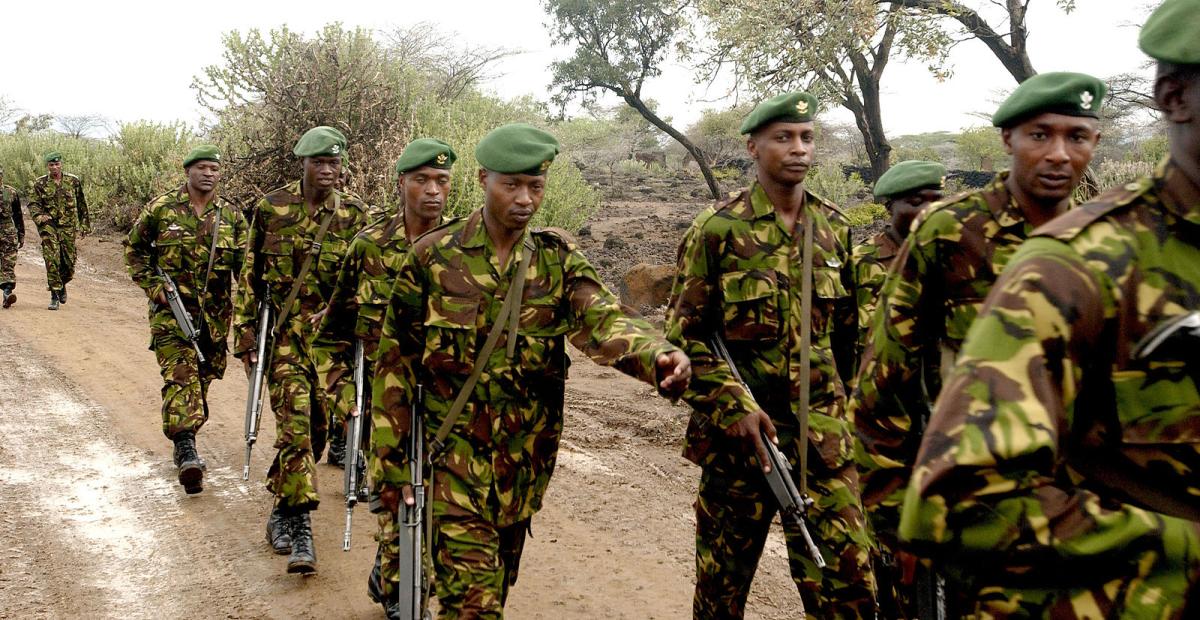
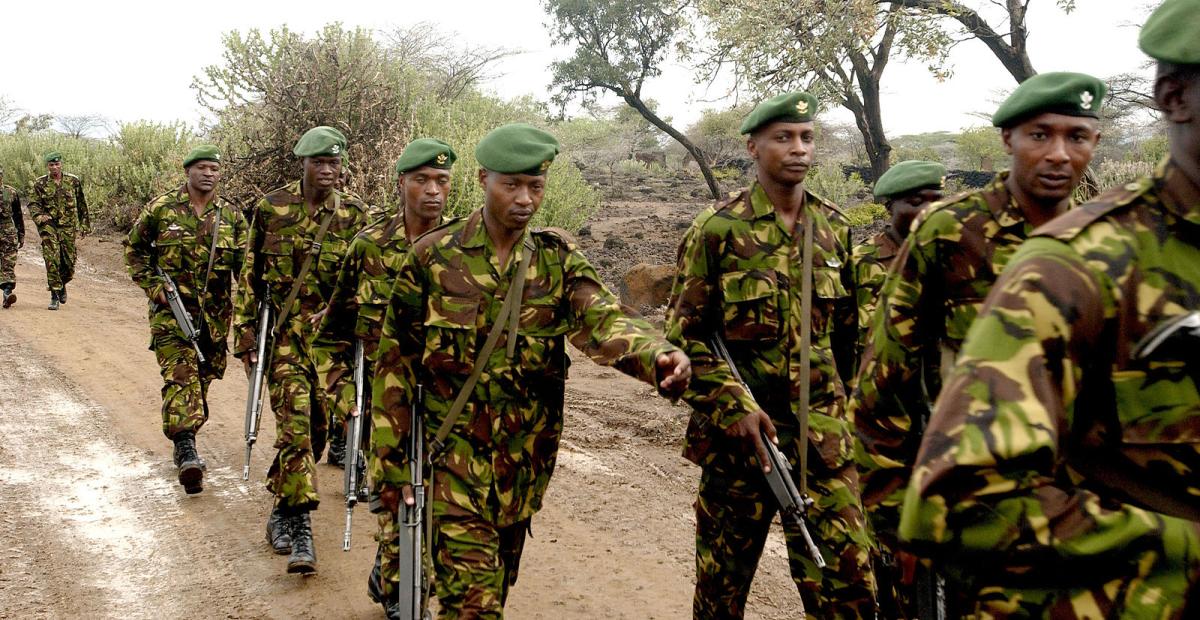
Kenyan soildersThe UN Security Council voted to approve a multi-national armed force led by Kenya to combat violent gangs in Haiti—marking the first time in nearly 20 years that foreign forces are to be deployed to the Caribbean nation. Kenya's foreign minister said that his country wants to go beyond tackling the gangs, helping to strengthen infrastructure and restore democracy in Haiti, where elections have been repeatedly postponed due to the violence. But many have voiced scepticism about deployment of the force, asking how it will work if Kenyan troops don't speak French or Kreyol, and questioning the wisdom of sending personnel from a military criticized at home for human rights abuses. (Photo: Wikimedia Commons)
Africa

Russia in Africa: imperialist or pretender?

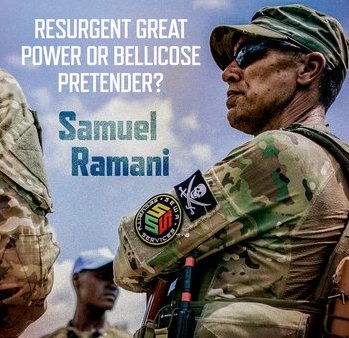
RamaniIn Episode 194 of the CounterVortex podcast, Bill Weinberg reviews Russia in Africa: Resurgent Great Power or Bellicose Pretender? by Samuel Ramani. Oxford don Ramani traces the history from Imperial Russia's Cossack adventures in Djibouti to the contemporary Wagner Group operations in Sudan, the Sahel nations, and across the African continent. Is Russia truly a Great Power that can challenge the traditional colonial and neo-colonial powers on the continent, or is it a "pretender" which is at this moment assuming a particularly bellicose posture to compensate for its lack of structural imperial power? And does it make a difference? Listen on SoundCloud or via Patreon. (Image: OUP)

Greater Middle East

Houthis repress North Yemen nationalist rallies

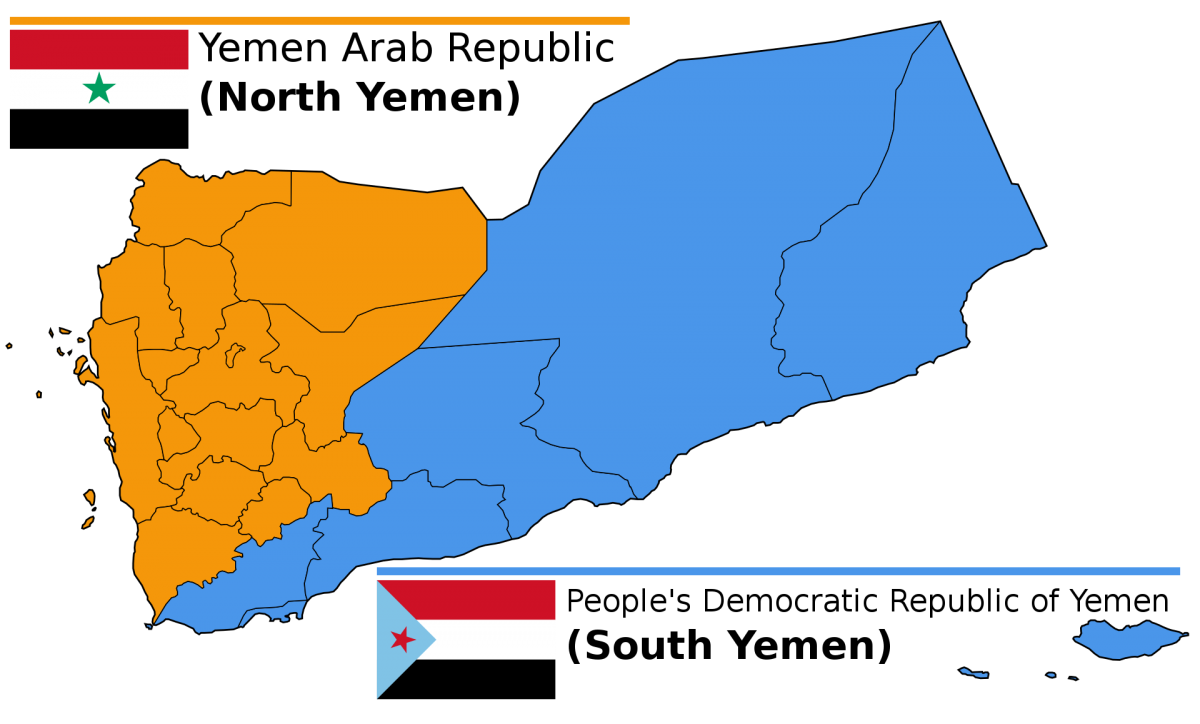
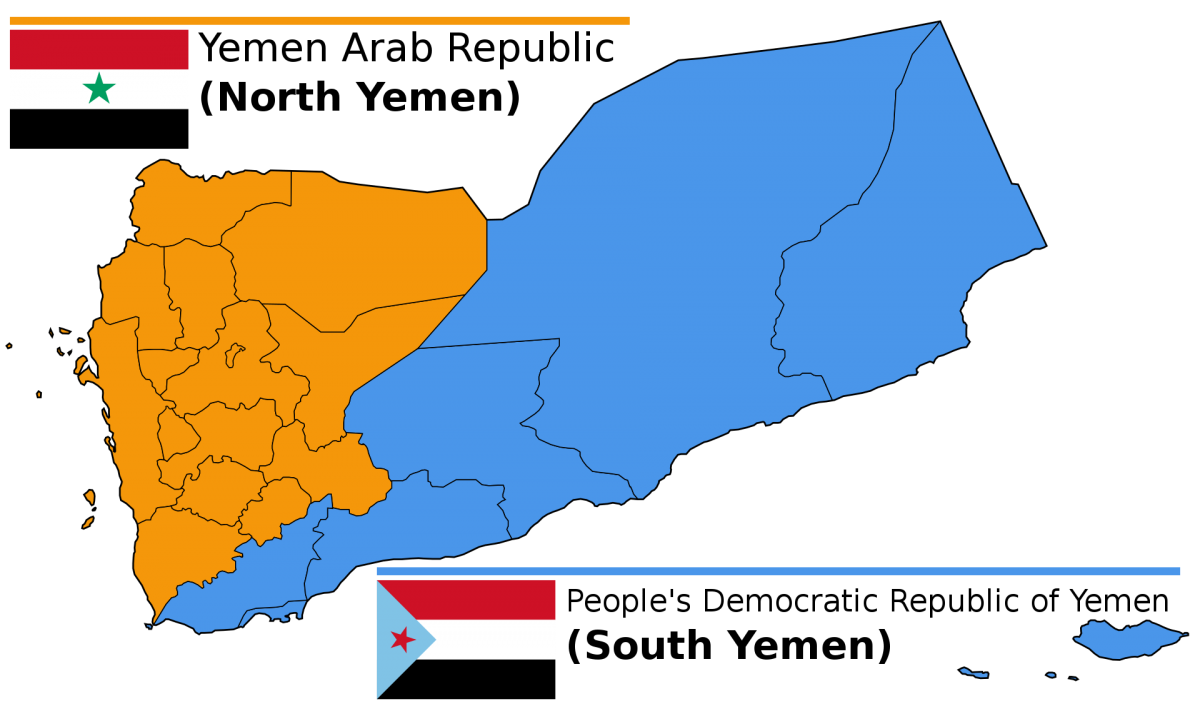
YemenHouthi de facto authorities carried out a wave of arrests, rounding up scores of largely peaceful demonstrators who gathered to commemorate the 61st anniversary of North Yemen's 26th of September Revolution, reports Amnesty International. The organization is calling on Houthi authorities to "immediately and unconditionally release all demonstrators held solely for peacefully exercising their right to freedom of assembly." On the date marking establishment of the Yemen Arab Republic in 1962, people took to the streets in cities across North Yemen, including Sana'a, Ibb, and Houdeidah, carrying flags of the republic that was formally disbanded with Yemen's unification in 1990. (Map via Wikipedia)

Iraq

Iraq-Turkey oil pipeline to resume operation

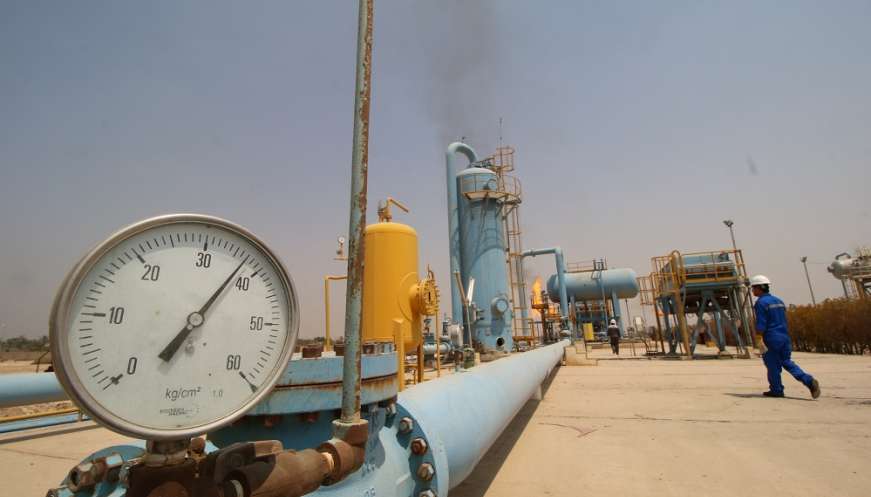
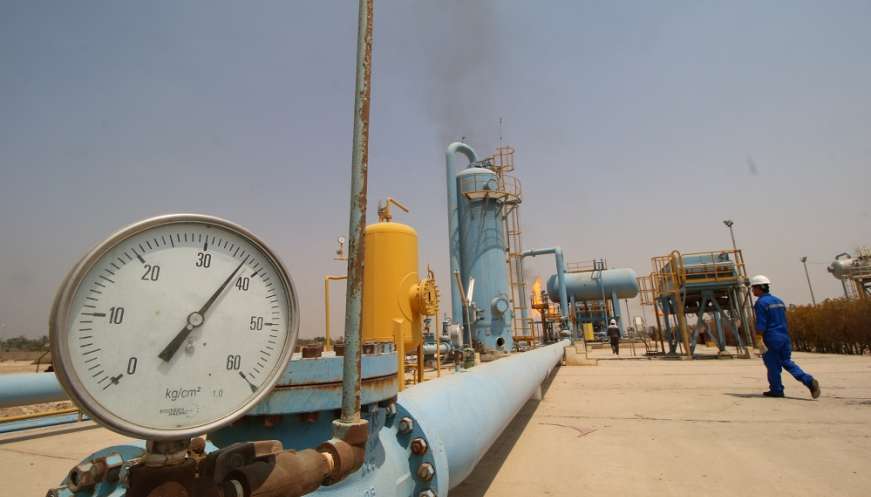
KRG pipelineThe pipeline exporting crude oil from Kurdish-controlled northern Iraq to the Turkish port of Ceyhan is ready to resume operation, seven months after it was ordered closed by an international court ruling. The Paris-based International Court of Arbitration ruled in favor of Baghdad against Ankara, finding that the latter breached a 1973 agreement by allowing the Kurdistan Regional Government to begin independent oil exports in 2014. The judgement confirmed that Iraqi national oil company SOMO is the only entity authorized to manage export operations through the Kirkuk-Ceyhan pipeline. The KRG has now acceded to these terms, agreeing to market through SOMO. (Photo via Iraqi News Agency)

Iraq

Turkish strikes on Iraq after Ankara blast

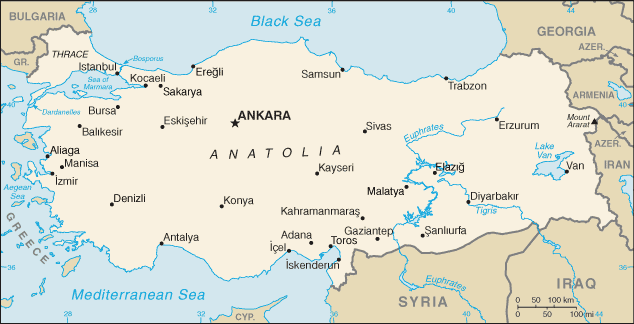
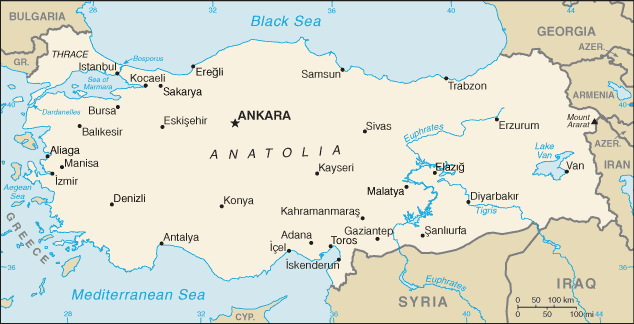
TurkeyTurkey launched a wave of air-strikes on Kurdish rebel positions in northern Iraq, hours after a suicide blast at the Interior Ministry complex in Ankara. The Turkish military said 20 targets were destroyed and several fighters of the Kurdistan Workers Party (PKK) "neutralized." The People Defense Forces (HPG), armed wing of the PKK, released a statement saying a "sacrificial action" against the Ministry was carried out by a unit of their Immortal Brigade. Two assailants, both women, were killed in the attack, and two police officers wounded. The statement said the attack was a "warning" to the Turkish government over its ongoing military operations against Kurdish militants both in Syria and Iraq. (Map: CIA)

Iran

‘Islamic State,’ Islamic Republic both target Baluchi

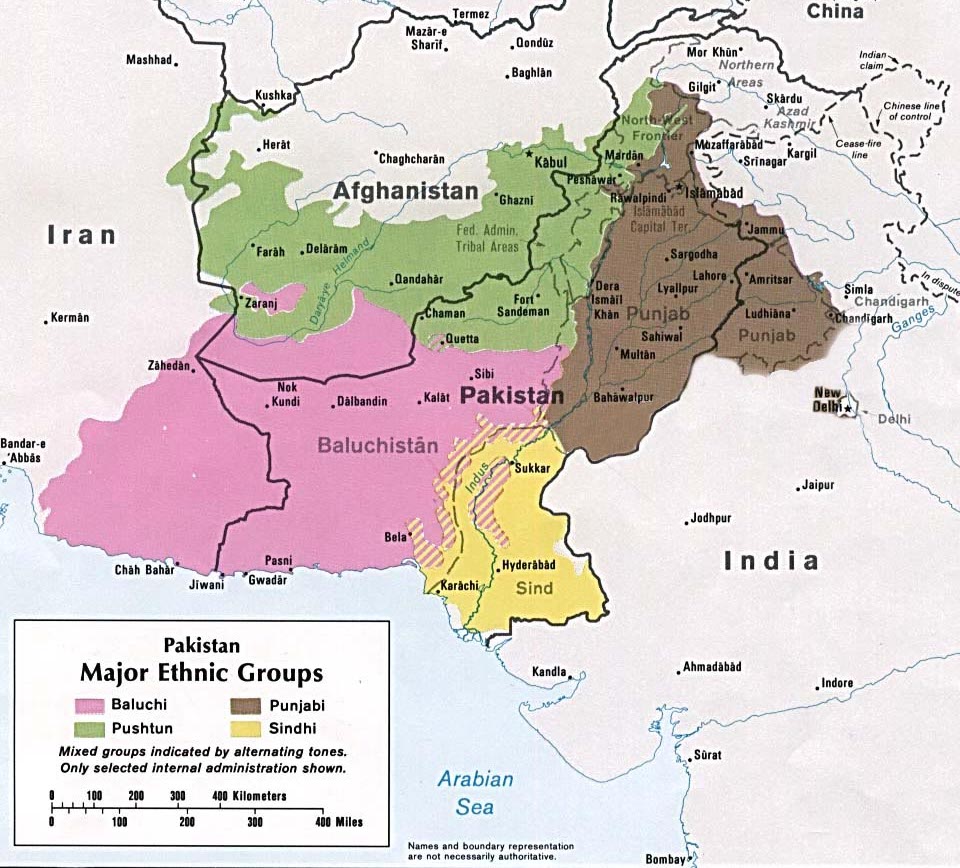
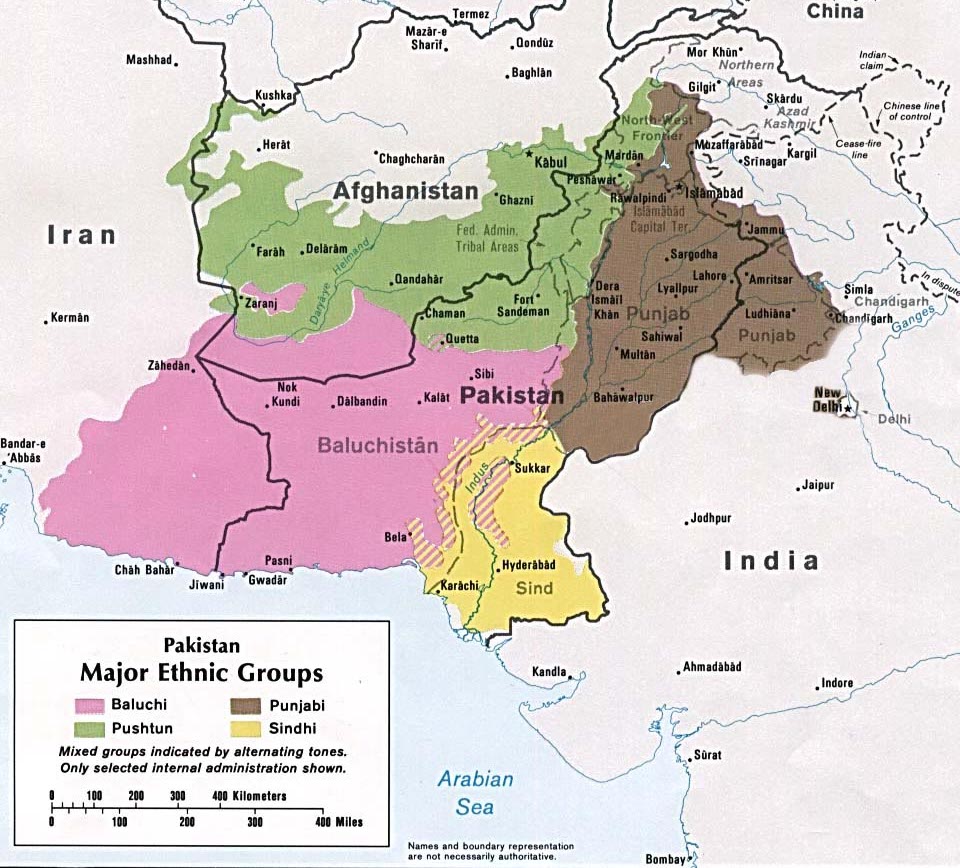
BaluciMore than 50 were killed and dozens injured in a suicide attack in Pakistan's Balochistan province as people gathered to celebrate the birth of the Prophet Muhammad. Those targeted in the blast at the town of Mastung were overwhelmingly members of the Baluch ethnicity. The attack is believed to have been carried out by the local "Islamic State" franchise, ISIS-Khorasan. That same day, Iranian security forces opened fire on Baluchi protesters at the town of Zahedan, Sistan & Baluchestan province, leaving several wounded. The demonstration had been called to commemorate the previous year's "Bloody Friday" massacre in Zahedan, when some 40 were slain by security forces during a protest held amid the national uprising then sweeping through Iran. (Map via Wikipedia)

The Caucasus

Refugee exodus mounts from Nagorno-Karabakh

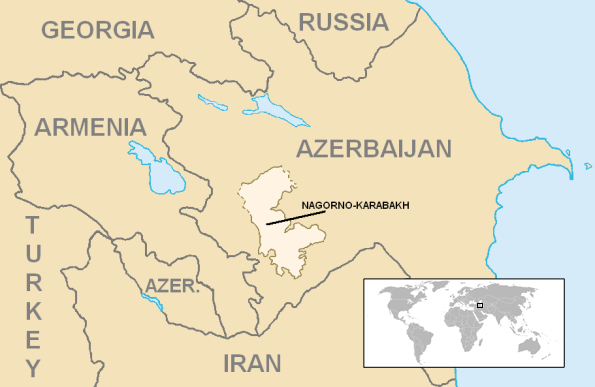
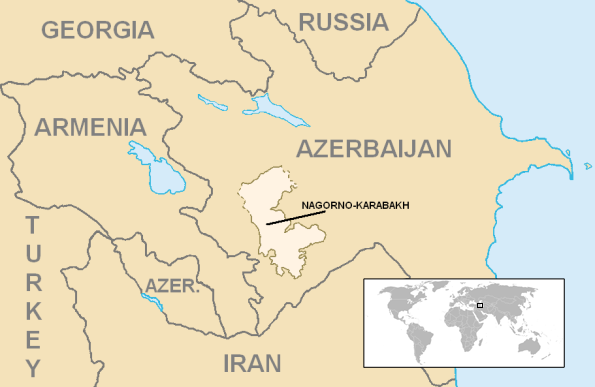
Nagorno-KarabakhThe separatist government of Nagorno-Karabakh, which controlled the disputed territory for more than three decades, announced that it will disband by the end of the year. Azerbaijan took full control of Nagorno-Karabakh following a swift military offensive last week. The region, an enclave within the borders of Azerbaijan, is home to around 120,000 ethnic Armenians who have considered it a de facto independent state, the Republic of Artsakh, since 1991. Most of that population—almost 90,000 people—has fled to Armenia in the past week due to fears of persecution and ethnic cleansing by the Azerbaijani forces that are now in control. Authorities in Armenia are struggling to register and provide for the needs of the tens of thousands of people arriving from the enclave, and concerns are growing about a nascent humanitarian crisis. (Map: Wikipedia)

Africa

‘Occupy’ protests hit Ghana

AccraHundreds held a three-day protest campaign in Ghana's capital, Accra, to denounce harsh economic conditions and the "moral decay" of the country's leadership. With placards reading "Ghana deserves better," protesters attempted to march on the seat of government, Golden Jubilee House, intending to "occupy" it—but riot police and armored vehicles barred their way. In response, demonstrators sat down in the road, effectively shutting down the area for hours. Over 50 were arrested when police finally cleared the intersection. (Photo: Jurist via GhanaWeb TV)

Africa

Ukrainian special ops against RSF in Sudan: report

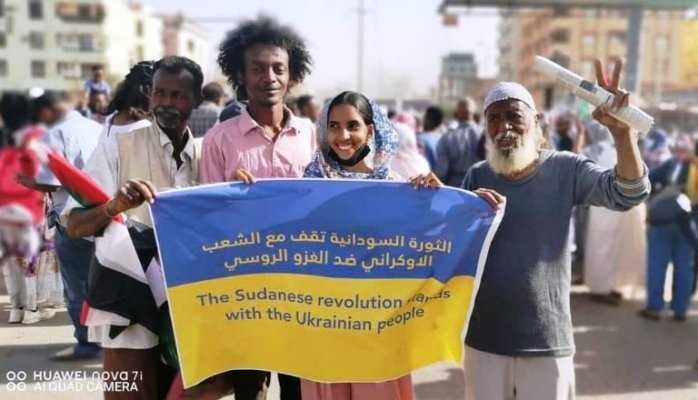
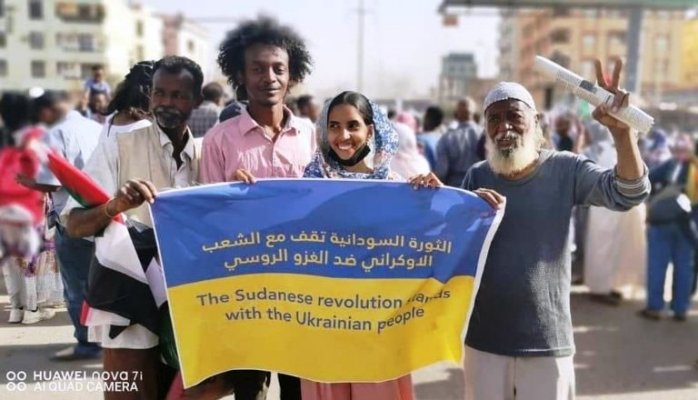
Sudan-UkraineUkrainian special forces were apparently behind a series of drone strikes and coordinated ground operation directed against the paramilitary Rapid Support Forces (RSF) near Sudan's capital Khartoum, a CNN investigation has found. An unnamed military source in Kyiv told CNN: "Ukrainian special services were likely responsible." The RSF, which took up arms against the ruling junta in an evident effort to derail Sudan's planned democratic transition in April, is believed to be backed by Russia's mercenary Wagner Group. (Photo: Sudan Tribune)

Africa

Mali: Tuareg rebels call for ‘fall of the junta’

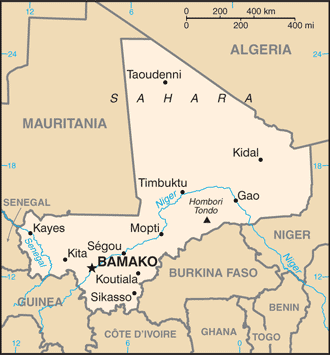
MaliThe ruling military junta in Mali announced the indefinite postponement of presidential elections scheduled for February 2024. The announcment comes as one of the Tuareg rebel groups in the country's north, which have observed a ceasefire since 2015, called for renewed armed struggle to remove the junta from power. Fahad Ag Almahmoud, a leader of the Imghad Tuareg Self-Defense Group (GATIA), said in a statement: "We are in a war that the junta in Bamako wants. We will continue this war until all of Mali that has been taken hostage by the five colonels is liberated." (Map: PCL)