

Mexico launches ‘Operativo Frontera Norte’
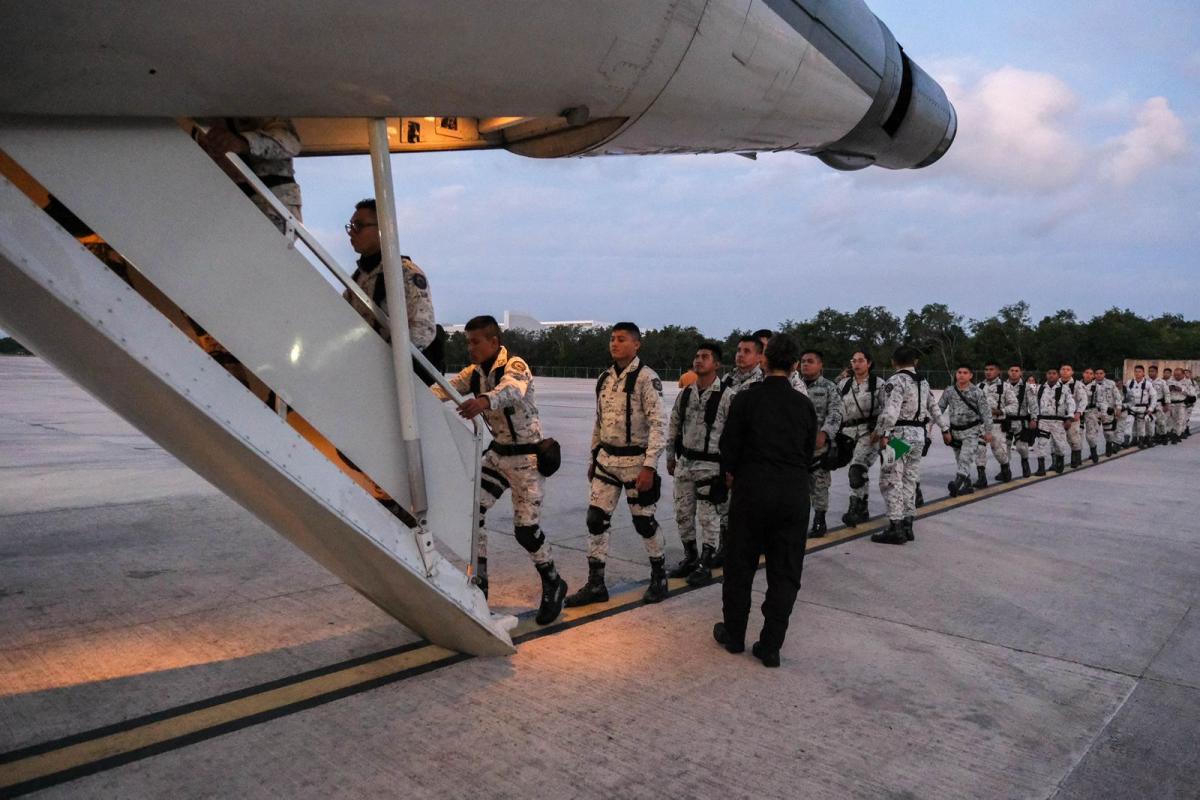
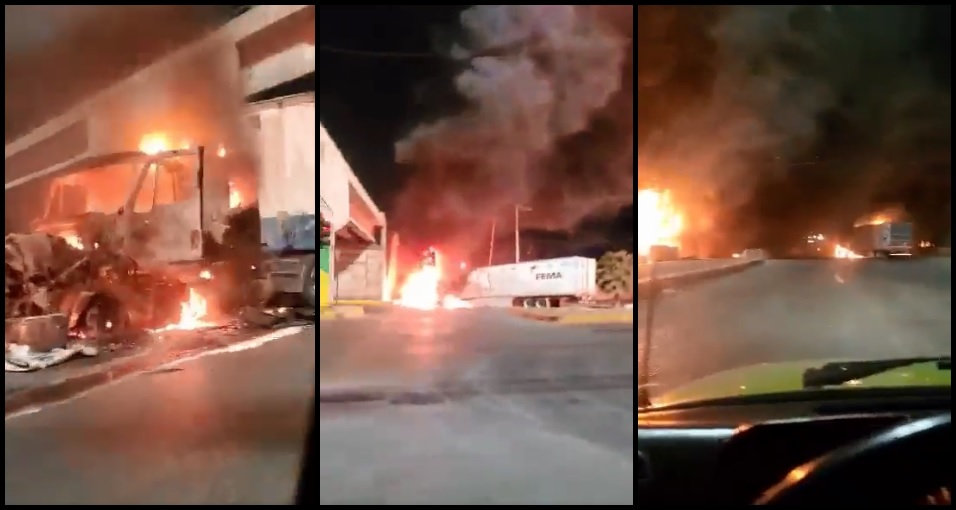
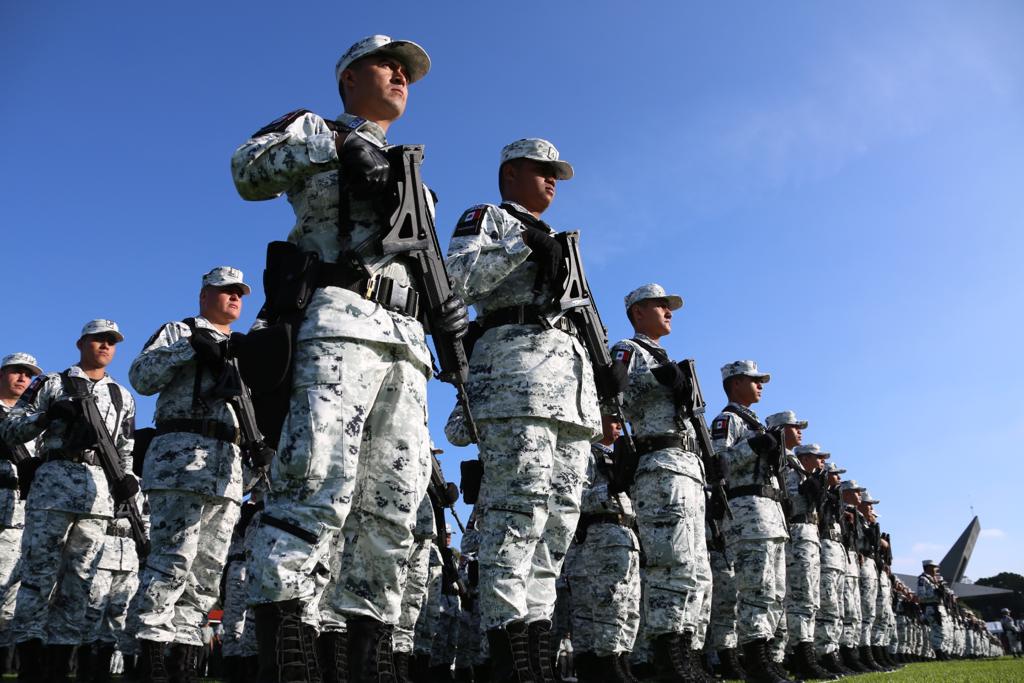
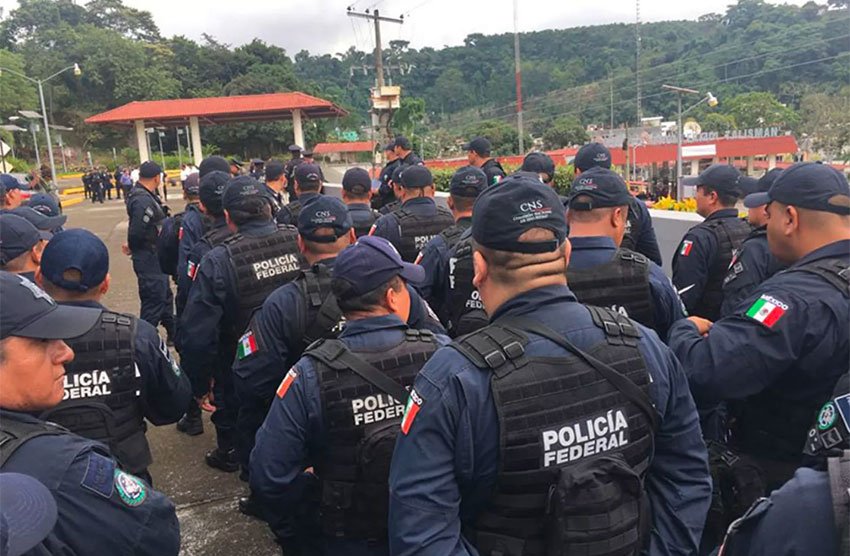
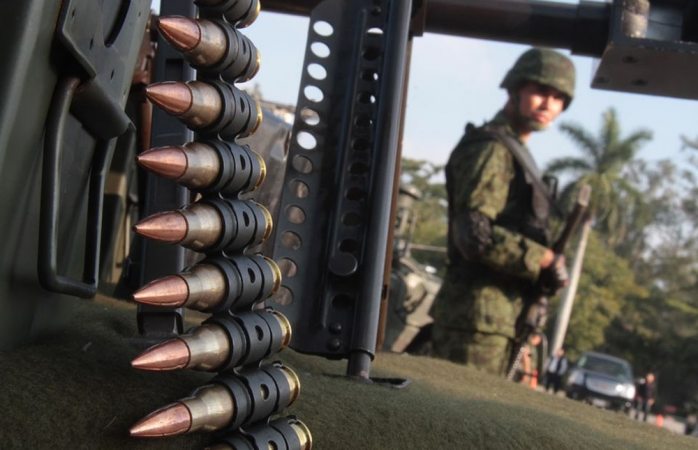
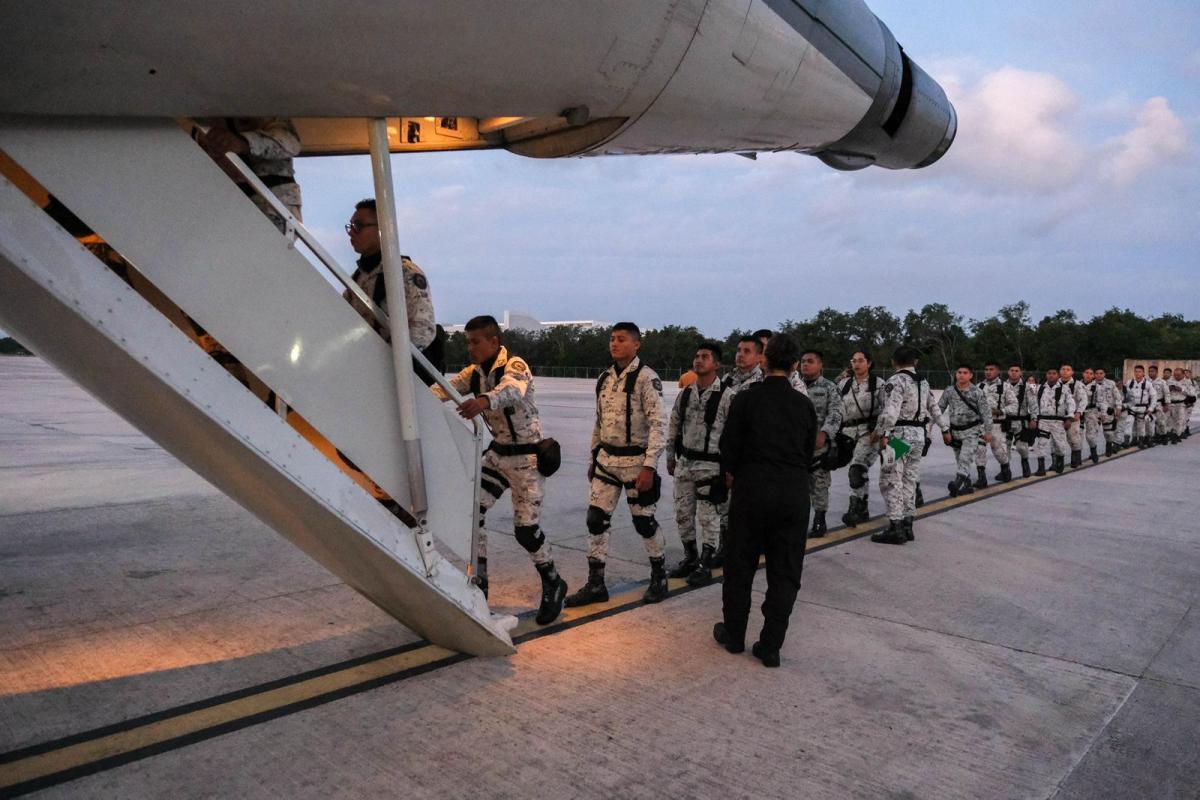
SEDENAMexico has launched a massive deployment of 10,000 troops to cities and towns on the border with the United States. Videos and photos posted on social media by Mexico's Secretariat of National Defense (SEDENA) showed military and National Guard troops lined up boarding transport planes and rows of army trucks rolling out from bases in Mexico City, Tlaxcala and other cities. The response—dubbed "Operativo Frontera Norte"—is part of an agreement reached between US President Donald Trump and Mexican President Claudia Sheinbaum postponing trade tariff threats for a month. (Photo: SEDENA via Peninsula360)


Podcast: Mexico and the struggle for the genetic commons

maizIn Episode 166 of the CounterVortex podcast, Bill Weinberg discusses how a little-noted US-Mexico dispute on trade and agricultural policy has serious implications for the survival of the human race. Washington is preparing to file a complaint under terms of the US-Mexico-Canada Agreement over Mexico's decree banning imports of GMO corn, slated to take effect in January 2024. Concerns about the (unproven) health effects of consuming GMO foods miss the real critique—which is ecological, social and political. GMO seeds are explicitly designed as part of an "input package" intended to get farmers hooked on pesticides and petrochemical fertilizers, and protect the "intellectual property" of private corporations. Agribusiness, which can afford the "input package," comes to dominate the market. Eased by so-called "free trade" policies, agbiz forces the peasantry off the market and ultimately off the land—a process well advanced in Mexico since NAFTA took effect in 1994, and is related to the explosion of the narco economy and mass migration. The pending decree holds the promise of regenerating sustainable agriculture based on native seed stock. It is also a critical test case, as countries such as Kenya have recently repealed similar policies in light of the global food crisis. Listen on SoundCloud or via Patreon. (Image: Sin Maíz No Hay País)

Podcast: Magonismo hits the mainstream

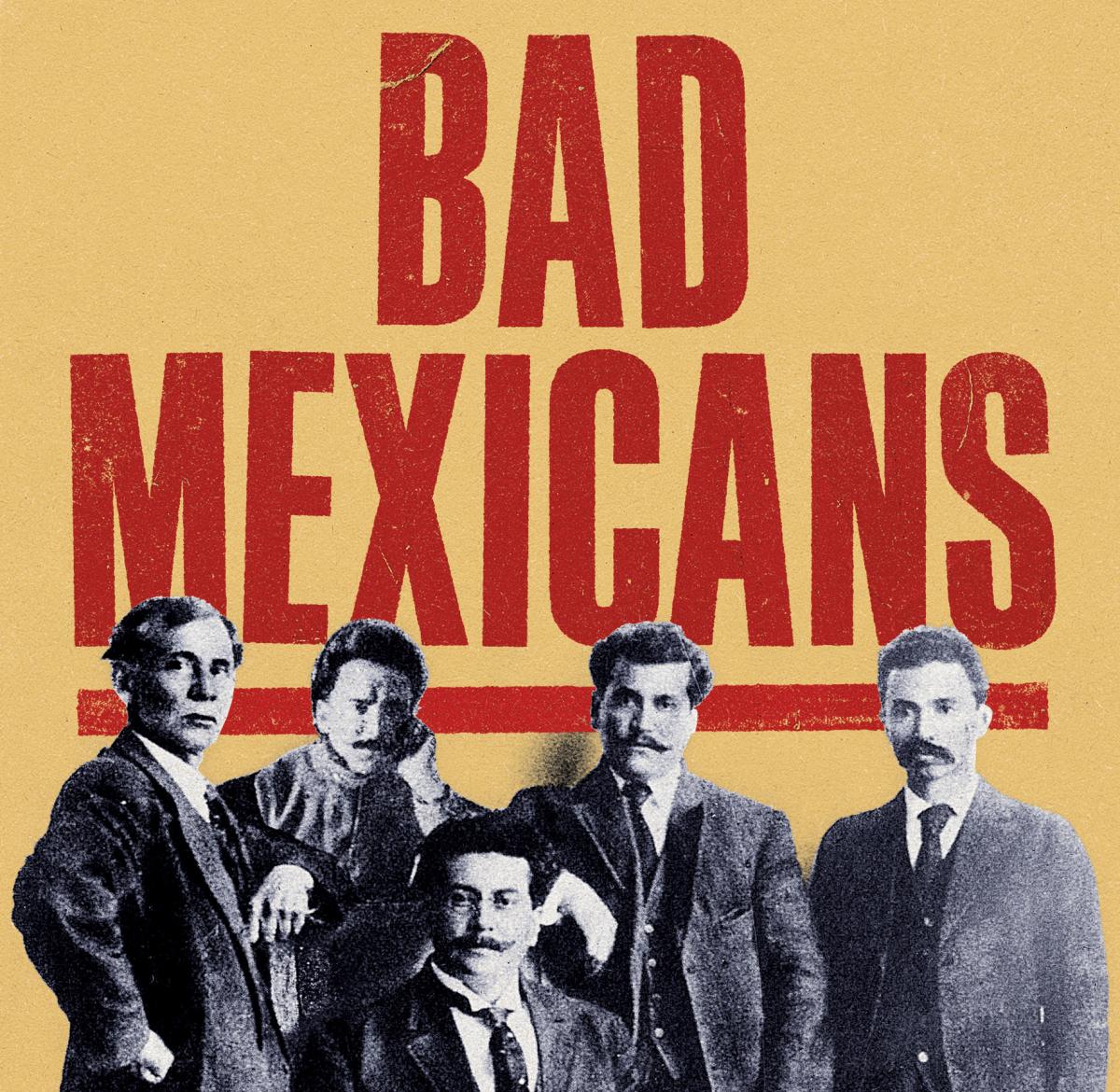
Bad MexicansIn Episode 162 of the CounterVortex podcast, Bill Weinberg reviews Bad Mexicans: Race, Empire, and Revolution in the Borderlands by Kelly Lytle Hernández. It is definitely a very hopeful sign that a briskly selling book from a mainstream publisher not only concerns anarchists, but actually treats them with seriousness and presents them as the good guys—even heroes. The eponymous "bad Mexicans" of the sarcastic title are the Magonistas—followers of the notorious Magón brothers, early progenitors of the Mexican Revolution of 1910-1920, who first raised a cry for the overthrow of the decades-long, ultra-oppressive dictatorship of Porfirio Díaz. "Bad Mexicans" was the epithet used by both Mexican and US authorities for this network of subversives who organized on both sides of the border. Listen on SoundCloud or via Patreon.

Mexico: 140 missing in wake of Sinaloa violence

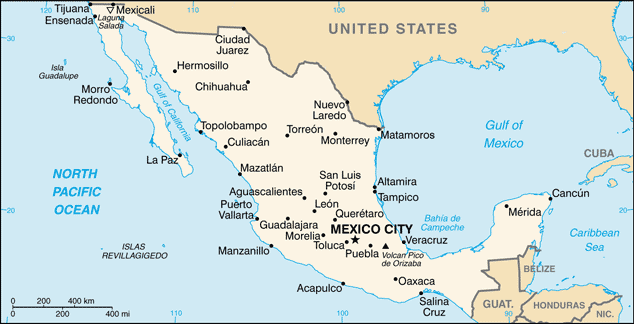
MexicoResidents of Jesús María barrio in Culiacán, capital of Mexico's Sinaloa state, marched on the governor's palace demanding action on the whereabouts of 140 community members they say have been missing since violence engulfed the city after the arrest of a top cartel kingpin. The youngest of the missing residents is said to be 12 years old. Protesters also denounced abuses by the military troops that have been patrolling Culiacán since the outburst, including illegal detentions and home searches. The arrest of Ovidio Guzmán López—son of the infamous "El Chapo" Guzmán—set off days of street-fighting between cartel gunmen and the security forces. (Map: PCL)

Mexico
Mexico police

Mexico: crisis, militarization on both borders

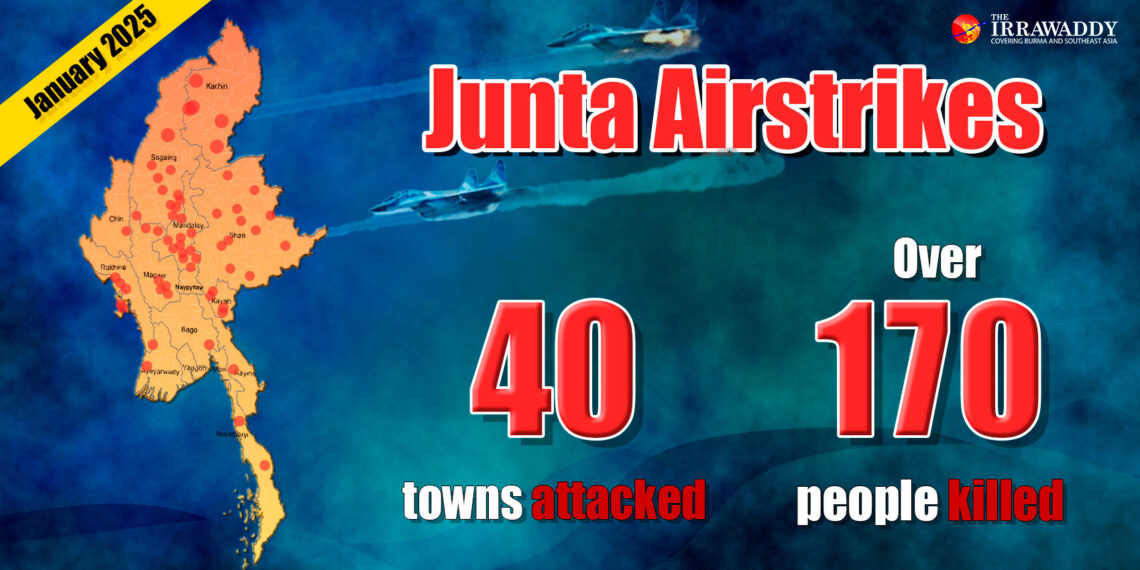
BurmaJunta air-strikes killed over 170 people across Burma in January, a fourfold increase over the previous month, according to an analysis by The Irrawaddy, an independent exile-based newspaper that maintains a network of reporters on the ground. The strikes hit villages, health facilities, a prison and a gold mine in various areas held by the resistance, although most of those killed were civilians. More than 1,800 people have been killed in air-strikes since the February 2021 coup. (Image: The Irrawaddy)

Mexico
narcotanks

Corporate cannabis targets bleeding Mexico

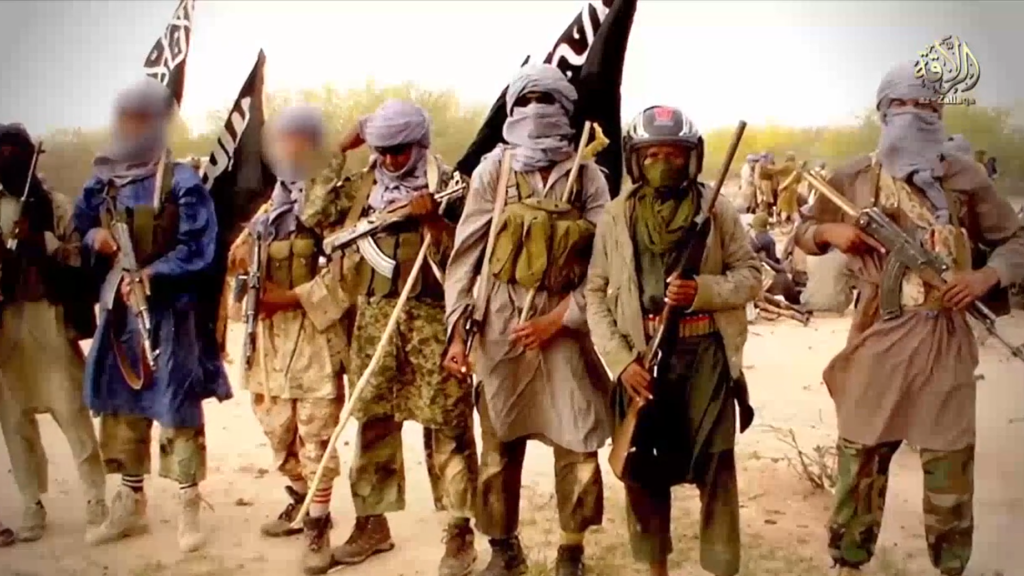
JNIMAlarming reports that Nigeria has established "concentration camps" for the Fulani ethnic minority cast an ironic light on Nigeria's tension with the Sahel states of Niger, Mali and Burkina Faso to the north. These three regimes have broken from the Western imperial camp (to embrace the nascent Russian imperial camp)—but are likewise subjecting their Fulani minorities to persecution and massacre. With the recent shock rebel offensive in Mali, the "terrorist" stigma that attaches to the Fulani and Tuareg peoples across the imperial camps makes their position more precarious than ever. Meanwhile, prominent voices on the both the right and the (supposed) "left" are spreading propaganda about the struggle in West Africa that is alarmingly wrong, because it exclusively views the crisis through a campist lens. In Episode 327 of the CounterVortex podcast, Bill Weinberg tries to provide some clarity on these fast-escalating and grossly under-reported conflicts. (Photo: Az-Zallaqa via LWJ)

Mexico

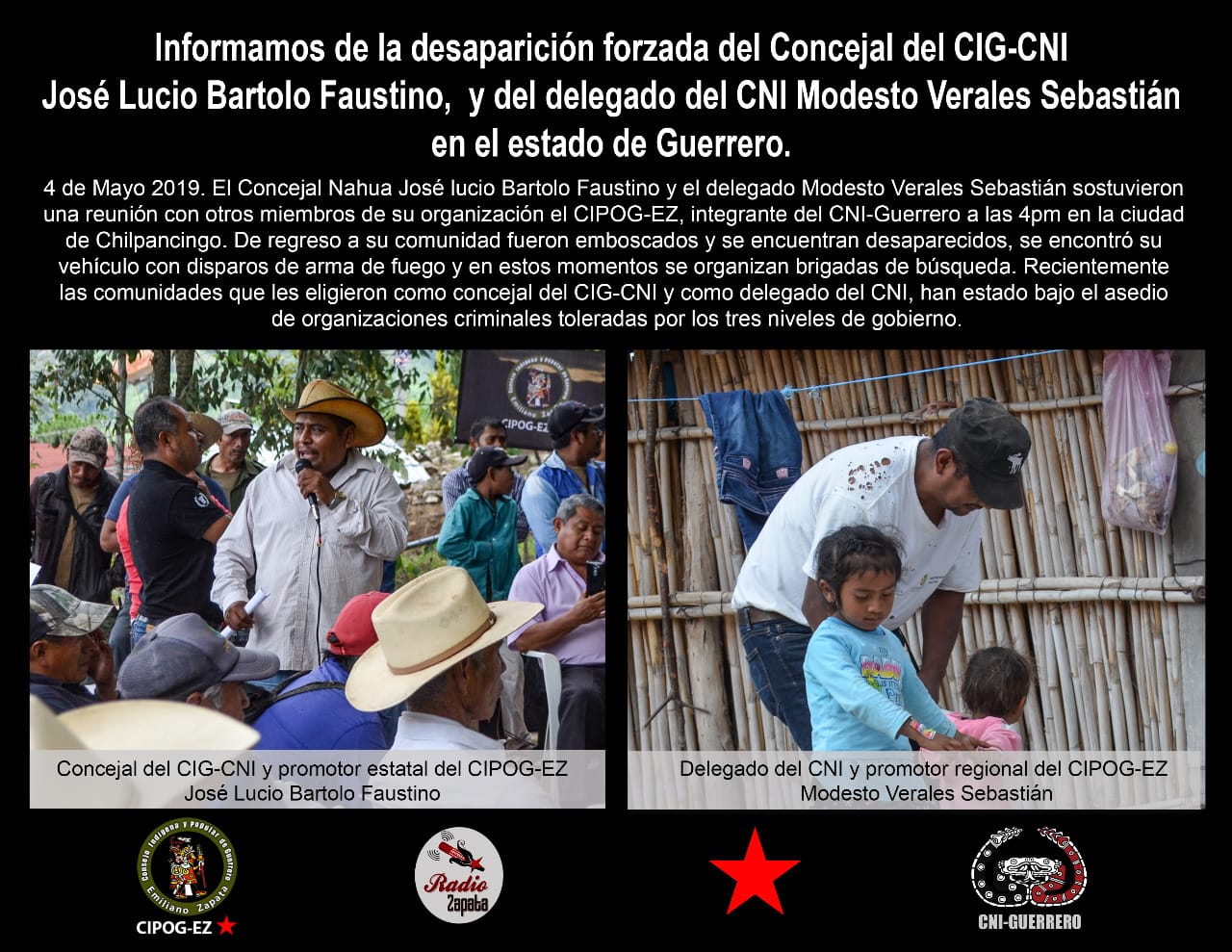
Mexico: double assassination of indigenous leaders

KSAA group of 40 rights organizations issued a joint statement calling on authorities in Saudi Arabia to release all those unfairly jailed for their online activities before Riyadh hosts the United Nations Internet Governance Forum (IGF) in December. The organizations stated that the detentions contradict the IGF’s stated values of advancing human rights and inclusion in the digital age. They charged that Saudi authorities are subjecting citizens to unprecedented repression, including decades-long prison sentences for expressing critical views online. (Photo: Wikimedia Commons)

Mexico
Mexico army

Mexico remilitarizes drug enforcement

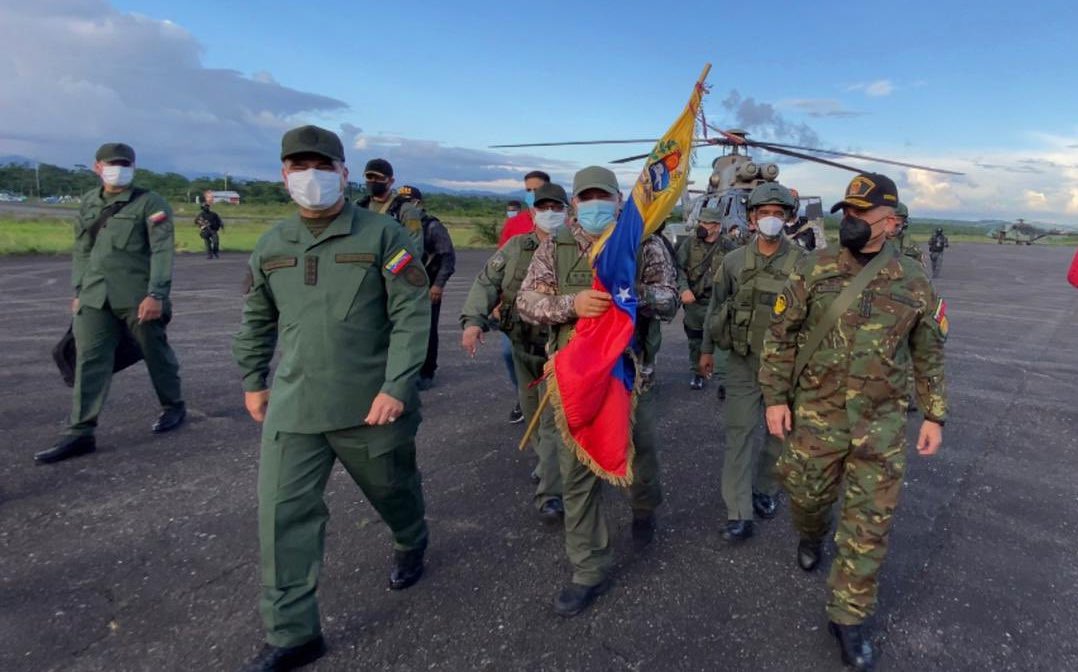
ApureSo-called "dissident" FARC factions that have refused to accept the Colombian peace accords and taken refuge across the border in Venezuela now appear to be waging a local insurgency against the Nicolás Maduro regime. A group calling itself the Martin Villa 10th Front announced last month that it had captured eight Venezuelan soldiers during a battle in Apure state, near the Colombian border. Venezuela's National Bolivarian Armed Forces later announced that the soldiers had been freed in a rescue operation. But independent media in Venezuela report that the eight were actually released under terms of a deal negotiated in Cuba. The deal was said to have been brokered with the help of the National Liberation Army (ELN), a second Colombia guerilla group which remains in arms and whose leadership is based in Havana. (Photo of captive soldiers being released via FANB)