East Asia
Kaifeng

China: authorities shut down Kaifeng Critical Mass

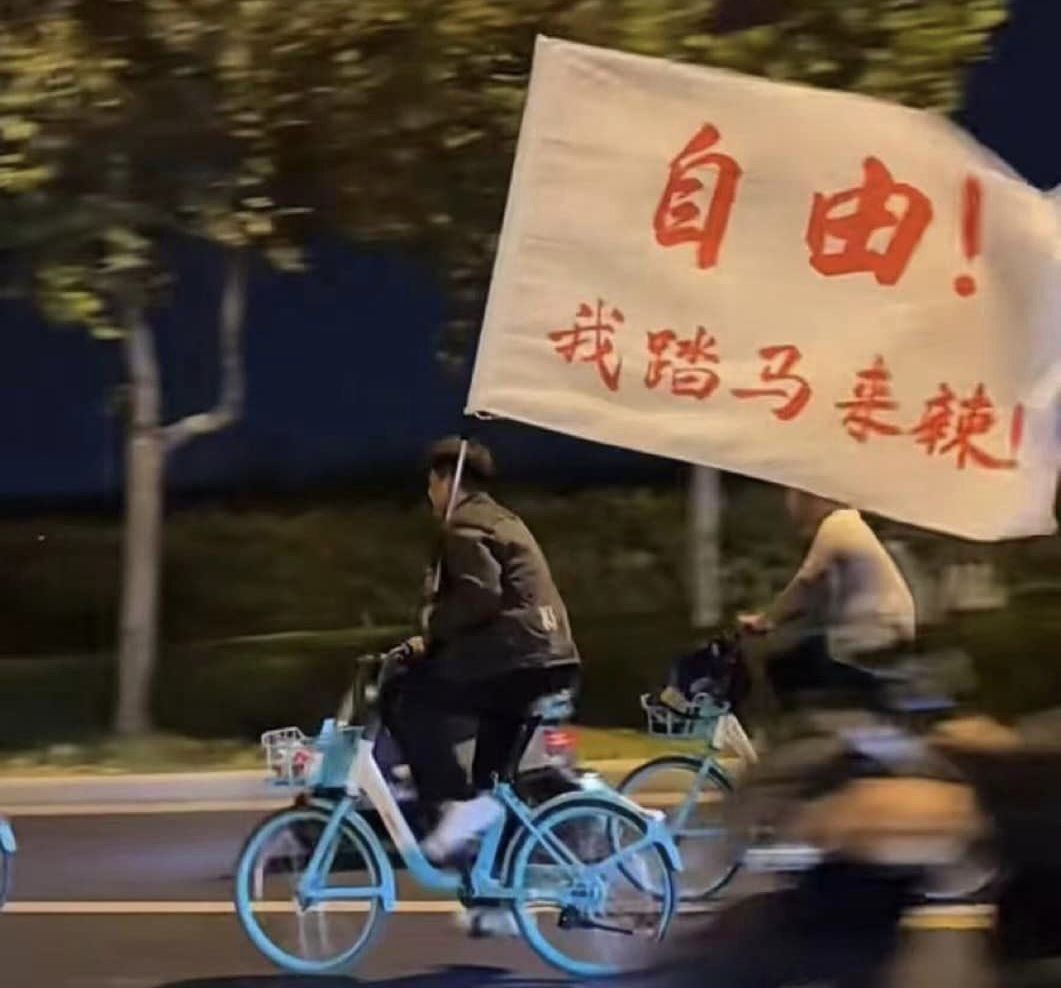
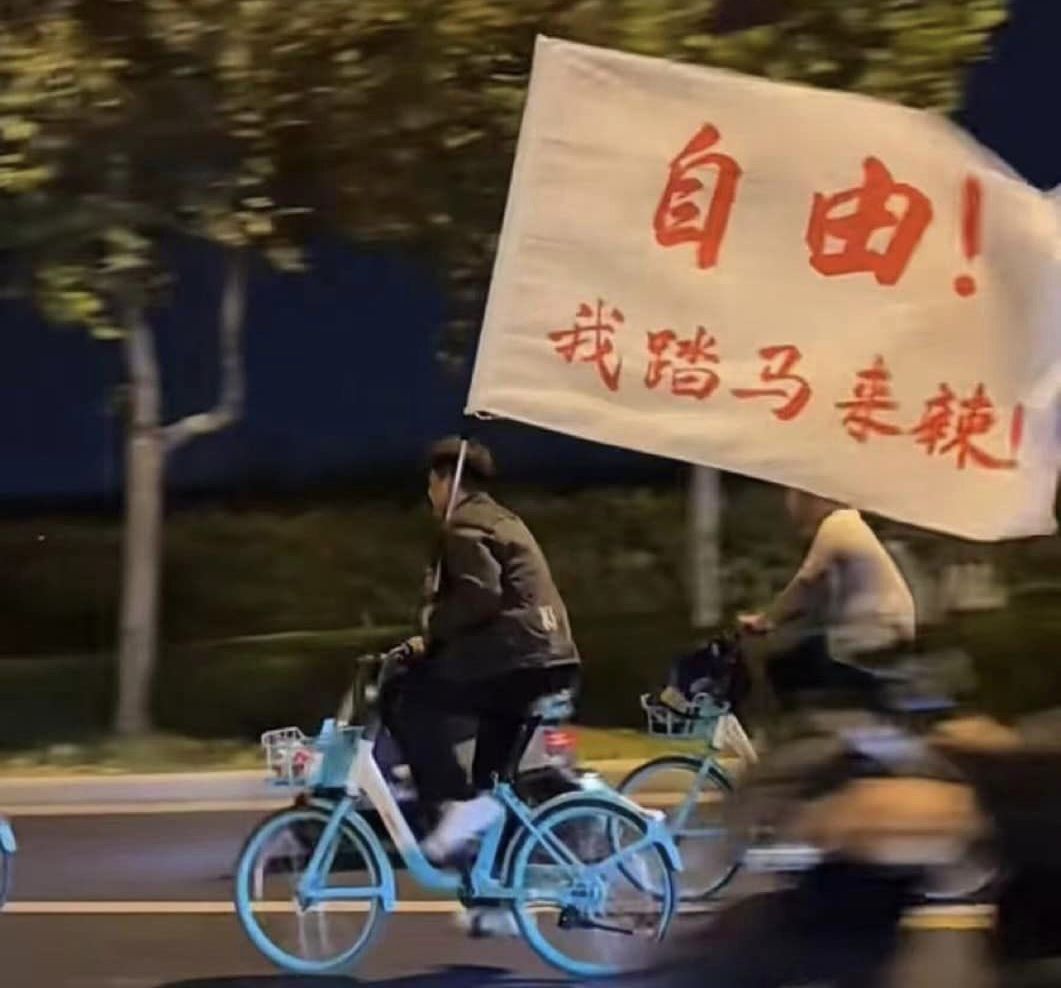
A spontaneous Friday-night phenomenon of mass youth bicycle rides from Zhengzhou, the capital of central China’s Henan province, to the nearby historical city of Kaifeng seemingly got out of control, prompting a crackdown from authorities. The ostensible goal of the 50-kilometer “Night Riding Army” (akin to Critical Mass in the West) was midnight partaking of Kaifeng’s famous soup dumplings. The rides were initially celebrated by the authorities, with one write-up in the official People’s Daily cheering on the “youthful adventures.” But when an unprecedented 100,000 joined the ride (by some accounts, double that), provincial police responded by closing the road between the two cities to non-motorized vehicles, and bike-share apps were set to remotely lock any bike taken out of designated zones in Zhengzhou. And it seems that a dissident political element had crept into the event. While some cyclists carried Chinese flags, sang the national anthem, and shouted slogans in support of the Communist Party, others raised hand-made banners with subversive messages in coded homonyms such as “Freedom, I am fucking coming!” (Photo via Instagram)

Planet Watch
toad

Podcast: further thoughts on the common toad

In Episode 221 of the CounterVortex podcast, Bill Weinberg continues the Spring ritual from his old WBAI program, the Moorish Orthodox Radio Crusade (which he lost due to his political dissent), of reading the George Orwell essay “Some Thoughts on the Common Toad“—which brilliantly predicted ecological politics when it was published way back in April 1946. The Social Ecology of Murray Bookchin today informs a radical response to the global climate crisis, emphasizing self-organized action at the local and municipal levels as world leaders dither, proffer techno-fix solutions, or consciously obstruct progress. Listen on SoundCloud or via Patreon. (Photo: National Wildlife Federation)

Greater Middle East
Egypt

Egypt: hold on presidency consolidated amid repression

President Abdel-Fattah el-Sisi of Egypt was sworn in for a third term after being re-elected in a December vote in which he faced no serious challengers. El-Sissi won 89.6% of the vote, running against three virtually unknown opponents. First elected in 2014 (after coming to power in the previous year’s coup d’etat), then re-elected in 2018, el-Sisi was allowed a third term under constitutional amendments passed in a 2019 referendum. In addition to allowing a third run, the reform also extended his terms from four to six years. Another such reform allowing him to stay in office beyond 2030 has been broached. The election took place in an atmosphere of repression, with opposition candidates barred from running and even prosecuted. Hundreds of protesters and regime critics were arrested in the lead-up to the vote. (Photo: Abdelrhman 1990 via Wikimedia Commons)

Palestine
Jerusalem

Podcast: the electoral dilemma in apartheid Jerusalem

Amid the mounting horror in Gaza, Israel held municipal elections—which saw gains for the ultra-Zionist right, including in Jerusalem. But the city for the first time saw a Palestinian council candidate—Sondos Alhot, a pro-coexistence activist who ran with a new list called Kol Toshaveha (All Its Residents). Her candidacy, which came in defiance of a boycott called by the Palestinian leadership, nonetheless posed a challenge to the system of apartheid Israel has imposed in the Holy City. In Episode 215 of the CounterVortex podcast, Bill Weinberg explores what this electoral question may tell us about the prospects for an eventual just peace in historic Palestine. Listen on SoundCloud or via Patreon. (Photo: RJA1988 via Jurist)

Iraq
Kirkuk

Oil, ethnicity at issue in Kirkuk land dispute

Residents of a disputed neighborhood in Iraq’s northern city of Kirkuk staged a sit-in to protest eviction orders and criminal charges filed against them by a state-owned oil company. Hundreds of Kurdish families who were pushed out of Kirkuk during Saddam Hussein’s Arabization campaign returned to the city following the fall of his regime in 2003. With their former homes now occupied by Arab families, many took up residence in a residential complex in Arafa neighborhood, previously inhabited by functionaries of Saddam’s Baath party. Now, the North Oil Company is claiming ownership of the residential complex, and ordering the Kurdish families to vacate. Arrest orders have been issued against residents who have refused to comply. In the background lie ongoing tensions between Baghdad and the Kurdistan Regional Government over control of the Kirkuk oil-fields. (Photo: Rudaw)

Africa
Mayotte

French court stops expulsion of migrants on Mayotte

A court in the French overseas department of Mayotte ordered the government to stop its expulsion of migrants in the island territory. In Operation Wuambushu, which means “Take Back” from the local Maore language, the government sought to dismantle a “slum” known as Talus 2 in the town of Koungou, removing a population of undocumented migrants and demolishing shelters. Talus 2 has seen repeated angry protests over the clearance plan. Mayotte is a transit point for migrants traveling from Comoros, a nearby archipelago off Southeast Africa. (Map via Wikimedia Commons)

East Asia
Yau Tong

Hong Kong sees first protests since 2020

The first protest since the introduction of the 2020 National Security Law in Hong Kong was held in Tseung Kwan O, an eastern area of the city. A small number of protestors marched against a land reclamation plan and construction of a waste disposal facility. The marchers complied with restrictions imposed by authorities. The protest was limited to a maximum of 100 participants, whose banners and placards were pre-screened. Protestors were required to wear numbered tags. However, two days later, a smaller but seemingly unauthorized protest was held outside Hong Kong’s Central Government Offices. Some 40 residents from Yau Tong squatter community in Kowloon, which is set to be razed to make way for a public housing project, gathered to voice opposition to their impending eviction. (Photo: HKFP)

Planet Watch
Guangzhou

Bicycling in China & the origins of Critical Mass

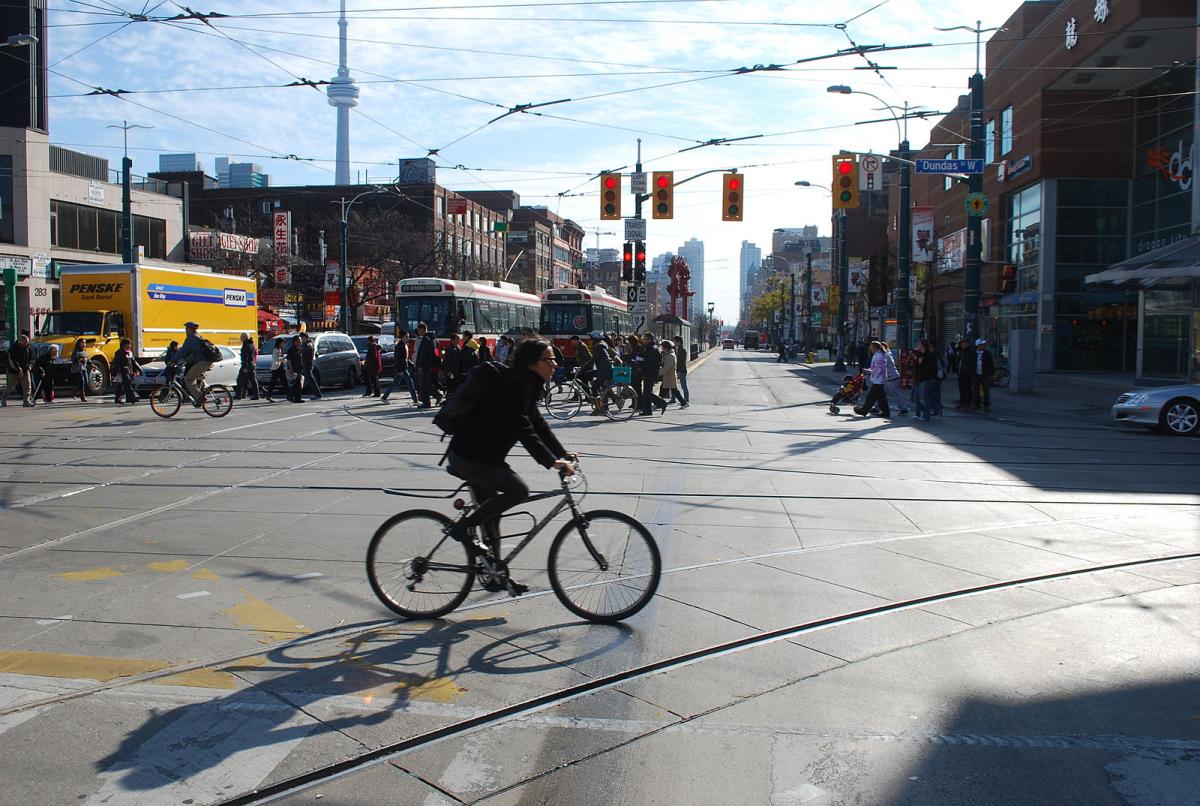
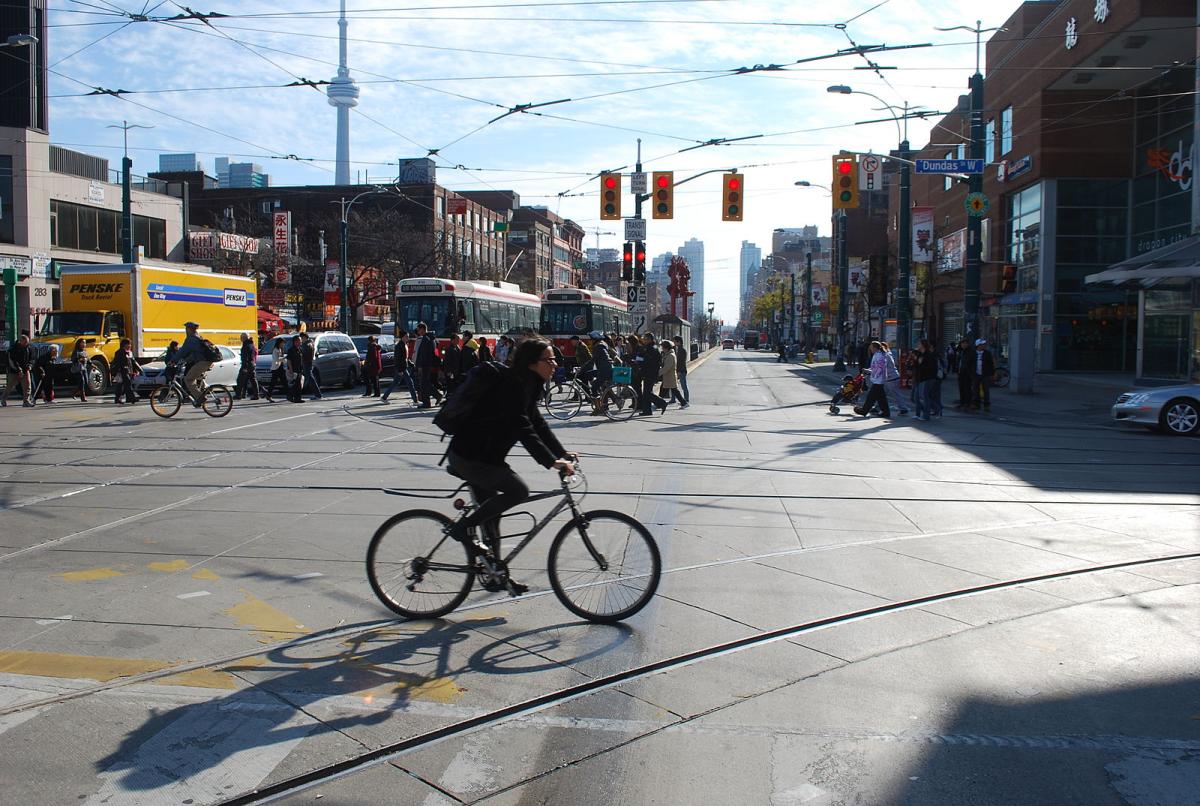
Legendary transportation activist George Bliss will be presenting a slideshow and hosting a discussion of his 1991 trip to China at the Museum of Reclaimed Urban Space (MoRUS) in New York City on Friday Dec. 9. What would NYC be like if we got rid of cars and everybody rode bikes? In 1991, Bliss and filmmaker Ted White visited Guangzhou, China (then pop. six million). Only one in a thousand owned cars. Bikes cost about $50. There was no theft because cheap attended bike-parking was everywhere. Riding en masse was fun, and traffic flowed safely and efficiently with almost no red lights. The term “critical mass“—first applied to this phenomenon by Bliss in White’s film Return of the Scorcher—soon became a rallying cry in the global bike movement. While that China is long gone, its legacy points to the city we could yet have, even half a world away. (Photo: George Bliss)

Inner Asia
Xinjiang

Podcast: state capitalism and the Uyghur genocide

In Episode 149 of the CounterVortex podcast, Bill Weinberg notes that the UN Human Rights Office determination that China may be guilty of “crimes against humanity” in its mass detention of Uyghurs in Xinjiang province is dismissed by the tankie-left ANSWER Coalition as “propagandistic.” Meanwhile, it falls to Radio Free Asia, media arm of the US State Department, to aggressively cover the very real conditions of forced labor faced by the Uyghurs and other Turkic peoples of Xinjiang—and how Western corporations benefit from it. While the Western pseudo-left betrays the Uyghurs, US imperialism exploits their suffering for propaganda against a rising China in the Great Game for the Asia-Pacific region. Figures such as Australia’s Kevin Rudd incorrectly portray a “Return of Red China,” blaming the PRC’s increasingly totalitarian direction on a supposed neo-Marxism. Fortunately, the new anthology Xinjiang Year Zero offers a corrective perspective, placing the industrial-detention complex and techno-security state in the context of global capitalism and settler colonialism. Listen on SoundCloud or via Patreon. (Photo: Xinjiang Judicial Administration via The Diplomat)

New York City
traffic casualty

Podcast: against the anti-bicycle backlash

In Episode 142 of the CounterVortex podcast, Bill Weinberg takes on the ugly backlash against bicyclists in New York City, which has escalated from petitioning against bike lanes to dangerous anti-bicycle vigilantism. The recent killing of Chelsea resident Gavin Lee by a hit-and-run bicyclist became a rallying point for the anti-bike partisans. But 255 New Yorkers were killed by motorists last year, their names quickly forgotten by all but their loved ones. The killing of young bicycle messenger Robyn Hightman by a truck driver in 2019 briefly sparked protests. But the names of most victims of automotive terror quickly go down the media Memory Hole. Weinberg recounts some of the recent lives claimed by motorists in the city: Be Tran, Carling Mott, Christian Catalan, Lynn Christopher, Karina Larino, Eric Salitsky, Raife Milligan. It is the auto-centric system that pits pedestrians and bicyclists against each other. What is needed is the dismantling of this system, and its replacement with one that centers human beings and human-powered transport—as is already underway in several European cities. Listen on SoundCloud or via Patreon. (Photo: Bill Weinberg)

New York City
Loisaida

Podcast: political geography of the Lower East Side

In Episode 141 of the CounterVortex podcast, Bill Weinberg defends the notion that he lives on New York’s Lower East Side, repudiating those who would insist that his neighborhood is actually the East Village or (worse) NoHo. Weinberg traces the nomenclature controversies going all the way back to the Lenape indigenous villages of the area, Dutch and English colonial settlement, the riots and uprisings of the “Gangs of New York” era, the neighborhood’s Puerto Rican identity as Loisaida, the origin of the name “East Village” in the hippie explosion of the 1960s, its cooptation by the real estate industry in the gentrification of the 1980s, and the resultant last gasp of anarchist resistance. Weinberg counts himself among a surviving coterie of old-timers who still consider the entire area to be the Lower East Side. Listen on SoundCloud or via Patreon. (Photo: Carmen Pabón del Amanecer Jardín)