The Andes
Ecuador

UN: poverty, oppression at root of Ecuador crisis

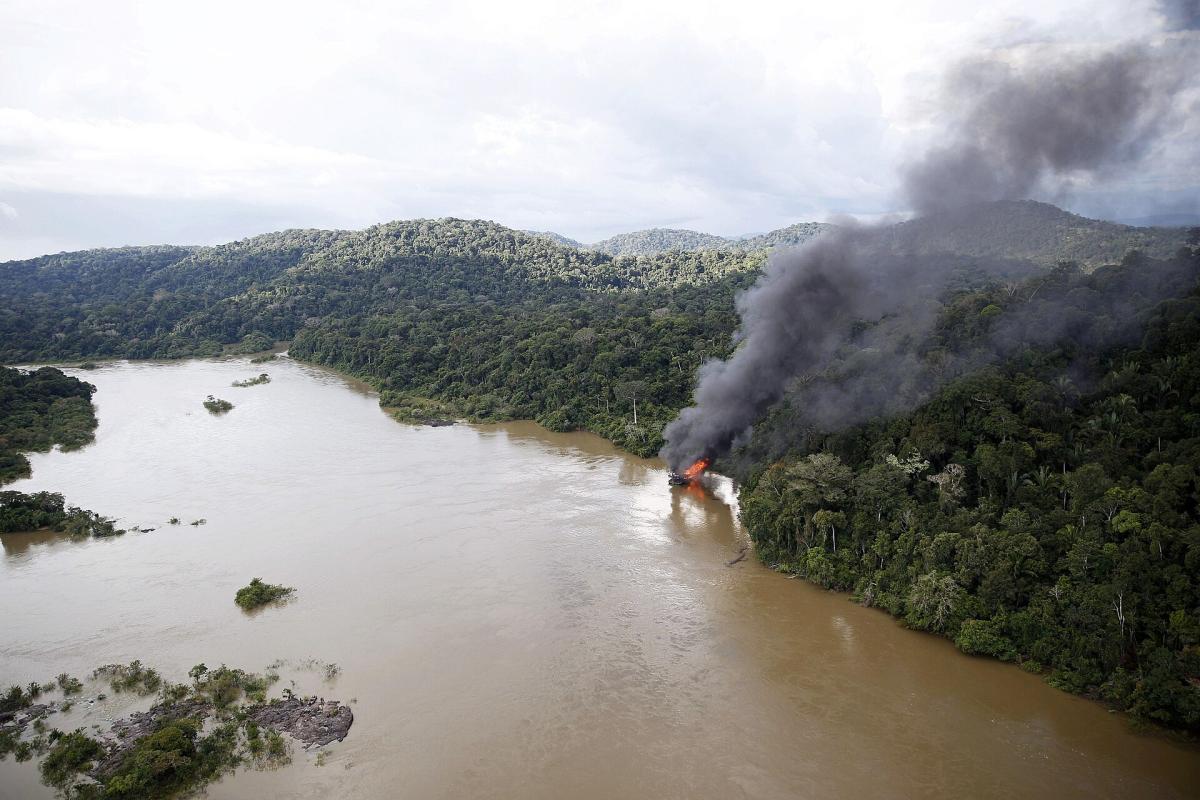
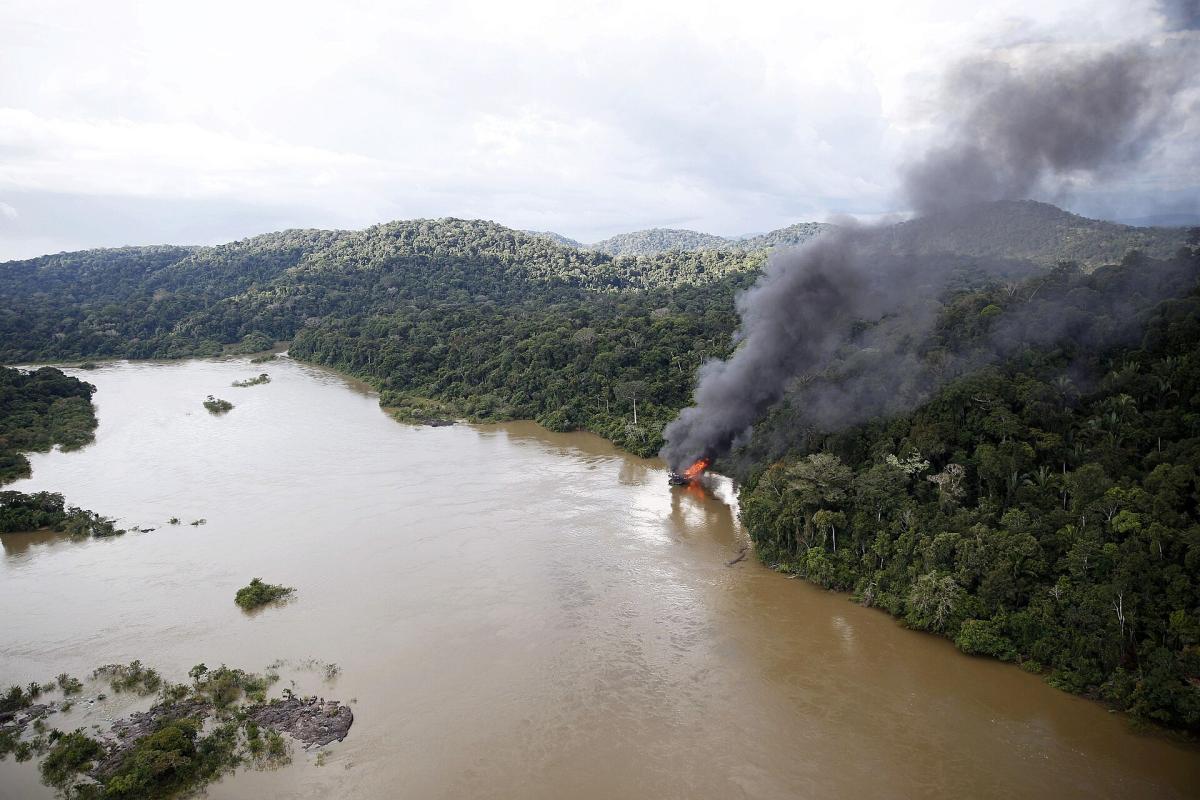
UN Special Rapporteur on Extreme Poverty & Human Rights Olivier De Schutter issued a report citing impoverishment and exploitation as the “root cause” of the fast-mounting violence and instability in Ecuador. Criminal groups exploit the desperate while gang wars deepen desperation, in a “vicious cycle linking insecurity and poverty.” Following a 12-day visit to the country, De Schutter warned against a purely militarized response to the crisis that ignores social and economic factors. (Image: Nicolas Raymond via Flickr)

Africa
South Sudan divisions

UN panel: prosecute South Sudan officers

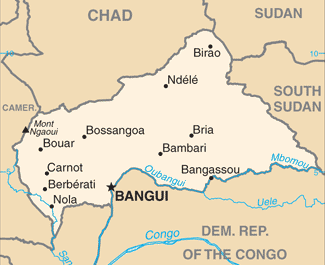
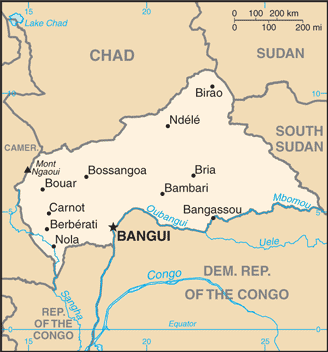
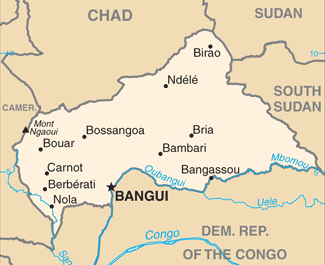
A panel of UN rights experts named senior officials and military leaders in South Sudan who they say warrant criminal prosecution for their part in grave atrocities against civilians. A year-long investigation by the UN Commission on Human Rights in South Sudan details the involvement of both government and rebel leaders in widespread murder, rape, and sexual slavery. Both military officers and a state governor are identified in the report in relation to state-sanctioned killings and other abuses. (Map: Wikipedia)

North Africa
Libya

Libya: ‘crimes against humanity’ —and European complicity

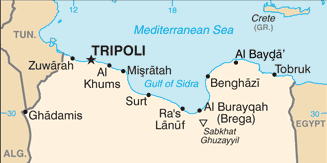
The UN Independent Fact-Finding Mission on Libya released a report finding grounds to believe Libyan authorities and armed groups have been responsible for “a wide array” of war crimes and crimes against humanity in recent years. The report further charged that European Union states have been complicit in crimes against humanity by Libyan forces targeting migrants trying to reach Europe. Legally barred from deporting migrants to Libya, EU governments instead give funding and technical aid to the Libyan Coast Guard, which has been accused of widespread “arbitrary detention, murder, torture, rape, enslavement and enforced disappearance” against migrants since 2016. (Map: Perry-Castañeda Library)

Inner Asia
Xinjiang

Podcast: state capitalism and the Uyghur genocide

In Episode 149 of the CounterVortex podcast, Bill Weinberg notes that the UN Human Rights Office determination that China may be guilty of “crimes against humanity” in its mass detention of Uyghurs in Xinjiang province is dismissed by the tankie-left ANSWER Coalition as “propagandistic.” Meanwhile, it falls to Radio Free Asia, media arm of the US State Department, to aggressively cover the very real conditions of forced labor faced by the Uyghurs and other Turkic peoples of Xinjiang—and how Western corporations benefit from it. While the Western pseudo-left betrays the Uyghurs, US imperialism exploits their suffering for propaganda against a rising China in the Great Game for the Asia-Pacific region. Figures such as Australia’s Kevin Rudd incorrectly portray a “Return of Red China,” blaming the PRC’s increasingly totalitarian direction on a supposed neo-Marxism. Fortunately, the new anthology Xinjiang Year Zero offers a corrective perspective, placing the industrial-detention complex and techno-security state in the context of global capitalism and settler colonialism. Listen on SoundCloud or via Patreon. (Photo: Xinjiang Judicial Administration via The Diplomat)

Iraq
Rojava

Podcast: Rojava and Ezidikhan in the Great Game

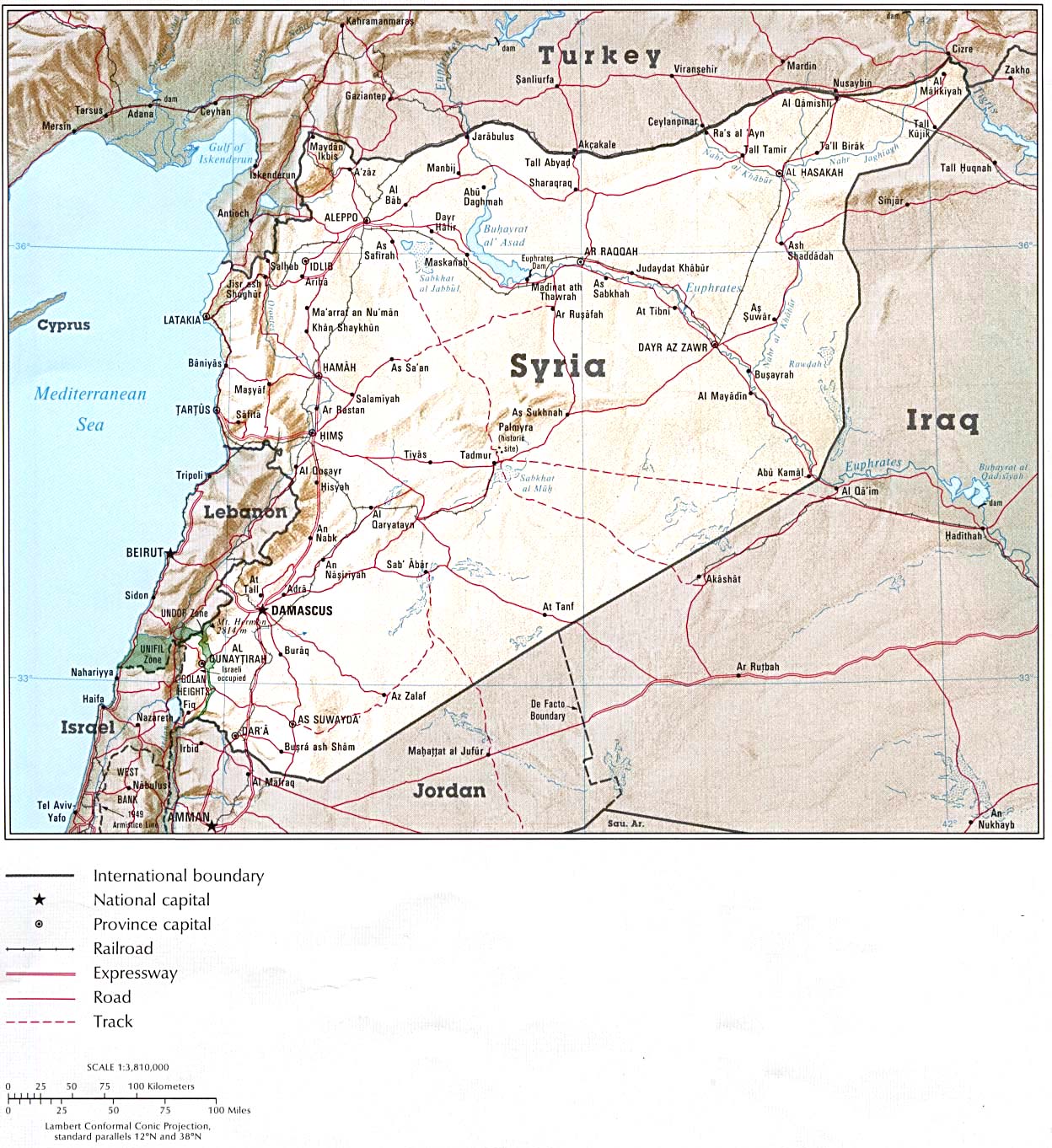
In Episode 127 of the CounterVortex podcast, Bill Weinberg notes that the Kurdish-controlled Syrian city of Kobani, which became a global icon of resistance to ISIS in 2014, is now under threat of Turkish aggression. The Syrian Kurds were betrayed in 2019, when their autonomous zone of Rojava was greatly reduced by Turkey’s first thrust into their territory. Erdogan is now threatening to extinguish it altogether, and incorporate all of Rojava into his “security zone.” There is growing speculation that the US could “green light” this aggression in exchange for Turkey dropping its objections to Sweden and Finland joining NATO. Meanwhile, the Yazidis of northern Iraq, who were subjected to genocide at the hands of ISIS in 2014, now face extermination of their hard-won autonomous zone of Ezidikhan at the hands of Baghdad’s military—acting under pressure from Turkey. Great Power meddling in Syrian and Iraqi Kurdistan alike is pitting the peoples of the region against each other, portending a disastrous Arab-Kurdish ethnic war. How can activists in the West help break this trajectory? Listen on SoundCloud or via Patreon. (Photo: Rojava Solidarity NYC)

North Africa
Libya

Russian mercenaries accused in Libya atrocities

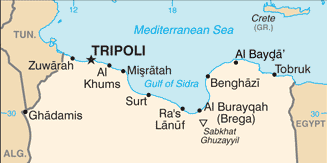
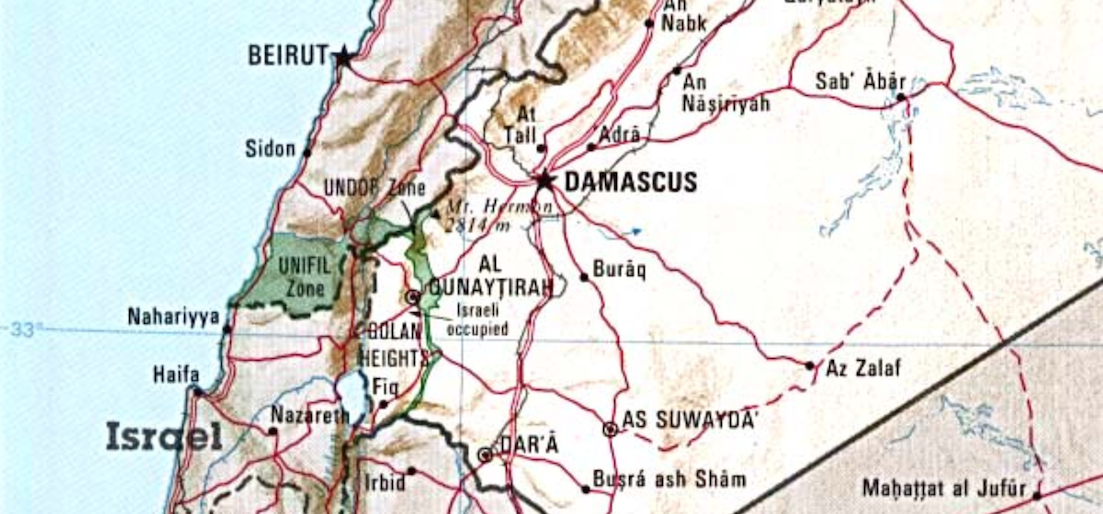
A report to the Security Council by a panel of UN human rights experts finds that foreign fighters and private military companies are responsible for grave abuses in Libya—especially naming Russia’s Wagner Group. The report was classified “confidential,” but a copy was leaked to the Associated Press. It finds that both Turkish-backed militias loyal to the Tripoli-based Government of National Unity (GNA) and the Wagner Group, apparently contracted by eastern warlord Khalifa Haftar, have employed mercenaries who were veterans of the war in Syria. GNA-aligned militias are implicated in abuses of migrants, who have been “regularly subjected to acts of slavery, rape and torture.” The Wager Group is accused of planting unmarked anti-personnel mines on the southern periphery of Tripoli, when the city was besieged by Haftar’s forces from April 2019 to October 2020. (Map: Perry-Castañeda Library)

Southern Cone
napalpi

Argentina: state liable for 1924 massacre

A federal judge in Argentina’s Chaco province ruled that the national state bears responsibility for the 1924 massacre of some 500 indigenous laborers in the region, and ordered that reparation measures be instated. On July 19, 1924, national police and vigilantes linked to the area’s landowners fired on a large group of indigenous protesters, who were marching over harsh conditions on the cotton plantations where they had been reduced to forced labor. The case was brought by Argentina’s Secretariat of Human Rights and the local Chaqueño Aboriginal Institute. The verdict was read in the indigenous languages Qom and Moqoit as well as Spanish. (Photo: Secretaría de Derechos Humanos)

North Africa
Libya detainee

Libya: militia accused of grave abuses against migrants

A report from Amnesty International finds that a militia funded and backed by Libya’s Tripoli-based Government of National Unity is responsible for a litany of crimes, including unlawful killings, torture, rape, forced labor, and the interception and return of migrants and refugees to the country’s notorious detention centers. Created by government decree in January 2021, the Stability Support Authority (SSA) is commanded by one of the most powerful militia leaders in Tripoli, Abdel Ghani al-Kikli AKA “Gheniwa.” who was appointed despite a well-documented history of crimes and other serious human rights violations committed by forces under his command. (Photo: Alessio Romenz/UNICEF)

Inner Asia
Uyghur

Uyghur Tribunal in UK hears testimony on abuses

The Uyghur Tribunal, an “independent people’s court” convened by exile and human rights groups, concluded after months of hearings in London. Following a request from the World Uyghur Congress, the Tribunal was organized last year by Sir Geoffrey Nice­, the lead prosecutor for the International Criminal Tribunal for the former Yugoslavia. The Tribunal heard testimony from some 500 witnesses, including survivors of the detention camps in Xinjiang, on torture, sexual abuse, coerced labor, and forced sterilization. (Photo via Coda)

North Africa
Libya detention

Migrants ‘disappearing’ in Libya

Of more than 24,000 asylum seekers and migrants intercepted at sea this year by the EU-supported Libyan Coast Guard, only 6,000 are accounted for in Libya’s official detention centers, a spokesperson for the International Organization for Migration (IOM) told the Associated Press. The fate of thousands of others returned to the country remains unknown. The situation has been worsening for months. The IOM warned last year of returnees vanishing from Interior Ministry “data-collection facilities,” and said it suspected that thousands are being sold to human traffickers. (Photo: Alessio Romenz/UNICEF)

North America
Fort Bliss

Migrant kids languish at Fort Bliss

Advocacy groups for migrants on the US southern border are protesting conditions at Texas’ Fort Bliss, an Army base that the Biden administration has opened as an emergency holding facility. Nearly 5,000 minors who crossed the border without a parent or guardian are currently being held in large tents at the base. This is about a quarter of the total number of minors in the care of the US Department of Health & Human Services’ Office of Refugee Resettlement. As of late May, nearly 600 of these had spent 40 days or longer at the “megasite.” Nearly 1,700 minors had been there for at least a month, according to government data. Unlike traditional HHS shelters for migrant children, Fort Bliss and other emergency “influx” sites are not licensed by state authorities to care for minors, and have lower standards of care. (Photo via Border Report)

Inner Asia
Chamdo

Report: forced labor and relocation in Tibet

A new report by the Inter-Parliamentary Alliance on China and the Jamestown Foundation, a DC-based policy think-tank, has found evidence of a system of forced displacement and labor in Tibet, mirroring that put in place over the past two years in Xiinjiang. The report, entitled “Xinjiang’s Militarized Vocational Training System Comes to Tibet,” finds that over half a million people received instruction at “military-style” training centers as part of the program in the first seven months of 2020—around 15% of the region’s population. Of this total, almost 50,000 have been transferred to jobs away from their homes within Tibet, and several thousand have been sent to other parts of China. Many end up in low-paid labor, including textile manufacturing, construction and agriculture. Those targeted for the program are designated “rural surplus laborers,” which according to the report usually refers to traditional pastoralists and nomads. (Photo: military-style training of “rural surplus laborers” in the Chamdo region of Tibet, June 2016, via Phayul)