

Europe
babiyar

Fascist pseudo-anti-fascism: Moscow’s propaganda offensive

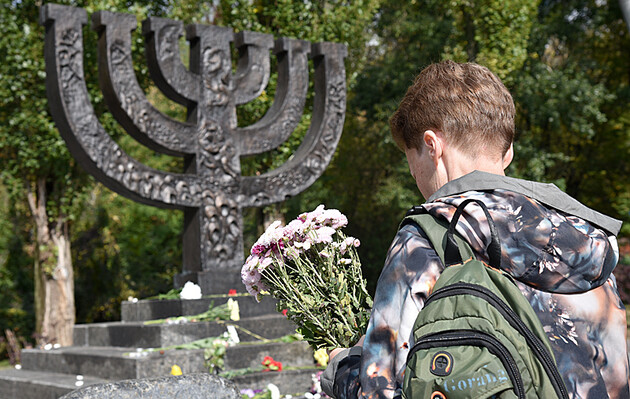
Russia announced plans to host an international “Anti-Fascist Conference“—with hideous irony, on the same day its forces bombarded a Holocaust memorial site in Kyiv. The surreal announcement came from Defense Minister Sergei Shoigu, who said Moscow will hold the conference in August, in conjunction with an arms expo sponsored by his ministry. Among the invited countries are China (accused of genocide in Xinjiang), India (now emulating China’s mass detention policies), Pakistan (a fast-consolidating police state), Saudi Arabia (similarly moving toward a mass detention state), the UAE (a burgeoning police state), Azerbaijan (accused of war crimes in last year’s war with Armenia), Uzbekistan (an entrenched dictatorship), and Ethiopia (accused of crimes against humanity in the Tigray war). (Photo of Babi Yar memorial in Kyiv via Kharkiv Human Rights Protection Group)
Afghanistan
tajikistan

Russia-led bloc in war games on Afghan border

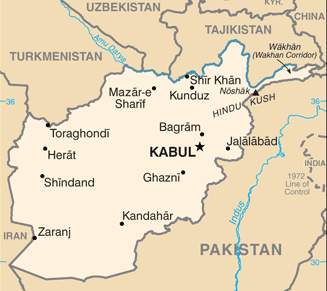
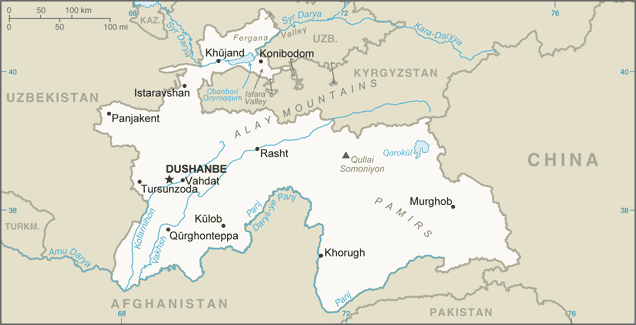
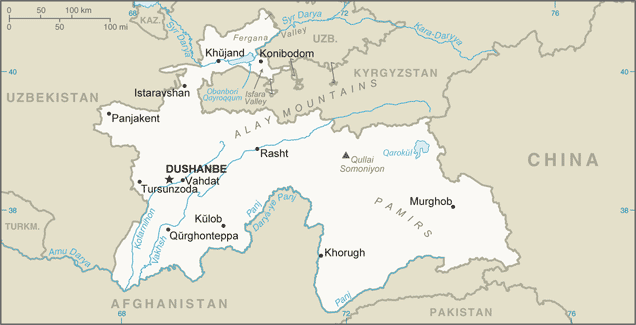
Some 5,000 troops from member states of the Russian-led Collective Security Treaty Organization (CSTO) initiated military maneuvers code-named “Echelon-2021” in Tajikistan near the border with Afghanistan. More than half of the troops involved are Russian. Gen. Anatoly Sidorov, head of the CSTO joint staff, said in a statement: “We pay special attention to the Central Asian region. The situation around the Islamic Republic of Afghanistan remains the main source of instability.” China is meanwhile said to have taken over an old Soviet outpost in Tajikistan near the Wakhan Corridor, Afghanistan’s eastern “panhandle,” where the People’s Liberation Army is conducting joint drills with Tajik forces and monitoring the situation on the border. (Map: CIA via PCL Map Collection)

Afghanistan
ground zero

Podcast: 9-11 and the GWOT at 20

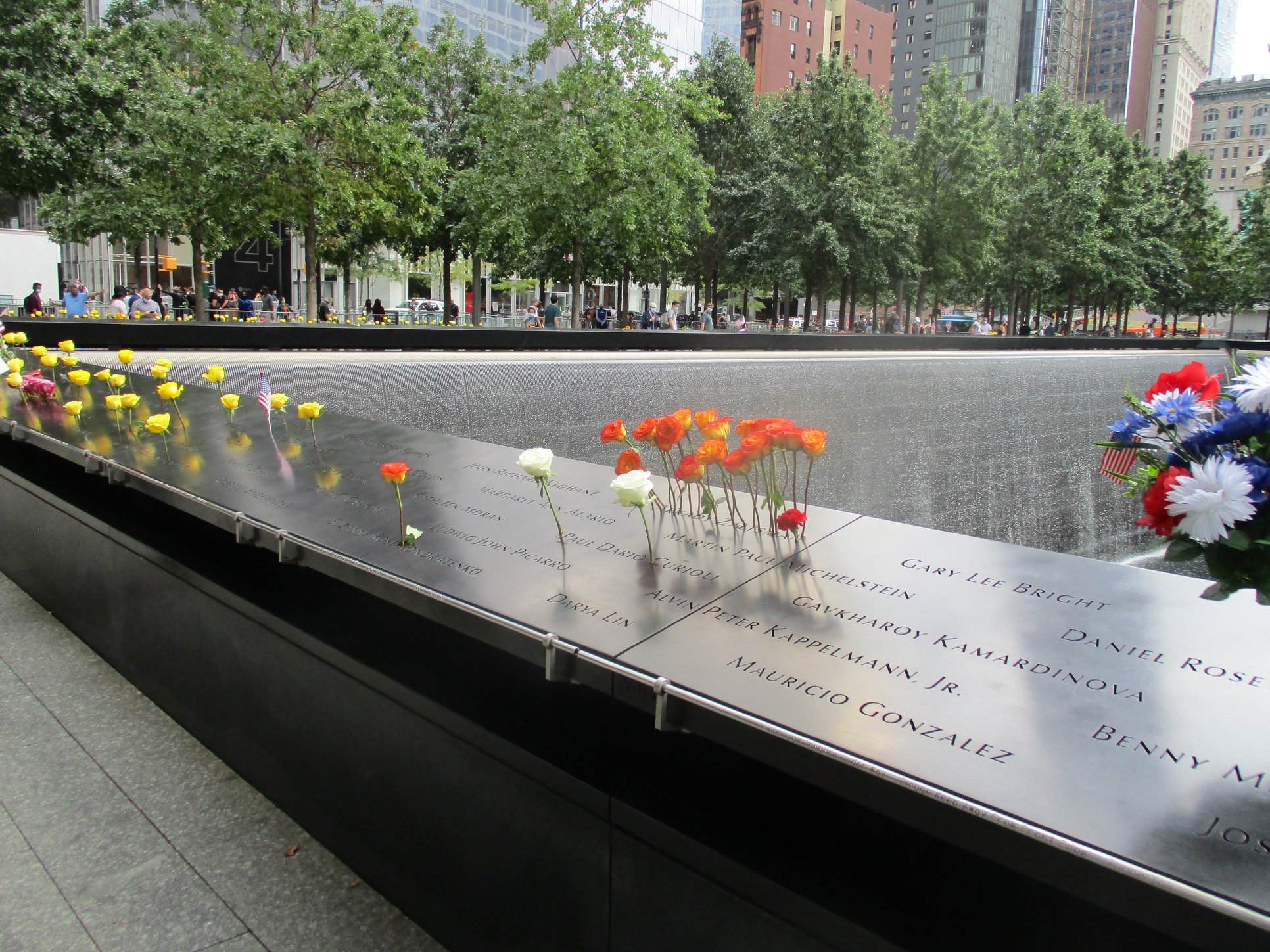
In Episode 88 of the CounterVortex podcast, Bill Weinberg revisits his predictions from 20 years ago and from a month ago about what the world would look like on the 20th anniversary of 9-11. The attack, and Dubya Bush’s Global War on Terrorism, did not lead to a wave of new attacks within the US, as the jihad has proved more concerned with the struggle within Islam. But this has meant an invisible catastrophe for the Muslim world. The ongoing wars in Afghanistan, Iraq, Syria and Yemen get at least some international media attention. There are many more nearly forgotten wars and genocides: the serial massacres in Pakistan, the insurgency in Egypt’s Sinai Peninsula, the Boko Haram war in Nigeria that is now spilling into Cameroon, the mounting massacres in the Sahel nations. Even the insurgency in Somalia, where the US has had a military footprint, wins little coverage—despite the fact that it is spilling into Kenya. The insurgency in Mozambique has now prompted an African-led multinational military intervention. The insurgency on the Philippine island of Mindanao has been met with air-strikes. All waged by entities claiming loyalty to either al-Qaeda or ISIS. The new imperial doctrine appears to be that this violence is acceptable as long as it is not visited upon the West. Listen on SoundCloud or via Patreon. (Photo: CounterVortex)

Afghanistan
kabul repression

Taliban repress anti-Pakistan protest in Kabul

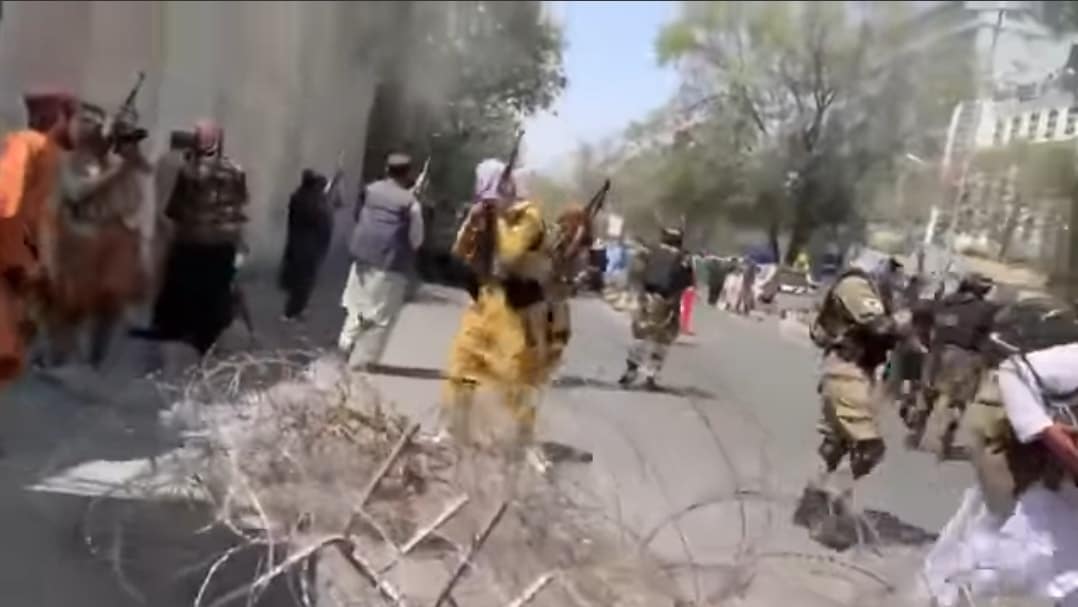
The Taliban used gunfire, beatings and arrests to disperse scores of protesters who marched through Kabul—the largest demonstration the Afghan capital has seen since the militant group seized power last month. Videos shared on social media showed activists shouting in support of resistance fighters in the Panjshir Valley—and chanting against Pakistan, which they view as backing the Taliban. In the footage, protesters can be heard shouting “Death to Pakistan” as they marched toward the presidential palace. (Photo: Khaama)

Afghanistan
afghanistan

Pakistan backing Taliban takeover in Afghanistan?

The Taliban announced that they have taken the Panjshir Valley from the incipient National Resistance Front of Afghanistan (NRFA). In an audio statement from an undisclosed location, NRFA leader Ahamd Masoud pledged to carry on the fight, and called upon Afghans to launch a national uprising against the Taliban. Another NRFA leader, Fahmi Dashti, was reported killed in the battle for the Valley. News sources in India claimed he met his death in a targeted drone strike launched by Pakistan. (Map: Perry-Castañeda Library)

South Asia
kashmir

Kashmir under internet blackout —again

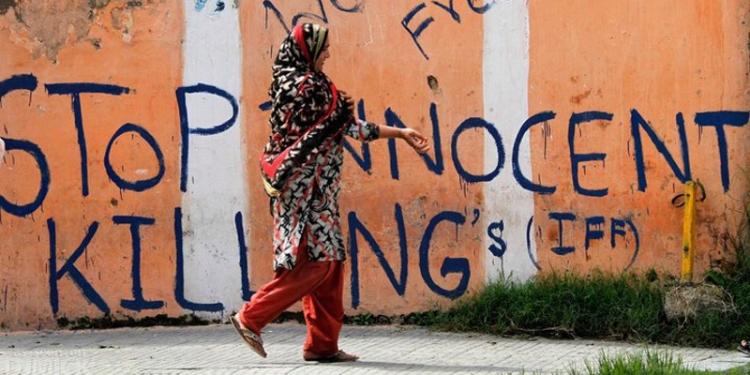
Indian-administered Kashmir was plunged back into internet darkness as India’s central authorities enforced lockdowns and a news blackout following the death of Syed Ali Geelani, a prominent separatist leader. Geelani’s body was immediately seized by authorities, and buried in a quiet funeral held under harsh restrictions. His son, Naseem Geelani, said the family had planned to bury him at the main martyrs’ cemetery in Srinagar, as specified in his will, but was not allowed to do so. Police also charged family members under an anti-terrorism law for wrapping his body in the Pakistani flag and raising anti-India slogans. Kashmir spent months without internet following an August 2019 crackdown. High-speed mobile internet was only restored earlier this year. (Photo: Kashmir Global via Nationalia)

Afghanistan
kabul protest

Afghanistan: Taliban unleash first terror

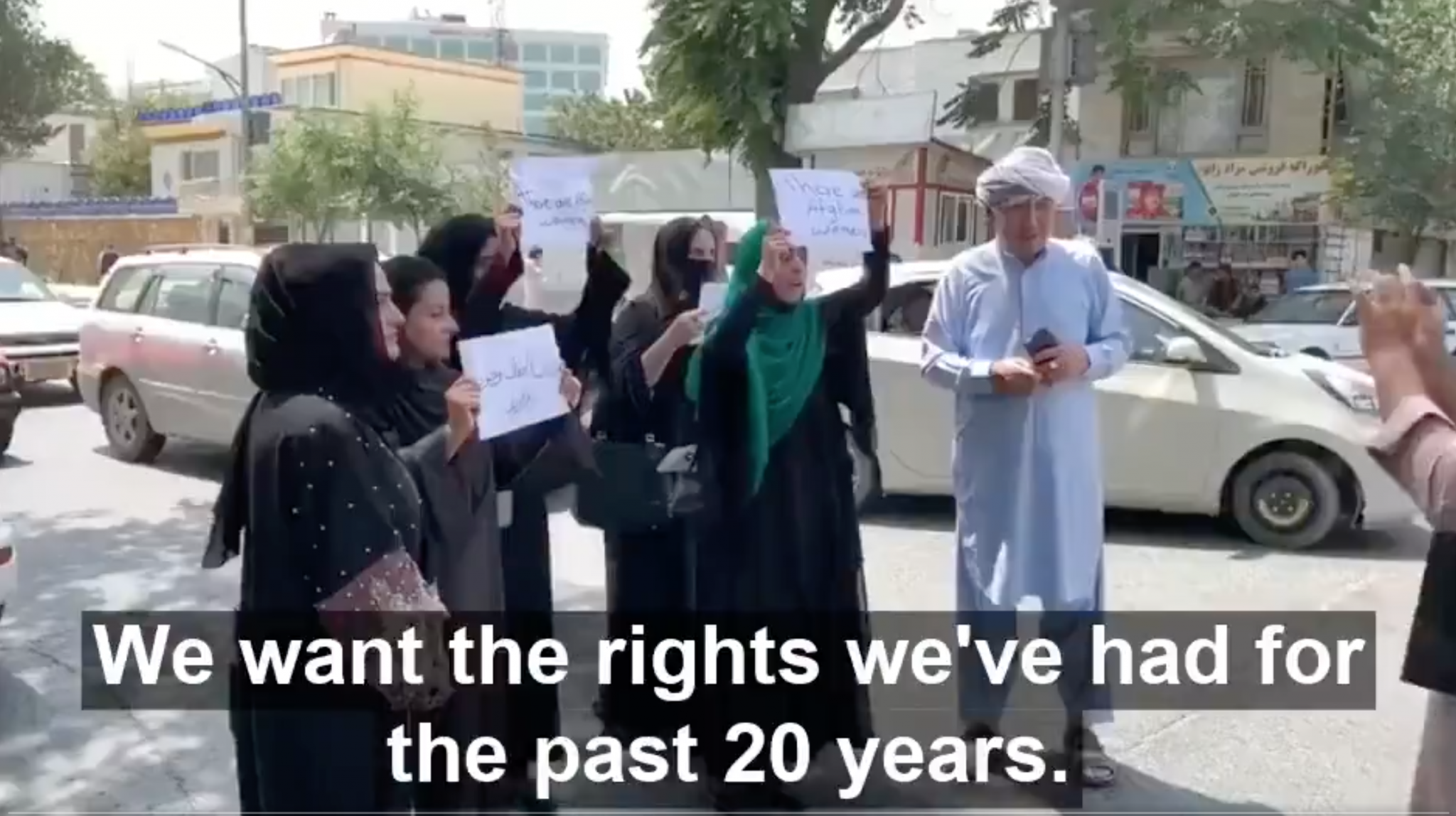
As the Taliban, now in full control of Kabul, pledge an “inclusive” Afghan government in prepared press statements, deadly repression against anti-Taliban protesters is reported from the eastern city of Jalalabad. The day before Afghanistan’s independence day, protesters took to the streets of Jalalabad waving the black, red and green national flag—and tearing down the white and black Tawhid flag of the Taliban. Witnesses said Taliban fighters fired on protesters indiscriminately, and at least three were killed. On the day that Afghanistan won full independence from Britain in 1919, a similar protest was held in Khost, where social media videos again show Taliban fighters firing on demonstrators. No casualties were reported, but the city has been placed under a 24-hour curfew. A small demonstration by women demanding that their rights be respected was held  outside a police precinct in Kabul. “We want the rights we’ve had for the past 20 years,” signs read.  (Photo via Twitter)

South Asia
hazara

Pakistan: Hazara massacre sparks hunger strike

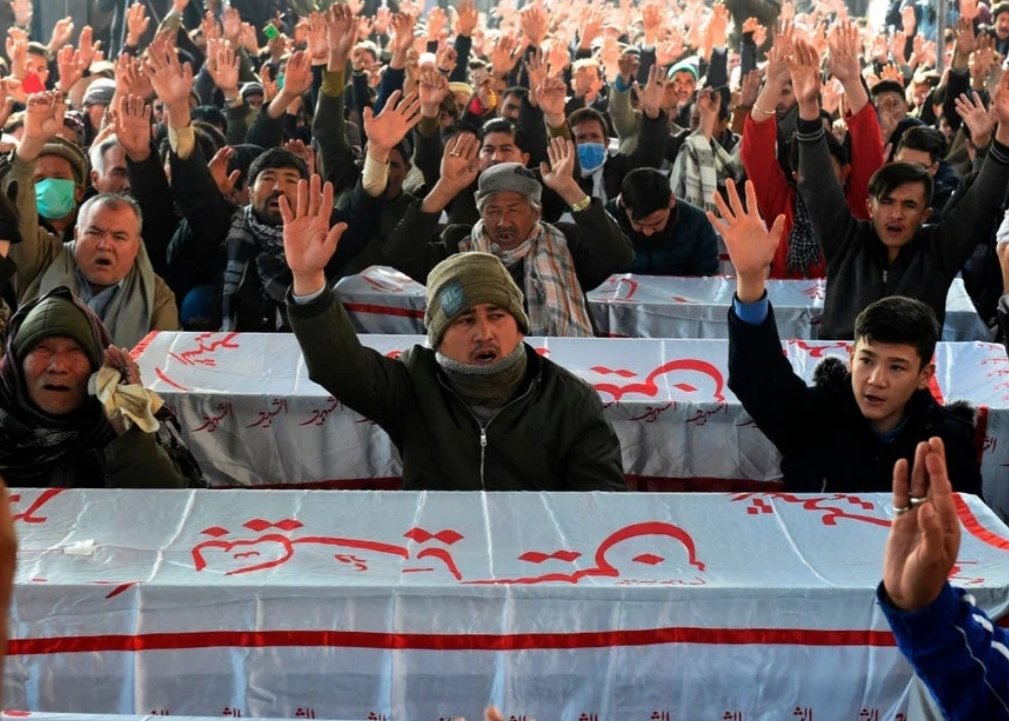
Members of Pakistan’s Hazara people have launched a sit-in and public hunger strike after a massacre targeted the Shi’ite minority at a coal-field in a remote area of Balochistan province. Hundreds have been blocking a major thoroughfare through the provincial capital, Quetta. Interior Minister Sheikh Rashid was sent in to meet with a delegation of the Majlis-e-Wahdatul Muslimeen, the organization leading the sit-in, but his offer of compensation to victims’ families was rebuffed. In the attack, armed men rounded up miners from worker housing at the coal-field. Those determined to be Hazara, 11 in all, were marched into the hills and summarily shot. Many had their throats slit or were otherwise mutilated. The local franchise of the “Islamic State” claimed responsibility for the massacre. Families of the victims are refusing to bury their loved ones, but have brought the bodies to the site of the sit-in, demanding the Balochistan government either arrest the killers or resign. (Photo via Twitter)

Watching the Shadows
Xinjiang

China elected to UN rights council: Orwellian irony

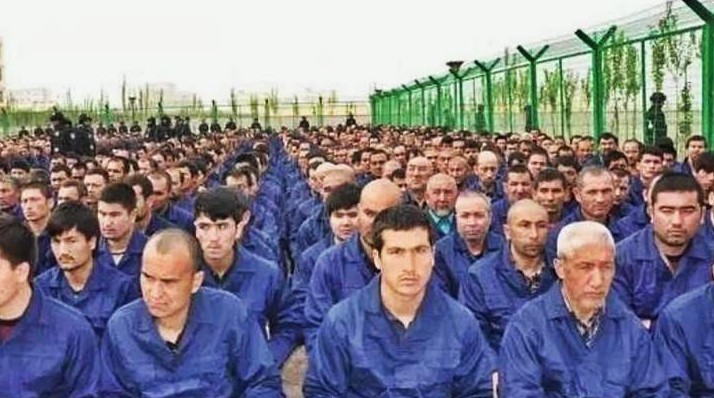
In another one to file under #OrwellWouldShit, the UN General Assembly elected China to the Human Rights Council—despite the country holding some one million Uighur Muslims in concentration camps. The General Assembly also elected Russia, Cuba, Uzbekistan and Pakistan—all similarly accused of human rights violations, if not quite such ambitious ones. US Secretary of State Mike Pompeo criticized the election of countries with “abhorrent human rights records.” A week before the General Assembly vote, China’s UN ambassador Zhang Jun read a statement before the body, denouncing the US for “systematic racial discrimination and violence,” which was endorsed by 25 other nations—including Russia, Iran and North Korea. Of course the perverse irony of this is that Pompeo and Zhang are both correct. And therefore neither has any moral credibility to criticize the other. (Photo: Xinjiang Judicial Administration via The Diplomat)

Afghanistan
Afghanistan

Is Russia really backing the Taliban?

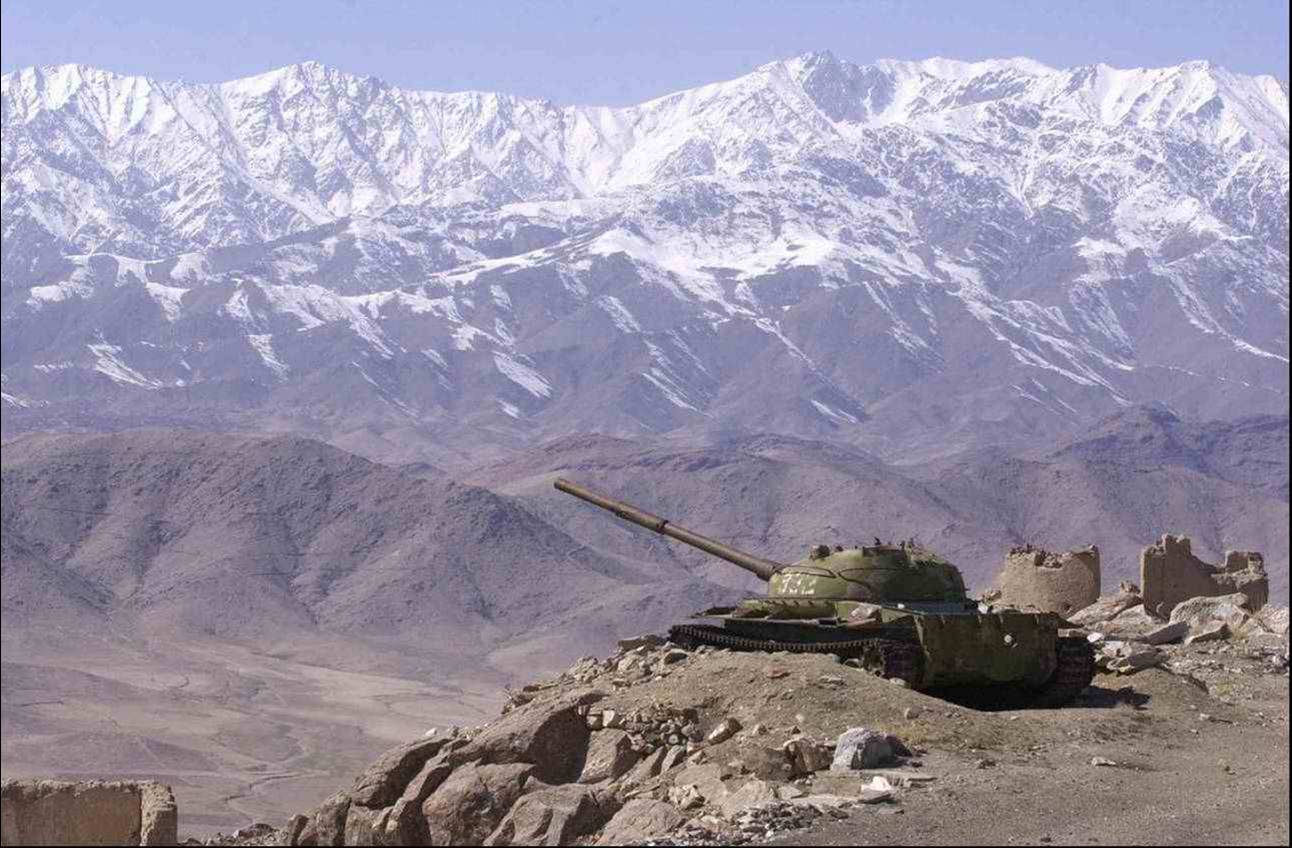
The kneejerk squawking of “McCarthyism” any time new revelations of Moscow misdeeds emerge is tiresome and dangerous. But there is reason for skepticism about the claims that Russia is arming the Taliban in Afghanistan, and offering them a bounty to kill US troops. This makes little sense in terms of the regional alliances: US ally Pakistan has been the traditional patron of the Taliban, while Russia’s closest ally in the region is Iran, which opposes the Taliban on sectarian grounds. The notion that Moscow would do anything to strengthen the hand of Sunni extremism in a country where it faced its own counterinsurgency quagmire in the ’80s, and which still borders its “near abroad,” stretches credulity. (Photo of abandoned Soviet tank in Afghanistan via Wikimedia Commons)

Inner Asia
China prison

India, China mirror each other in Islamophobia

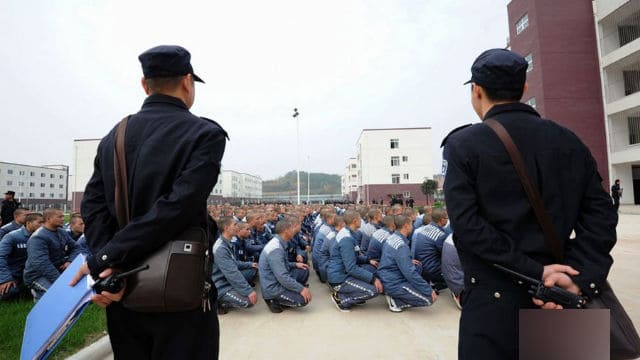
Well, this is grimly hilarious. Genocide Watch has issued two “warning alerts” for India—one for Kashmir and the other for Assam, with Muslims held to be at grave imminent risk of persecution and mass detention in both. Pakistan’s semi-official media are jumping all over this news, which is hardly surprising. But Pakistan is closely aligned with China due to their mutual rivalry with India, so it is also hardly surprising that Pakistani media have failed to similarly jump on the Genocide Watch report on the Uighurs of Xinjiang—despite the fact that the group categorizes the situation there as “preparation” for genocide, a more urgent level than “warning.” China itself has issued a protest to India over the situation in Kashmir. Delhi shot back that Kashmir is an internal matter. Beijing has been similarly dismissive of India’s protests over the mass detention in Xinjiang.  (Photo via Bitter Winter)

South Asia
Kashmir

Militarization as Delhi prepares to dismantle Kashmir

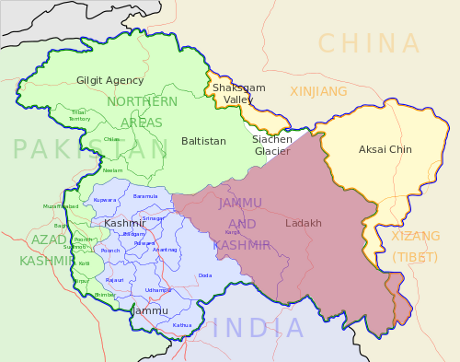
India’s government has flooded the northern state of Jammu & Kashmir with troops and cut off internet access upon announcing the revocation of its constitutionally protected autonomy, and plans to divide the disputed territory into two new political entities with reduced power. Article 370 of India’s constitution grants Jammu & Kashmir a high degree of autonomy, a concession to the demands of the territory’s Muslim majority, many of whom favor independence or union with Pakistan. In addition to abrogating Article 370, Delhi announced plans for a bill to divide India-controlled Kashmir into two “union territories,” which have lesser powers of self-government than states. A reduced Jammu & Kashmir Union Territory would continue, at least, to have a legislature. But it would be separated from the Buddhist-majority region of Ladakh, which is to become its own union territory, without a legislature. Complicating matters further is that the populace of Ladakh itself is divided along sectarian and regional lines. News of the plan to separate Ladakh from Jammu & Kashmir was met with jubilation in the principal Buddhist town of Leh, but with foreboding in Kargil, an enclave within Ladakh inhabited by Ismaili Muslims.  (Map via Wikipedia)