Europe
CNT

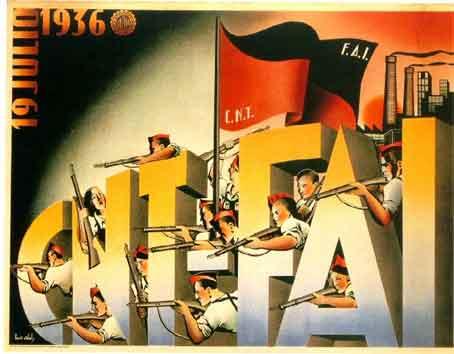
Podcast: the Spanish Revolution revisited
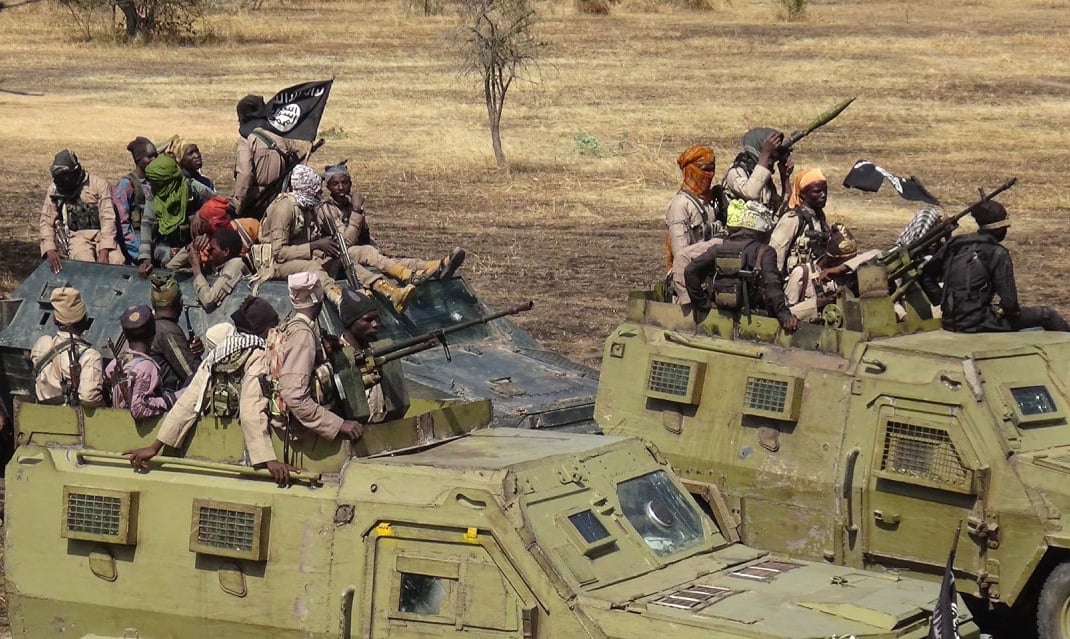
ISWAPThe so-called Islamic State West Africa Province (ISWAP) insurgent group has launched its most successful military campaign to date in northeast Nigeria's Lake Chad Basin. Throughout May, ISWAP raided a series of supposedly impenetrable army bases, forcing the military's withdrawal and the displacement of civilian communities—some of whom had been recently resettled by the Borno State government following its closure of IDP camps in state capital Maiduguri. This renewed campaign highlights the major challenge posed by Islamic State and Qaeda-linked extremist groups across West Africa: insurgents who are now better equipped, including with armored vehicles looted from the military, and utilizing new innovative tactics, such as near-simultaneous attacks on disparate sites. (Photo via TNH) 

Europe
tolstoy

Podcast: Tolstoy would shit

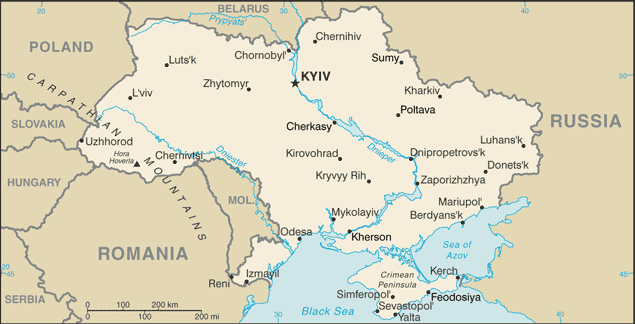
In Episode 132 of the CounterVortex podcast, Bill Weinberg notes that deputy Duma speaker Pyotr Tolstoy, one of the most bellicose supporters of Putin’s Ukraine war, is a direct descendent of Leo Tolstoy—and recently invoked his great-great-grandfather’s “slaughter” of British and French troops during the Crimean… Read morePodcast: Tolstoy would shit

Europe
Ukraine

Podcast: against pseudo-left disinformation on Ukraine

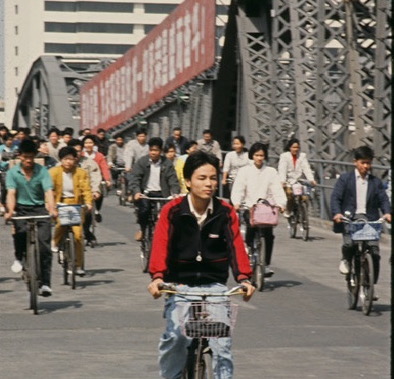
GuangzhouLegendary transportation activist George Bliss will be presenting a slideshow and hosting a discussion of his 1991 trip to China at the Museum of Reclaimed Urban Space (MoRUS) in New York City on Friday Dec. 9. What would NYC be like if we got rid of cars and everybody rode bikes? In 1991, Bliss and filmmaker Ted White visited Guangzhou, China (then pop. six million). Only one in a thousand owned cars. Bikes cost about $50. There was no theft because cheap attended bike-parking was everywhere. Riding en masse was fun, and traffic flowed safely and efficiently with almost no red lights. The term "critical mass"—first applied to this phenomenon by Bliss in White's film Return of the Scorcher—soon became a rallying cry in the global bike movement. While that China is long gone, its legacy points to the city we could yet have, even half a world away. (Photo: George Bliss)

Europe
Ukraine

Podcast: Ukraine between East and West II

GuangzhouLegendary transportation activist George Bliss will be presenting a slideshow and hosting a discussion of his 1991 trip to China at the Museum of Reclaimed Urban Space (MoRUS) in New York City on Friday Dec. 9. What would NYC be like if we got rid of cars and everybody rode bikes? In 1991, Bliss and filmmaker Ted White visited Guangzhou, China (then pop. six million). Only one in a thousand owned cars. Bikes cost about $50. There was no theft because cheap attended bike-parking was everywhere. Riding en masse was fun, and traffic flowed safely and efficiently with almost no red lights. The term "critical mass"—first applied to this phenomenon by Bliss in White's film Return of the Scorcher—soon became a rallying cry in the global bike movement. While that China is long gone, its legacy points to the city we could yet have, even half a world away. (Photo: George Bliss)

The Andes
paramilitaries

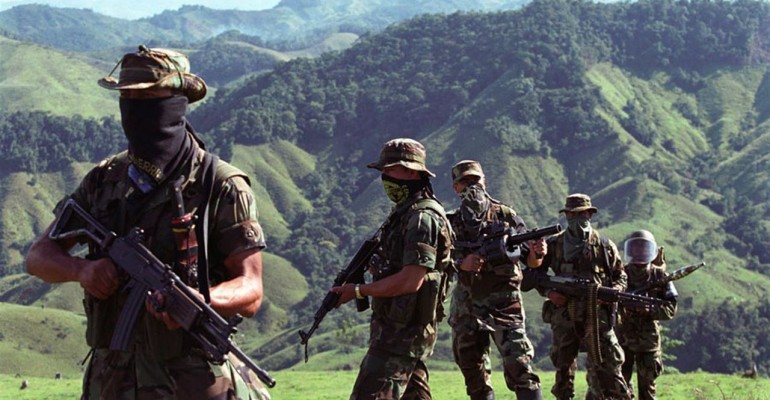
Podcast: the forgotten war in Colombia

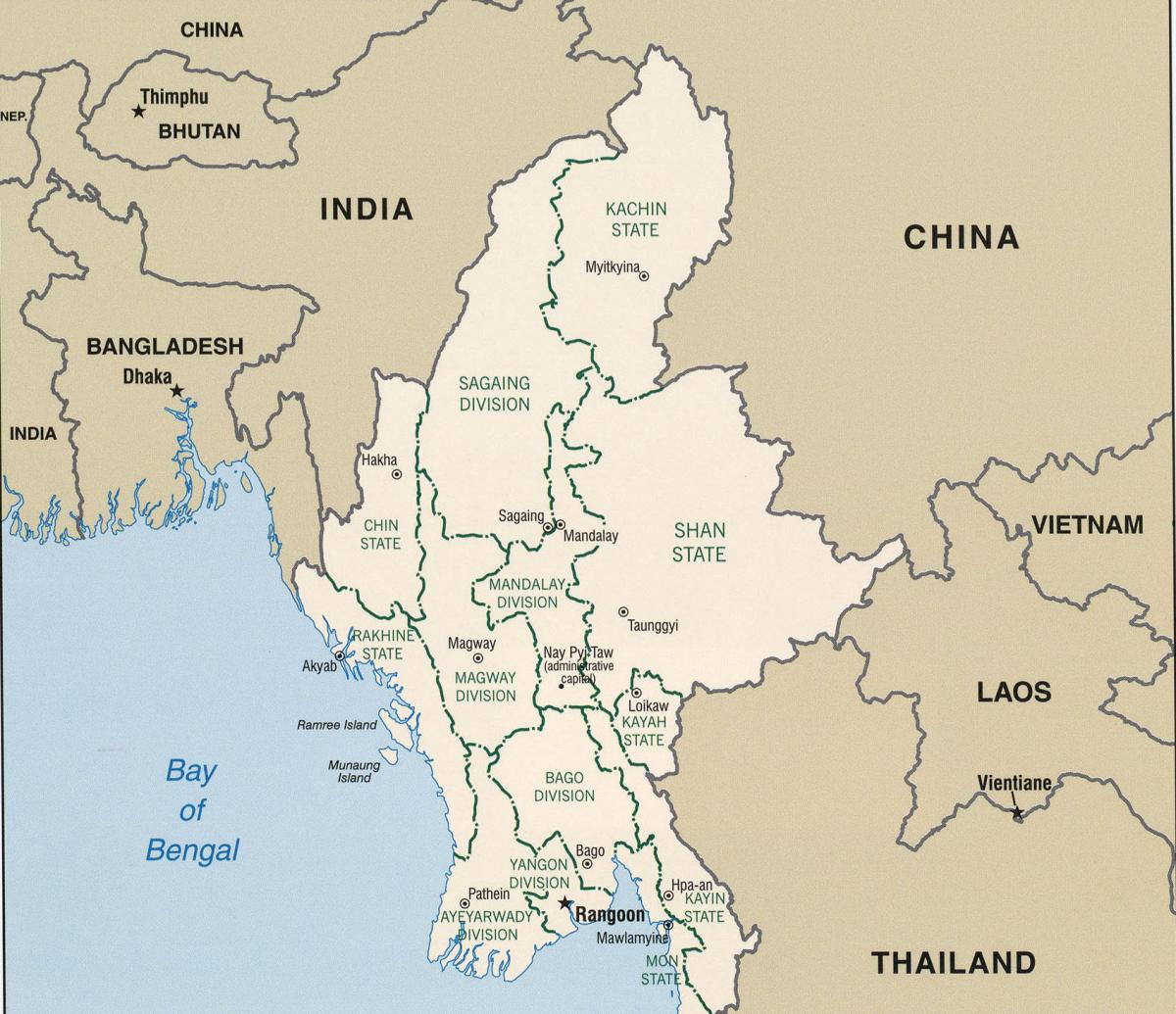
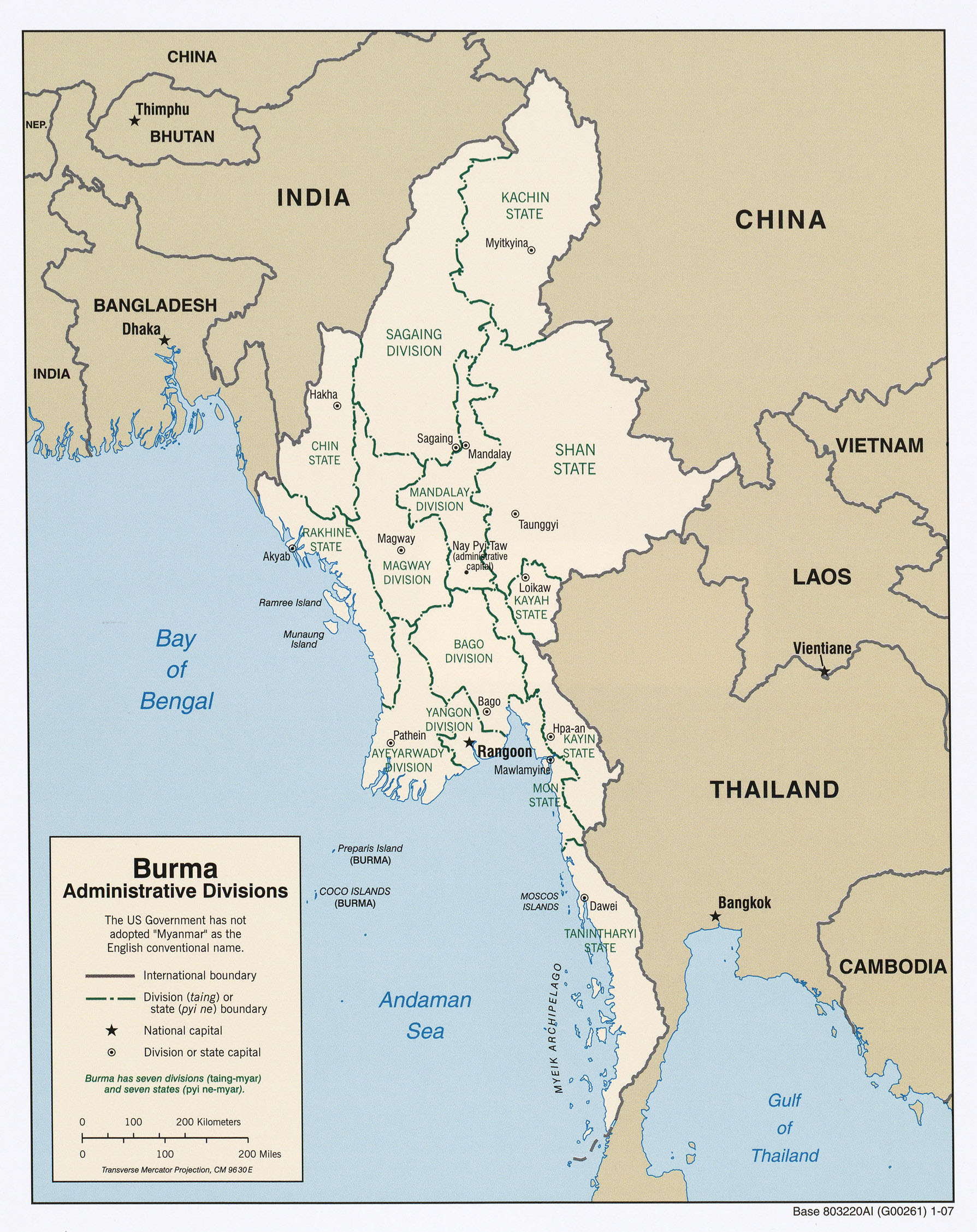
BurmaBurma's ruling junta acknowledged that it withdrew its forces from a key city on the border with China after it was seized by an alliance of ethnic rebel armies. The fall of Laukkai is the most significant defeat the junta has suffered since the self-declared Three Brotherhood Alliance launched its offensive in northeastern Shan state in October. Days earlier, at least 150 junta soldiers fled across the border into India's Mizoram state, driven from their outposts in Burma's northwestern Chin state by the rebel Arakan Army. The soldiers turned themselves over to a detachment of India's paramilitary Assam Rifles, and had to be flown back to Burmese territory. (Map: PCL)

Iraq
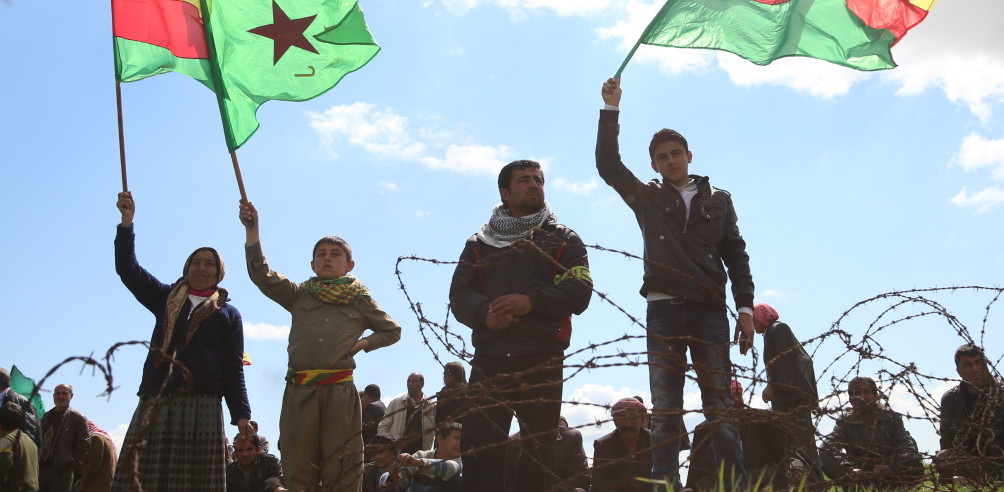
Rojava

Podcast: Rojava and Ezidikhan in the Great Game

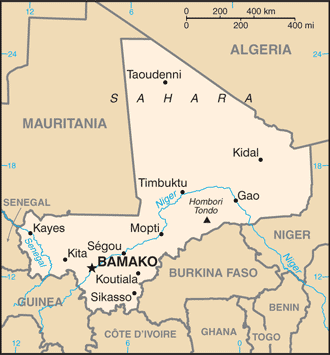
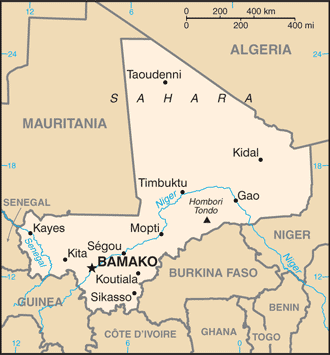
MaliMalian armed forces and associated foreign soldiers are believed to have summarily executed an estimated 300 civilian men in a town they occupied in late March, Human Rights Watch says in a new report, calling it "worst single atrocity reported in Mali’s decade-long armed conflict." The men were detained at a marketplace in the central town of Moura, Mopti region, during a military raid. Army troops and foreign soldiers—identified by several sources as Russians—are said by witnesses and survivors to have broken the detainees up into small groups and marched them to an area outside town before putting them to death. The Malian regime is battling an insurgency by jihadist militants lined to ISIS and al-Qaeda with the help of private military contractors from Russia's Wagner Group. (Map: PCL)

Watching the Shadows
khazaria

Podcast: whither Khazaria?

In Episode 123 of the CounterVortex podcast, Bill Weinberg discusses the history of Khazaria, the medieval Turko-Jewish empire in what is now southern Russia and eastern Ukraine. While the fate of the mysterious Khazars has won much attention from scholars—and controversy—because of what… Read morePodcast: whither Khazaria?