Peru: ‘uncontacted’ tribe attacks loggers
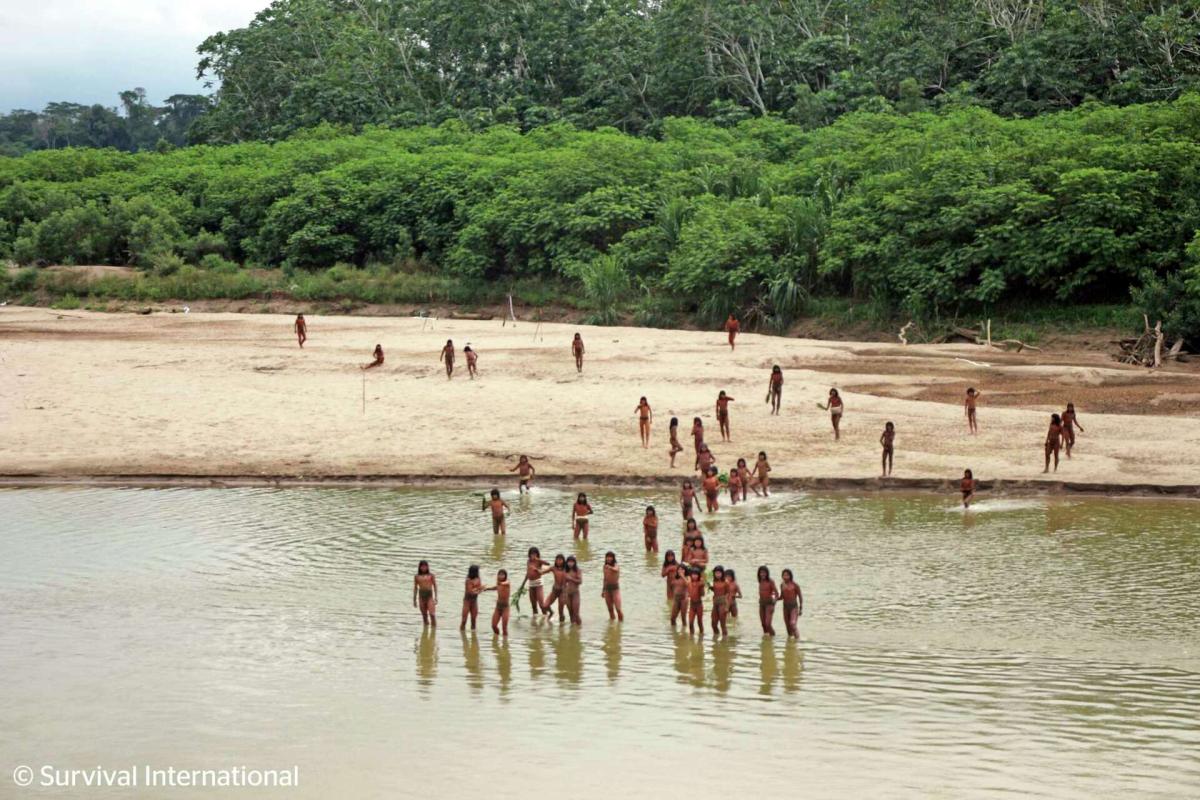
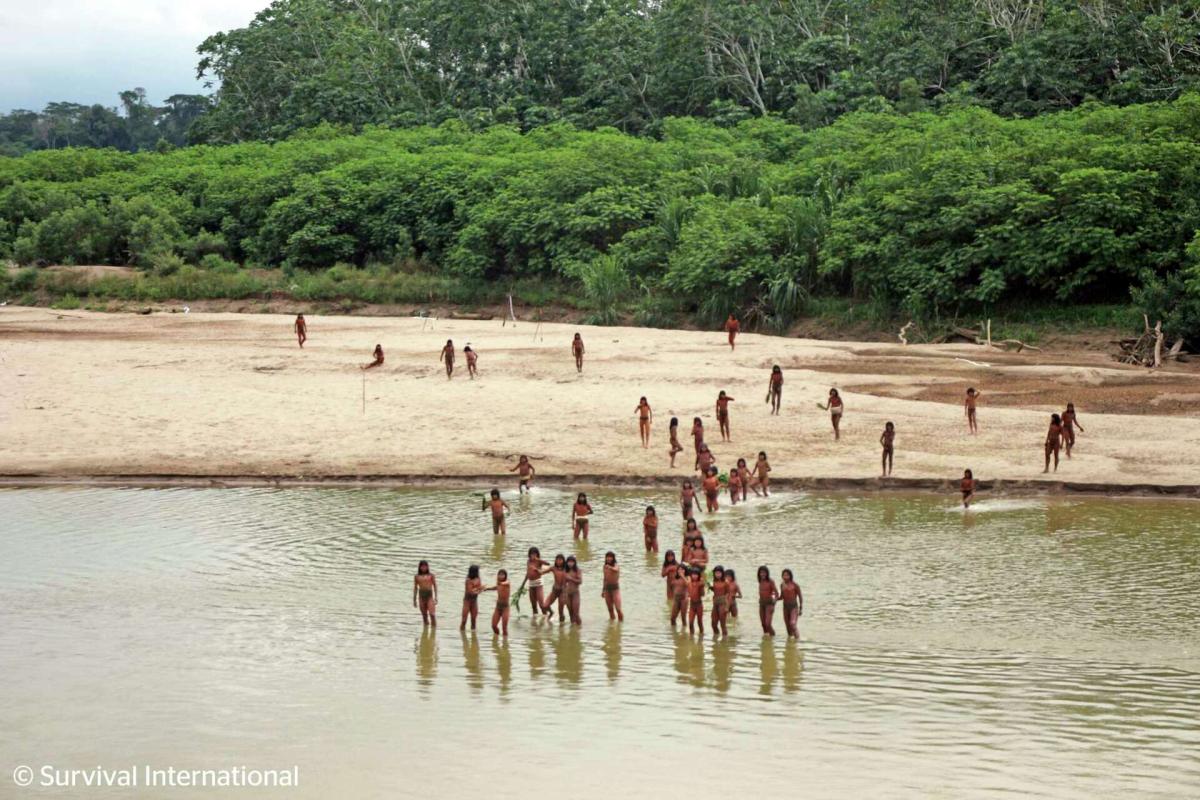
MaschcoPeru's reclusive Mashco Piro people used bows and arrows to attack loggers encroaching on their territory in the Amazon, according to a regional indigenous organization. FENAMAD, representing 39 indigenous communities in Cuzco and Madre de Dios regions, said that it believes illegal logging was taking place on Mashco Piro territory and that one logger was injured in the attack. Days before the incident occurred, photos emerged of some 50 members of the isolated tribe apparently searching for food on a river beach—which advocacy group Survival International said is evidence that logging concessions are "dangerously close" to its territory. (Photo: Survival International)


‘Genocidal’ massacre of protesters in Peru

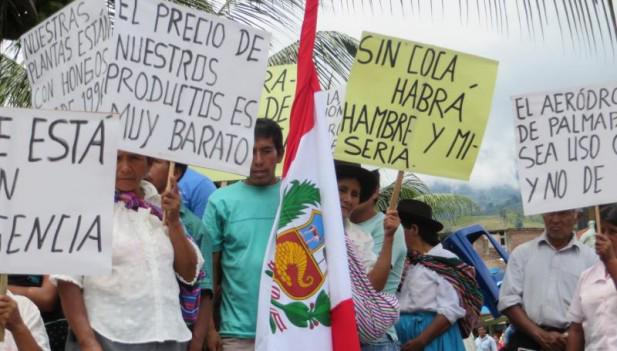
JuliacaThe prosecutor general's office in Peru, the Fiscalía, opened a preliminary investigation into President Dina Boluarte and five of her current and fomer cabinet members for possible acts of "genocide" in the repression of the mass protests sparked by the ouster of president Pedro Castillo last month. The announcement came a day after 17 were killed, including two teenagers, as protesters attempted to occupy the local airport in Juliaca, Puno region. The total death toll in the unrest since Castillo's ouster now stands at 47. Peru's southern regions of Puno, Cuzco, Arequipa and Madre de Dios have been almost entirely cut off by roadblocks since the protests remobilized with the new year. The giant Antapaccay copper mine in Cuzco region, operated by the Swiss multinational Glencore, is also under occupation by protesters, who set company vehicles on fire and clashed with police sent to remove them. (Photo: Max Nina/Pachamama Radio via Wayka)

‘Law of Genocide’ introduced in Peru

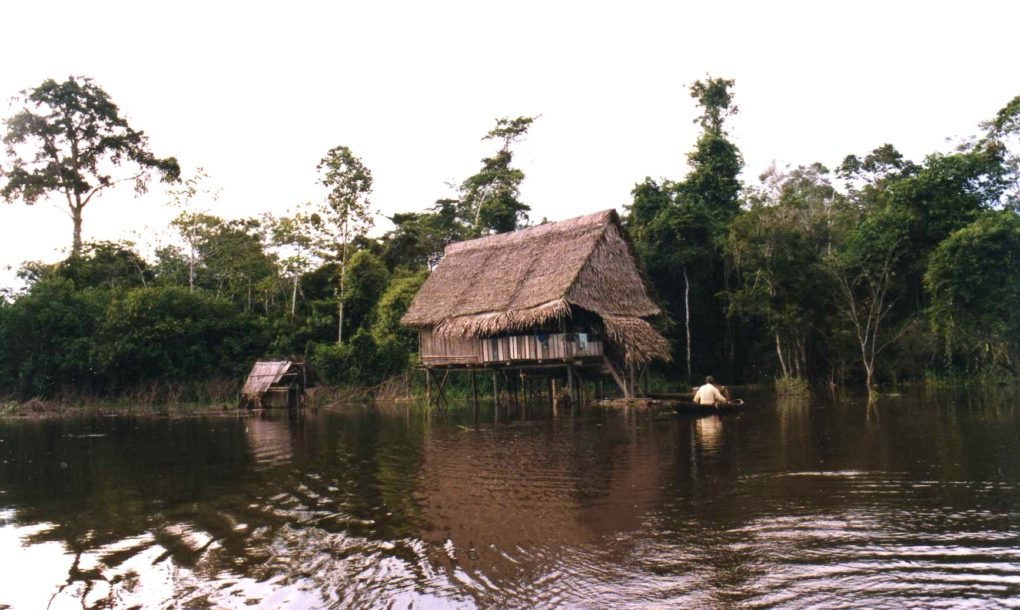
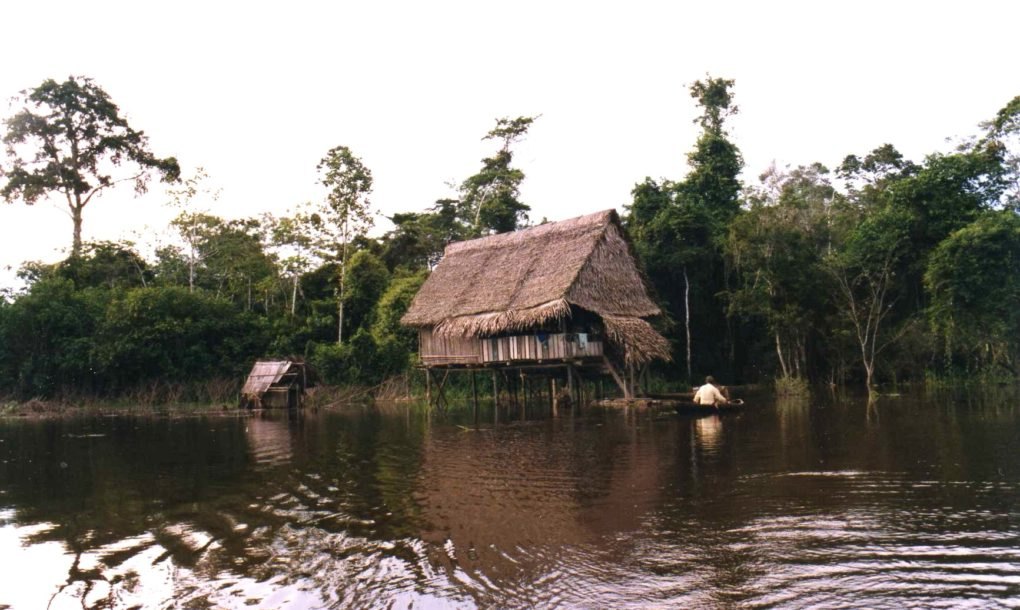
LoretoIn the midst of the political crisis gripping Peru, reactionary elements in the country's Congress have launched an initiative to repeal the 2006 law establishing reserves to protect isolated indigenous peoples in the Amazon rainforest. AIDESEP, Peru's trans-Amazonian indigenous alliance, is calling Law Project 3518/2022 the "Law of PIACI Genocide"—a reference to the Spanish acronym for Indigenous Peoples in Isolation or Initial Contact. The AIDESEP statement also charges that the congressional Commission on Decentralization & Regionalization submitted the bill without first seeking clearance from the Commission on Andean & Amazonian Peoples, which holds authority in the matter. AIDESEP believes that the PIACI population in Peru is roughly 7,500 people—5,200 in isolation and 2,300 in a process of initial contact, mostly in the regions of Loreto and Madre de Dios. But a new alliance in support of oil, timber and other extractive industries, the Coordinator for the Development of Loreto, asserts that their existence is "not proven." (Photo of Loreto rainforest via Pixabay)

The Amazon
amazon

‘Development’ deal to ‘protect’ (=destroy) Amazon

NurIsraeli military operations in the northern West Bank constitute war crimes and crimes against humanity, Human Rights Watch said in a report documenting the forced displacement of approximately 32,000 Palestinians from three refugee camps beginning in January 2025. The report charges that Israeli forces carried out mass forcible displacements as part of a widespread attack on civilians, accusations that, if substantiated, would constitute crimes against humanity under international law. "The organized, forced displacement of Palestinians in the refugee camps has removed nearly the entire Palestinian population from these areas," the report stated, noting that residents of Jenin, Tulkarm and Nur Shams camps have been denied the right to return nearly a year after the operations commenced. (Photo: Wikipedia)

The Amazon

‘Historic’ win against illegal mining in Peru

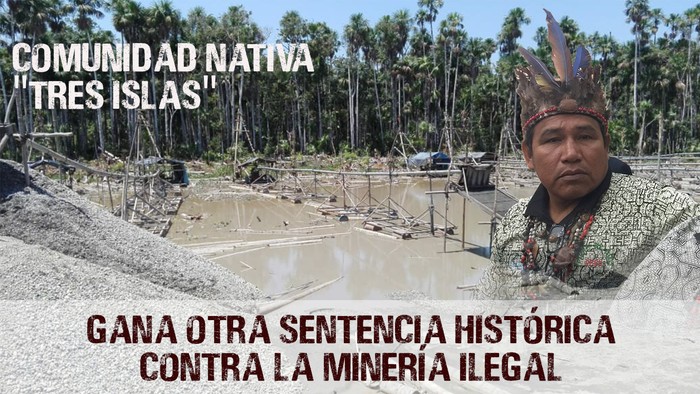
Tres IslasThe Supreior Court of Justice for Peru's rainforest region of Madre de Dios upheld a lower court ruling that nullified mining concessions as well as the titling of agricultural properties and granting of water rights to third parties on the territory of the indigenous community of Tres Islas, without prior consultation with that community. The regional government of Madre de Dios is ordered to comply with the ruling, as is the National Water Authority and the Ministry of Agriculture and Irrigation. The National Police are called upon to enforce the ruling if necessary. Peru's International Institute of Law and Society, which represented Tres Islas in the case, hailed the ruling as "historic." (Photo: La Mula)

The Amazon

Peru: ‘Operation Mercury’ militarizes Amazon

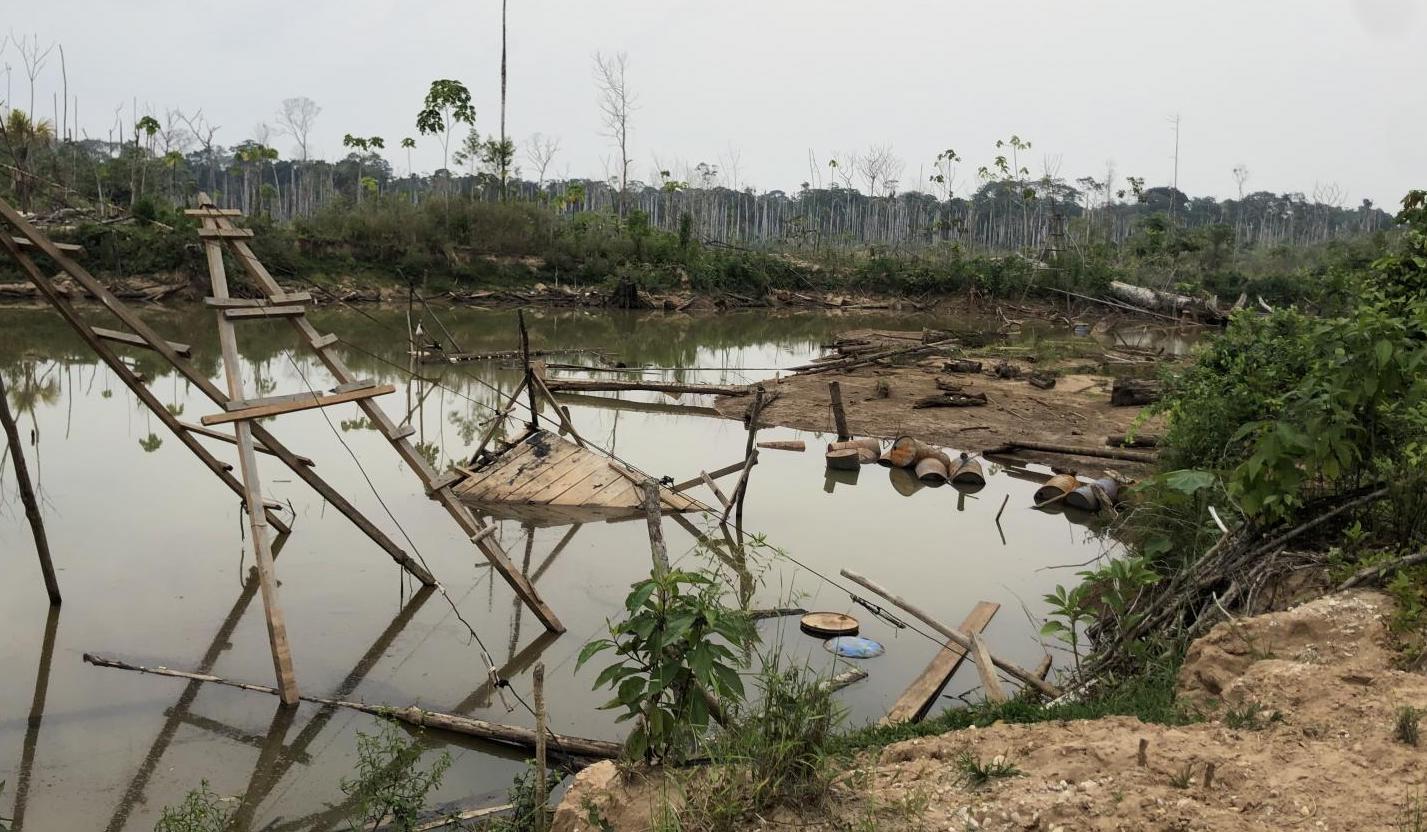
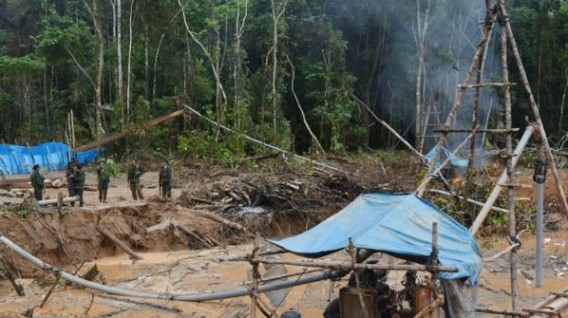
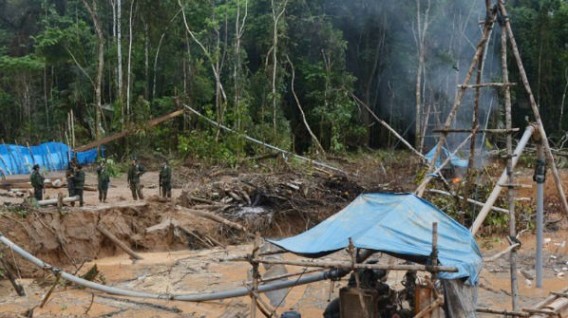
Madre de DiosPeru's central government is pouring troops into the rainforest region of Madre de Dios in an all-out effort against thousands of illegal gold-miners operating in remote areas. Under "Operation Mercury"—named for the mercury poisoning caused to local waters by the mining—three High Mobility Temporary Mixed Bases, manned by military and National Police personnel, are to be established within the buffer zone of Tambopata National Reserve. Cabinet officials were flown into the remote area to inaugurate the first base, dubbed "Alpha." Peru is the top gold producer in Latin America and the sixth worldwide, but experts estimate that up to 25% of annual gold production in the country comes from illegal mining. The Andean Amazon Monitoring Project estimates that gold mining has deforested more than 18,000 hectares of Madre de Dios in recent years. (Photo: Andina via Gestión)

The Amazon

Peru moves to protect new swath of Amazon

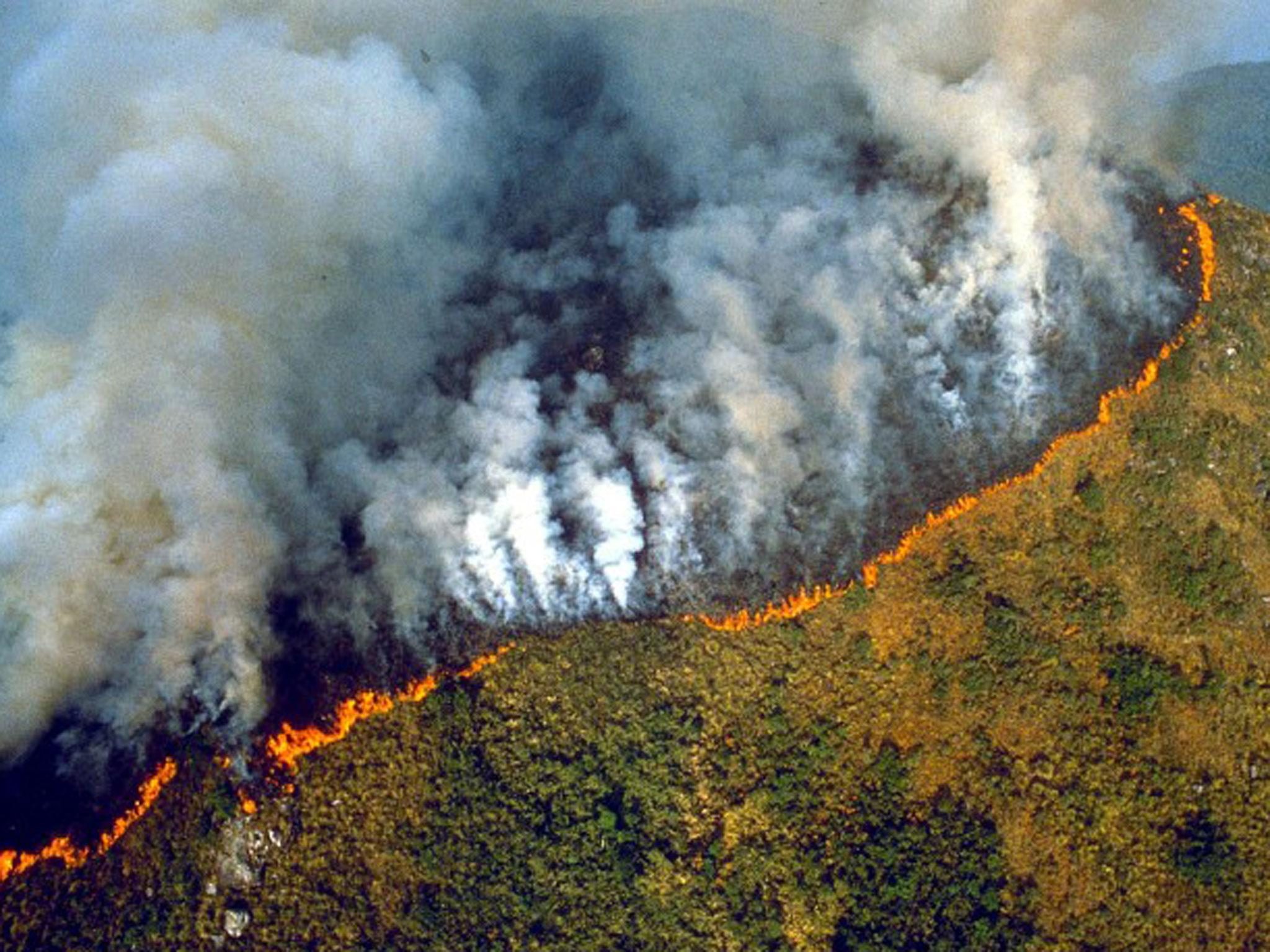
AmazonPeru's creation of Yaguas National Park—covering nearly 870,000 hectares of rainforest along the remote border with Colombia—is being hailed as a critical advance for protection of global biodiversity. The territory in the Putumayo river basin is roughly the size of Yellowstone National Park, but with more than 10 times the diversity of flora and fauna. Despite new areas brought under protection, forest is still being rapidly lost in Peru. A recent analysis of satellite images by th Andean Amazon Monitoring Project (MAAP) found 143,425 hectares of forest were lost across the Peruvian Amazon during 2017. (Image: Inhabit.com)