
Mexico
travel ban protest

SCOTUS lets stand ‘Remain in Mexico’ policy
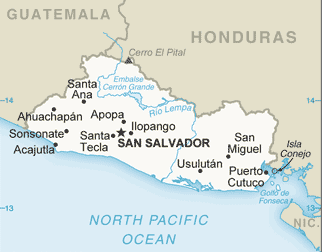
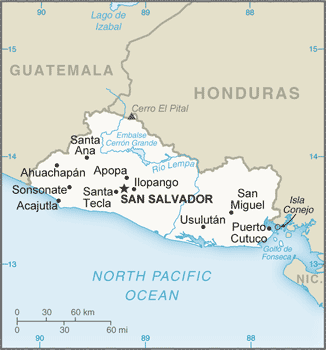
SalvadorUS-directed repression and counter-insurgency in El Salvador in the 1980s allowed the imposition of "free trade" or "neoliberal" regimes in the generations since then—ultimately culminating in the adoption of CAFTA. This, in turn, has exacerbated the expropriation of the traditional lands of the peasantry by the agro-export oligarchy. It also led to the hypertrophy of the narco economy and a new nightmare of violence, which Nayib Bukele has exploited to establish a new dictatorship. This dictatorship is now openly in league with Donald Trump, and has in fact become critical to his fascist agenda. In Episode 275 of the CounterVortex podcast, Bill Weinberg breaks down El Salvador's historical role as a laboratory of genocide and police-state methods for US imperialism, and the imperative of trans-national resistance. (Map: University of Texas)
Planet Watch
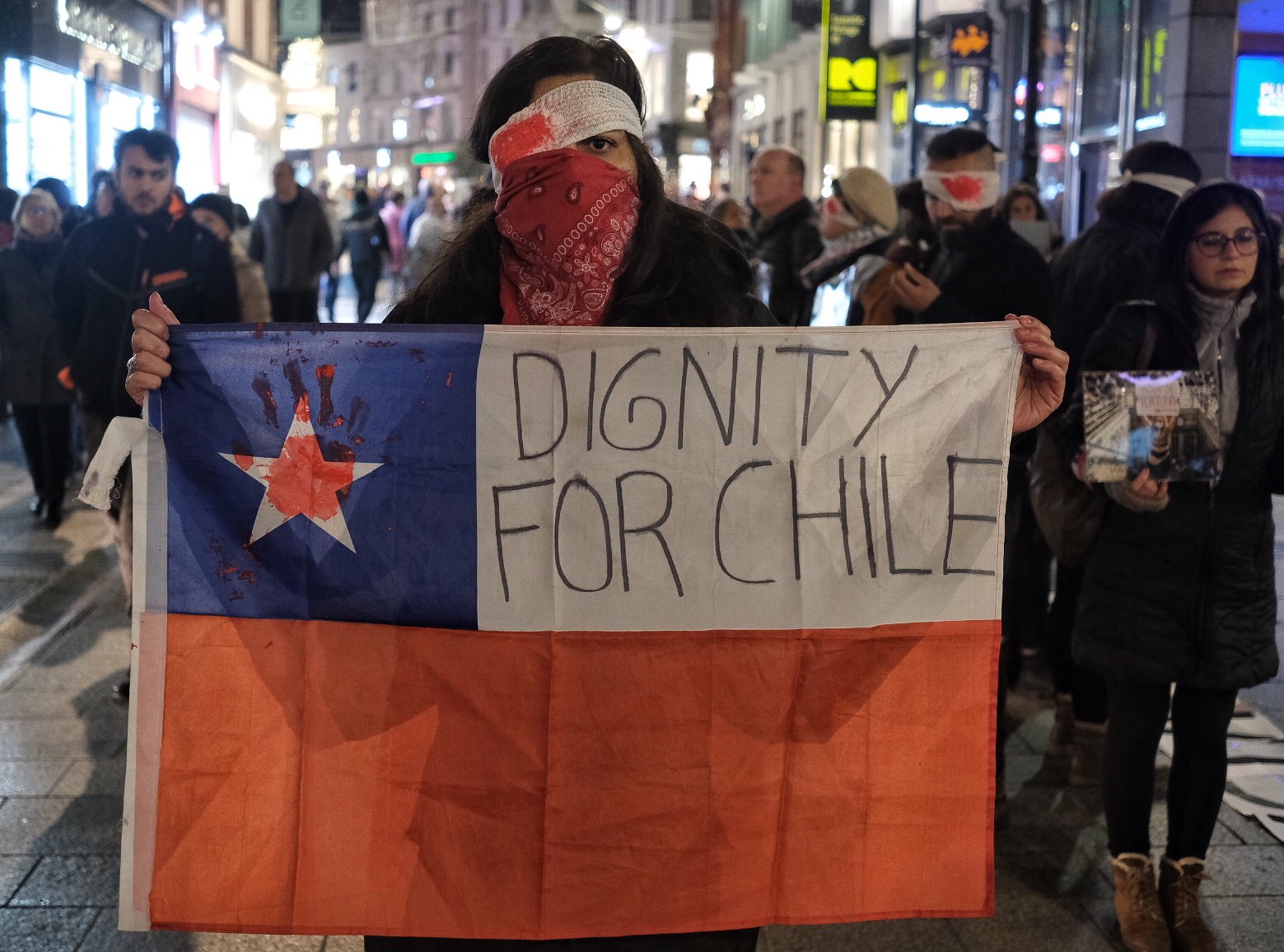
Chile protester

Podcast: world revolution in 2020?

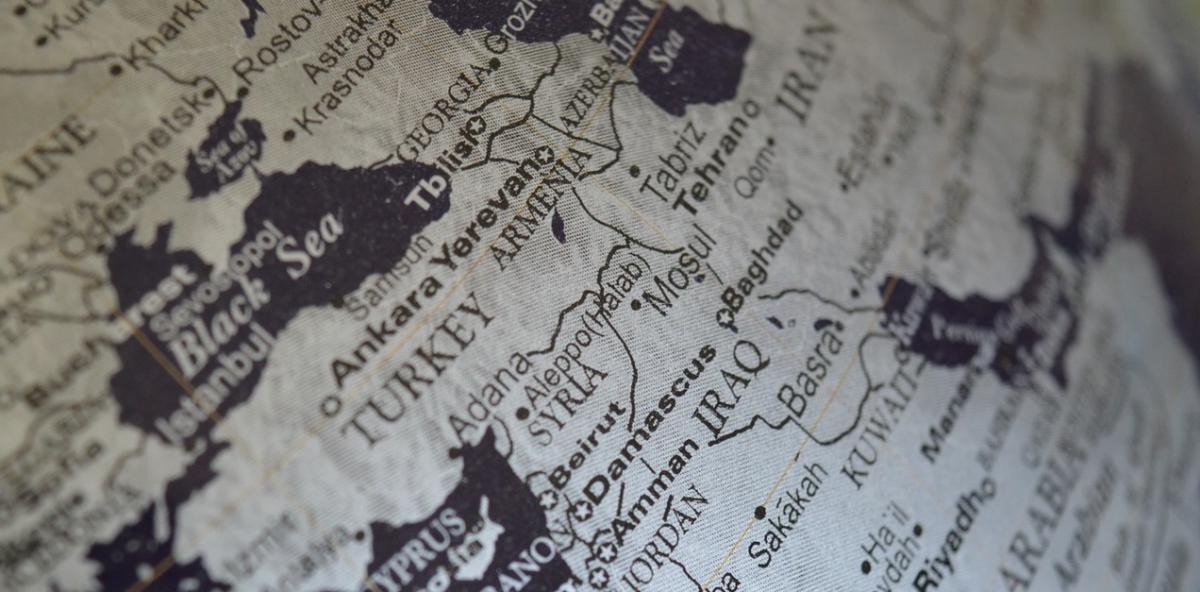
SyriaUN Human Rights Chief Volker Türk warned that repression of freedom of expression across the Middle East has deepened significantly since the US-Israeli attacks on Iran commenced at the end of February. In Iran, approximately 2,345 people have been arrested on charges related to national security. Many of these, as well as more arbitrarily arrested during the January protests, are being held in harsh conditions and incommunicado detention. The state has also cut internet access to prevent external sharing of information. Three protestors were publicly hanged in March after being convicted of "waging war against God" based on "confessions" obtained under torture. Many more are at imminent risk of execution. But hundreds of arbitrary arrests for online anti-war dissent have also taken place in the Gulf states that Iran has been targeting with missile strikes, with Türk warning of a "sharp securitization of civic space across the region." (Image: Pixabay)

Central America
Honduras protest

Honduras: uprising against narco-president

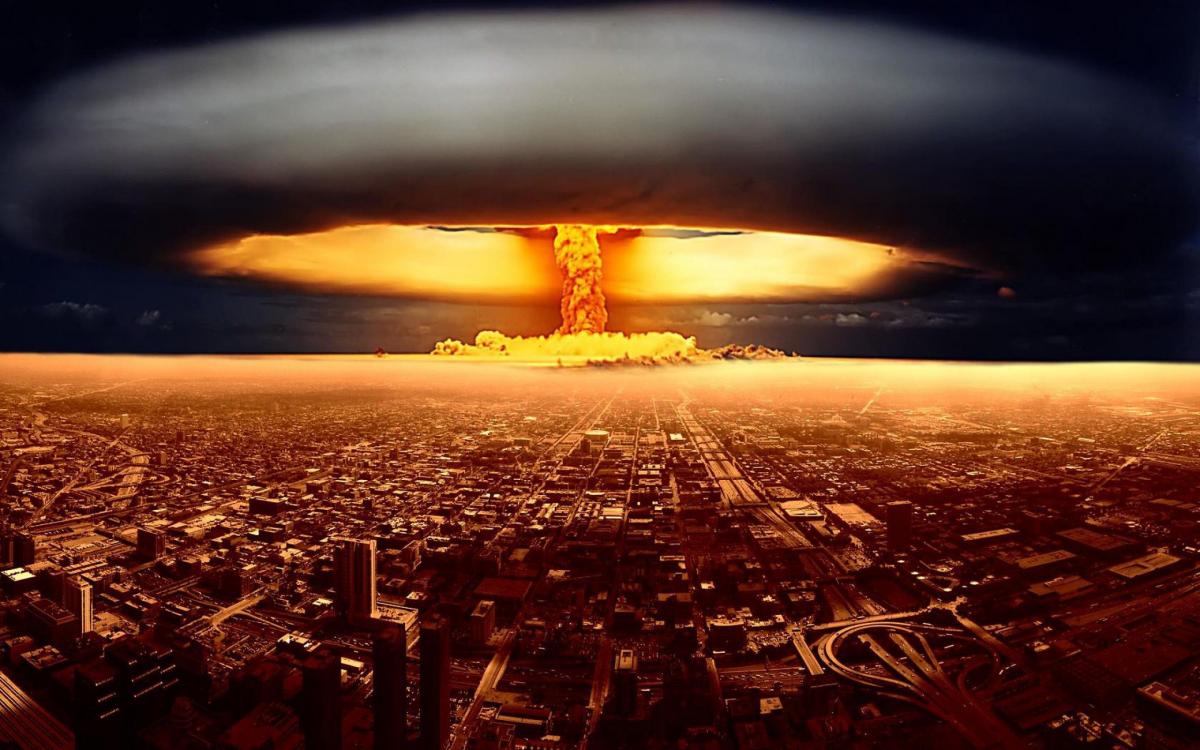
doomsdayThe Science & Security Board of The Bulletin of the Atomic Scientists moved the symbolic hands of the Doomsday Clock to an unprecedented 85 seconds to midnight. The decision came a year after the clock was set to an also unprecedented 89 seconds to midnight—and three years after it was moved to 90 seconds to midnight. Each increment since 2017, when it was set at 2.5 minutes of midnight, has brought the Clock closer to doomsday than ever before. This year's statement reads: "A year ago, we warned that the world was perilously close to global disaster and that any delay in reversing course increased the probability of catastrophe. Rather than heed this warning, Russia, China, the United States, and other major countries have instead become increasingly aggressive, adversarial, and nationalistic. Hard-won global understandings are collapsing, accelerating a winner-takes-all great power competition and undermining the international cooperation critical to reducing the risks of nuclear war, climate change, the misuse of biotechnology, the potential threat of artificial intelligence, and other apocalyptic dangers." (Image: misucell.com)

Central America

Central America climate crisis fuels migration

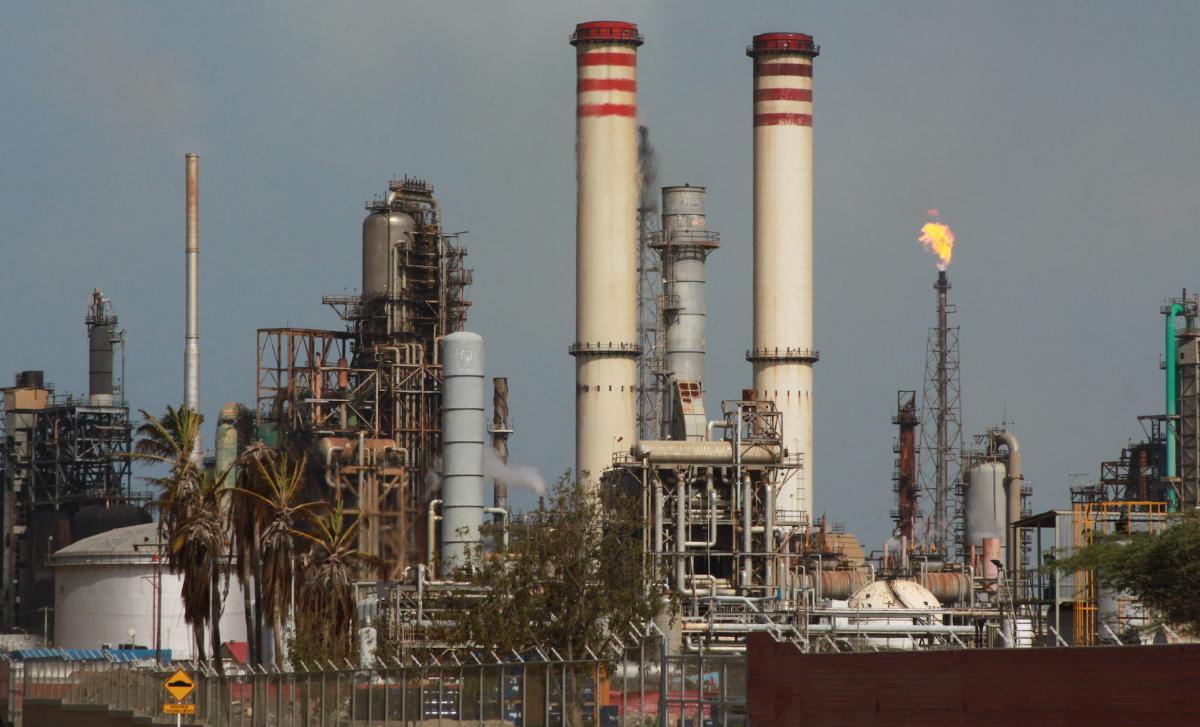
PDVSAPresident Donald Trump announced that the US government is revoking concessions granted to energy giant Chevron to pump and export Venezuelan oil. The move, which reverses a 2022 decision by Biden to allow the company to bring Venezuelan oil to US markets by exempting it from economic sanctions, removes one of the South American country's few economic lifelines at a time of deepening crisis. In his post on TruthSocial, Trump claimed that the Venezuelan government had failed to keep up its side of the original bargain to meet "electoral conditions." He also charged that the "regime has not been transporting the violent criminals they sent into our Country…back to Venezuela at the rapid pace that they had agreed to." (Photo: Luis Ovalles via Dialogo Americas)

Mexico
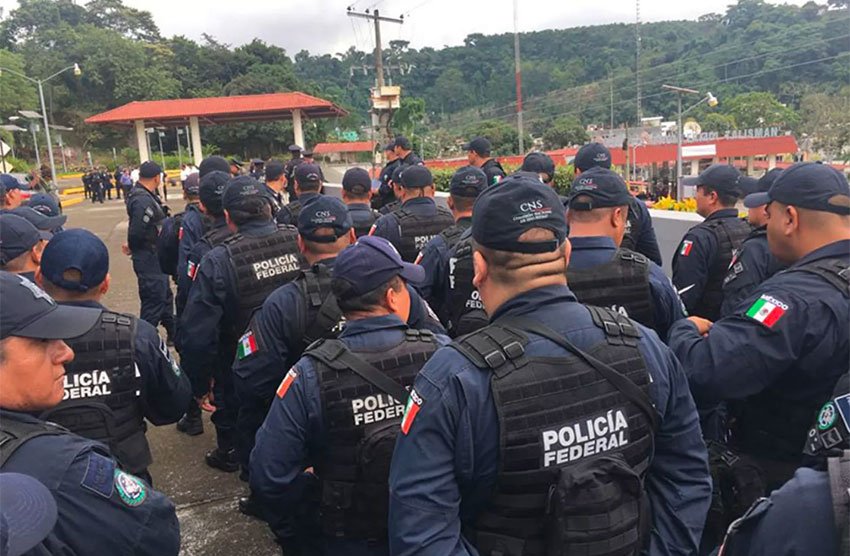
Mexico police

Mexico: new security force to Guatemalan border

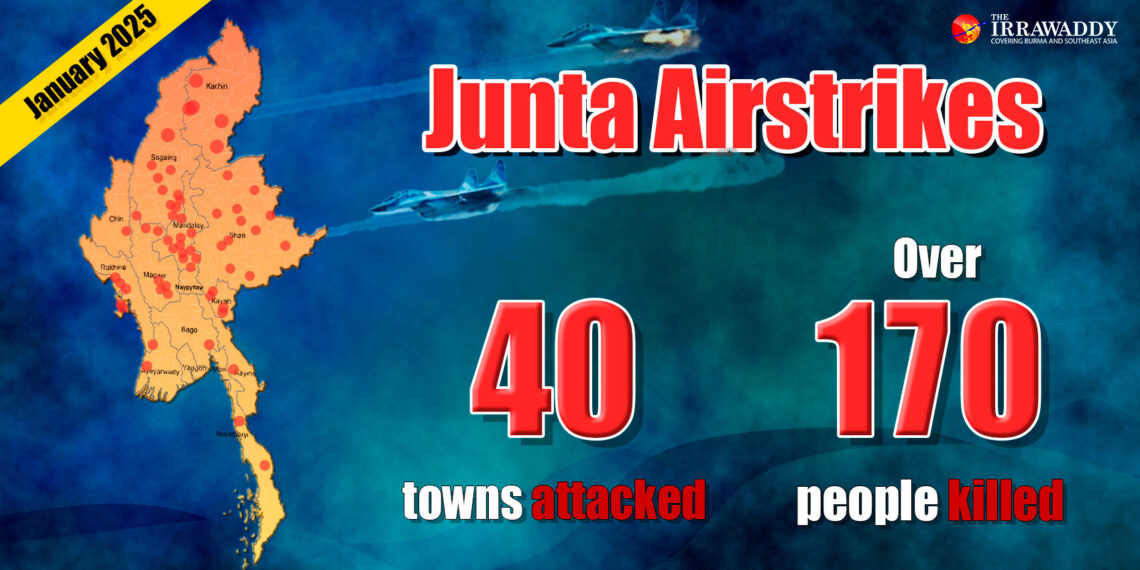
BurmaJunta air-strikes killed over 170 people across Burma in January, a fourfold increase over the previous month, according to an analysis by The Irrawaddy, an independent exile-based newspaper that maintains a network of reporters on the ground. The strikes hit villages, health facilities, a prison and a gold mine in various areas held by the resistance, although most of those killed were civilians. More than 1,800 people have been killed in air-strikes since the February 2021 coup. (Image: The Irrawaddy)

Central America

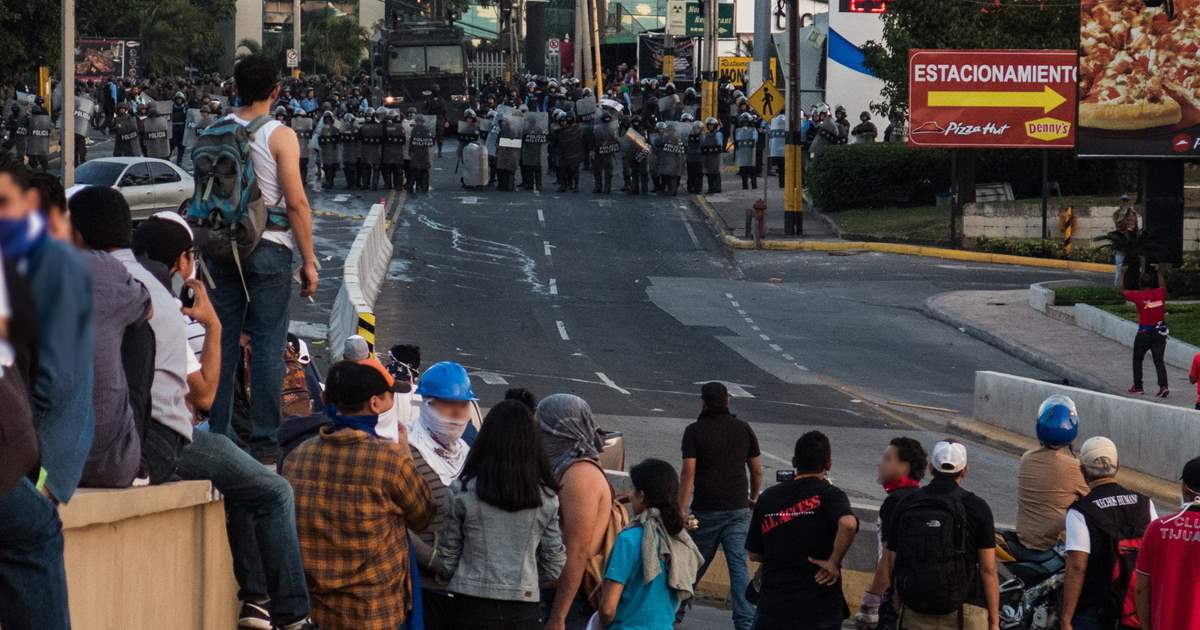
Honduras: riots, repression amid neoliberal ‘reform’

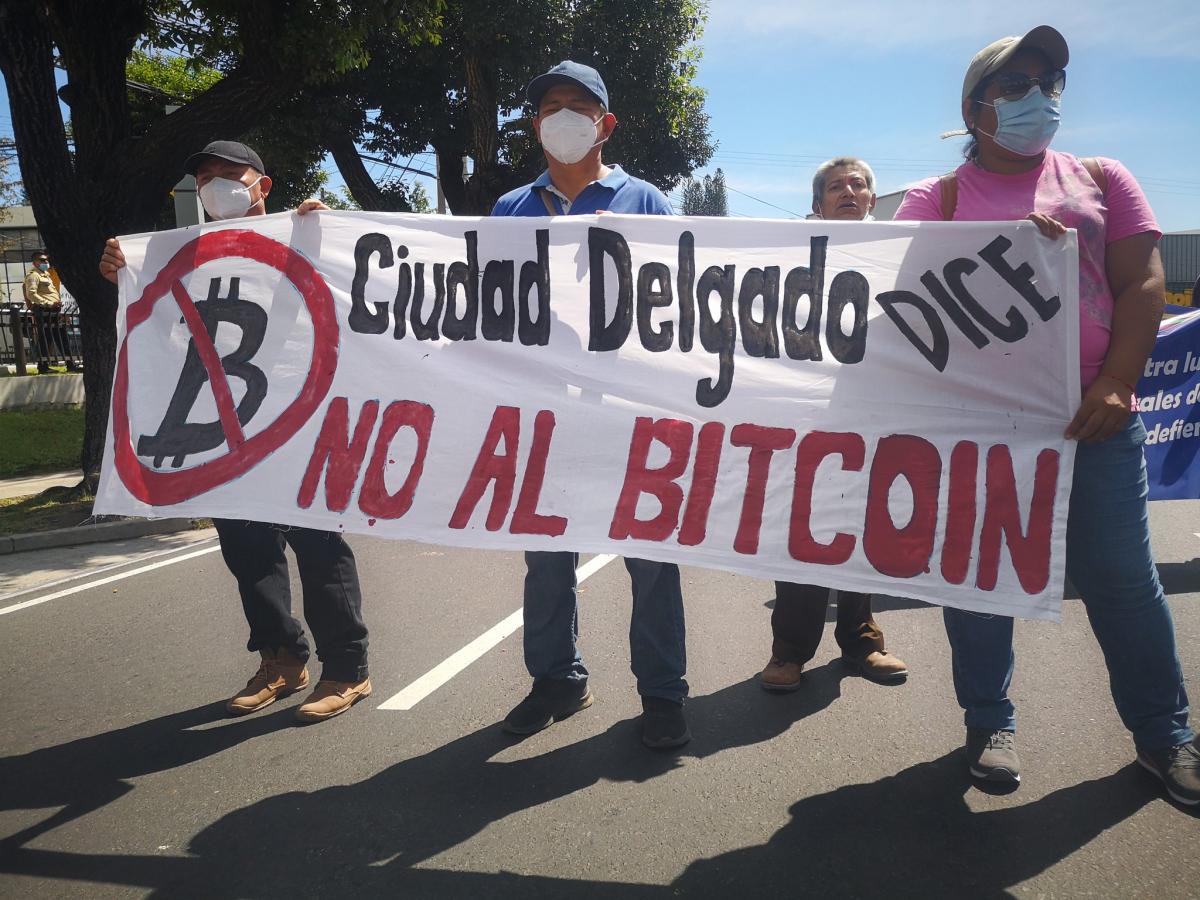
#NoAlBitcoinProtests repeatedly erupted in El Salvador as the country became the first to make Bitcoin legal tender. The US dollar also remains official currency, but the law pushed through by President Nayib Bukele mandates that all vendors also accept Bitcoin. Small merchants and especially those in the informal sector complain of problems in trying to download the official phone app needed to use the currency. Protesters say the new law will deepen poverty by further excluding the already marginalized from the economy. They also assert that it will further enable corruption. "This is a currency that's not going to work for pupusa vendors, bus drivers or shopkeepers," one protester told Reuters. "This is a currency that's ideal for big investors who want to speculate with their economic resources." (Photo via Twitter)

Central America
Berta Caceres

Honduras: justice at last for Berta Cáceres?

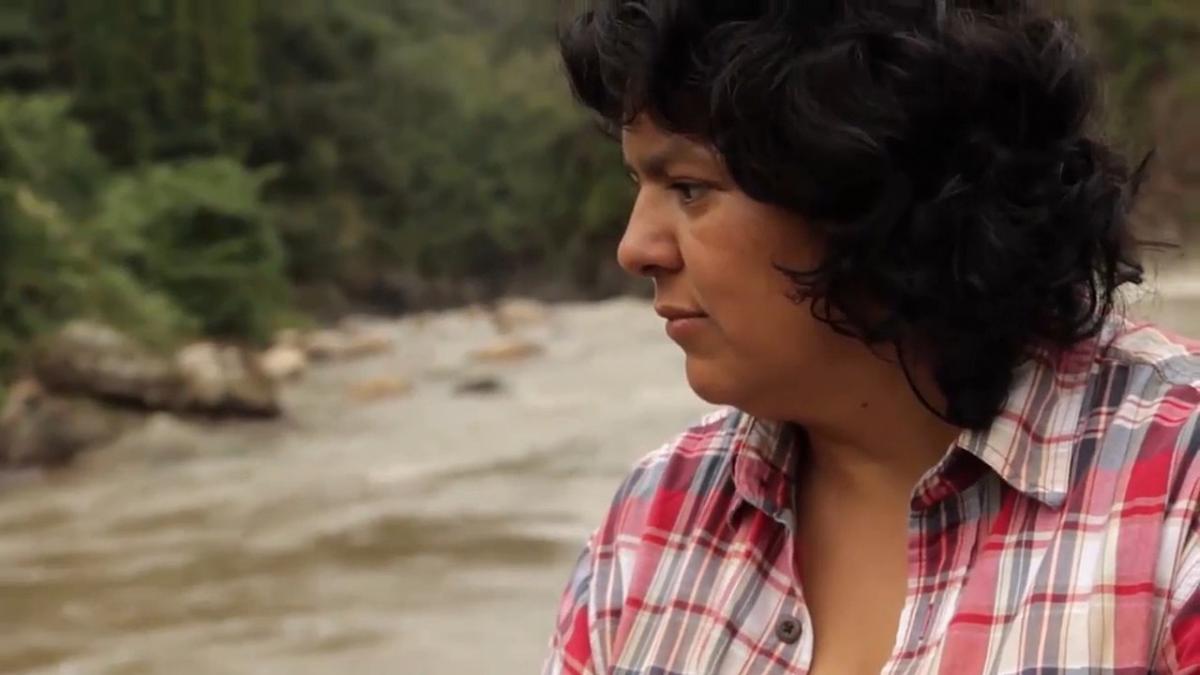
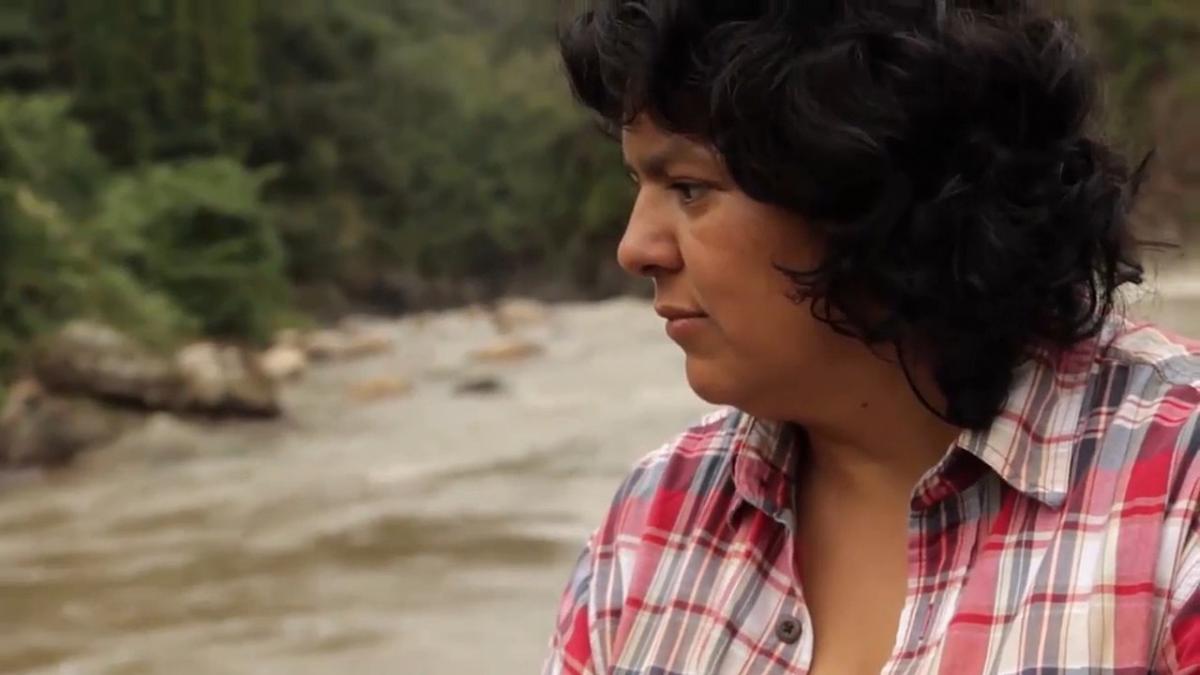
Berta CaceresA court in Honduras convicted seven men in the 2016 murder of indigenous rights activist Berta Cáceres. Until her assassination Cáceres had been leading a campaign against the Agua Zarca dam, a joint project by Honduran company Desarrollos Energéticos SA (DESA) and Chinese-owned Sinohydro. The dam was being built on the Rio Gualcarque without prior consultation with the Lenca indigenous community that depends on the river for their food and water. Cáceres, who won the prestigious Goldman Environmental Prize in 2015, had received numerous threats for her activism against the dam before she was killed by gunmen at her home in the town of La Esperanza. Two of those convicted are former DESA managers. (Photo by UN Environment/ONU Brasil via Wikimedia Commons)

North America

After Pittsburgh, American Jews face a choice

PittsburghThe lines are starkly drawn in Pittsburgh—and, hopefully, across the country—in the wake of the synagogue massacre that left 11 dead. President Trump visited the synagogue, and was joined by the Israeli ambassador. This took place over the protests of Pittsburgh's Mayor Bill Peduto, who asked the White House to delay the trip in light of the sensitive situation in the city. While the rabbi at the Tree of Life Synagogue, the massacre site, welcomed Trump, many members of his congregation clearly dissented. More than 35,000 people signed an open letter to Trump from the local chapter of the progressive Jewish group Bend the Arc, stating: "You are not welcome in Pittsburgh until you fully denounce white nationalism." Hundreds demonstrated against Trump's visit under the standard of another Jewish progressive formation, If Not Now, with banners reading "ANTI-SEMITISM = WHITE NATIONALISM" and "ANTI-SEMITISM UPHOLDS WHITE SUPREMACY." (Photo via IfNotNow)

Central America

UN documents post-election violations in Honduras

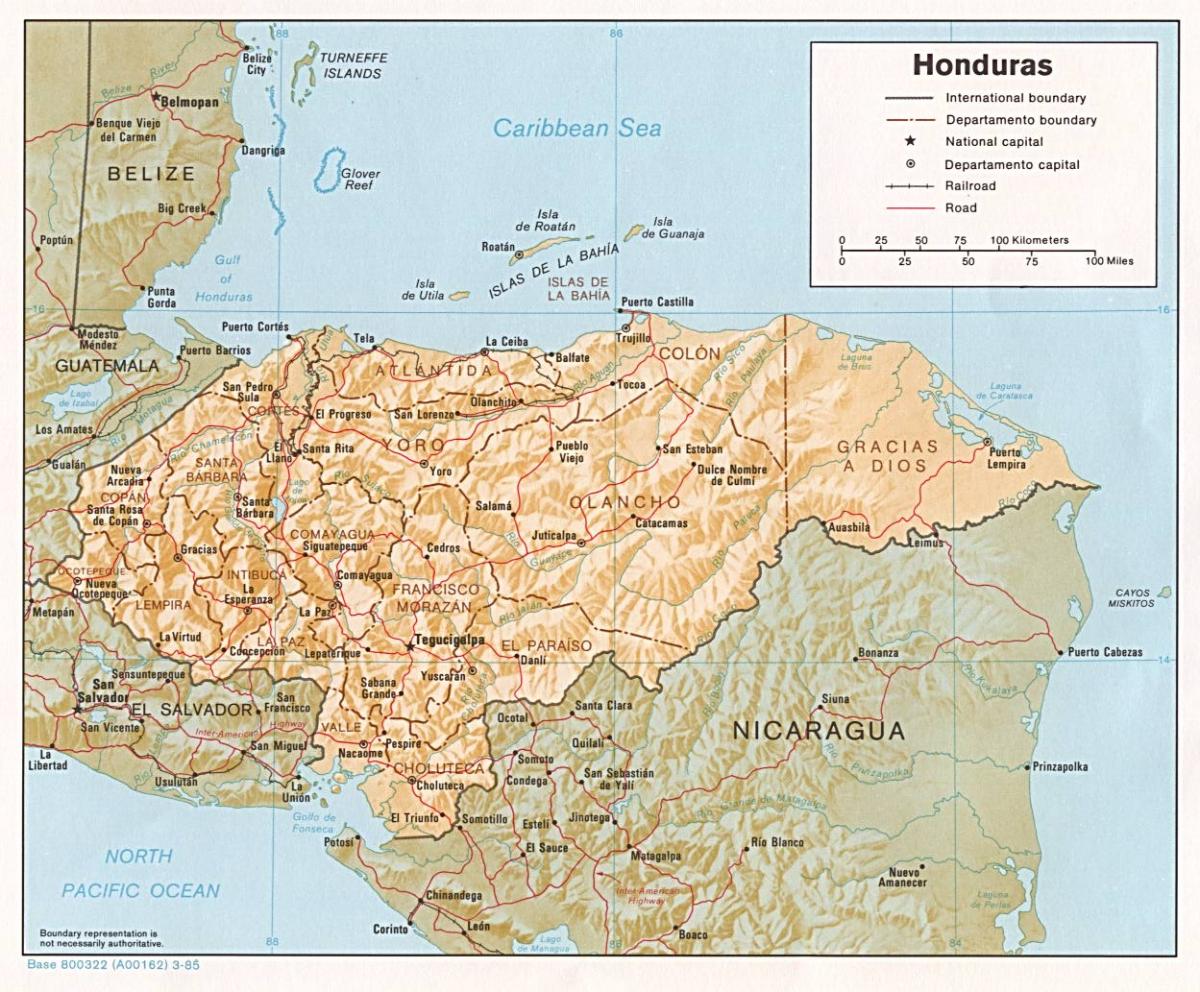
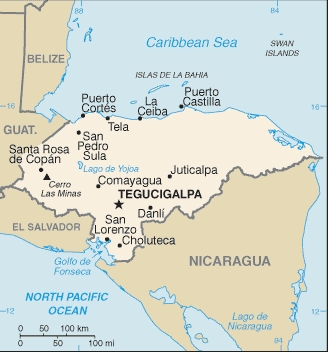
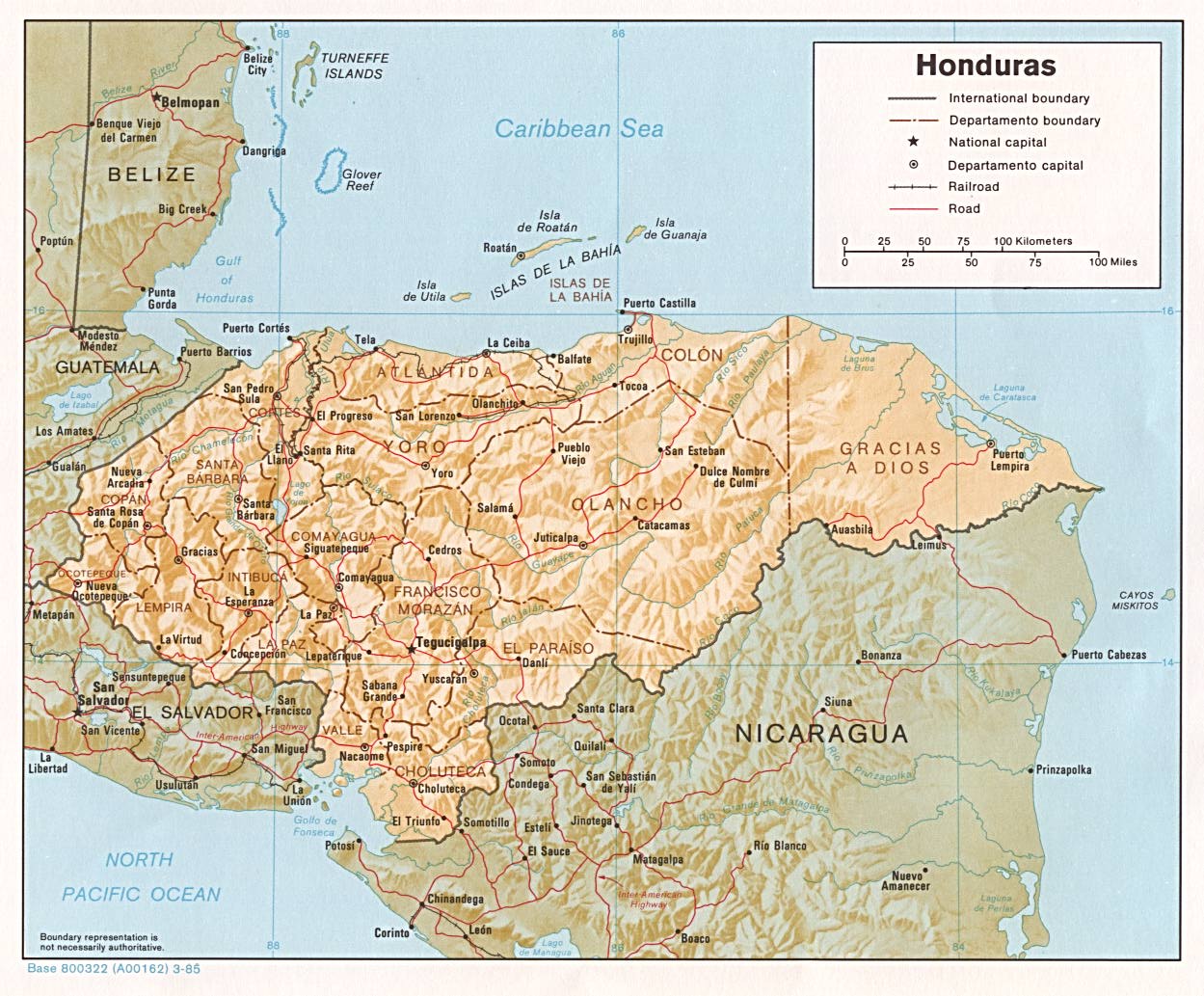
HondurasThe UN Office of the High Commissioner for Human Rights released a report detailing human rights violations in the aftermath of the 2017 Honduran presidential election. The report documents violence committed by security forces against protestors and civilians in the period between election night on Nov. 26 and inauguration day on Jan. 27. According to the report, at least 1,351 people were detained under a curfew put in place early December. Civilians were detained in illegal house raids. In addition, 23 were killed and 60 injured in post-election protests, including 16 victims shot to death by security forces. There were no charges pressed for the killings. (Map: Perry-Castañeda Library)

Planet Watch

Podcast: Anti-austerity and the utopian moment

CounterVortexProtests against austerity and the lords of capital are erupting simultaneously in Iran, Tunisia, Sudan, Morocco, China, Peru, Honduras, Argentina and Ecuador, recalling the international protest wave of 2011. Such moments open windows of utopian possibility, but those windows inevitably seem to close as protest movements are manipulated by Great Power intrigues or derailed into ethnic or sectarian scapegoating. What can we do to keep the revolutionary flame alive, build solidarity across borders, and resist the exploitation and diversion of protest movements? Bill Weinberg explores this question on Episode One of the long-awaited CounterVortex podcast. You can listen on SoundCloud.

North America
Otay Mesa

Trump’s vision for USA: shithole of racism

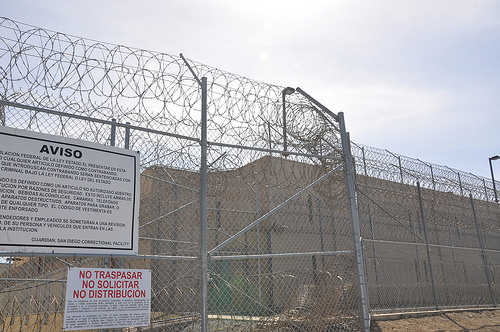
Otay MesaWith his "shithole" comment, Trump makes clear he would bring the United States back nearly a century to the 1920s, when immigration "quotas" were imposed for countries whose inhabitants were deemed undersirable, essentially cutting off immigration of Jews, Italians and Slavs. But deepening the insult, today Haitians and Salvadorans are being driven from their homelands by poverty and instability which is itself the bitter fruit of "free trade" policies foisted upon their governments by pressure from Washington. (Photo: Homeland Security's Otay Mesa Detention Center, BBC World Service via Flickr)

Central America

Perverse ironies of Honduran political crisis

HondurasThe US "certifies" Honduras for continued military aid exactly as the government declares a state of emergency and unleashes the armed forces on protesters. The crisis was sparked by President Juan Orlando Hernández's apparently fraudulent election to a second term. Yet Hernández and his conservative National Party supported the 2009 coup d'etat that ousted Manuel Zelaya from the presidency for merely broaching a second term in supposed violation of the constitution.