Southeast Asia

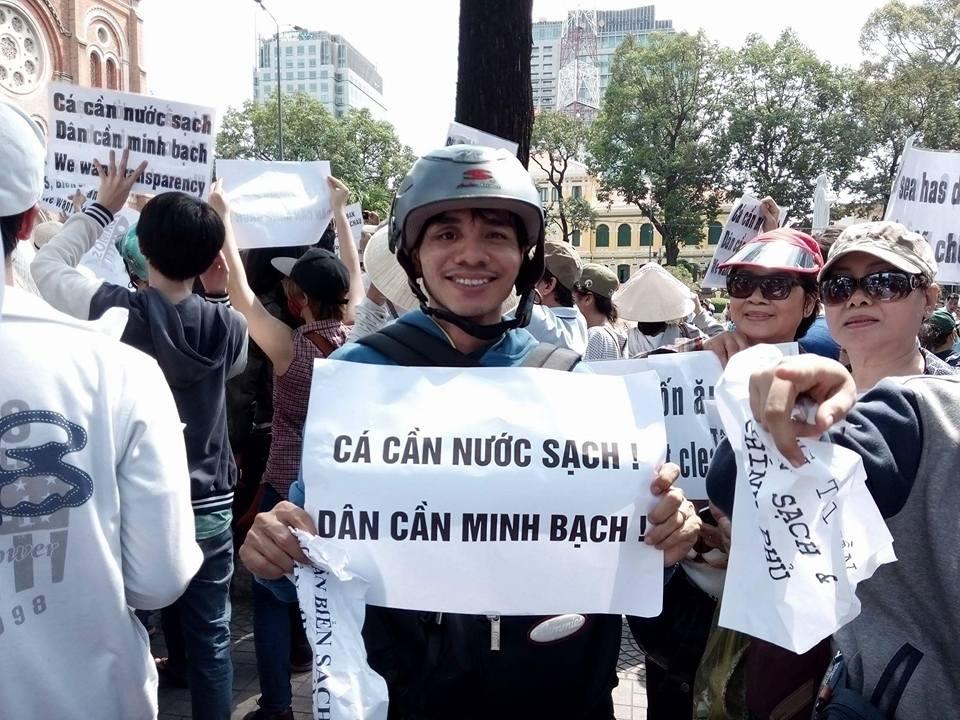
Vietnam: ‘free trade’ advances; free speech retreats

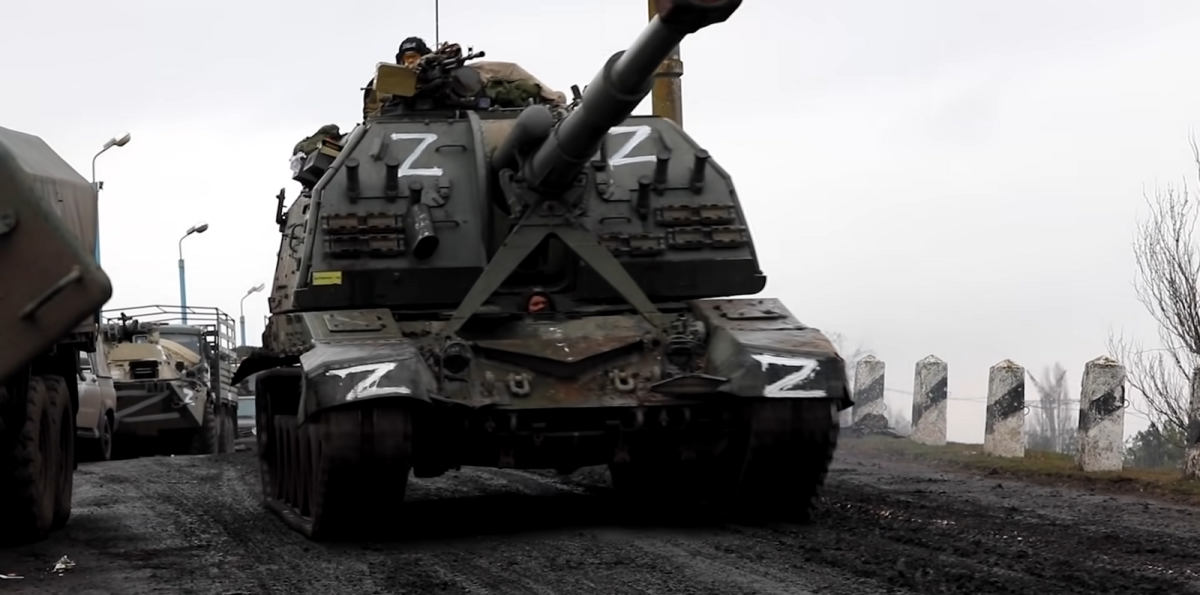
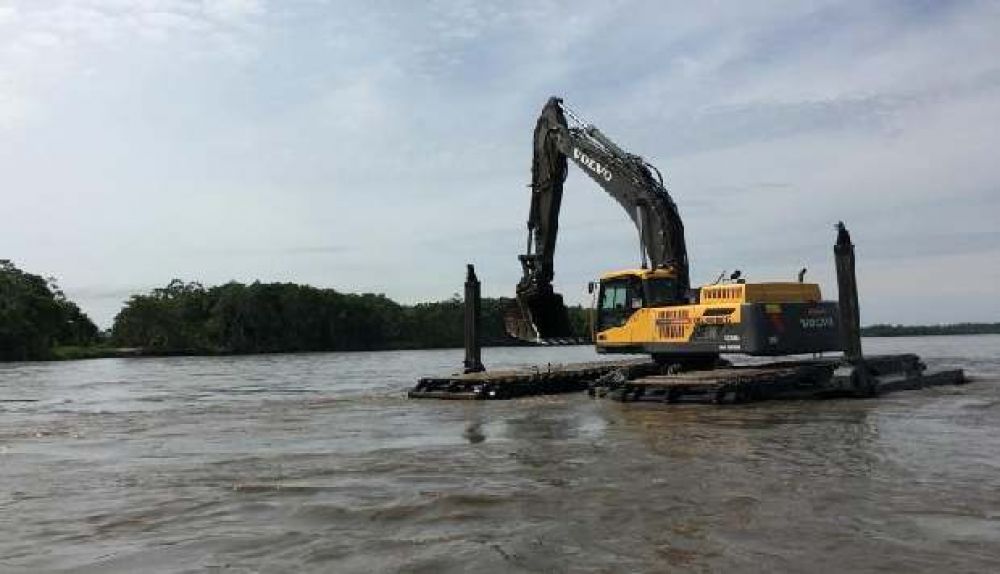
tankThe European Union Agency for Criminal Justice Cooperation (EuroJust) announced that the United States is withdrawing from the International Center for the Prosecution of the Crime of Aggression (ICPA), created to hold Russia accountable for its invasion and seizure of territory in Ukraine. The organization was launched by EuroJust in 2023 to assist Ukraine in prosecuting parties responsible for orchestrating the crime of "aggression" against Ukraine, facilitating information-sharing across international law enforcement and judicial bodies. The Biden administration collaborated with the organization by providing monetary support and appointing US prosecutors to help with the work of the ICPA. The funding cut-off comes as the White House has shifted course in US foreign policy on Ukraine, with President Donald Trump insisting on brokering a bilateral peace deal with Russia, regardless of the wishes of the Ukrainian government. (Photo: Wikimedia Commons)

Central America

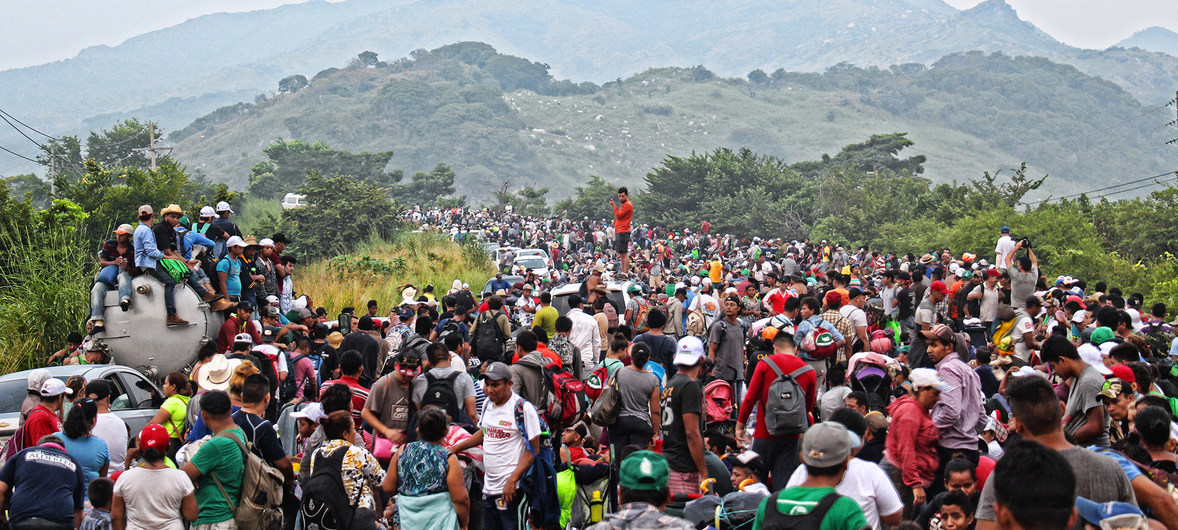
Central America climate crisis fuels migration

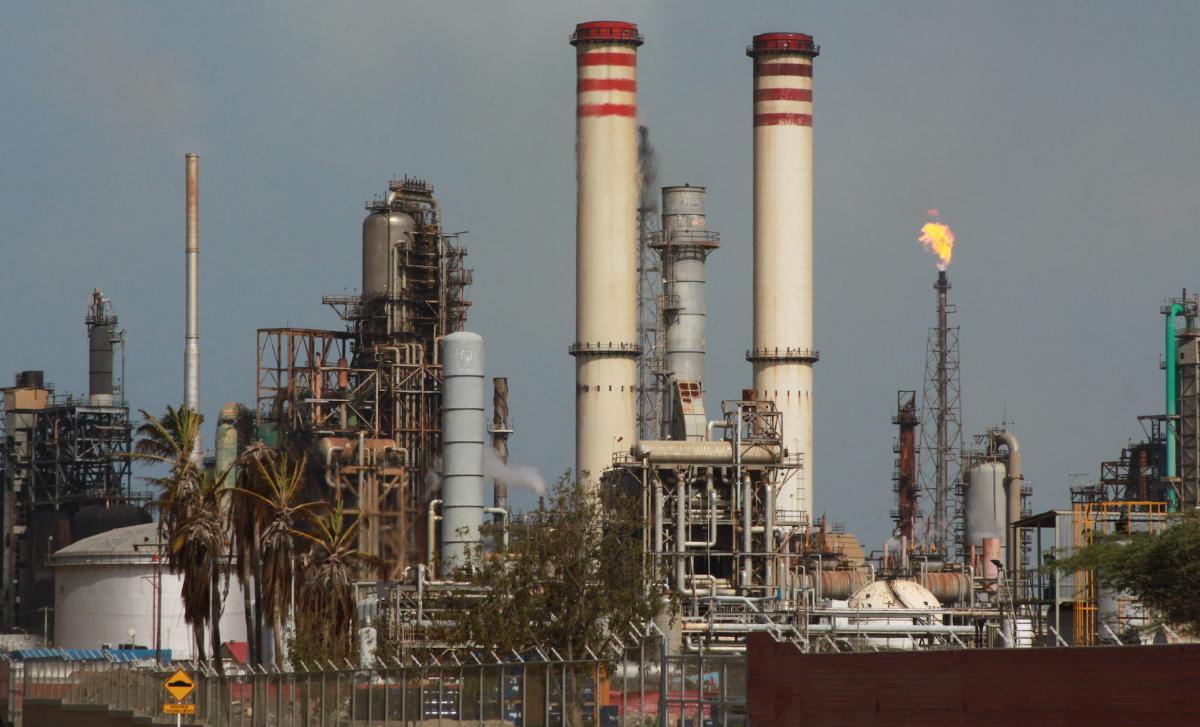
PDVSAPresident Donald Trump announced that the US government is revoking concessions granted to energy giant Chevron to pump and export Venezuelan oil. The move, which reverses a 2022 decision by Biden to allow the company to bring Venezuelan oil to US markets by exempting it from economic sanctions, removes one of the South American country's few economic lifelines at a time of deepening crisis. In his post on TruthSocial, Trump claimed that the Venezuelan government had failed to keep up its side of the original bargain to meet "electoral conditions." He also charged that the "regime has not been transporting the violent criminals they sent into our Country…back to Venezuela at the rapid pace that they had agreed to." (Photo: Luis Ovalles via Dialogo Americas)

The Amazon

‘Silk Road’ to Peruvian Amazon?

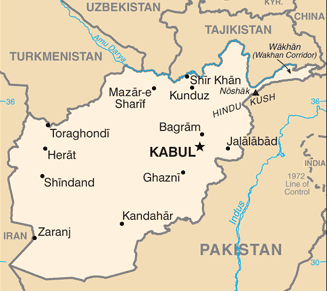
AfghanistanWith absurd hubris, Biden in his speech as the last US troops left Kabul declared that "the United States ended 20 years of war in Afghanistan." It's perverse enough that he called the US evacuation of some 120,000 Afghans and Americans an "extraordinary success"—despite the fact that more than 100 US nationals and many thousands of desperate Afghans were left behind. But this reality-denying "ended the war" rhetoric is being uncritically echoed by media accounts. The war in Afghanistan began in 1979, with the massive Soviet military intervention to put down Mujahedeen, and the country hasn't seen a moment of peace since then. Nor is there much prospect for peace any time in foreseeabe future. This is the same imperial narcissism we heard with the much-hyped US "withdrawal" from Afghanistan in 2014, and the "withdrawal" from Iraq in 2011. But this time, Afghanistan is essentially being turned over to the Taliban as a US-collaborationist or even near-proxy force to fight ISIS. The Taliban remain a brutal, intolerant and ultra-reactionary Islamist entity, but are now baited as co-opted moderates by the even more extremist ISIS. (Map: Perry-Castañeda Library)

The Amazon

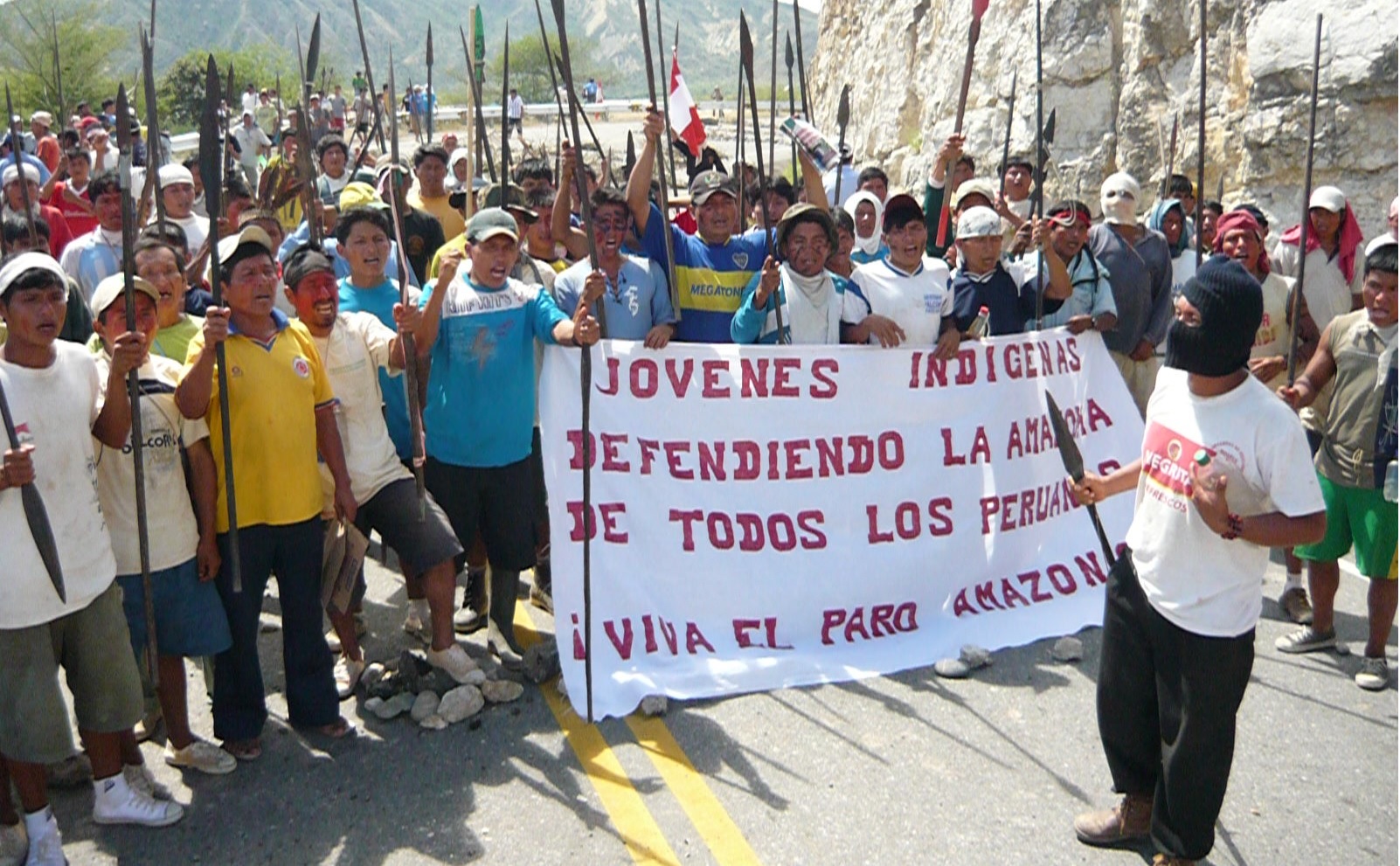
Peru: butcher of Bagua goes out by his own hand

AhwaziIn Episode 81 of the CounterVortex podcast, Bill Weinberg takes stock of the fast-mounting manifestations of devastating climate destabilization—from Oregon to Siberia, from Germany to Henan. In Angola, traditional pastoralists are joining the ranks of "climate refugees" as their communal lands are stricken by drought. In Iran's restive and rapidly aridifying Ahwazi region, protests over access to water have turned deadly. These grim developments offer a foreboding of North America's imminent future. Yet media commentators continue to equivocate, asking whether these events are "linked to" or "caused by" climate change—rather than recognizing that they are climate change. And the opportunity for a crash conversion from fossil fuels that was posed by last year's pandemic-induced economic paralysis, when already depressed oil prices actually went negative, is now being squandered. Oil prices are again rising, with the return to pre-pandemic dystopian "normality." Listen on SoundCloud or via Patreon. (Photo of Ahwazi protesters in Iran: Ahwazna)

The Amazon

US accuses Peru of violating FTA forestry provisions

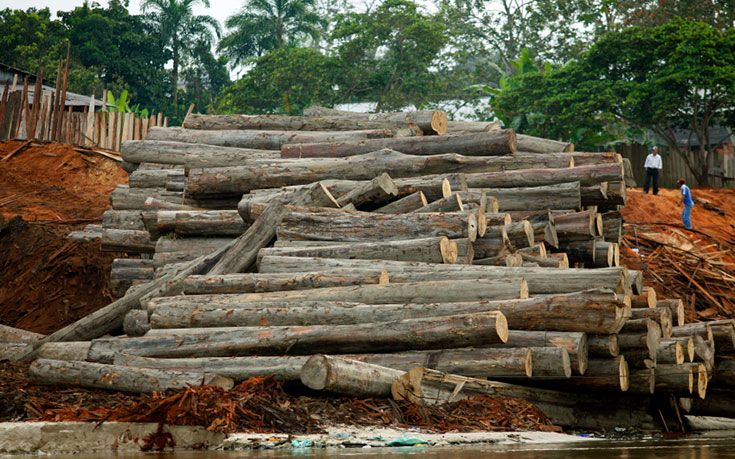
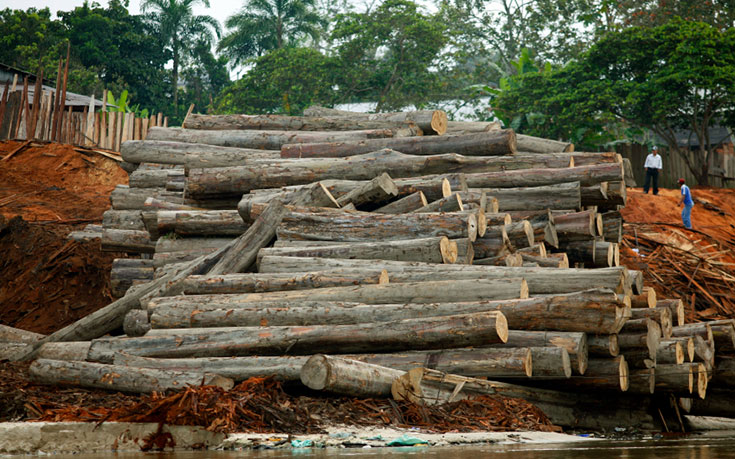
timberThe White House is accusing Peru of violating its commitment to protect the Amazon rainforest, threatening to hold Lima in violation of the US-Peru Free Trade Agreement . Robert Lighthizer, President Trump's top trade negotiator, announced that he is seeking consultations with Lima to address concerns about its recent move to curtail the authority of Peru's auditor for timber exports, the Organism for the Supervision of Forestry Resources (OSINFOR), established as a provision of the trade agreement. The move move had been demanded by Peru's logging industry following an OSINFOR seizure of illegal timber. The White House needs support from congressional Democrats to pass the pending US-Mexico-Canada Agreement, Trump's replacement for NAFTA, which is supposed to have tougher labor protections. The forestry annex in the Peru agreement was conceived as a model for a new inspection system that could include confiscation at the border of goods found to violate treaty provisions, and the prosecution of companies that import noncompliant products. (Image via Sierra Club)

Mexico

Trump announces ‘termination’ of NAFTA

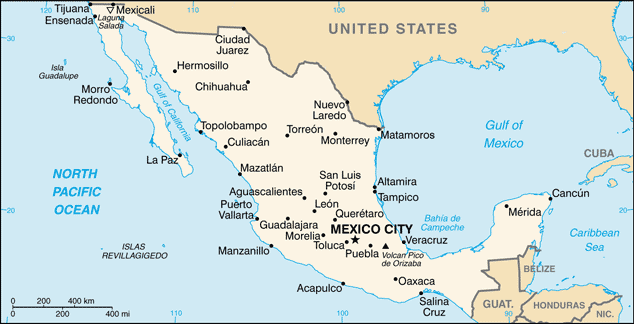
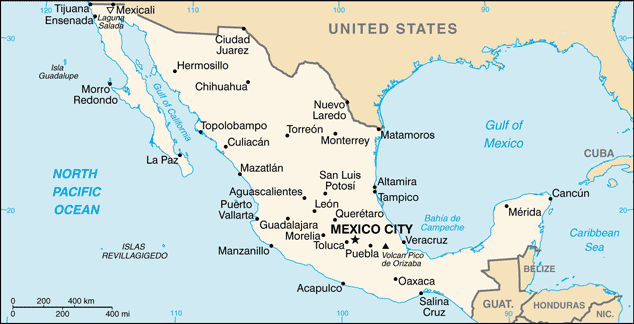
MexicoPresident Trump announced that the US and Mexico have reached an agreement on a new trade deal called the United States-Mexico Trade Agreement, which will ultimately terminate the North American Free Trade Agreement (NAFTA). Trump called Mexican President Enrique Peña Nieto from the White House to announce the new deal. Among a number of changes to NAFTA, both parties agreed to a provision that would require a significant portion of vehicles to be made in high-wage factories, a measure aimed to discourage factory jobs from leaving the US. Trump said he is in communication with Canada about a new trade deal, but is unsure if it will be part of the US-Mexico Trade Agreement. The Trump administration expects the new pact to be signed by the end of November. (Map: CIA)

North America

Podcast: First they came for the immigrants….

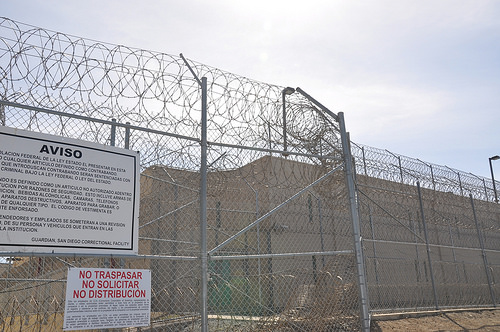
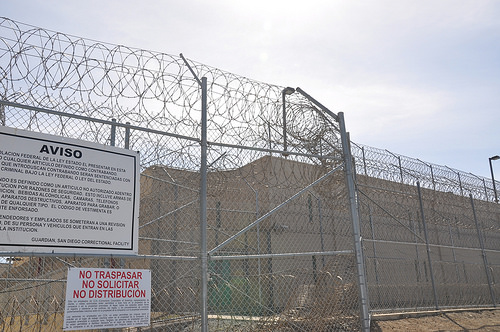
border fenceIn Episode 13 of the CounterVortex podcast, Bill Weinberg deconstructs Trump's executive order ostensibly ending the policy of family separation on the southern border, and demonstrates how it actually lays the groundwork for indefinite detention of migrants on military bases. The Central American peasantry, expropriated of its lands by state terror, CAFTA and narco-violence, is forced to flee north—now into the arms of Trump's new gulag. Immigrants are the proverbial canaries in the American coal-mine. The Trump crew are testing their methods on them because they are vulnerable, and banking on the likelihood that non-immigrants will say "not my problem." But if they get away with what they are doing now to a vulnerable and isolated population of non-citizens, it sets a precedent—and ultimately nobody is safe. Listen on SoundCloud, and support our podcast via Patreon.

Mexico

Mexico: AMLO-Trump populist convergence?

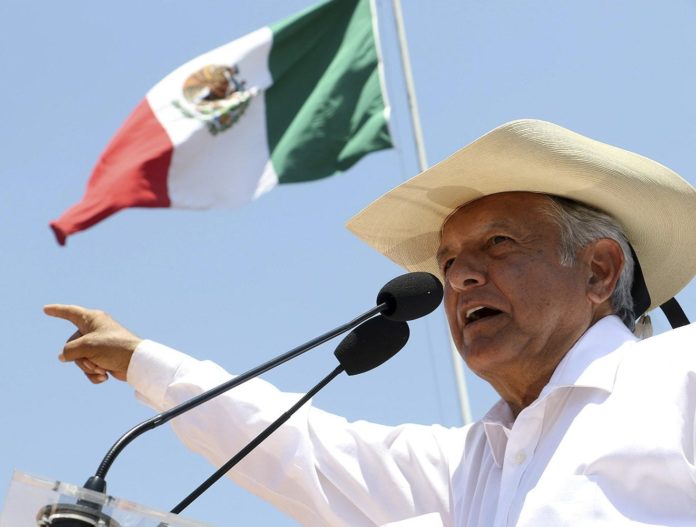
AMLOAndres Manuel Lopez Obrador—known by his initials AMLO—will be Mexico's next president, following his victory in the July 1 election. This marks the first time a Mexican presidential candidate of the left has had his victory honored. An obvious question is how AMLO will deal with Donald Trump—who attained office by demonizing Mexicans and pledging to build a wall on the border (and make Mexico pay for it). Last year, AMLO actually filed a complaint with the Inter-American Commission on Human Rights against Trump's proposed wall. But he also hired Trump's current crony Rudolph Giuliani as anti-crime czar when he was mayor of Mexico City in 2002. As populists and opponents of free-trade economics, there may be unlikely common ground between the two men. (Photo: El Txoro)

The Andes

Plunging potato prices provoke protests in Peru

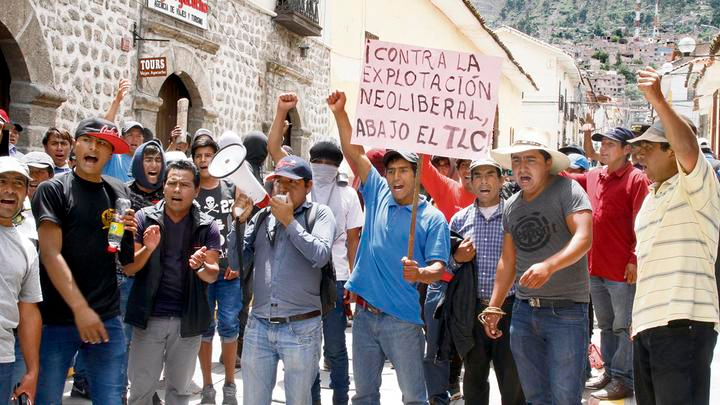
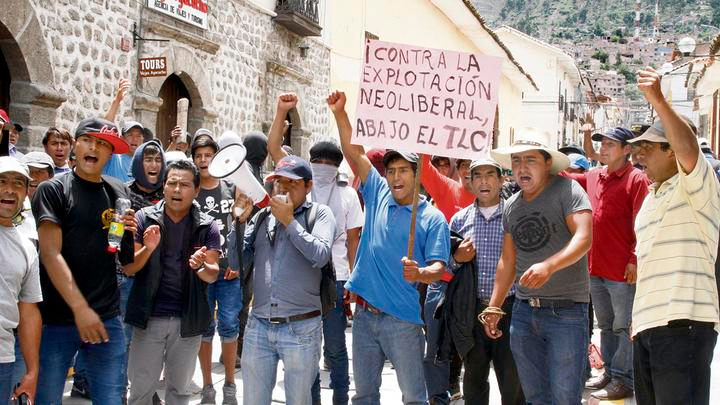
potato protestPotato farmers across Peru's sierras blocked roads with their tractors and trucks for weeks, demanding a subsidized distribution system for the staple crop in the face of plummeting prices. The National Commission of Potato Producers (Conapropa) struck a deal with the government, but wildcat protests continued in Huancavelica, Huánuco, Junín, Ayacucho and Arequipa regions. Finally, farmers advanced on Lima in a cross-country motorcade. This forced Conapropa leader Fernando Gutiérrez back to the table, meeting with Agriculture Minister José Arista to strike a better deal. Huancavelica regional governor Glodoaldo Álvarez denied government claims of over-production by farmers, and pointed to massive imports since the 2009 Free Trade Agreement with the US. Farmers at the roadblocks carried banners with slogans such as "¡Abajo el TLC!" (Down with the FTA!). (Photo:  La República)

Southern Cone

Chileans protest signing of rebooted TPP

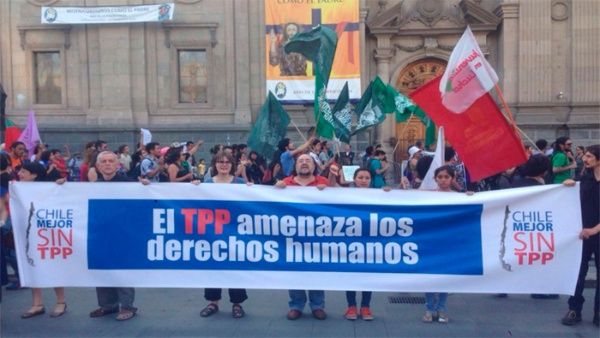
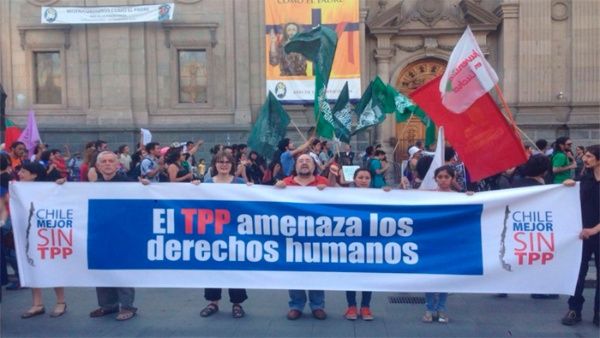
anti-TPPChilean activists protested in Santiago against the signing of the new Trans-Pacific Partnership agreement, now rebranded as the Comprehensive and Progressive Agreement for Trans-Pacific Partnership (CPTPP), or TPP-11. Protesters outside La Moneda Palace, headquarters of the Chilean government, held banners reading "No to modern slavery, no to the TPP-11" and "The TPP and TPP-11 are the same!" Lucía Sepúlveda, leader of the organization Chile Mejor Sin TPP, said the agreement would "deliver full guarantees to foreign investors" at the expense of "rights and national interests." (Photo: Chile Mejor Sin TPP)