The Amazon
Guiana shield

French troops hunt outlaw miners in Guiana

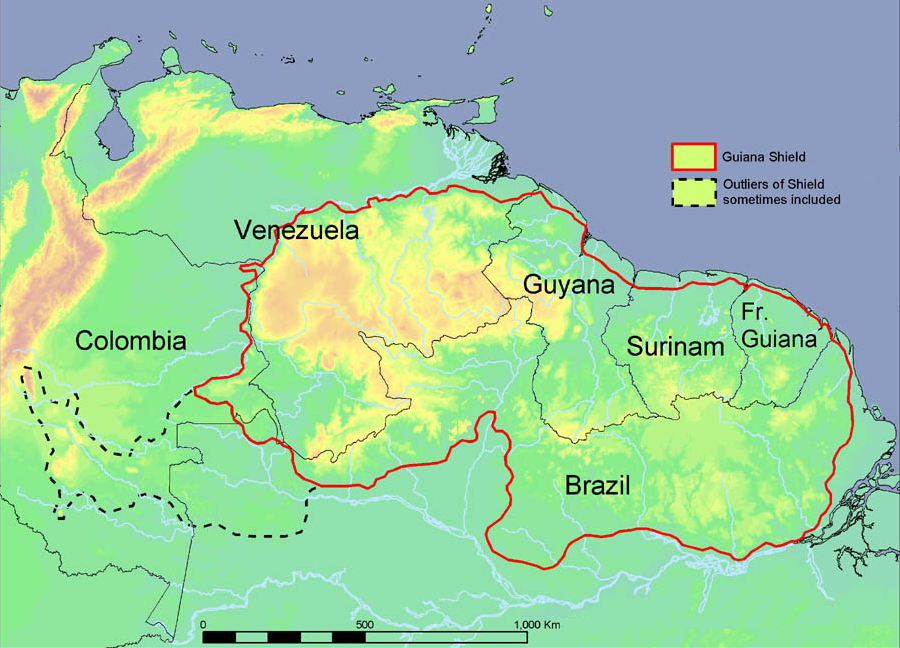
France has dispatched hundreds of army troops to the overseas territory of French Guiana, to hunt down outlaw gold miners who have destroyed thousands of hectares of rainforest along the Maroni River. But apprehending the garimpeiros is nearly impossible; they abandon their camps and dredges and melt into the jungle as the troops approach. Some 9,000 illegal miners are believed to be operating at around 150 sites across the territory—up from little more than 100 a decade ago. The garimpeiros, however, are the smallest links in a chain, paid a pittance—while the dealers they sell the gold to race up and down the river in speedboats. “We’re only catching the little guys,” admitted French Guiana’s public prosecutor Samuel Finielz. (Map of Guiana Shield: WikimediaCommons)
Africa
jihadis

Russian mercenaries to Mali?

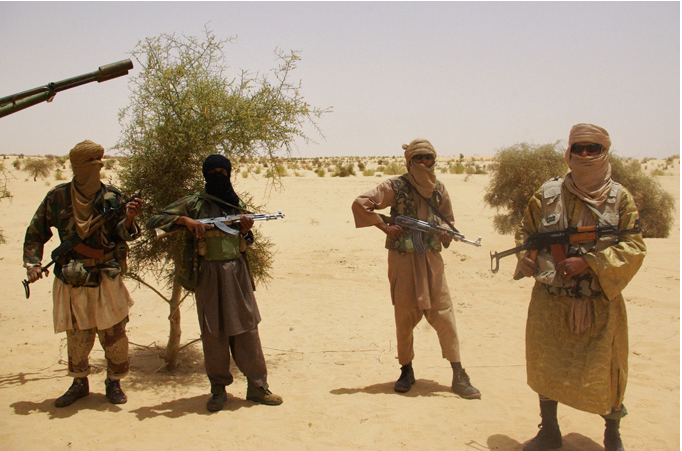
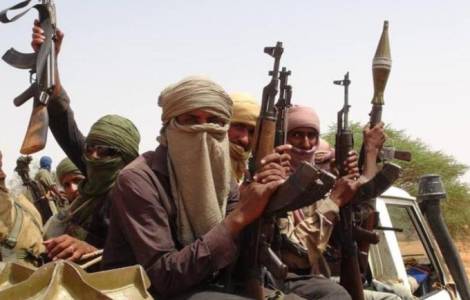
France, now in the process of drawing down its military presence in West Africa’s Sahel nations, criticized plans that could see Russian mercenaries brought to Mali, where jihadist groups tied to ISIS or al-Qaeda operate in large parts of the country. Reports suggest that Mali’s transitional government is considering a deal with the Wagner Group, which has close links to Vladimir Putin and is also active in Central African Republic. The Coordinating Body of Azawad Movements (CMA), a coalition of Tuareg rebel groups that signed a peace deal with the Malian government in 2015, likewise expressed its “firm opposition” to any agreement to bring in the Wagner Group. (Photo: FIDES)

Europe
ISIS

French firm charged with abetting ISIS atrocities

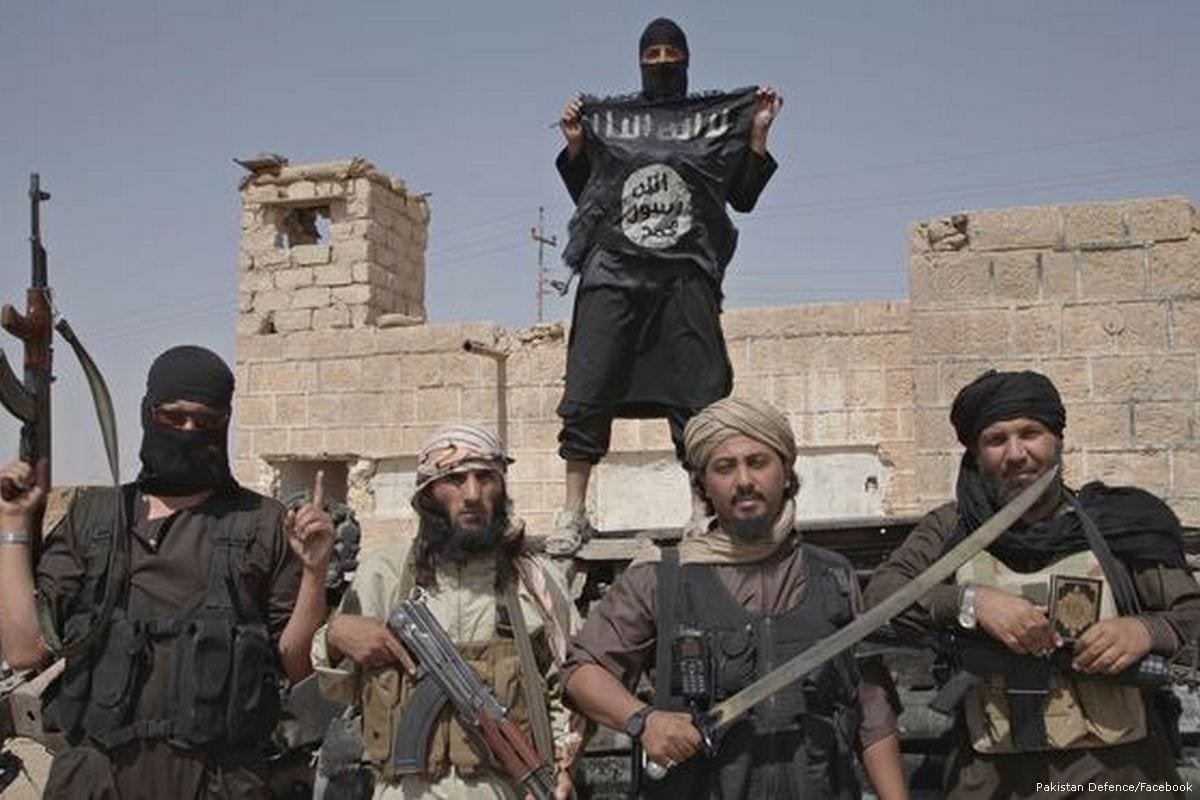
France’s highest court overturned a lower-court decision to dismiss charges of complicity in crimes against humanity by cement company LaFarge, which is accused of paying ISIS and other militant groups at least 13 million euros to keep its factory in northern Syria running. The ruling by the Court of Cassation marks a major setback for Lafarge, which contested its responsibility for acts committed with funds it provided to the extremists. The Paris Court of Appeal accepted the company’s argument that the payments were not aimed at abetting ISIS atrocities. But the Cassation Court found that “one can be complicit in crimes against humanity even if one doesn’t have the intention of being associated with the crimes committed. Knowingly paying several million dollars to an organization whose sole purpose was exclusively criminal suffices to constitute complicity, regardless of whether the party concerned was acting to pursue a commercial activity.” (Photo via MEMO)

Africa
Sahel

Mounting massacres across Africa’s Sahel nations

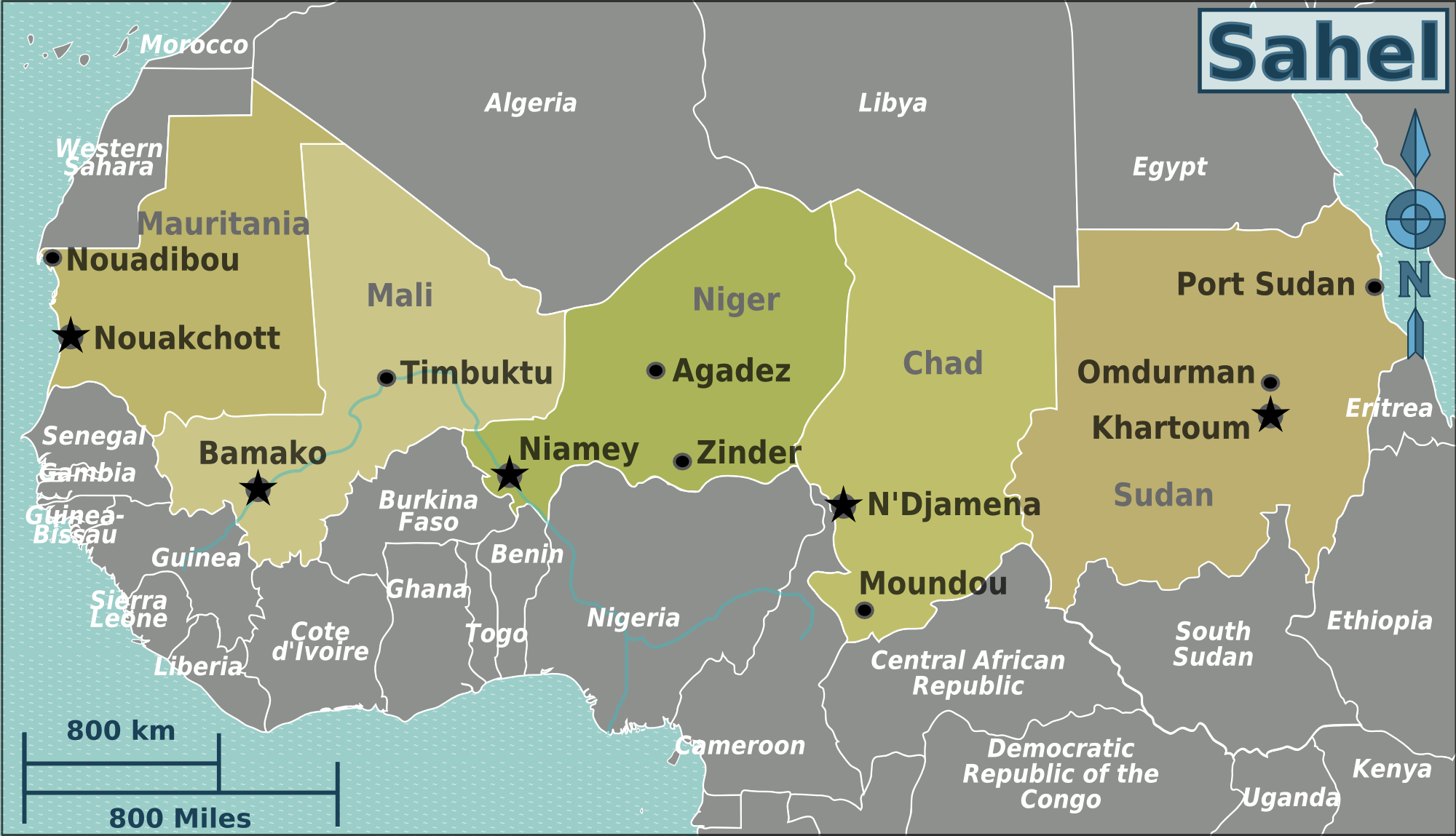
The tri-border region where the Sahel countries of Niger, Mali and Burkina Faso come together is the scene of fast-mounting massacres by presumed Islamist militants. Attacks on civilians and security forces alike have left hundreds dead this month. In Niger, peasants were gunned down while working their fields in Banibangou village—an attack attributed to a local ISIS franchise. In Mali, ongoing deadly attacks have caused a massive population exodus in several regions of the country, including Menaka, Mopti, Gao, Timbuktu and Sikasso. “Violence is spreading so rapidly across Mali that it threatens the very survival of the state,” said UN human rights expert Alioune Tine after a visit to the country. (Map: Wikivoyage)

Planet Watch
BLM

UN: end systemic racism in law enforcement

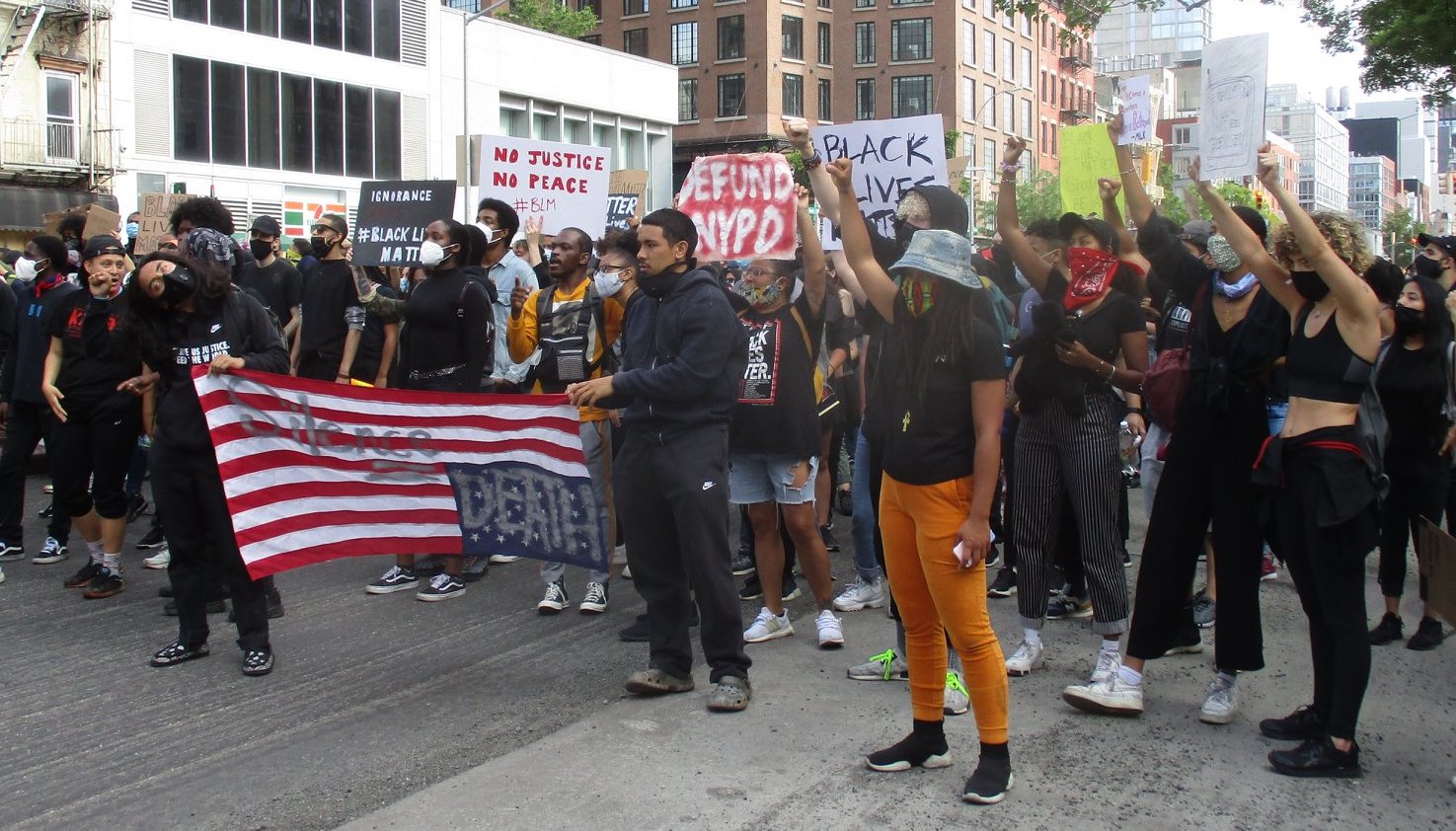
UN High Commissioner for Human Rights Michelle Bachelet urged states to dismantle systematic racism against African and African-descendent peoples, in a report focusing on law enforcement around the world. The report features an analysis of 190 deaths at the hands of law enforcement, including George Floyd and Breonna Taylor in the United States, as well as cases in the United Kingdom, France, Brazil and Colombia. “The status quo is untenable,” Bachelet said. “Systemic racism needs a systemic response… We need a transformative approach that tackles the interconnected areas that drive racism, and lead to repeated, wholly avoidable, tragedies like the death of George Floyd.” (Photo: The Village Sun)

Africa
fact

Chad: president killed as rebels advance

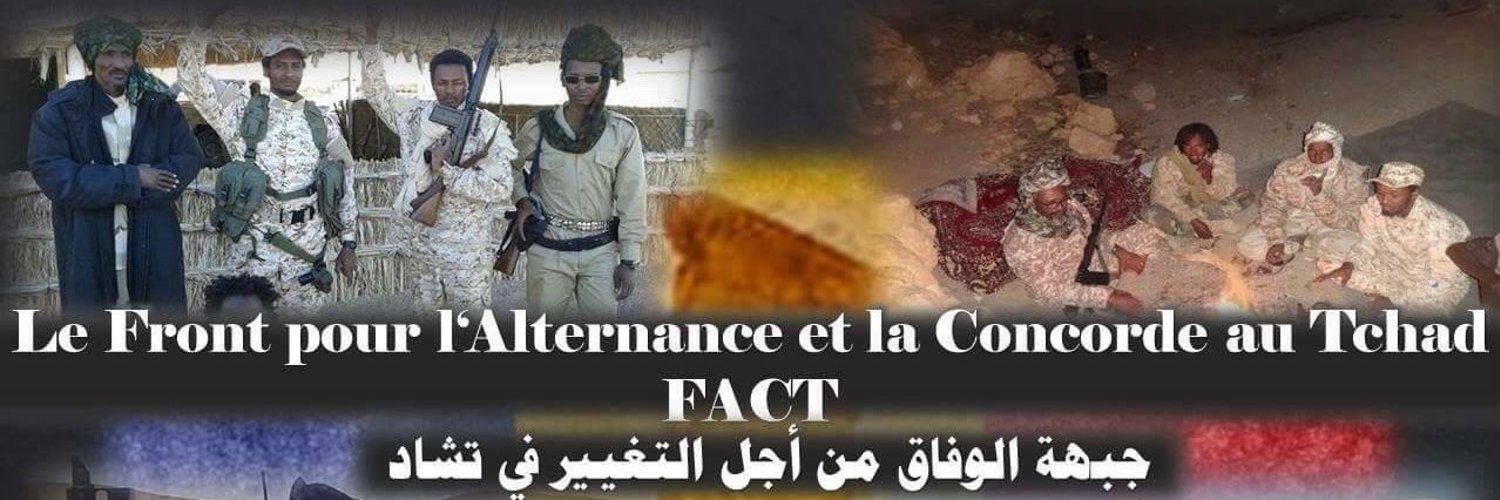
President Idriss Déby of Chad died following injuries sustained in fighting against rebels in the country’s north, authorities announced. The president’s son, Gen. Mahamat Kaka, is said to be serving as interim president. Déby had just been declared provisional winner of another presidential term, with nearly 80% of the vote. He had been in power for three decades. The rebel Front for Change & Concord in Chad (FACT) invaded the country from its bases across the border in Libya, in an attempt to disrupt the elections. Both sides are claiming victory after clashes in the northern region of Kanem, and FACT says that its forces are advancing on the capital, N’Djamena. (Image via Twitter)

The Amazon
facebook

Facebook enables deforestation in Brazilian Amazon

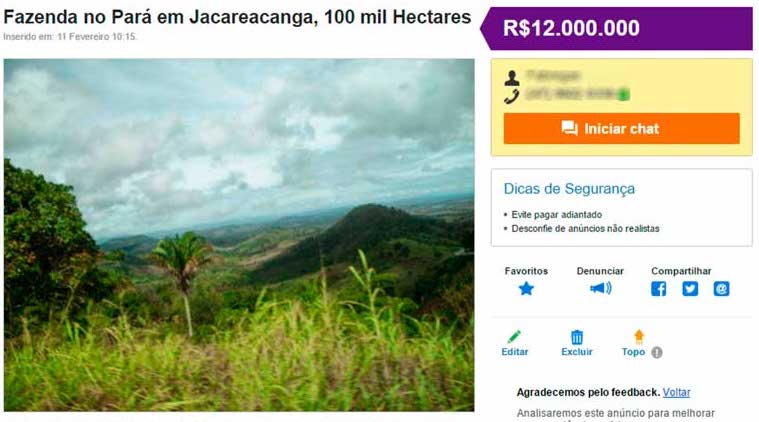
Criminal networks in Brazil are illegally selling and deforesting protected lands—even within an indigenous reserve—and posting the plots for sale on Facebook, according to an investigation by the BBC. In a documentary, “Selling the Amazon,” BBC Brasil went undercover to reveal how illegal land-grabbers are moving in on public land in the Amazon—clearing rainforest and selling plots to ranchers at highly inflated prices. The documentary showed plots of these cleared lands being openly advertized on Facebook. Contacted by BBC, Facebook said it was “ready to work with the authorities” to investigate the matter, but would not take independent action to halt the land-trading on its platform. (Photo via Mongabay)

Iran
Iran-Missiles

Can Iran nuclear deal be salvaged?

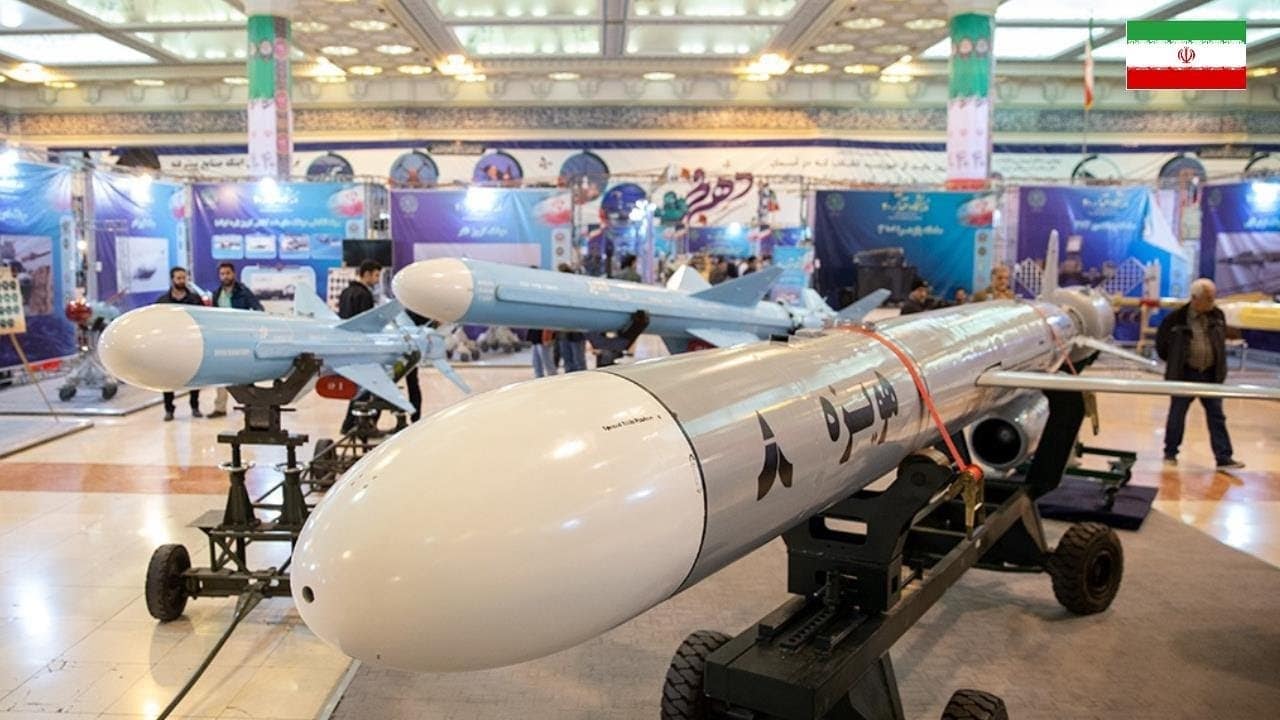
President Joe Biden’s pledge to rebuild the Iran nuclear deal is already deteriorating into a deadlock—a testament to the effectiveness of the Trump-era intrigues that sabotaged the agreement, officially known as the Joint Comprehensive Plan of Action (JCPOA). Biden and Iran’s Supreme Leader Ayatollah Khamenei have each traded “You Go First” statements—the White House demanding Tehran return to compliance with the JCPOA and Khamenei insisting the US lift the sanctions that were re-imposed by Trump. There is indeed a case that the US, having abrogated the pact first, should now be the party to “blink” in the stand-off, and lift the sanctions as a good-faith measure. (Image via Wikipedia)

Africa
Mali

UN to investigate ‘crimes against humanity’ in Mali

UN investigators into political violence in Mali reported to the Security Council that they found evidence that government forces have committed “war crimes,” while jihadists and other armed groups perpetrated “crimes against humanity.” The allegations are made in a 338-page report compiled by the International Commission of Inquiry, a panel examining events in Mali over the six years after it spiralled into conflict in 2012. The report, which has not yet been made public, recommends establishing a special court to try accused perpetrators. But the recommendations are being met with some wariness in Mali. The opposition Rally of Patriotic Forces demands that foreign militaries operating in the country be covered in the scope of the investigation—including France. (Photo via Andy Morgan Writes)

Africa
Liberia

Liberian warlord goes on trial in Switzerland

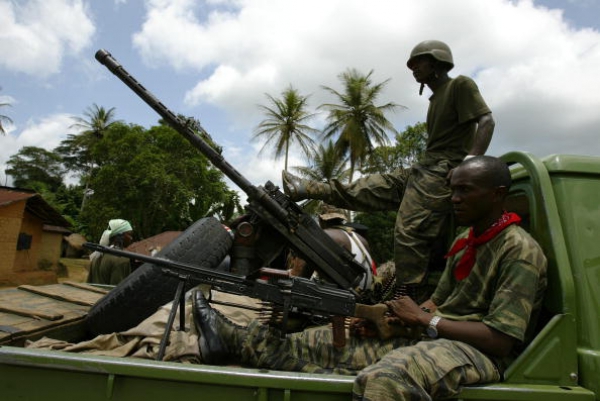
A trial opened in Switzerland for the first Liberian to face war crimes charges over atrocities during the country’s brutal internal conflict in the 1990s. Former warlord Alieu Kosiah stands accused of murder, rape, recruiting child soldiers, and numerous other crimes during the first of Liberia’s two civil wars, which together killed some 250,000 people between 1989 and 2003. Kosiah, who had been living in Switzerland since 1999, was arrested in November 2014 for atrocities he allegedly committed as a commander of the United Liberation Movement of Liberia (ULIMO) between 1993 and 1995. A group of Liberian victims is being represented by the Swiss human rights group Civitas Maxima. The case is being heard under the principle of universal jurisdiction. (Photo: IRIN via JusticeInfo)

Europe
paris protest

France: mass protests over new security law

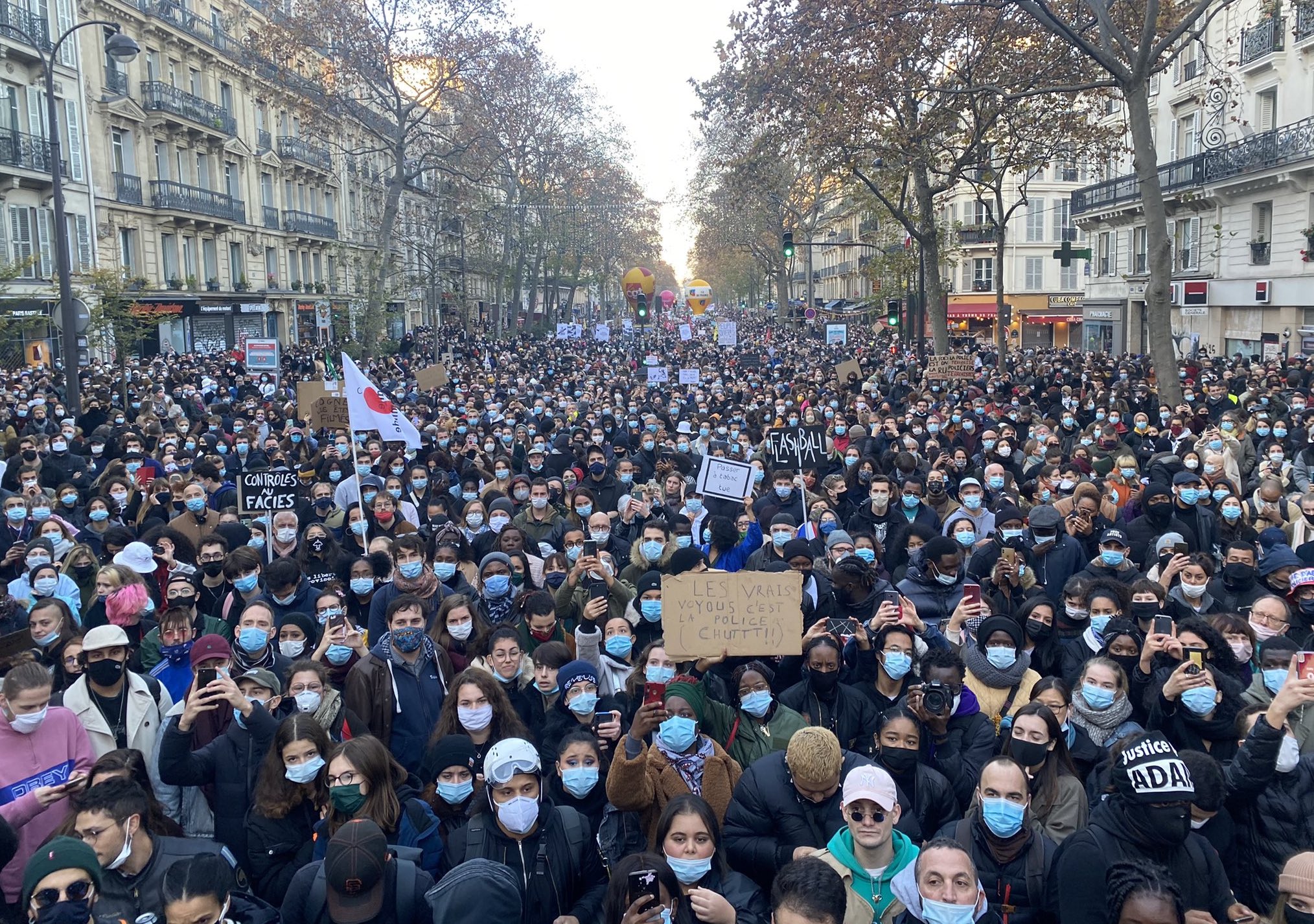
Police and demonstrators clashed in Paris as some 45,000 filled the streets to protest a new security law, with large mobilizations also seen in Bordeaux, Lille, Montpellier and Nantes. The new law would severely restrict publishing of the images of police officers. The issue was given greater urgency by video footage of Paris police savagely beating local Black music producer Michel Zecler days earlier. President Emmanuel Macron said the images “shame us,” but critics point out that their release could have been barred if his new security law had already been in force. (Photo: @T_Bouhafs)

Oceania
new caledonia

New Caledonia: one more shot for independence

The results are in for the independence referendum in New Caledonia and, as in 2018, the majority has voted against seceding from France. However, the proportion of “yes” to “no” votes changed. Support for independence rose from 43% in 2018 to 47% this time, indicating that more residents than ever before want independence. And the archipelago could still win independence in the coming years. The 1998 Nouméa Accord that paved the way for this referendum allows for one more independence vote, in 2022, for a total of three. One-third of the region’s legislature must vote in favor of holding the final referendum—and that body already has a pro-independence majority. On the other hand, anti-independence politicians have called for a change of script now that secession has failed twice. One argument says the final referendum should instead give residents the option of going the other direction: further integration with France. But that could be very controversial, with many calling it a violation of the Nouméa Accord. (Flag image via Wikipedia)