Europe
Nordstream

Nord Stream pipeline sabotage: rush to judgment

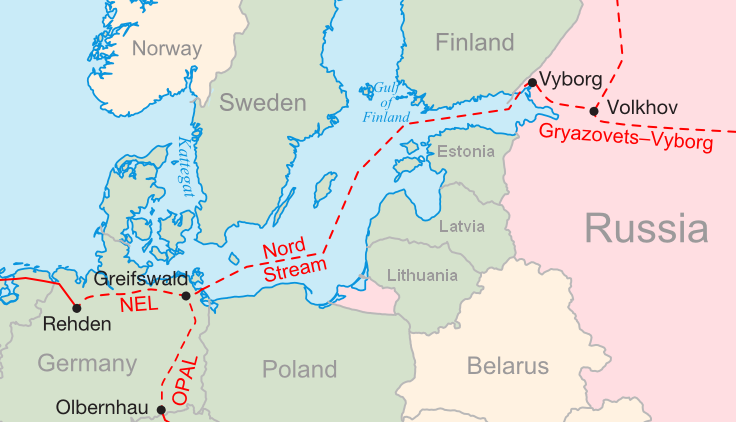
Ukraine is denying involvement in September’s attack on the Nord Stream pipelines following a New York Times report citing anonymous US officials to the effect that an unnamed “pro-Ukrainian group” was to blame. Russia’s online partisans are meanwhile hyping a piece by Seymour Hersh, similarly citing anonymous officials to the effect that the attack was a US covert operation. Rarely has there been a more blatant case of the cyber-commentariat deciding what to believe on the basis of political convenience. (Map: Wikipedia)
Africa
ivory coast

French forces out of Burkina Faso, into Ivory Coast

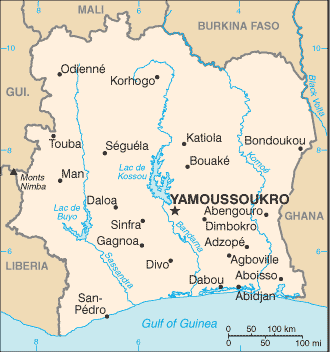
France has officially ended its operations in Burkina Faso a month after the ruling junta there terminated a military accord that allowed the former colonial power to fight jihadists. French forces remain in the greater region, however. The move came as French Defense Minister Sebastien Lecornu visited Côte d’Ivoire, pledging to boost military support as jihadist attacks hit coastal West African states. (Map: Perry-Castañeda Library Map Collection)

Africa
Fulani

Podcast: West Africa’s forgotten wars

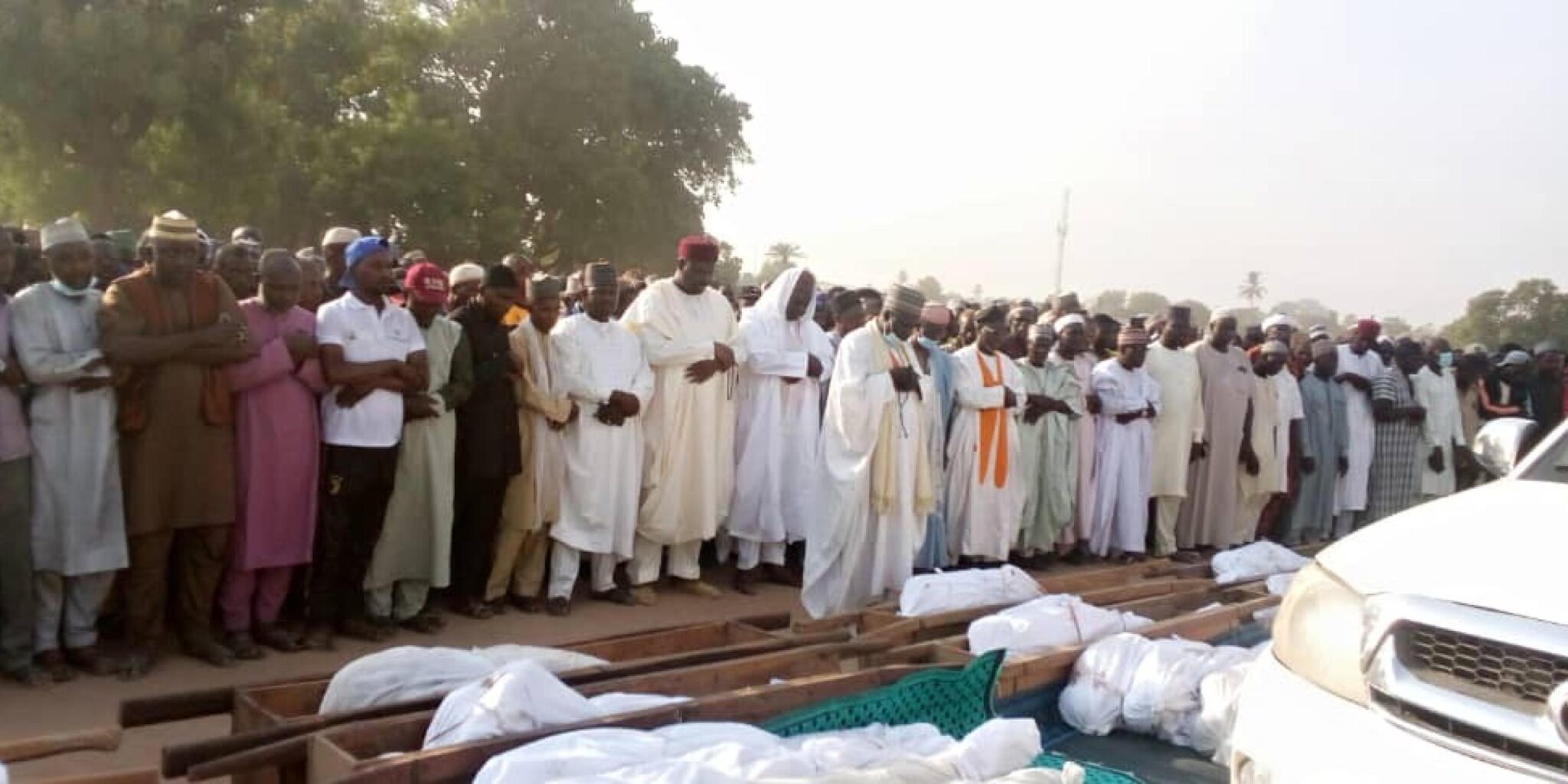
In Episode 161 of the CounterVortex podcast, Bill Weinberg provides an overview of the under-reported conflicts in West Africa, where government forces and allied paramilitary groups battle multiple jihadist insurgencies affiliated either with ISIS or al-Qaeda on a franchise model. Horrific massacres have been committed by both sides, but the Western media have only recently started to take note because of the geopolitical angle that has emerged: both Mali and Burkina Faso have cut long-standing security ties with France, the former colonial power, and brought in mercenaries from Russia’s Wagner Group. In both countries, the pastoralist Fulani people have been stigmatized as “terrorists” and targeted for extra-judicial execution and even massacre—a potentially pre-genocidal situation. But government air-strikes on Fulani communities in Nigeria have received no coverage in the Western media, because of the lack of any geopolitical rivalry there; Nigeria remains firmly in the Anglo-American camp. Listen on SoundCloud or via Patreon. (Photo: Sahara Reporters)

Iran
Iran

Iran: resistance grows as death toll tops 500

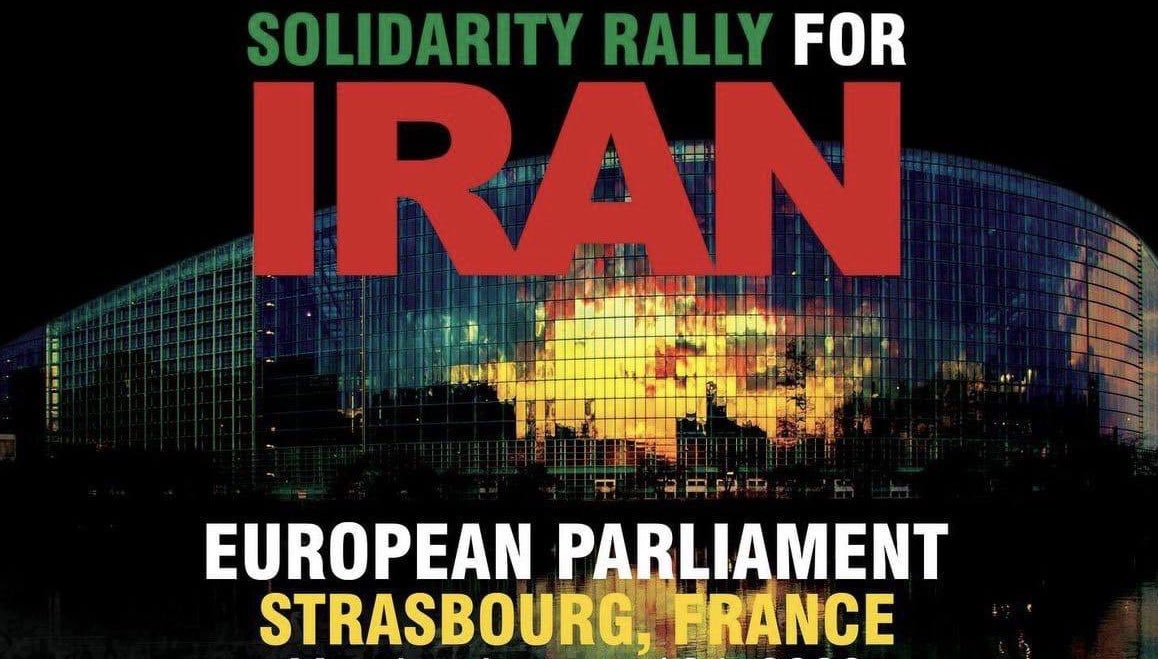
The independent Human Rights Activists News Agency (HRANA) released statistics finding that 522 protestors, including 70 children and youths, have been killed in Iran since the start of the national uprising in September. Authorities have arrested 19,400, including 168 children and youths. Of those detained, 110 are “under impending threat” of a death sentence. Four protestors have already been executed. Thousands of Iranians from across Europe meanwhile gathered at the European Parliament in Strasbourg, France, to demand that the body officially designate the Islamic Revolutionary Guard Corps (IRGC) as a terrorist organization. A statement in support of the measure was issued by an underground alliance of protest groups, United Youth of Iran. The new underground network released a manifesto last month, calling for a unified front of protesters, labor unions and opposition forces to bring about a secular, democratic government in Iran. (Photo via Twitter)

Africa
wagner group

African intrigues over Wagner Group

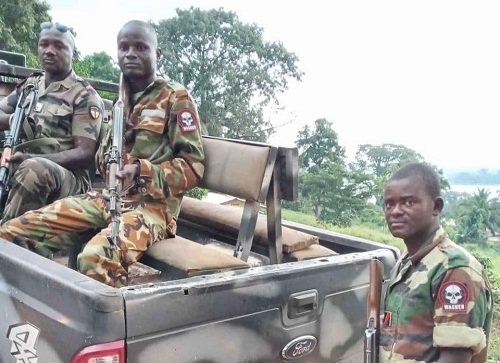
Burkina Faso’s ruling military authorities summoned Ghana’s ambassador over accusations that they have hired Russian mercenaries from the Wagner Group to help fight jihadists. Speaking alongside US Secretary of State Antony Blinken at the US-Africa Leaders Summit in Washington, Ghana’s President Nana Akufo-Addo said: “Today, Russian mercenaries are on our northern border. Burkina Faso has now entered into an arrangement to go along with Mali in employing the Wagner forces there.” Calling the mercenaries’ presence “distressing,” Akufo-Addo also alleged that Burkina Faso had offered Wagner control of a gold mine as payment. Meanwhile, a Russian national said to be closely linked to the Wagner Group was injured in an apparent assassination attempt in the Central African Republic. Wagner Group’s parent company Concord named French agents as behind the attack. Burkina Faso, Mali and the CAR alike have recently broken long-standing security ties with France, their former colonial ruler—with Russian mercenaries moving in as French soldiers go home. (Photo of CAR army troops wearing the Wagner Group insignia via Corbeau News Centrafrique)

Planet Watch
Chad

Podcast: climate change and the global struggle II

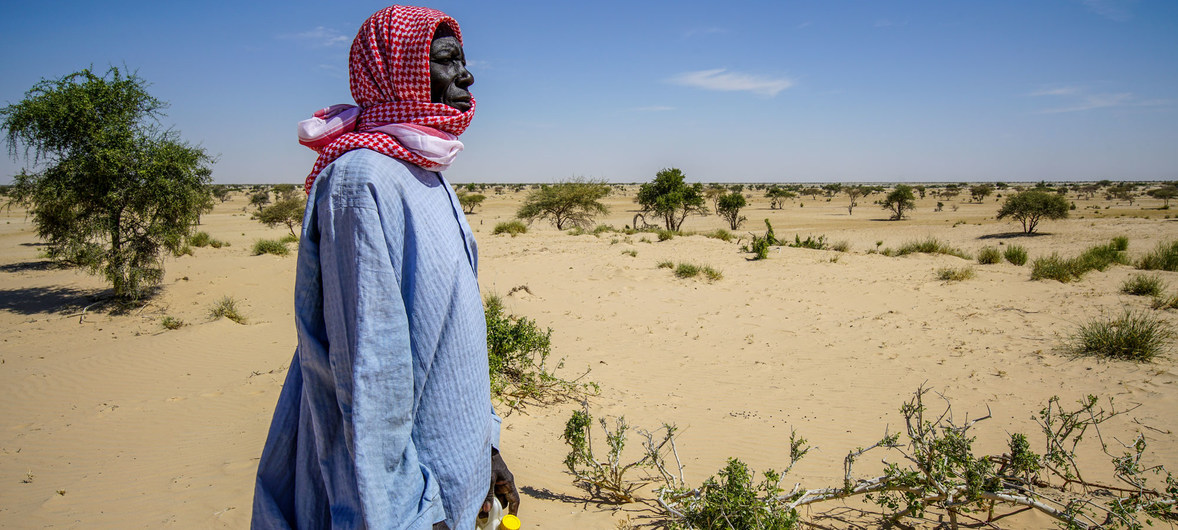
In Episode 147 of the CounterVortex podcast, Bill Weinberg notes the recent statement from the UN Environment Program that “only a root-and-branch transformation of our economies and societies can save us from accelerating climate disaster.” Studies from similarly prestigious global bodies have raised the prospect of imminent human extinction. An International Energy Agency report released last year warned that new fossil fuel exploration needed to halt by 2022 in order to keep warming within the limits set by the 2015 Paris Agreement. Adoption of new technologies and emissions standards does mean that CO2 emissions from energy generation (at least) are likely to peak by 2025. But the IEA finds that this would still lead to global temperatures rising by 2.5 C above pre-industrial levels by century’s end—exceeding the Paris Agreement limits, with catastrophic climate impacts. And the catastrophic impacts, already felt in places like Chad and Cameroon, win but scarce media coverage. Climate-related conflict has already escalated to genocide in Darfur. Climate protests in Europe—at oil terminals and car shows (as well as, less appropriately, museums)—do win some attention. But the ongoing resistance to oil mega-projects in places like Uganda and Tanzania are comparatively invisible to the outside world. The dire warnings from the UN and IEA raise the imperative for a globalized resistance with an explicitly anti-capitalist politics. Listen on SoundCloud or via Patreon. (Photo of Tantaverom region of Chad via UNDP)

Planet Watch
Chernobyl

Podcast: Chernobyl and nuclear fear in Ukraine

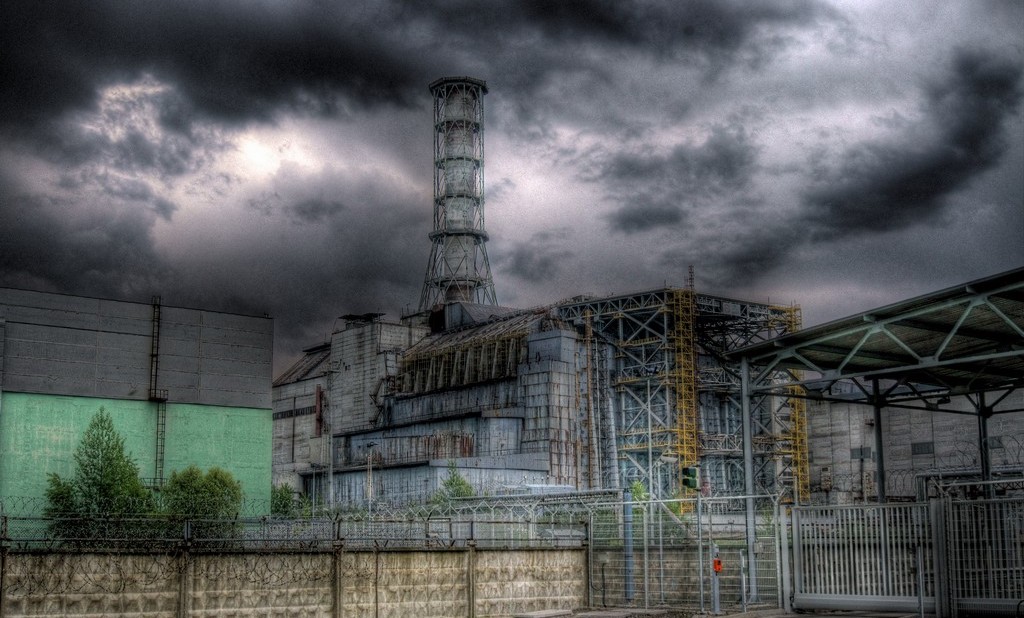
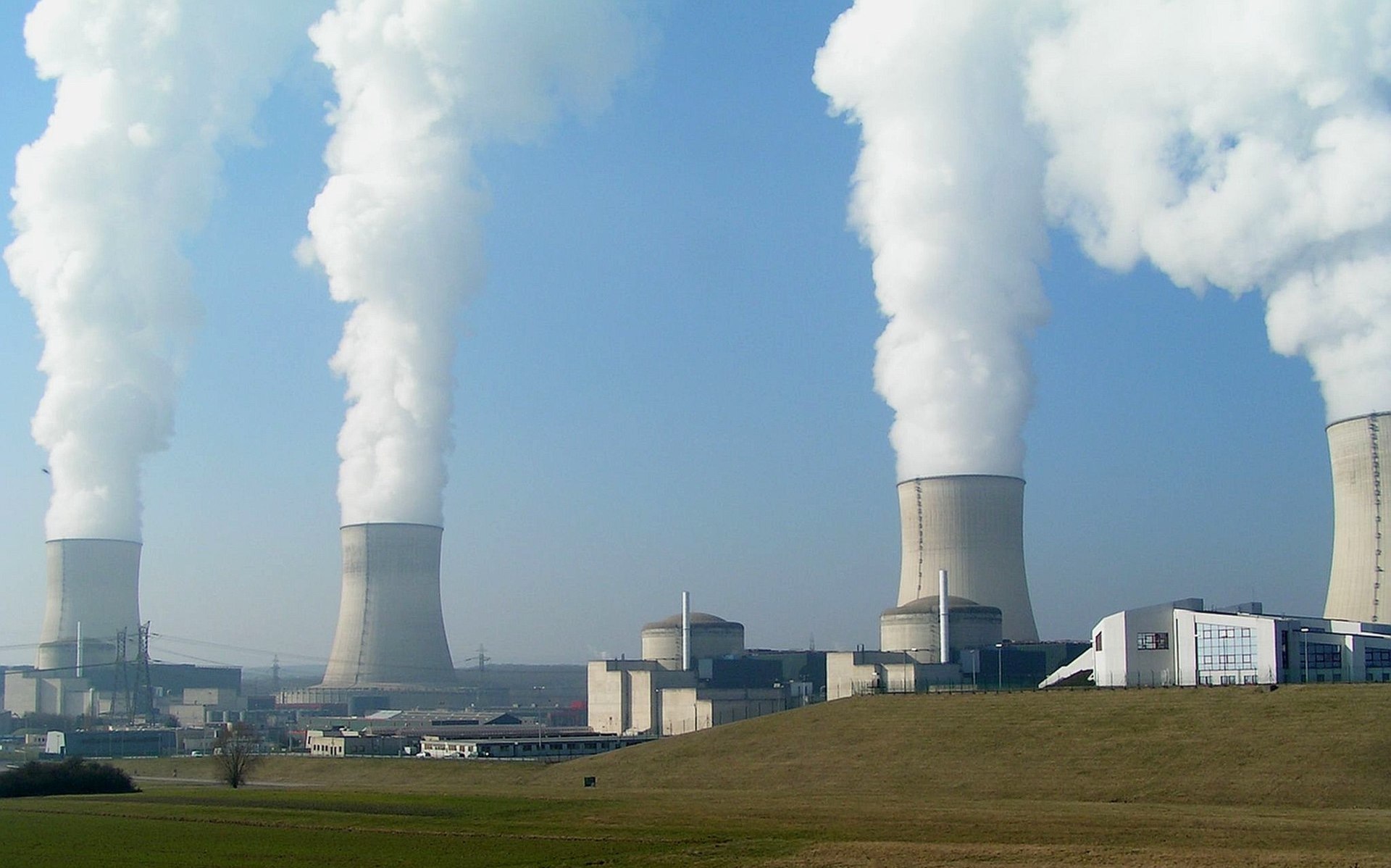
In Episode 121 of the CounterVortex podcast, Bill Weinberg notes the grim irony that on the week of International Chernobyl Disaster Remembrance Day, Russian regime and state media figures issued blatant threats to use nuclear weapons in the Ukraine war. This follows criminal recklessness by Russian forces at the Chernobyl and Zaporizhzhya nuclear plants, which itself constituted an escalation on the ladder of nuclear terror. These events clearly illustrates how nuclear power and weapons constitute a single unified threat, and make imperative our deconstruction the industry propaganda about how the “no safe dose” dictum is now obsolete (no, it isn’t, actually), and sophistries such as the “Banana Equivalent Dose.” Amid the relentless plans to revive the nuclear industry in US, China is undertaking a major thrust of nuclear development, with similar plans afoot in France. And this as economies are increasingly based on energy-intensive and socially oppressive activities like “crypto-mining.” Nonetheless, respectable environmentalists now advocate a continuance of reliance on nuclear power as an alternative to fossil fuels. But their assumptions are predicated on the continuance of dystopian “normality“—exactly what needs to be challenged. Listen on SoundCloud or via Patreon. (Photo: Wikipedia)

Africa
Mali

‘False flag’ plot behind Mali mass grave?

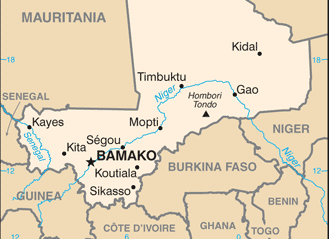
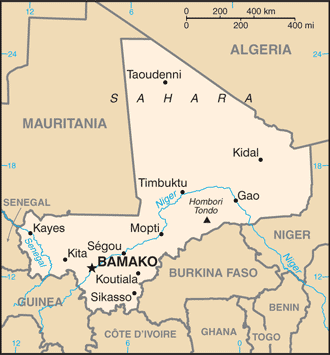
The junta in Mali is accusing France of spying after the French military used a drone to film footage that Paris says shows Russian mercenaries burying bodies in a mass grave near a military base. The French government says the bodies were buried outside the base at Gossi, Tombouctou region, in a scheme to falsely accuse its departing forces of leaving behind mass graves. Video from the drone was released after pixelated images appeared on social media of corpses being buried, with text accusing France of atrocities in Mali. France claims the bodies were brought to Gossi from Hombori, a town to the south, where Malian troops and Russian mercenaries have been carrying out an operation against jihadi insurgents. The junta acknowledges that numerous militants were killed in the operation. (Map: PCL)

Africa
mali-hunger-displacement

Mali: crisis deepens as foreign forces withdraw

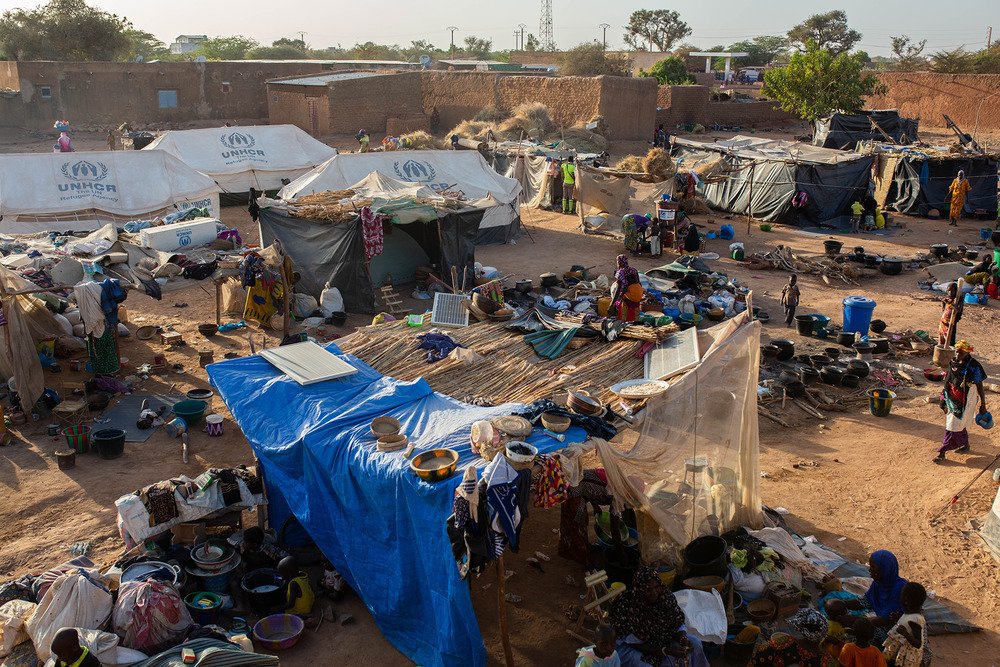
France and allied European countries are withdrawing their military forces from Mali after diplomatic relations broke down with the ruling junta that came to power in last year’s coup d’etat. The junta has meanwhile reportedly welcomed in hundreds of mercenaries from the Russian Wagner Group. The diplomatic crisis has overshadowed a worsening humanitarian emergency that has seen severe hunger hit the highest level since 2013, when the seizure of large parts of the country by jihadist rebels prompted the French intervention. Over 350,000 people have now fled violence linked to jihadist groups aligned to al-Qaeda and the so-called Islamic State—a nearly 70% increase from early 2020. (Photo of Mali displaced persons camp: The New Humanitarian)

Planet Watch
Tengiz

Ukraine war portends new oil shock

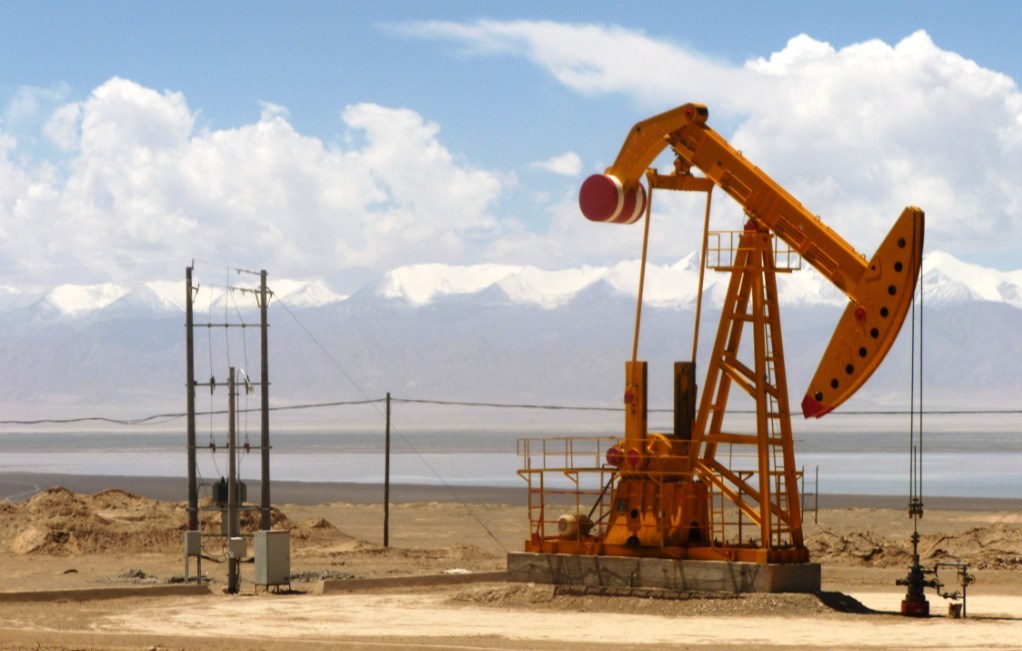
Long-depressed oil prices are suddenly soaring in response to the Russian invasion of Ukraine, with impacts already being felt globally. Exports from Kazakhstan and the Caspian Basin are virtually paralyzed, as the Black Sea pipeline terminal delivering the crude to Western markets is incurring a prohibitive “war risk insurance premium.” Berlin has suspended the Nord Stream 2 pipeline, which is to carry Russian gas under the Baltic Sea to Germany—and Russia has retaliated by threatening to cut gas supplies to Europe via the Nord Stream 1 line. In his executive order barring Russian oil and gas imports to the US, President Biden issued a warning to the oil companies, urging that the war should not serve as an excuse for price-gouging. But it is actually the oil futures market that plays a determinant role in fixing the international price. There’s a big psychological element involved, which is why every escalation in the Middle East (without fail) jacks up oil prices. A war in Europe will almost certainly mean another oil shock, with grim implications for the world economy and Biden’s political chances. (Photo of Kazakh oil-field via Wikimedia Commons)

Planet Watch
nuclear power

Podcast: Nuclear power? No thanks!

In Episode 110 of the CounterVortex podcast, Bill Weinberg rants against the current greenwashing of nuclear power, and hype about a supposedly “safe” new generation of reactors. Every stage of the nuclear cycle is ecocidal and genocidal. Uranium mining has poisoned the lands of indigenous peoples from Navajo Country to Saskatchewan to West Africa. The ongoing functioning of nuclear plants entails routine emissions of radioactive gases, factored in by the bureaucrats in determining “acceptable” levels of cancer. Disposal of the waste, and the retired reactor sites themselves, is a problem that inherently defies solution. They will be deadly for exponentially longer into the future than biblical times stretch into the past. The Waste Isolation Pilot Project (WIPP) in New Mexico, hyped as secure for hundreds of millennia, leaked plutonium after only 13 years. And finally there is the “sexiest” issue, the one that actually gets some media play, at least—the risk of accident. It is a mark of capitalism’s depravity that even after the nightmares of Fukushima and Chernobyl, we periodically get media campaigns about an imminent “nuclear renaissance.” Nuclear versus fossil fuels is the false choice offered us by industry. The imperative is to get off the extraction economy and on to one based on sustainability and resource conservation. Listen on SoundCloud or via Patreon. (Photo: Wikimedia Commons)

Oceania
new caledonia

China factor in New Caledonia anti-independence vote

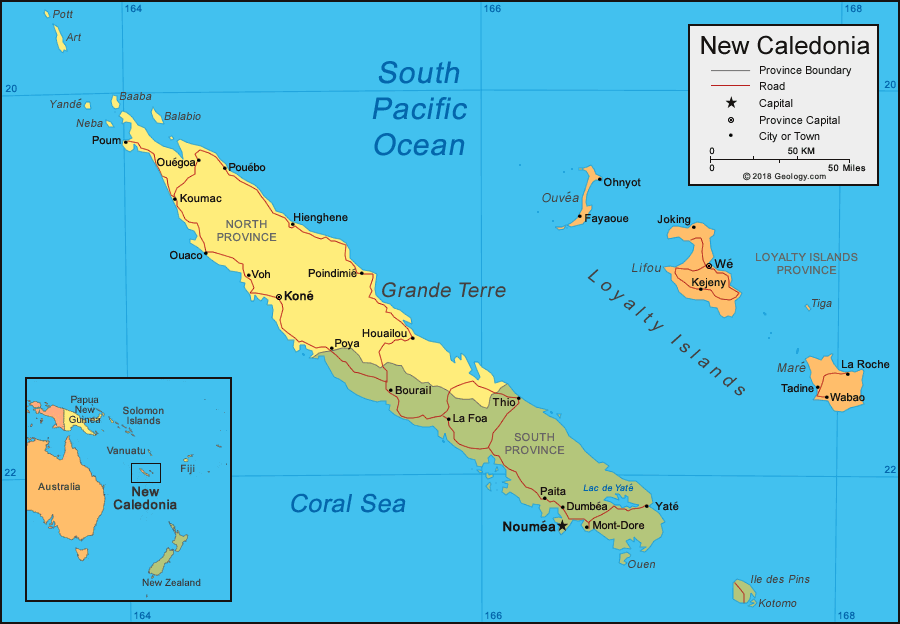
In what was supposed to be a third and final referendum on the matter, voters in the French overseas territory of New Caledonia rejected independence by an overwhelming 96%. But the vote was this time boycotted by the pro-independence forces, who vowed to carry on the struggle. Coverage of the vote uniformly stressed fears by the métros (recent arrivals from France) of Chinese designs on the archipelago—and especially its mineral resources. The indigenous Kanak population, reduced to a minority after more than 150 years of French colonization, largely observed the boycott, and appeared to view Chinese designs as (at the very least) no worse than French. (Map via Geology.com)