The Andes
Colombia

Colombia: growing toll from armed conflict

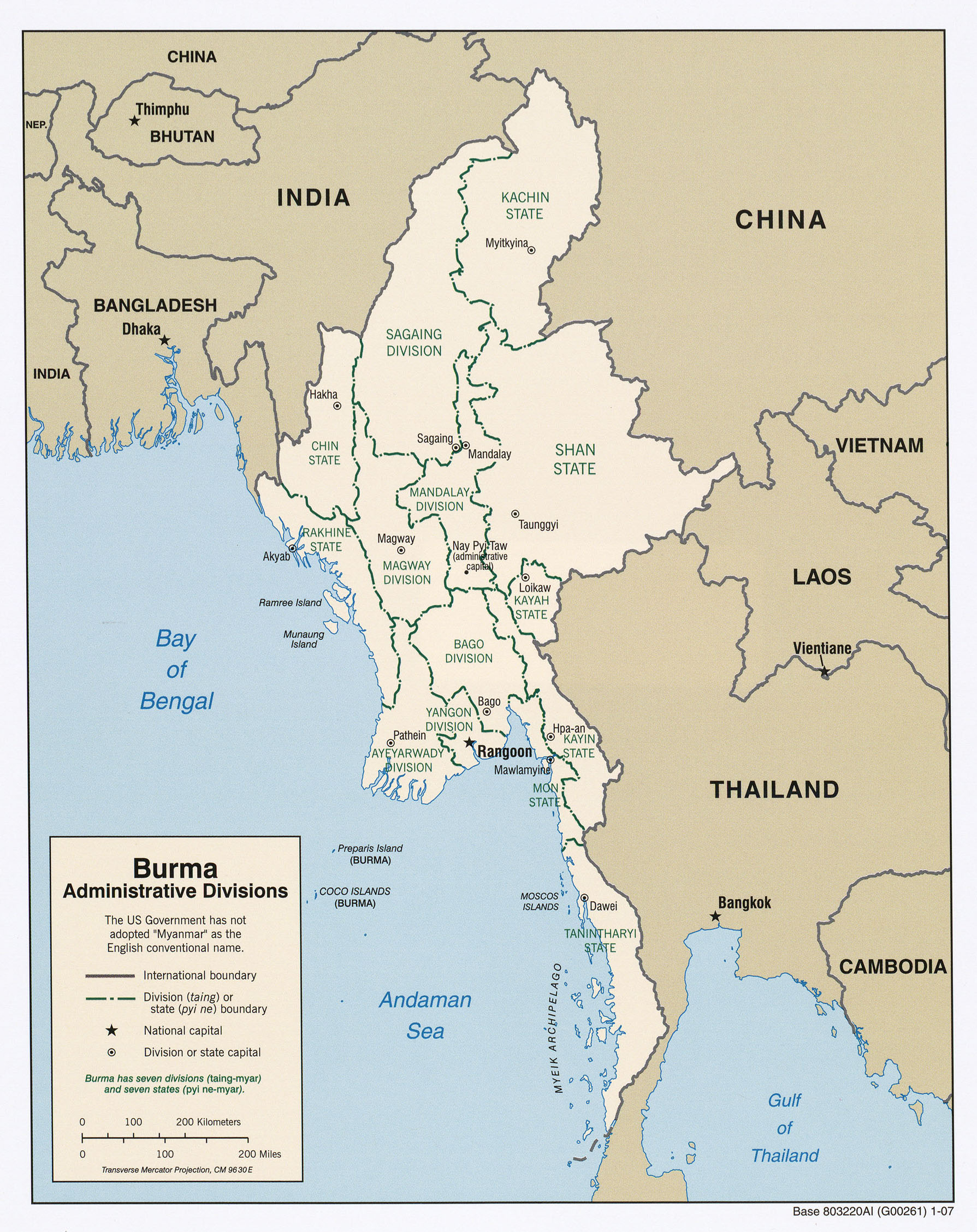
In its latest annual report, the International Committee of the Red Cross (ICRC) found that the armed conflict in Colombia saw the “worst humanitarian consequences” of the past decade in 2025. The number of people killed or injured by explosive devices rose by 34% to 965, overwhelmingly non-combatants. The number of individual disappearances doubled to 308. Violations of international humanitarian law documented by the ICRC reached 845 cases, while figures for displacement and “confinement” doubled. According to the Comprehensive Victim Support & Reparation Unit (UARIV), at least 235,619 people were displaced individually in 2025, while 87,069 were displaced in mass displacement events, and 176,730 remained “confined” in communities under siege by armed actors. (Map: PCL)

Watching the Shadows
Aegis

‘Donroe Doctrine’ threatens hemisphere

As Nicolás Maduro appeared in federal court in New York, Trump made explicit military threats against Colombia, Mexico, Cuba and Greenland—prompting protests from those countries’ leaders. In defense of his bellicosity, Trump invoked the notion of Latin America as a US influence sphere that was articulated in his recent National Security Strategy, calling it the “Donroe Doctrine.” (Photo: US Navy via Latin America Reports)

The Amazon
Trujillo Arana

Indigenous leader slain in Venezuelan Amazon

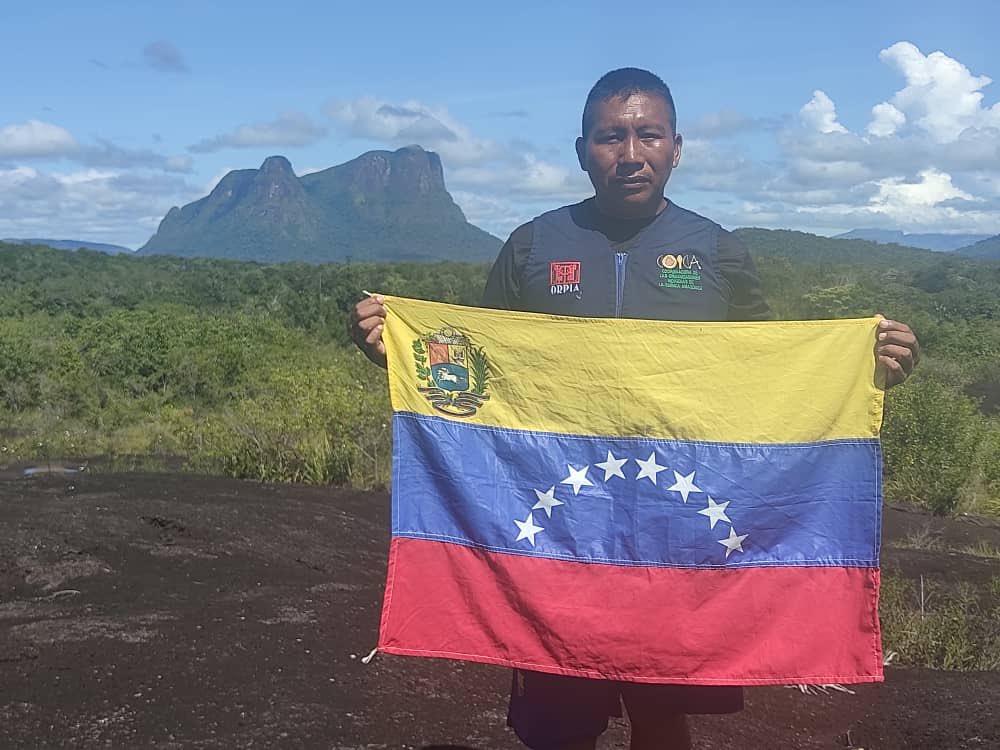
A Venezuelan indigenous leader who fought against incursions by Colombian armed groups and outlaw gold miners into the country’s southern rainforest was shot dead in Puerto Ayacucho municipality, capital of Amazonas state. Virgilio Trujillo Arana, a member of the Uwottujja people, was the leading force in creation of the Sipapo Territorial Guards in Autana municipality, Amazonas. The Territorial Guard patrols were launched with support from the Amazonas Indigenous Peoples’ Regional Organization (ORPIA). (Photo: SOS Orinoco)

The Andes
Arauca

Multi-sided warfare across Colombia

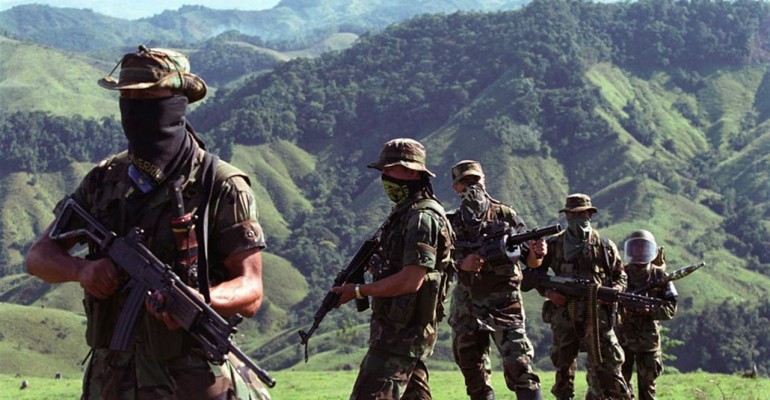
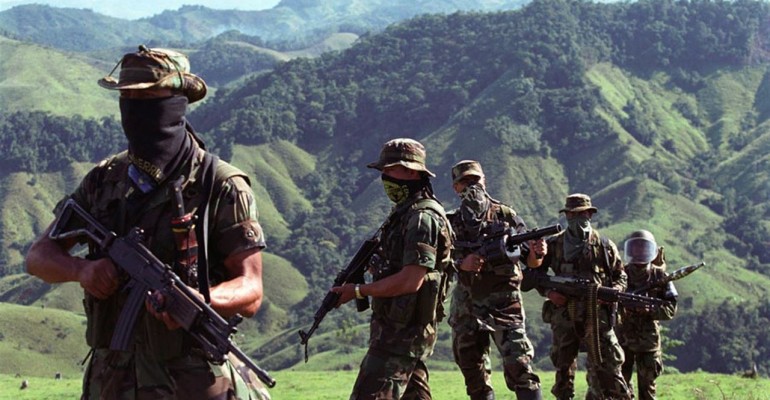
Despite a peace process that has faltered under President Ivan Duque, the internal war in Colombia continues nearly across the country—now involving multiple armed actors: remnant guerilla groups, resurgent paramilitary forces, regional cartels, and the official security forces. Thousands have been displaced in recent months, as campesino and indigenous communities are either caught in the crossfire or explicitly targeted. (Photo: INDEPAZ via Contagio Radio)

The Andes
arauca

Anti-war protests in northeast Colombia

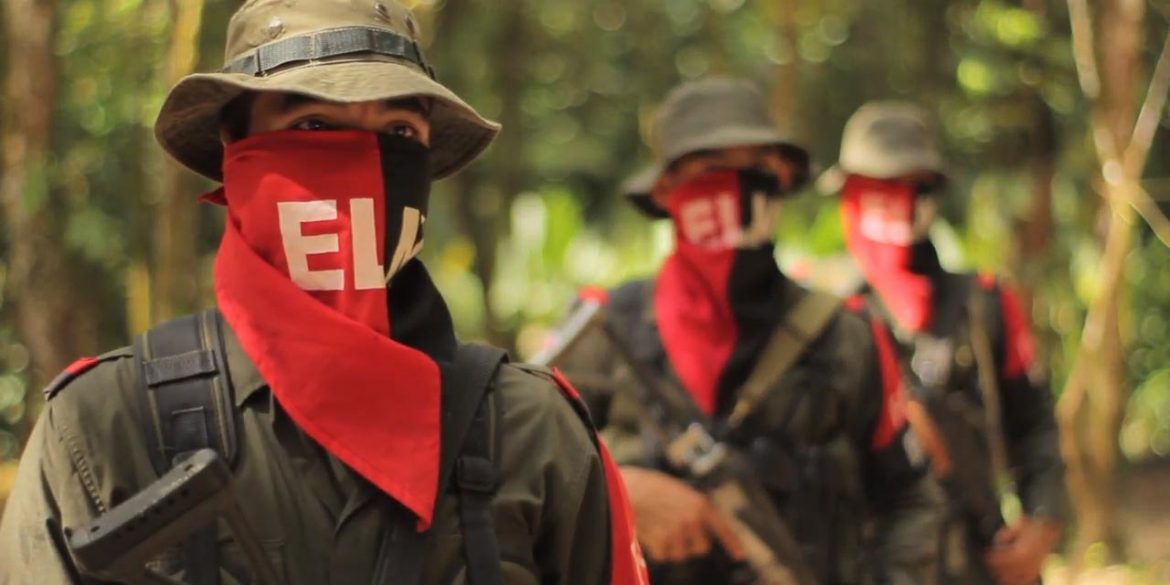
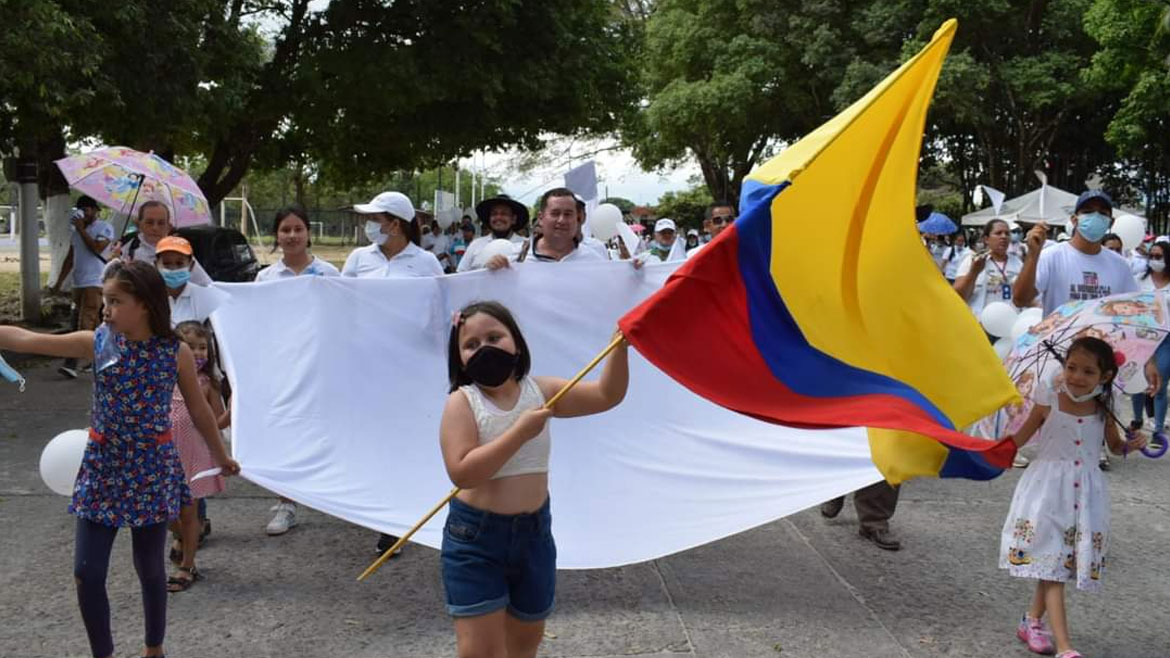
Rural communities in Colombia’s northeastern Arauca department held anti-war protests amid inter-factional guerilla violence that has been terrorizing the region. Demanding attention from the government and international human rights organizations, some 1,200 marched in the hamlets of Puerto Jordan and Botalón. Recent days had seen an outbreak of fighting in the area between the National Liberation Army (ELN) and “dissident” factions of the demobilized FARC guerillas that have refused to lay down arms, in defiance of a 2016 peace agreement. At least 23 were killed in the clashes, which were said to be over control of smuggling routes across the nearby Venezuelan border. About a dozen local families were also forced to flee their homes. (Photo: Arauca Online via Colombia Reports)

The Andes
FANB

FARC ‘dissidents’ bring insurgency to Venezuela

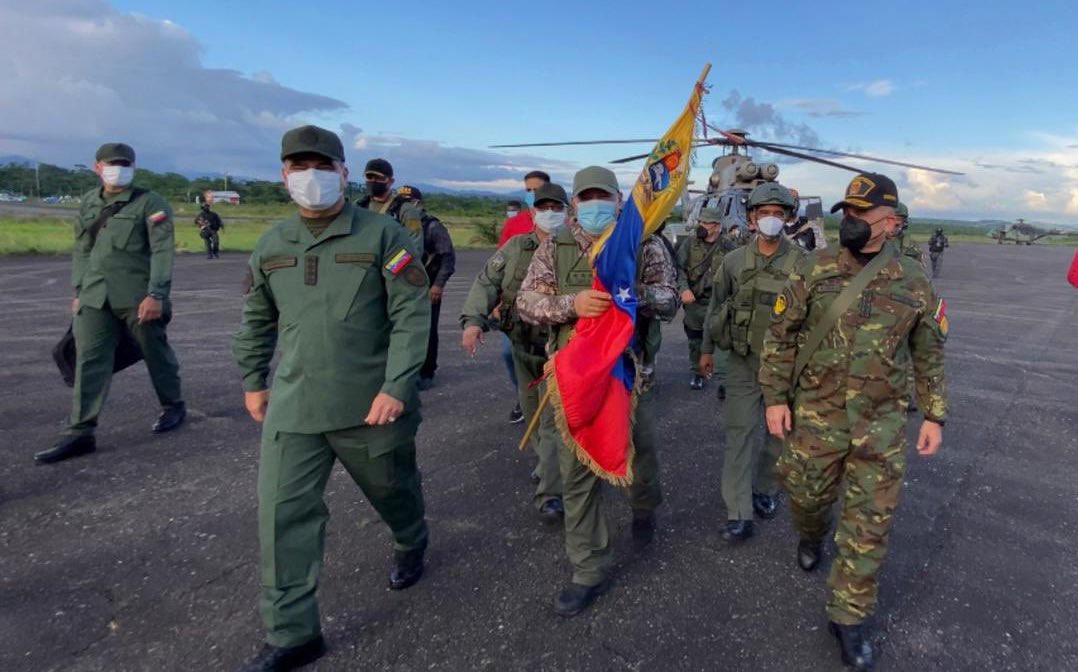
So-called “dissident” FARC factions that have refused to accept the Colombian peace accords and taken refuge across the border in Venezuela now appear to be waging a local insurgency against the Nicolás Maduro regime. A group calling itself the Martin Villa 10th Front announced last month that it had captured eight Venezuelan soldiers during a battle in Apure state, near the Colombian border. Venezuela’s National Bolivarian Armed Forces later announced that the soldiers had been freed in a rescue operation. But independent media in Venezuela report that the eight were actually released under terms of a deal negotiated in Cuba. The deal was said to have been brokered with the help of the National Liberation Army (ELN), a second Colombia guerilla group which remains in arms and whose leadership is based in Havana. (Photo of captive soliders being released via FANB)

The Andes
Apure

FARC ultra-dissidents in Venezuela clashes?

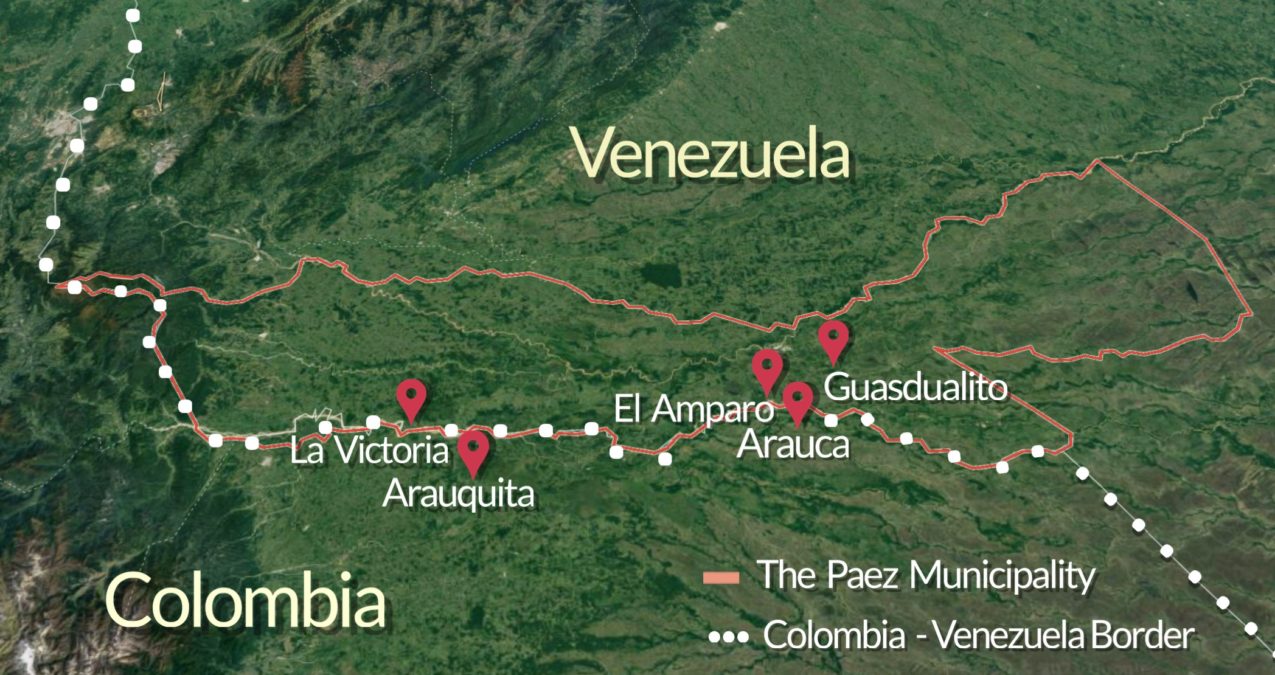
Some 3,000 Venezuelans fled across the border into Colombian territory to escape an outbreak of fighting between the military and an unnamed armed faction. Venezuelan Defense Minister Gen. Vladimir Padrino López said that in an operation dubbed Bolivarian Shield, troops have arrested 32 people, destroyed six camps, and seized weapons. There have also been reports of two Venezuelan soldiers killed in the fighting. Padrino did not name the armed group targeted in the operation, only identifying a supposed commander by his nom de guerre “Nando.” But regional media reports indicate the targeted group is one of the “dissident” factions of the Colombian FARC rebels that have remained in arms despite a peace accord. Bogotá accuses Venezuela of providing shelter to FARC dissidents. It is hypothesized that the group targeted in Bolivarian Shield is a dissident faction refusing to accept the leadership favored by Caracas. (Map: Sofía Jaimes Barreto via Caracas Chronicles)

The Andes
paramilitaries

Colombia: Duque denies ongoing massacres

Amid the relentless and escalating wave of massacres and assassinations in Colombia, President Iván Duque is adopting openly euphemistic terminology in an attempt to downplay the crisis. This week he acknowledged that massacres at various points around the country over the past days had left more than 30 dead—but refused to call them “massacres.” Visiting Pasto, capital of Nariño department which has been the scene of several recent attacks, he said: “Many people have said, ‘the massacres are returning, the massacres are returning’; first we have to use the precise name—collective homicides.” (Photo via Contagio Radio)

The Andes
samaniego

Students massacred in Colombian village

Eight young people at a social gathering were killed in Colombia’s southern Nariño department when unknown gunmen barged in and opened fire. The victims, between the ages of 17 and 25, were university students who had returned to the village of Samaniego due to the pandemic. They were enjoying a small party at a family farm on the edge of the village when the attack took place. One woman and one minor were among the dead. Nariño Gov. Jhon Rojas did not name any group as responsible for the attack, but noted presence in the area of ELN guerillas, “dissident” FARC factions that have remained in arms despite the peace accord, and right-wing paramilitaries. Rojas called on national authorities to “return tranquility to the region” by fulfilling terms of the 2016 peace accords, which President Ivan Duque has opposed. (Photo: Colombia Reports)

The Andes
Totumito

Colombia: massacre sparks mass displacement

A massacre that left eight campesinos dead in northeast Colombia’s Catatumbo region spurred the forced displacement of some 450 people, local authorities report. The massacre at Totumito vereda (hamlet) in Tibú, a rural municipality on the border with Venezuela, took place amid a territorial dispute between the ELN guerrillas and Los Rastrojos, a paramilitary network that largely controls the nearby border city of Cúcuta. According to the Catatumbo Campesino Association (ASCAMCAT), the Rastrojos carried out the attack after the ELN planted a banner with their logo in the vereda. More than 100 families have fled to the municipal centers of Tibú or Cúcuta, fearing another attack. Control of drug-trafficking routes over the Venezuelan border is said to be at issue in the conflict. (Photo via Colombia Reports)

The Andes
ELN

US move against Cuba imperils Colombia peace

The United States government further complicated the future of peace in Colombia by adding Cuba to its list of countries that do not cooperate with counter-terrorist efforts. The State Department cited Havana’s failure to extradite leaders of the National Liberation Army (ELN), Colombia’s last active guerilla group. Colombia requested extradition of the ELN leaders after the group claimed responsibility for a deadly attack on a Bogotá police academy last year. Havana responded that the ELN leaders had been brought to Cuba for peace talks with the Colombian government, and that it was obliged to honor terms protecting them from arrest. Colombia’s government broke off the talks after the Bogotá blast; civil society groups in Colombia have since been urging both sides to return to the table. (Photo: Colombia Reports)

The Andes
ELN

Colombia: ELN ends COVID-19 ceasefire

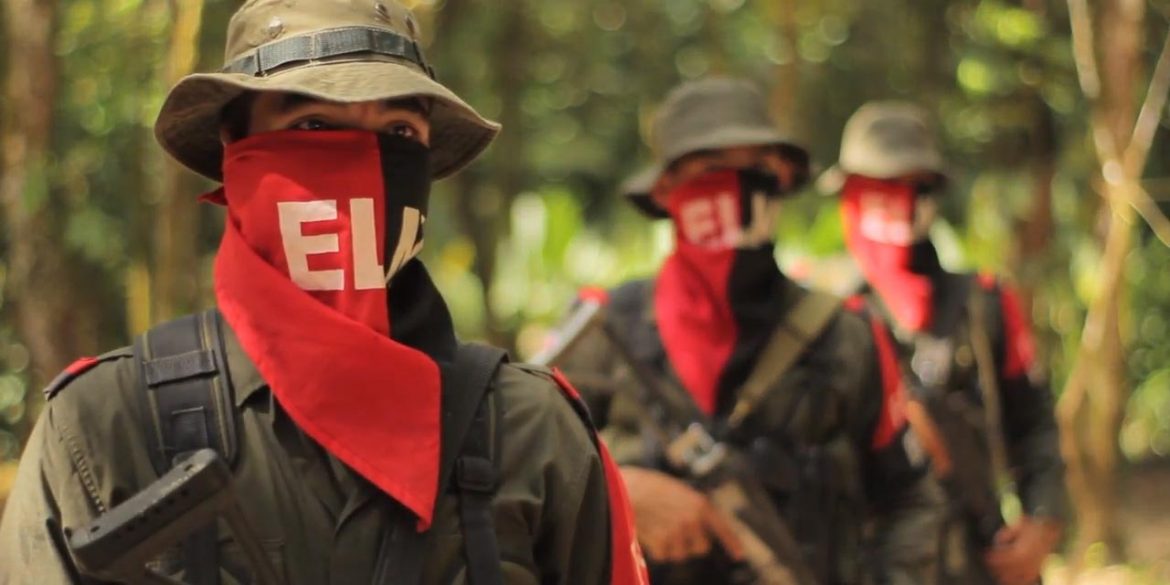
Despite calls for an extension, Colombia’s ELN guerillas announced an end to their unilateral ceasefire, saying that continued government offensives demonstrate that President Ivan Duque is not interested in peace or combating the COVID-19 pandemic. The decision was met with disappointment by civil society groups and UN Secretary General Antonio Guterres, who in March had called for a “global ceasefire” in response to the pandemic. But the ELN said in its statement that “the Duque government had not responded in a reciprocal manner or listened to the proposals we made to advance the search for peace. On the contrary, we saw a government interested in taking advantage of the unilateral cessation, maintaining joint operations with the paramilitaries, to gain greater territorial control and continue with its plan to assassinate social leaders.” (Photo: Colombia Reports)