East Asia
East Turkistan

Podcast: the politics of separatism in China

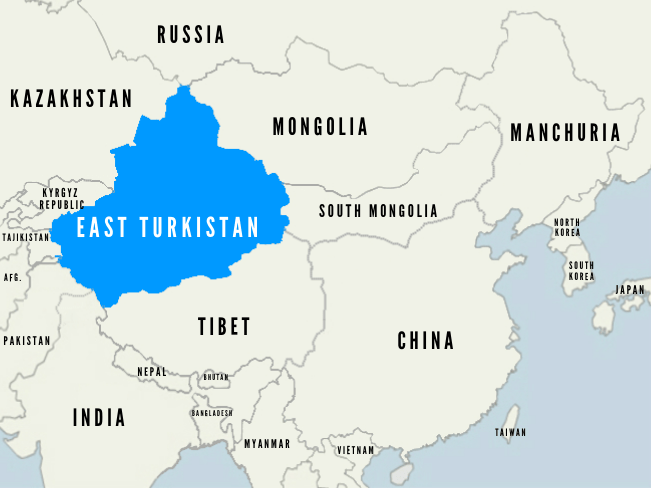
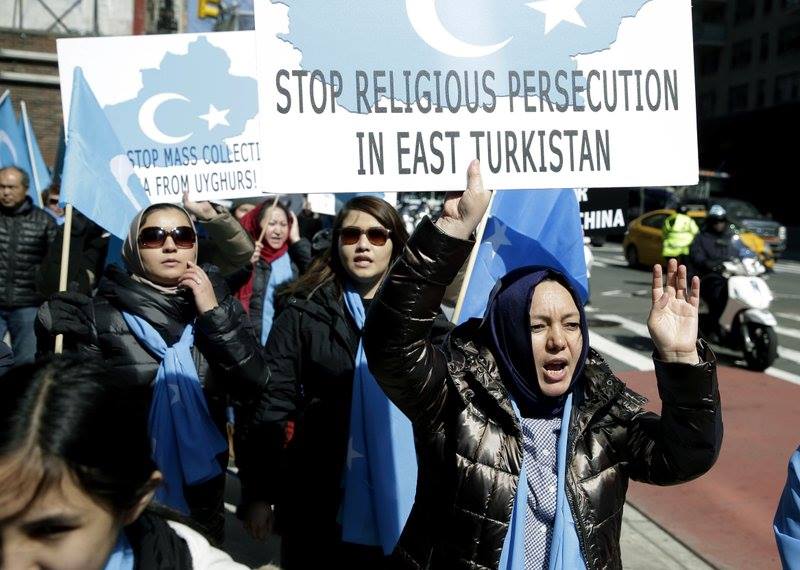
In Episode 39 of the CounterVortex podcast, Bill Weinberg explores the politics of the Hong Kong protests—and especially how they have been playing out in New York’s Chinatown. It is natural that the Hong Kong protesters have made common cause with the Tibetans, Uighurs and Mongols also struggling for their rights and dignity against China’s ruling party-state. But some supporters of these movements have come to embrace a separatist position, actually seeking independent states in Hong Kong, Tibet, East Turkistan and South Mongolia. Will self-determination for these regions and peoples be possible without active solidarity with the struggles for democracy and political empowerment by the Han Chinese majority of the People’s Republic? Listen on SoundCloud, and support our podcast via Patreon. (Map: East Turkistan National Awakening Movement)

East Asia

Street clashes as Hong Kong protesters defy ban

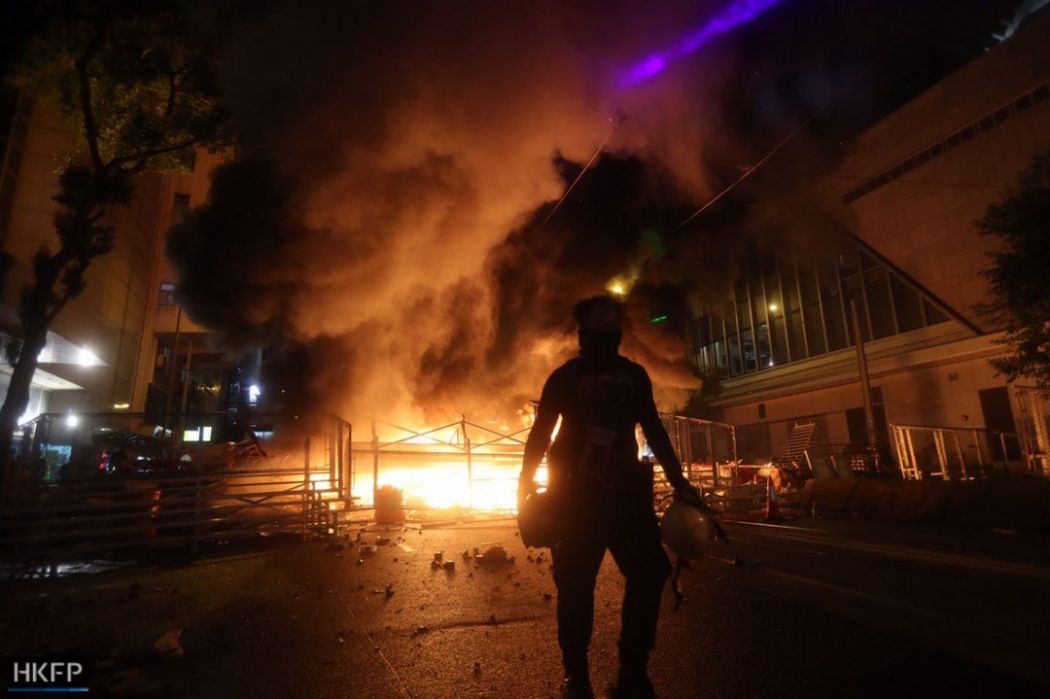
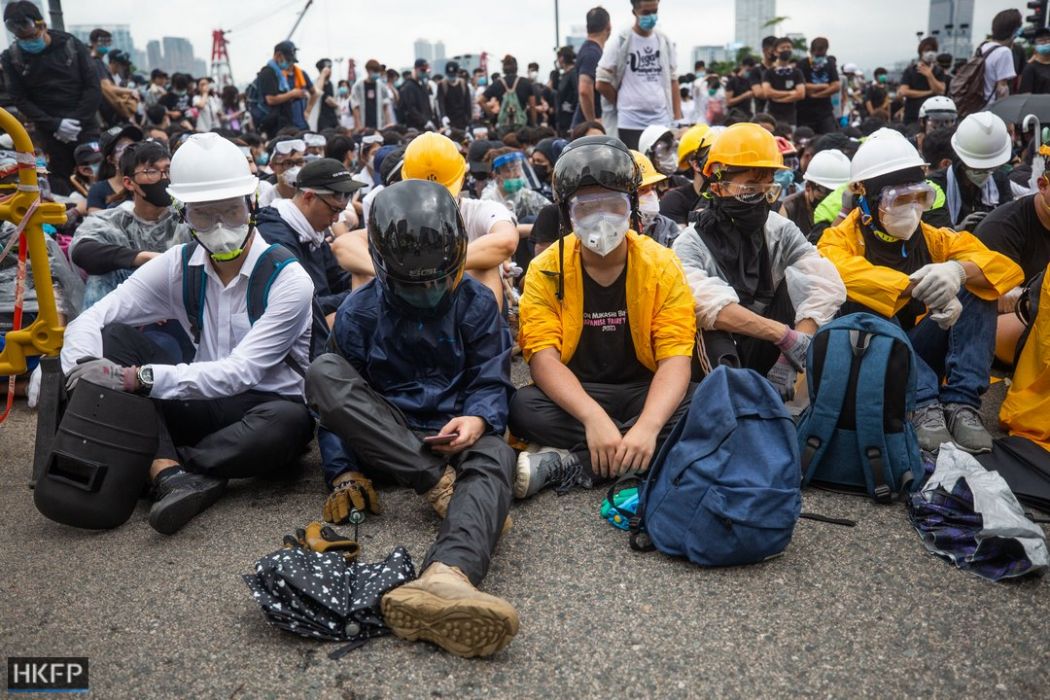
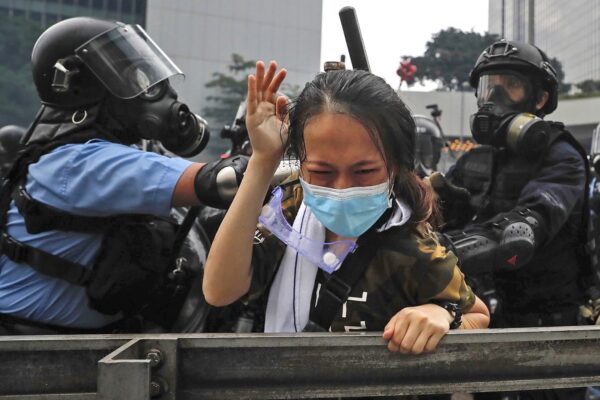
Hong Kong riot police used tear-gas, rubber bullets and water cannon to disperse protesters as tens of thousands marched in the city, defying a ban. Police fired live rounds over the heads of the crowd as “warning shots” in Causeway Bay. Some protesters set fires and threw Molotov cocktails and bricks at police lines. TV news footage showed riot police beating people with their batons inside commuter-train cars. In a first for Hong Kong, police water-cannon trucks fired dyed water at protesters near government headquarters in an effort to identify those who fled for later arrest. The Civil Human Rights Front, a coalition of around 50 pro-democracy groups, had cancelled the march in response to the ban, but many organizations pledged to carry on anyway—with some calling the march a “religious” procession in a bid to evade the government ban. (Photo: HKFP)

Inner Asia
China prison

India, China mirror each other in Islamophobia

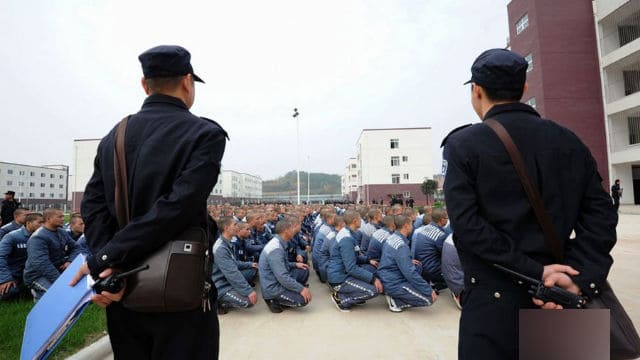
Well, this is grimly hilarious. Genocide Watch has issued two “warning alerts” for India—one for Kashmir and the other for Assam, with Muslims held to be at grave imminent risk of persecution and mass detention in both. Pakistan’s semi-official media are jumping all over this news, which is hardly surprising. But Pakistan is closely aligned with China due to their mutual rivalry with India, so it is also hardly surprising that Pakistani media have failed to similarly jump on the Genocide Watch report on the Uighurs of Xinjiang—despite the fact that the group categorizes the situation there as “preparation” for genocide, a more urgent level than “warning.” China itself has issued a protest to India over the situation in Kashmir. Delhi shot back that Kashmir is an internal matter. Beijing has been similarly dismissive of India’s protests over the mass detention in Xinjiang.  (Photo via Bitter Winter)

Inner Asia

Detained Uighurs face forced sterilization: reports

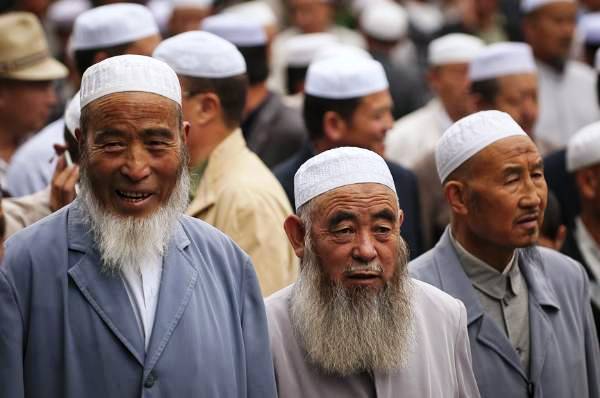
Just after Chinese officials announced that the detention camps for Muslim Uighurs in Xinjing region had been mostly emptied, reports emerge that women in the camps are facing forced sterilization. Dubious claims of the camps’ closure were made by Alken Tuniaz, vice chairman for Xinjiang, who told reporters that “the majority of people who have undergone education and training have returned to society and returned to their families.” As Uighur organizations in the exile diaspora expressed skepticism, women who had survived the camps came forward with accounts of sterilization abuse. Gulbahar Jalilova, a Uighur woman who was detained for more than a year before being released to Kazakhstan, told France24: “They injected us from time to time… We had to stick our arms out through a small opening in the door. We soon realized that after our injections that we didn’t get our periods any more.” (Photo: Uyghur Women Association)

The Andes

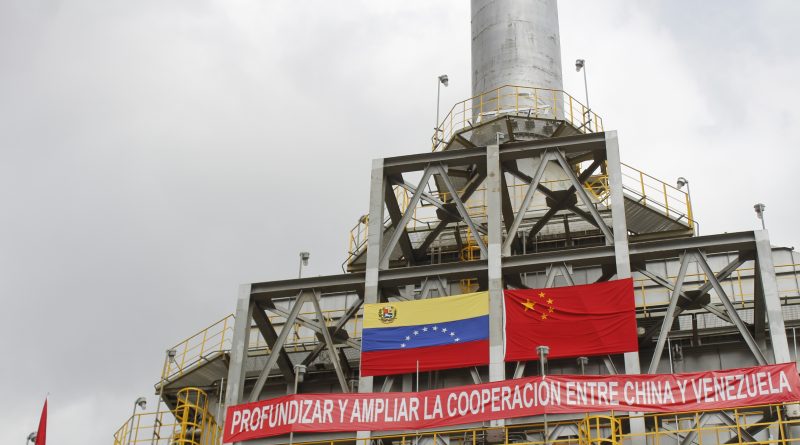
Venezuela further opens oil sector to China

The Venezuelan government has announced an expansion of Chinese investment in the country’s oil industry, with the aim of increasing production by 120,000 barrels per day. The investment, placed at $3 billion, will underwrite the construction of a new oil blending plant inaugurated this month as the first part of the two-stage plan. The “Jose” plant, in Barcelona, Anzoátegui state, is to be run by Sinovensa, a joint venture 49% owned by the China National Petroleum Corporation (CNPC) and 51% by Venezuela’s PDVSA state oil company. The facility will blend extra-heavy grades from Venezuela’s Orinoco Oil Belt into the exportable Merey crude, primarily for Asian markets. (Photo via VenezuelAnalysis)

East Asia

Worker protests in China’s automotive sector

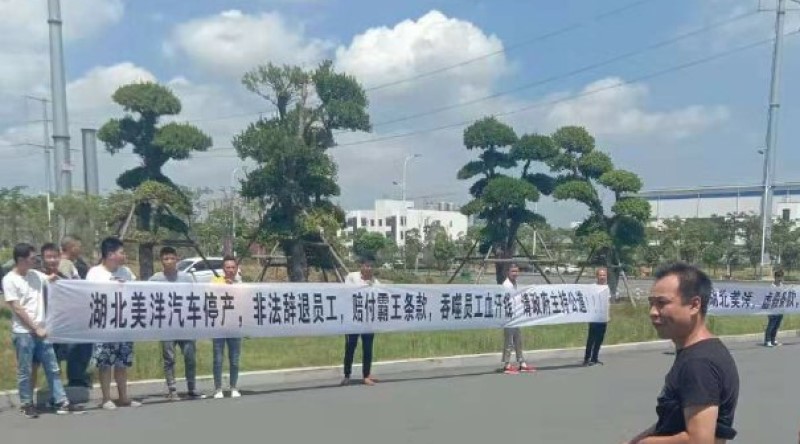
Employees at Hubei Meiyang Automobile Industry Co staged a demonstration to protest “illegal dismissals, wage arrears and compensation payments.” Meiyang Auto, a “new energy” start-up based in the central city of Xiangyang, had been in production for less than two years before halting operations. Workers at Eastone Automotive in Shanghai’s Pudong district also staged a protest claiming they were owed around 40 million yuan in wages in arrears stretching back to the beginning of the year. Employees claimed they were being forced to leave without any compensation, and appealed to the local government for help. So far this year, China Labour Bulletin’s Strike Map has recorded 25 collective protests by workers in the automotive sector, up from just five in the same period last year. The protests, mostly related to layoffs and wage arrears, have occurred in car plants, components factories, dealerships and service centers, and even car rental agencies. (Photo via China Labor Bulletin)

Inner Asia
East Turkistan

China’s rulers fear balkanization —with reason?

Chinese state media are promoting an official “white paper” entitled “Historical Matters Concerning Xinjiang,” denying the national aspirations and very identity of the Uighur people of China’s far western Xinjiang region. These are portrayed as inventions of Western-supported “separatists.” Yet some leaders of the Uighur exile diaspora have indeed launched an “East Turkistan” independence movement, and are seeking allies among Tibetans, Mongols, Manchus and Hong Kongers. China’s rulers may be creating exactly what they fear with their intransigent denialism on identity and ultra-draconian measures in Xinjiang, Tibet, Inner Mongolia and Hong Kong. (Map: East Turkistan National Awakening Movement)

Inner Asia
Uighurs

Uighurs as pawns in the Great Game

In a perverse spectacle, the Trump administration, which is establishing its own incipient concentration camp system for undocumented immigrants, makes a great show of feigning concern with the mass detention of the Uighurs in China’s “re-education camps.” Secretary of State Mike Pompeo called China’s treatment of the Uighurs the “stain of the century,” and accused Beijing of pressuring countries not to attend a US-hosted conference on religious freedom then opening in Washington. At the conference, Donald Trump actually met at the Oval Office with Jewher Ilham, daughter of the imprisoned Uighur scholar Ilham Tothi. It is hard to fault the Ughurs for being heartened by this international attention, but it is clear that they are being exploited for propaganda purposes. (Photo: Mvslim.com)

East Asia
Ji Sizun

China: justice sought in death of ‘barefoot lawyer’

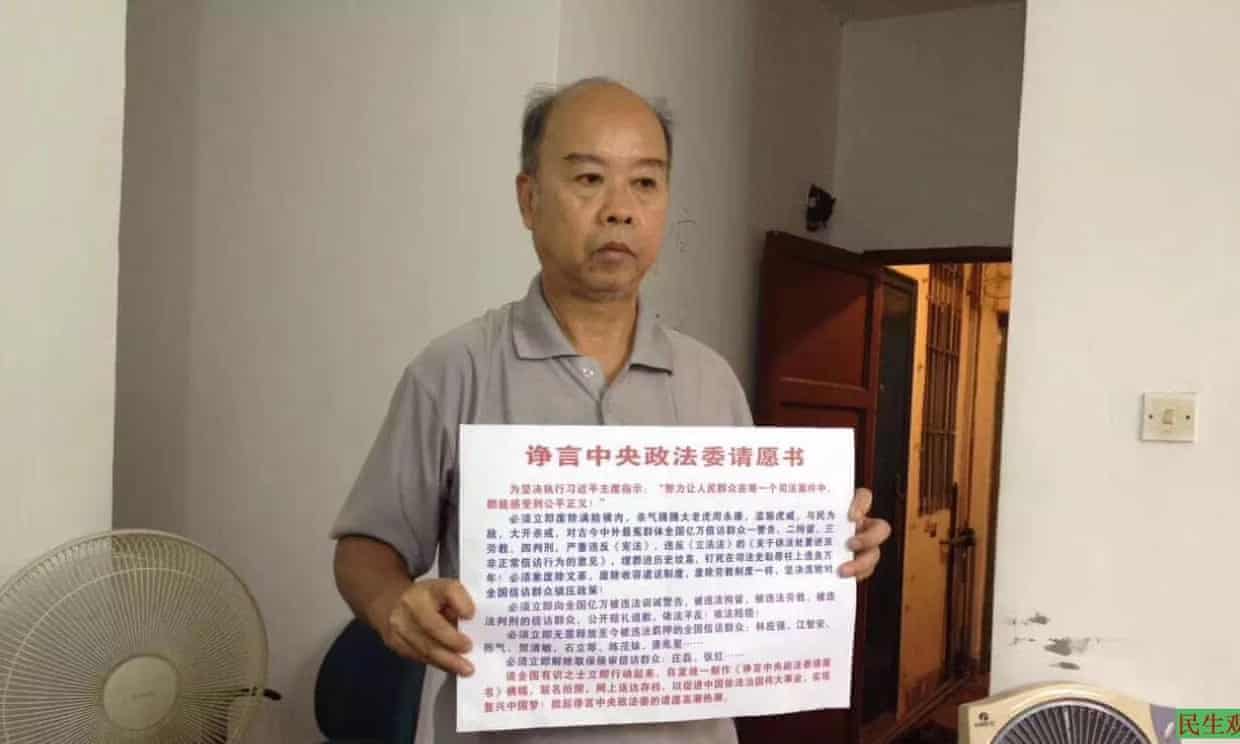
International rights groups are demanding accountability from China in the death of Ji Sizun, the most recent victim of the ongoing crackdown on dissident lawyers in the People’s Republic. Two months after being released from prison, Ji, 69, died from unknown illnesses, guarded by state security in a hospital in his native Fujian province. He had reportedly been ill-treated in detention, and was released in a comatose state. One of China’s most prominent “barefoot lawyers,” or self-taught legal advocates, Ji spent most of the past 10 years in prison. “Chinese authorities need to investigate Ji Sizun’s hospitalization and death and hold accountable anyone responsible for wrongdoing,” said Yaqiu Wang, China researcher with Human Rights Watch. “For human rights defenders in China, prison sentences are increasingly turning into death sentences.” (Photo: Chinese Human Rights Defenders)

East Asia

Protest shakes Hong Kong… and Wuhan: solidarity?

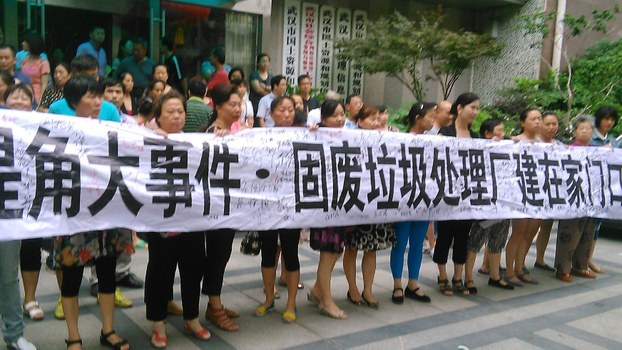
Days before protesters stormed and occupied the Hong Kong legislative chamber, some 10,000 marched in the central Chinese city of Wuhan to oppose construction of a waste incinerator. The Wuhan protesters chanted “Give us back our clean environment”—before being set upon by the riot police, leading to many arrests. Solidarity with pro-democratic forces on the mainland is what holds out hope for restraining Beijing’s dictatorial agenda for Hong Kong. Yet some Hong Kong protesters instead look to former colonial power Britain for protection—or promote a hardcore “localist” stance that seeks independence rather than a democratic China. (Photo  of Wuhan protest via RFA)

East Asia

Hong Kong: ‘leaderless’ protests pledge no retreat

Despite limited victories, leaders of the declaredly “leaderless” protest movement that has brought hundreds of thousands to the streets in Hong Kong pledge to keep up the pressure. The unpopular bill that would have allowed extradition to mainland China has now been suspended. But six student unions issued a call to escalate protest actions if the government does not respond to their outstanding demands in the coming days. These include that the extradition bill be formally withdrawn, that all charges be dropped against arrested protesters, and investigations be opened into cases of police brutality. Protesters are also demanding that Chief Executive Carrie Lam step down. (Photo: HKFP)

Africa

Russia blocks UN statement against Sudan massacre

Russia, joined by China, blocked a bid at the UN Security Council to condemn the killing of civilians in Sudan and to issue a pressing call for an immediate halt to the violence. According to the latest update by the Central Committee of Sudan Doctors, over 100 people were killed by militiamen of the Rapid Support Forces who stormed the sit-in site in Khartoum and opened fire on the protesters. (Photo: Radio Tamazuj)