Watching the Shadows
computer smash

Podcast: for a meme moratorium

Meta has tweaked the Facebook algorithm to sideline links to news articles and boost “memes“—precisely the format most subject to the fabrications and distortions being aggressively peddled by both sides (yes) in the Gaza conflict. Such propaganda has already been implicated in genocide in Burma and Ethiopia. But even apart from such egregious abuses, memes are dumbing down discourse and entrenching groupthink and dogmatism—and are being pushed by Meta as part of its sinister corporate design to enclose the internet. In Episode 207 of the CounterVortex podcast, Bill Weinberg calls for a total moratorium on posting or sharing memes as a means of pressure on Meta to re-emphasize actual news articles, and deep-six the war propaganda. Listen on SoundCloud or via Patreon. (Image: Earth First! Newswire)

Southeast Asia
Shan State

Podcast: the Burmese struggle in the Great Game

The US uses its veto on the UN Security Council to protect its client state Israel amid the criminal bombardment of Gaza, while Russia and China pose as protectors of the Palestinians. In Burma, the situation is precisely reversed: Russia and China protect the brutal junta on the Security Council, while the US and UK pose as protectors of the pro-democratic resistance. Yet another example of how a global divide-and-rule racket is the essence of the state system. Bill Weinberg dissects the mutual imperial hypocrisy in Episode 206 of the CounterVortex podcast. Listen on SoundCloud or via Patreon. (Photo: Burmese resistance fighters pose with armored vehicle seized from a captured junta outpost. Via Myanmar Now)

Southeast Asia
Burma

Burma: rebels seize towns on Chinese border

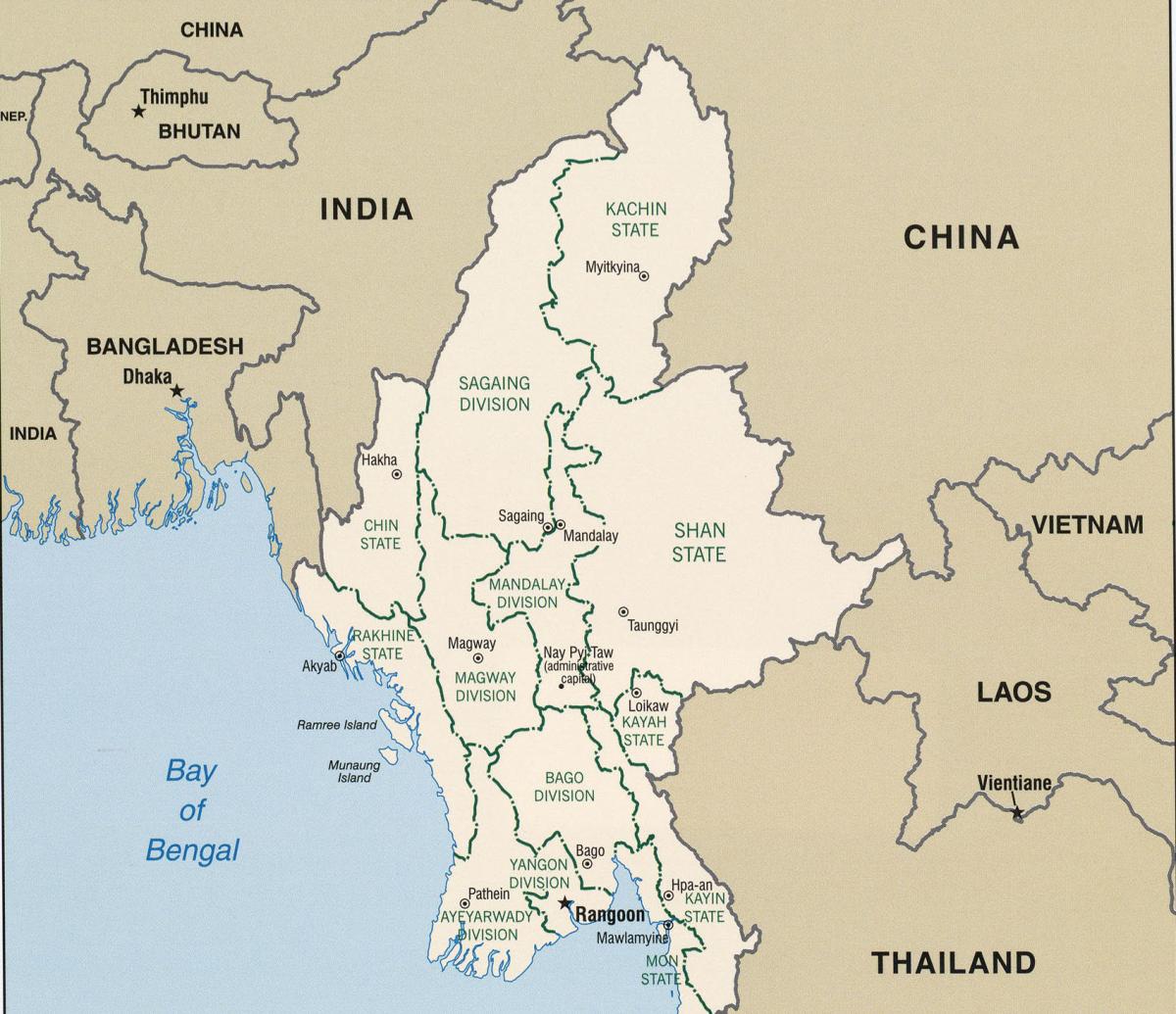
Burma’s rebel Ta’ang National Liberation Army (TNLA) has taken control of nearly the entire town of Namkham in northern Shan state, besieging the last remaining junta outpost there. The town is located along the Shweli River, a main trade route on the Chinese border. Meanwhile, in Mongko—northeast of Namkham and also located on the border with China—TNLA allies the Myanmar National Democratic Alliance Army (MNDAA) and the Arakan Army have reportedly captured four junta bases, representing a serious loss of strategic territory for the regime. These rebel armies together make up a force known as the Three Brotherhood Alliance, now emerging as the junta’s most formidable military challenge. (Map: PCL)

Southeast Asia
Mon-Lai-Hket

Burma: deadly junta drone strike on Kachin village

Nearly 30 internally displaced persons (IDPs) were killed in a Burmese junta drone strike on a village near the headquarters of the Kachin Independence Army (KIA), the parallel National Unity Government (NUG) reported. The attack, which killed several children, appeared to target an IDP camp where some 500 were sheltering in the village of Munglai Hkyet. The village lies just outside the town of Laiza, which is the capital of the KIA’s autonomous zone in remote Kachin state. The drone attack came almost exactly a year after regime warplanes carried out a deadly air-strike on a music festival in nearby Hpakant township, celebrating the 1960 founding of the Kachin Independence Organization. The KIA accused the junta of “genocidal act[s] of militarism towards our ethnic people.” (Photo: Myanmar Now)

Southeast Asia
Burmese Days

Podcast: Orwell and the crisis in Burma

In Episode 191 of the CounterVortex podcast, Bill Weinberg revisits George Orwell’s first novel, Burmese Days (1935), to see if it offers any insight into the current crisis in Burma. The novel is actually problematic in its portrayal of the Burmese, but Orwell’s anti-colonialist views are better articulated in his little-known 1929 essay “How a Nation is Exploited: The British Empire in Burma.” Ironically, the factors he identified as necessitating “despotic” rule by the British in Burma still mandate dictatorial methods by the regime today—such as the imperative to pacify “frontier areas” where indigenous peoples wage pro-autonomy insurgencies. Listen on SoundCloud or via Patreon. (Image via eBay)

South Asia
Nagas

Podcast: the struggle in Northeast India

In Episode 178 of the CounterVortex podcast, Bill Weinberg notes the new eruption of ethnic violence in Northeast India’s state of Manipur, which was the scene of far deadlier inter-communal clashes last month. The spark was the current bid by the Meitei people to become a “scheduled tribe,” granting them access to resource-rich forestlands. This is opposed by the Kuki and Naga peoples, whose tribes are already “scheduled”—but are nonetheless being targeted for eviction from Manipur’s forestlands under the guise of a crackdown on opium cultivation. The Kuki and Naga leadership perceive a land-grab for their ancestral forest territory by the Meitei—the dominant group in Manipur, who already control the best agricultural land in the state’s central Imphal Valley. The Kuki (including their Jewish sub-group, the Bnei Menashe) and Naga have long waged insurgencies seeking territorial autonomy, or even independence from India. And both their traditional territories extend across the border into Burma (where the Kuki are known as the Chin), pointing to potential convergence of the armed conflicts either side of the international line. Listen on SoundCloud or via Patreon. (Photo of Naga festival: Yves Picq via Wikimedia Commons)

Southeast Asia
Kanbalu

Burma: deadly air raid on civilian ceremony

More than 100 people, including children, are reported killed in an air-strike carried out by the Burmese military on a village in Sagaing region controlled by the democratic opposition. The raid on Pa Zi Gyi village, located within Kanbalu township, came as some 150 residents had gathered to attend the opening ceremony of a new Township People’s Administration office loyal to the opposition National Unity Government (NUG). A local representative of the NUG’s armed wing, the People Defense Force (PDF), said a fighter jet dropped two bombs on the crowd before a helicopter gunship swooped in and opened fire on the survivors. The attack came amid Thingyan, the traditional Burmese new year festival. (Photo via Myanmar Now)

Planet Watch
paramilitaries

Podcast: against global paramilitarism

In Episode 168 of the CounterVortex podcast, Bill Weinberg examines the suddenly booming global phenomenon of paramilitarism—the official armed forces of a given state or its repressive apparatus seeking an extension in the private sector, citizen militias, or irregular forces. This is a method generally resorted to when state power is in crisis, and contributes to a general militarization of society. Examples from Russia, West Africa, Sudan, Burma, Ecuador, Israel and finally Texas point to a dangerous and ultimately fascistic new model of both imperialism and internal policing and repression. Listen on SoundCloud or via Patreon. (Photo: Contagio Radio)

Southeast Asia
Burma

Burma: continued junta atrocities emerge

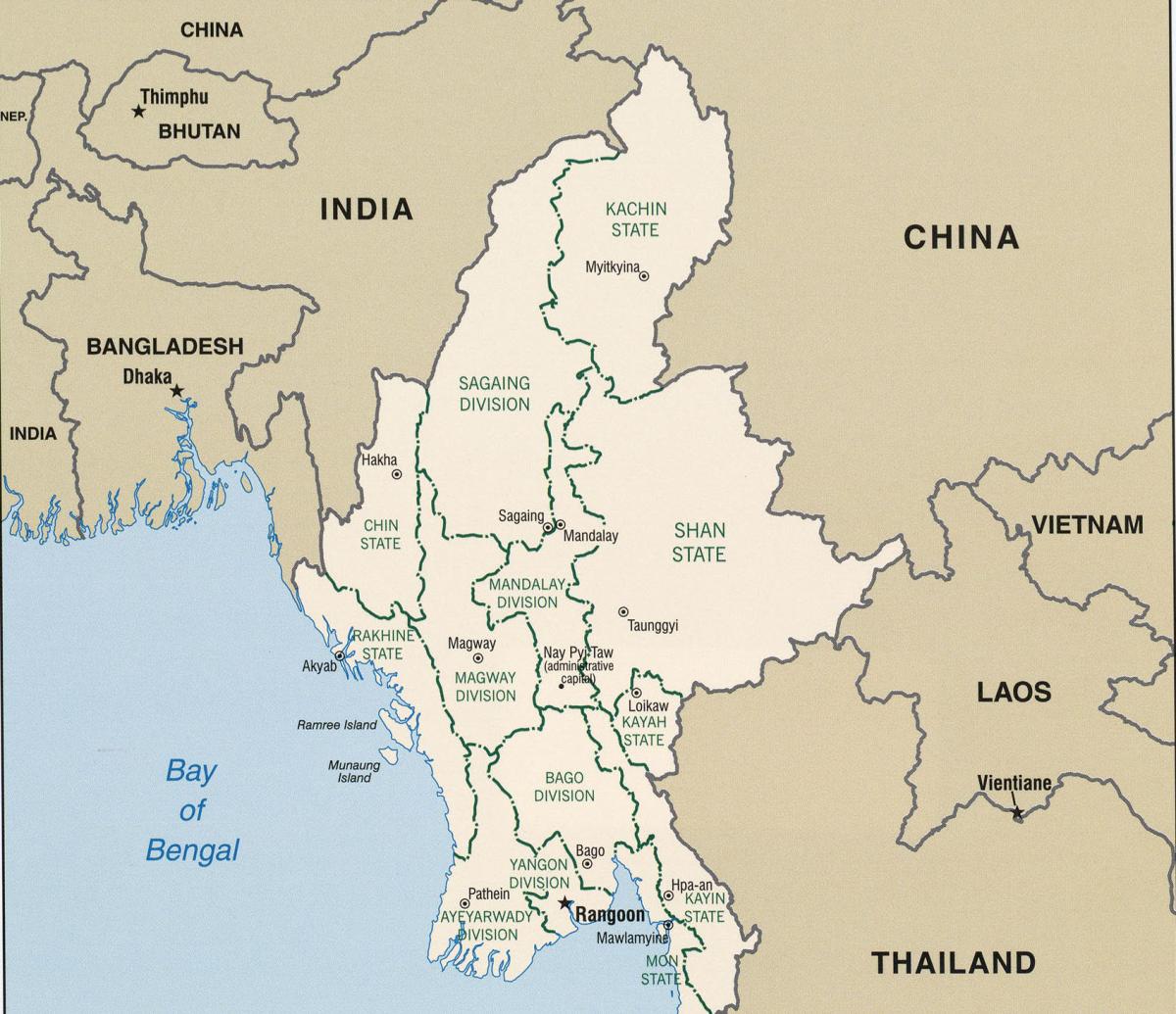
The Burmese military tortured and killed at least 17 civilians after beheading and dismembering five captured resistance fighters earlier this month. The incidents took place at two villages in Sagaing region, and were reported by the besieged opposition media. A UN Human Rights Office report finds that some 80% of townships across Burma have experienced armed clashes since the February 2021 coup, with nearly 3,000 people killed by security forces and almost 40,000 homes destroyed. (Map: PCL)

Southeast Asia
Pyu Saw Htee

Guerillas harass paramilitaries in Burma

Faced with a growing insurgency from regional guerilla cells integrated into the armed resistance network known as the People’s Defense Force (PDF), Burma’s junta has been training its own paramilitary corps made up of conservative Buddhists, Burman ethno-nationalists and other regime supporters—named the Pyu Saw Htee, after a legendary king of the ancient Pagan Dynasty. Its strongest base of support is in the Ma Ba Tha (Patriotic Association of Myanmar), which has long been accused of fomenting attacks on Muslims and ethnic minorities. But the Pyu Saw Htee’s efforts to establish local control are being met with effective guerilla harassment. (Photo of Pyu Saw Htee militia from pro-junta media outlets, via Myanmar Now)

Southeast Asia
Insein

Burma: prison protests after execution of activists

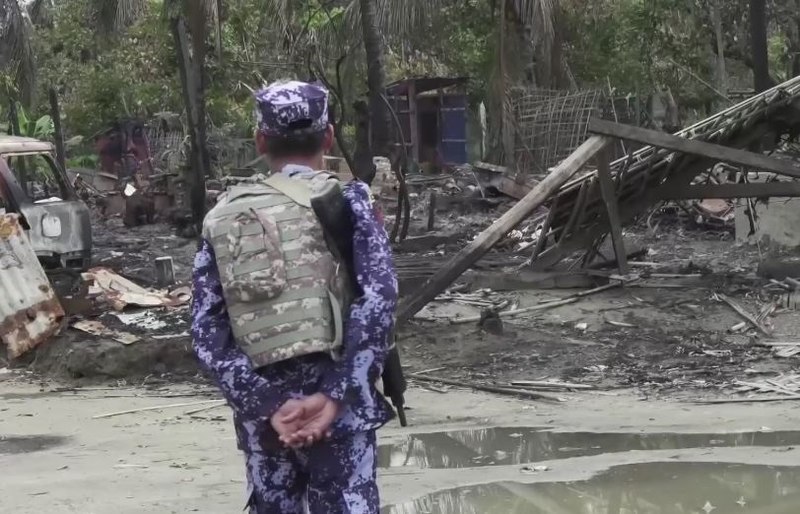
Inmates at Burma’s Insein Prison launched a protest in response to the announcement by the ruling junta that four political prisoners who had been held in the Yangon facility were executed. Several people who took part in the uprising were physically assaulted by prison authorities, and some 15 were removed to isolation cells separate from the general population, according to a source within the facility. Among the executed were two of Burma’s leading dissidents—Ko Jimmy, 52, a veteran of the 1988 pro-democracy uprising, and Phyo Zayar Thaw, 41, a hip-hop star and former MP with the National League for Democracy (NLD). The two longtime activists were sentenced to death in January for allegedly plotting to carry out attacks on regime targets. Amnesty International said it believes the charges against them were politically motivated. (Photo: Myanmar Now)

Planet Watch
drc displaced

UN: record 100 million people displaced worldwide

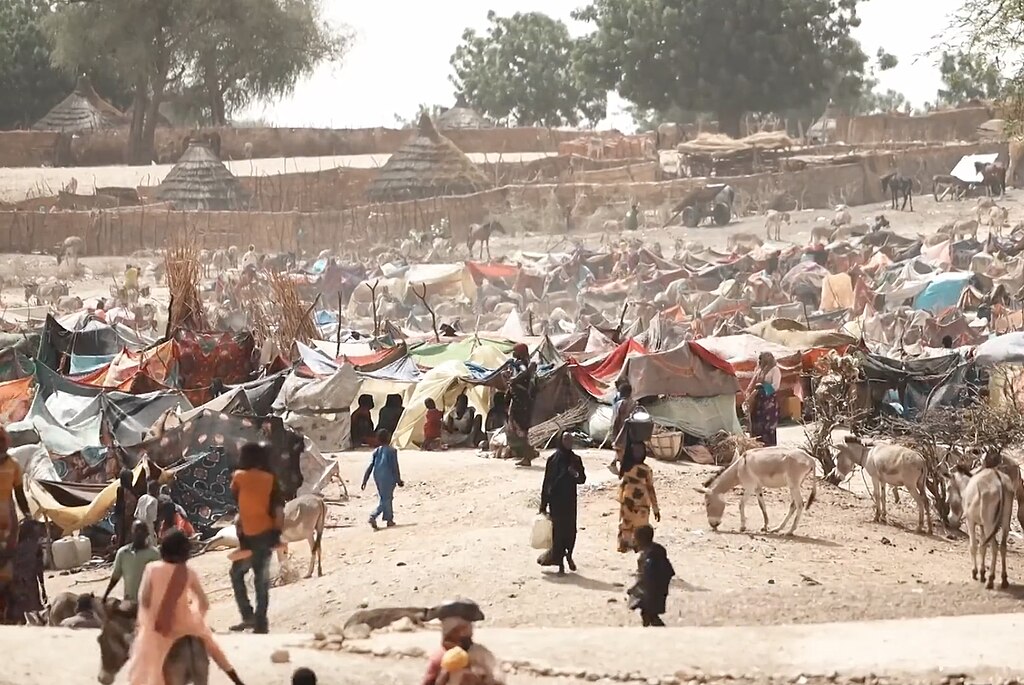
According to the UN Refugee Agency, the number of forcibly displaced people worldwide rose to 90 million by the end of 2021, propelled by new waves of violence or protracted conflict in countries including Ethiopia, Burkina Faso, Burma, Nigeria, Afghanistan and the Democratic Republic of the Congo. In 2022, the war in Ukraine has displaced 8 million within the country and forced some 6 million to flee the country as refugees. This has pushed the total displaced to over 100 million for the first time. (Photo: Eskinder Debebe/UN News)