South Asia
anti-CAB

India prepares mass detention of Rohingya

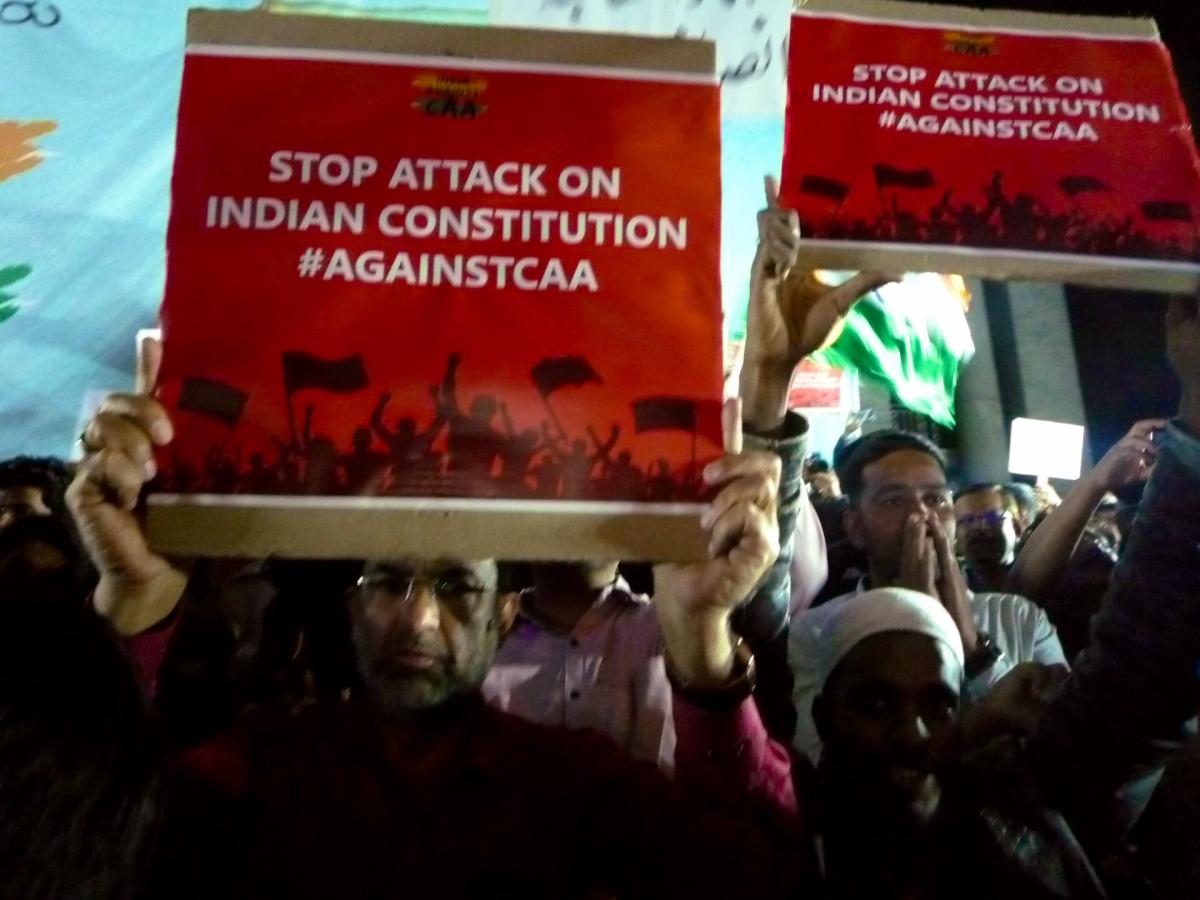
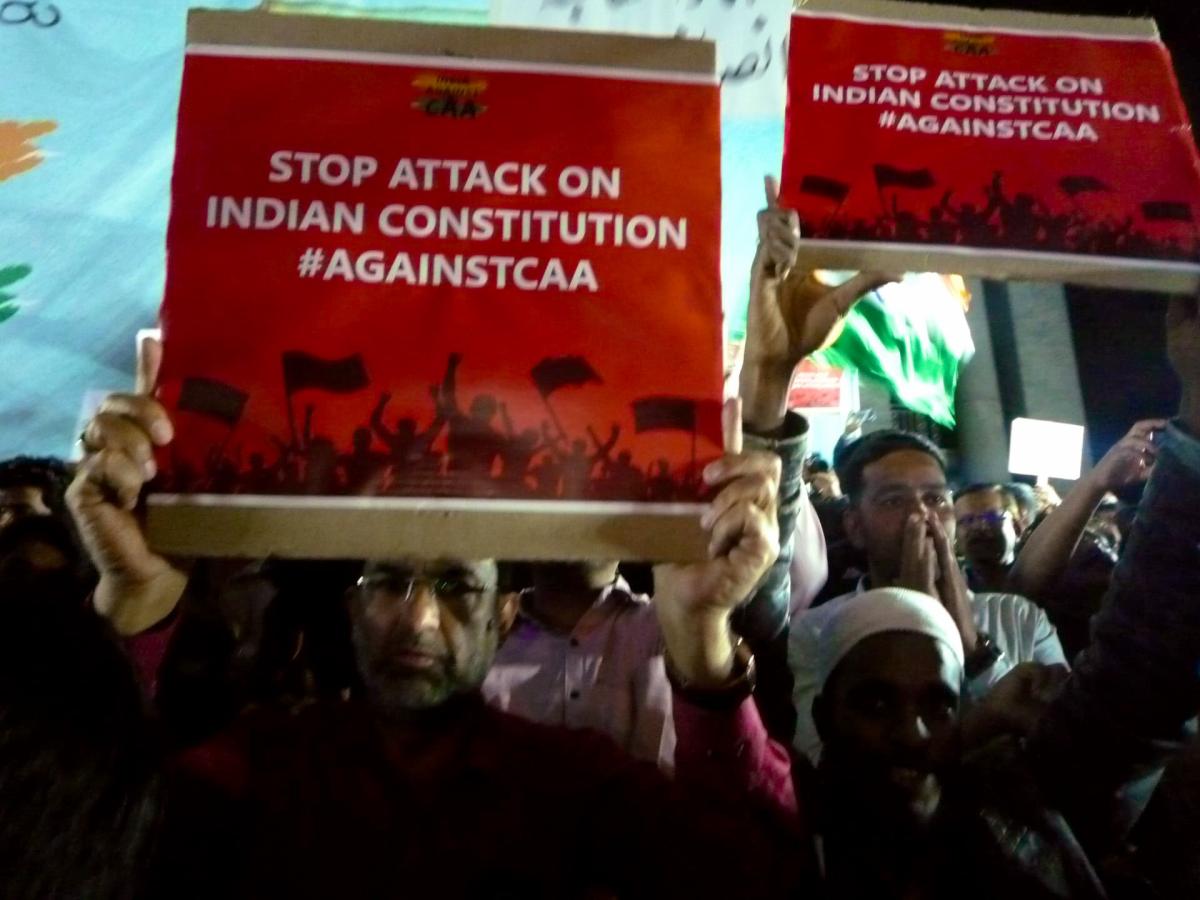
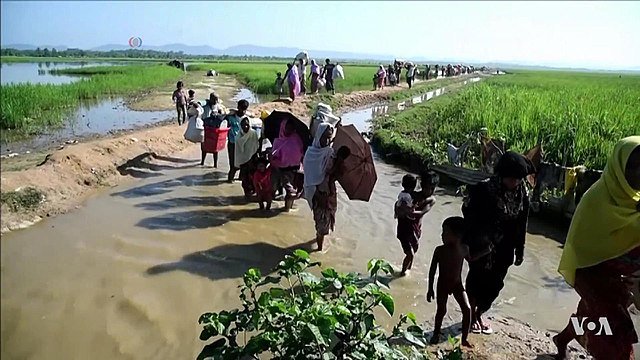
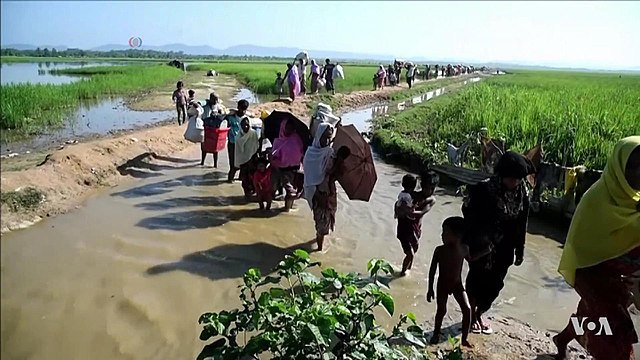
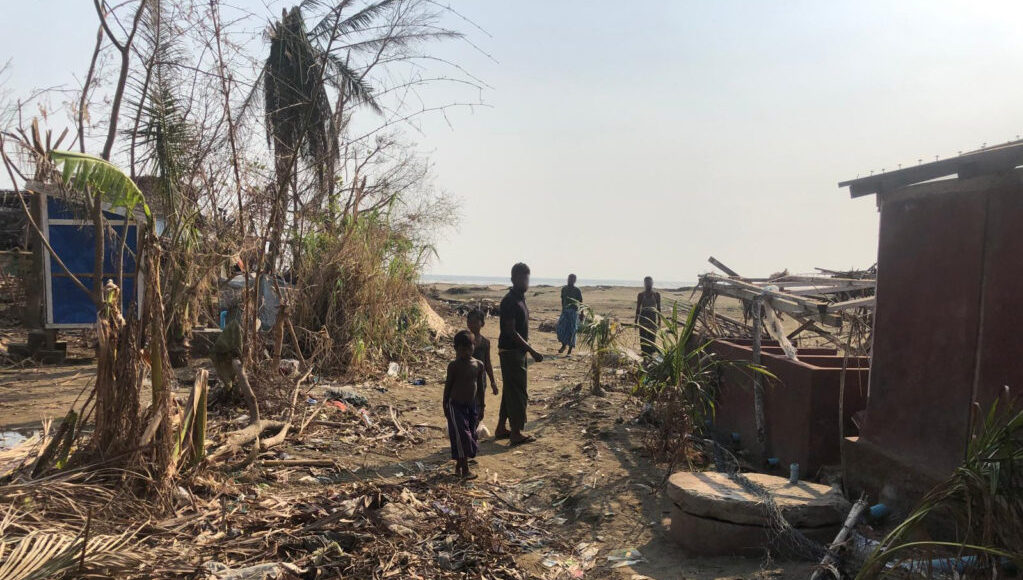
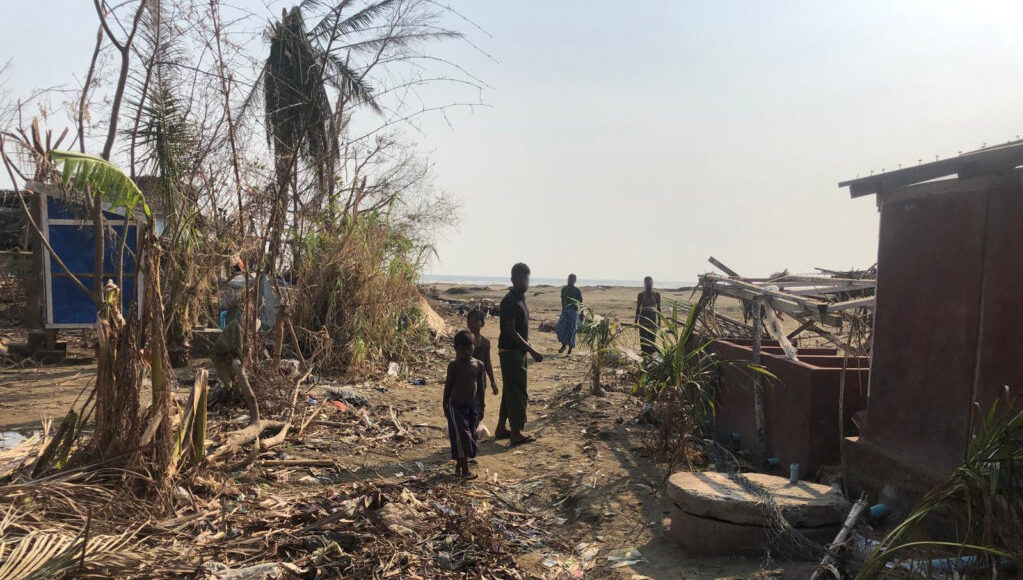
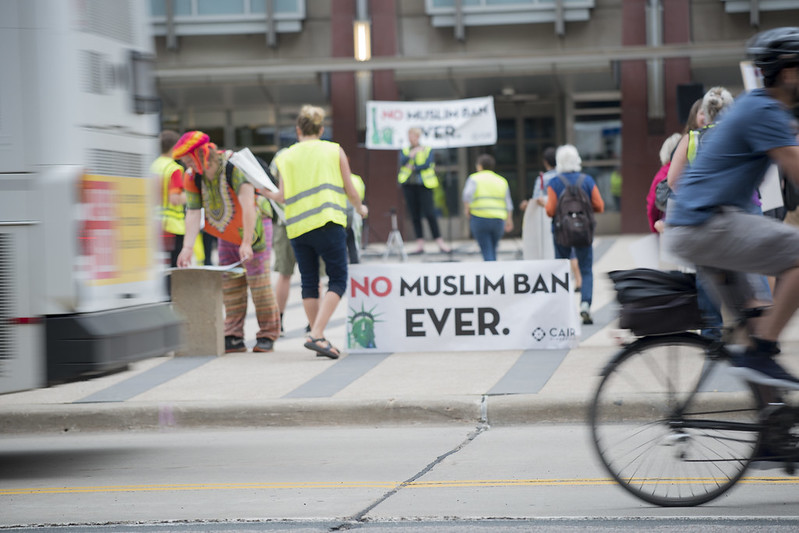
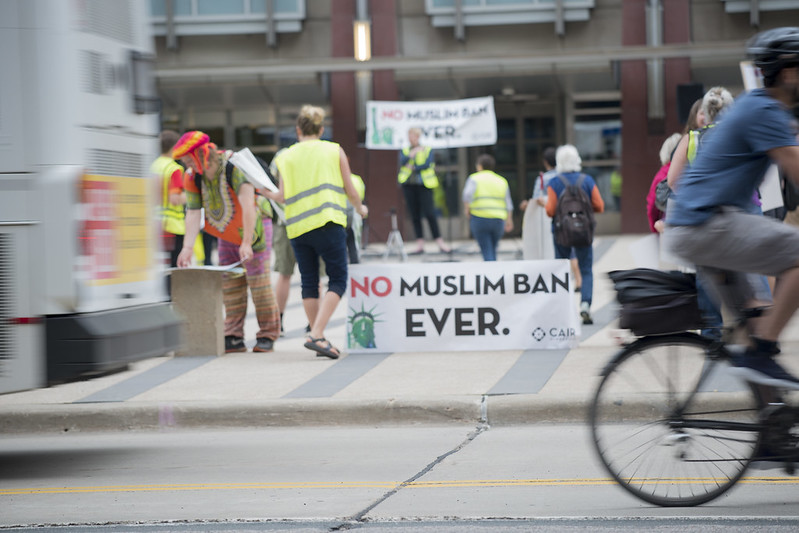
Indian authorities have deported thousands of Bangladeshi citizens in the month since Prime Minister Narendra Modi’s Hindu-nationalist Bharatiya Janata Party (BJP) won elections in the state of West Bengal. Shortly after taking power in West Bengal, BJP officials ordered the creation of detention centers both for undocumented Bangladeshis and Rohingya Muslims who are fleeing persecution in their native Burma and mistreatment in overcrowded refugee camps in Bangladesh. (Image: Sowmya Reddy)

The Andes
Colombia

US ‘decertifies’ Colombia as drug war partner

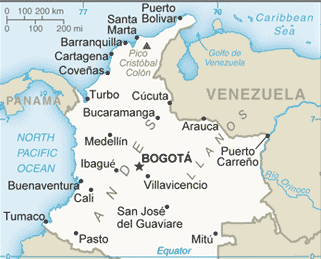
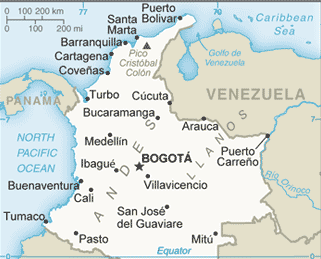
The United States decertified Colombia as a reliable partner in the War on Drugs, citing a rise in coca cultivation and cocaine production. While the White House waived the crushing sanctions that usually come with decertification, the decision underscores the strained relations between the US and Colombia under Trump. The administration was quick to blame Colombian President Gustavo Petro directly, arguing in its submission to Congress that the “failure of Colombia to meet its drug control obligations over the past year rests solely with its political leadership.” The administration also decertified Venezuela, Bolivia, Afghanistan and Burma. While these latter countries have been frequently decertified over the years, this marks the first time Colombia has been decertified since 1997. (Map: PCL)

Southeast Asia
warplane

Burma: dictator thanks Russia for military support

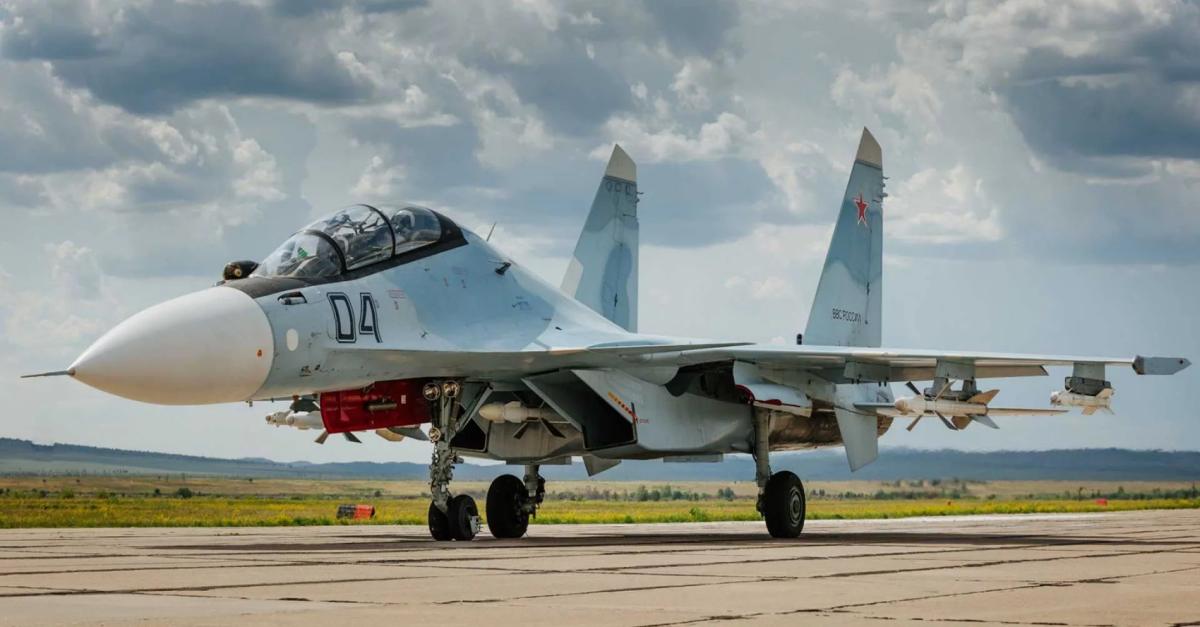
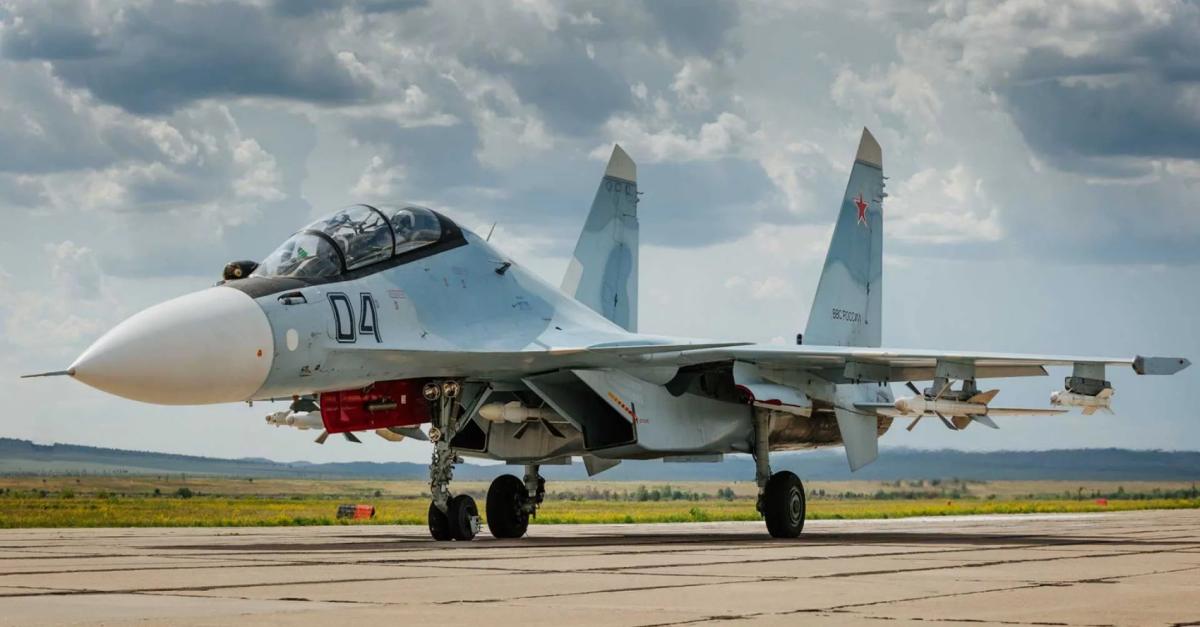
Following his visit to Moscow for the Victory Day celebrations earlier this month, Burmese junta leader Min Aung Hlaing thanked Russia for the fighter jets and helicopters it has provided his military government. The junta, which came to power in the February 2021 coup, is currently facing an insurgency by a number of armed ethnic and opposition groups across Burma. Rights groups accuse the Tatmadaw, as the Burmese military is known, of routinely targeting civilian populations and infrastructure in its aerial attacks. While in Moscow, Min Aung Hlaing also met for the first time with Chinese leader Xi Jinping, another key patron of his regime. (Photo: Russia MoD via The Irrawaddy)

Southeast Asia
Burma

Burma: junta continues air-strikes after earthquake

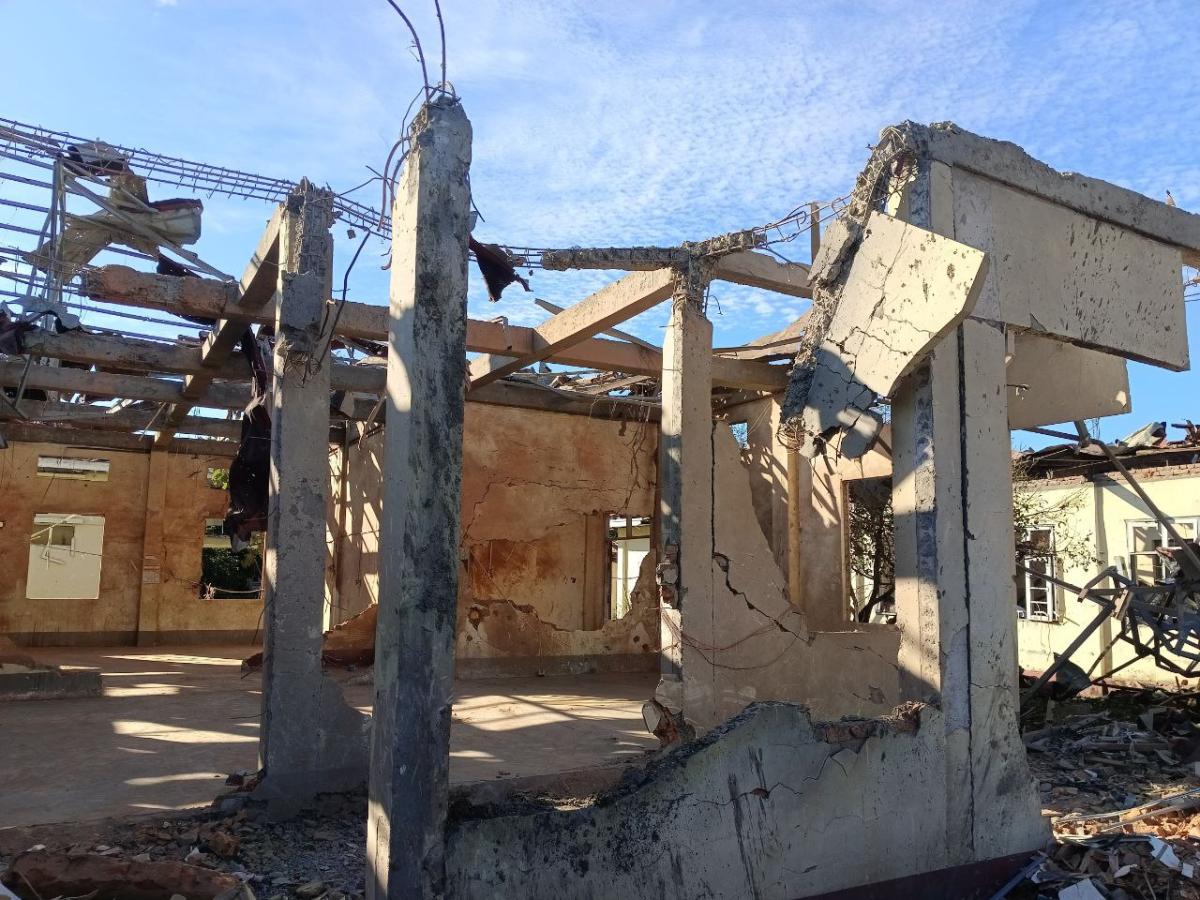
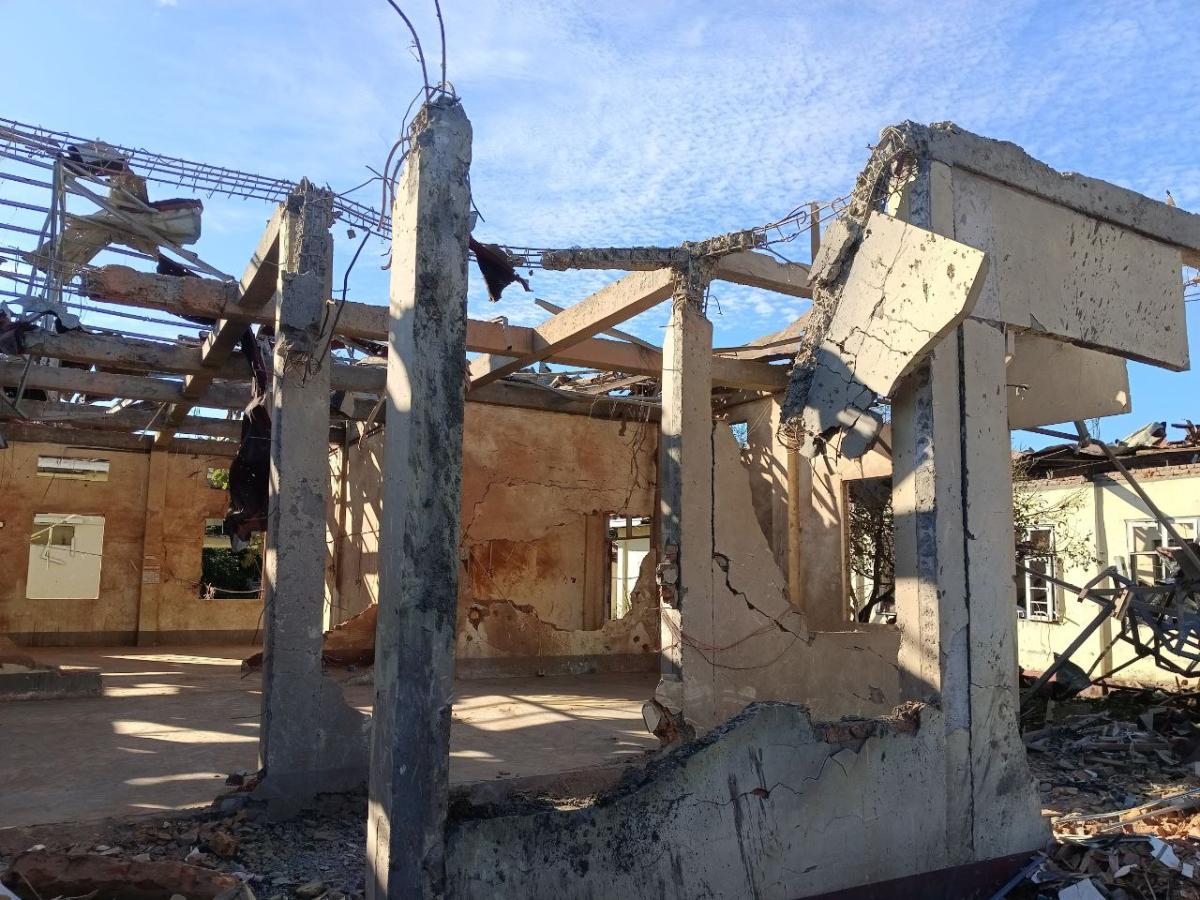
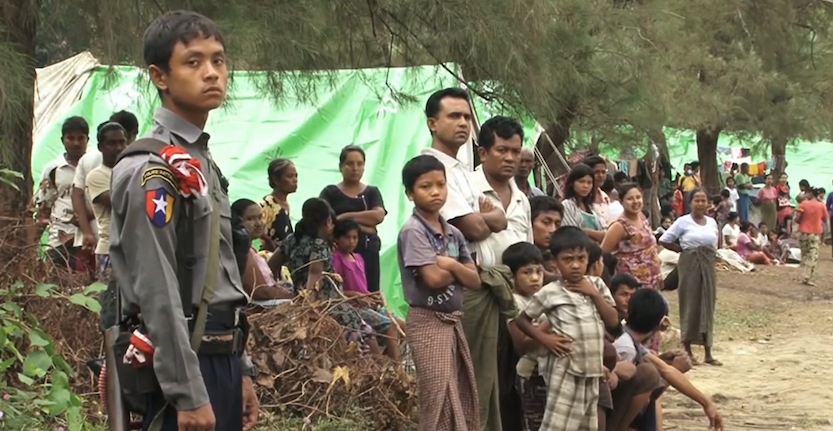
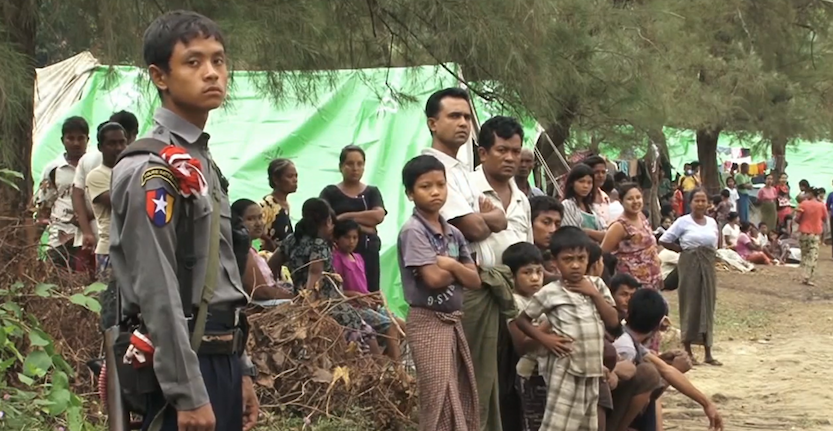
Burma’s military junta has continued to bomb rebel-held areas following the major earthquake in the country, which has killed more than 1,600 people. The UN official for human rights in the country described the attacks as “completely outrageous and unacceptable.” Special Rapporteur Tom Andrews told the BBC that it was “nothing short of incredible” that the military is continuing to “drop bombs when you are trying to rescue people” after the quake. “I’m calling upon the junta to just stop, stop any of its military operations.” Strikes have been reported since the disaster in Shan state and in Sagaing region—the epicenter of the quake. (Photo of IDP camp in Rakhine state: DFID via Wikimedia Commons)

Southeast Asia
Regime Airstrikes

Burma: deadly junta air-strikes escalate

Junta air-strikes killed over 170 people across Burma in January, a fourfold increase over the previous month, according to an analysis by The Irrawaddy, an independent exile-based newspaper that maintains a network of reporters on the ground. The strikes hit villages, health facilities, a prison and a gold mine in various areas held by the resistance, although most of those killed were civilians. More than 1,800 people have been killed in air-strikes since the February 2021 coup. (Image: The Irrawaddy)

Greater Middle East
ARSA

Rojava and the Rohingya: fearful symmetry

Three weeks after the fall of the Bashar Assad dictatorship, the only fighting in Syria remains between Arab and Kurdish militias—holding grim potential for destabilization of the democratic revolution. Kurds had been persecuted and even denied citizenship under the Assad regime, but the invasion of their autonomous territory of Rojava by the Turkish-backed rebels of the Syrian National Army (SNA) drove them into a paradoxical tactical alliance with the dictatorship. The tragic situation in Burma’s Rakhine state mirrors this disturbing reality. The Muslim Rohingya people had been persecuted, denied citizenship and finally targeted in a campaign of genocide by the military, but are now facing attacks by the Buddhist-supremacist rebels of the Arakan Army—driving some Rohingya into a paradoxical tactical alliance with the military junta. In Episode 258 of the CounterVortex podcast, Bill Weinberg offers this analogy in the hope that the peoples of Burma can unite across religious lines to defeat the junta, and that Syrians can find a way toward co-existence in the new revolutionary order and avoid ethnic war. Listen on SoundCloud or via Patreon. (Photo of Arakan Rohingya Salvation Army-ARSA rebels: Burma News International)

Southeast Asia
Burma

Burma: Arakan Army seizes border zone

The rebel Arakan Army announced its full control of Burma’s border with Bangladesh after the seizure of the last junta base in Maungdaw township. The rebel army said it had taken captive a general and dozens of other soldiers, including around 80 Rohingya fighters—raising fears of further reprisals against the Muslim minority. The Arakan Army seeks autonomy for the ethnic Rakhine people and is part of an alliance of armed groups that has also seized key towns in eastern Burma. The Rohingya, having long faced massive ethnically targetted attacks by the military, are now facing such attacks by the ethno-nationalist Arakan Army. In addition to Rohingya youth being press-ganged into the military to fight the rebels, some Rohingya militias are now collaborating with the junta against the Arakan Army. (Map: PCL)

Southeast Asia
Burma

Burma: army accused in village massacre

Burmese junta soldiers reportedly killed at least 75 civilians in an attack on a village in Rakhine state, where the regime is facing a fierce insurgency by the rebel Arakan Army (AA). The AA said in a statement that it has a list of 53 victims, including two teenagers and five women. Over 100 soldiers entered Byian Phyu, near state capital Sittwe, forcing residents into a communal area in the center of the village, where scores of were summarily gunned down, survivors said. Burma’s military government has denied the accusation. (Map: PCL)

Southeast Asia
Burma

Burma: new warnings of Rohingya ‘genocide’

Twenty-eight non-governmental organizations representing Burma’s Rohingya Muslim minority issued a joint statement warning of the risk of a new “genocide” and urging the international community to take action. The NGOs, including the Free Rohingya Coalition and Burmese Rohingya Organization UK (BROUK), said that this time the threat comes from the Arakan Army, a predominantly Buddhist ethnic armed group that is waging an insurgency against the ruling junta. According to the statement, the Arakan Army has ordered Rohingya residents to evacuate the town of Buthidaung, Rakhine state, where many internally displaced during the 2017 genocide carried out by the Burmese armed forces have taken refuge. The evacuation order is being backed up by a campaign of threats, violence, and arson. (Map: PCL)

Southeast Asia
Burma

Burma: Karen rebels seize strategic border town

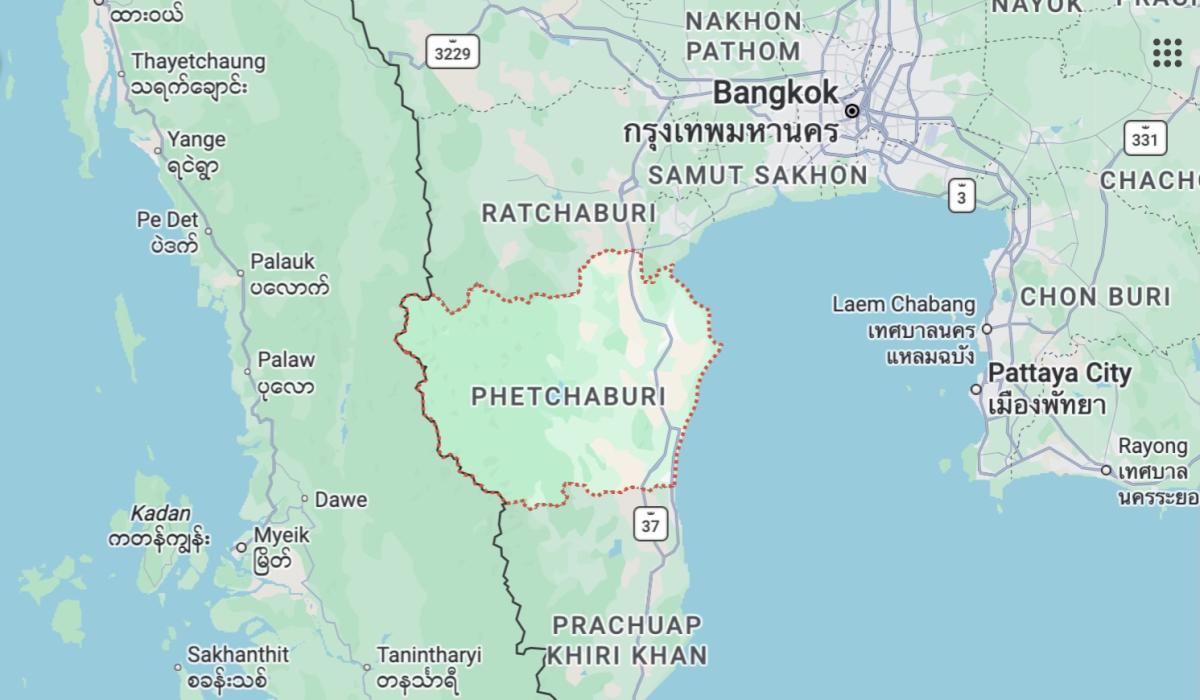
The Karen National Union (KNU) said that it will establish its own administrative mechanism in territory recently captured from Burma’s military in and around the critical trade hub of Myawaddy, on the border with Thailand. The KNU has several departments in its governance structure, including those for health, education, foreign affairs and defense, in territories it controls in seven districts across southeastern Burma, including in Karen (Kayin) and Mon states and Bago and Tanintharyi regions. The junta has lost control of several towns on the border with China to other rebel armies in recent months, but the loss of Myawaddy is a special blow, as it is the transfer point for most of Burma’s overland trade with Thailand. (Map: PCL)

Planet Watch
Daouda Diallo

Frontline fighters (and martyrs) for free speech

In Burma, the mutilated body of independent journalist Myat Thu Tan was found at the military base where he had been detained, after the camp was overrun by rebels of the pro-democratic resistance. In Kazakhstan, detained activist Aqylbek Muratbai is fighting extradition to Uzbekistan, where he had been speaking out against bloody repression faced by his Karakalpak ethnic minority. And in Burkina Faso, human rights defender Daouda Dialloremains missing months after he was “disappeared,” presumably at the hands of the ruling military junta. Yet neither the mainstream media nor “progressives” in the West pay heed to these cases—while the reactionary and Kremlin-coopted Julian Assange is a cause célèbre. In Episode 214 of the CounterVortex podcast, Bill Weinberg asks: Why is that? Listen on SoundCloud or via Patreon. (Image: CISC via OHCR)

Southeast Asia
Burma

Burma: key border city falls to rebels

Burma’s ruling junta acknowledged that it withdrew its forces from a key city on the border with China after it was seized by an alliance of ethnic rebel armies. The fall of Laukkai is the most significant defeat the junta has suffered since the self-declared Three Brotherhood Alliance launched its offensive in northeastern Shan state in October. Days earlier, at least 150 junta soldiers fled across the border into India’s Mizoram state, driven from their outposts in Burma’s northwestern Chin state by the rebel Arakan Army. The soldiers turned themselves over to a detachment of India’s paramilitary Assam Rifles, and had to be flown back to Burmese territory. (Map: PCL)