

East Asia
Yau Tsim Mong

Hong Kong protesters defy ban and repression

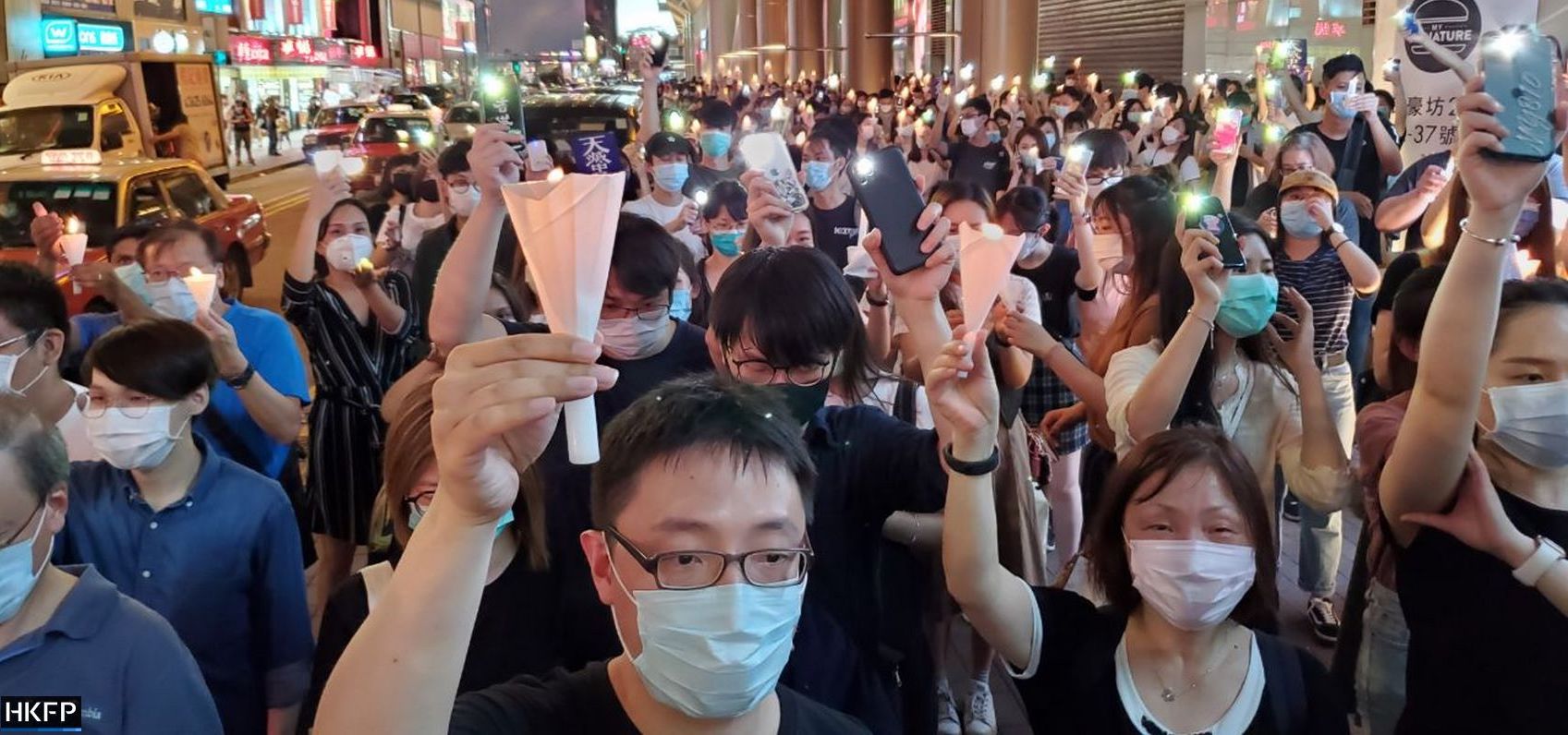
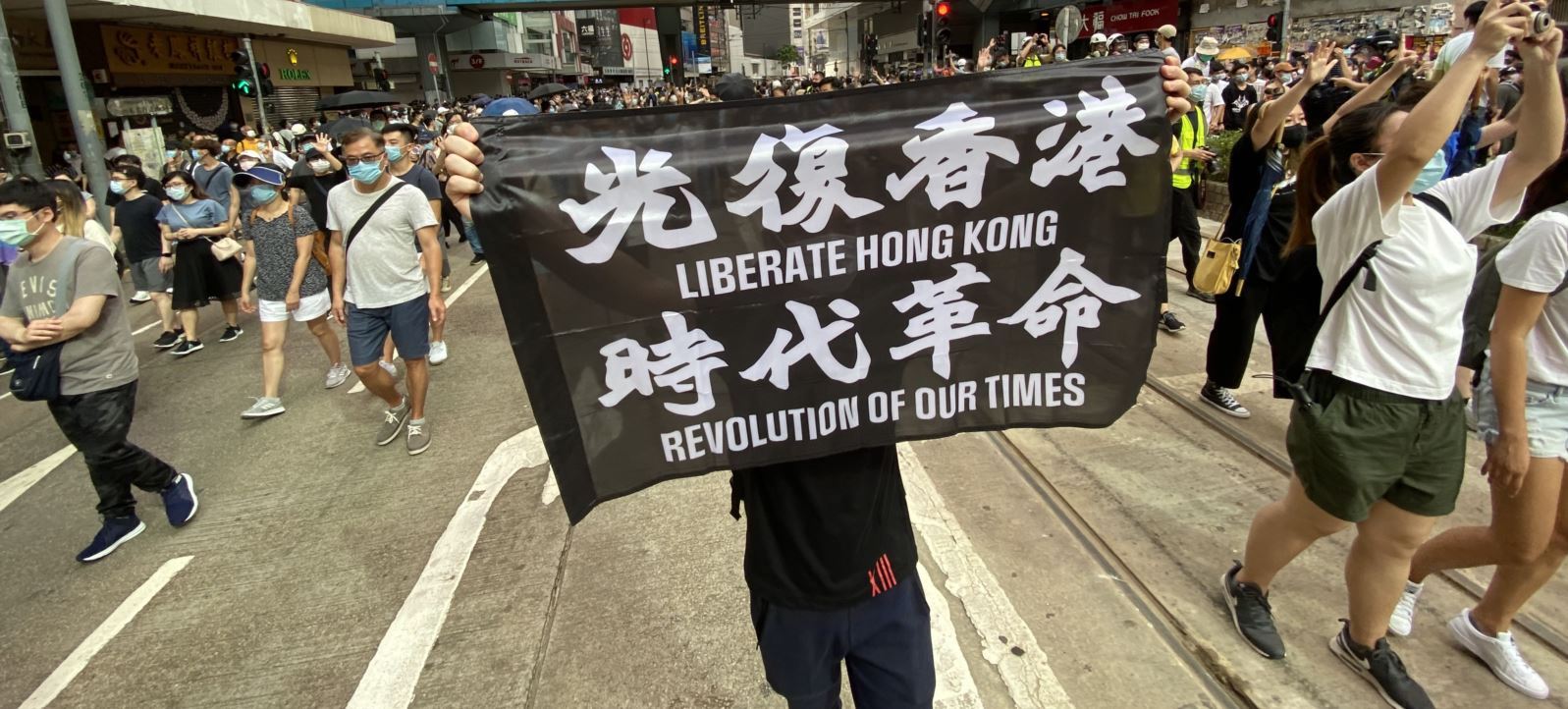
On the day Hong Kong’s Legislative Council elections were originally scheduled before being postponed under pandemic emergency measures, hundreds of protesters defied a ban on street demonstrations to march in opposition to the postponement and the new National Security Law. Some 300 were arrested, and police fired tear-gas and pepperballs to disperse the crowd in Yau Tsim Mong district of Kowloon. Days earlier, the UN special rapporteur for Counter-Terrorism and Human Rights Protection, Fionnuala Ni Aolain, and six other UN experts jointly sent a letter to the Chinese government stating that the National Security Law “infringes certain fundamental rights,” and expressing concern that the law may be used to prosecute political dissidents in Hong Kong. (Photo: Studio Incendo)

Europe
RKF Jr

RFK Jr joins neo-Nazis in Berlin protest

Hundreds of far-right protesters broke through police barriers and tried to force their way into the German parliament building in Berlin. Many were waving the black, white and red flag of the pre-1918 German Empire that once inspired the Nazis. “The fact that Nazis with imperial war flags try to storm the Bundestag recalls the darkest period in German history,” said Robert Habeck, co-leader of Germany’s Greens party. The action came as part of a broader demonstration against Germany’s pandemic restrictions. The protest, which brought out many so-called “Corona-Truthers” who deny the pandemic altogether, was organized by right-wing parties including the anti-immigrant Alternative für Deutschland and openly neo-Nazi NPD. Some carried signs reading “Trump, please help,” and proffered conspiracy theories about Bill Gates seeking forced vaccinations. Among the speakers was Robert F. Kennedy Jr, who ironically Nazi-baited German Chancellor Angela Merkel, saying: “Today Berlin is once again the front against totalitarianism.” (Photo via Daily Kos)

The Amazon
paro

Peru: high court rules ‘social protest’ protected

In a decision made very timely amid new mobilizations against oil and mineral operations on peasant and indigenous lands, Peru’s high court struck down a provision of the country’s penal code that rights advocates said criminalized the right to “social protest.” The ruling by the Constitutional Tribunal voided an amendment to Article 200 of the Penal Code that had been instated under Legislative Decree 1237, issued by then-president Ollanta Humala in September 2015. The decree expanded the definition of “extortion” to apply not only to use of force to gain “economic advantage” but also “advantage of any other nature.” This expanded definition has been used to bring criminal charges against protesters who have blocked roads or occupied oil-fields or mining installations. (Photo: IDL)

North America
Lafayette Park

Podcast: What will it take to stop Trump? II

In Episode 56 of the CounterVortex podcast, Bill Weinberg takes stock of the evident reality that Trump is getting ready to steal the November election—whether by undermining the Postal Service, suspending the election entirely under pretext of the pandemic, or simply refusing to recognize the result and sparking a constitutional crisis that could potentially involve the military. The Transition Integrity Project, created to assess the impending dilemma, warns: “A show of numbers in the streets—and actions in the streets—may be decisive factors in determining what the public perceives as a just and legitimate outcome.” As the RNC delegates openly call for making Trump president for life, Weinberg examines examples from around the world where people are currently filling the streets to resist an illegitimate power-grab by a would-be dictator—from Belarus to Bolivia, from Hong Kong to Mali, from Thailand to Lebanon. Listen on SoundCloud or via Patreon. (Photo: GGWash.org)

The Andes
samaniego

Students massacred in Colombian village

Eight young people at a social gathering were killed in Colombia’s southern Nariño department when unknown gunmen barged in and opened fire. The victims, between the ages of 17 and 25, were university students who had returned to the village of Samaniego due to the pandemic. They were enjoying a small party at a family farm on the edge of the village when the attack took place. One woman and one minor were among the dead. Nariño Gov. Jhon Rojas did not name any group as responsible for the attack, but noted presence in the area of ELN guerillas, “dissident” FARC factions that have remained in arms despite the peace accord, and right-wing paramilitaries. Rojas called on national authorities to “return tranquility to the region” by fulfilling terms of the 2016 peace accords, which President Ivan Duque has opposed. (Photo: Colombia Reports)

Southern Cone
quilombo

Military Police evict land occupation in Brazil

Brazilian Military Police completed the eviction of a long-standing land occupation called Quilombo Campo Grande in Minas Gerais state, after a struggle of almost three days. Police brought in armored vehicles and fired tear-gas to clear the community from the land, before moving in to destroy homes and crops. Also demolished was the Eduardo Galeano Popular School, where children, youth and adults studied together. The Landless Rural Workers Movement (MST), whose followers established the squatter community on the abandoned lands of a bankrupt sugar mill 22 years ago, protested that the mass eviction leaves some 450 families homeless in the midst of a pandemic. (Photo: MST via Brasil de Fato)

The Andes
Bolivia protest

Mass protests paralyze Bolivia

Protesters have launched blockades across main roads through Bolivia over the past days, effectively cutting of La Paz and other cities, to oppose the government’s postponement of new presidential elections. The blockades have raised fears of food and gasoline shortages, with throngs of La Paz residents lining up outside markets and petrol stations. Chancellor Karen Longaric portrayed the protests as being masterminded from exile by ousted president Evo Morales, saying “Ex-president Morales and groups aligned with the Movement Toward Socialism have initiated violent and inhuman acts.” (Photo: Página Siete)

East Asia
Tony Chung

Hong Kong elections postponed amid repression

Hong Kong authorities announced they will postpone Legislative Council elections originally scheduled for September by one year, citing a resurgence in COVID-19 cases. The postponement comes after several opposition candidates had been barred from running, and several democracy activists were detained under the new National Security Law. Tony Chung, 19, of the pro-independence group StudentLocalism, became the first political figure to be arrested under the controversial law. (Photo of Tony Chung: HKFP)

Africa
Central African Republic

CAR: accused war criminal runs for president

Amid rising tensions and insecurity in the Central African Republic, deposed former president François Bozizé has announced his candidacy for the upcoming presidential elections, scheduled for December. Bozizé is currently under UN sanctions and subject to an arrest warrant issued by the government for “crimes against humanity and incitement to genocide.” He is accused of having backed a brutal rebel movement after his ouster in 2013, fueling a civil war that has left millions displaced. However, authorities show little sign of moving to execute the warrant, and Bozizé has been openly working for a political comeback since returning to the country last year. (Map via Perry-Castañeda Library Map Collection)

The Andes
COB cabildo

Bolivia: general strike to protest postponed elections

A thousands-strong march through the Bolivian highland city of El Alto was followed by a cabildo, or mass meeting, in which unions and popular organizations agreed to immediately begin an “indefinite” general strike, demanding that new elections be held on schedule. The country’s first elections since the ouster of president Evo Morales last year were slated for Sept. 6, but the government of interim president Jeanine Añez has postponed them to Oct. 18, citing the COVID-19 pandemic. The cabildo was called by the Bolivian Workers Central (COB), the country’s main trade union bloc, and included representation from campesino organizations and El Alto’s powerful alliance of working-class neighborhood organizations. COB leader Juan Carlos Huarachi affirmed: “If we join together as miners, campesinos, the middle class and El Alto, we can be dynamite.” (Photo: ERBOL via Opinión)

Syria
syria refugees

Syria: controlled elections amid deepening crisis

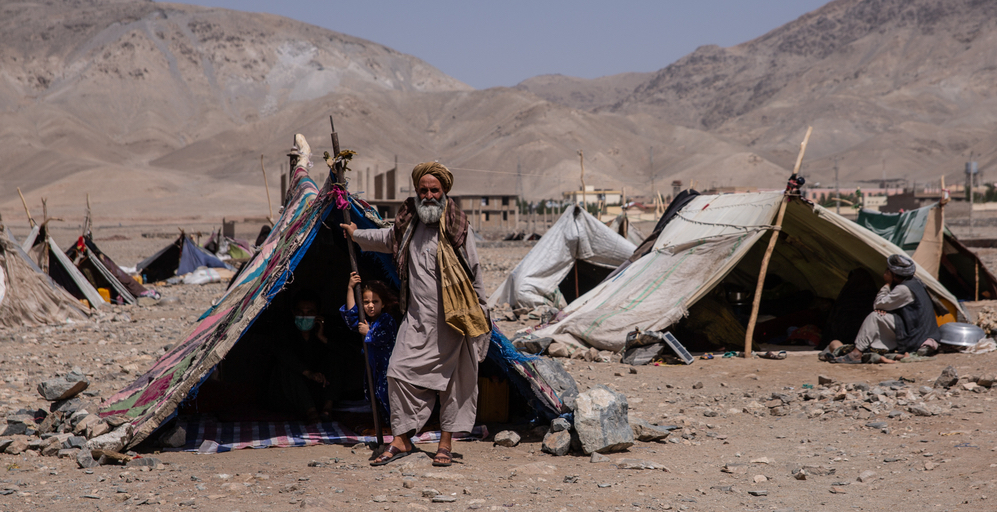
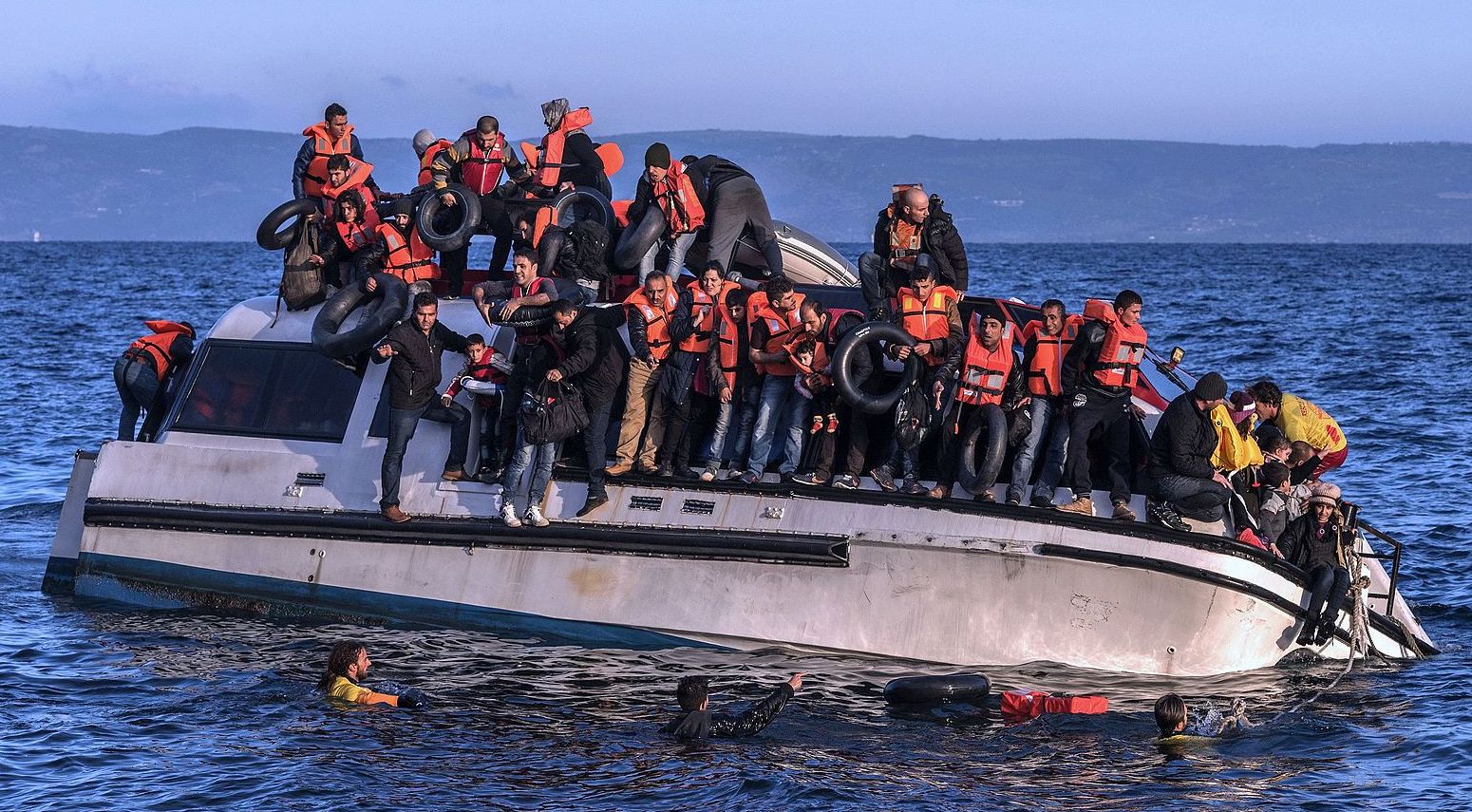
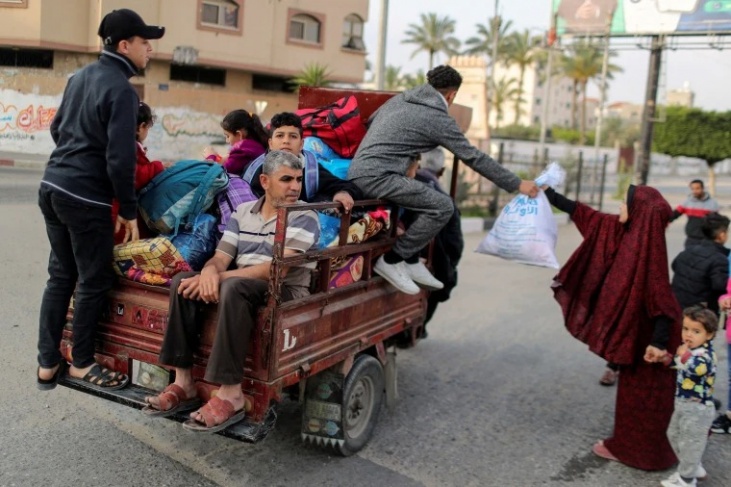
To nobody’s surprise, Syrian dictator Bashar Assad’s bloc won a majority of seats in the country’s parliamentary election, dismissed as a farce by the exiled opposition. As in the presidential elections that confirmed Assad’s hold on the presidency in 1994, millions displaced by the war were not able to vote. The elections were held amid a deepening economic crisis, with the UN noting a 200% food price hike in under a year and warning of widespread hunger. Russia and China meanwhile continue to use their veto on the Security Council to block aid deliveries to opposition-held areas. (Photo: UNICEF via UN News)

Mexico
guardianacional

Mexico: narco-dystopia amid Trump-AMLO schmooze

Mexico’s President Lopez Obrador met with Trump at the White House to inaugurate the new trade treaty that replaces NAFTA. Embarrassingly, the meeting was punctuated by horrific new outbursts of narco-violence in Mexico. And the country’s promised cannabis legalization—mandated by the high court and looked to as a de-escalation of the dystopian drug war—is stalled by a paralyzed Congress. (Photo: Secretaría de Seguridad y Protección Ciudadana)