Greater Middle East
Lujain al-Hathloul

Saudi Arabia: new attack on human rights activists

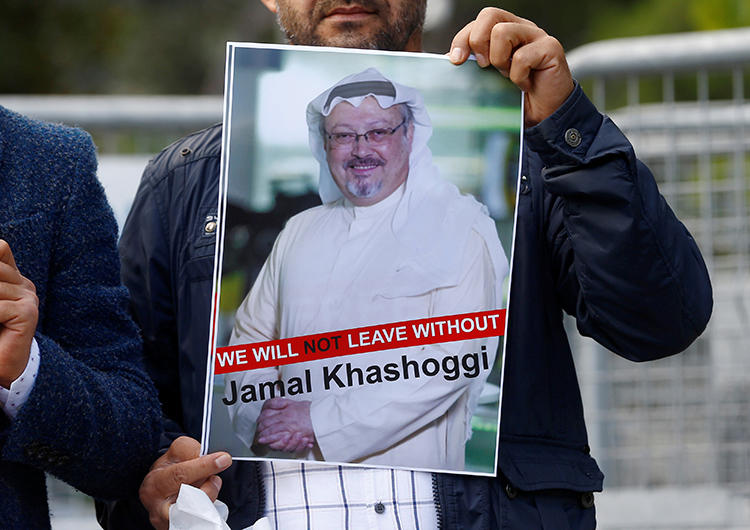
Saudi Arabia won applause around the world last year when women were finally allowed to drive in the conservative kingdom. But now, just as this reform is about to take effect, some of the activists who campaigned for it have been arrested—and may face the death penalty. A Saudi government statement said that the seven activists had been detained for "contact with foreign entities with the aim of undermining the country’s stability and social fabric." The statement also accused them of working "to violate religious and national values." An online "smear campaign" has also been launched against them, wth social media posts portraying them are "traitors." Prominent among the detained is Loujain al-Hathloul, well known for her work campaigning against the driving ban. (Image: social media post with the word "traitor" stamped on the faces of those detained. Via Middle East Eye.)

Iran

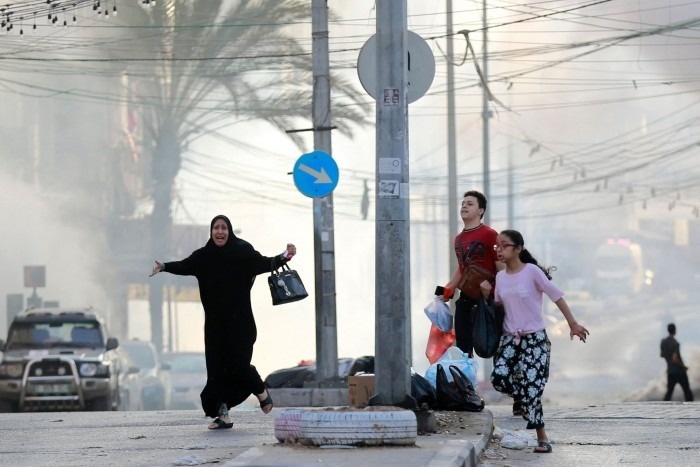
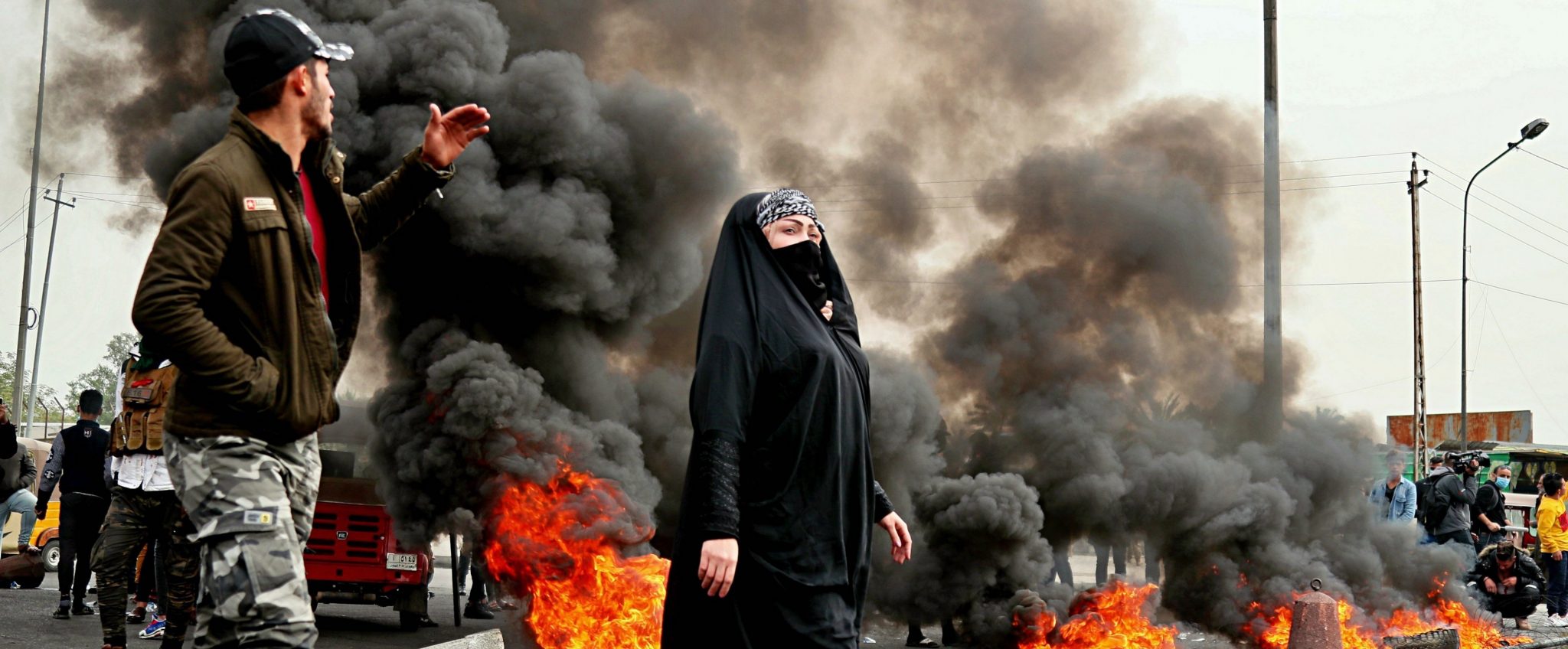
Middle East socialists support Iran protests

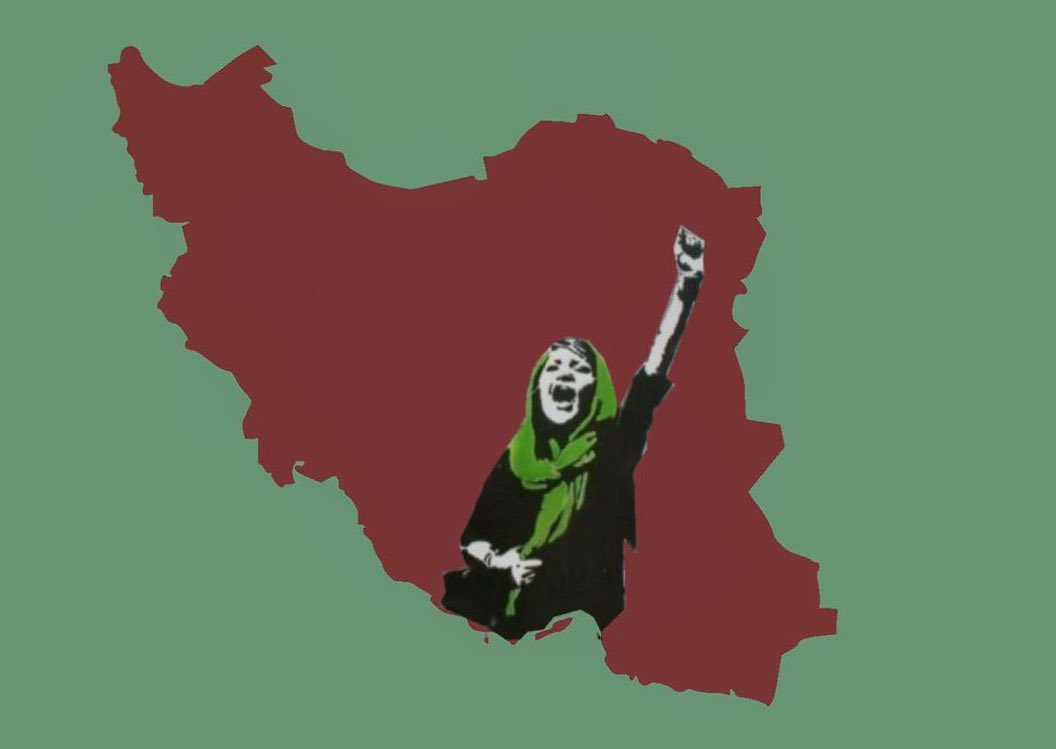
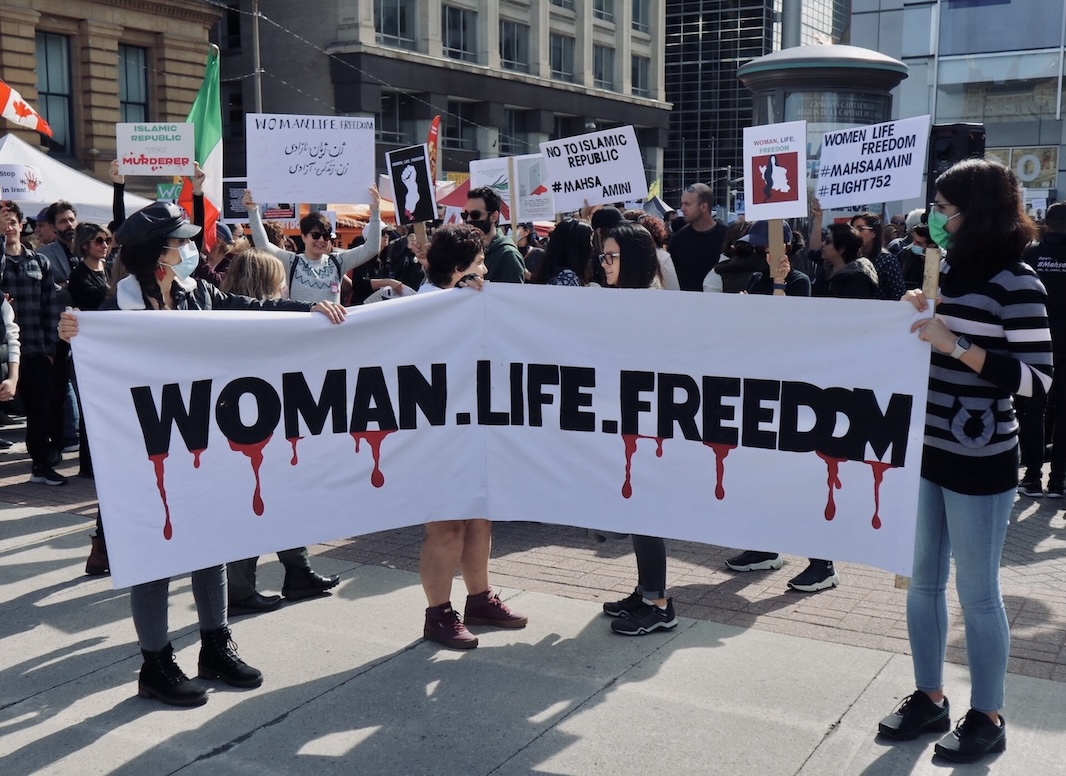
The Alliance of Middle Eastern Socialists issued a statement in support the popular protests in Iran, and calling on progressives in the region and throughout the world to stand in solidarity with them as well. The statement expressed hope that the current protests will force the Iranian regime to withdraw its military and financial support for the murderous regime of Bashar al-Assad in Syria, and to end its reactionary interventions in the region. It also voiced hope that the efforts by some elements to inject anti-Arab chauvinism into the movement will be rejected, in order for the protesters to effectively reach out to grassroots struggles across the Middle East region. (Photo: Center for Human Rights in Iran)

North Africa

Anti-austerity protests rock Tunisia

At least one is reported dead as angry protests have spread across Tunisia in response to an austerity package imposed by the government under pressure from the International Monetary Fund. Under the new budget, which took effect Jan. 1, fuel prices are hiked, and new taxes imposed on housing, cars, phone calls, Internet services, and several other items. Hamma Hammami, leader of the opposition Popular Front, pledged to keep up the pressure, telling reporters: "We will stay on the street and we will increase the pace of the protests until the unjust financial law is dropped." (Photo: North Africa Post)

North Africa

Morocco: mass protest against ‘mines of death’

Thousands have repeatedly filled the streets of Jerada, in northeastern Morocco, as a mounting protest movement demanding jobs and social development for the marginalized region was further fueled by a mining disaster that left two young brothers dead. Mining was for decades Jerada's economic lifeline, employing more than 9,000. Since operations closed in the late 1990, locals have been struggling to survive—often by illegally taking coal from the abandoned pit, and selling it on the black market. Protesters accuse officials of turning the blind eye to the pirate mining despite the growing number of deaths in the improvised operations. They are demanding economic alternatives for the region, and government intervention to close "the mines of death." (Photo: @Riffijnsleed)

North Africa

Libya slave trade becomes political football

Propagandists of the isolationist right and anti-war “left” alike are exploiting the chilling emergence of a slave trade in abducted Black African migrants in Libya’s remote desert south as evidence that the NATO intervention of 2011 only led to nightmares. The popular uprising that ousted Qaddafi is invisible to them—as is the dictator’s own culpability in the social collapse that followed his rule.

North Africa

Tunisia: one step forward, one step back

Tunisia's parliament voted to overturn a 1973 directive prohibiting marriage between a Muslim woman and a non-Muslim man—a victory for the country's transition to secular rule. But one day earlier, the parliament voted overwhelmingly to approve a controversial amnesty law pardoning thousands implicated in corruption and embezzlement under the former regime of Zine El-Abidine Ben Ali. The opposition bloc boycotted the vote, as protesters massed outside the parliament building, calling the step a move back toward dictatorship.

Syria

US tilt to Assad: now it’s official

Washington has now made it official that its enemy in Syria is just ISIS and al-Qaeda—and explicitly not the Bashar Assad dictatorship. A US Army representative told CNN that the Coalition has issued a directive to rebel forces operating out if its base in southern Syria that they must be exclusively focused on fighting ISIS and not the Damascus regime. One rebel faction, Shohada al-Quartyan, has refused to accept this ultimatum, and left the base.

North Africa

Tunisian revolutionaries betray Syrian revolution?

The democratic transition in Tunisia since the 2011 uprising has been the one real success story of the Arab Revolution—and the Tunisian revolution was also the first that served to spark the subsequent wave. So Tunisia’s pro-democracy forces have international responsibilities, seen as keepers of the flame. It is distressing to learn that the General Union of Tunisian Workers (UGTT), a pillar of the country’s pro-democracy movement, sent a delegation to Damascus to meet with dictator Bashar Assad and express solidarity with his “war against terrorism.”

Syria

Syria: new popular uprising against al-Qaeda

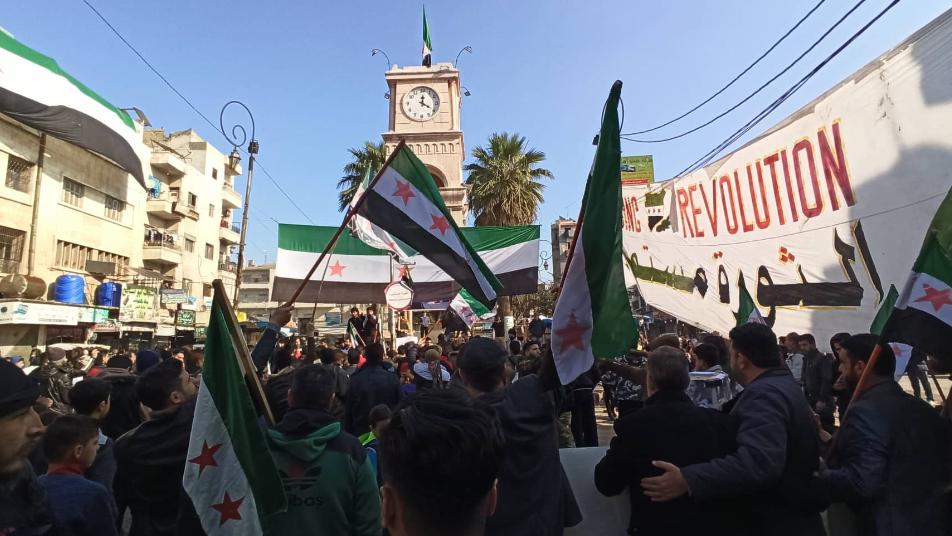
Residents of Saraqeb town in Syria’s Idlib province rose up and drove off fighters of the local al-Qaeda affiliate after jihadists fired on protesters. The incident began when Saraqeb residents held self-organized elections for the town council, and raised the Free Syria flag from the radio tower in celebration. Tahrir al-Sham fighters responded by tearing down the flag, trampling it, and firing in the air in a display of defiance. This sparked a general uprising against the group’s presence in Saraqeb.

Syria

Syria: popular uprising against al-Qaeda rule

Thousands of residents have repeatedly taken to the streets of Ma’arat al-Numan, a town in Syria’s Idlib governorate, to oppose the rule of jihadist forces that have seized control there.

North Africa

Arab-Berber unity in Morocco protests

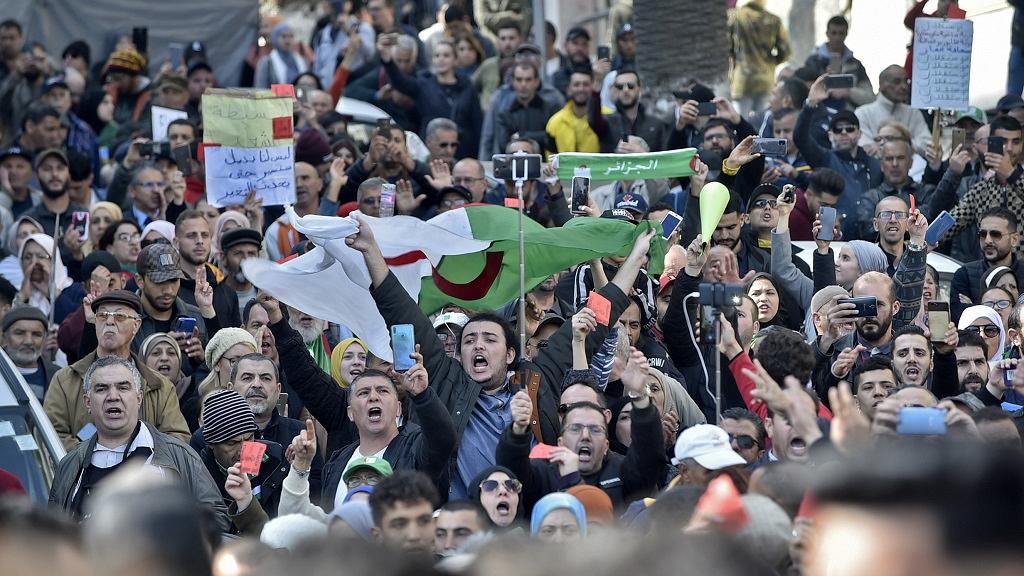
Protests continued for a second week in Morocco's neglected Rif region, and spread to cities throughout the country—bringing together Arabs and Berbers to demand democratic reform.

North Africa

Arab Revolution re-ignited in Morocco

Protests spread across Morocco as thousands demonstrated solidarity with activists who took to the streets in the fishing port of al-Hoceima and were met with mass arrests.