

CounterVortex

CounterVortex unveils new website

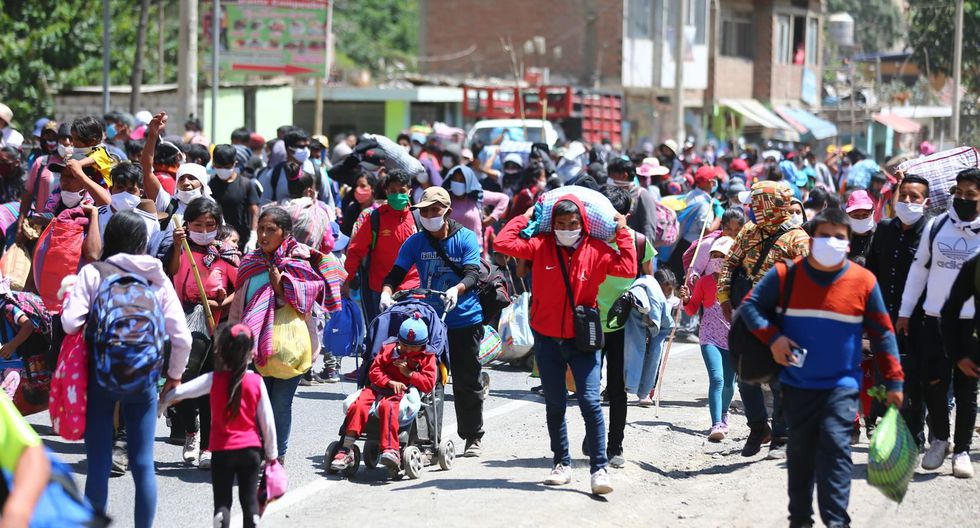
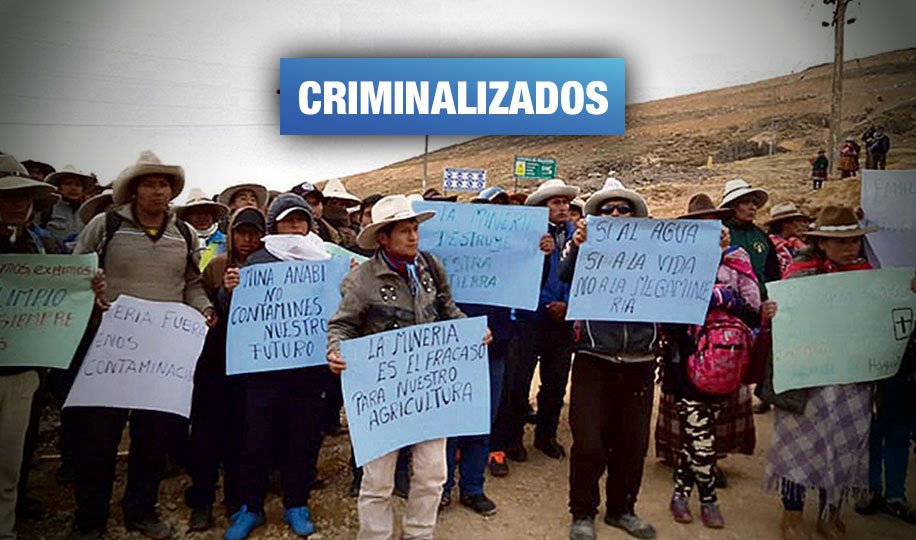
Peru exodusIn countries across the world, the impoverished are in a grimly paradoxical position: disproportionately impacted both by COVID-19 and by the police-state measures imposed in response to the pandemic—and consequent economic pain. In Lebanon, which had been in the midst of a national uprising before the lockdown, protests have been re-ignited—and with far greater anger. In Venezuela and Argentina, harshly overcrowded prisons have exploded into uprisings over emergency restrictions that leave inmates incommunicado. As in India, stranded migrant laborers line the highways in Peru, defying lockdown orders that have left them destitute, far from home and without employment. UN Human Rights Commissioner Michelle Bachelet warns that "the public health emergency risks becoming a human rights disaster, with negative effects that will long outlast the pandemic itself." (Photo: Rebelión)

Syria
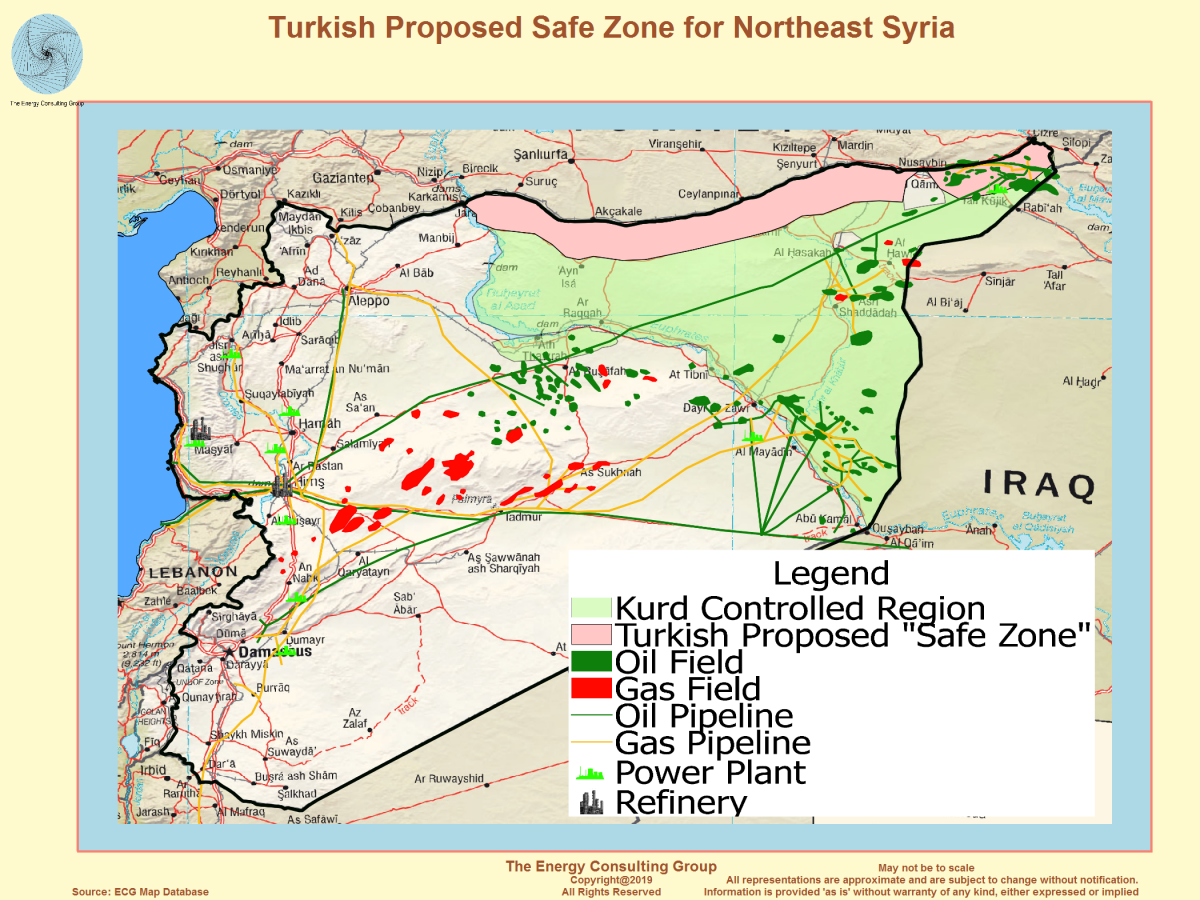
Syria oil map

Kurds betrayed in new Russo-Turkish alignment?

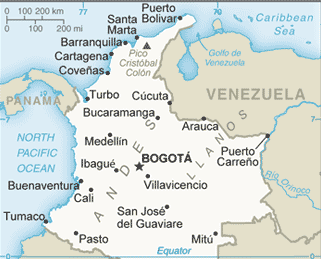
ColombiaIn its latest annual report, the International Committee of the Red Cross (ICRC) found that the armed conflict in Colombia saw the "worst humanitarian consequences" of the past decade in 2025. The number of people killed or injured by explosive devices rose by 34% to 965, overwhelmingly non-combatants. The number of individual disappearances doubled to 308. Violations of international humanitarian law documented by the ICRC reached 845 cases, while figures for displacement and "confinement" doubled. According to the Comprehensive Victim Support & Reparation Unit (UARIV), at least 235,619 people were displaced individually in 2025, while 87,069 were displaced in mass displacement events, and 176,730 remained "confined" in communities under siege by armed actors. (Map: PCL)

East Asia
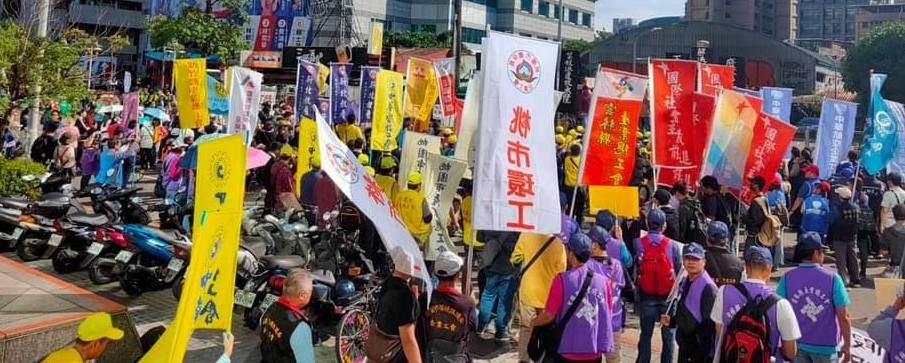
Taiwan protest

Taiwan repudiates fascist world order

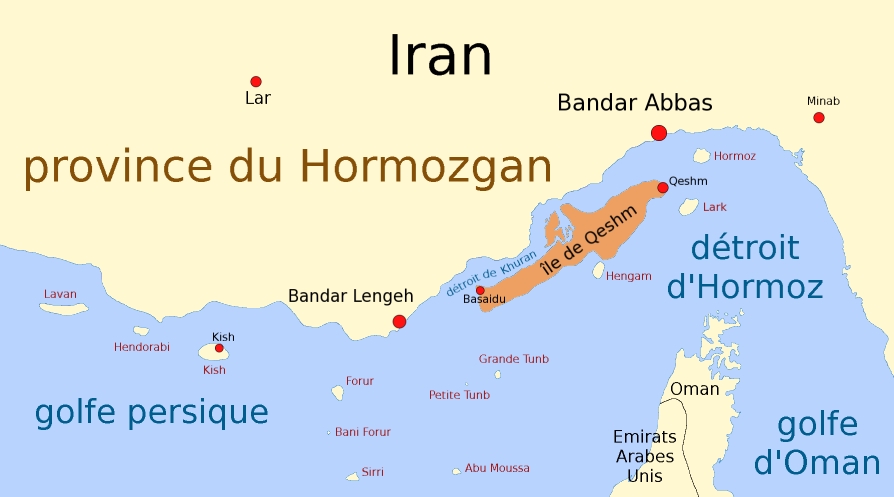
QeshmThe UN Independent International Fact-Finding Mission on Iran called on all parties to the conflict to immediately cease hostilities and comply with international humanitarian law following reported US air-strikes that killed and injured civilians in southern Iran. A reported US air-strike hit a home in Kuhestak, Hormozgan province, during a wedding celebration. Iranian media reported that five people died, including two children and one woman, and that dozens of others suffered injuries. Weeks earlier, another reported US strike destroyed a residential home on Qeshm Island, killing a man, a woman and their two-year-old son, and injuring their two other children. Both attacks occurred in areas with historically marginalized minority populations. The Mission identified Kuhestak as predominantly Baloch, and Qeshm as predominantly Sunni. The Mission found that these strikes may have constituted war crimes, and called for thorough investigations. (Map: Wikipedia)

Iran
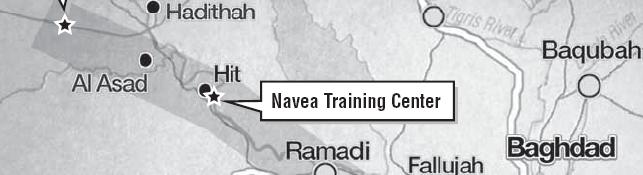
asad base

US-Iran brinkmanship: is it still a charade?

ChileHuman Rights Watch called for the Chilean National Congress to reject a proposed package of constitutional amendments addressing "national security" questions being pushed by President José Antonio Kast. HRW charged that the amendments, supposedly aimed at fighting organized crime, would undermine due process and human rights protections. Terms of the amendments would allow the president to instate a 240-day state of emergency without legislative approval, suspending the right of assembly and other personal freedoms. Additionally, measures would allow for the seizure of personal property without normal due process. (Image: Nicolas Raymond via Flickr)

Iran
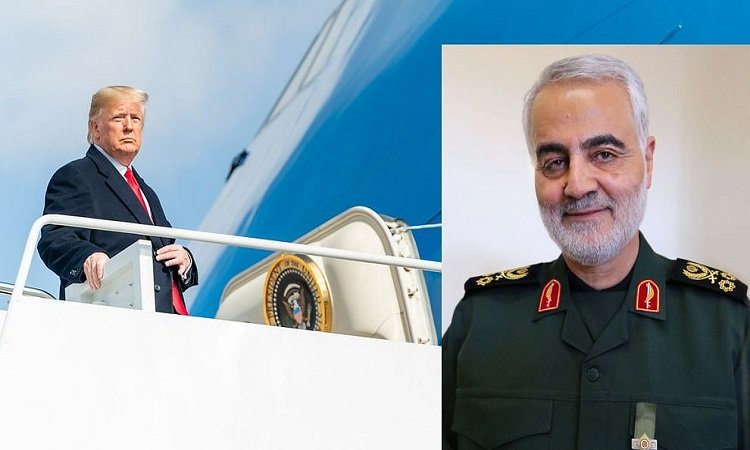
soleimani

Trump and Soleimani: clash of barbarisms

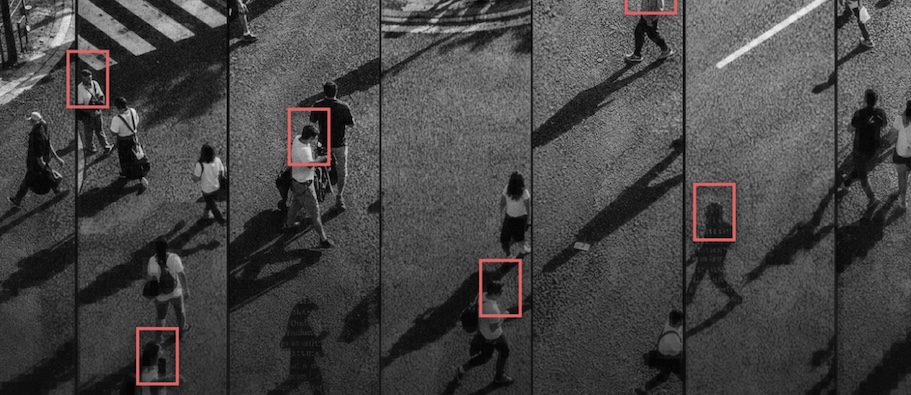
surveillanceAmnesty International accused Argentina of putting in place a "techno-authoritarian" surveillance infrastructure without adequate legal safeguards, as the government's newly created AI security unit expands state monitoring powers over citizens' online communications and physical movements. In a new report, the rights group stated that Argentina's Ministry of Security spent at least $1.2 million on surveillance technology between 2024 and 2025, including social media monitoring tools, facial recognition software, and thermal-sensing camera-equipped drones with automatic tracking of targets and capacity to transmit images in real time. (Image: Celina Hilbert)

Iran
Persian Gulf

Trump sends more troops to Persian Gulf

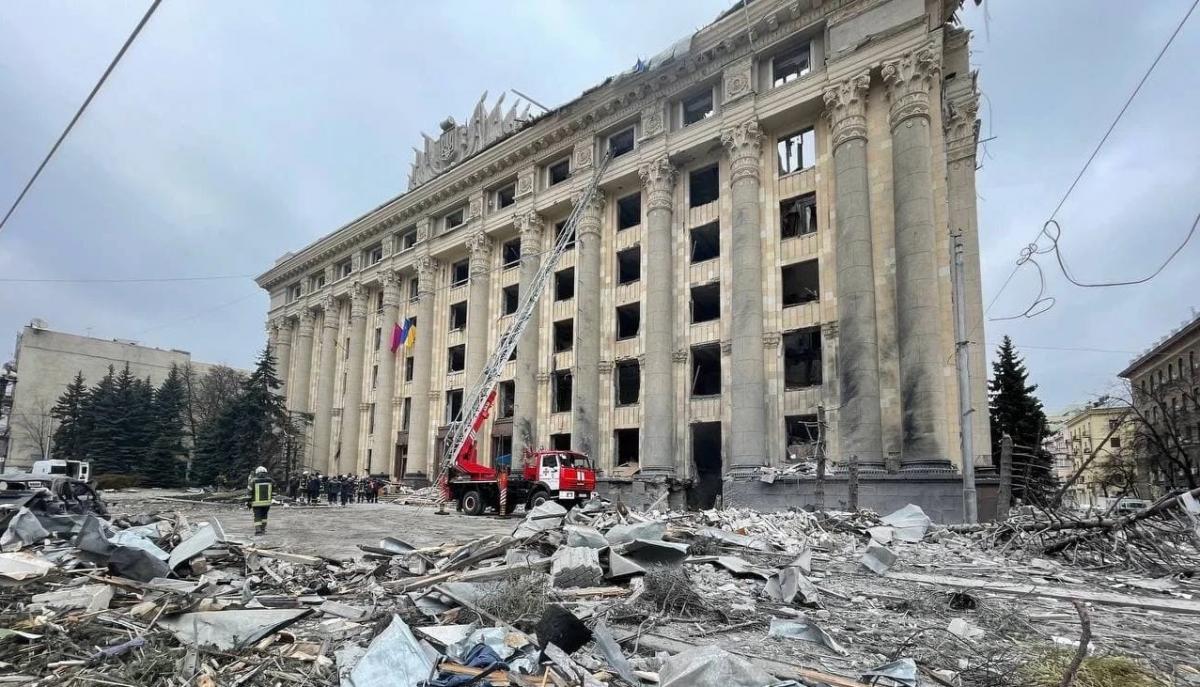
KharkivChief prosecutor for the International Criminal Court (ICC) Karim Khan visited Kharkiv with Ukrainian Prosecutor General Iryna Venediktova to document evidence of war crimes. During his visit Khan called the city a "crime scene," and toured areas hardest hit by Russian bombing. "We must make sure that the whole world sees that the law works," Khan said, promising to prosecute war criminals. Venediktova praised Khan for his visit, saying, "Prosecutors are working even under fire gathering evidence for [Ukrainian and international] courts." Venediktova reports that 760 civilians have been killed, over 1,000 injured, and 4,000 buildings destroyed in Kharkiv oblast due to Russian shelling. (Photo via Wiadomosci)

Iran
Tabandeh

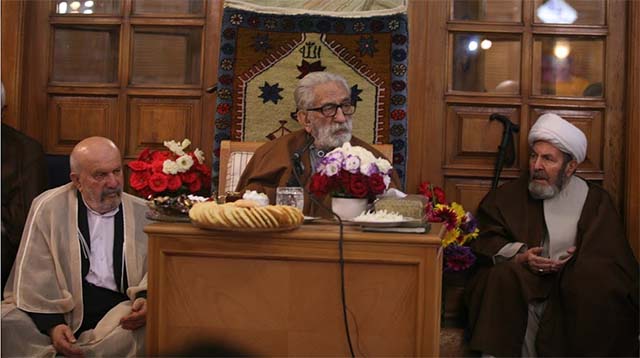
Iran on edge following death of Sufi leader

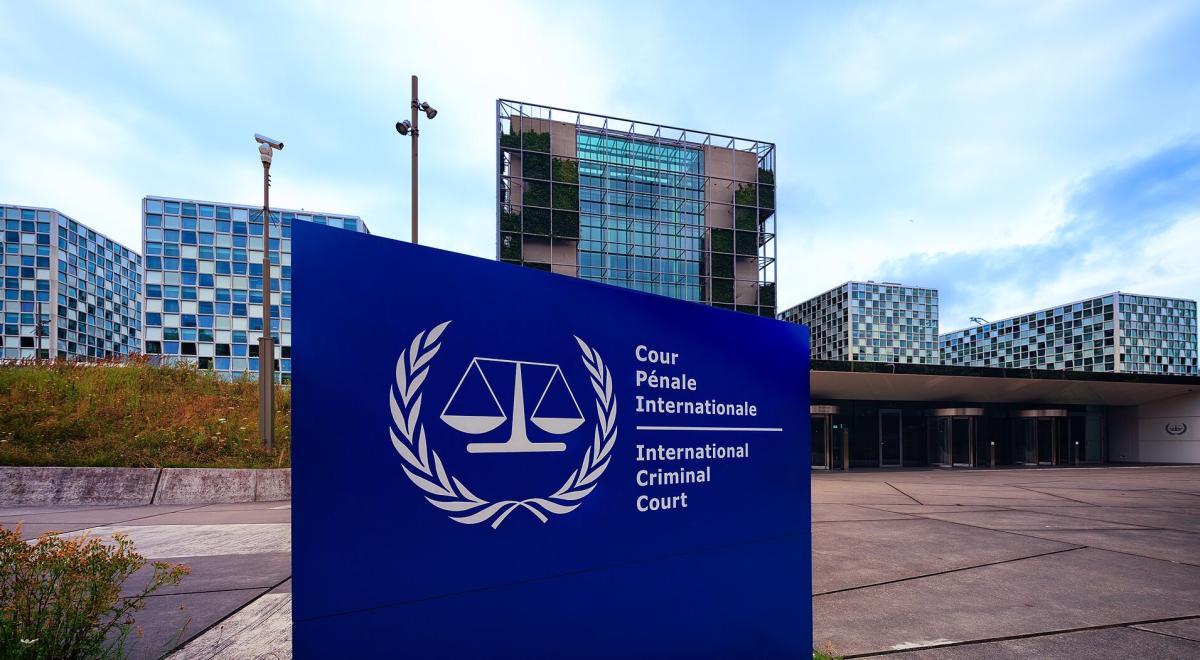
ICCThe United Nations Independent International Fact-Finding Mission on Venezuela called on the Venezuelan government to reverse its decision to withdraw from the Rome Statute, the treaty that established the International Criminal Court (ICC), warning that leaving the ICC would weaken accountability for serious human rights violations and limit victims' access to justice. (Photo: Tony Webster via Wikimedia Commons)

The Andes
Chapare

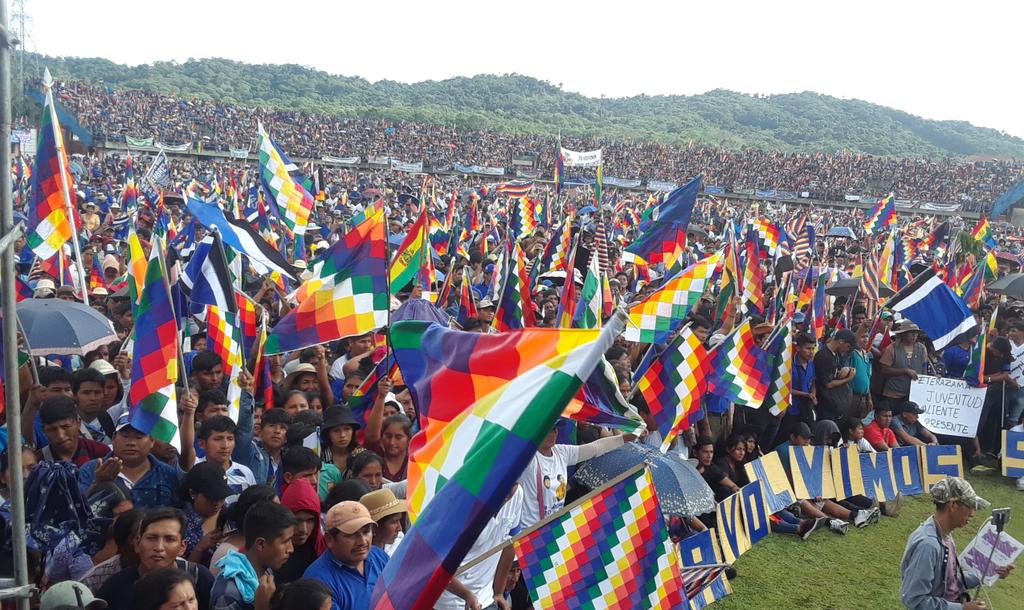
Bolivia: regime threatens autonomous Chapare

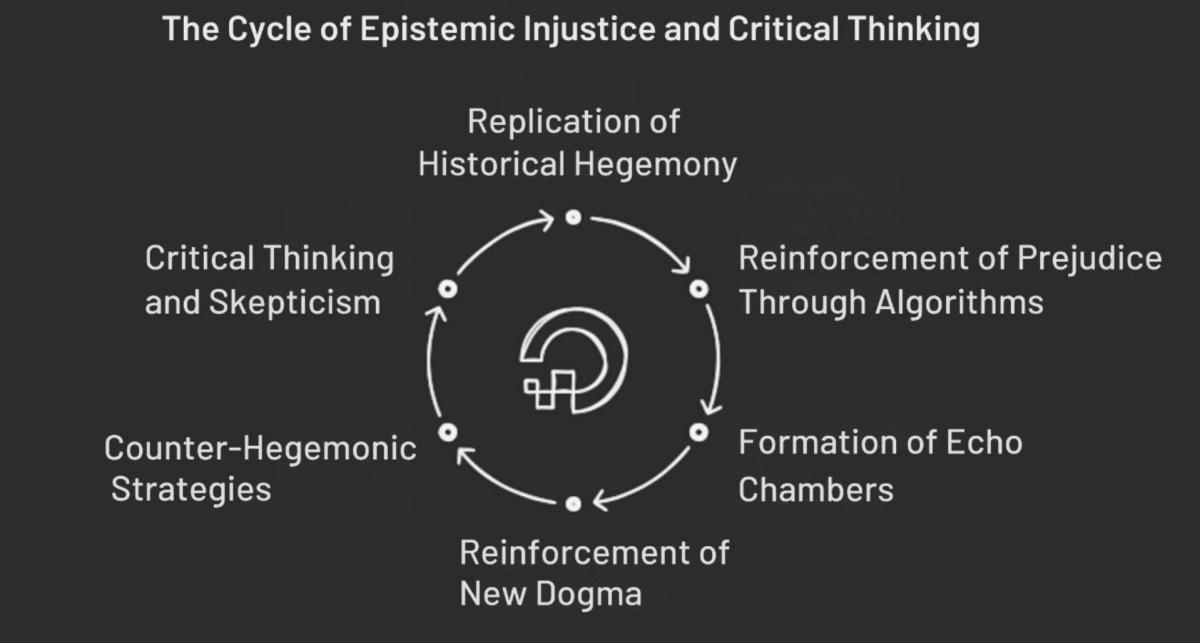
cycleAt the UN's Global Dialogue on AI Governance in Geneva, Nobel Peace Prize laureate Maria Ressa warned that artificial intelligence poses the threat of an "information Armageddon." Scholars of critical theory perceive that online culture reproduces a "cycle of epistemic injustice" by fostering "organized stupidity" that fuels extremism and authoritarianism. And the same technology now implements the grim material application of this degraded intellectual climate, with a UN Human Rights Council study especially accusing Palantir of being part of an "economy of genocide" through its enabling of Israel's AI-enhanced targeting in Gaza. Meanwhile, the pollution generated by the data centers that power AI is now "almost incomprehensible." Despite all this, UNESCO in Geneva glibly called for a "safe and inclusive AI that benefits all," and an openly boosteristic "AI for Good" confab was held alongside the Global Dialogue. The "anti-tech rebellion" against screens in school classrooms is a significant sign of hope, but the end of reading and death of literacy are already upon us. Moves toward greater regulation of AI are most significant as a catalyst for the conversation that needs to be had: how to launch an effective movement for abolition. In Episode 336 of the CounterVortex podcast, Bill Weinberg continues to make the case. (Image: CounterVortex, after JSCSR)

Greater Middle East
Idlib displaced

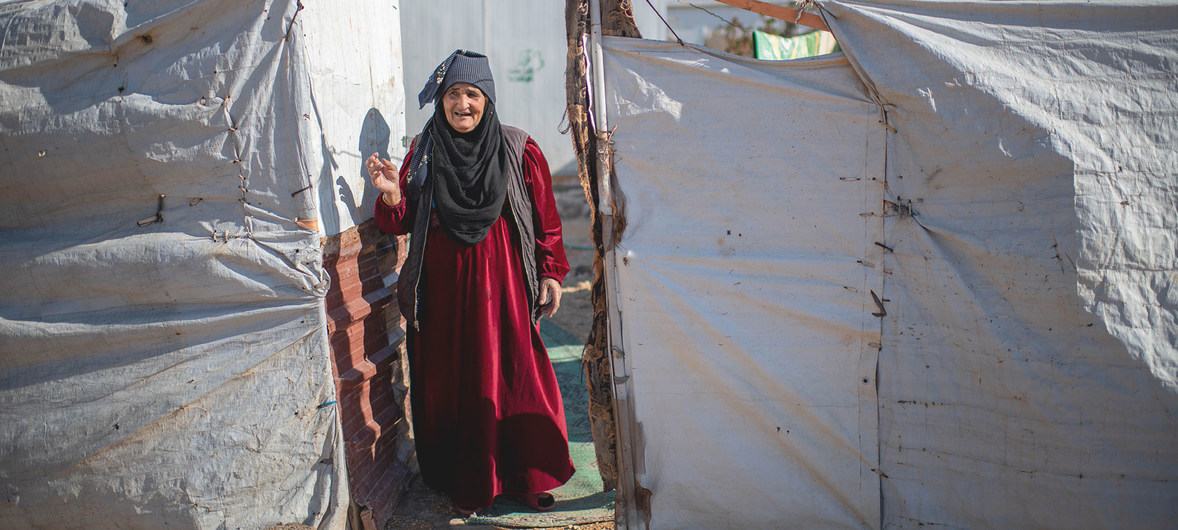
Syria: thousands flee intensified Idlib offensive

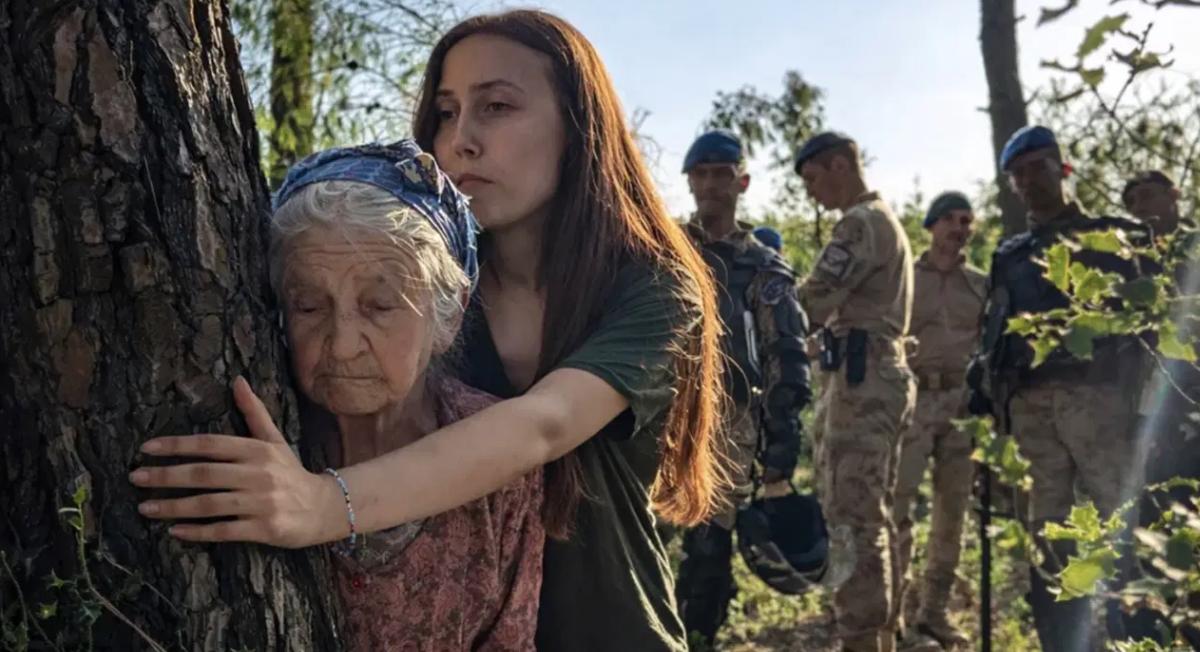
EsraAmnesty International condemned the conviction in Turkey of environmental activist Esra Işık. The activist was convicted of "resisting a public official to prevent performance of duty" and "insulting a public official," and sentenced to two years and one month in prison. Işık was detained in March following participation in demonstrations against an extraordinary "urgent" land expropriation decision by the Turkish government, in which over 600 parcels in the Akbelen Forest area were to be seized for expansion of a coal mine. (Photo: Cumhuriyet)

Planet Watch
Cumbre de los Pueblos

Madrid climate talks a total bust

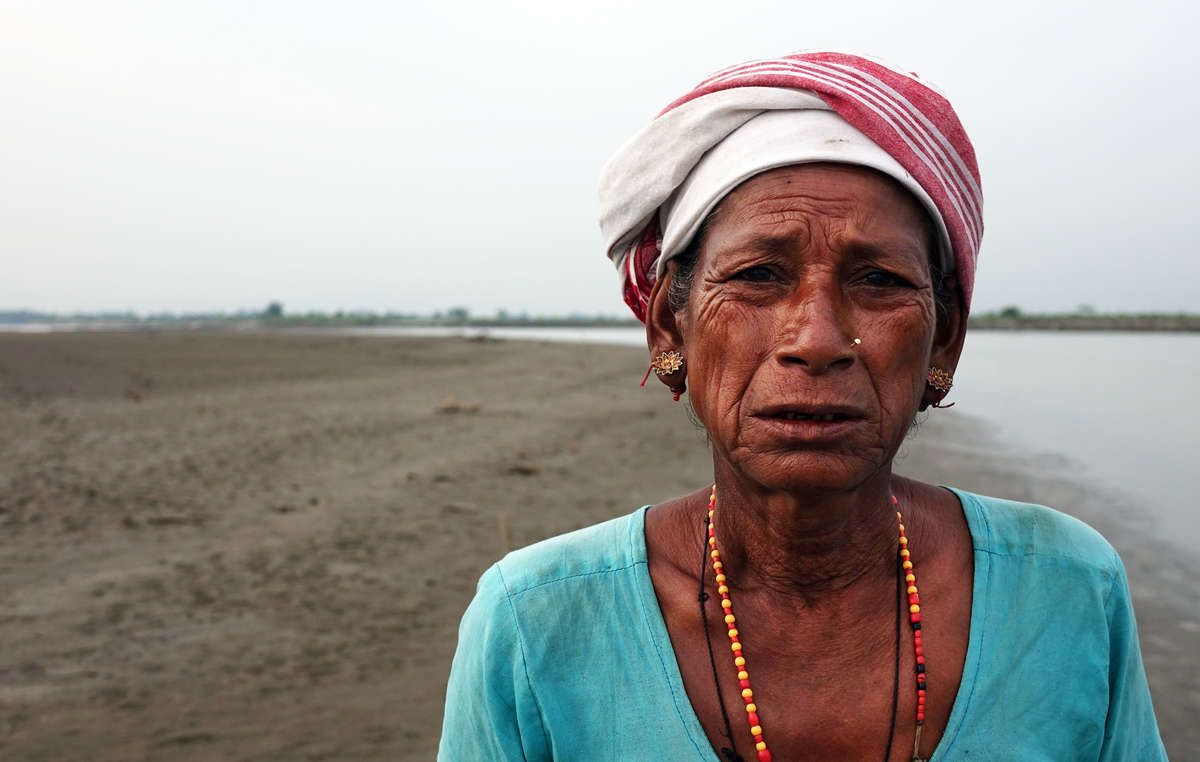
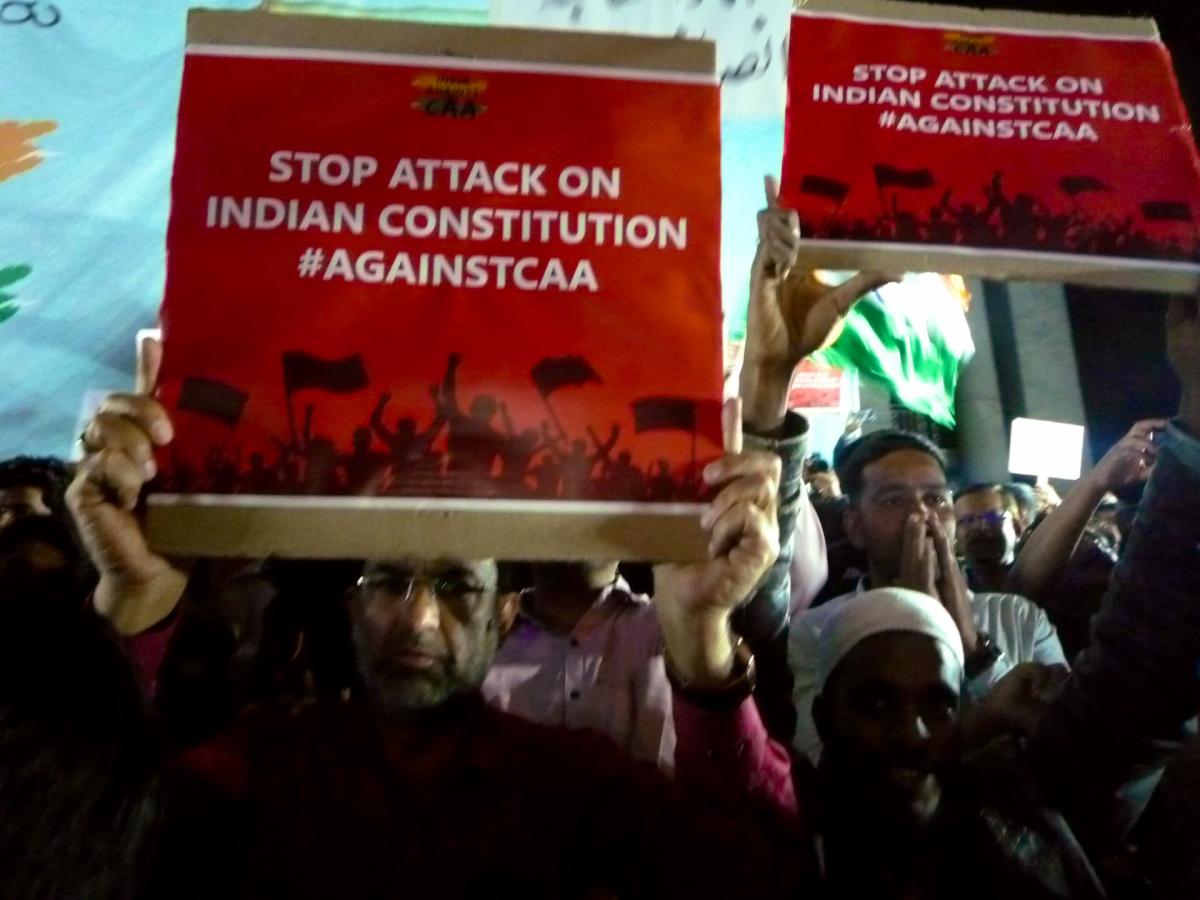
Indian authorities have deported thousands of Bangladeshi citizens in the month since Prime Minister Narendra Modi's Hindu-nationalist Bharatiya Janata Party (BJP) won elections in the state of West Bengal. Shortly after taking power in West Bengal, BJP officials ordered the creation of detention centers both for undocumented Bangladeshis and Rohingya Muslims who are fleeing persecution in their native Burma and mistreatment in overcrowded refugee camps in Bangladesh. (Image: Sowmya Reddy)